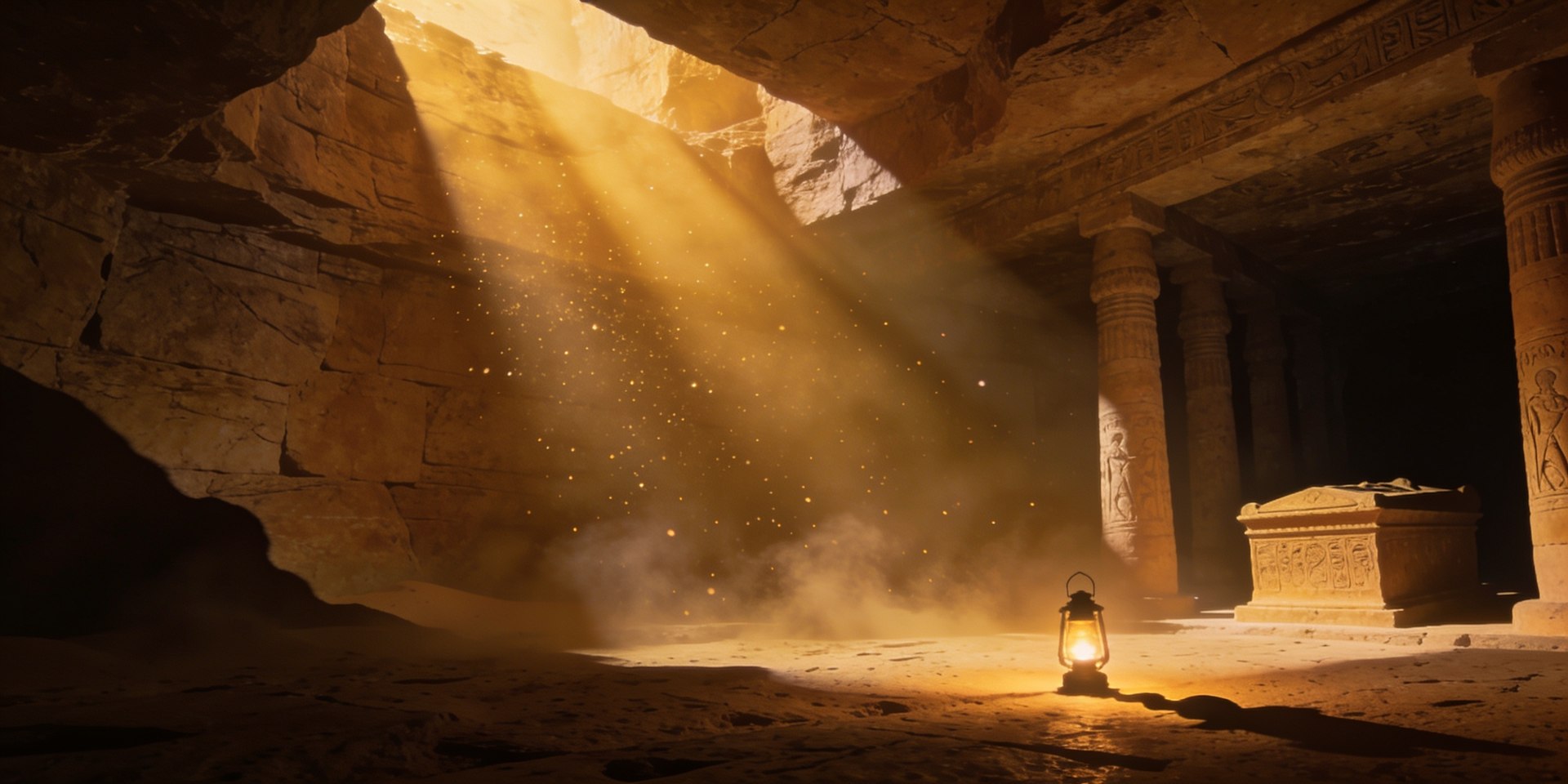

Archaeology is the only science built almost entirely on theft. Every great museum holds a room of objects pried out of someone else's grave, and every adventure story in this genre knows it. That tension is the whole engine. The hero is a scholar who loves the past, and the past keeps trying to kill him for disturbing it. Pull the idol off the pedestal and the temple comes down. Read the inscription aloud and the mummy wakes up. The fantasy is knowledge, and the punishment is always the same: some things were buried on purpose.
What keeps the genre alive is that the real history is almost as lurid as the fiction. Howard Carter opened Tutankhamun's tomb in 1922 and within months his patron Lord Carnarvon was dead of an infected mosquito bite, and the world decided a pharaoh had done it. The Sutton Hoo ship burial really did emerge from an English field on the eve of a world war. The dig trench, the brush, the lamplit chamber nobody has entered in three thousand years: these are not invented set pieces. They are the actual romance of the discipline, and the films, games and novels here just turn up the danger.
Essential archaeology and lost tombs
The canon: relic hunters, dig sites and curses across every medium

Raiders of the Lost Ark is still the blueprint nobody has beaten
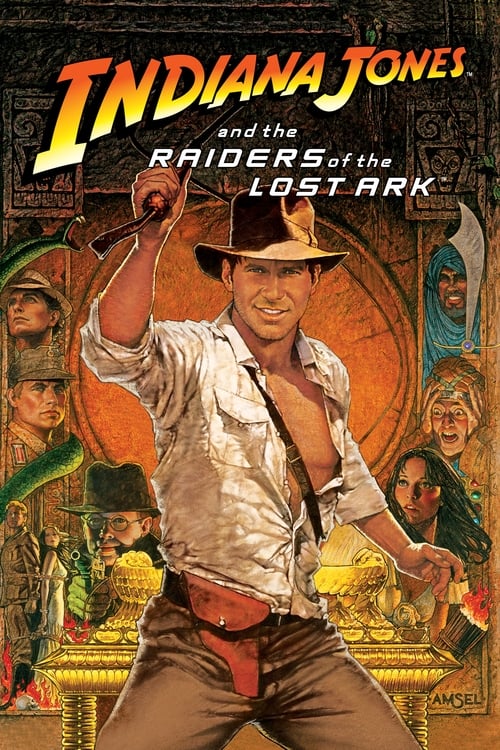
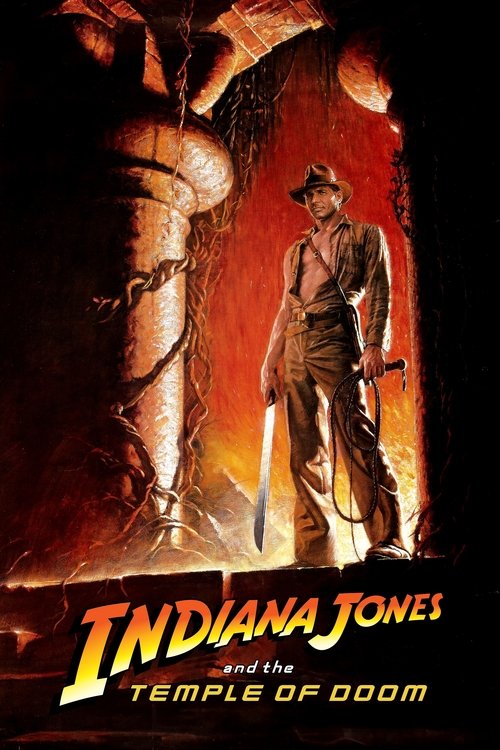
Spielberg and Lucas built Raiders of the Lost Ark in 1981 as a deliberate throwback to Saturday-morning serials, and forty years later every relic-hunt that follows is measured against it. The trick is that Indiana Jones is a real archaeologist with a teaching job, and the film never lets you forget it. He wants the Ark in a museum. The Nazis want it as a weapon. That moral line, scholarship against plunder, is what gives the snake pits and rolling boulders their weight.
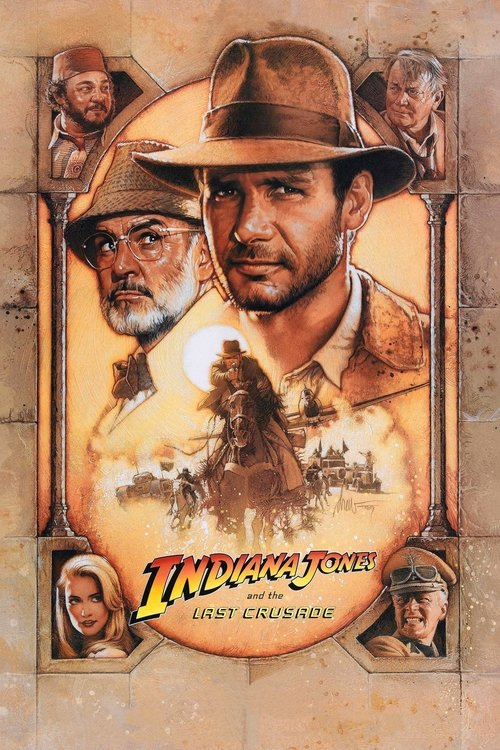
The ending is the genre's purest statement of its own theme. The good guys win, the Ark is opened, and the wrath inside it kills everyone who looks. Then the government crates it up and loses it in a warehouse. Some things should stay buried, and the film means it. The Last Crusade is the warmer sequel, but Raiders is the one the whole genre is still chasing.
The tomb on the big screen
Curses, digs and grave robbers from the silent era to the multiplex


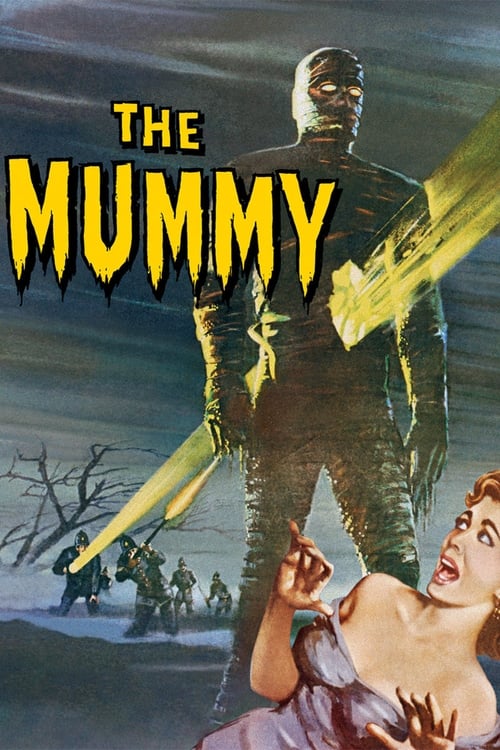
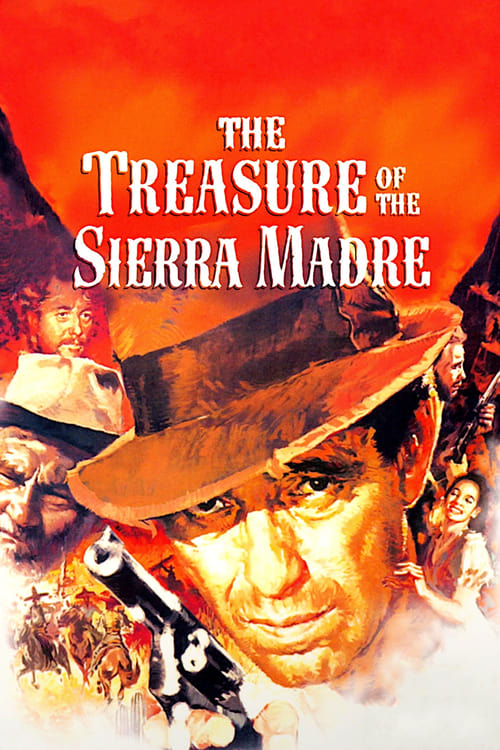
The quiet dig and the loud one
The genre runs on two opposite temperaments. There is the loud archaeology of the whip and the gunfight, and there is the quiet archaeology of the trowel and the field notebook, and the best of the genre knows the second is where the real wonder lives.
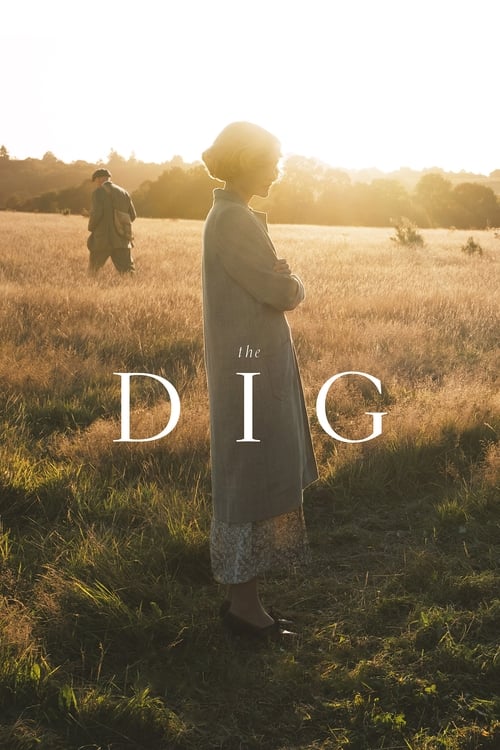
The Dig (2021) is the patron saint of the quiet kind. It dramatises the 1939 Sutton Hoo excavation in Suffolk, where a self-taught excavator named Basil Brown found the imprint of an entire Anglo-Saxon ship in the soil, its timbers long rotted away but its shape preserved as a stain. There is no curse and no villain. The drama is a man on his knees in a trench, racing a coming war to lift a king out of the ground with a brush. It is the rare film that understands the thrill of archaeology is not the gold. It is the moment the past becomes legible again.
The Dig is the most honest film about archaeology ever made
Simon Stone's The Dig could not be further from a tomb-raider blockbuster, and that is exactly why it belongs at the centre of this guide. Ralph Fiennes plays Basil Brown, the working-class excavator the establishment tried to write out of the Sutton Hoo discovery, and Carey Mulligan is Edith Pretty, the landowner who hired him. The film is about who gets the credit when something extraordinary comes out of the ground, which is the oldest and ugliest argument in the discipline.
What the film captures that the action films cannot is the texture of the work: the careful scraping, the sudden hush when an iron rivet appears, the dread of rain on an open trench. The treasure is real (the Sutton Hoo helmet is one of the great finds in British archaeology) but the film keeps its eyes on the people and the soil. It is proof that you do not need a curse to make a dig feel like the most important thing in the world.
Relic hunters you can control
Tombs, traps and lost cities, with a controller in your hand
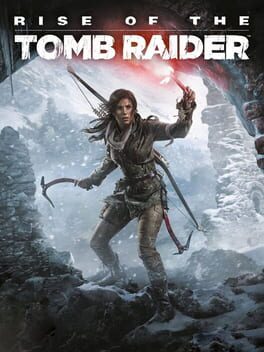
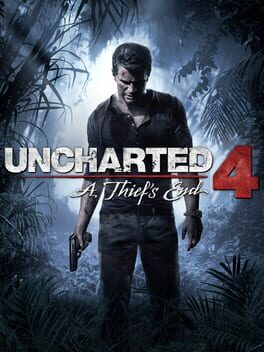
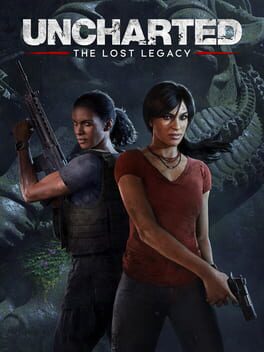
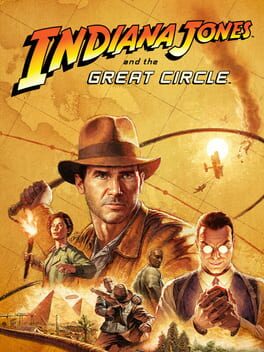
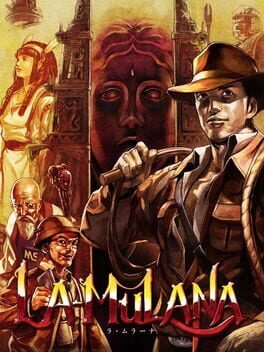
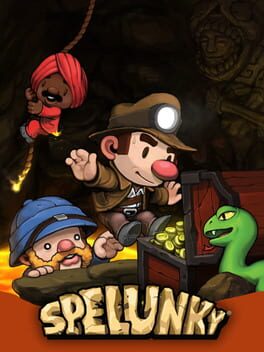
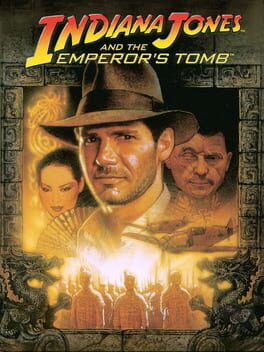
Uncharted finally let the games grow past the smash-and-grab
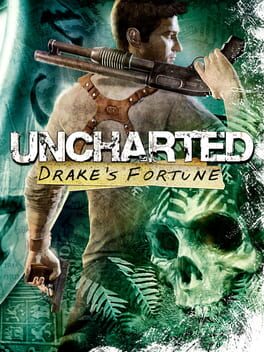
For years the tomb-raiding game was a power fantasy with the morality switched off. You entered an ancient site, you took everything, you left it on fire. Naughty Dog's Uncharted series started there too, with Nathan Drake cracking jokes while looting El Dorado, but across four games it quietly grew a conscience. By A Thief's End the question the series asks is whether the chase is worth what it costs the people you drag into it.
The Lost Legacy goes further by handing the lead to Chloe Frazer, an Indian treasure hunter searching for a relic that is part of her own heritage rather than someone else's to plunder. The set pieces are still enormous (a collapsing train, a flooded chamber, a city swallowed by jungle) but the spin shifts. The best of these games understand that the most interesting archaeologist is the one who has started to wonder whether they are the hero or the grave robber.
Dig sites on the small screen
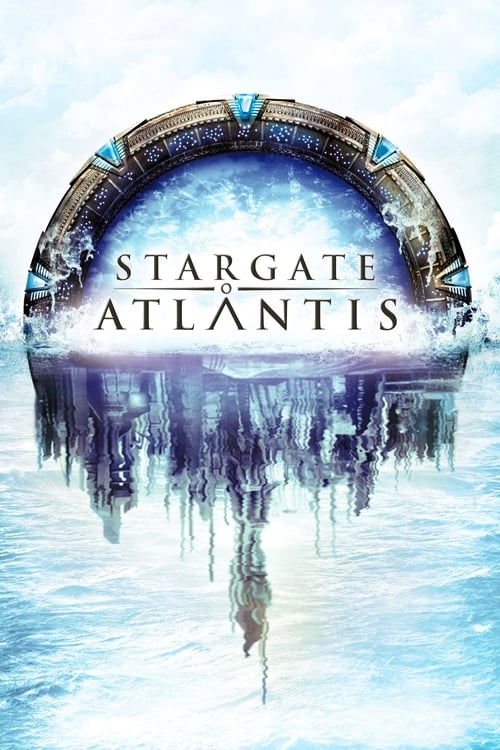
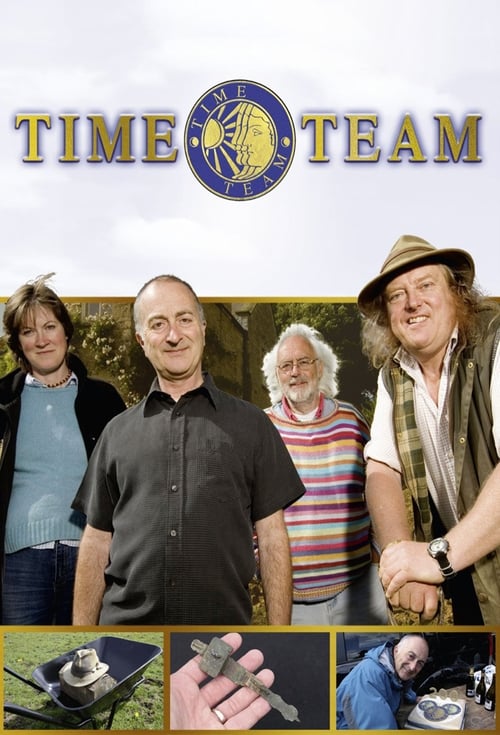
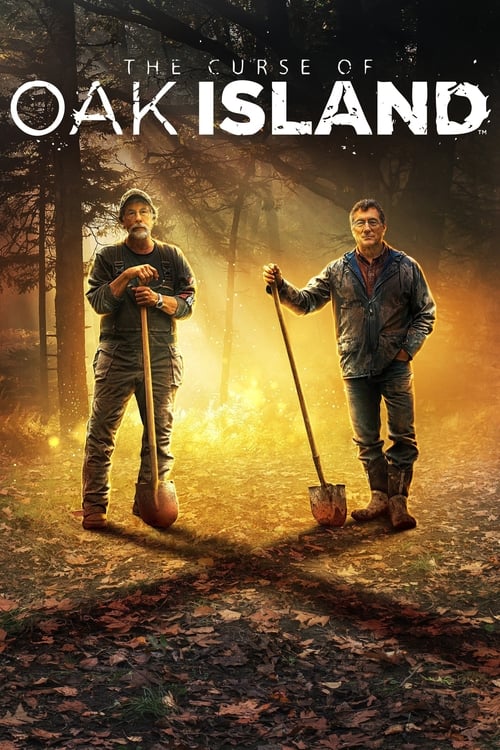
Gateways, drowned treasure and the real trenches of British television
The novels that buried the treasure first
Long before the cameras, archaeology was a literary obsession, and the page is still where the genre is sharpest about its own contradictions. Elizabeth Peters, herself a trained Egyptologist, launched her Amelia Peabody mysteries with Crocodile on the Sandbank in 1975: a Victorian spinster who inherits a fortune, sails to Egypt, and ends up running excavations and solving murders with a parasol and an unshakeable contempt for tomb robbers. The series is meticulous about real Egyptology because Peters knew it cold.
Agatha Christie knew the dig from the inside too. She was married to the archaeologist Max Mallowan and spent seasons on Mesopotamian excavations, and that experience fed Murder in Mesopotamia and the desert-set Death on the Nile. Even Terry Pratchett got into the tomb business with Pyramids, a Discworld satire on the absurd economics of building a god a house once he is already dead. Books are sparsely tagged for this theme in the catalog, so this row is hand-picked by title rather than auto-pooled.
Buried on the page
Amelia Peabody, the Discworld pyramids and the murders in the dig house


Can you see anything? Yes, wonderful things.Howard Carter, asked what he saw through the first breach into Tutankhamun's tomb, 1922
Assassin's Creed Origins is the closest you can get to walking into the past
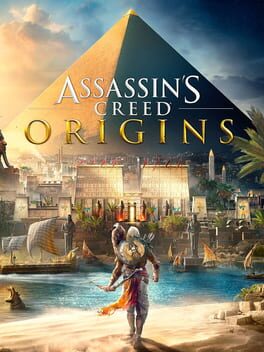
Ubisoft built Ptolemaic Egypt for Assassin's Creed Origins with enough care that they later stripped the combat out and shipped it to schools as a guided museum. You can climb the Great Pyramid before its limestone casing eroded, walk the Library of Alexandria while it still stood, and crawl through tomb shafts laid out from real survey plans. The protagonist Bayek is a Medjay, a kind of frontier lawman, and the world he moves through is the actual landscape every film in this guide is pretending to visit.
What makes it land for an archaeology guide is the doubled vantage. You play in the ancient world and you also play the modern frame, digging up the past through a machine, which is the genre's central image made literal. No documentary gives you the streets of Memphis at this scale. If you want to know why people spend their lives in the dust chasing this period, spend a few hours here and the obsession starts to make sense.
Lost cities and the curse beyond Egypt
Jungle expeditions, drowned hoards and the wider hunt for what was lost
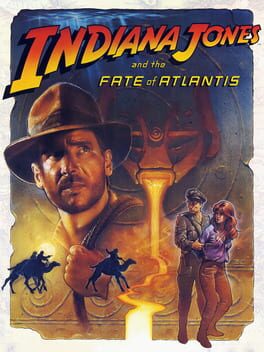
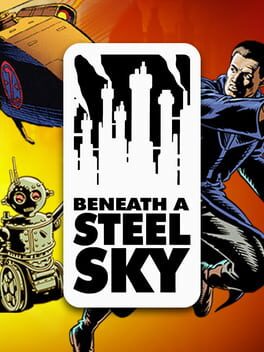
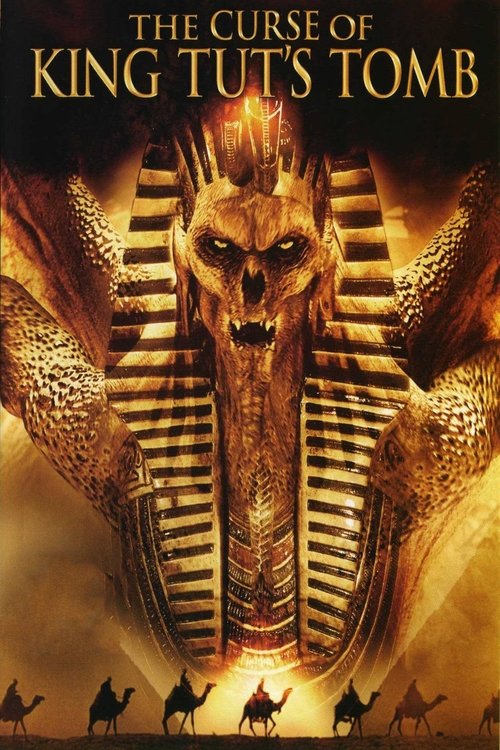
A note on the soundtrack
The genre has a sound, and it is mostly John Williams. His Raiders March is so welded to the image of an archaeologist running from a boulder that it functions as a second title card. The catalog carries his scores as standalone works, so if you want the dig without the danger, Indiana Jones and the Last Crusade and the original Raiders of the Lost Ark soundtracks are both here, brass and timpani and all. Dedicated original scores for the quieter films are thin in the catalog, so this is a short list rather than a full row, but the two that matter most are present.