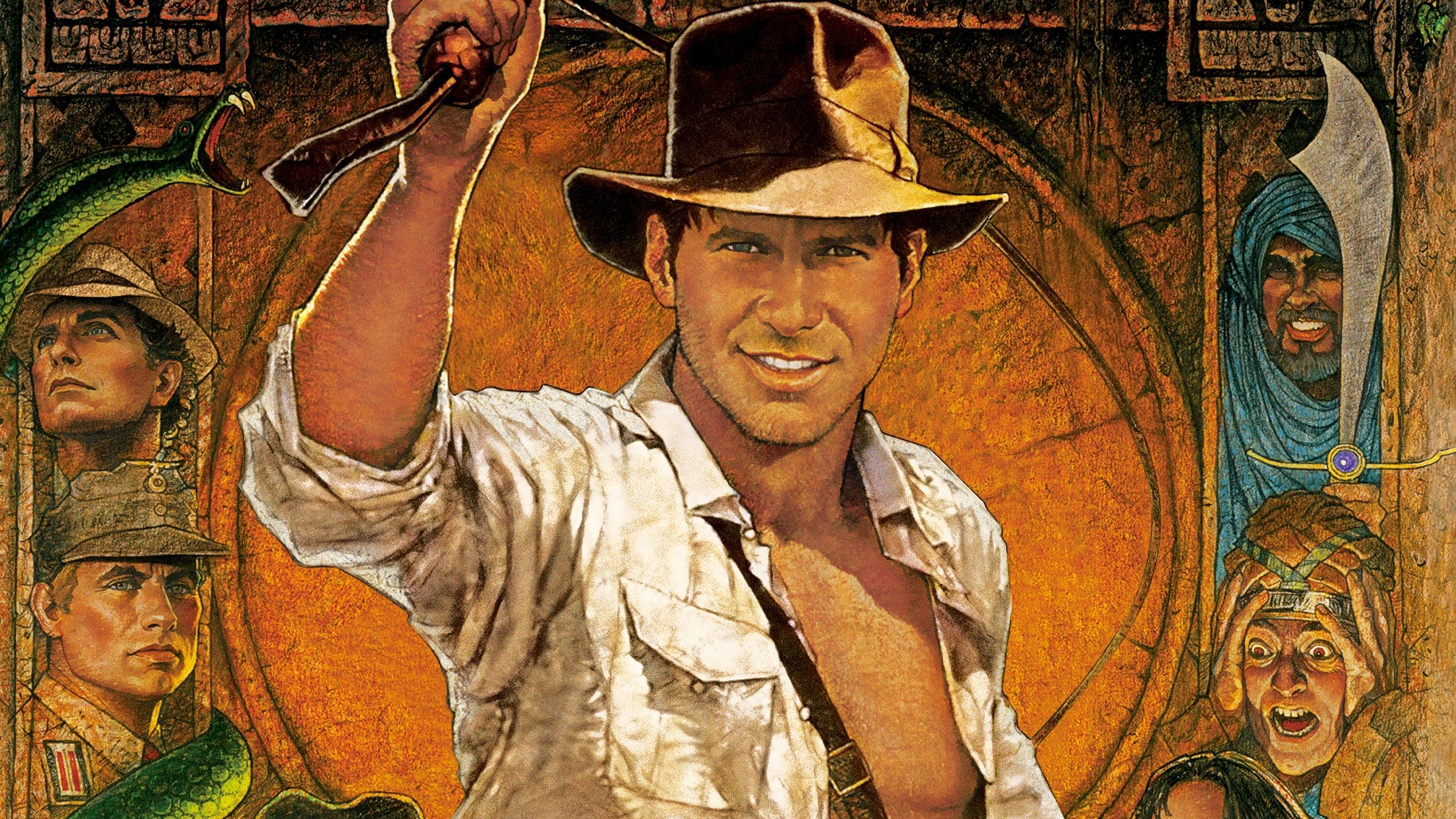

Indiana Jones is the gold standard of the adventure serial reborn as cinema. Across four decades and five films, Steven Spielberg and George Lucas fused 1930s pulp mythology with genuine archaeological wonder, giving us a hero who bleeds, sweats, and is afraid of snakes, yet somehow always gets the artifact. The through-line a fan loves is not the action itself but what the action is for: the idea that history is alive, dangerous, and worth risking everything to protect. Whether it is the Ark of the Covenant buried beneath sand, the Holy Grail hidden inside a knight's tomb, or the mystery of the crystal skulls, every MacGuffin carries the weight of human civilization. That sense of stakes, wrapped in golden-hour cinematography and a John Williams theme that sounds like discovery itself, is what separates Indiana Jones from every imitator.
Essential Indiana Jones
The five films, ranked by most fans as the core of the canon
The TV Bridge: Young Indy and the Adventure Serial Tradition
Series that capture the period-hopping episodic energy of the franchise

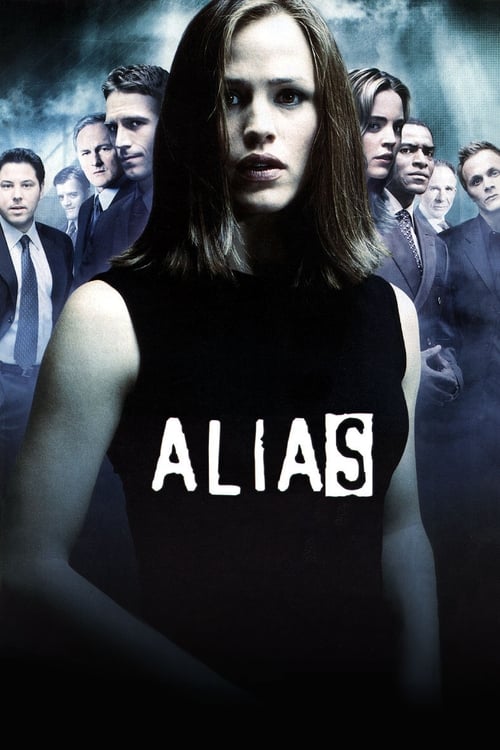
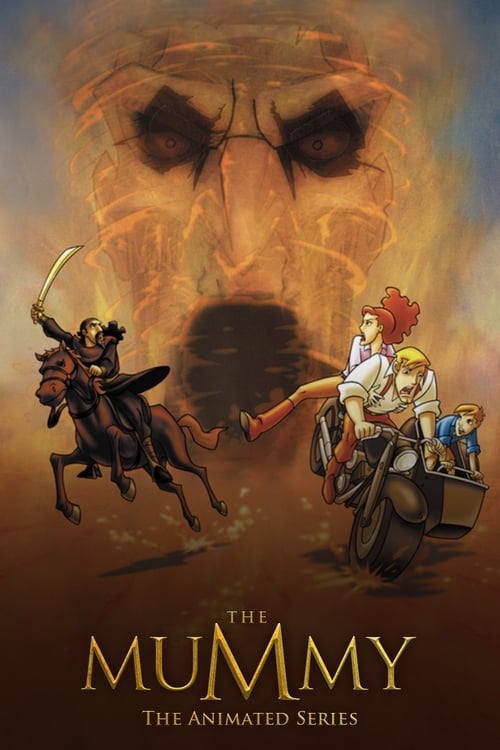
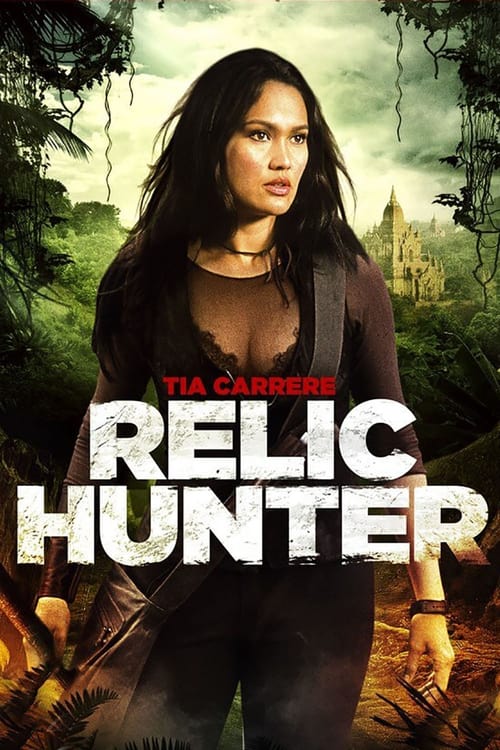
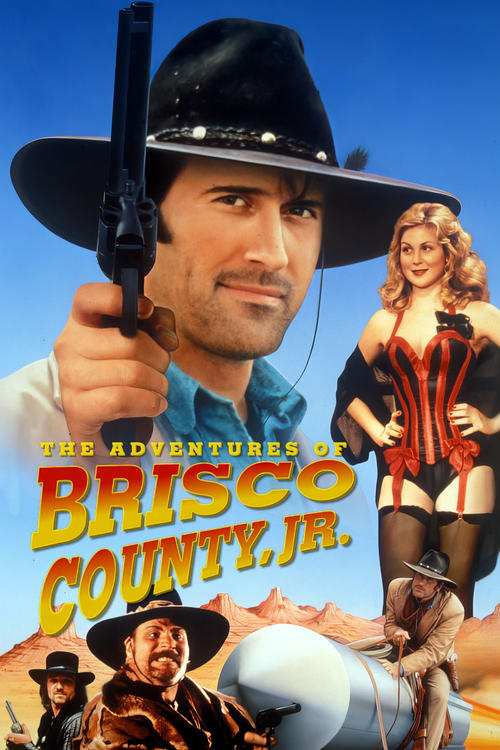
Same DNA: Adventure Films That Fill the Gap
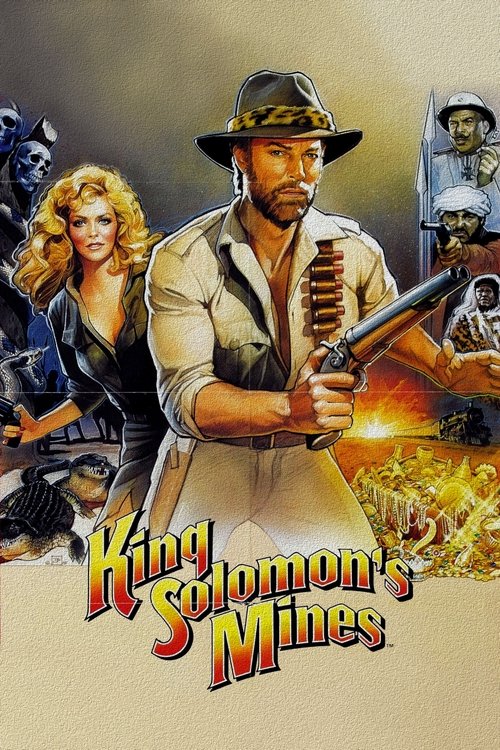
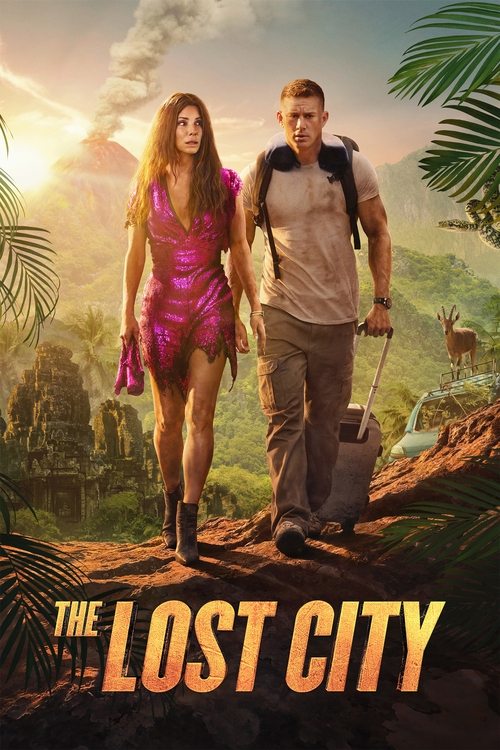
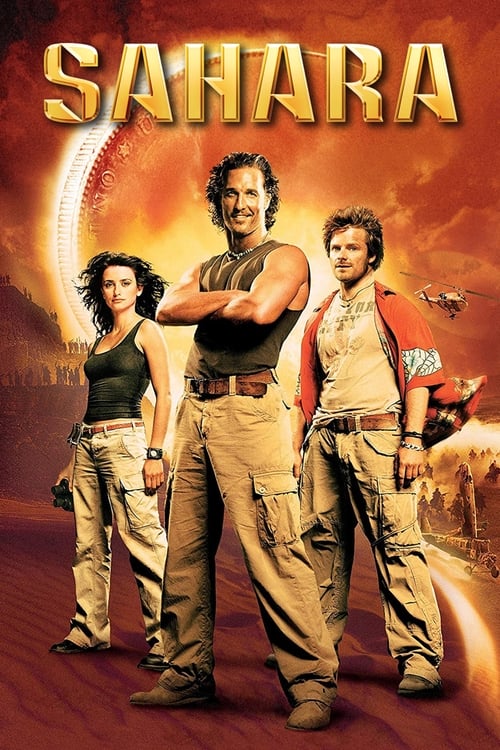
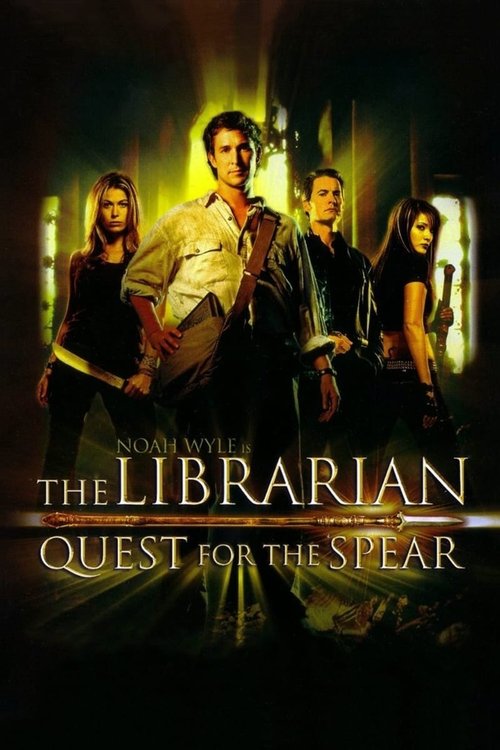
Movies with the same pulse-pounding mix of history, mystery, and globe-trotting action
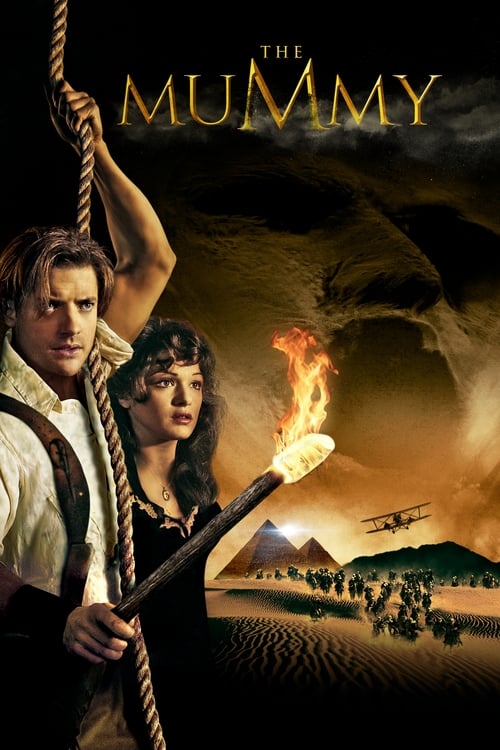
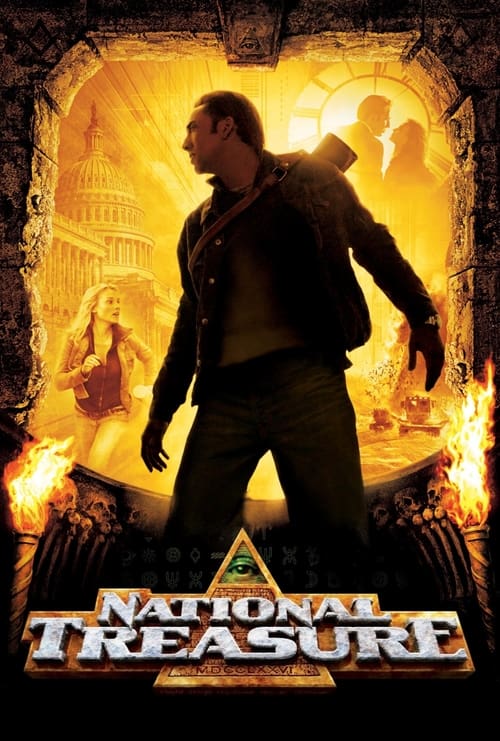
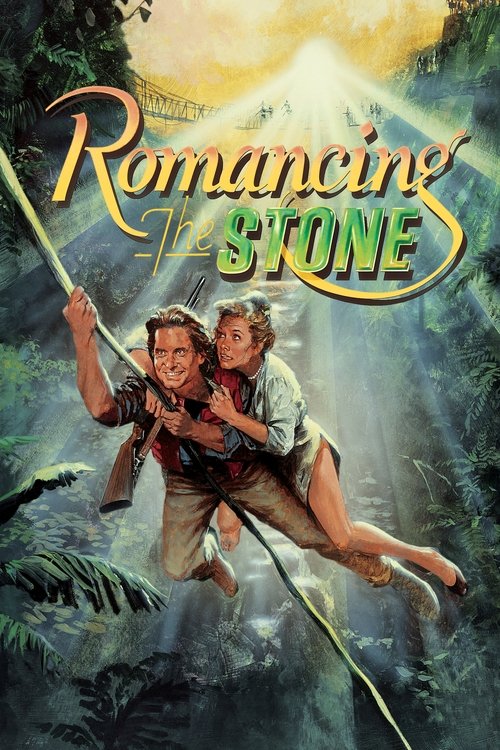
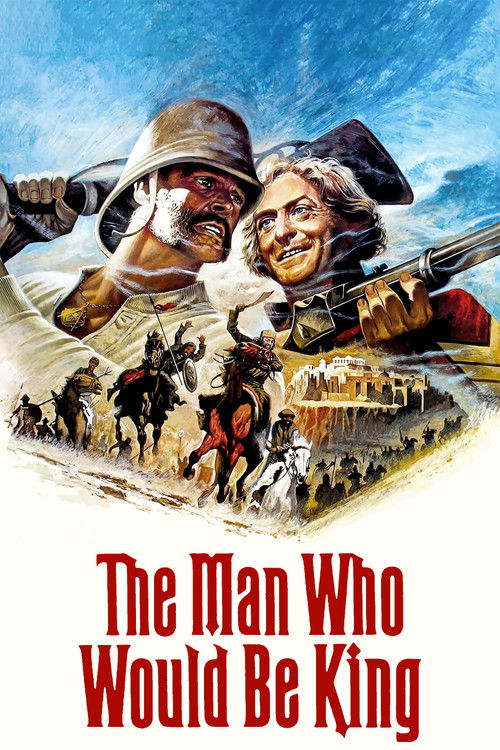
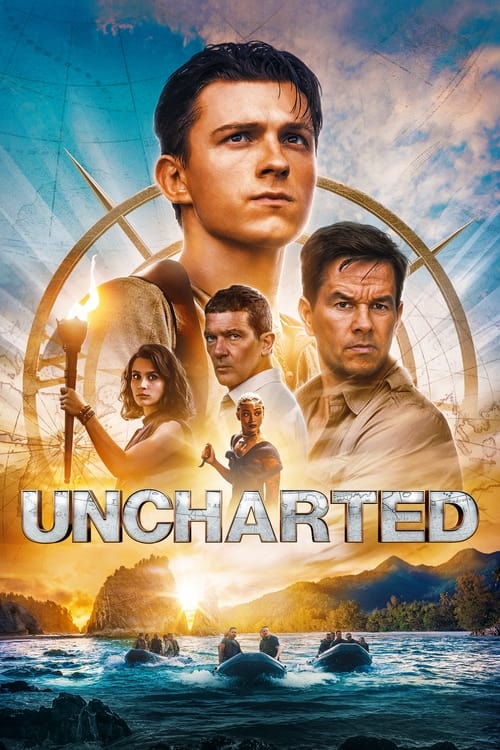
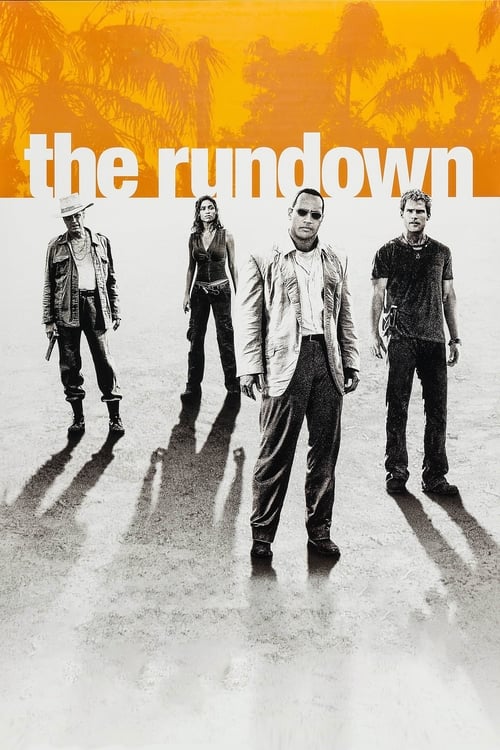
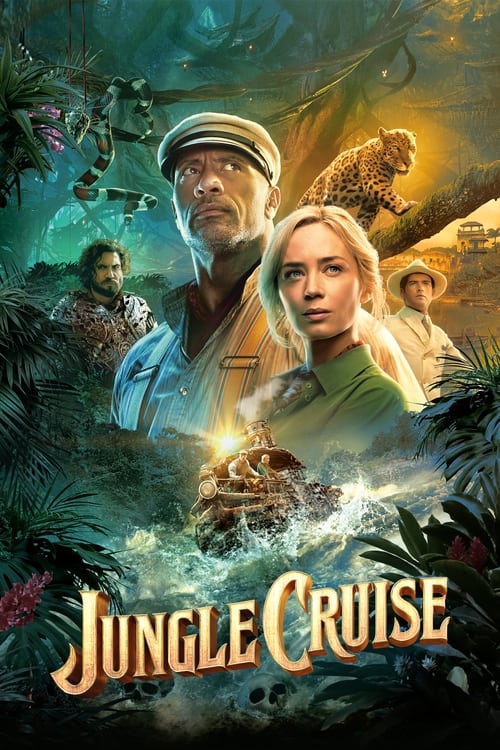
Dig Deeper: Books That Feed the Indy Appetite
Archaeology thrillers, pulp adventure novels, and the fiction that inspired the films




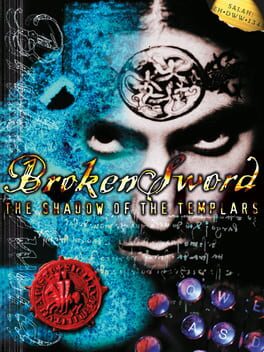
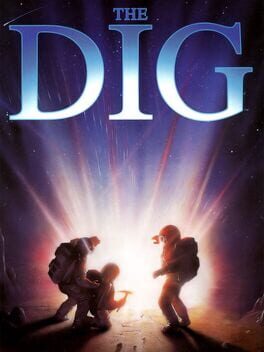
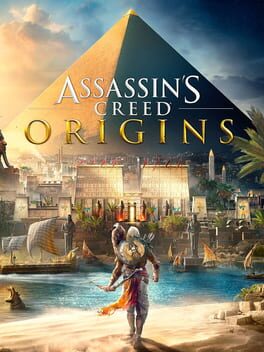
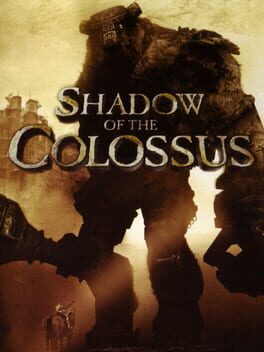
Controller in Hand: Games Built on the Indy Formula
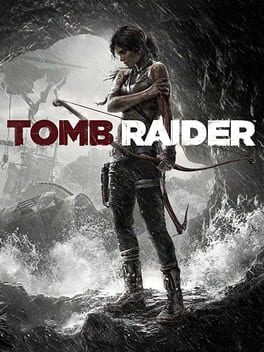
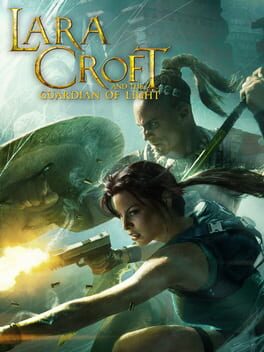
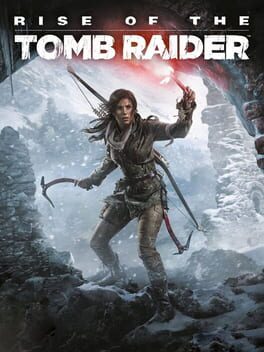
Action-adventure games where ancient ruins, clever puzzles, and combat meet

Raiders Is Not Just the Best of the Series. It Is One of the Best Films Ever Made.
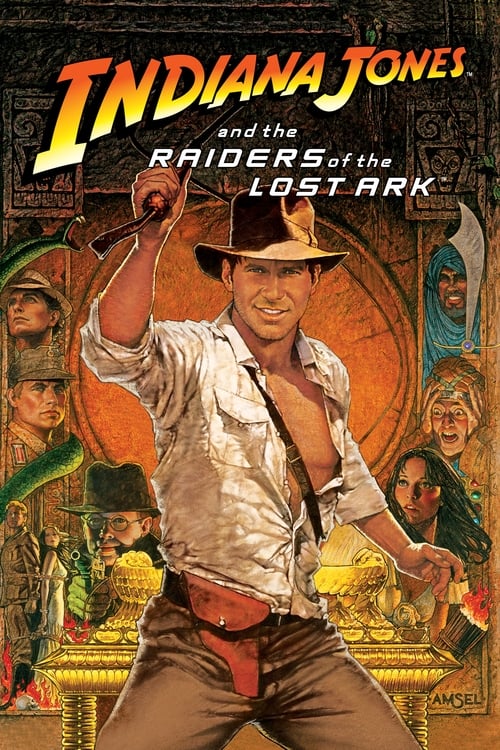
The 1981 original is a perfect film in a way that none of its sequels, however beloved, quite replicate. Every scene earns its place. The famous boulder, the sword vs. gun gag, the truck chase through the desert: these are not set pieces bolted onto a story. They are the story, each one revealing something about who Indiana Jones is. Spielberg and cinematographer Douglas Slocombe gave it the texture of a 1940s serial filtered through the visual ambition of New Hollywood, and John Williams wrote the defining adventure theme of the 20th century. Forty-plus years later, it has not aged a frame.
The Last Crusade Gets the Father-Son Dynamic Right Where Most Blockbusters Get It Wrong
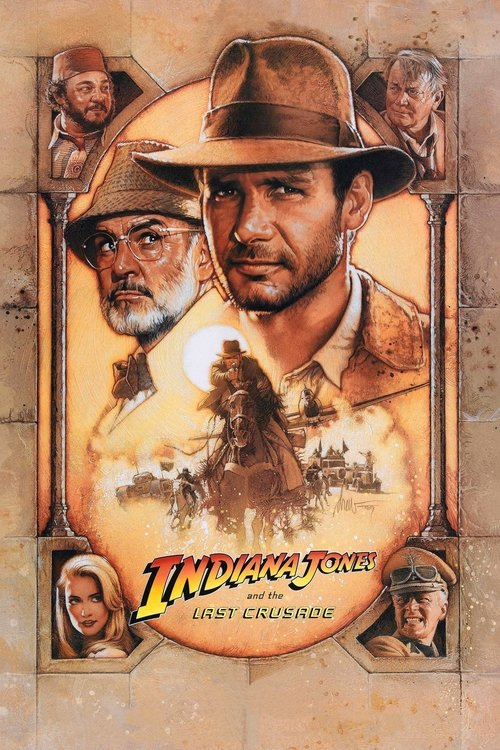
Sean Connery's Henry Jones Sr. is one of cinema's great supporting performances, and the third film earns its emotional climax because Spielberg spends the whole movie building genuine tension between a father and son who love each other but cannot say so. When Henry calls Indy by his real name at the Grail's threshold, it lands because the film has done the work. Adventure movies rarely slow down long enough to care about their characters this way. The Last Crusade does, and it is the better for it.
Fate of Atlantis Remains the Definitive Indy Experience Outside Film
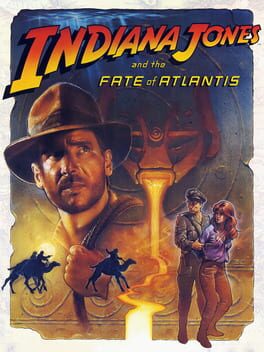
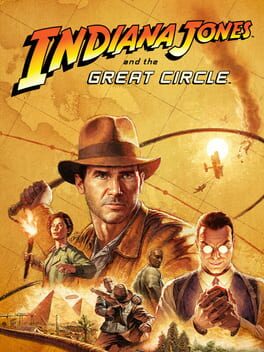
LucasArts' 1992 point-and-click adventure is not a licensed cash-in. It is a genuine Indiana Jones story, written by Hal Barwood with a plot ambitious enough to have been a real fourth film: three branching paths through the legend of Atlantis, voiced performances that rival the films, and puzzles that reward actual lateral thinking. The Great Circle (2024) is a worthy modern successor, but Fate of Atlantis earned its place as the franchise high-water mark outside the cinema long before that.
The Adventure Novel Tradition That Made Indy Possible
Spielberg and Lucas designed Indiana Jones as a conscious homage to H. Rider Haggard, Edgar Rice Burroughs, and the pulp serials of the 1930s. That lineage is worth following. H. Rider Haggard's King Solomon's Mines (1885) is the direct ancestor: a Western adventurer, an African wilderness, a hidden treasure, and a civilisation older than memory. Reading it after watching Raiders reveals exactly what Spielberg was reaching for, and what he transformed.
Indiana Jones: A Timeline of the Franchise
- 1981Raiders of the Lost Ark released, setting a new benchmark for adventure cinema Raiders of the Lost Ark
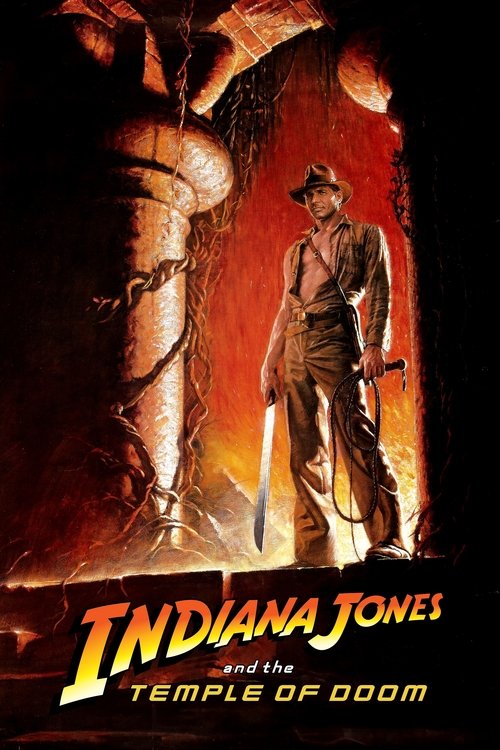
- 1984Temple of Doom ventures darker and further east, earning its PG-13-precursor controversy Indiana Jones and the Temple of Doom
- 1989The Last Crusade brings Henry Jones Sr. into the story and closes the trilogy Indiana Jones and the Last Crusade
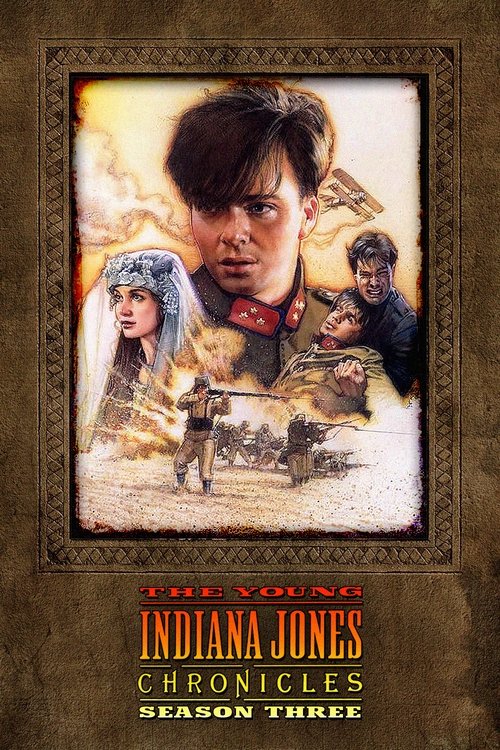
- 1992The Young Indiana Jones Chronicles debuts on ABC, spanning WWI-era adventures The Young Indiana Jones Chronicles
- 1992Fate of Atlantis redefines what a licensed adventure game can be Indiana Jones and the Fate of Atlantis
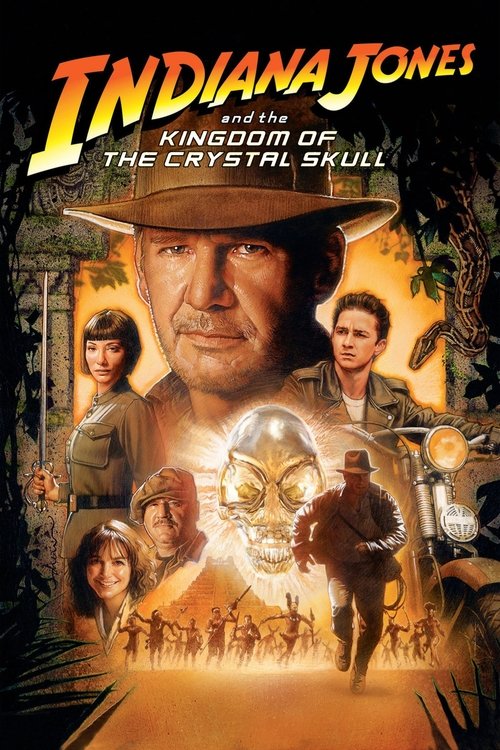
- 2008Kingdom of the Crystal Skull returns Indy to cinemas after a 19-year gap Indiana Jones and the Kingdom of the Crystal Skull
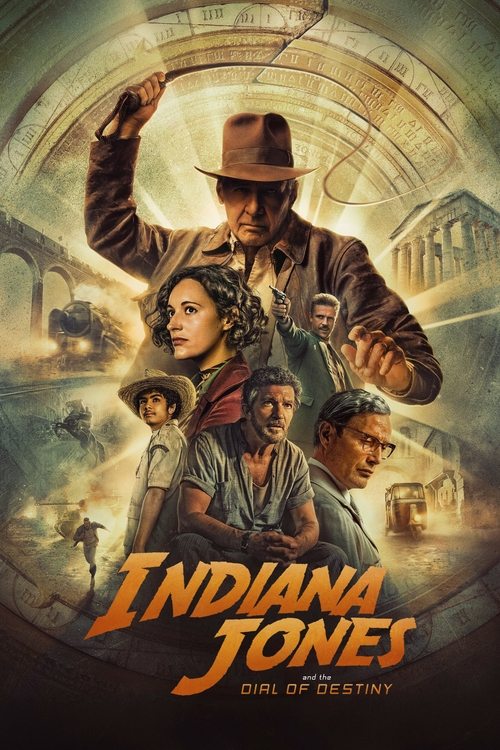
- 2023Dial of Destiny closes the saga with Harrison Ford's final bow as the character Indiana Jones and the Dial of Destiny
- 2024The Great Circle brings a first-person Indy adventure to a new generation of players Indiana Jones and the Great Circle
Relics, Ruins, and Daring Escapes
Treasure Hunts & Adventure
Explore the Treasure Hunts & Adventure guide →Archaeology is the search for fact, not truth. If it's truth you're interested in, Dr. Tyree's philosophy class is right down the hall.Indiana Jones, Raiders of the Lost Ark (1981)