
A Stranger Rides In
Jack Schaefer first published Shane as a short novel in Argosy magazine in 1946, under the working title "Rider from Nowhere." It appeared as a standalone book in 1949, and within a few years it had become required reading in American schools, one of those rare genre novels that crosses over into something the culture insists on taking seriously. The story is simple and elemental: a mysterious, skilled ex-gunfighter named Shane rides into a valley in Wyoming, takes work with a homesteading family named Starrett, and becomes the instrument by which the family and their farming neighbors defend their land against a powerful cattle baron who wants them gone. Shane wins the fight. Shane cannot stay. He rides off into the mountains, wounded, and the boy Joey calls after him.
The power of that ending, and the clarity of the moral geometry underneath it, is why Shane kept traveling. George Stevens turned it into one of the most technically accomplished Westerns ever filmed in 1953. ABC tried to extend the premise into a weekly series in 1966 (it lasted one season). And decades later, filmmakers working in entirely different registers, from Clint Eastwood to James Mangold, returned to Shane as the template for what a certain kind of story about a violent man trying to do right actually feels like.
Every Version of Shane
The source novel, the film, and the screen adaptations that explicitly carry the torch

Shane Across the Decades
- 1946"Rider from Nowhere" serialized in Argosy magazine
- 1949Shane published as a standalone novel by Jack Schaefer
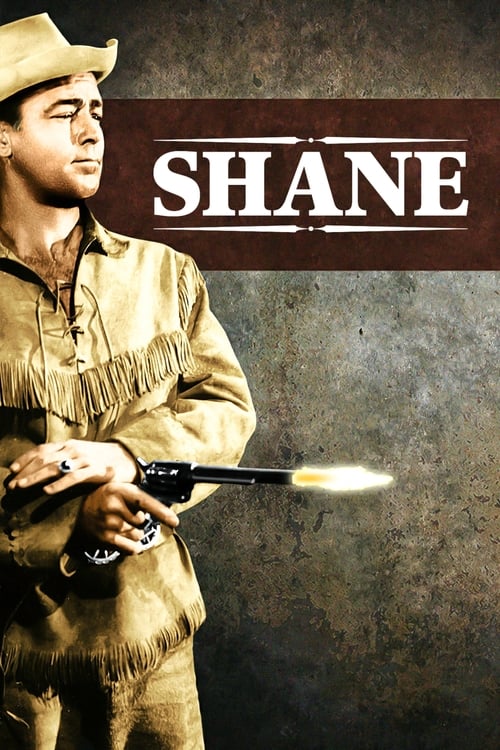
- 1953Shane film directed by George Stevens, starring Alan Ladd
- 1966Shane TV series on ABC, one season, David Carradine as Joey grown up
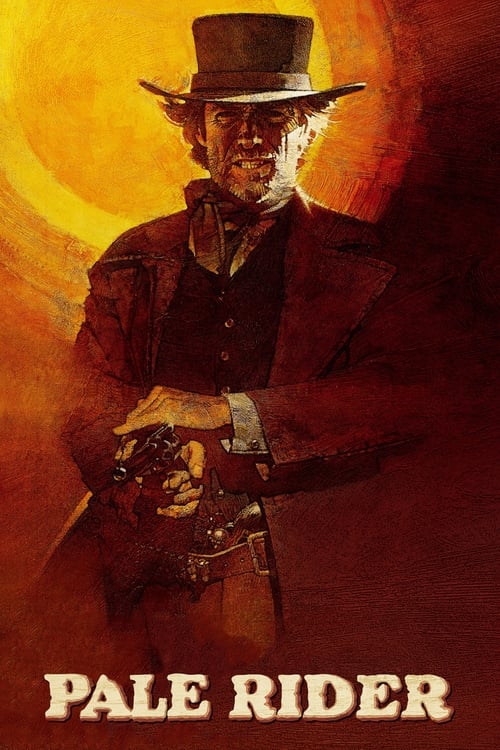
- 1985Pale Rider: Clint Eastwood's deliberate Shane reworking
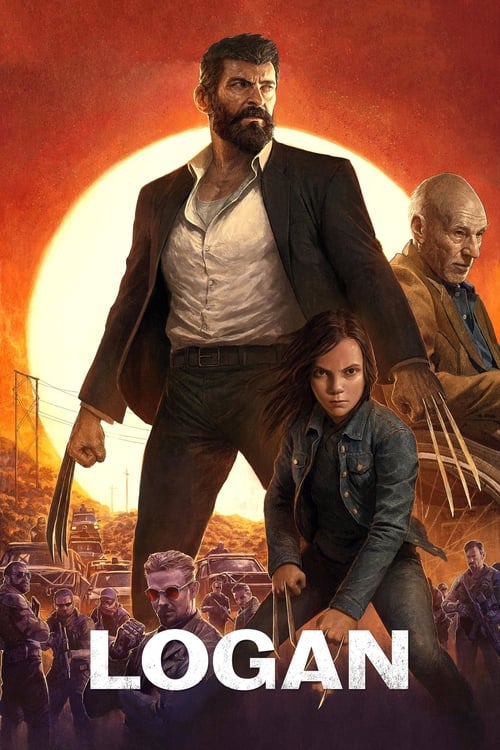
- 2017Logan: Shane plays on a motel TV; Mangold invokes it without apology
The 1953 film is still the definitive version
George Stevens shot Shane in Technicolor with an unusual amount of care for a genre picture. The compositions are painterly, the mountains are enormous, and Alan Ladd's physical smallness next to Jack Palance's hired killer turns out to be a feature, not a problem. Brandon deWilde's performance as Joey gives the film its emotional spine: the whole story is told from a child's perspective, which is exactly right for a myth. The child cannot understand why the man who saved them cannot simply stay. That incomprehension is where all the sadness lives, and Stevens knows better than to explain it.
This is the version that has aged the best. The final scene in the graveyard, with the mountains framing everything, remains one of the great endings in American cinema.
Logan proves the myth still has teeth
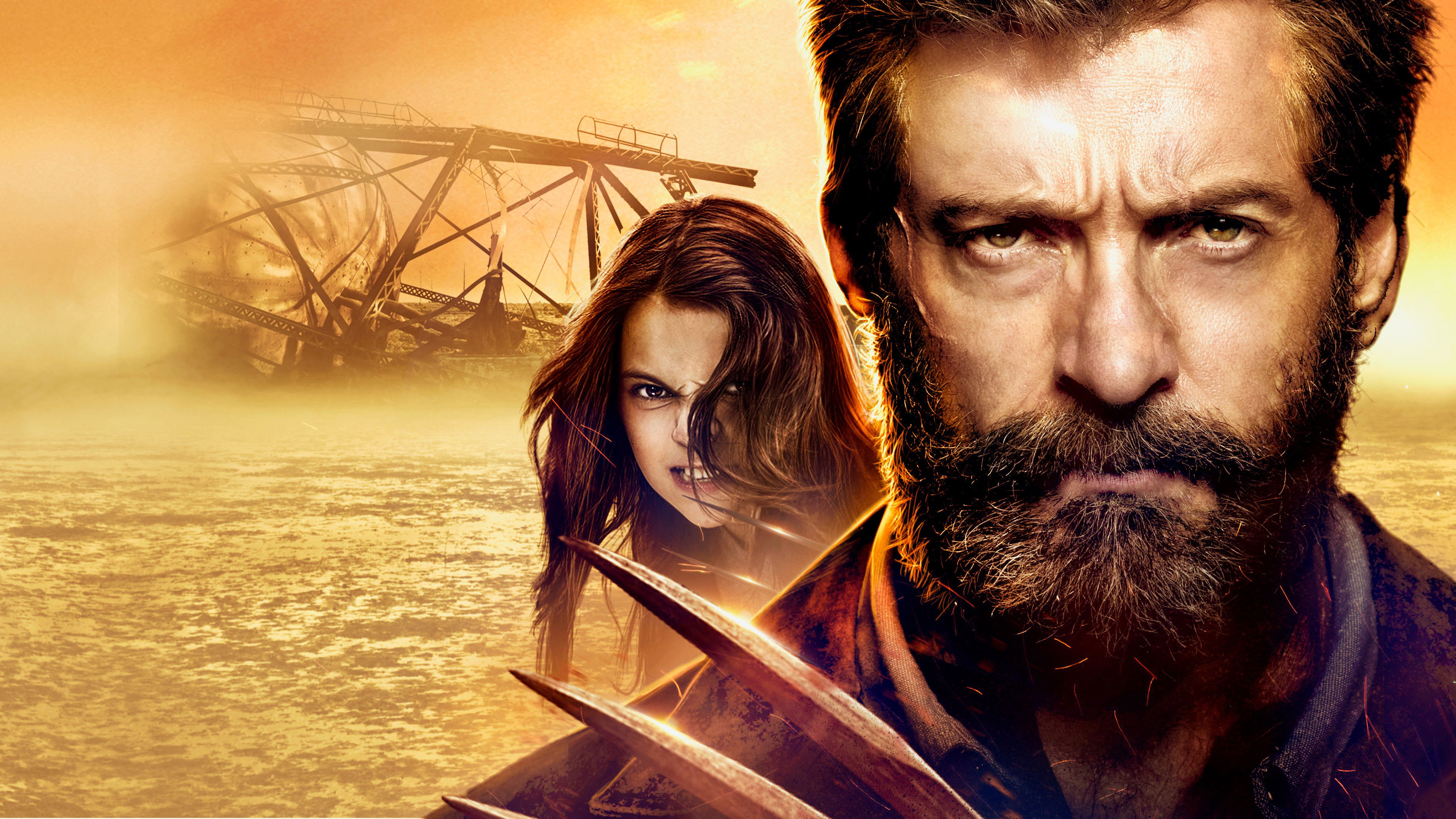
James Mangold did not hide what he was doing. Shane plays literally on a motel TV screen while Hugh Jackman's Logan watches it, and the film ends with a child quoting the novel directly over a grave. This could have been film-school posturing. Instead it earns the comparison, because Logan understands the core of Shane: the violent man's tragedy is not that he is violent, but that he cannot stop being what he is even when he wants to. Moving it to a mutant-superhero frame strips nothing out. It might be the most emotionally complete version of the story ever put on screen, even though it never officially calls itself an adaptation.
Pale Rider works better as atmosphere than story
Eastwood's 1985 film leans into the supernatural reading of Shane: the implication that this stranger might be something more than human. The setting is California gold-rush country, the villains are a hydraulic mining company, and Eastwood plays the Preacher with the same opaque intensity he brought to the Man with No Name. It is handsome and atmospheric, and the villain (Richard Dysart as LaHood) is credible. What it lacks is the emotional specificity of the source story. The family at the center never quite coheres, and the film fades from memory faster than it should. Worth watching once, but it confirms something by contrast: the story only fully works when the child's point of view is intact.
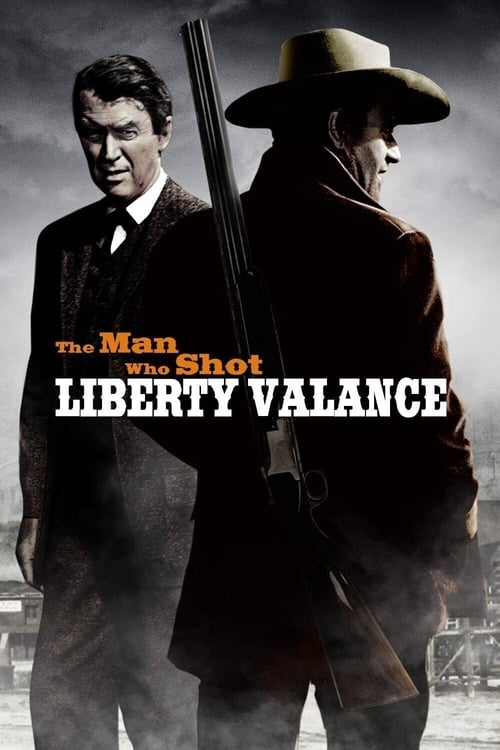
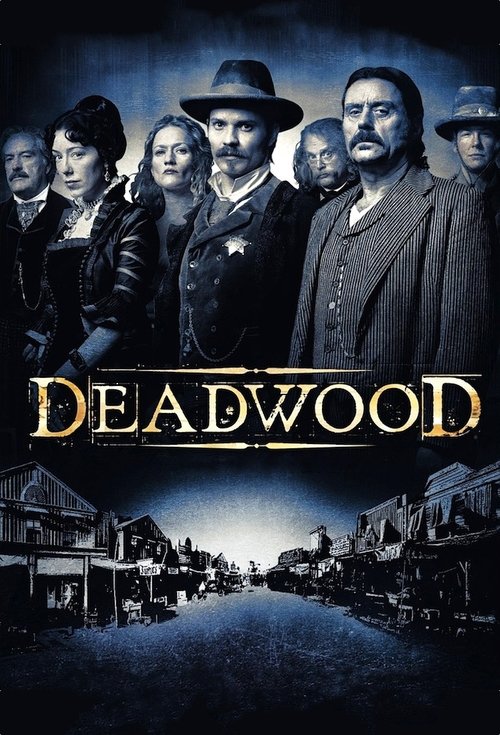
If You Love the Lone Protector Arc
Outsiders who ride in, fix things, and cannot stay
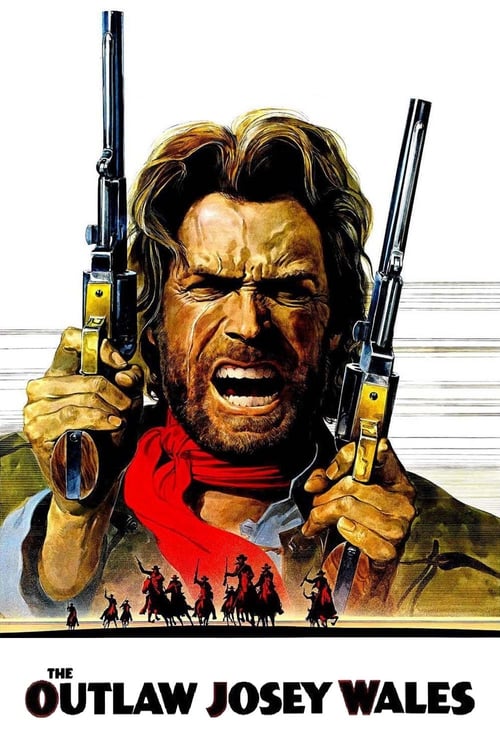
If You Love the Novel
Western fiction with the same moral clarity and elemental power


If Logan Was Your Entry Point
Aging heroes, legacy, and the weight of what you have done

More classic Westerns and frontier myth
Westerns
Explore the Westerns guide →There was this man Shane, and for a while he was there with us. And it was like having a window that suddenly opened on a view you had never seen before and could never quite forget.Jack Schaefer, Shane (1949)