
A novel that took twenty years to write, and fifty years to adapt
Kurt Vonnegut survived the firebombing of Dresden in February 1945 by sheltering in the meat locker of a slaughterhouse the Germans called Schlachthof Funf. He spent the next two decades trying to write about it, and failing, before Slaughterhouse-Five arrived in 1969. The novel is partly memoir, partly science fiction, entirely unlike anything before it. Billy Pilgrim, an American POW, becomes "unstuck in time," moving without control between his wartime capture, his suburban postwar life in Ilium, New York, and his abduction by the Tralfamadorians, aliens who experience all moments simultaneously. The famous refrain "So it goes" appears after every death in the book, over a hundred times.
The novel was an immediate sensation, a bestseller at the peak of American disillusionment over Vietnam. Adapting it has proved genuinely hard. The fractured chronology, the passive protagonist, the blending of atrocity and slapstick: these resist the conventional shapes of film, stage, and opera equally. Every version has had to decide what the book actually is, and each answer has been different.
Slaughterhouse-Five Through the Years
- 1969Vonnegut publishes the novel Slaughterhouse-Five
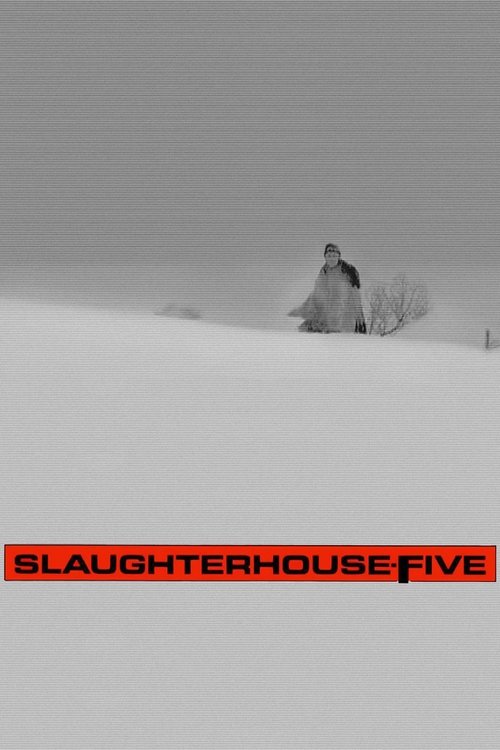
- 1972George Roy Hill's film adaptation Slaughterhouse-Five
- 1996Hans-Jurgen von Bose's opera premieres at the Bavarian State Opera, Munich
- 2008Eric Simonson's stage adaptation makes its New York City premiere at 59E59 Theaters Slaughterhouse-Five
The definitive version is still the novel
Vonnegut's prose voice is inseparable from the book's effect. The flat, declarative sentences, the authorial intrusions ("I was there"), the way dark comedy and genuine grief coexist in the same paragraph: none of it has been replicated in any adaptation. The novel is the only version where Billy Pilgrim's passivity reads as a deliberate artistic choice rather than a dramatic problem.

George Roy Hill's film is the best screen version, and it deserves more credit
The 1972 film, written by Stephen Geller and directed by George Roy Hill (two years before The Sting), finds a genuine visual grammar for Vonnegut's time-jumping. Cuts between Dresden and Tralfamadore and suburban Ilium happen with jarring abruptness, and that abruptness is the point. Michael Sacks plays Billy Pilgrim with a blank sincerity that works better than it sounds on paper. The film was well-reviewed on release and then largely forgotten. It is not forgotten justly.
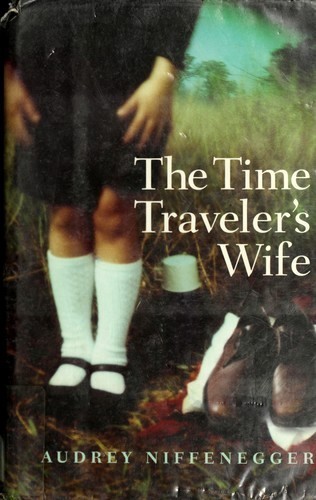
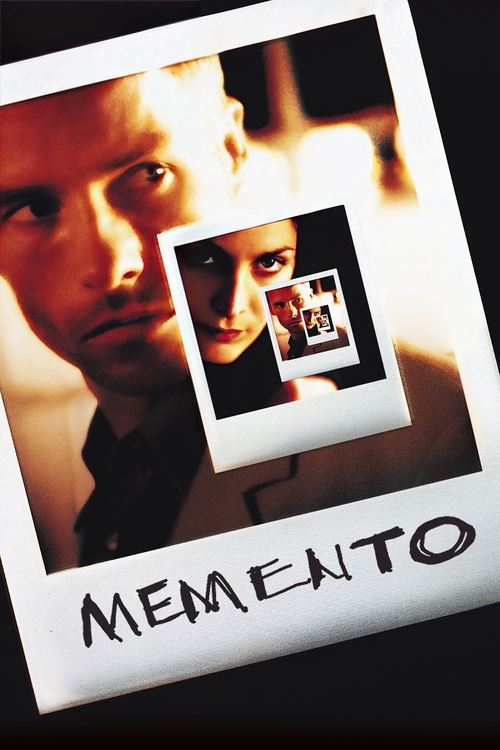
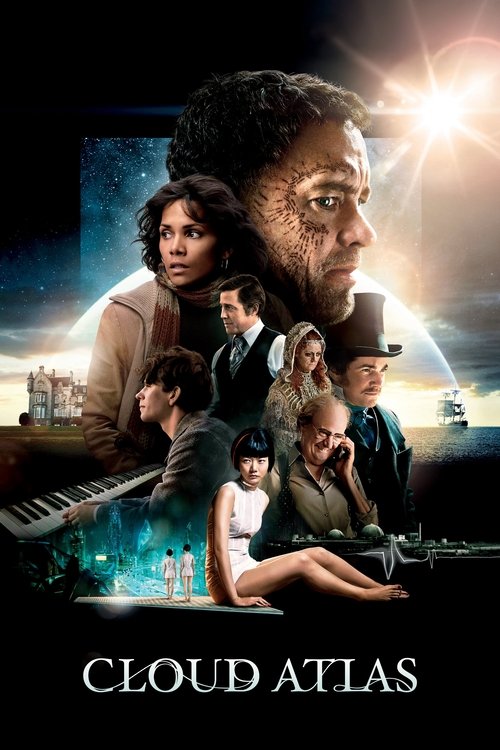
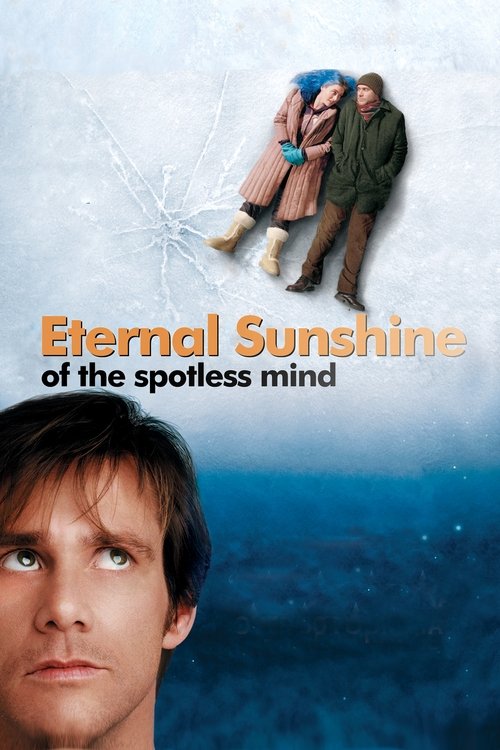
If you love the fractured time and black comedy
Novels and films that play time as a broken instrument
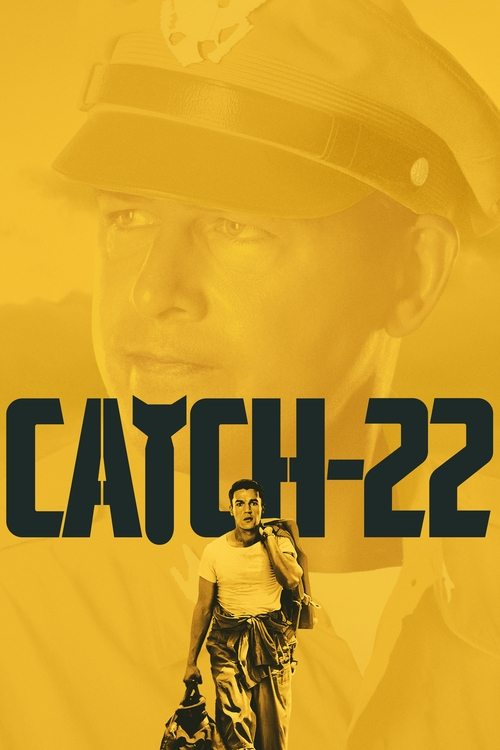
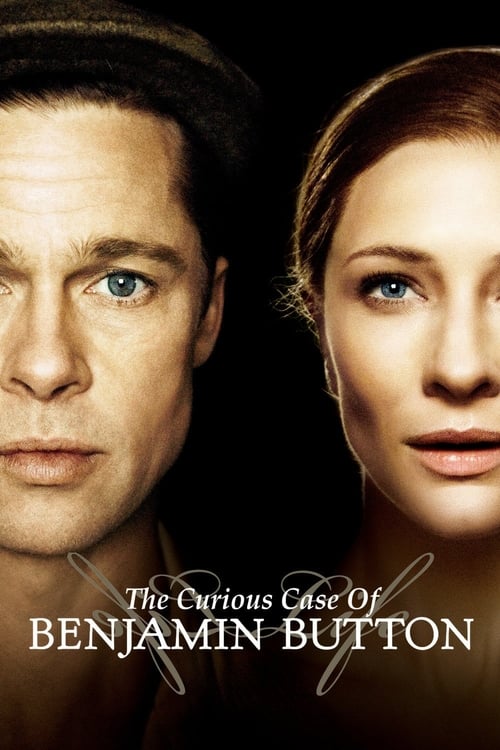



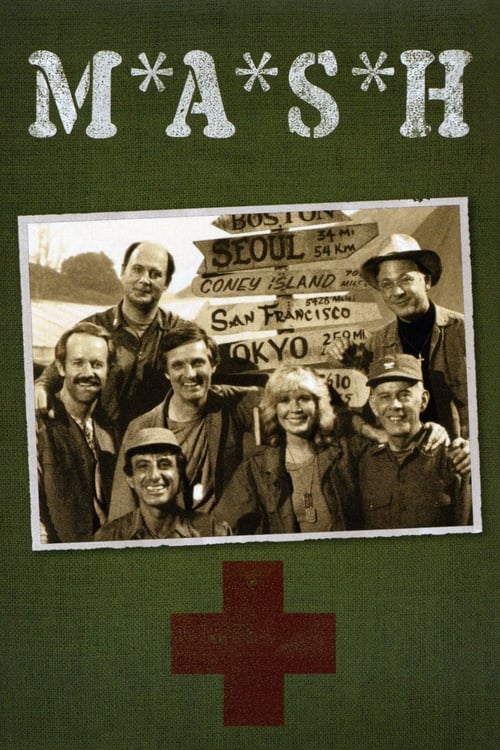
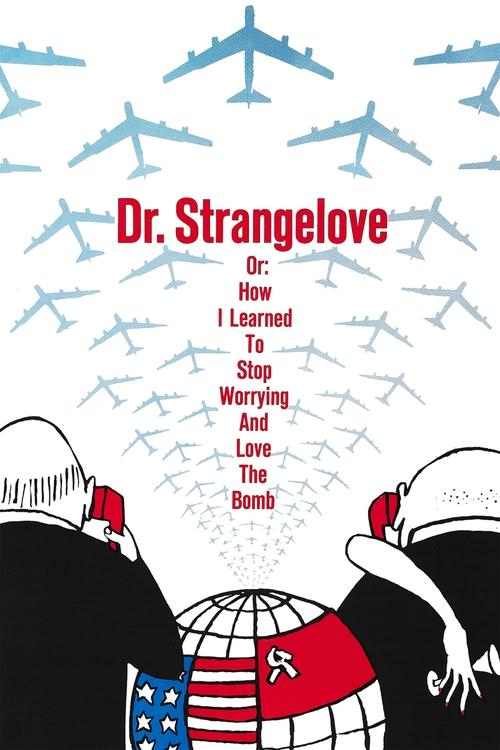
If you love the anti-war absurdism
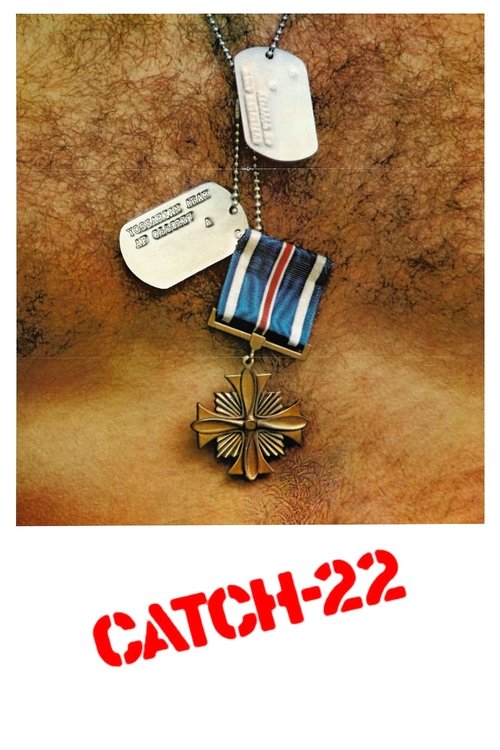
Stories that treat war with the contempt it deserves

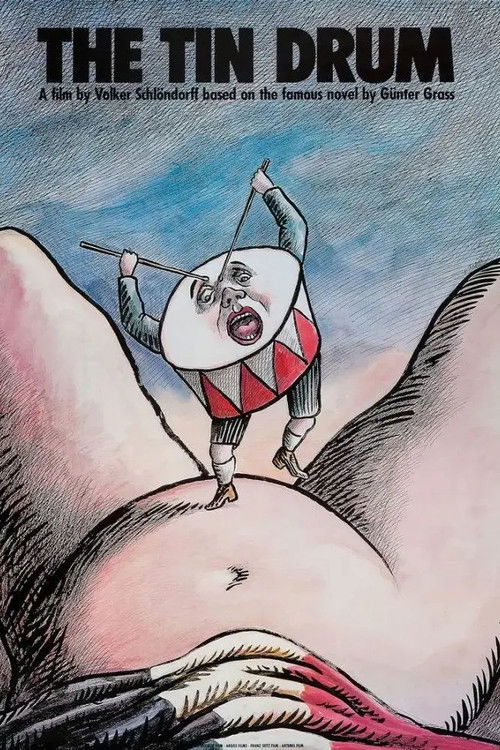

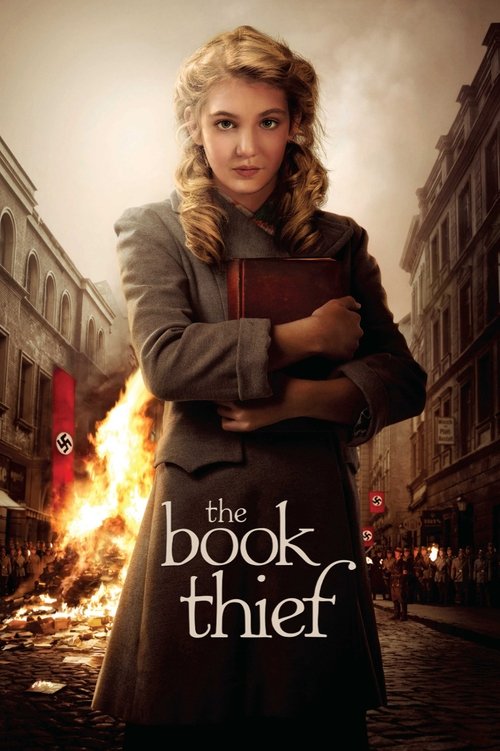
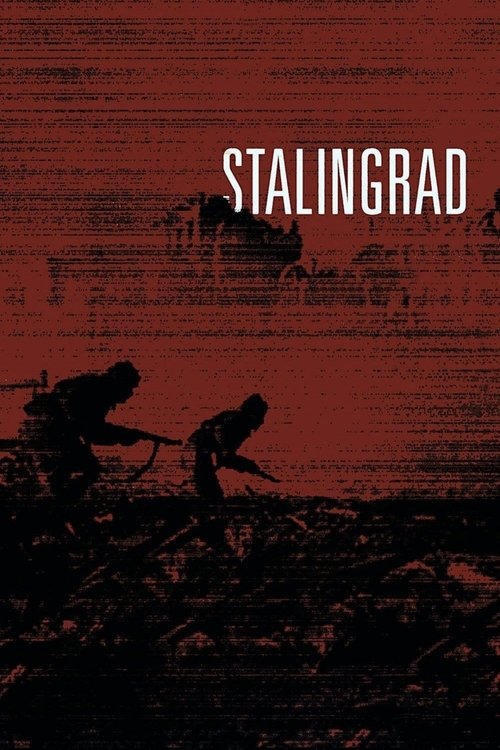
If you love the Dresden and WWII backdrop
Works that reckon seriously with the second world war's civilian cost




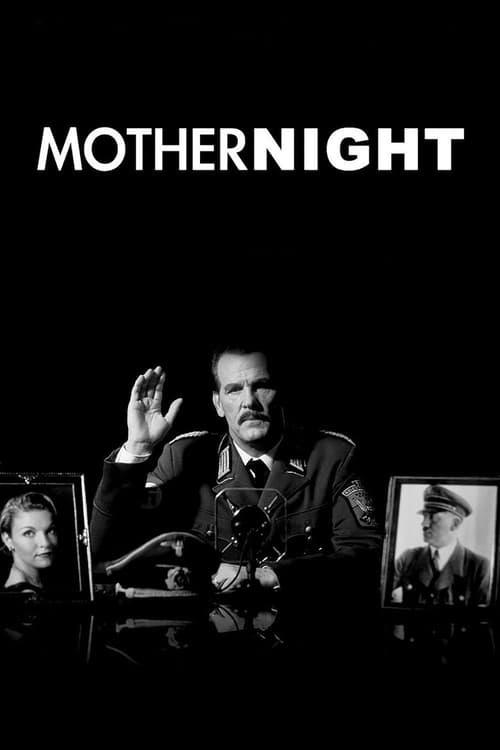
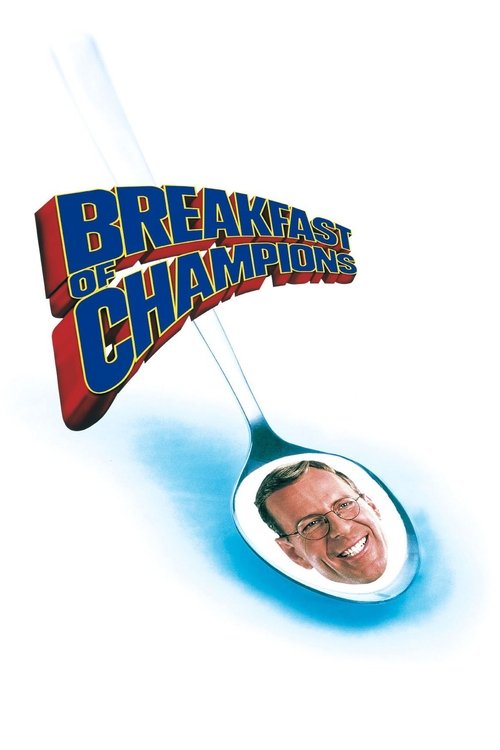
If you love Vonnegut's wider world
His other novels and the works that share his sensibility

More Vonnegut, war and unstuck time
For Fans of Kurt Vonnegut
Explore the For Fans of Kurt Vonnegut guide →So it goes.Kurt Vonnegut, Slaughterhouse-Five (1969)