

The novel that argued back
Stanislaw Lem published Solaris in Polish in 1961. It is a novel about a planet covered entirely by a single living ocean, a scientific research station orbiting above it, and the hallucinatory visitors the ocean sends to the cosmonauts inside. The ocean reconstructs people from the crew members' buried memories, and the book's central argument is that humanity, confronted with genuine alien intelligence, would project its own psychology onto it rather than understand it on its own terms. Lem intended it as a rebuke to anthropocentric science fiction.
Lem famously despised nearly every adaptation of his work. He found the two major films too interested in the human relationship drama and not interested enough in the alien ocean itself. Whether that is a fair criticism or a writer's possessiveness is still debated. What is undeniable is that Solaris has produced, across sixty years and multiple languages, a remarkable set of works that each reveal something different about the source.
Solaris across the decades
- 1961Stanislaw Lem publishes the novel in Polish Solaris
- 1968Soviet television production directed by Vasili Nirenburg, rarely seen outside specialist archives Solaris
- 1972Andrei Tarkovsky's landmark Soviet film Solaris
- 1976First English translation published, routed via French rather than directly from Polish Solaris
- 2002Steven Soderbergh's Hollywood remake with George Clooney Solaris
- 2011Bill Johnston's new translation, the first made directly from the Polish, replaces the earlier version Solaris
The definitive version: Tarkovsky's 1972 film
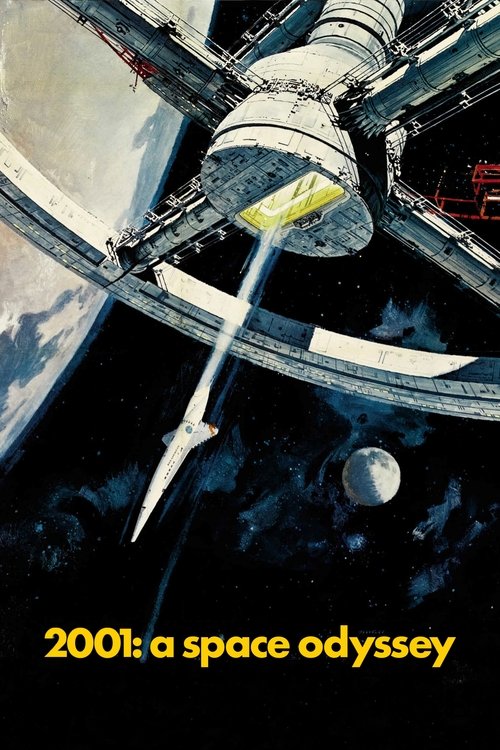
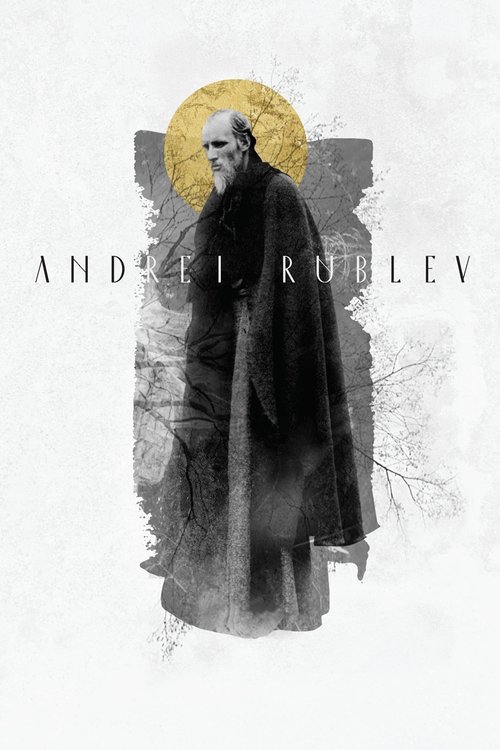
Andrei Tarkovsky shot Solaris (1972) as a direct response to 2001: A Space Odyssey, and it remains the one adaptation that matches Lem's philosophical ambition with an equally uncompromising visual language. The film runs nearly three hours, opens on extended shots of earthly nature before leaving for space, and treats the oceanic alien intelligence as something felt rather than explained. The grief at the center of the story, Kris Kelvin and the reborn Hari, lands with a weight no subsequent version has matched. Lem still complained it was too emotional. He was probably wrong.
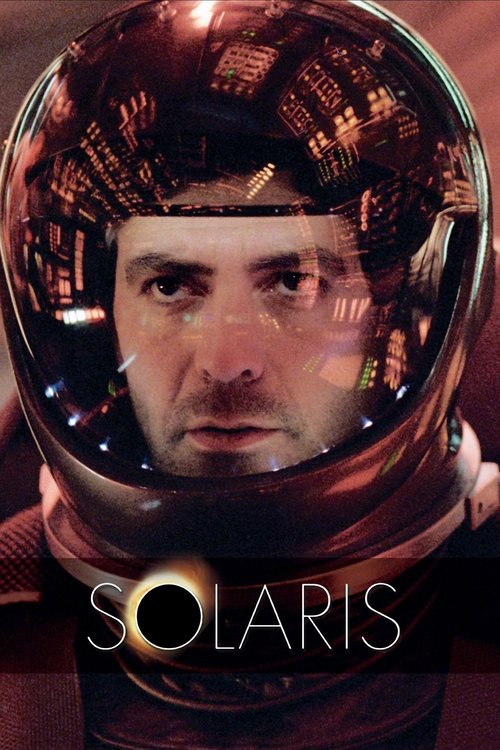
The underrated one: Soderbergh's 2002 remake
Steven Soderbergh's Solaris (2002) was released to disappointing box office and some dismissive reviews that read it as slow and cold. In the years since it has been steadily reappraised. It is the shortest and most emotionally direct version, ninety-nine minutes of genuine feeling around the question of whether a perfect reconstruction of someone you loved is that person. Cliff Martinez's score is exceptional. It does not replace Tarkovsky's film but it is not trying to, and on its own terms it is a small, precise piece of science fiction.
Worth knowing: the 1968 Soviet television version
The earliest screen adaptation was a Soviet television production directed by Vasili Nirenburg in 1968, four years before Tarkovsky. It is rarely seen and difficult to access outside specialist archives, but it matters as a document of how quickly the novel attracted adaptation interest in its home culture. By most accounts it is a more literal rendering of the plot, less concerned with Tarkovsky's metaphysical expansions. It is primarily of historical interest rather than a viewing priority, but any account of Solaris across media should acknowledge it exists.

If you love the alien-contact strand
Stories where humanity meets the genuinely unknowable




If you love the grief and memory strand
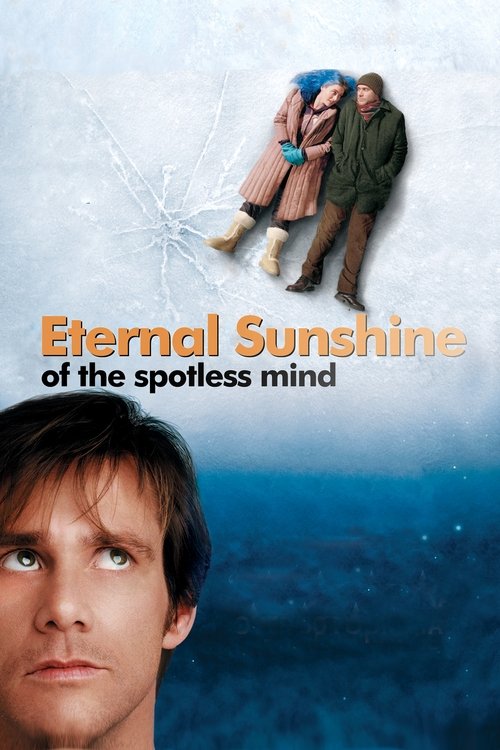
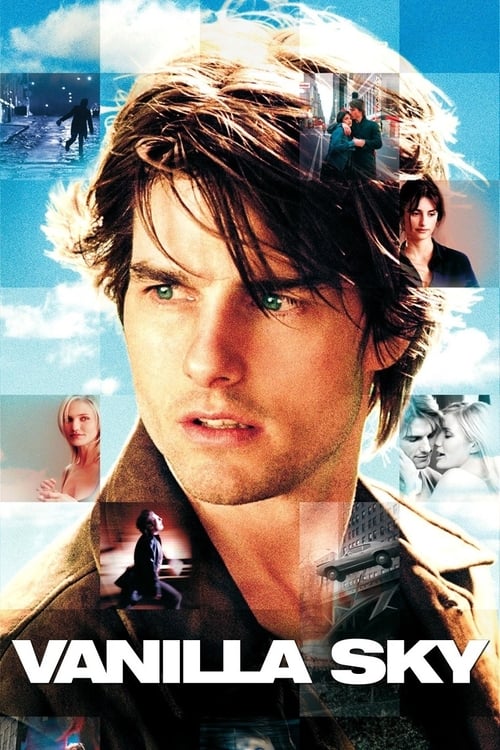
Works about love, loss, and versions of people we cannot fully possess




If you love Soviet and Eastern European sci-fi
The tradition Lem and Tarkovsky came from

Cerebral science fiction in space
Every Version of Annihilation
Explore the Every Version of Annihilation guide →I did not intend to write a novel about love. I wanted to write about the limits of human cognition. The ocean is not metaphorical. It simply is what it is, and we cannot reach it.Stanislaw Lem, on Solaris (paraphrased from various interviews)