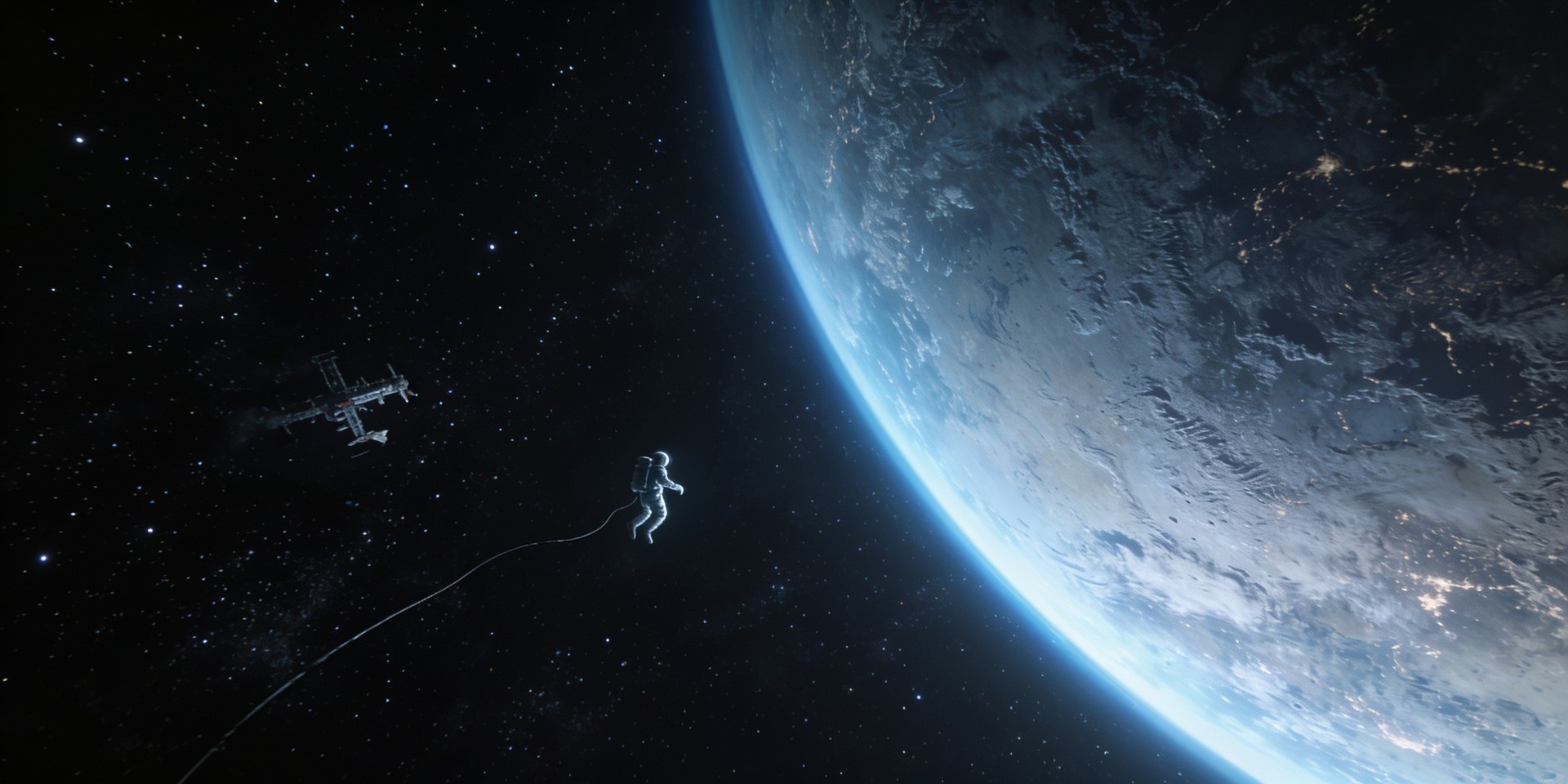

Space does not need a monster to kill you. It only needs a cracked seal, a missed burn, a radio that stops answering. The stranded-astronaut story is the purest survival genre there is, because the antagonist is physics and physics does not negotiate. You have so many liters of oxygen, so many calories, so much delta-v, and a distance to home that the numbers say you cannot cross. The whole drama is whether a human being can out-think a budget that is already in the red.
What makes these stories land is the loneliness on top of the arithmetic. A castaway on an island can at least breathe. An astronaut cut off from the crew, from mission control, from the small blue planet visible through the porthole, is alone in a way nobody on Earth has ever been. The best of these films, shows, games and books understand that the terror and the beauty are the same thing: you are a fragile bag of water and ideas, suspended over an indifferent dark, doing sums to stay alive.
Essential stranded-in-space
The canon of cut-off astronauts across every medium

The Martian is a survival story disguised as a comedy
Most stranded-astronaut stories reach for despair. Ridley Scott's The Martian reaches for a spreadsheet and a sense of humor, and that is exactly why it works. Mark Watney is left for dead on Mars, and his response is not a breakdown but a to-do list: grow potatoes in his own waste, ration the oxygen, recalculate the orbital mechanics that might get a rescue ship to him before he starves. The film treats competence as heroism, which is rarer than it sounds.
What sells it is that the math is real. Andy Weir built the novel around honest engineering, and Scott kept it. When Watney works the problem out loud, you believe the numbers, and so the stakes are not melodrama, they are subtraction. The most optimistic space film of the last decade is also the one most ruthlessly grounded in how a person actually dies out there.

Lost in the void on film
From a Martian potato farm to a tumbling spacewalk



Gravity is the most physical film about being alone ever made
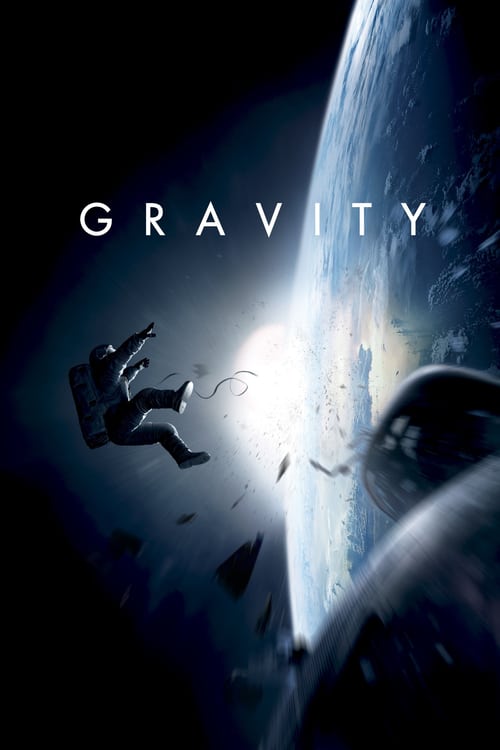
Alfonso Cuaron's Gravity strips the genre to its bone. There is no villain, almost no plot, and for long stretches only one person on screen. A debris cascade shreds the shuttle, the crew is gone, and Sandra Bullock's Ryan Stone is left spinning into the black with a finite tank of air. The film is essentially ninety minutes of one question: can she stop tumbling and grab something solid before her oxygen runs out.
What makes it unforgettable is the sound and the silence. In vacuum nobody hears the catastrophe, so the disaster arrives mute, and the only voice is the astronaut's own ragged breathing counting down her remaining minutes. It is a film about the will to keep reaching for a handhold when every law of motion is carrying you away from one. Few films have made the simple fact of having nothing to hold onto feel so much like dying.
Stranded on the small screen
Crews cut off across seasons of orbital dread
Moon is the loneliest film on this list
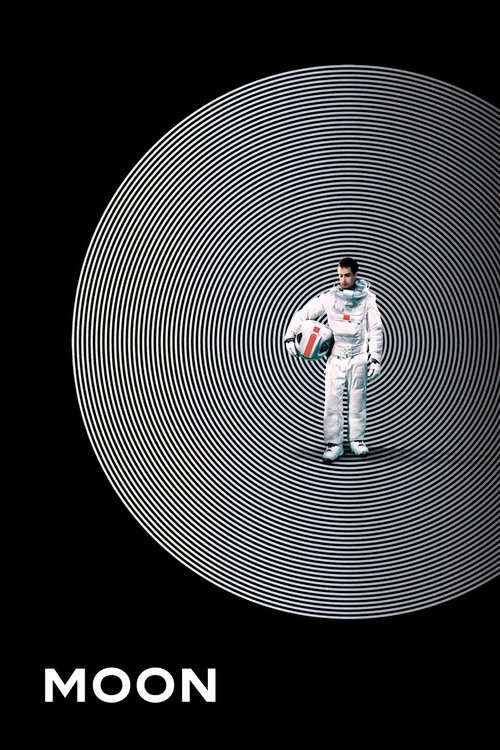
Duncan Jones's Moon takes the stranded premise somewhere quieter and stranger. Sam Bell is the sole worker at a lunar mining base, nearing the end of a three-year contract with only a station computer for company. Then he finds the thing the genre usually keeps offscreen: the full weight of what isolation does to a mind, and what a company will do to a person it considers a consumable.
Sam Rockwell carries almost the entire film alone, which is the point. This is the version of stranded that is not about rescue at all but about whether the self survives the silence. Clint Mansell's score, separately catalogued here as the Moon original score, does as much of the emotional work as the dialogue. It is the rare space film whose horror is purely existential, and it earns every minute of its melancholy.
Alone in the airlock: games
Where you personally have to fix the leak before the meter hits zero
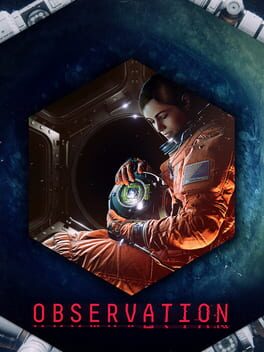
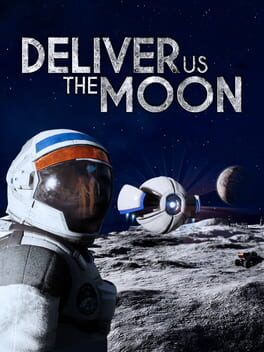
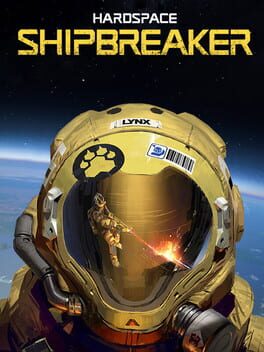
![Event[0]](https://images.igdb.com/igdb/image/upload/t_cover_big/co241t.jpg)
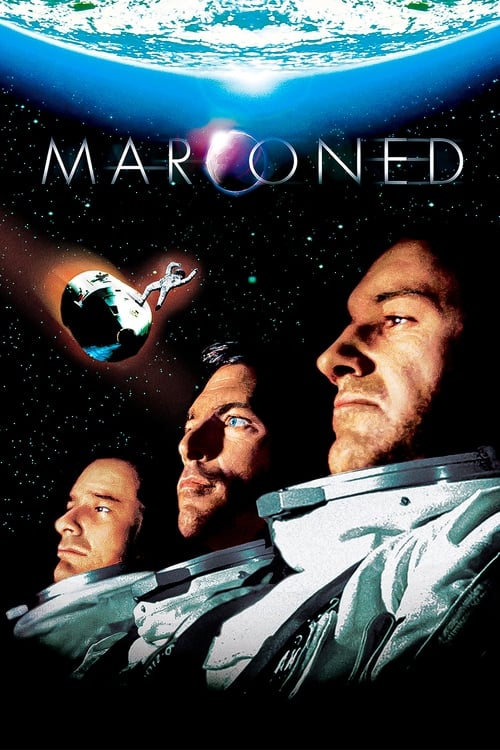
I'm going to have to science the math of staying alive, because the planet has already done the math of killing me.The thesis of every stranded-astronaut story, from Marooned to The Martian
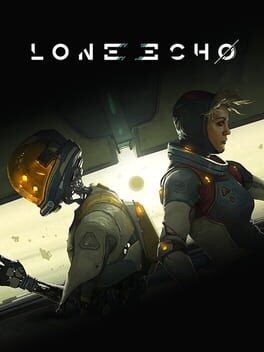
Lone Echo understood that space is a place you work, not just fall through
Ready At Dawn's Lone Echo is the rare game that makes zero gravity feel like a craft rather than a gimmick. You play Jack, a service robot aboard a mining station in the rings of Saturn, and you move by grabbing surfaces and pushing off, hand over hand, exactly as an astronaut actually would. When the station starts failing and the one human aboard is suddenly very far from help, the dread is tactile: there is no floor, no up, only the next handhold and the dwindling certainty that you can reach it.
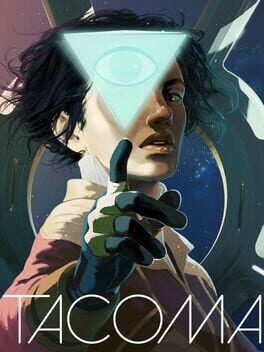
It belongs in the same conversation as Tacoma and Observation, two other games that treat an abandoned or crippled station as a place you have to read like a crime scene. Together they prove that the stranded story gains something when you are the one who has to physically cross the dark, not just watch someone else do it.
Survival math: roguelikes and sims
Ration the oxygen, run the numbers, die, try again
The novels that did the engineering first
The page got here long before the camera did. Andy Weir's The Martian began as a serialized blog where readers double-checked his orbital mechanics, and that obsessive accuracy is exactly what made the survival feel earned. His follow-up, Project Hail Mary, takes the lone-survivor premise interstellar: a man wakes up alone on a ship with no memory and a planet to save, and works out his situation from first principles, the way Watney worked out his potatoes.
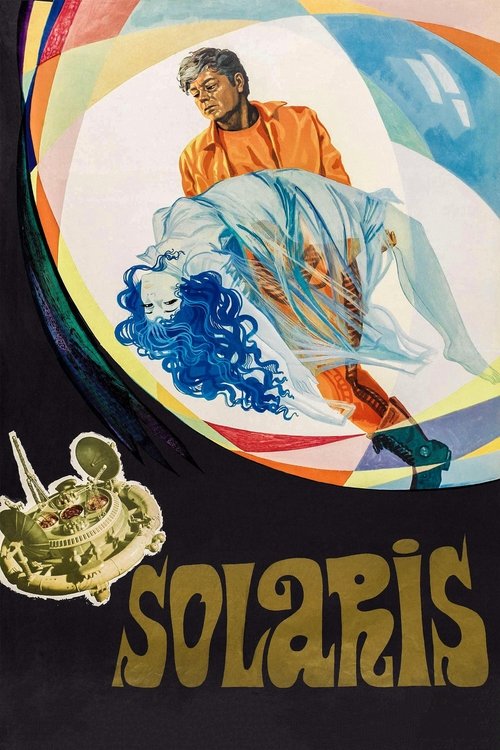
The genre runs deeper than Weir, though. Arthur C. Clarke's The Sands of Mars imagined the practical hardship of the first Mars colonists in 1951. Stanislaw Lem's Solaris turned the isolated station into a place where the void looks back. Mary Robinette Kowal's Lady Astronaut novels, The Fated Sky and The Relentless Moon, put the close-quarters peril of a crewed mission front and center. And Harry Martinson's Aniara, a verse epic about a ship knocked off course and drifting forever, is the bleakest stranding of them all: a vessel that will simply never arrive.
Stranded on the page
Weir, Clarke, Lem, Kowal and the poets of the long drift


Aniara is the stranding that never ends, and you should sit with it
Most of these stories are about the fight to get home. The 2019 film Aniara, adapted from Harry Martinson's poem cycle, is about what happens when getting home is removed from the table entirely. A ship ferrying colonists to Mars is knocked off course by debris and loses the ability to turn around. It is not damaged enough to kill anyone quickly. It just keeps going, into the dark, for years, with thousands of people aboard who slowly understand they will never stand on a planet again.
It is a hard watch, and it is meant to be. The film follows how a trapped society copes, deludes itself, finds religion, despairs, and keeps drifting. Where The Martian says a clever person can beat the numbers, Aniara answers honestly that sometimes the numbers win, and the only thing left to decide is how you spend the time. It is the quiet, devastating other half of this entire genre.
The sound of the void
Scores and albums built for the long silence
The wider orbit
Classics, true stories and deep cuts that circle the same dark