

From Sketch Pad to Global Phenomenon
The Simpsons began not as a TV series but as a set of short animated segments created by cartoonist Matt Groening for The Tracey Ullman Show on Fox, starting in April 1987. Groening sketched the family in a Fox waiting room, reportedly in about fifteen minutes, naming the characters after his own family (his parents were Homer and Marge; his sisters Patty and Maggie; he gave his own name, with a wink, to the son). Those rough, rubbery 30-second interstitials proved popular enough that Fox commissioned a half-hour Christmas special in 1989, and then a full series.
What followed is one of the more improbable expansions in popular culture: a show built on crude character designs and lowbrow gags became, across the 1990s, the sharpest satire on American television, a show that routinely predicted real-world events, and a franchise that reached into film, comic books, video games, theme parks, merchandise, and an entire strand of concert and stage productions. The Simpsons did not adapt a pre-existing property. It invented its world whole, then watched that world colonize every medium around it.
Every Version of The Simpsons
The original shorts, the long-running series, the film, and every notable adaptation across media
The Simpsons Across the Decades
- 1987Tracey Ullman shorts debut on Fox
- 1989Christmas special airs, announcing a full series
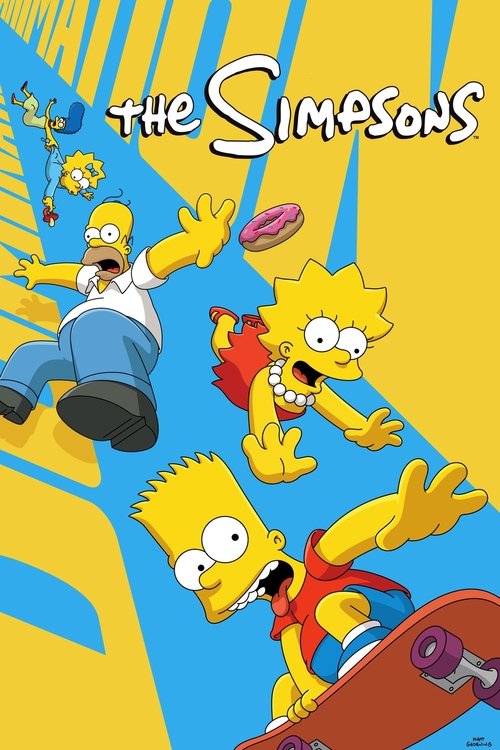
- 1990Season 1 of the main series premieres January 14 The Simpsons
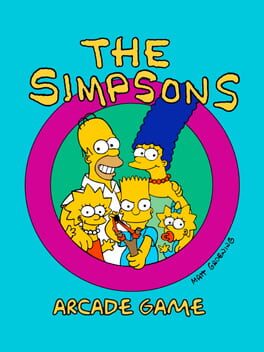
- 1991Konami's arcade brawler launches; first Simpsons game The Simpsons Arcade Game
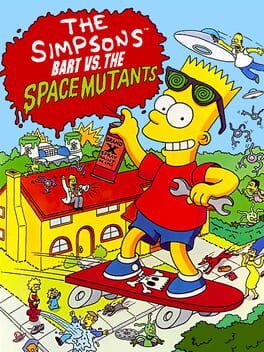
- 1991First Bart platform game released across multiple home platforms The Simpsons: Bart vs. The Space Mutants
- 1991Simpsons Illustrated magazine launches
- 1993Bongo Comics launches the Simpsons comic book line
- 1994Virtual Bart brings SNES players inside the show Virtual Bart
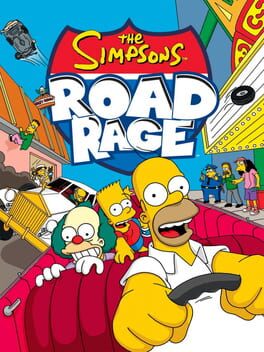
- 2001Road Rage ships as a console driving spin-off The Simpsons: Road Rage
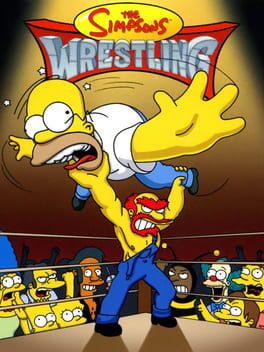
- 2001Wrestling arrives on PS1 as a fan-service brawler The Simpsons Wrestling
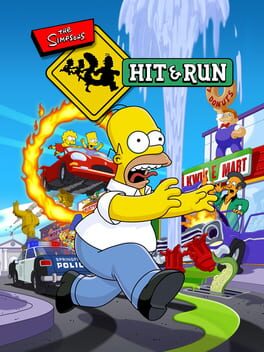
- 2003Hit and Run, the GTA-style peak of Simpsons gaming The Simpsons: Hit & Run
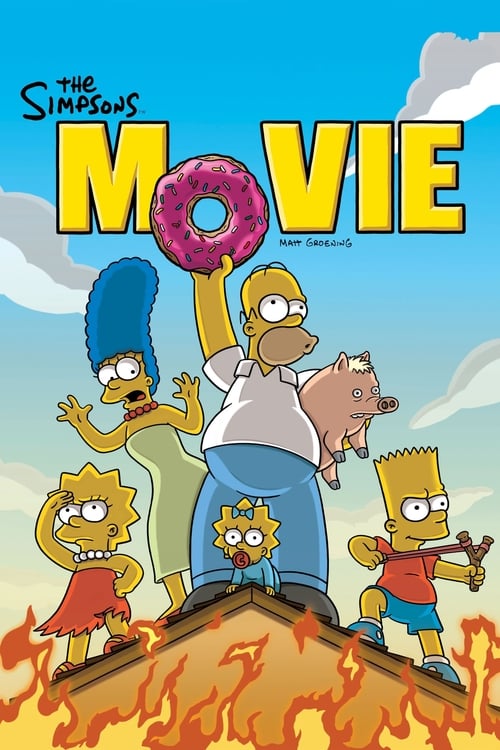
- 2007Theatrical film after 18 seasons of television The Simpsons Movie
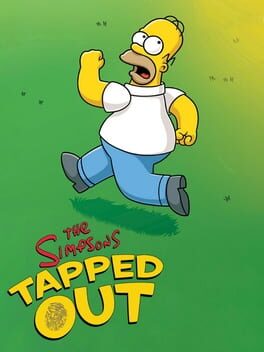
- 2012Tapped Out mobile city-builder launches and persists for over a decade The Simpsons: Tapped Out
- 2024Series renewed; continues past season 35 The Simpsons
The definitive version: Seasons 3 to 8
Television critics still use the phrase 'classic Simpsons' as shorthand for peak-era sitcom writing, and seasons 3 through 8 (roughly 1991 to 1997) are the reason. The writers' room in those years included Conan O'Brien, John Swartzwelder, and George Meyer, and it produced a run of consecutive episodes with almost no weak entries. The show operated simultaneously as heartfelt family drama, absurdist comedy, and political satire, doing all three better than almost anything else on television at the time or since. If you have only watched the later seasons, the early run will feel like a different show. It is.
The underrated version: Hit and Run
Released in 2003, The Simpsons Hit and Run is substantially better than it had any right to be. A GTA-style open-world driving game set across five playable areas of Springfield, it was written by the show's own writers, fully voice-acted by the original cast, and dense with in-jokes that reward anyone who had watched every episode. It sold well, reviewed well, and then quietly became a cult object after the franchise went dormant on consoles. Two decades later it is still the game Simpsons fans cite first when the conversation turns to whether the property ever truly worked in an interactive medium. Once, it did.
The one to approach with care: the post-season-10 run
The Simpsons has now aired more than 750 episodes, and the franchise is not going away. Occasional late-run episodes are genuinely good. But the general consensus, shared by many of the show's own early writers, is that the series lost its emotional grounding somewhere around season 10 or 11 and never fully recovered it. Character consistency eroded, the satirical edge dulled, and Homer shifted from lovable oaf to cartoonish sociopath. The later seasons are best treated as a loose anthology of gags set in Springfield rather than as a continuation of the show that once made you cry at the end of 'Lisa's Substitute.'
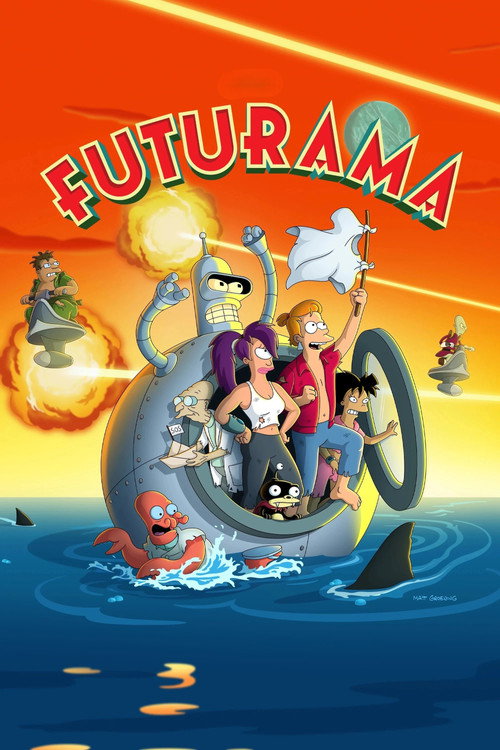
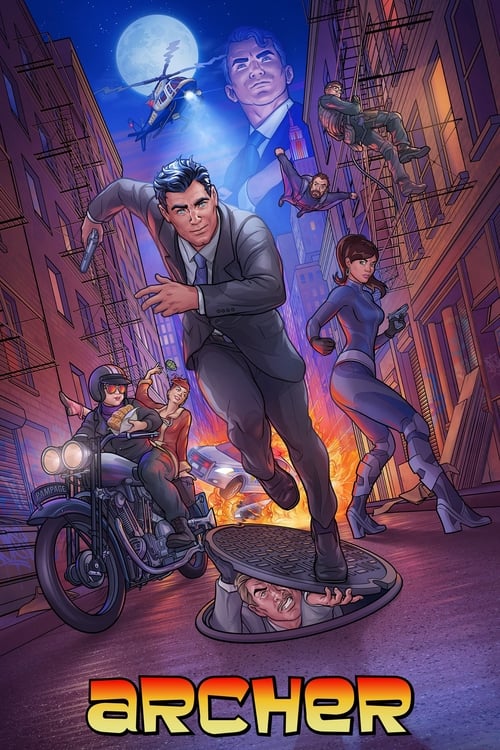
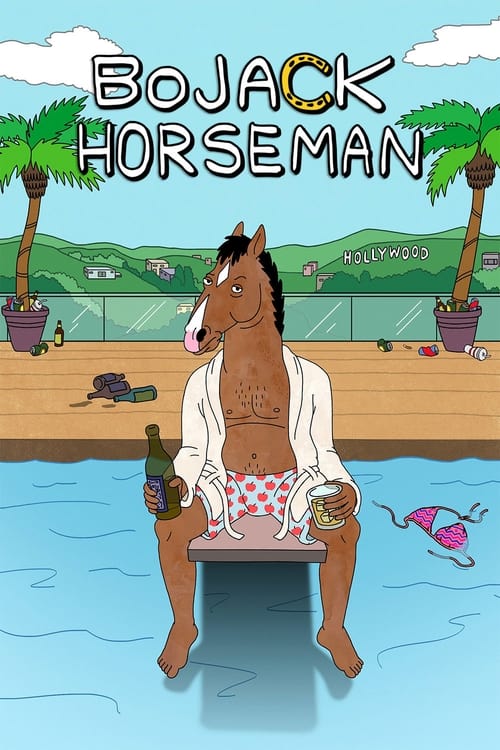
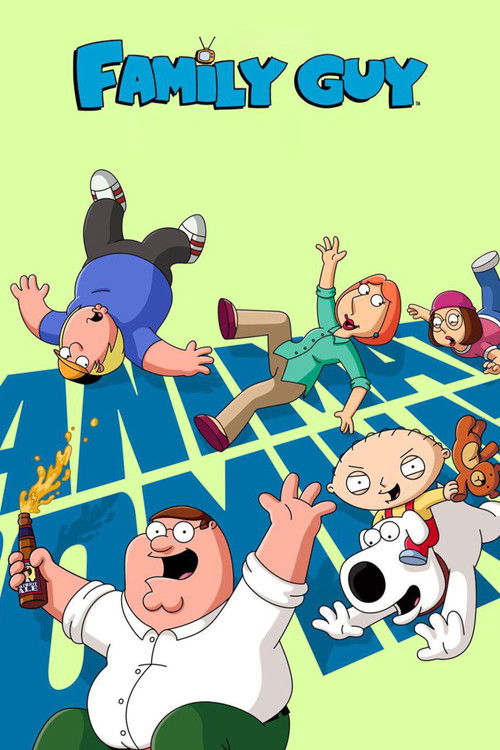
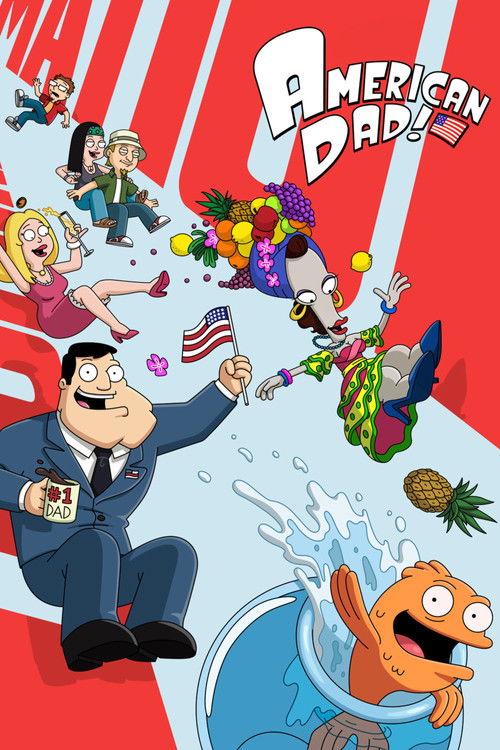
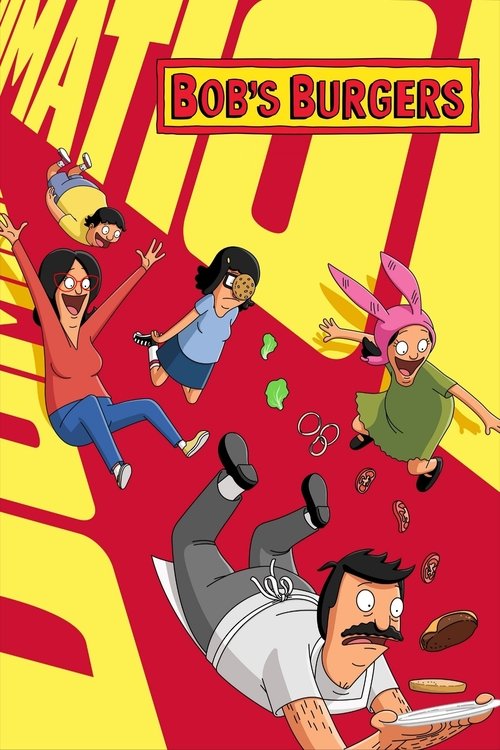
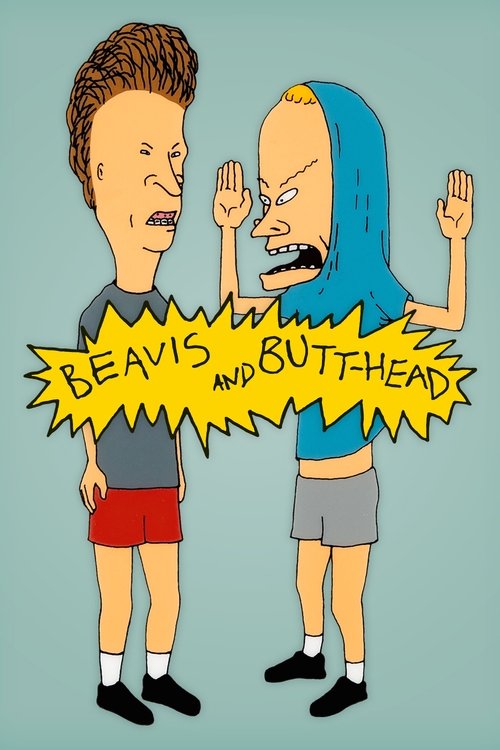
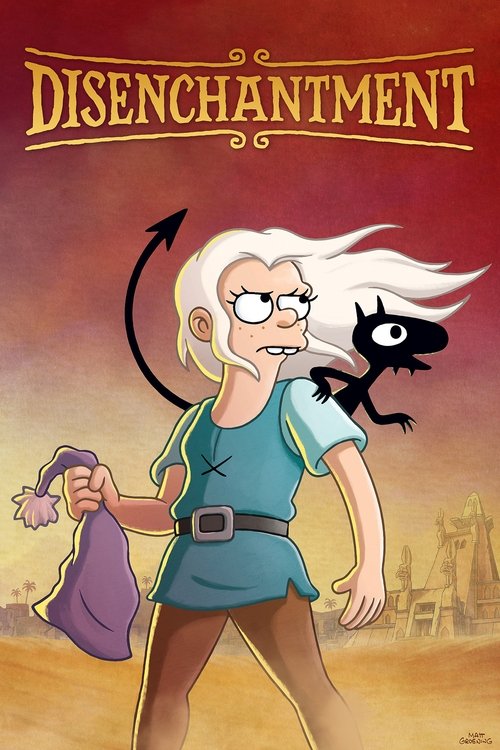
If you love the satire: sharp animated comedies
Shows that use animation to say things live-action would not dare


If you love the dysfunctional family heart
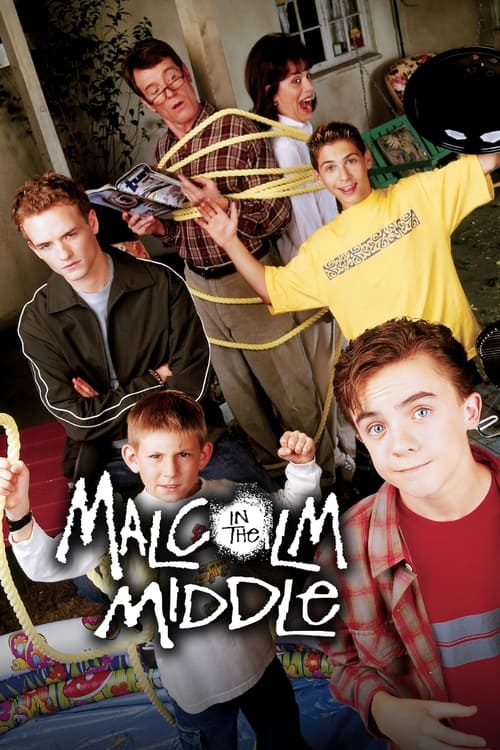
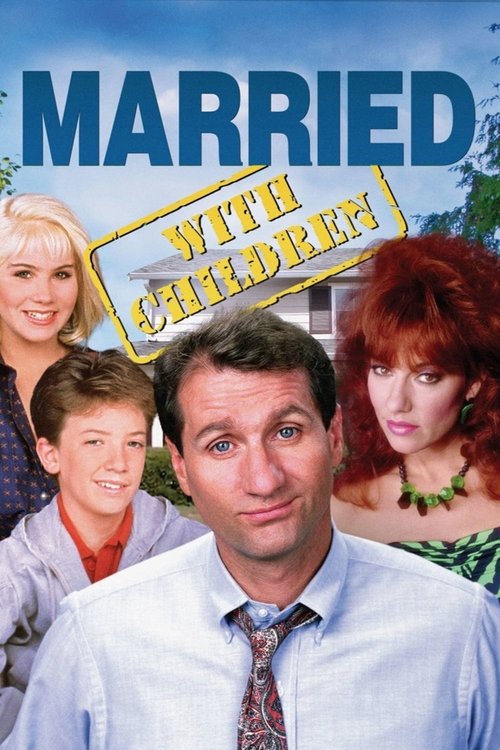
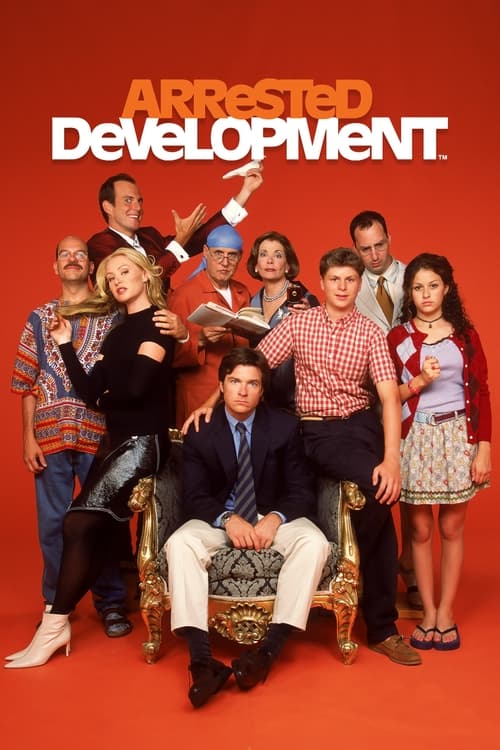
Stories about families who love each other in spite of everything
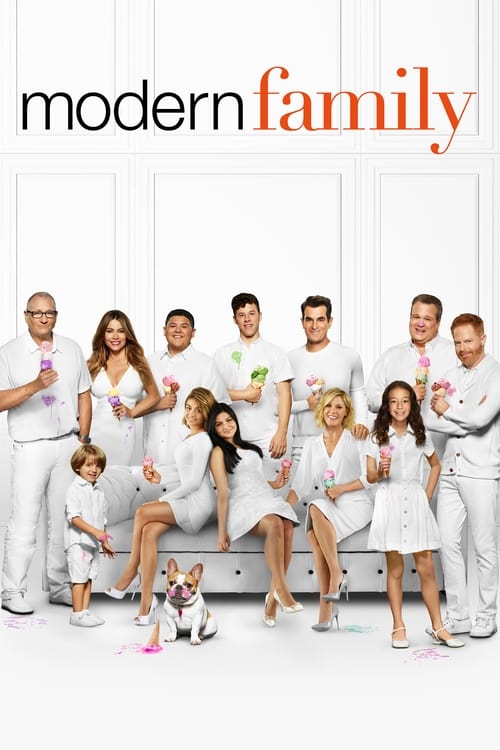

If you love Springfield as a place
Small-town and suburban American worlds rendered with both affection and cruelty



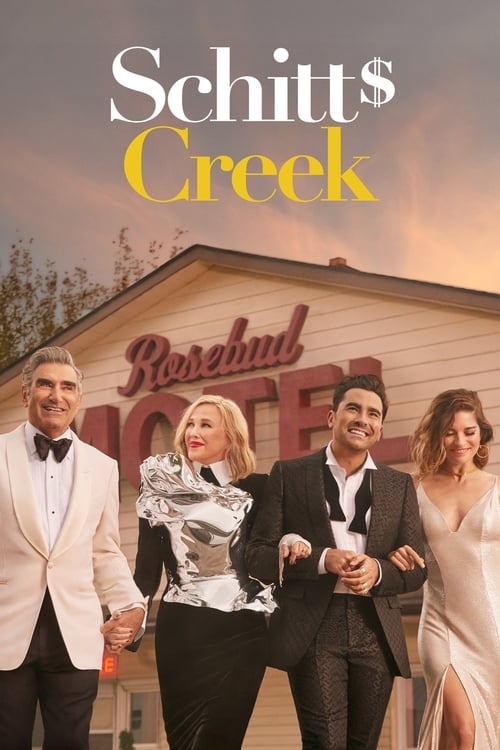

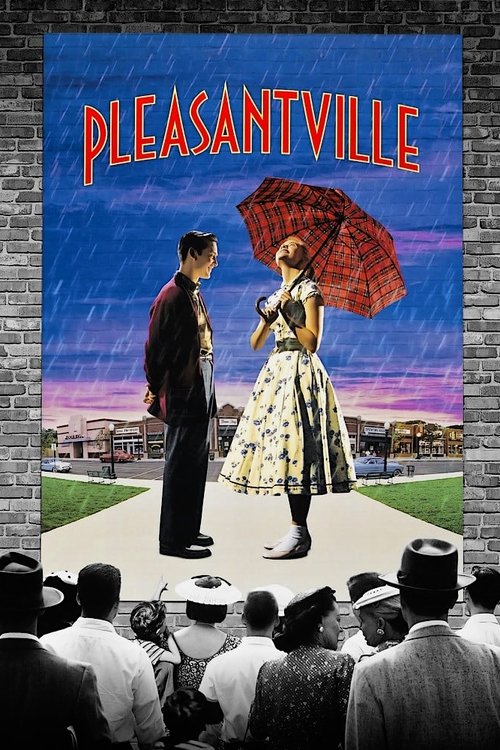
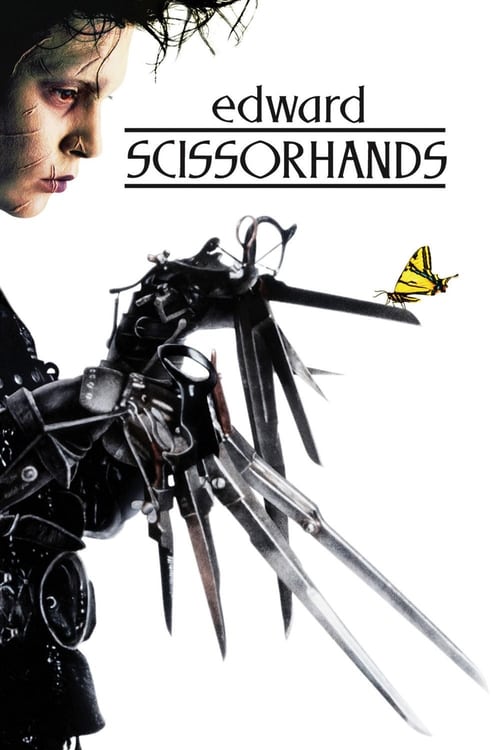



More Long-Running Animated Institutions
Every Version of South Park
Explore the Every Version of South Park guide →The Simpsons did not adapt a pre-existing property. It invented its world whole, and then watched that world colonize every medium around it.CrossBinge editorial