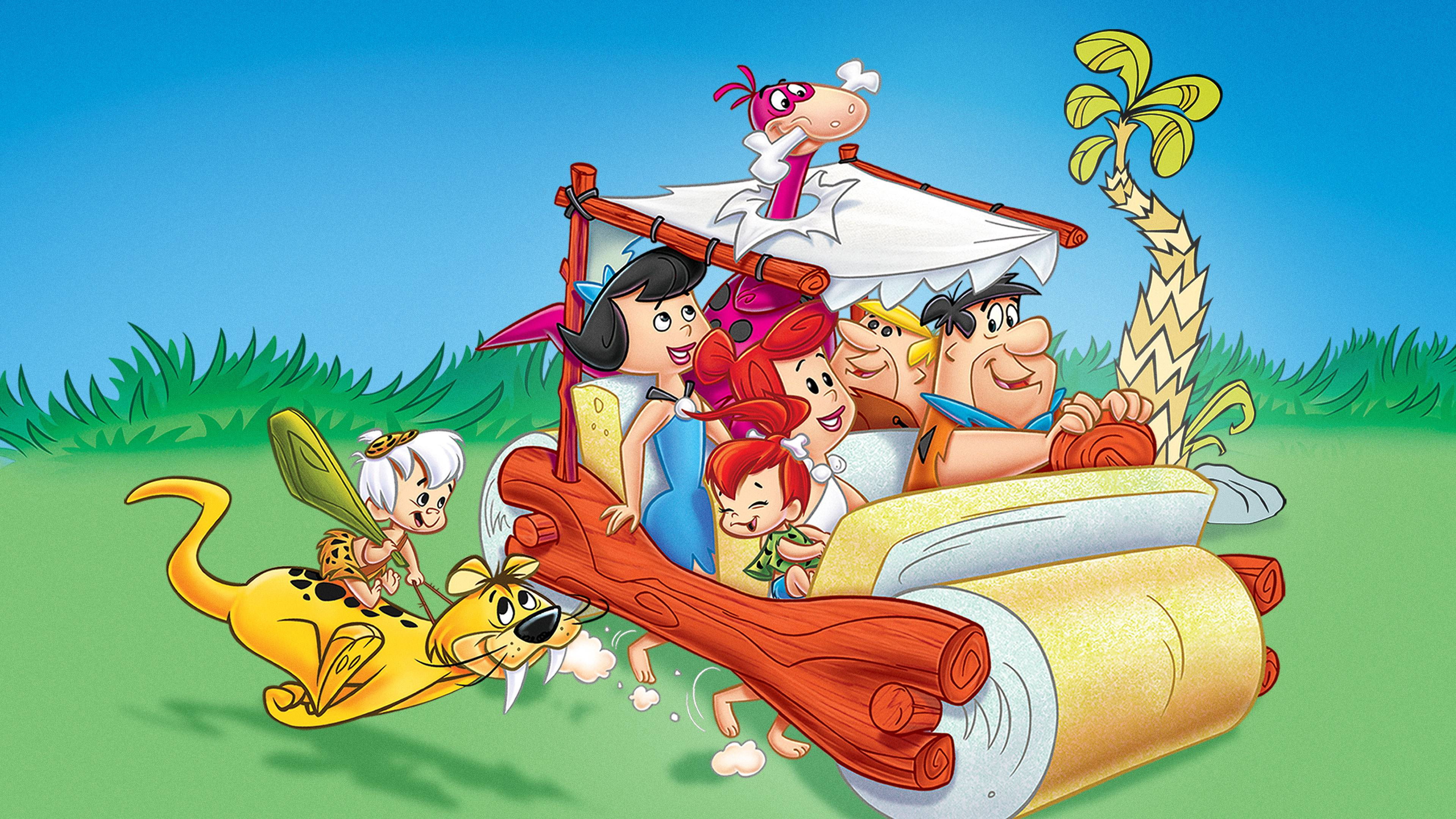

The Original Modern Stone Age Family
The Flintstones did not begin as a film or a comic book. It was born as a television pitch, conceived by William Hanna and Joseph Barbera as an animated take on The Honeymooners, transplanted into a comedically anachronistic Stone Age setting where dinosaurs serve as household appliances and everything runs on foot power. The show premiered on ABC on September 30, 1960, making it the first animated series to air in prime time, and it ran for six seasons until 1966. Fred and Wilma Flintstone, their neighbors Barney and Betty Rubble, baby Pebbles, and eventually Bamm-Bamm became the most recognizable prehistoric family in popular culture.
From that single television origin, the franchise spread in nearly every direction: spinoffs, reunion movies, a live-action Hollywood feature, animated films, and video games across four decades. What held it all together was the central joke, which never gets old: modern suburban life, recognizably American, rendered in rock and bone.
The Flintstones in the Catalog
The original series, the films, and the games available here
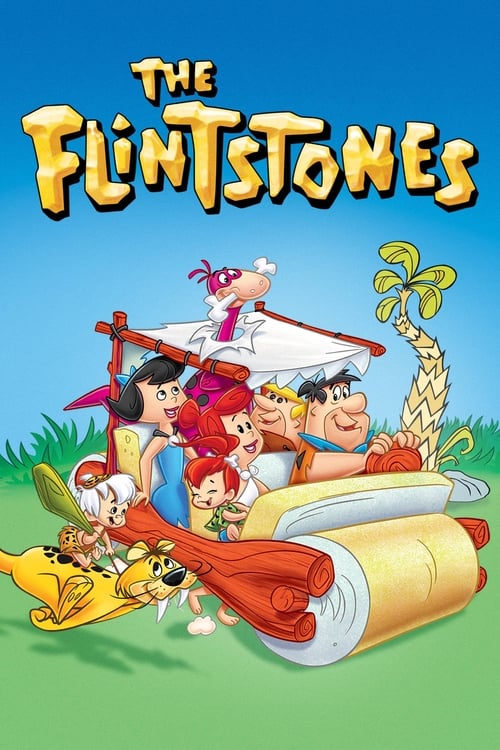

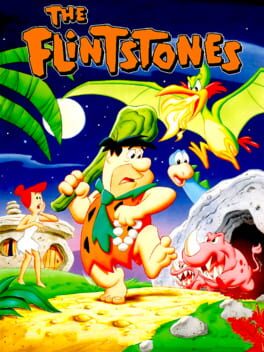
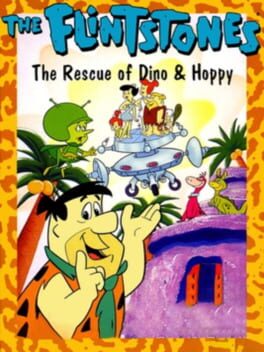
The Flintstones Through the Decades
- 1960Original ABC primetime series premieres, the first animated show in prime time The Flintstones
- 1966Theatrical spy-comedy spinoff, the series cast playing a secret-agent version of Fred The Man Called Flintstone
- 1971Saturday morning teen spinoff following grown-up Pebbles and Bamm-Bamm The Pebbles and Bamm-Bamm Show
- 1972Extended Saturday block with variety sketches and new Flintstones segments The Flintstones
- 1979Fred and Barney reunion series on NBC, pairing them with new neighbor The Rubbles
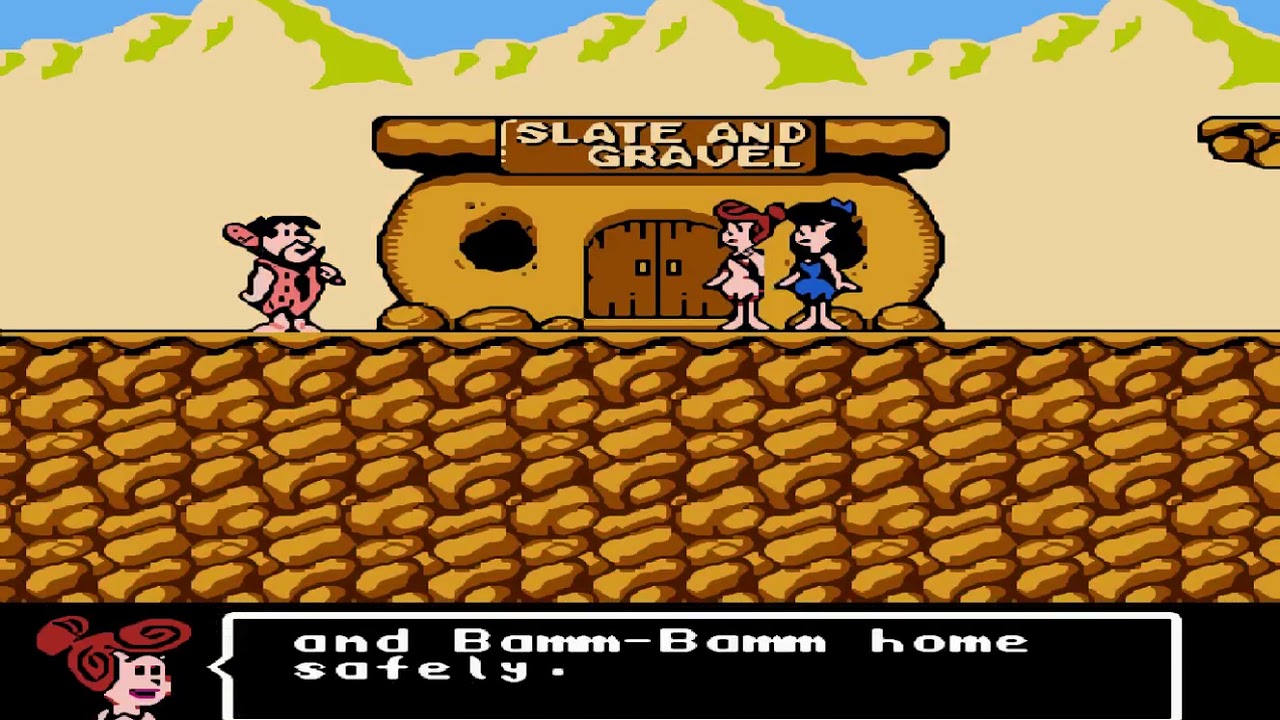
- 1992NES platformer by Taito, rescuing Dino and Hoppy from a mad scientist The Flintstones: The Rescue of Dino & Hoppy
- 1993Acclaimed SNES and Mega Drive platformer, widely considered the best Flintstones game The Flintstones
- 1994Live-action Hollywood feature with John Goodman as Fred Flintstone The Flintstones
- 1994SNES-exclusive second game, a rarer and harder platformer from the same era The Flintstones: Surprise at Dinosaur Peak
- 2000Prequel film set before Fred and Wilma married, with a new live-action cast The Flintstones in Viva Rock Vegas
- 2019Animated preschool spinoff featuring a young Pebbles and Bamm-Bamm, still running Yabba-Dabba Dinosaurs
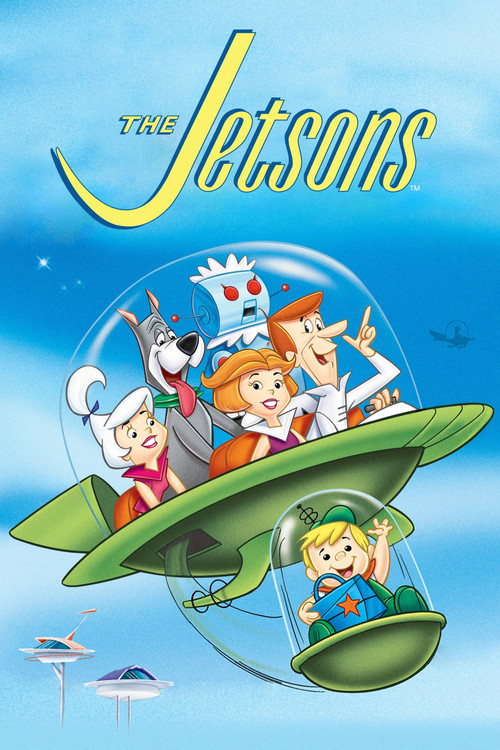
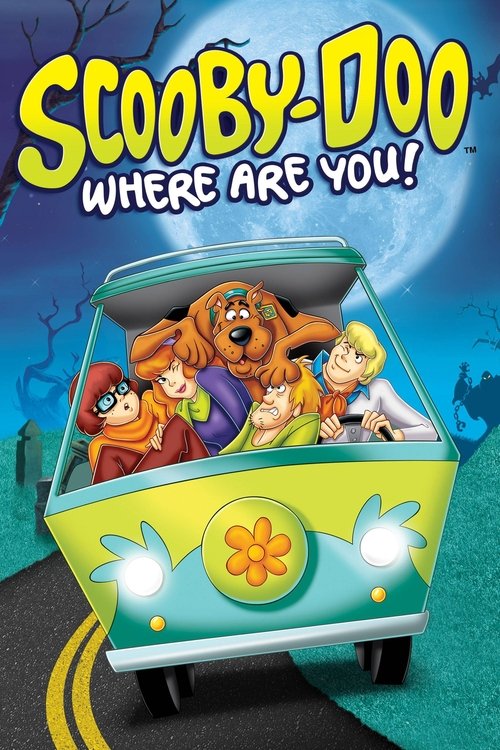
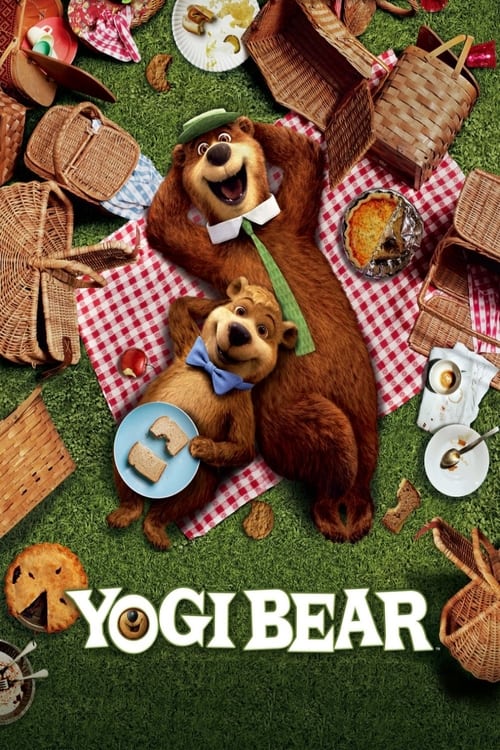
If You Love The Flintstones: Other Hanna-Barbera Classics
The studio that created Bedrock built an entire universe around the same absurdist formula
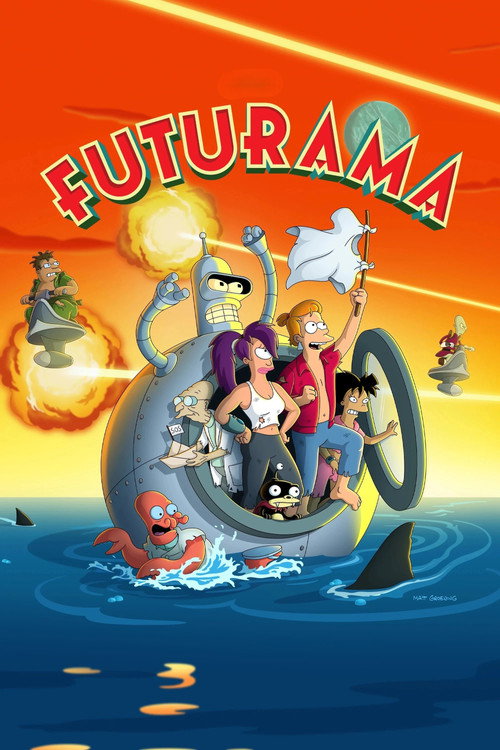
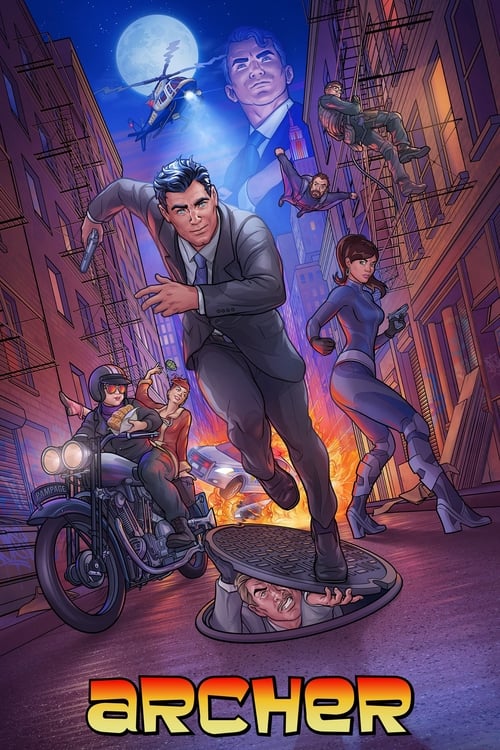
If You Love The Flintstones: Animated Sitcoms That Followed the Blueprint
Family comedies built on the same bones: a lovable blowhard, a patient spouse, a best friend next door
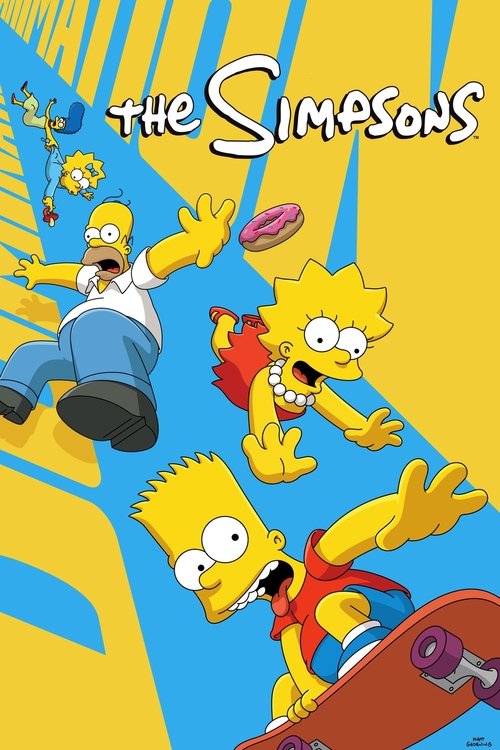
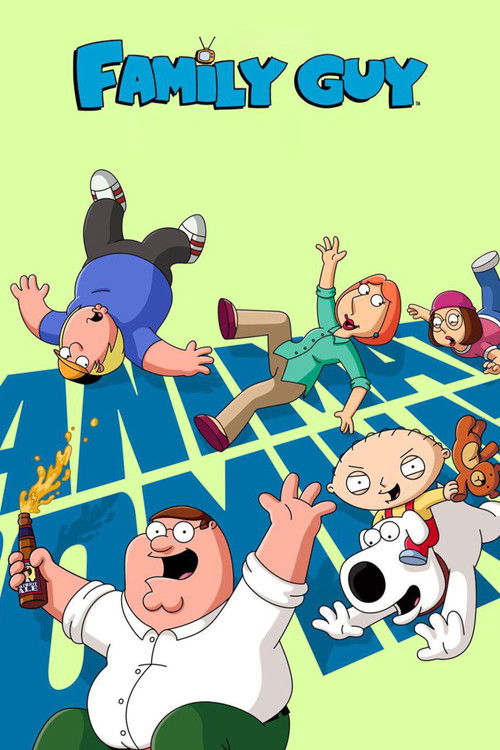

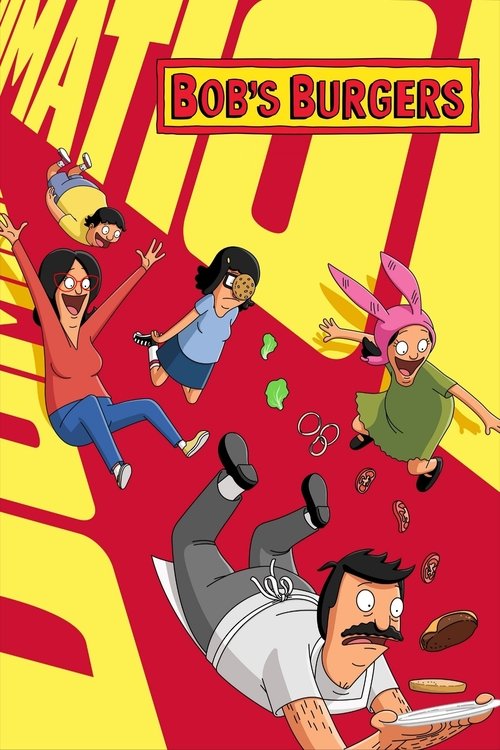
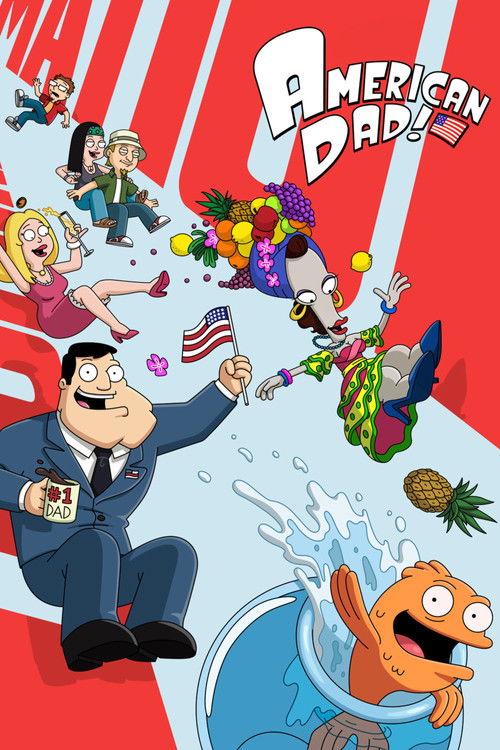
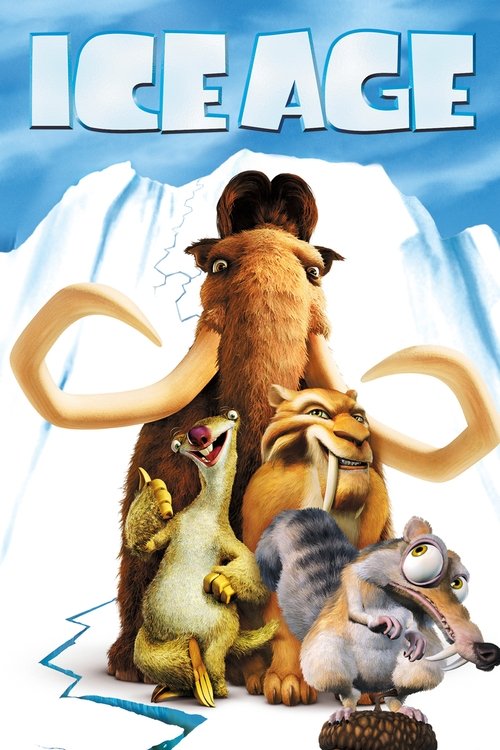
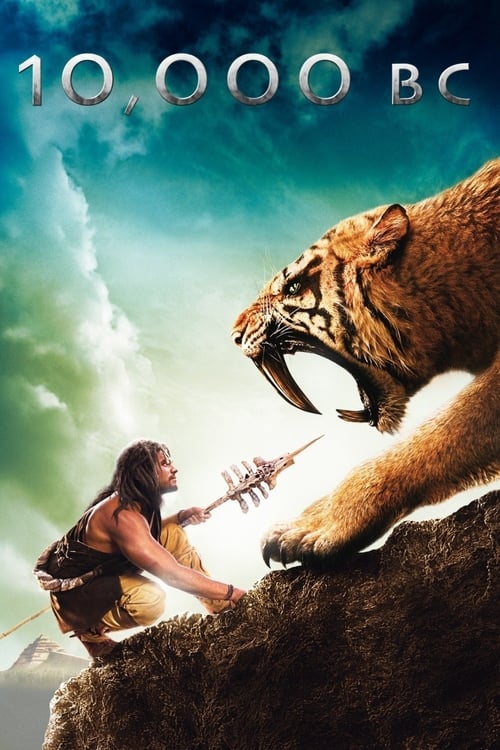
If You Love The Flintstones: Stone Age and Prehistoric Stories
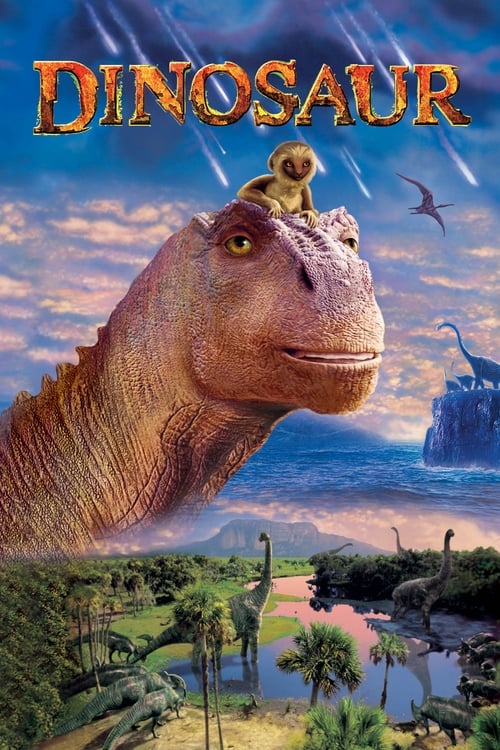
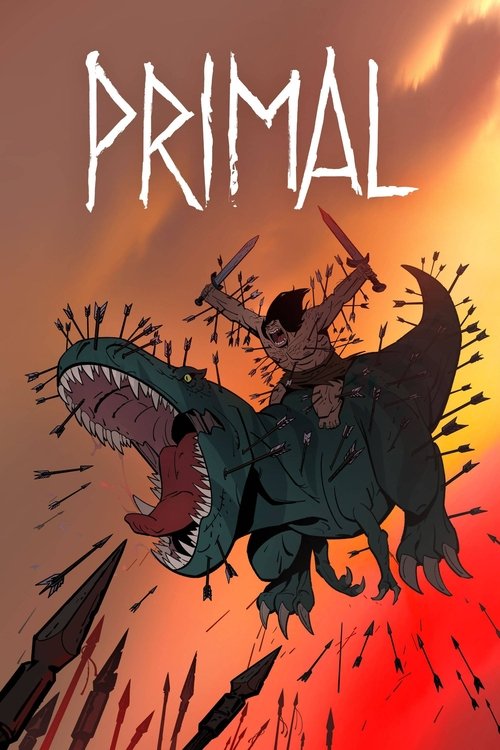
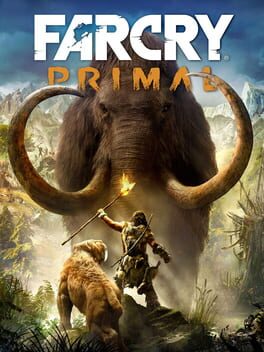
Other works that play in prehistoric settings, from comedy to spectacle
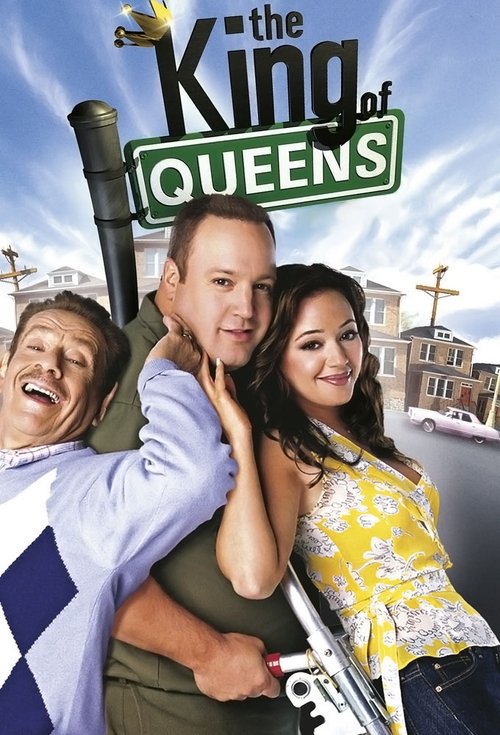
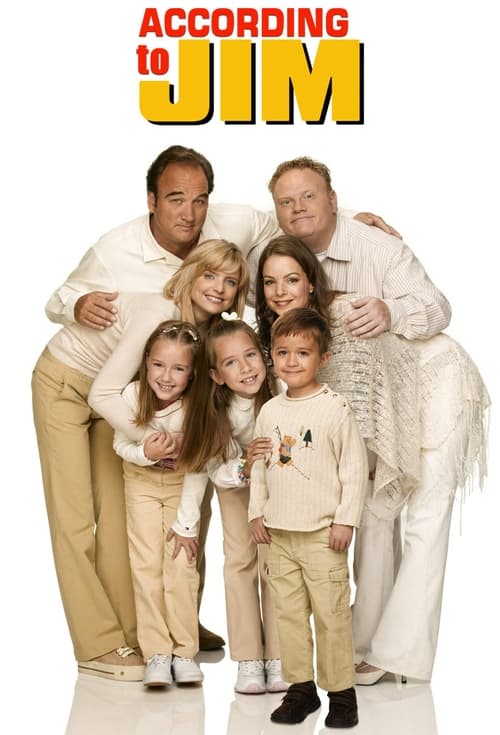
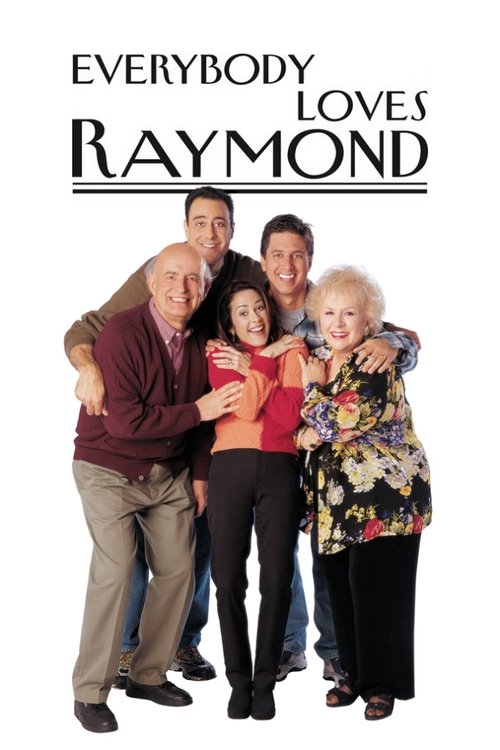
If You Love The Flintstones: Blue-Collar Sitcom Couples
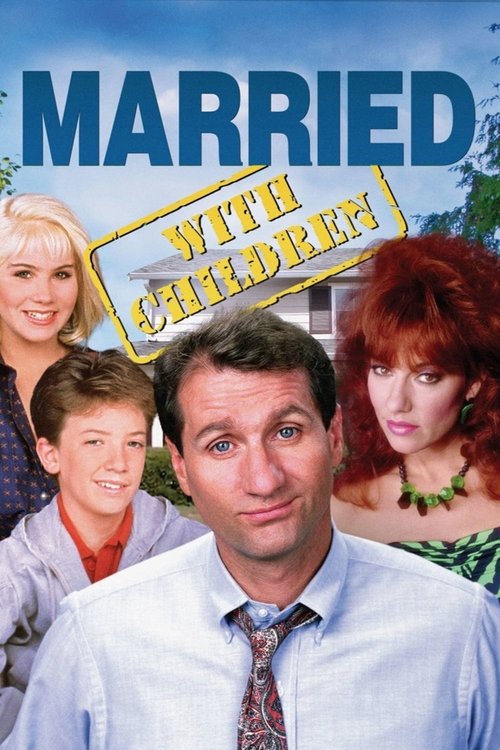
The Flintstones was always The Honeymooners with rocks; here are the shows in that lineage


The definitive version is still the original run
The six-season original series from 1960 to 1966 is the one that does everything right. The writing in the early seasons has real wit, the vocal performances from Alan Reed as Fred and Jean Vander Pyl as Wilma are irreplaceable, and the central joke about anachronism lands freshest when it is not over-explained. Every subsequent version either softens the edges for younger audiences or over-produces what was charming precisely because it was cheap, fast, and a little rough around the edges.
The 1993 game is the best non-television version of the property
The 1993 console platformer (SNES/Mega Drive, published by Taito) is a genuinely excellent game that happens to wear a Flintstones license. The level design is inventive, the controls are tight, and it holds up as a piece of the 16-bit era that would be worth playing without any brand recognition at all. Most licensed games of the period coasted on the property and delivered mediocrity. This one did not.
The 1994 film: impressive sets, nothing to say
The 1994 live-action The Flintstones with John Goodman is not unwatchable, but it is a film built entirely around production design (which is genuinely impressive) while having almost nothing to say. The script turns Fred into a dupe in a corporate embezzlement plot that no child cares about and no adult finds clever. Goodman is well-cast and stranded in equal measure. The movie exists as a reminder that perfect sets do not save a story.