
Nine young men from the American West changed Olympic history
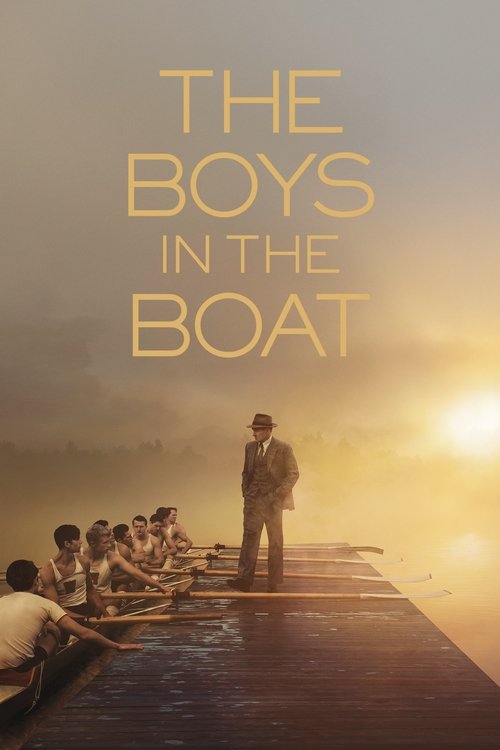
The story began as lived experience: nine working-class University of Washington rowers who, in 1936, defeated the Nazi-spectacle backdrop of the Berlin Olympics to win gold. For decades it circulated mainly in Pacific Northwest memory and rowing circles. Then in 2013 Daniel James Brown published The Boys in the Boat, a meticulous work of narrative nonfiction built around interviews with Joe Rantz, the crew's stroke, conducted shortly before Rantz died in 2007. The book became a word-of-mouth phenomenon, spent years on the New York Times bestseller list, and eventually caught Hollywood's attention. George Clooney directed the film adaptation, released in December 2023.
The story has so far traveled only two stops: book to film. No stage musical, no miniseries, no game. What exists is a tight lineage: the real event, the defining book, and one major film.
The Boys in the Boat across time
- 1936The real event: University of Washington wins rowing gold at the Berlin Olympics
- 2013Daniel James Brown publishes the nonfiction book The Boys in the Boat
- 2023George Clooney's film adaptation released by Amazon MGM Studios The Boys in the Boat
The definitive version: read the book first
Daniel James Brown's book is the reason this story exists in popular culture at all. His reporting, built on hundreds of hours with Joe Rantz and archival research, reconstructs Depression-era America, the mechanics of a rowing crew, and the moral weight of performing in Hitler's Berlin with a precision and sympathy the film can only gesture toward. The book does not sentimentalize poverty or simplify the psychology of nine individuals becoming one organism. It earns its ending. Read it before anything else.

The film is handsome but compressed
George Clooney's 2023 adaptation is competent prestige filmmaking: beautiful water photography, committed performances from Callum Turner and Joel Edgerton, and a rousing final race. But the book's texture gets compressed into crowd-pleasing formula. The poverty, the engineering genius of Al Ulbrickson's selection process, the slow psychological welding of nine individuals into one crew: all of it is present only in outline. Worth seeing after reading, not instead.
If you love the book: narrative nonfiction about sport and will
Long-form true stories about athletes and endurance, in the same vein as Brown's reporting


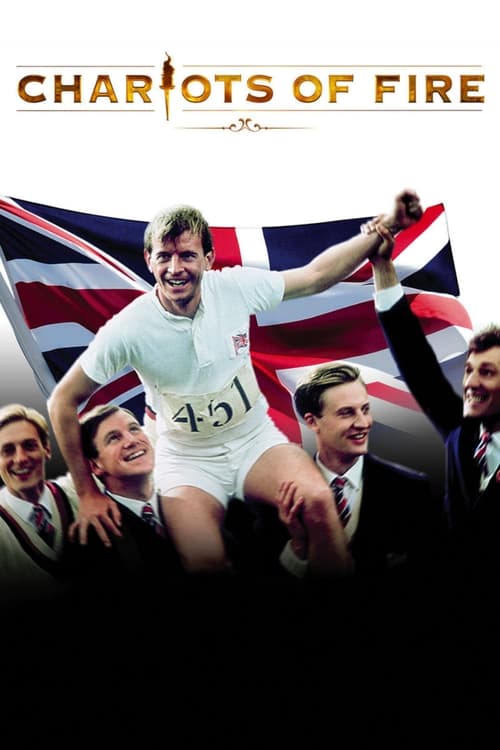
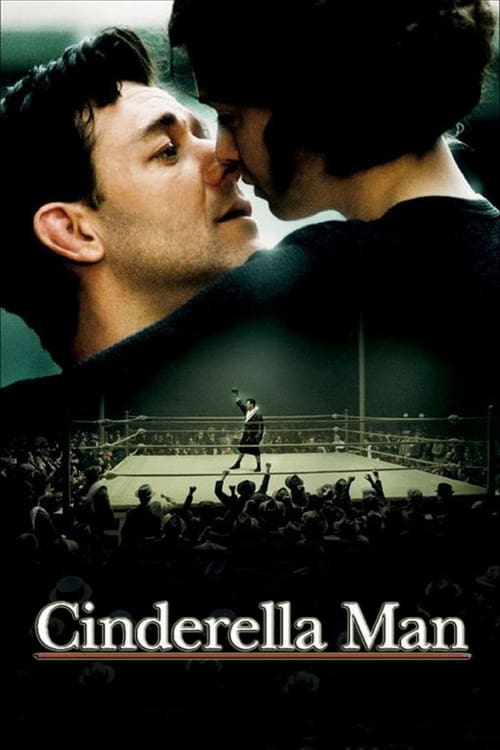
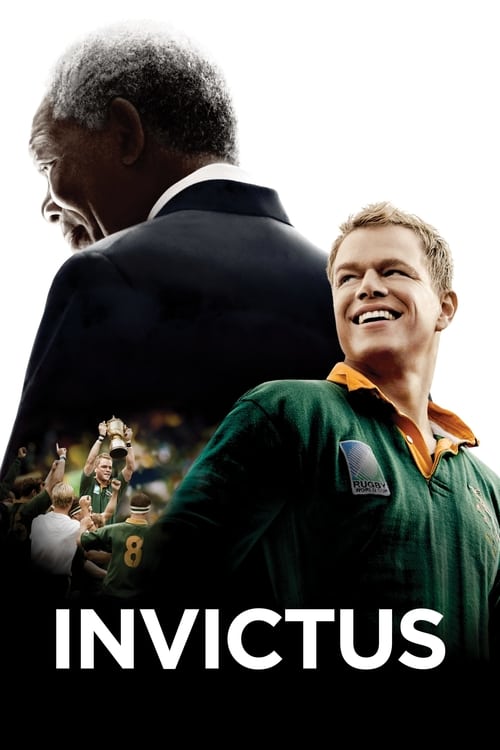
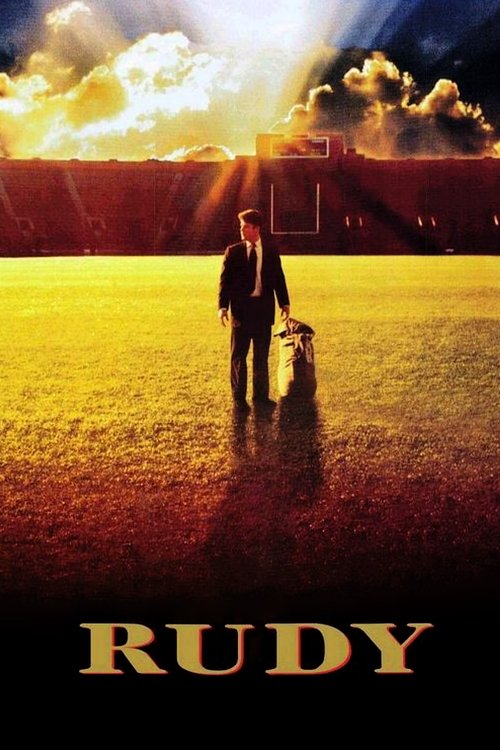
If you love the film: underdog sports stories on screen
Films about ordinary people who win something that looked impossible


If you love the 1936 Berlin setting: stories set in or shaped by Nazi Germany
Films that put you inside the period, from the Olympics to the war's end




If you love the team-forged-in-adversity theme: crews and camaraderie across media
Stories about groups of people who become more than the sum of their parts under pressure