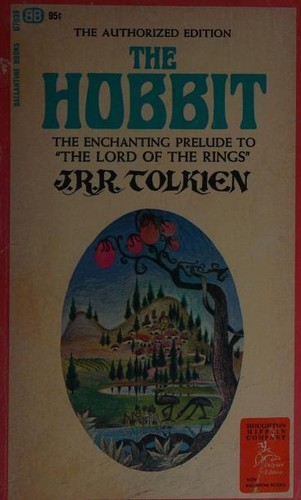

A children's book that became a mythology
The Hobbit began as a story J.R.R. Tolkien told his children, scribbled into a manuscript left sitting in a drawer at Oxford. A colleague passed it to the publisher George Allen and Unwin, and in September 1937 it appeared in print as The Hobbit, or There and Back Again. It sold out its first edition before Christmas.
The plot is spare: Bilbo Baggins, a respectable, unadventurous hobbit, is dragooned by the wizard Gandalf and thirteen dwarves into a quest to reclaim a mountain stronghold from the dragon Smaug. What gave the book its staying power was Tolkien's habit of treating his invented world as an actual place with history, language and weight. The book was not allegory or moral fable. It was geography.
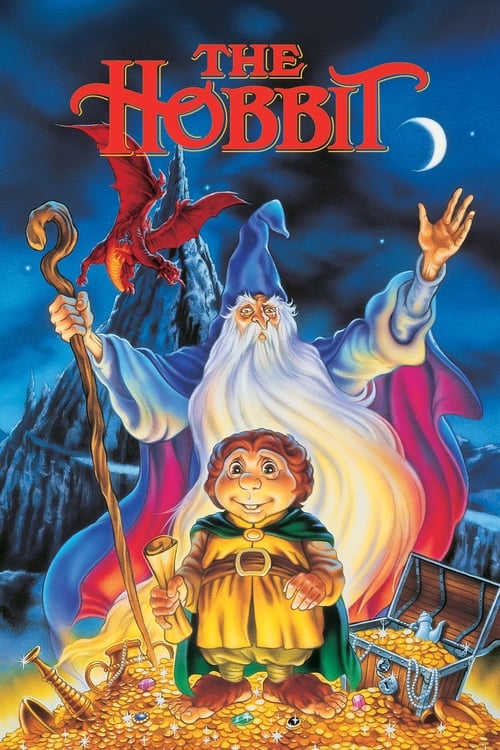
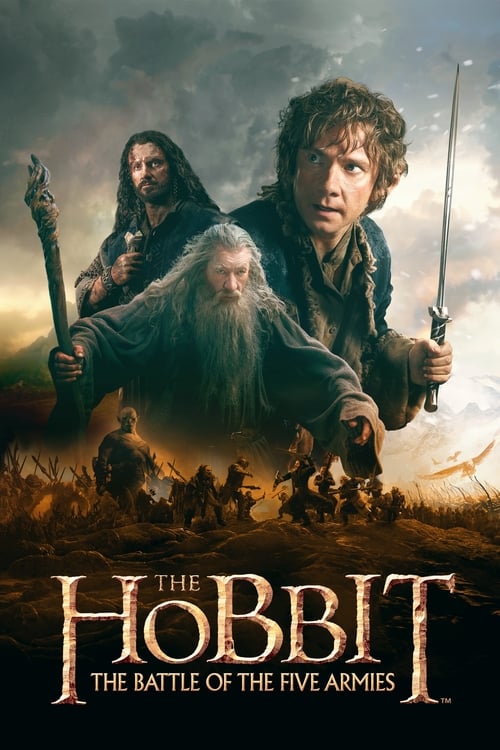
Adaptations followed across every decade and medium. American television arrived first with a Rankin/Bass animated special in 1977. A Soviet Leningrad studio produced a film version in 1985. The BBC had dramatised it for radio in 1968. Then in the 2010s Peter Jackson turned a 300-page children's novel into three feature films totalling nearly nine hours. Radio plays, stage productions, a licensed video game that many fans consider underrated, illustrated editions that reinterpret Tolkien's own drawings: The Hobbit has been every size: pocket book, IMAX blockbuster, tabletop game, orchestral score.
Every Version of The Hobbit
The source novel plus every major adaptation across screen, audio and interactive media

The Hobbit Through Time
- 1937Tolkien's novel published by Allen and Unwin The Hobbit
- 1966Gene Deitch animated short, produced to retain rights, rarely screened The Hobbit
- 1968BBC Radio 4 dramatisation in eight parts
- 1977Rankin/Bass animated TV special, first widely seen screen version
- 1985Soviet animated film from Leningrad studio, faithful and stylised The Hobbit
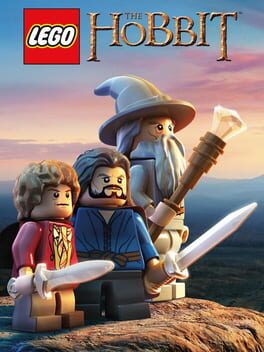
- 2003Vivendi licensed video game for PS2 and GBA, covers the book chapter by chapter LEGO The Hobbit
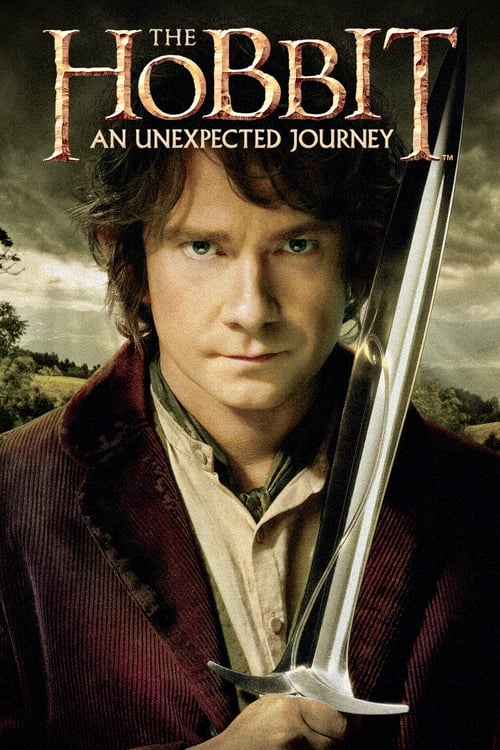
- 2012Peter Jackson's An Unexpected Journey opens the trilogy The Hobbit: An Unexpected Journey
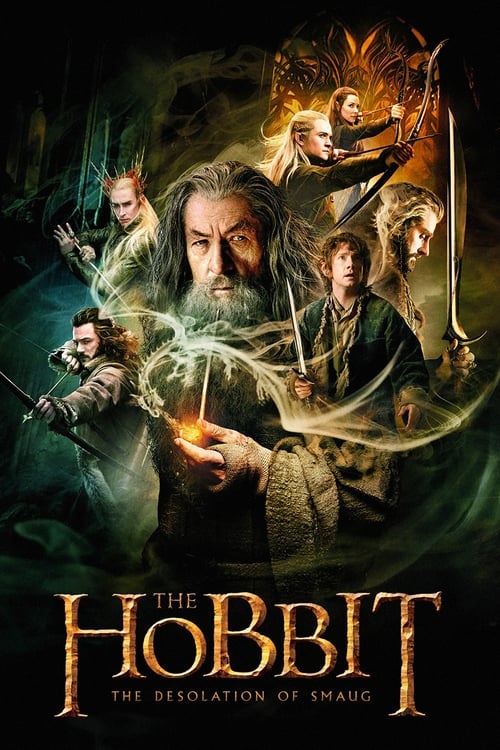
- 2013The Desolation of Smaug; Benedict Cumberbatch voices Smaug The Hobbit: The Desolation of Smaug
- 2014The Battle of the Five Armies concludes the Jackson trilogy The Hobbit: The Battle of the Five Armies
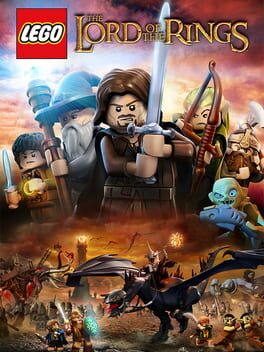
- 2014LEGO The Hobbit video game covers the first two films LEGO The Hobbit
The 2003 video game is the most faithful adaptation most people have never played
Sierra's 2003 The Hobbit for PS2 and Game Boy Advance is a chapter-by-chapter platformer that follows the book beginning to end, in roughly the order Tolkien wrote it. It was dismissed at release as a licensed tie-in and has since been overshadowed by the Jackson-era game adaptations. But the writing sticks close to the novel, the level design maps to the geography of each chapter, and it treats the source material with a quiet seriousness that the later, flashier games do not.
It is not a great game. The camera is awkward, the combat repetitive. But as an adaptation it is the one that actually tried to tell the story Tolkien wrote, and that counts for something.
Peter Jackson's trilogy is spectacular and you should watch the theatrical cuts only
The extended cuts of Peter Jackson's trilogy run close to nine hours. The first film is genuinely good: the Shire sequences have warmth, and the Riddles in the Dark scene with Martin Freeman and Andy Serkis is the best thing in all six of Jackson's Middle-earth films. The second stumbles badly with an invented romance and barrel-chase action sequences that go on long past any narrative purpose. The third almost completely abandons the book.
The visual craft throughout is extraordinary. If you want spectacle and scale there is nothing else like it. But the theatrical cuts are sharper, better paced and closer to the story. Watch those first. If you still want more, the extended editions will be there.
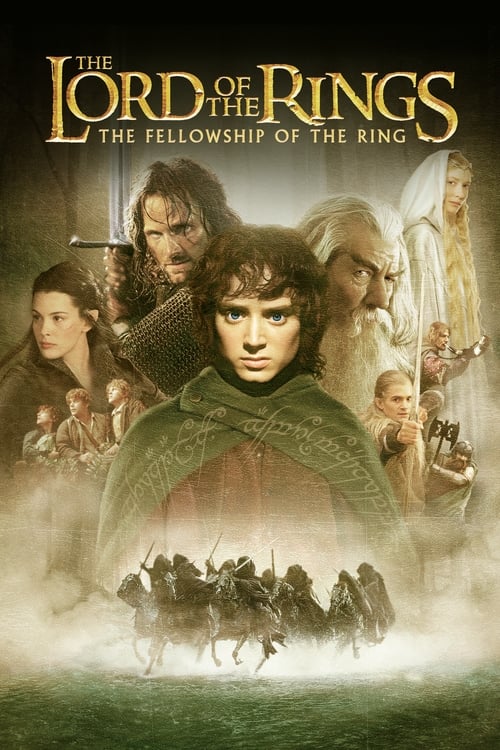
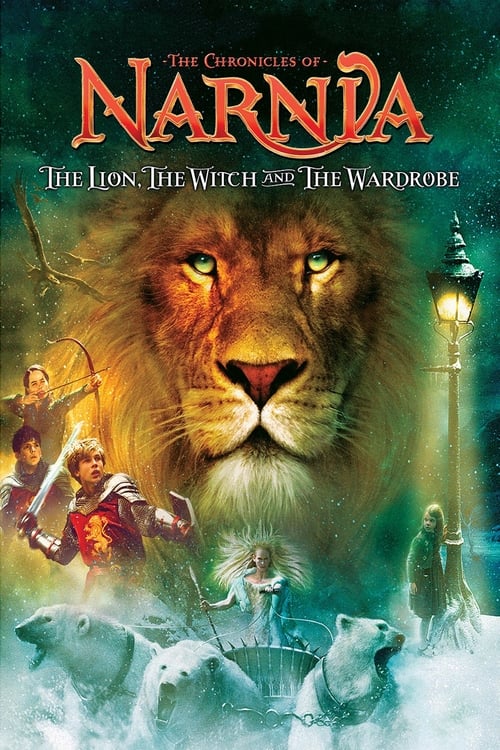
If You Love The Hobbit: Quest Narratives With the Same Shape
A reluctant hero, a found family of misfits, a far-off destination


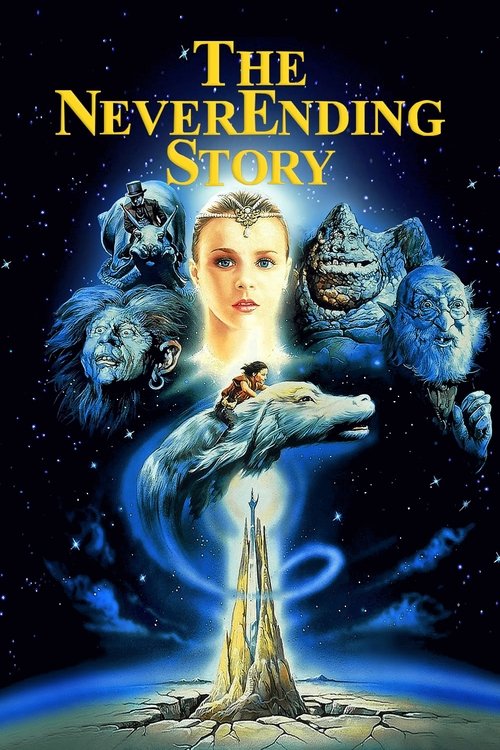
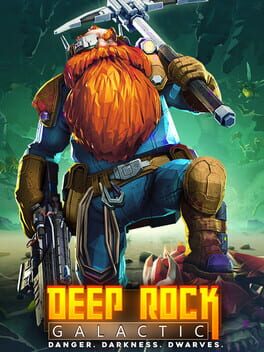
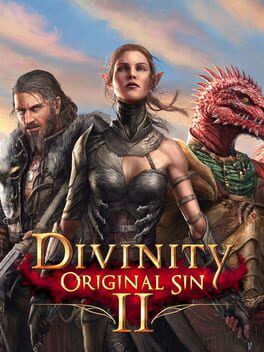
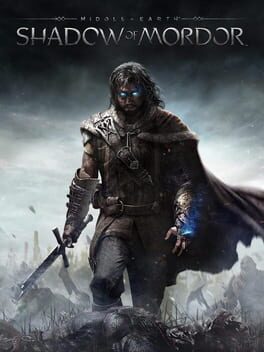
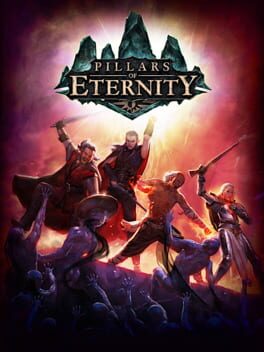
If You Love The Hobbit: Dragons, Dwarves and Dark Mountains in Games
Fantasy RPGs and action games with the same scale and mythic weight
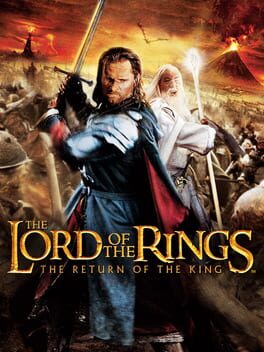
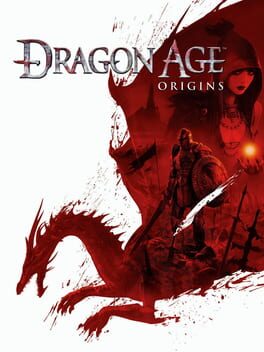
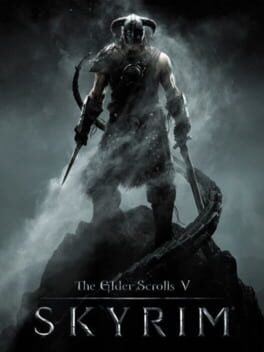
If You Love The Hobbit: Fantasy That Takes Its World Seriously
Books, films and TV that build worlds with the same care Tolkien gave to his


More epic fantasy and dragon lore
Epic Fantasy
Explore the Epic Fantasy guide →In a hole in the ground there lived a hobbit. Not a nasty, dirty, wet hole, filled with the ends of worms and an oozy smell, nor yet a dry, bare, sandy hole with nothing in it to sit down on or to eat: it was a hobbit-hole, and that means comfort.J.R.R. Tolkien, The Hobbit (1937)