
Howard Shore does not write background music. He builds civilizations. The Lord of the Rings trilogy gave him the canvas he needed to demonstrate what film scoring could be at its absolute ceiling: a massive leitmotif system, more than 100 interlocking themes, a Wagnerian architecture that breathed across three films and twelve hours of story without ever feeling mechanical. Each theme evolves as the narrative does. The Shire motif, initially bright and innocent, carries grief and distance by the time the credits roll on The Return of the King.
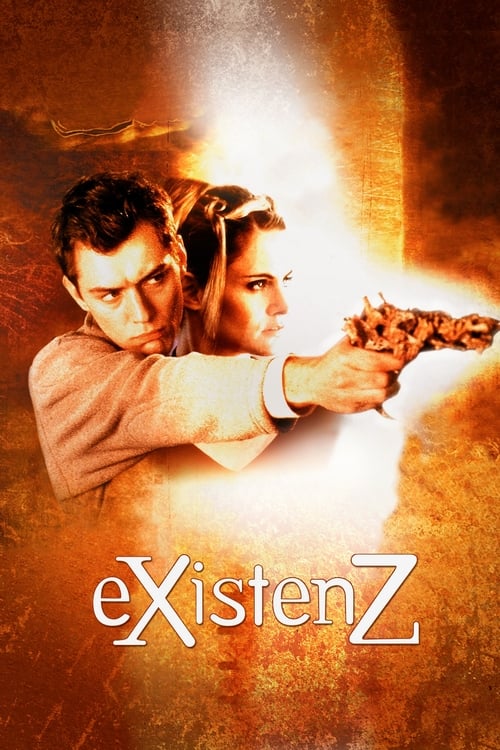
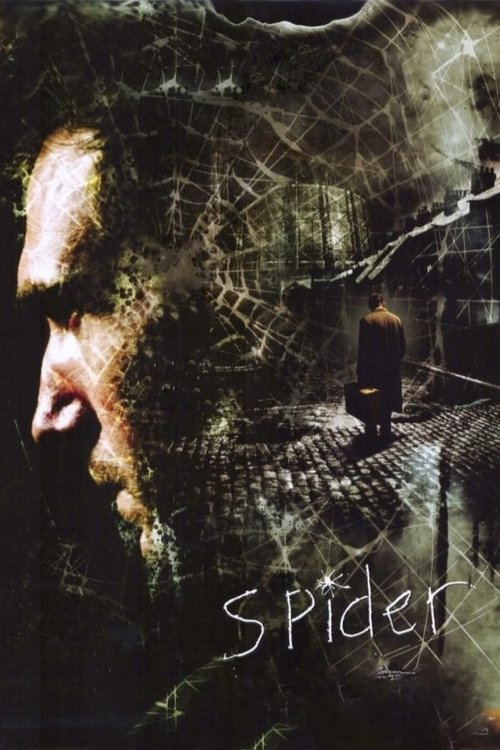
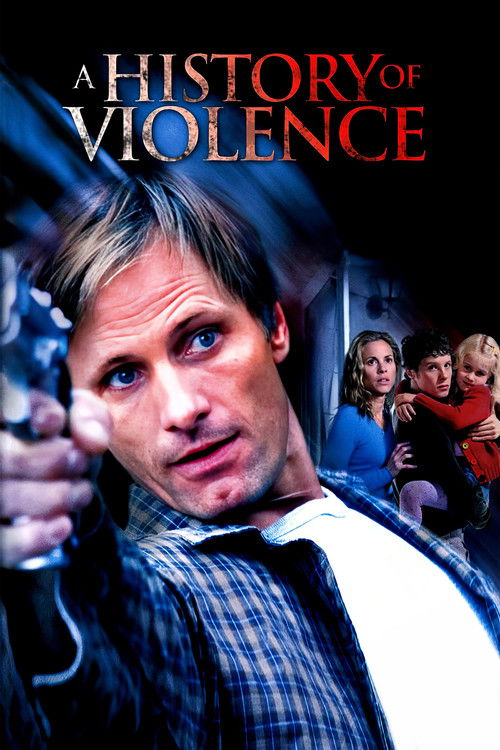
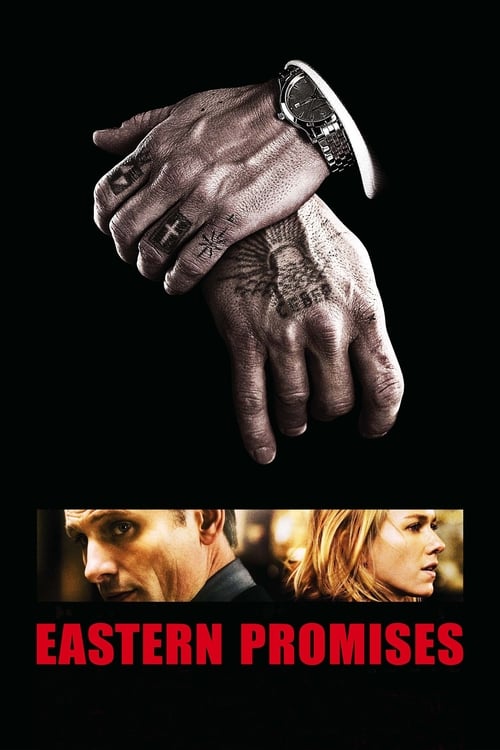
Before Tolkien, Shore had spent years as David Cronenberg's shadow, finding the musical equivalent of body horror: strings that curdle, brass that lurches, silences that feel wrong. That Cronenberg collaboration, running from Videodrome to A History of Violence, is its own essential chapter. But it is the Middle-earth scores and The Hobbit trilogy that define his legacy for most listeners. Shore is the rare composer whose work you seek out not just to re-experience the film, but to inhabit the sound itself.
Essential Howard Shore
His defining scores and albums, from the architecture of Middle-earth to Cronenberg's unease
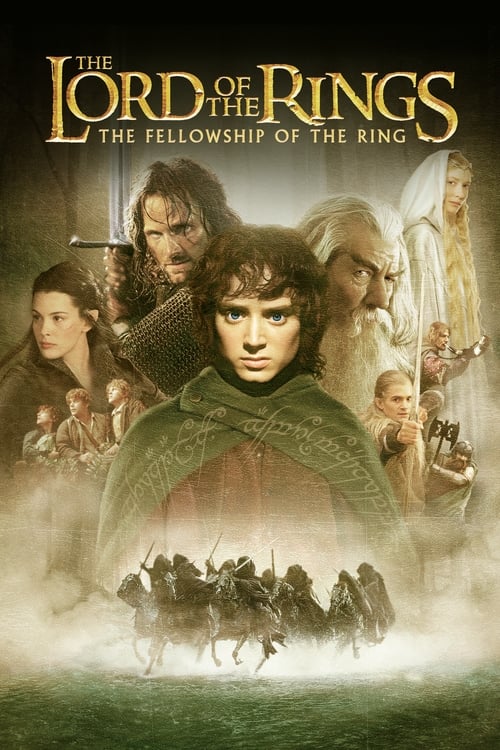
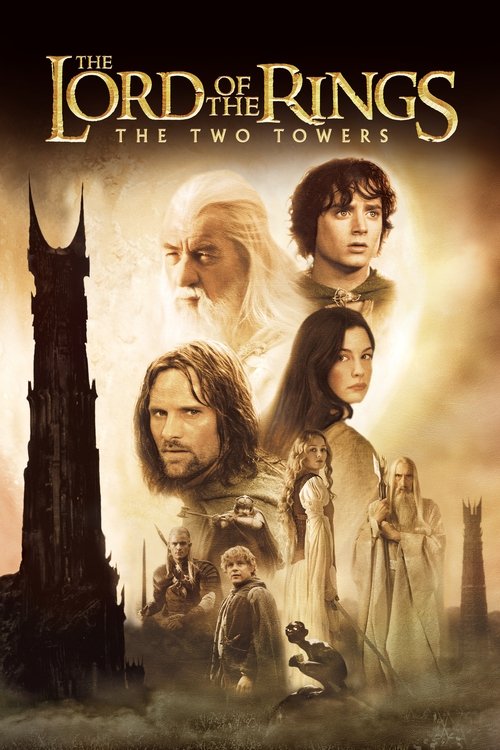
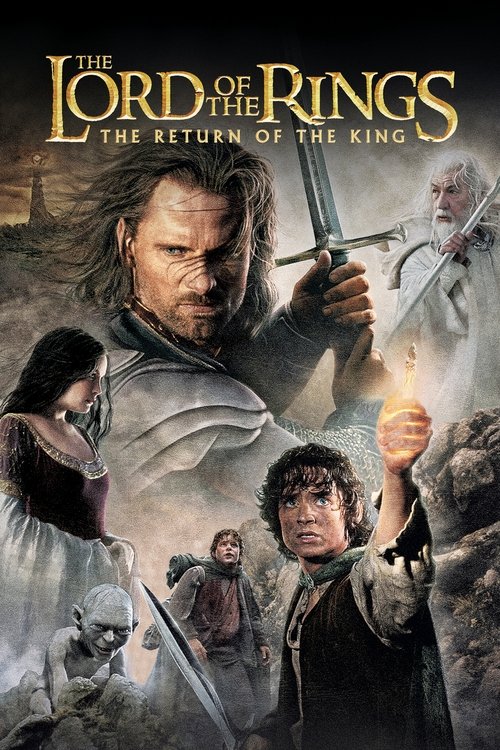
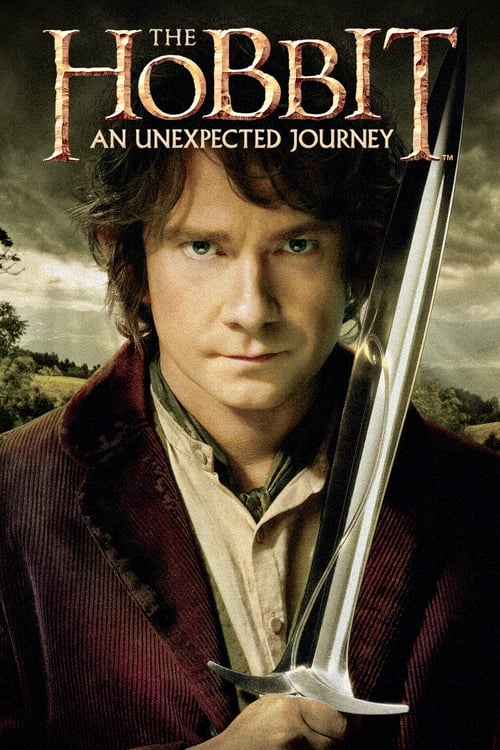
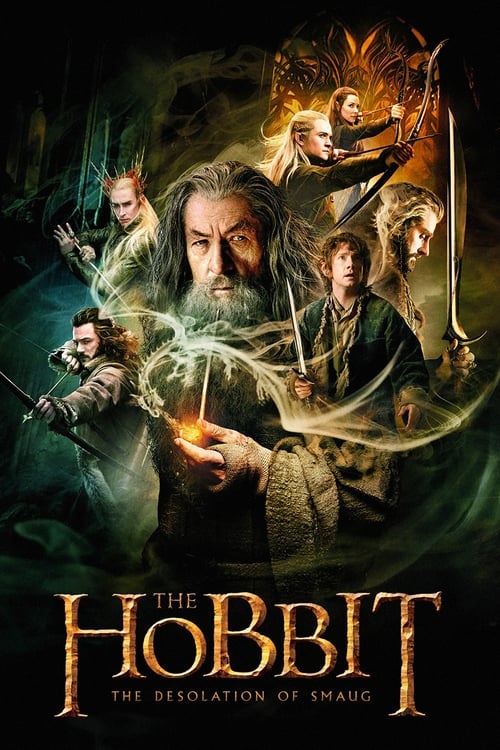
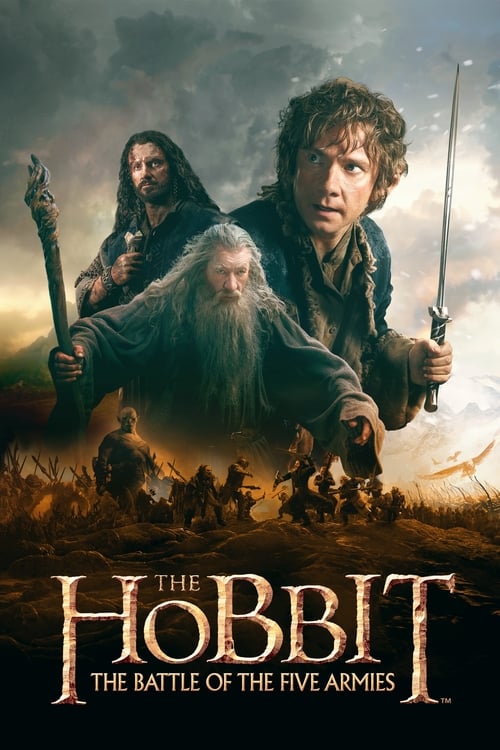
Middle-earth on Screen
The films Shore scored that defined an era of epic fantasy cinema

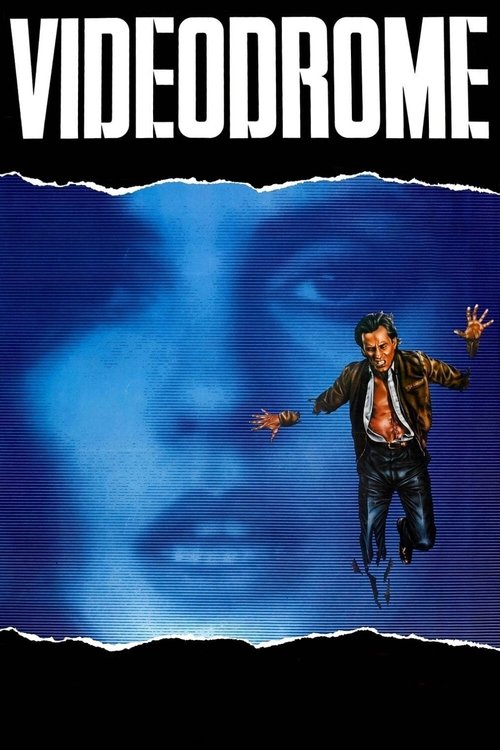
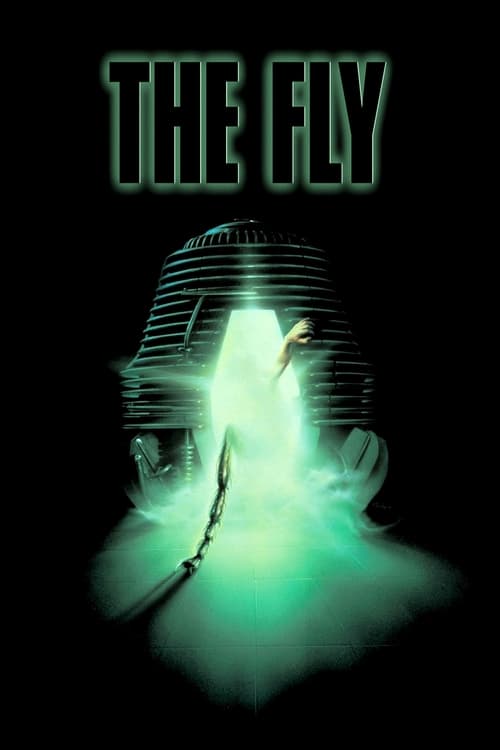
The Cronenberg Files
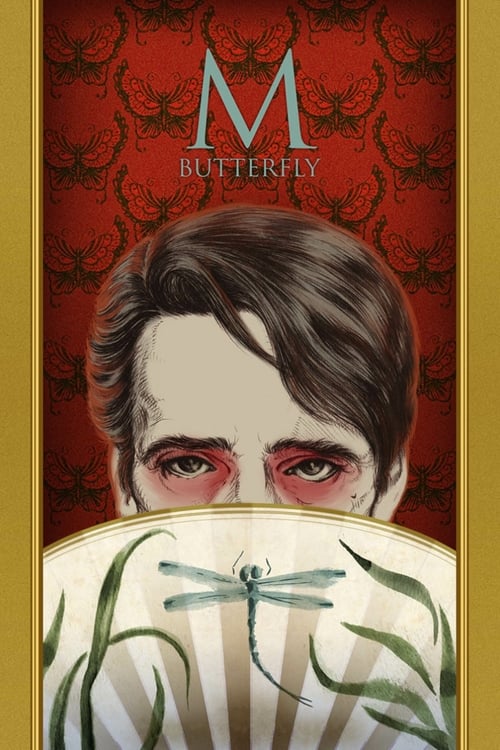
Shore's long collaboration with David Cronenberg, where music maps the body and the mind's breakdown
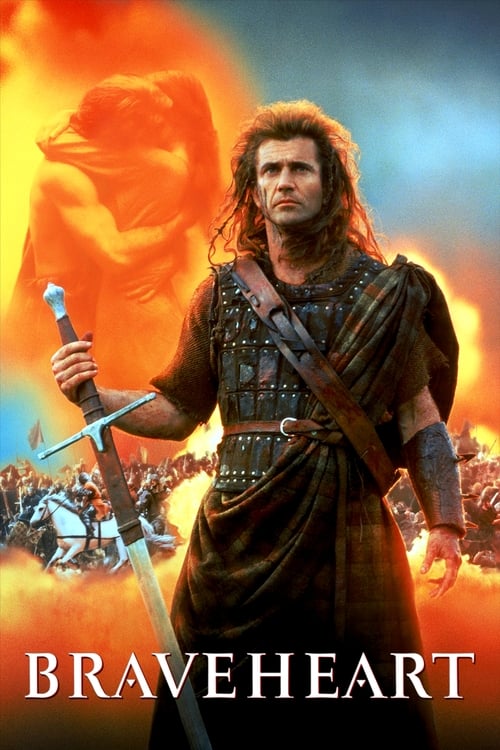
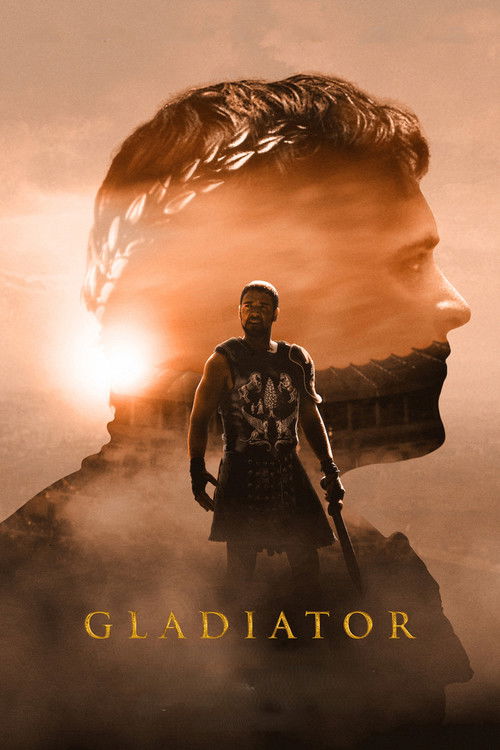
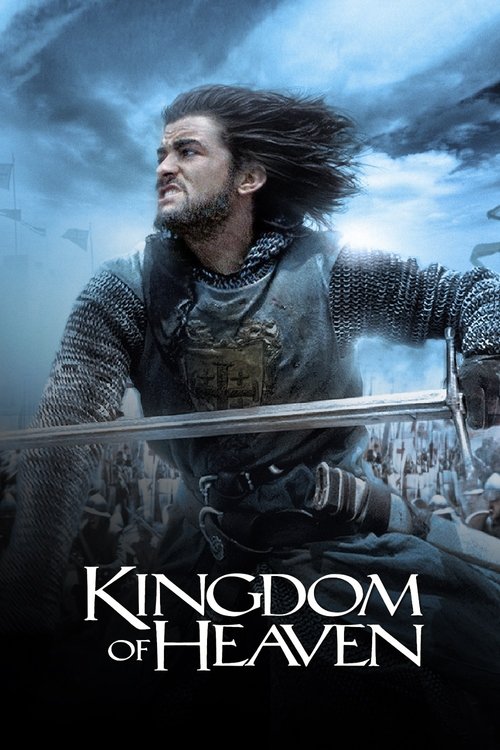
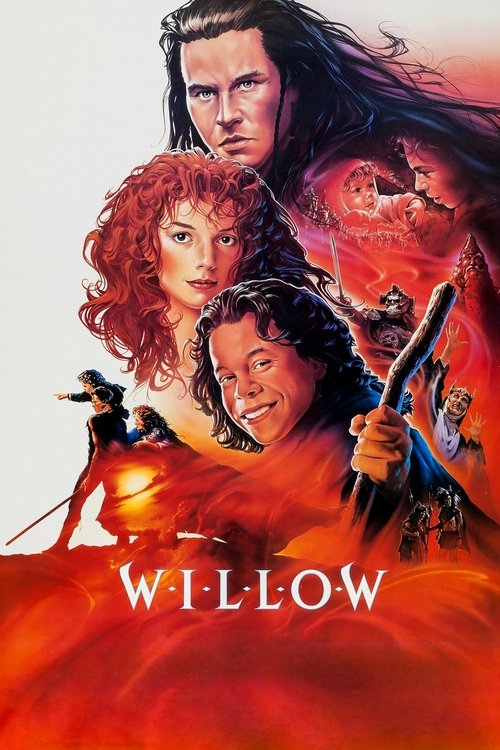
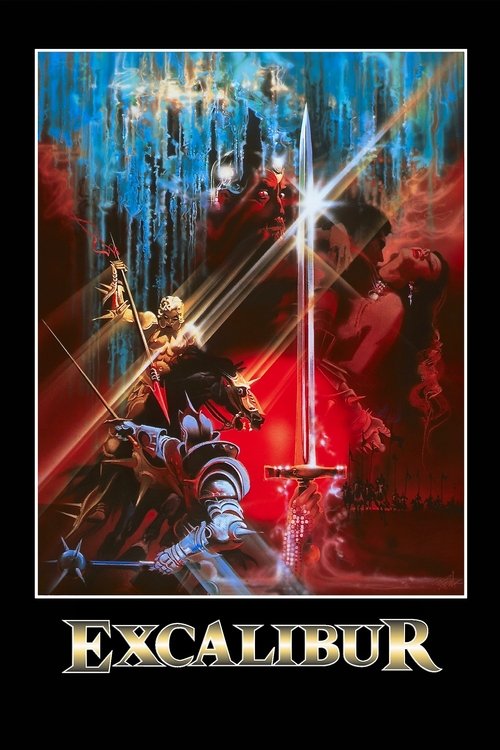
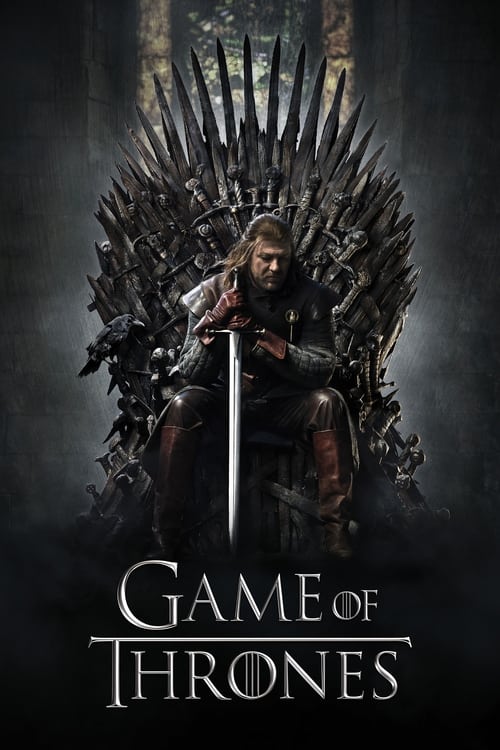
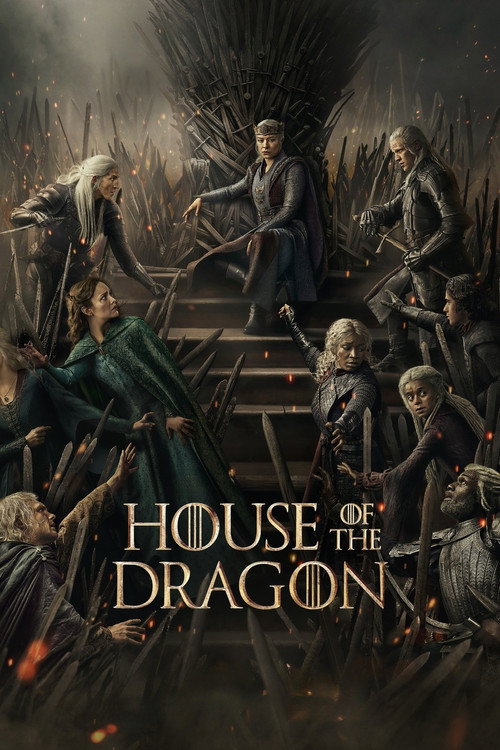
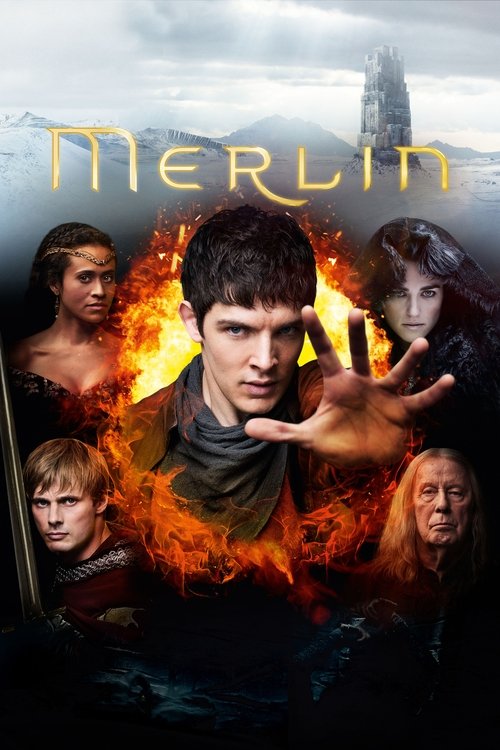
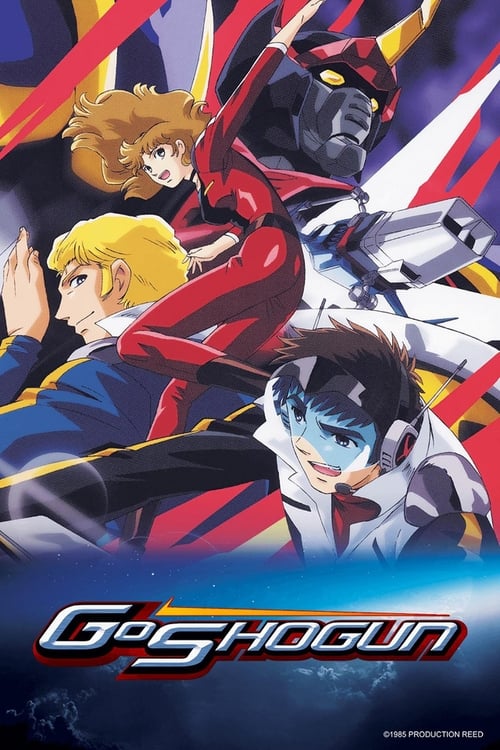
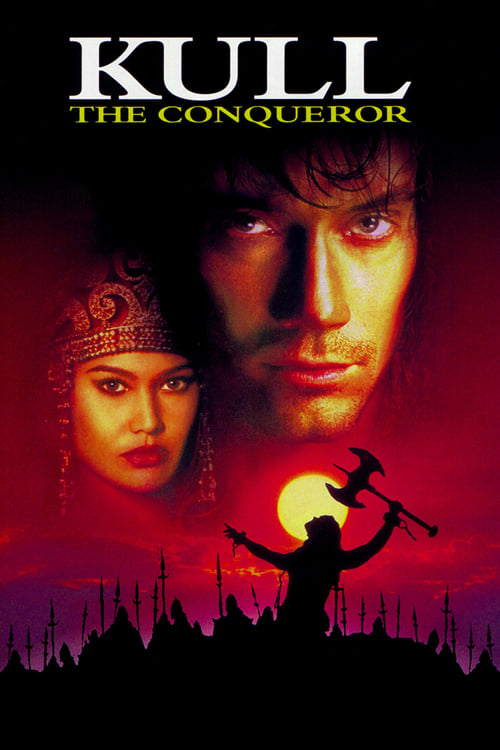
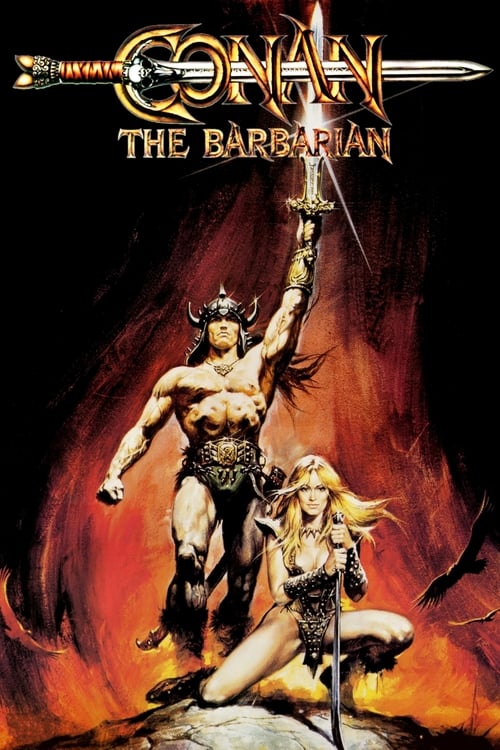
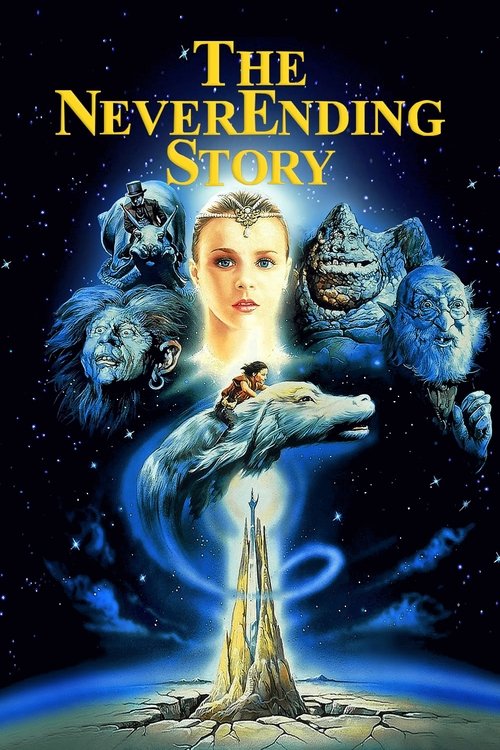
Epic Fantasy and Myth on Screen
Films and series with the same sense of scale, ancient lore, and world-built wonder that Shore's scores inhabit
Soundtrack-Driven Games: Epic Worlds You Hear
Games where the score shapes the world as much as the visuals, from sweeping orchestral fantasy to unsettling atmospheric dread
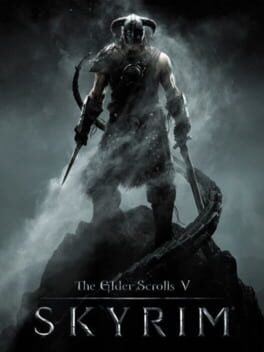
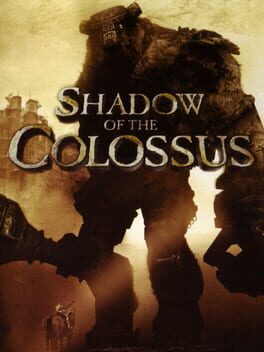
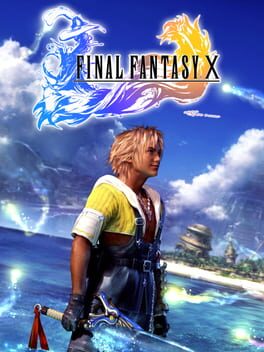
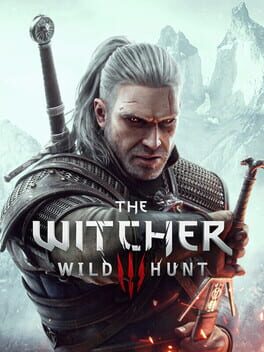
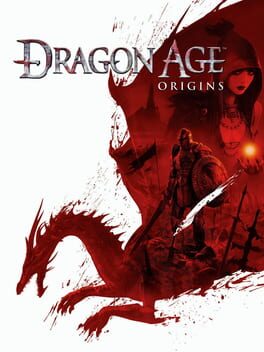
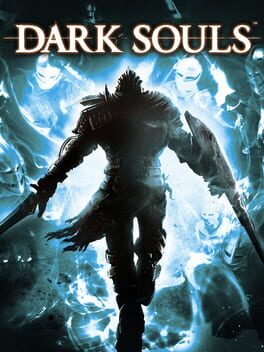
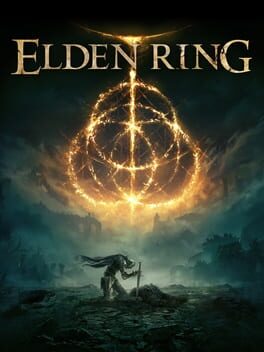
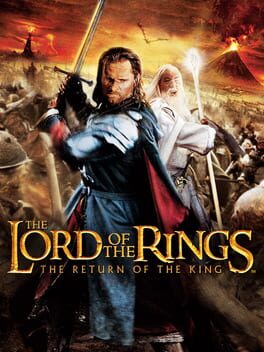
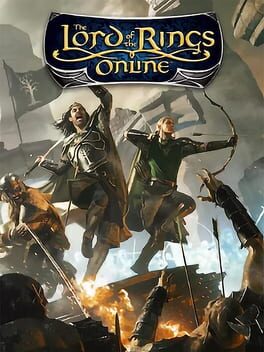
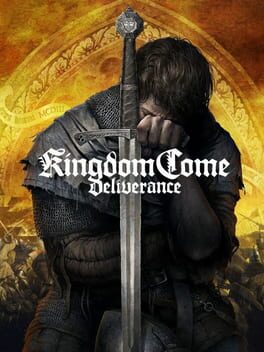
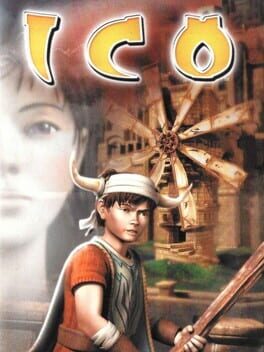
Tolkien on the Page
The books behind the films, plus fiction for readers who love deep world-building, mythology, and the epic tradition Shore scores so well


The Fellowship Score Is the Greatest Film Score of the 21st Century
The argument was settled in 2001. Shore's score for The Fellowship of the Ring is not the best score of its decade or its genre. It is the best score of the era, full stop. The Shire theme alone, seven notes that carry the entire emotional weight of what is lost when innocence meets history, would be enough to cement a legacy. That it is one of over a hundred interlocking themes in a single film is almost unreasonable. Shore did not underscore a movie. He composed a mythology.
The Cronenberg Scores Are Just as Essential
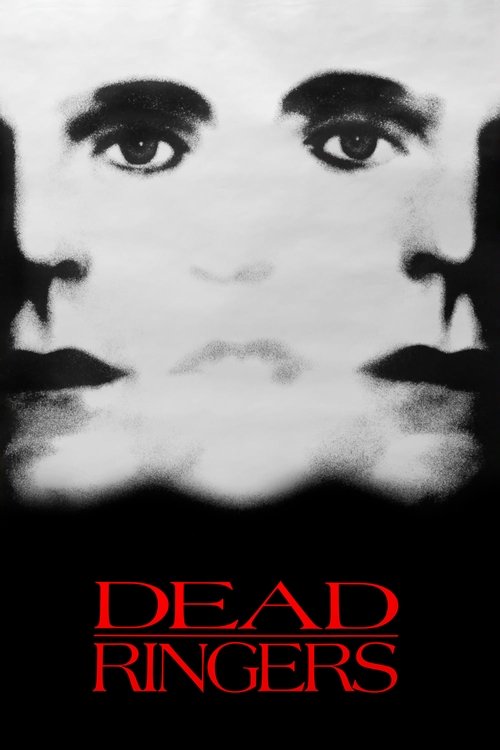
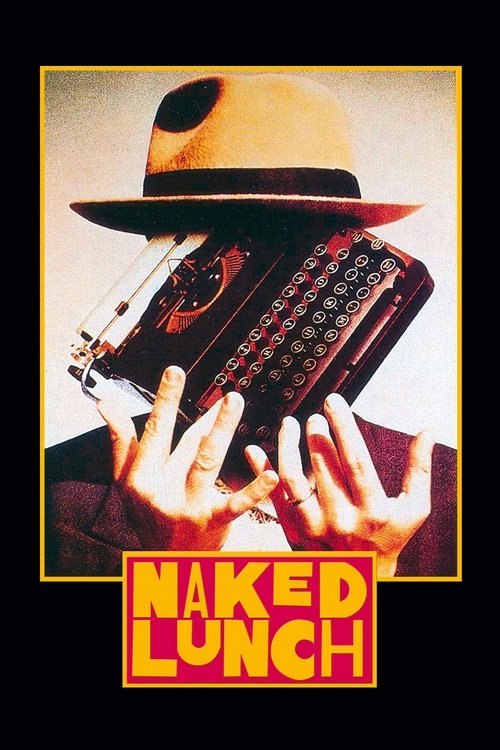
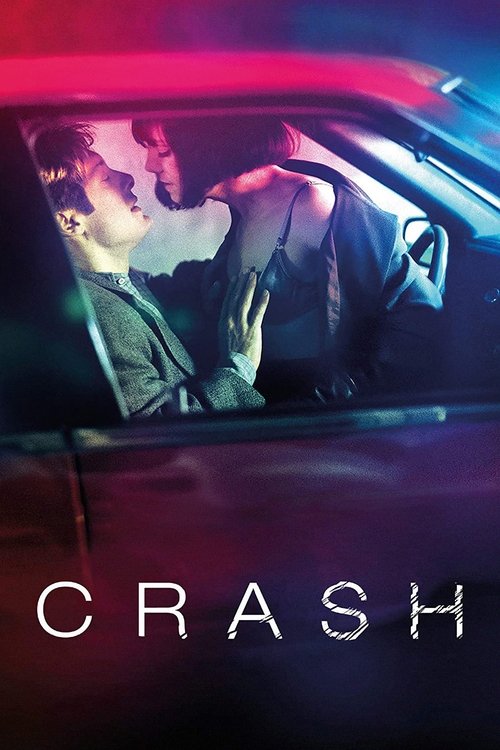
Listeners who found Shore through Middle-earth sometimes treat the Cronenberg work as a footnote. This is exactly wrong. Dead Ringers, Naked Lunch, and Crash are some of the most formally daring scores in the repertoire: chamber-based, dissonant, interested in flesh and wrongness rather than majesty and longing. Shore found different tools for different psychological territories, and those tools are just as refined. The body horror period makes the epic warmth of Tolkien land harder by contrast.
The Hobbit Trilogy Is Underrated as Shore
The Hobbit films have a complicated reputation but Shore's three scores are not part of the problem. The dwarf themes, the Smaug material, and the way Shore differentiates the Erebor sound from the Shire or Rivendell sounds show the same thematic intelligence at work. The score for The Desolation of Smaug in particular deserves reappraisal: it is a leaner, darker, more propulsive Shore than the Fellowship material, and it holds up on its own terms.
The Silence of the Lambs Proved Shore Could Do Anything
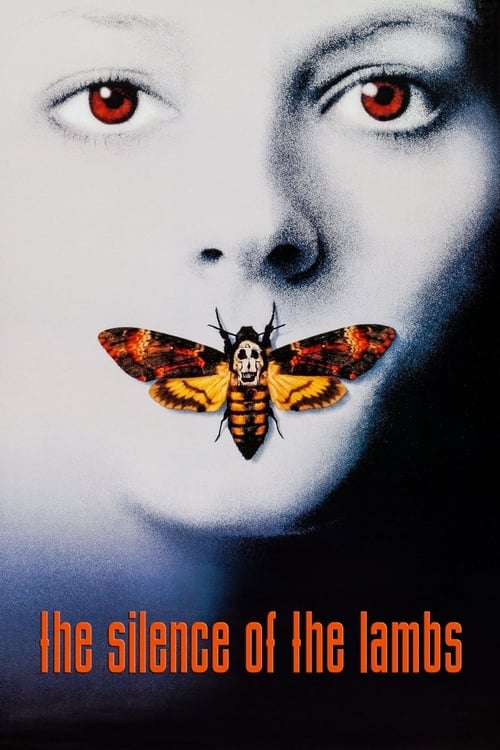
Shore scored The Silence of the Lambs in 1991 and the result is a masterclass in restrained unease. He does not try to scare you directly. He makes the air feel wrong. The Lecter material is almost elegant, which is exactly the point. A composer willing to be that precise in service of a story, who never reaches for the obvious scare cue, is a composer thinking cinematically at the deepest level.
A Life in Score
- 1979Musical director for Saturday Night Live during its early era, learning the craft of live television composition.
- 1982Videodrome Videodrome
- 1986The Fly: Shore and Cronenberg refine their shared language of biological transformation. The Fly
- 1988Dead Ringers: twin surgeons, twin themes. Shore's chamber approach reaches a peak. Dead Ringers
- 1991The Silence of the Lambs: Shore steps outside the Cronenberg world and claims the mainstream thriller. The Silence of the Lambs
- 1991Naked Lunch: Shore scores Cronenberg's Burroughs adaptation with jazz and dread. Naked Lunch
- 2001The Lord of the Rings: The Fellowship of the Ring. Shore's career-defining achievement begins. The Lord of the Rings: The Fellowship of the Ring
- 2002The Two Towers deepens and darkens the leitmotif architecture. The Lord of the Rings: The Two Towers
- 2003The Return of the King. Three Academy Award nominations for score; one win. The cycle completes. The Lord of the Rings: The Return of the King
- 2006The Departed: Shore works with Scorsese for the first time on a Boston crime epic. The Departed
- 2012The Hobbit: An Unexpected Journey. Shore returns to Middle-earth. The Hobbit: An Unexpected Journey
- 2022The Lord of the Rings: The Rings of Power TV series begins, with a new composer but built on Shore's foundational sound world.
Middle-earth Myth and Cronenberg Dread
For Fans of The Lord of the Rings
Explore the For Fans of The Lord of the Rings guide →I try to create music that exists in the same world as the film, that feels like it could have been written by the characters themselves, if they were capable of writing music.Howard Shore