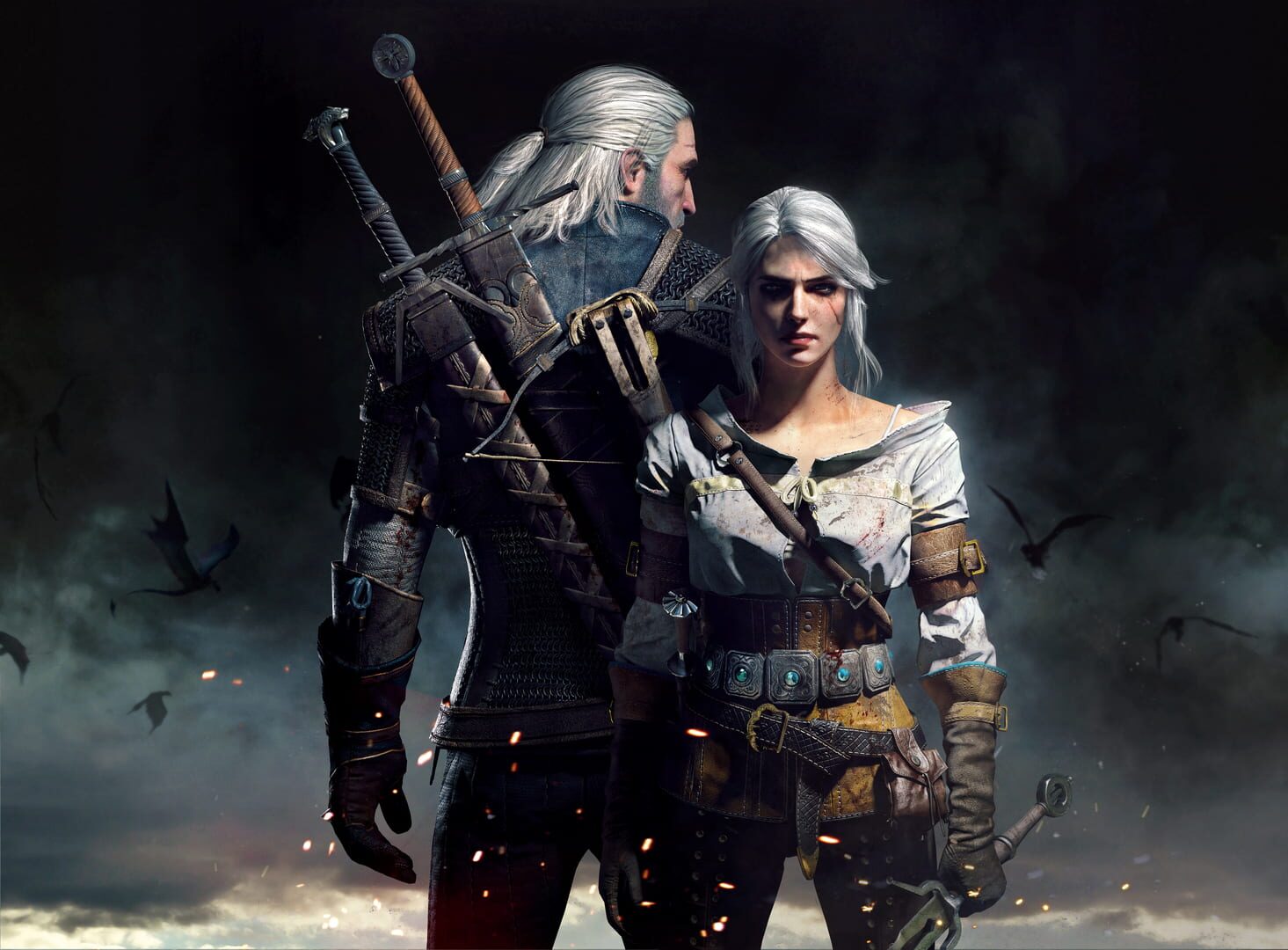

J.R.R. Tolkien did not merely write fantasy novels. He built a cosmology. The Ainulindale opens with the music of the gods shaping the world into existence; Bilbo's quiet door at Bag End opens onto a history sixty thousand years deep. What Tolkien gave readers was not just adventure but the feeling of a real past pressing through every page: the weight of ancient languages on elvish inscriptions, the grief of a civilization that peaked and receded long before the story begins. Fans of Tolkien are drawn to that particular combination of wonder and loss, the sense that the world is older and stranger than anyone living can fully know, and that goodness, though fragile, is worth protecting at enormous cost.
Essential Tolkien
The core of Middle-earth, from lightest to most ambitious


Middle-earth on Screen
Every major film and series adaptation of Tolkien's world
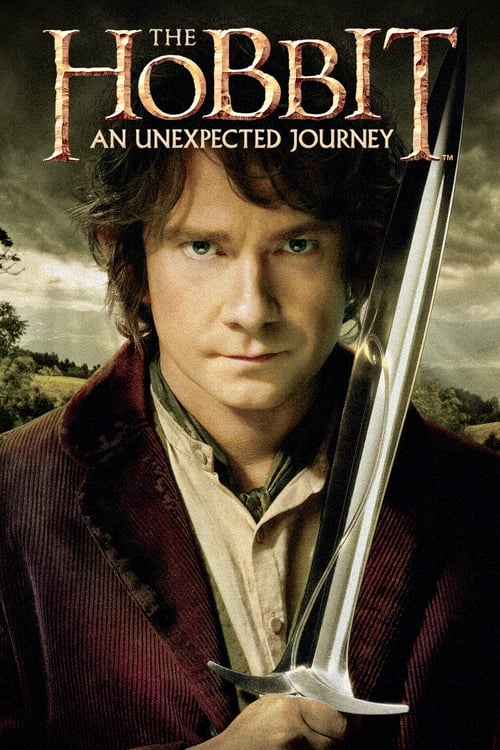
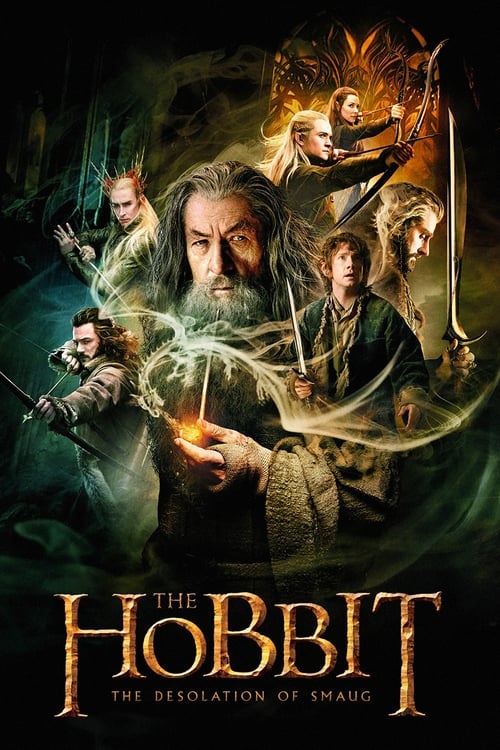
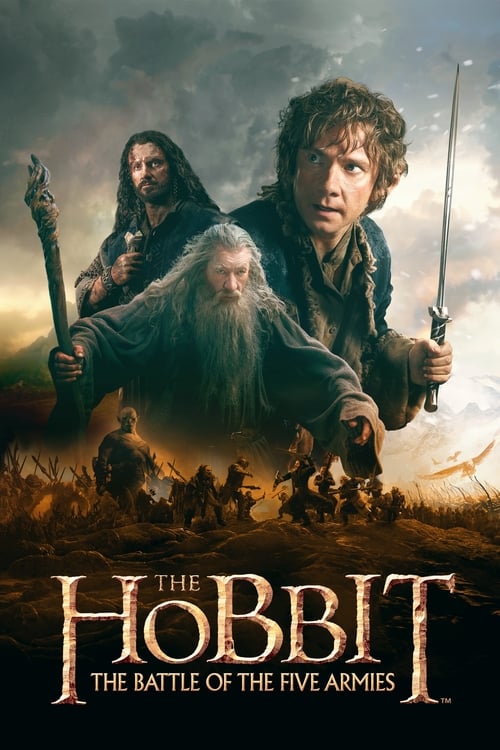


If You Love the World-Building: Authors Who Went as Deep
Writers who created secondary worlds with the same obsessive completeness


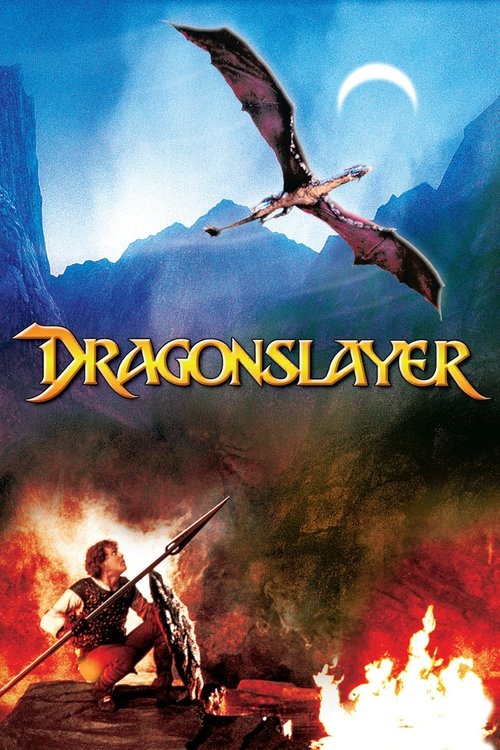
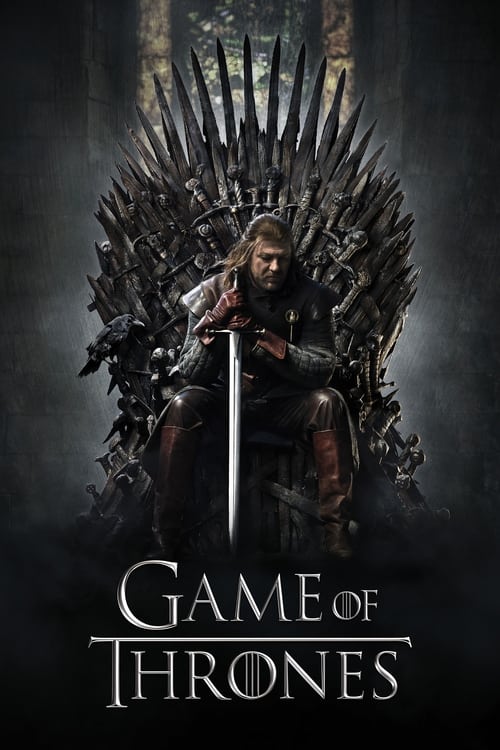
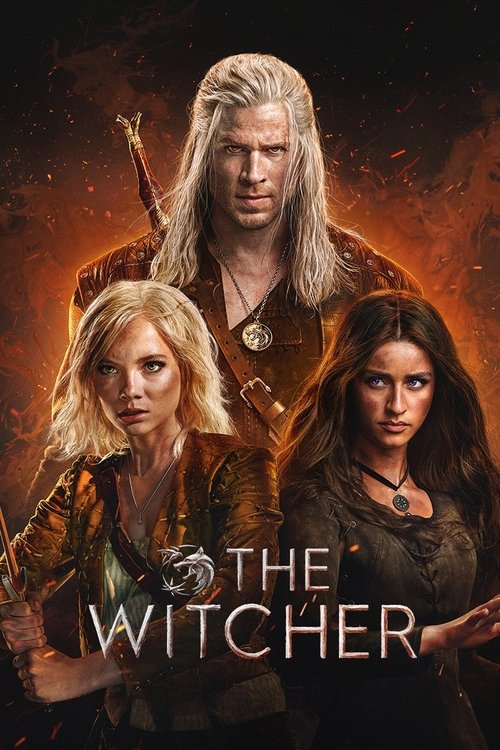
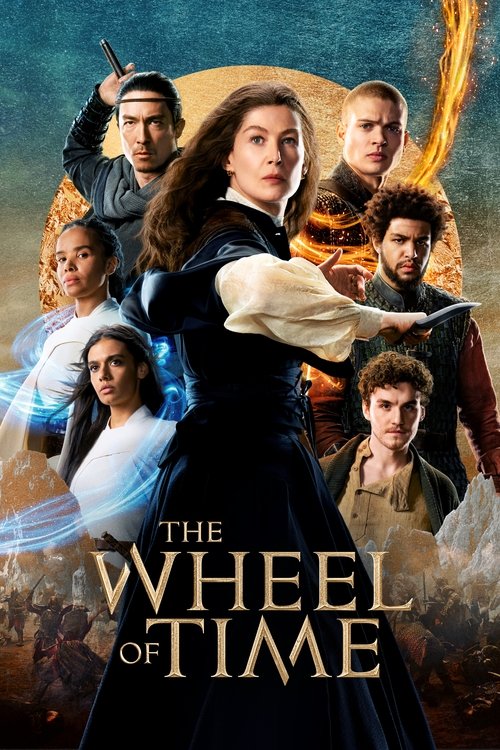
If You Love the Epic Scale: Fantasy Films and Series
Screen stories that share Tolkien's scope, mythology, and the feeling of civilizations at stake
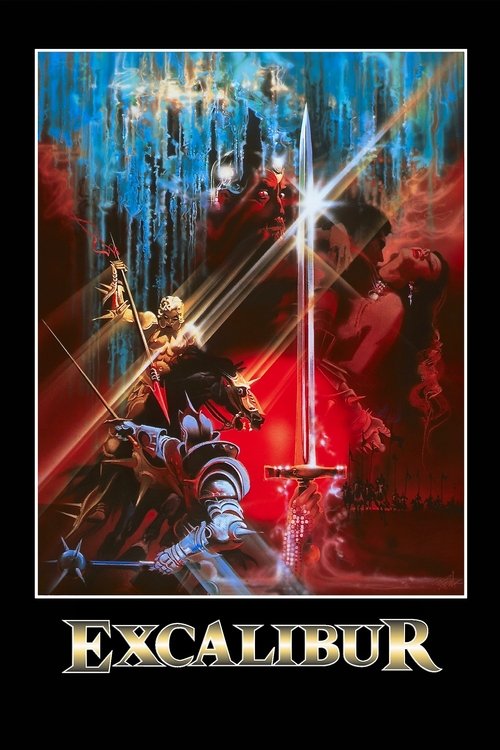
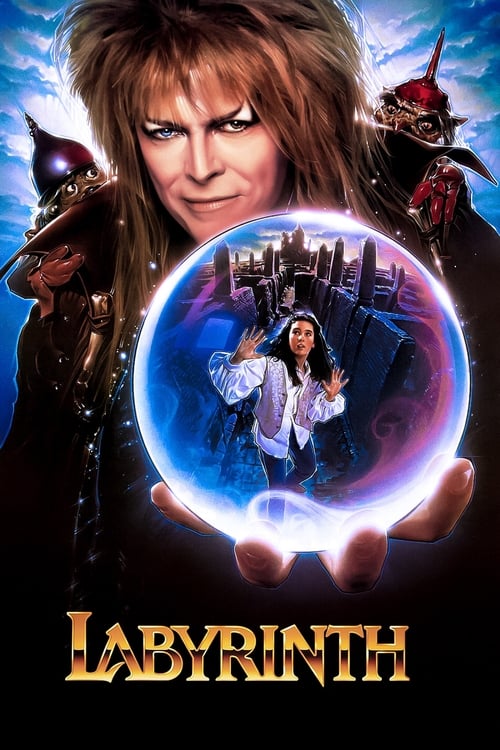
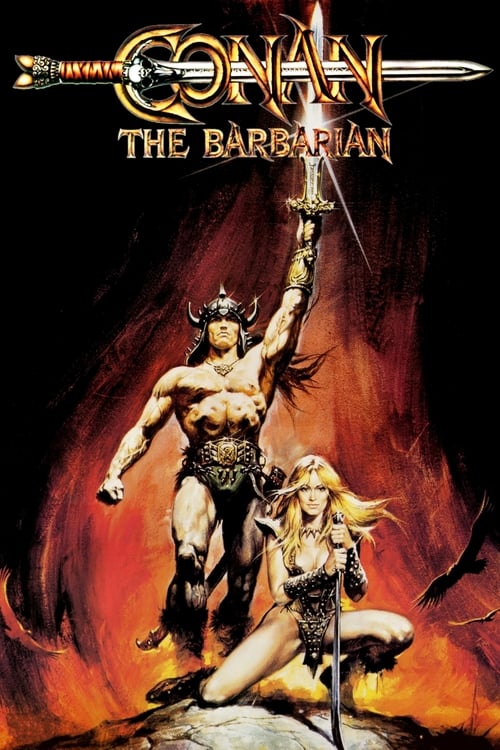
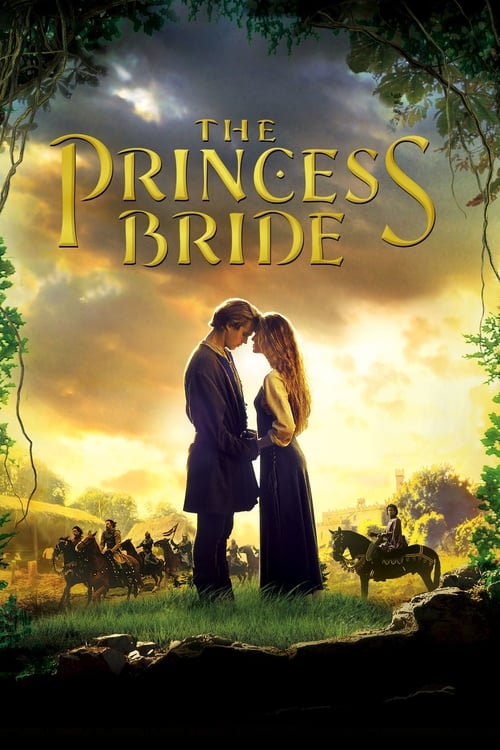
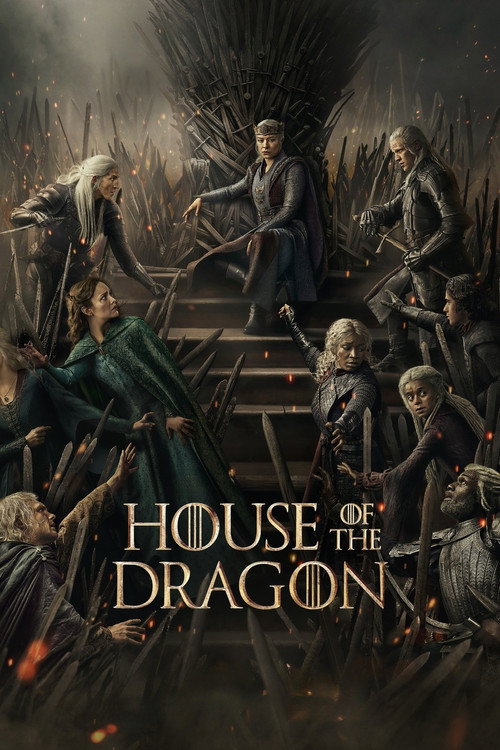
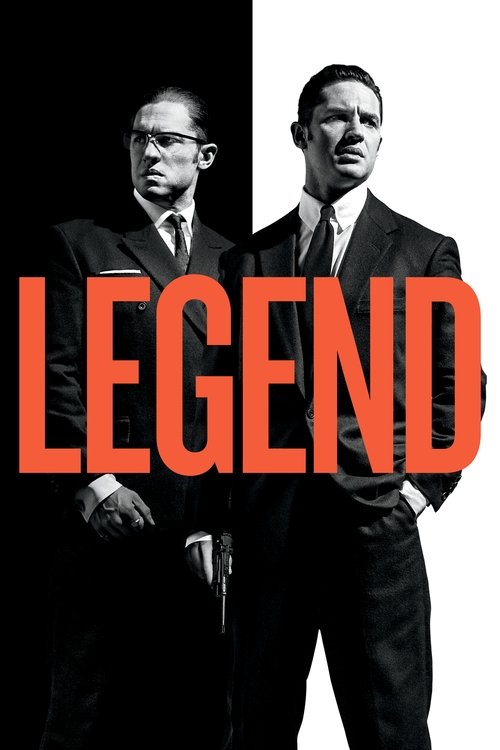
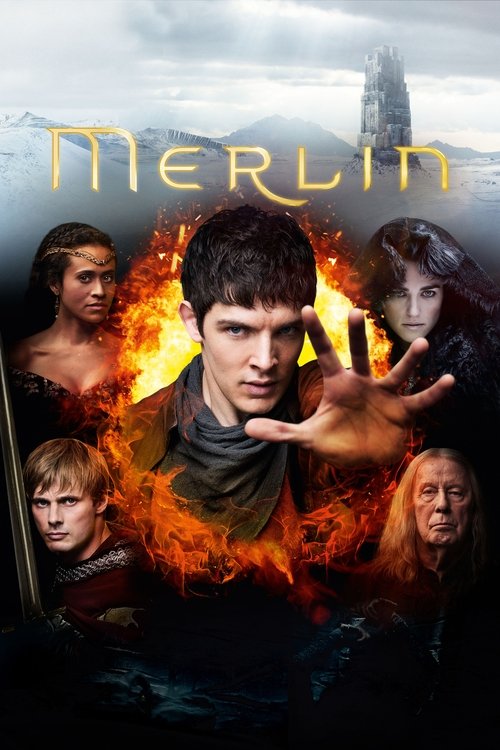
If You Love Middle-earth: Games Set in the Same World
From beloved classics to modern action-RPGs rooted in Tolkien's canon
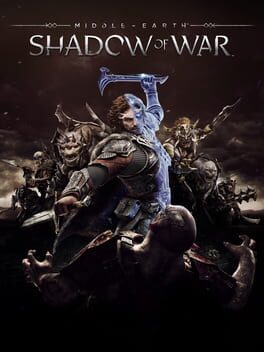
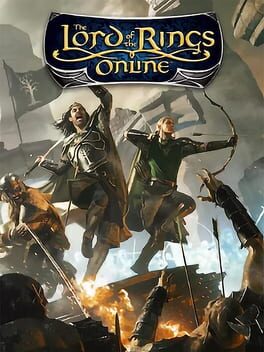
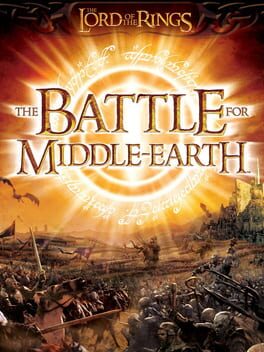
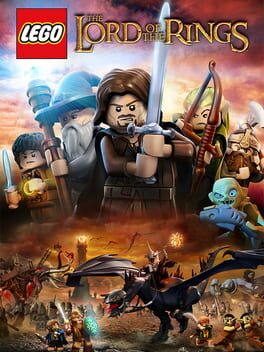
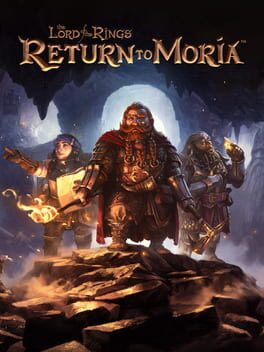
If You Love the Genre Tolkien Made: Epic Fantasy Games
Games that absorbed his DNA, whether they acknowledge it or not
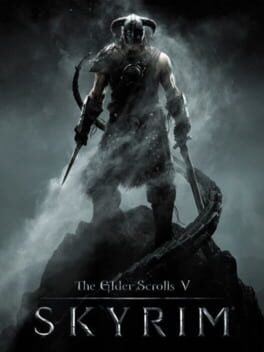
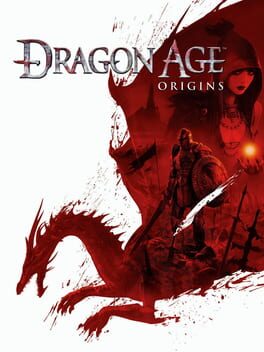
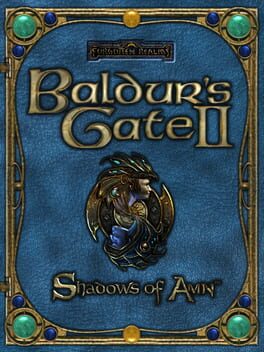
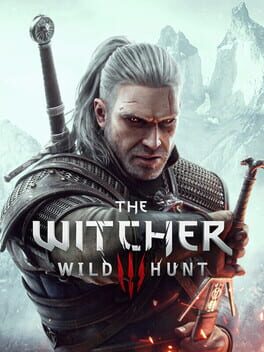
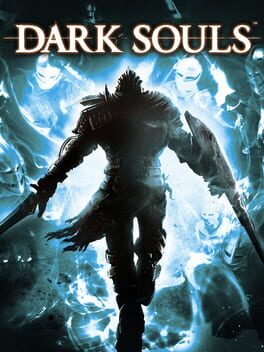
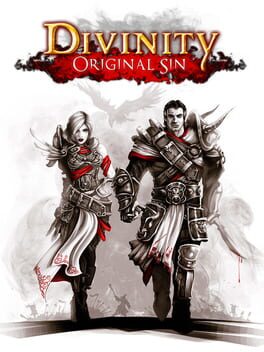
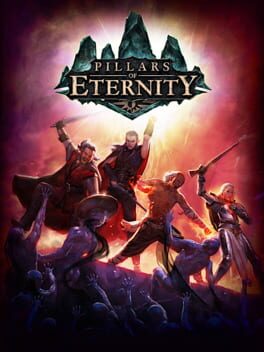
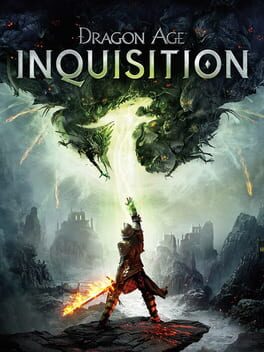
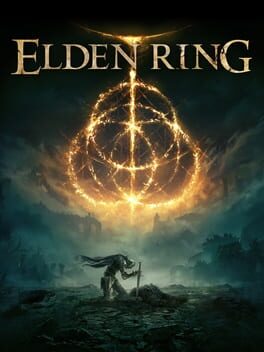
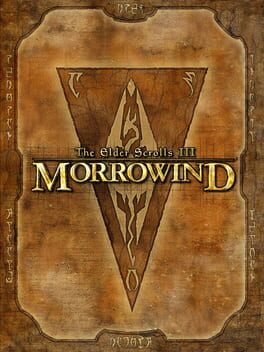
The Silmarillion Is Not Optional
Most readers shelve The Silmarillion after twenty pages and return to the novels. That is understandable and also a genuine loss. The book reads like a Bible translated from a language no one speaks, which is exactly what it is. But persisting through the creation myth and the First Age histories changes everything: the tragedy of Turin Turambar hits harder than almost anything in modern literature, the romance of Beren and Luthien explains why Tolkien carved those names on his own gravestone, and the context for Galadriel, the Rings, and Sauron himself becomes something close to Shakespearean. The Silmarillion is not supplementary material. It is the source.
Peter Jackson Got the Scale Right and the Tone Wrong in the Hobbit
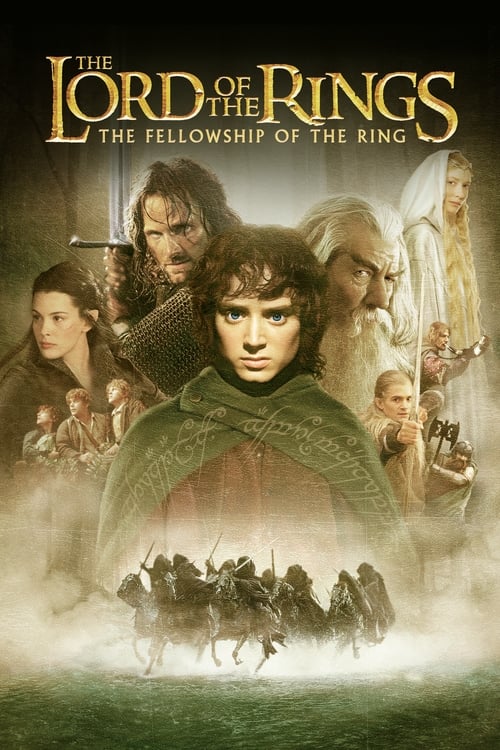
The Fellowship of the Ring remains one of the most assured adaptations of any novel, period. Jackson understood that Tolkien's power comes from landscape and texture as much as plot, and the New Zealand shoot gave him both. The Hobbit films made the opposite choice: a lighter, smaller book was inflated with invented subplots, overlong action sequences, and digital effects that aged poorly. They are enjoyable on their own terms but feel like a theme park compared to the trilogy. Watch them in that order, lightest last, and the contrast is instructive about what adaptation requires from its source.
George R.R. Martin Is the Critique Tolkien Invited
Martin has said he reacted against what he called Tolkien's providential universe, where the right people win and kingship restores order. A Song of Ice and Fire is the rebuttal: competent characters die for structural reasons, political power corrupts good intentions, and no divinely appointed king is coming. That argument only lands with force because Tolkien first established the template. Reading both together is more interesting than reading either alone. Martin gives his world the same obsessive backstory that Tolkien did; the difference is that Martin's history is littered with founding crimes rather than founding glories.
Brandon Sanderson Inherited the Blueprint
No living writer has committed to Tolkien's method as seriously as Brandon Sanderson. The Cosmere is a multiverse of interconnected secondary worlds, each with its own physics-like magic system, pantheon, and history that pays off across novels published decades apart. The Way of Kings alone has appendices, in-world documents, and an unreliable narrator who does not know the full history. The surface adventure is entertaining; the architecture underneath is the real game. If you have read all of Tolkien and want the closest analog in contemporary fiction, this is the answer.

Tolkien's World, Expanded Across Media
- 1937The Hobbit published, introducing Bilbo, Gandalf, and the Shire to the world The Hobbit
- 1954The Lord of the Rings begins publication with The Fellowship of the Ring The Fellowship of the Ring
- 1977The Silmarillion published posthumously, edited by Christopher Tolkien, revealing the full mythology The Silmarillion
- 1978Ralph Bakshi's animated Lord of the Rings adaptation reaches theaters The Lord of the Rings
- 2001Peter Jackson's Fellowship of the Ring opens, establishing a new benchmark for epic film adaptation The Lord of the Rings: The Fellowship of the Ring
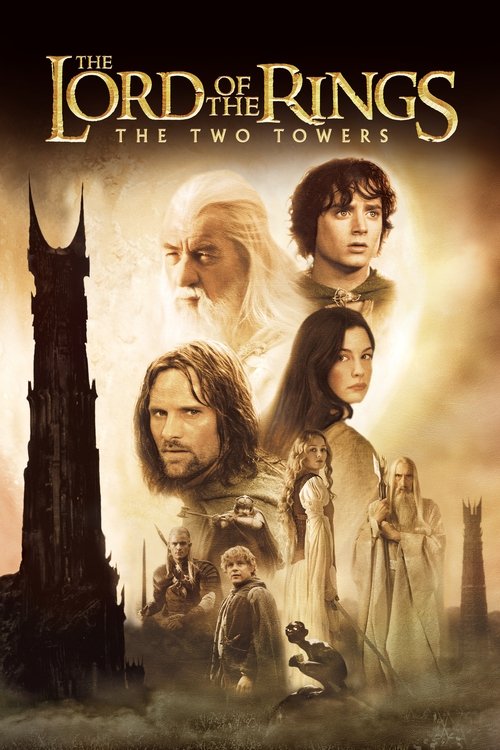
- 2002The Two Towers and its battle of Helm's Deep becomes a landmark of digital cinema The Lord of the Rings: The Two Towers
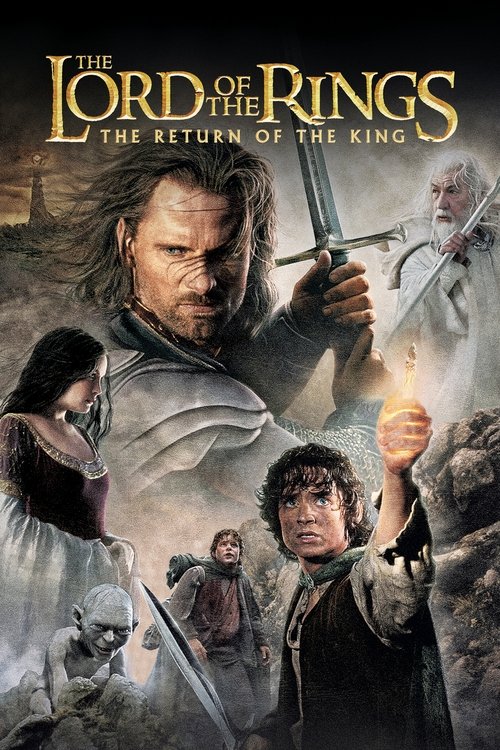
- 2003Return of the King wins all eleven Academy Awards it is nominated for, a sweep no fantasy film has matched The Lord of the Rings: The Return of the King
- 2007The Lord of the Rings Online launches, letting players explore Middle-earth as a persistent world The Lord of the Rings Online
- 2012The Hobbit film trilogy begins with An Unexpected Journey The Hobbit: An Unexpected Journey
- 2014Middle-earth: Shadow of Mordor introduces the Nemesis system, winning wide praise for non-canon innovation Middle-earth: Shadow of Mordor
- 2019Tolkien biopic explores the friendships and experiences that fed into Middle-earth Tolkien
- 2022The Rings of Power premieres on Prime Video, the most expensive television production ever made at that time The Lord of the Rings: The Rings of Power
The roots of epic fantasy
Epic Fantasy
Explore the Epic Fantasy guide →Not all those who wander are lost.J.R.R. Tolkien, The Fellowship of the Ring