
Born on Radio, Remembered on Television
The Lone Ranger did not begin as a film, a comic book, or a novel. He began as a voice. In January 1933, radio station WXYZ in Detroit broadcast the first episode of The Lone Ranger, created by broadcaster George W. Trendle and writer Fran Striker. The premise was rooted loosely in Western folklore (and, some historians note, the real-life Texas Ranger Bass Reeves), but the character himself was invented for the airwaves: a Texas Ranger who survives an ambush, conceals his identity behind a mask, and rides out to deliver frontier justice with his Potawatomi companion Tonto and his white horse Silver.
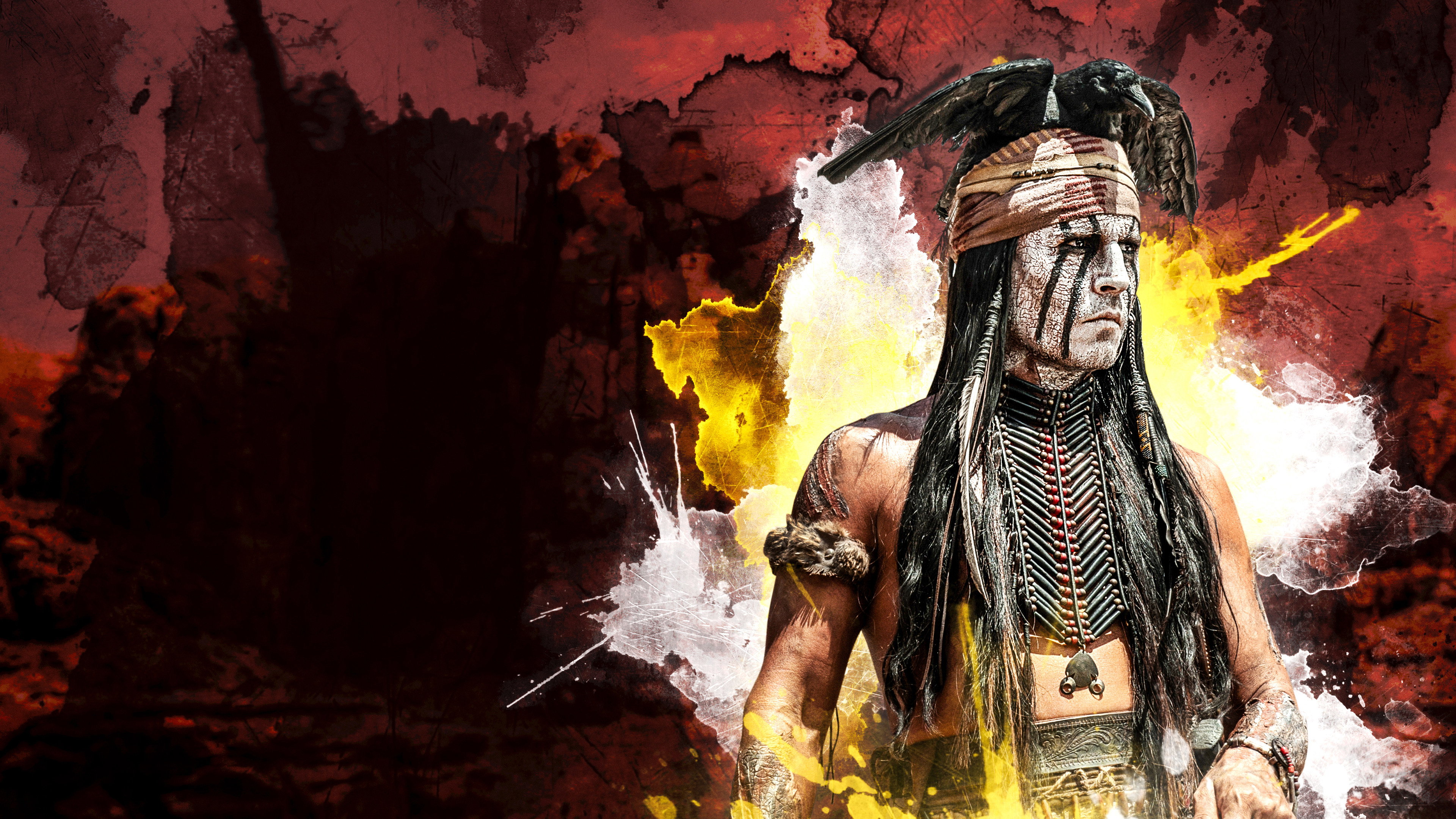
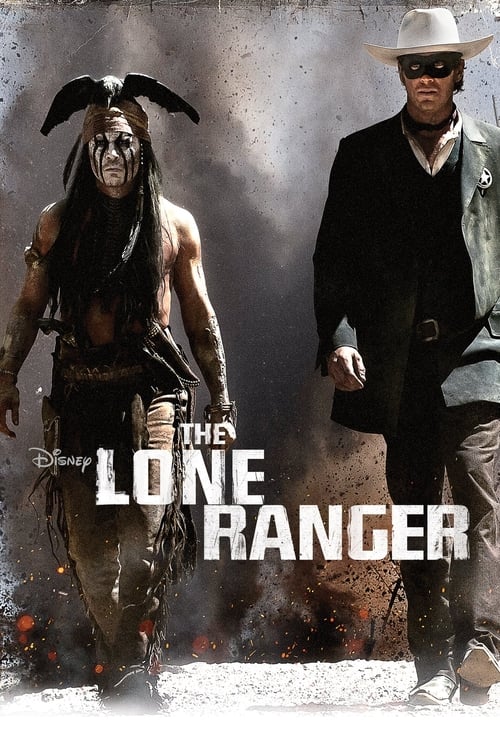
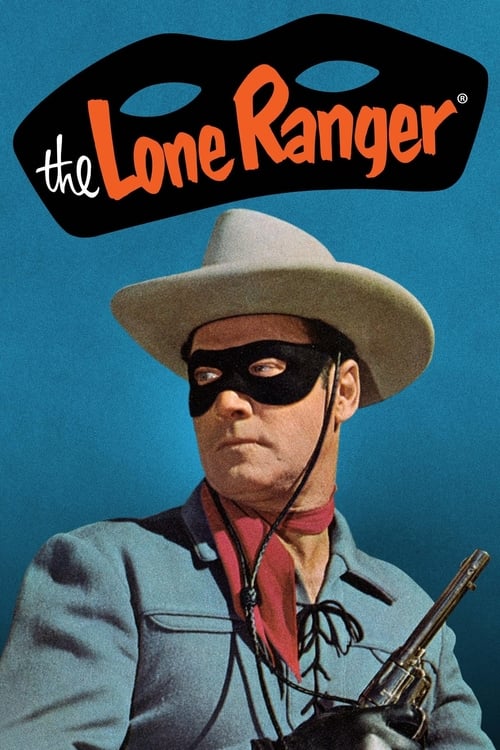
The show became one of radio's great hits and almost immediately began spreading. Republic Pictures rushed a serial into production by 1938. A long-running comic strip followed. Then came the television series that cemented the mythology for most of the twentieth century, running on ABC from 1949 to 1957 with Clayton Moore behind the mask and Jay Silverheels as Tonto. That run is the version most people picture when they hear the William Tell Overture. Everything since, including a 2013 Disney blockbuster, has been either a tribute or a reaction to it.
Every Version of The Lone Ranger
The source and every major adaptation across radio, screen, comics, and games
The Lone Ranger Across the Decades
- 1933Radio debut on WXYZ Detroit
- 1938Republic Pictures serial (15 chapters)
- 1939Lone Ranger comic strip launches
- 1949ABC television series premieres (Clayton Moore)
- 1956First theatrical film with Clayton Moore
- 1957TV series ends after 221 episodes
- 1966CBS animated series
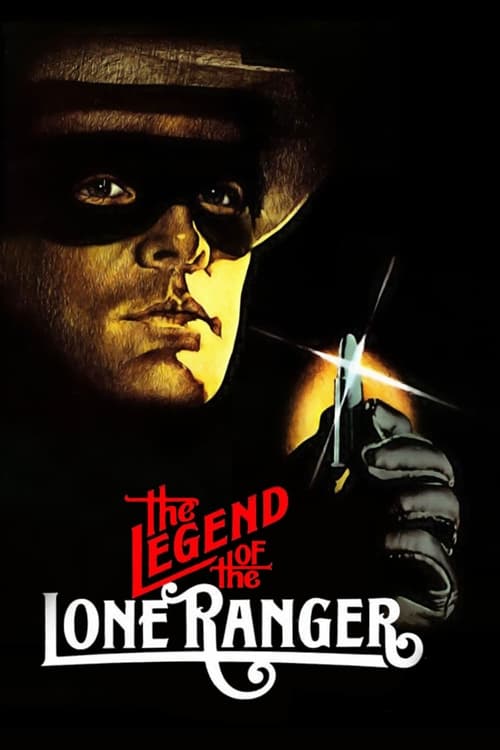
- 1981Legend of the Lone Ranger theatrical reboot
- 1994NES/SNES video game adaptation
- 2013Gore Verbinski/Bruckheimer blockbuster
Hi-yo, Silver, away! The line has appeared in every decade since 1933, in every medium it has touched.The Lone Ranger (Radio, 1933)
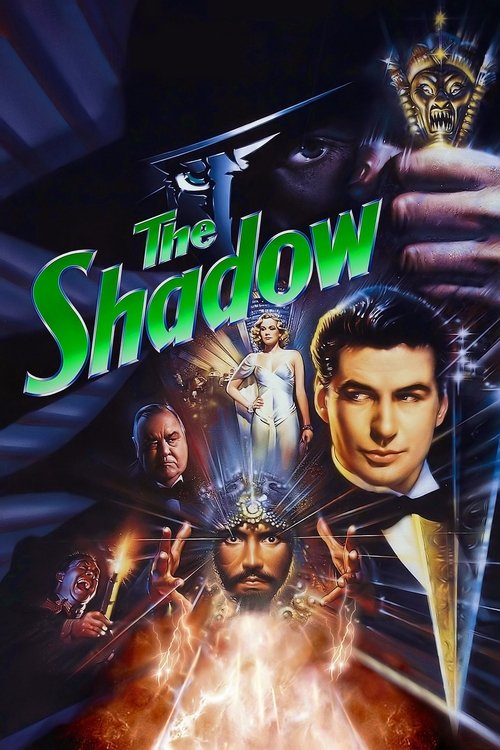
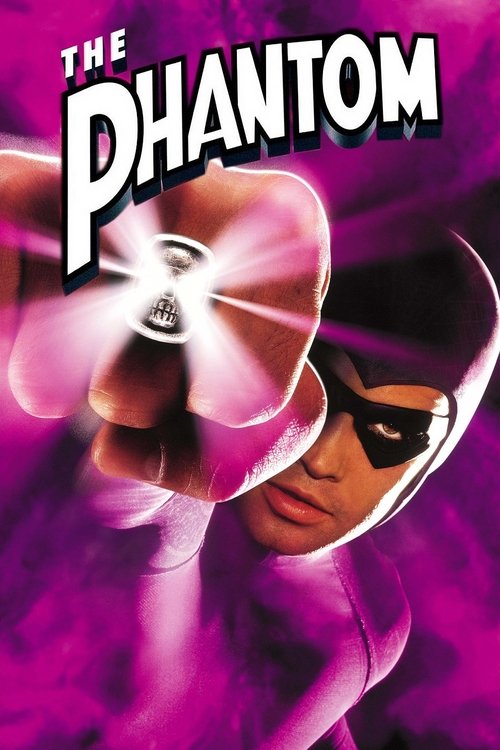
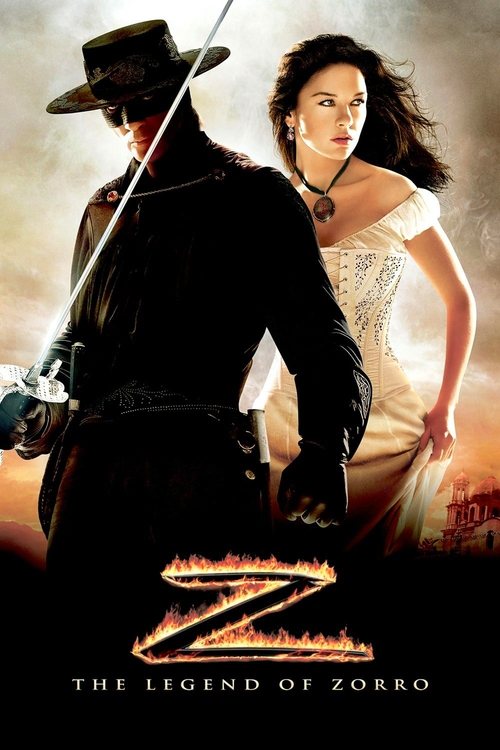
If You Love the Masked Lawman
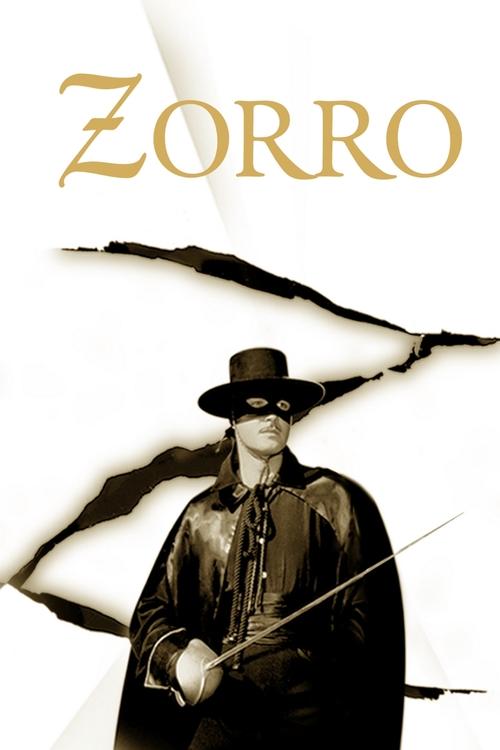
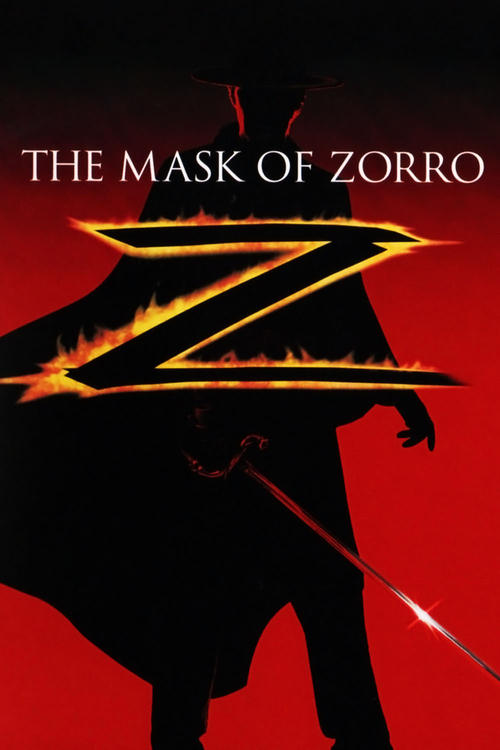
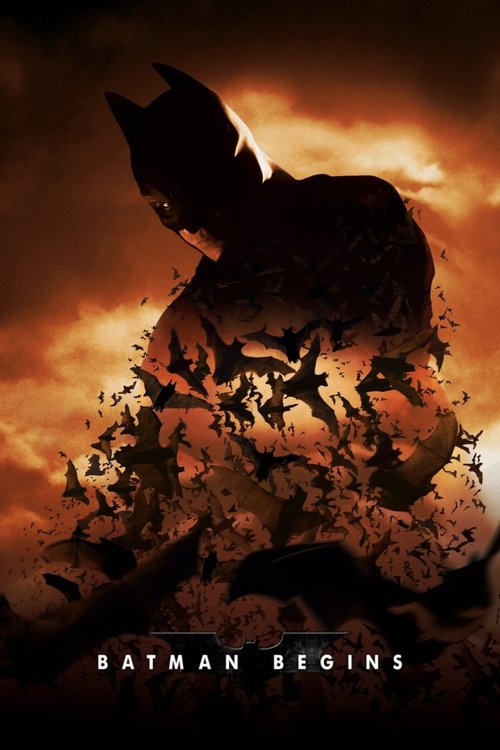
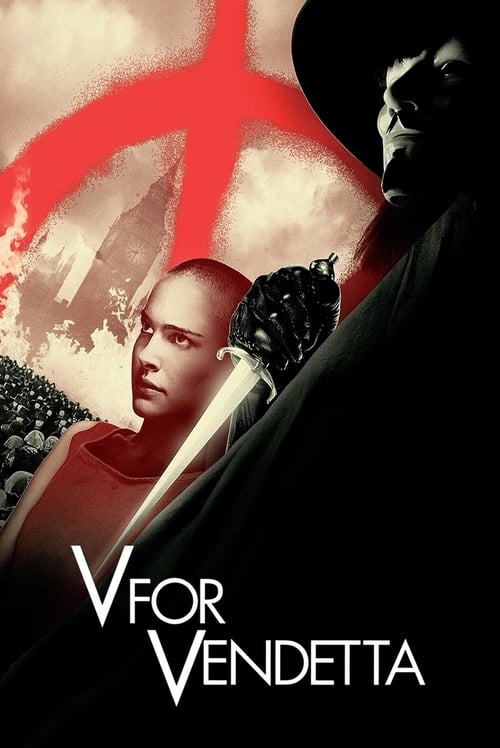
Other stories built around a hero who hides his face and fights for justice
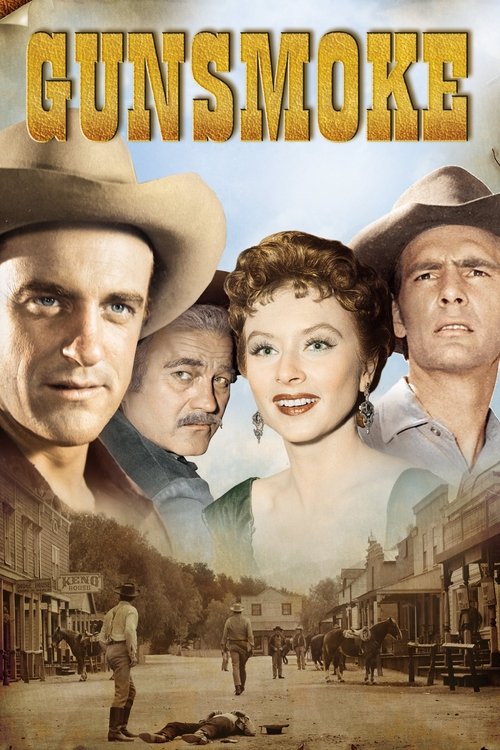
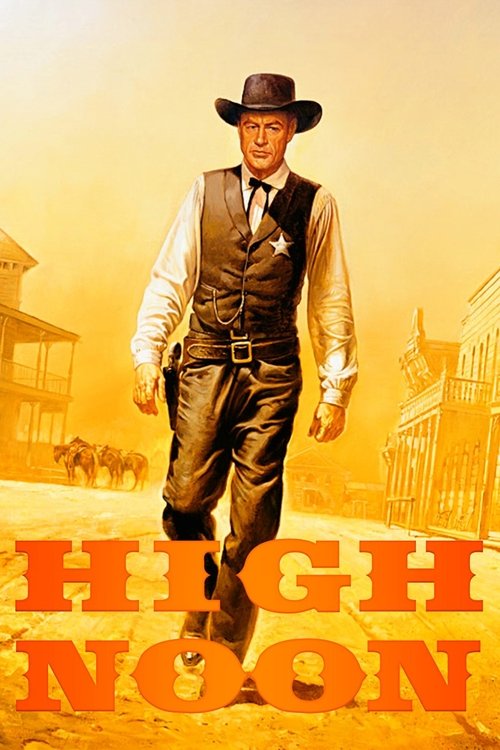
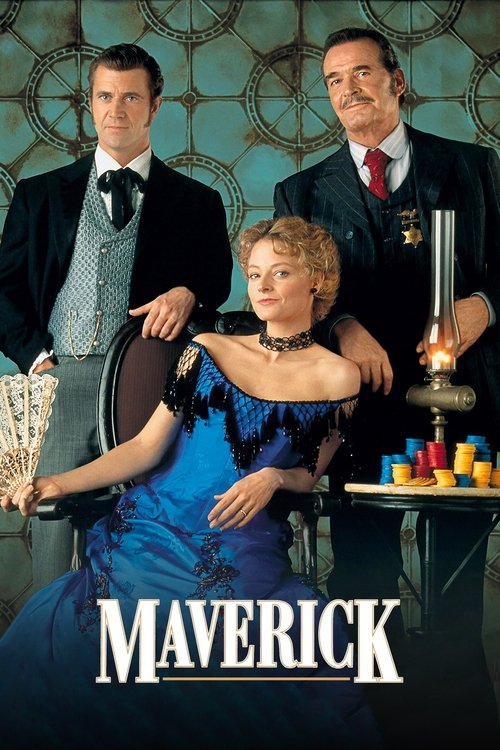
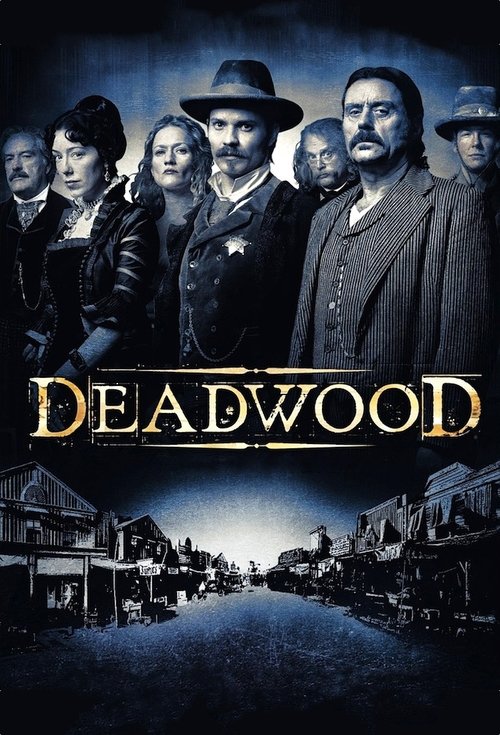
If You Love the Classic Western
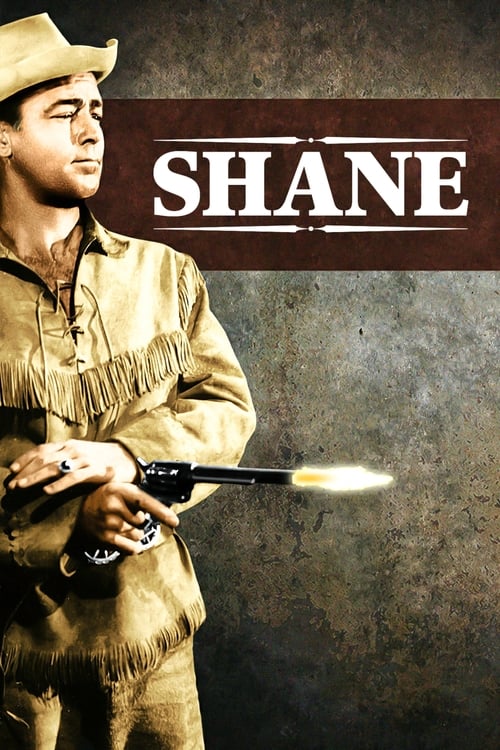
Frontier stories with lone heroes, wide landscapes, and a clear moral code
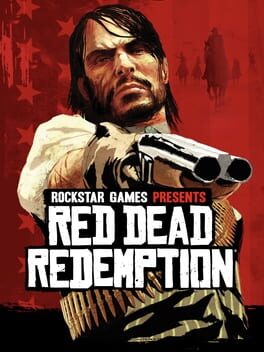
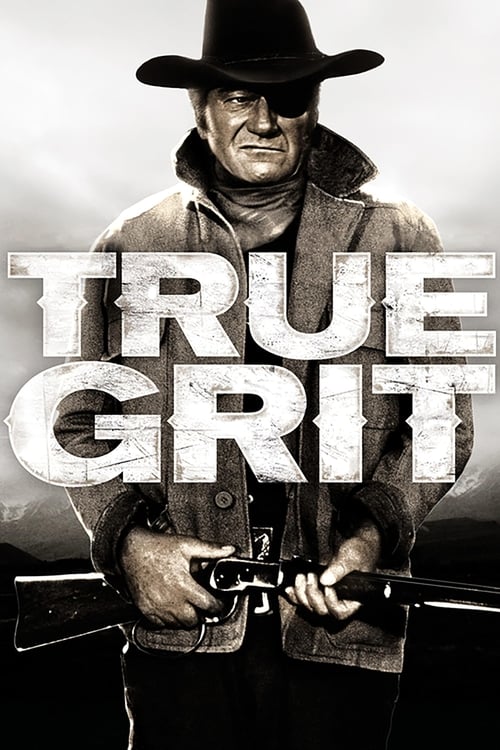

If You Love the Tonto Side of the Story
Westerns and Indigenous-perspective stories that push back against the myth
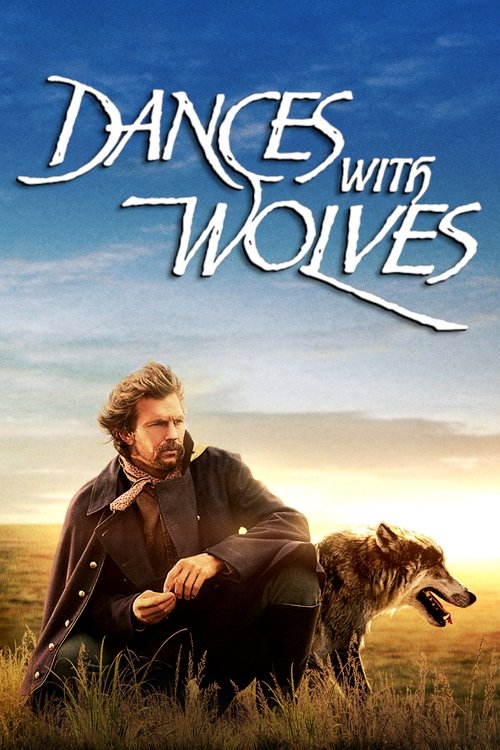
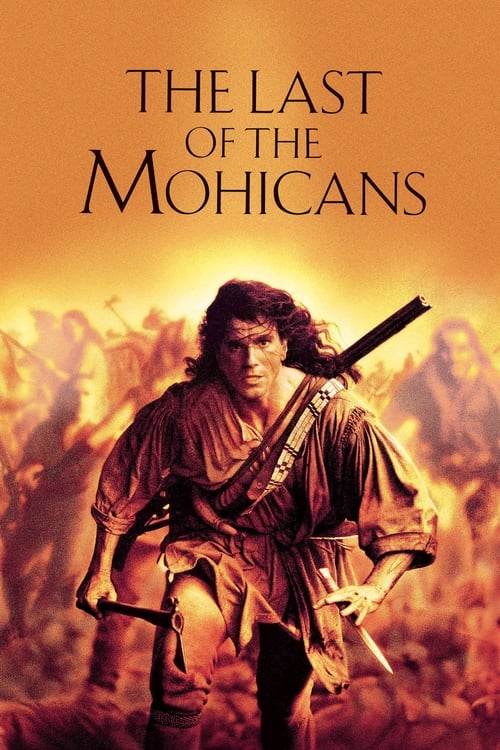


The definitive version is still the 1950s television series
Clayton Moore wore the mask for most of the run, and Jay Silverheels gave Tonto a gravity the radio scripts rarely managed. The show ran 221 episodes between 1949 and 1957 and built the visual language of the character that every later version has borrowed: the white hat, the silver bullets, the rearing horse. It is unambiguously a product of its era in how it handles race, but as a model of the character it remains the one all others are measured against.
The underrated pick: the 1956 theatrical film
The same year the TV series was still running, Warner Bros. released a proper Technicolor theatrical feature with Clayton Moore and Jay Silverheels. It is largely forgotten because it arrived between the TV run and the later theatrical reboots, but it holds up better than its reputation suggests: a clean, unpretentious Western that takes genuine advantage of the widescreen format. For anyone who wants the classic version in color with cinematic scope, this is the one to find.
The one to skip: The Legend of the Lone Ranger (1981)
The 1981 theatrical reboot had studio backing and a decent budget but collapsed under a troubled production. Clayton Moore was legally barred from wearing the mask during its promotion (the producers obtained an injunction), which generated damaging press before anyone saw a frame. The film itself is competent in isolated scenes but tonally uncertain, caught between a children's adventure and a serious Western. The lead casting never clicked, and the picture was a box-office failure. Watch it once if you are cataloguing the franchise; then move on.