
Robin Hood is the oldest superhero we have. Centuries before anyone put on a cape, there was a man in Lincoln green who lived in the woods, answered to no king, and took from the rich to give to the poor. He has no single author and no canonical text. He belongs to ballads, to pantomime, to every era that needed a hero who broke the law for the right reasons. That is the secret of his staying power: Robin Hood is whoever the moment requires him to be. A dispossessed nobleman under the Plantagenets. A Saxon resisting Norman occupation. A guerrilla fighting an austerity government. The Sheriff of Nottingham changes faces, but the grievance is always the same.
The outlaw is a bigger family than Sherwood, though. The same shape repeats across cultures and centuries: the bandit the law calls a criminal and the people call a savior. Rob Roy in the Highlands. Jesse James in postwar Missouri. Zorro carving his Z into the corrupt rule of old California. The Australian and American highwaymen who got their own murder ballads. This guide starts in the greenwood and follows the trail outward, across film, television, games, books and music, to every rebel who decided the king was the real thief.
Essential Robin Hood and outlaws
The canon: greenwood archers and gentleman bandits across every medium


The 1938 Adventures is still the Robin Hood to beat
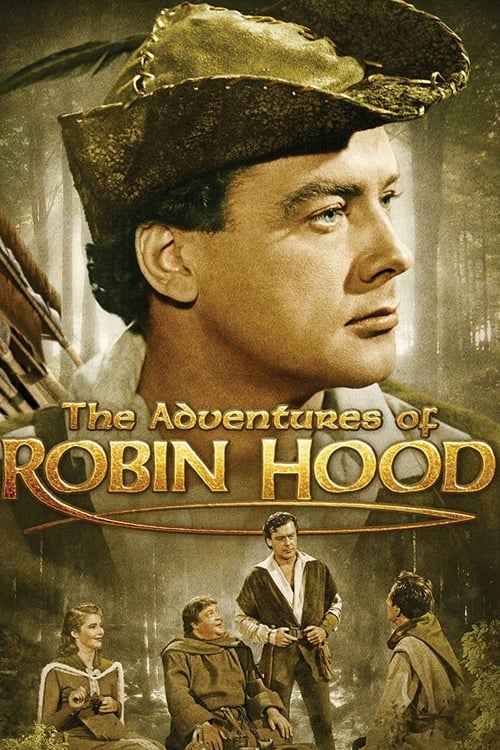
Every Robin Hood made since 1938 has been arguing with Michael Curtiz and William Keighley's The Adventures of Robin Hood, usually losing. Errol Flynn plays Robin not as a brooding rebel but as a man having the time of his life, laughing in the Sheriff's face, swinging through the castle on a banner, genuinely delighted to be the most wanted outlaw in England. The Technicolor is so saturated the forest looks edible. Erich Wolfgang Korngold's score basically invented the sound of screen adventure, and composers have been borrowing from it ever since.
What the later, grittier versions keep forgetting is that the legend is fundamentally a comedy of justice. Robin wins. The poor get fed. The arrogant get humiliated at the archery butts. Flynn understood that the joy is the point, and no amount of mud and realism has improved on it.
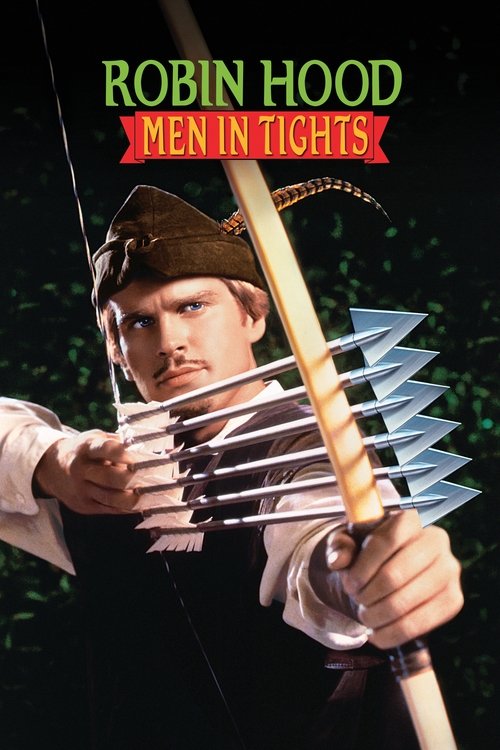
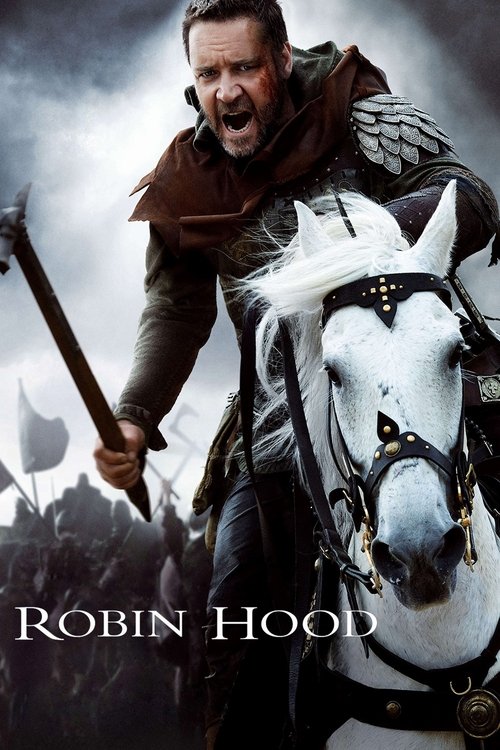
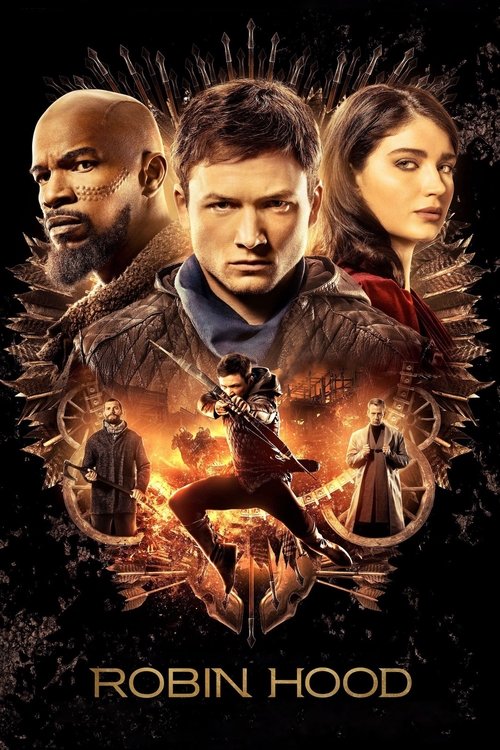
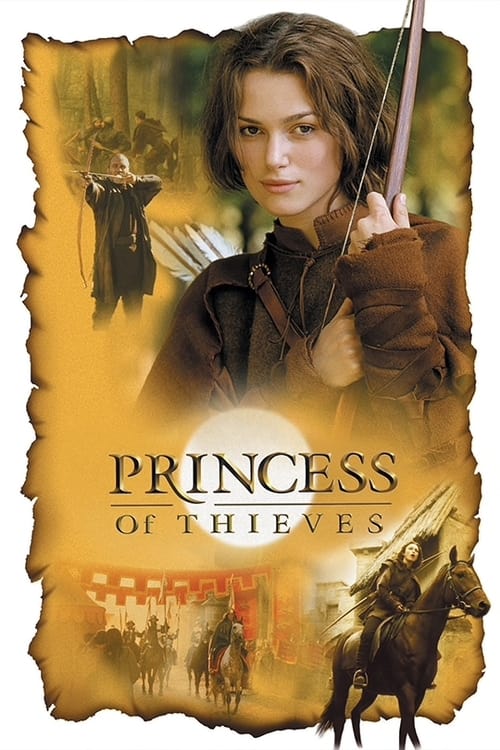
Robin Hood on film
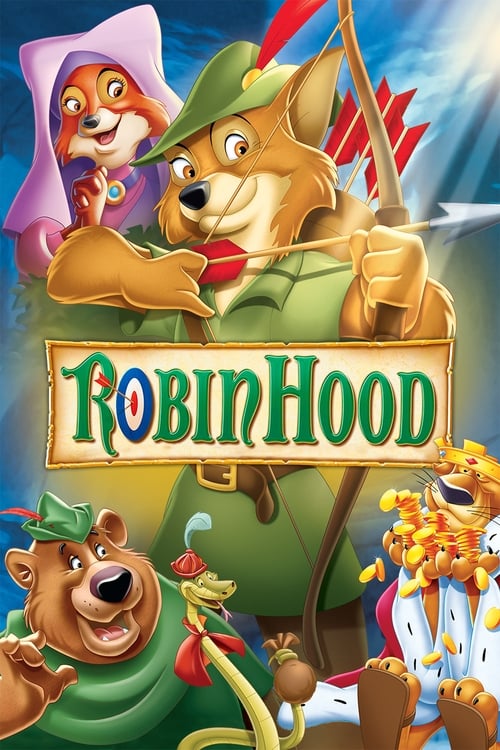
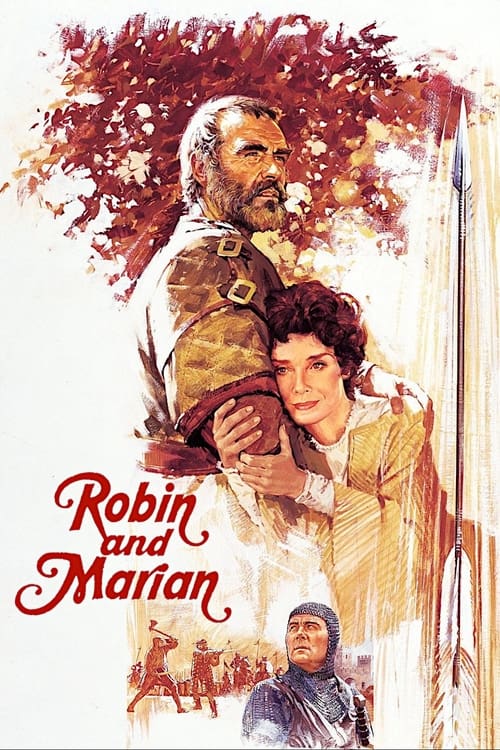
From Fairbanks in 1922 to Disney, Costner, Crowe and beyond

Outlaws beyond Sherwood
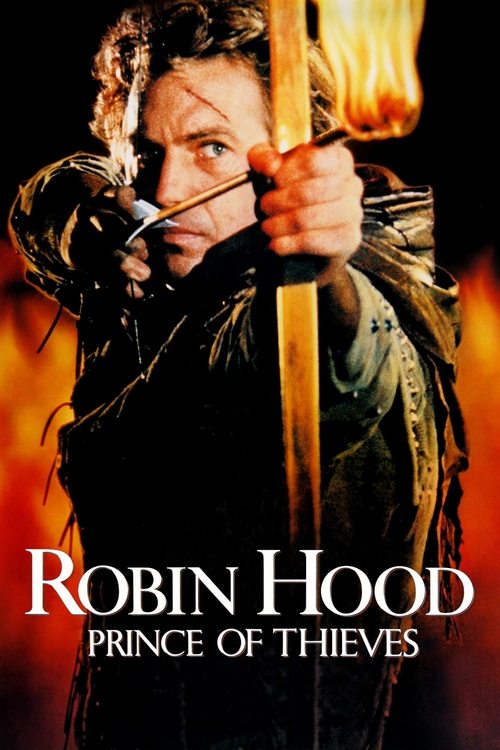
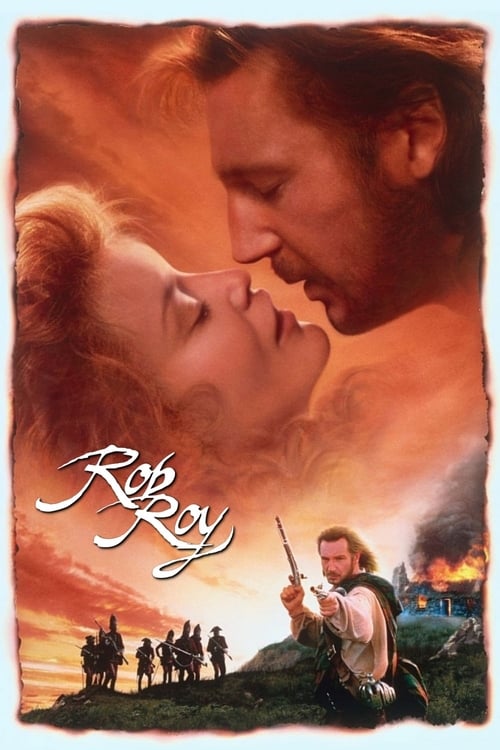
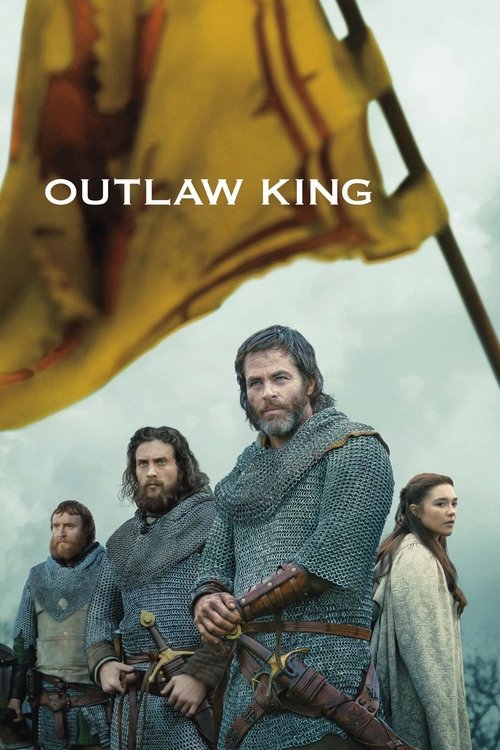
Robin Hood is the template, but the outlaw hero is a global archetype. Strip the legend to its frame, a charismatic criminal the establishment fears and the common people protect, and you find it everywhere. Walter Scott put a Scottish version on the page with Rob Roy MacGregor, and Michael Caton-Jones filmed it with Liam Neeson as a man whose honor leaves him no choice but to become an outlaw. David Mackenzie's Outlaw King gave Robert the Bruce the same shape: a noble pushed into the heather to wage a guerrilla war against a crown that has stolen his country.
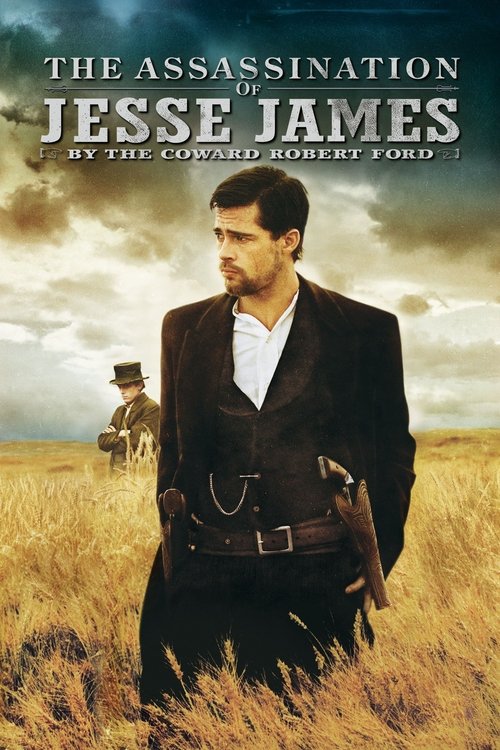
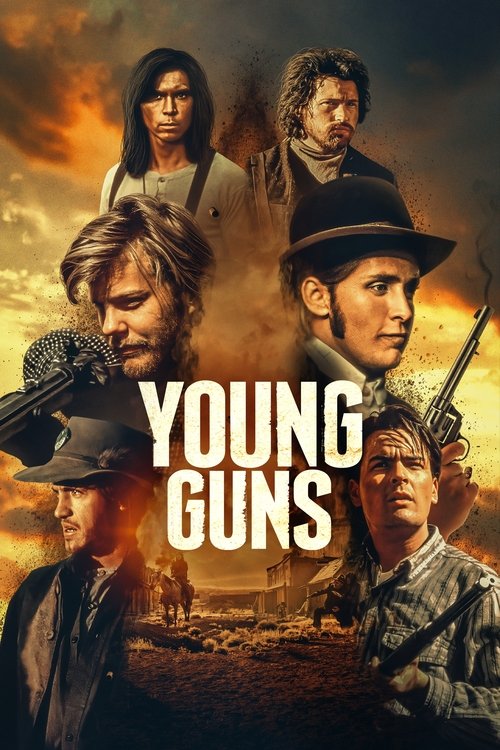
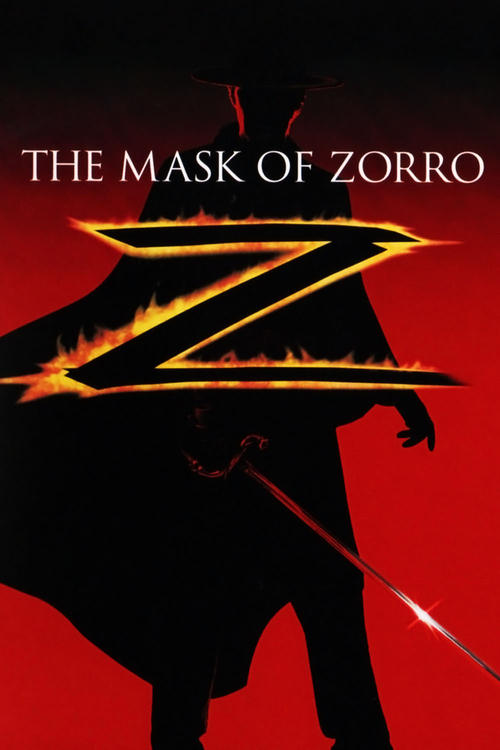
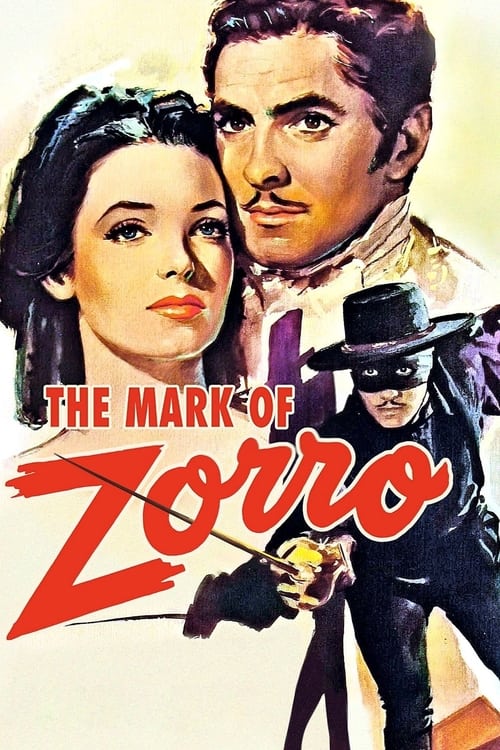
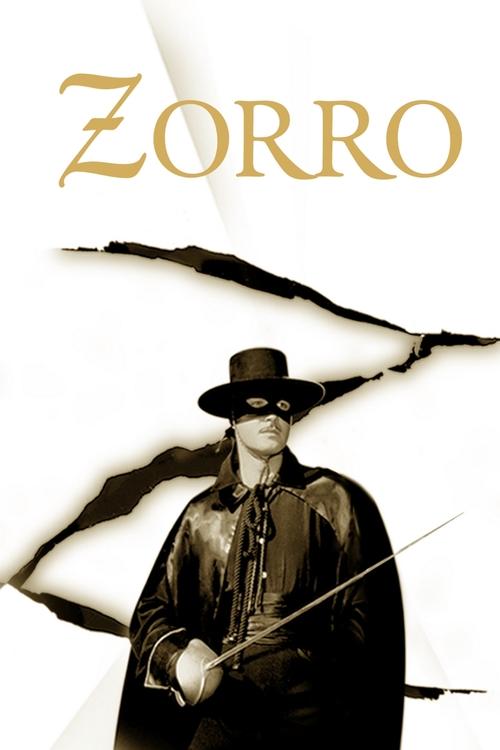
The American West runs on the identical machinery. Jesse James became a folk hero in the South for robbing the banks and railroads that symbolized Northern occupation, and the movies have argued ever since about whether he was Robin Hood or just a killer. Andrew Dominik's The Assassination of Jesse James by the Coward Robert Ford is the most beautiful and the most skeptical of them, a film about what it costs to live inside your own legend. And Zorro, the masked swordsman of Spanish California, is Robin Hood with a rapier and a cape: a nobleman by day, an avenger of the poor by night.
Outlaws and folk heroes on film
Highland rebels, Western desperadoes and masked avengers

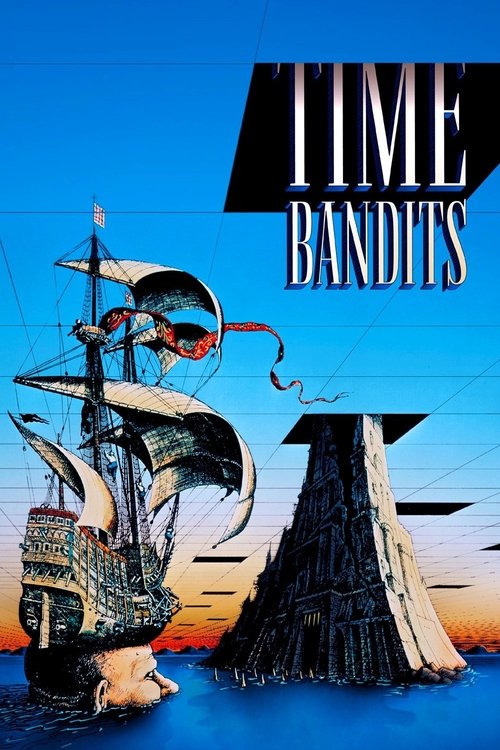
Robin of Sherwood gave the legend its soul back
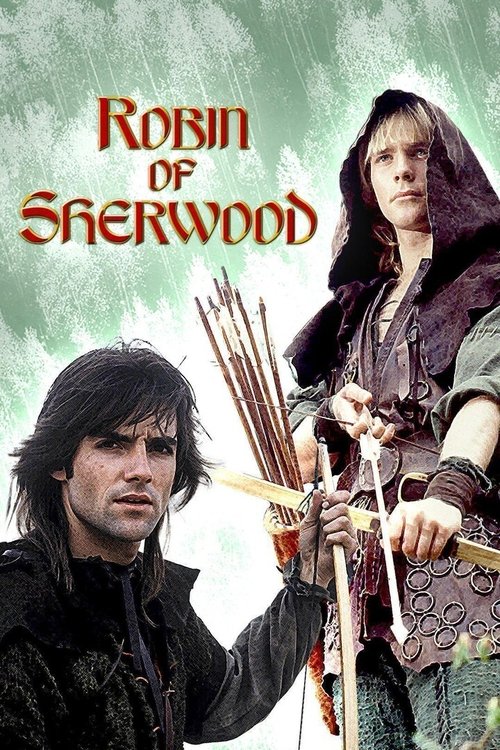
The 1980s ITV series Robin of Sherwood did something no film had dared: it took the magic seriously. Richard Carpenter's version threaded pagan myth through the ballads, giving Robin a mystical patron in Herne the Hunter and treating Sherwood as a living, half-enchanted place rather than a backdrop for stunts. Michael Praed, and later Jason Connery, played a Robin who felt genuinely medieval, half folk hero and half forest spirit.
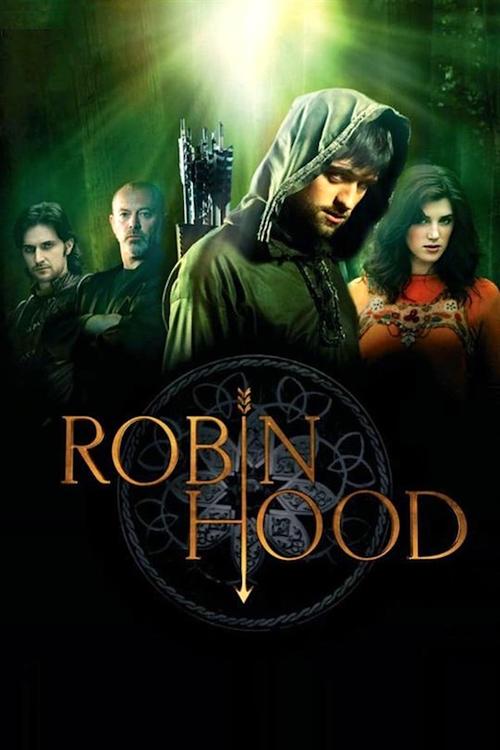
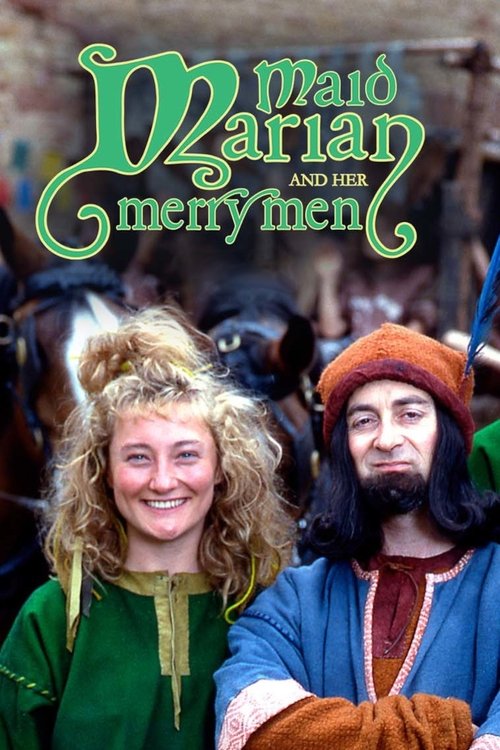
The Irish band Clannad wrote the score, and their haunting, wordless theme did as much as anything on screen to make the show feel like a half-remembered legend. Decades of television Robins followed, from the family pantomime of Maid Marian and Her Merry Men to the BBC's glossy 2006 reboot, but none of them found this exact register again: the sense that the greenwood was older and stranger than any sheriff could understand.
The legend on television
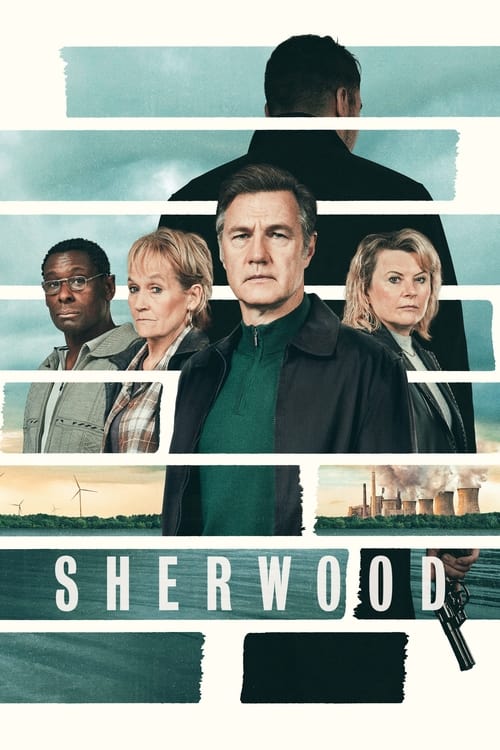
Pagan myth, panto comedy, glossy reboots and a darkly modern Sherwood
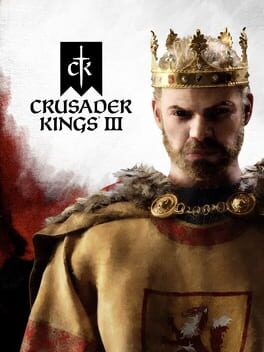
Kingdom Come is the closest a game gets to living the outlaw life
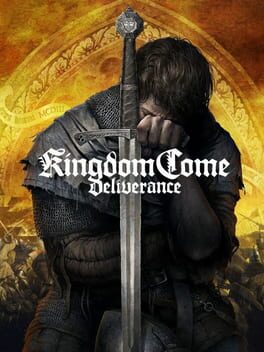
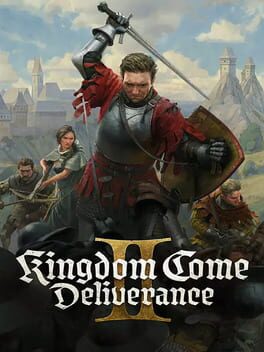
Warhorse Studios' Kingdom Come: Deliverance is not a Robin Hood game, but it understands the outlaw fantasy better than most of the ones that are. You play a peasant in early-1400s Bohemia whose village is burned out from under him, and the game refuses to make you a superhero. You learn to read, to fight, to poach in forests where poaching is a hanging offense, to survive in a feudal world that has no interest in your survival. Crime here has weight, because the law is real and the punishments are medieval.
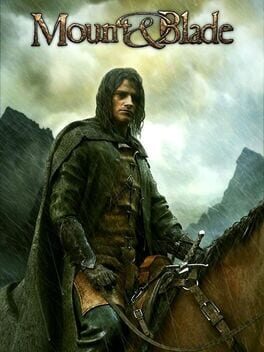
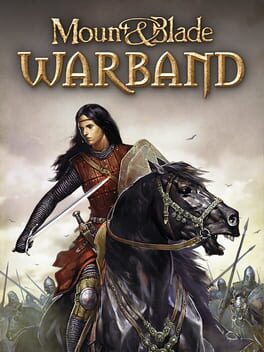
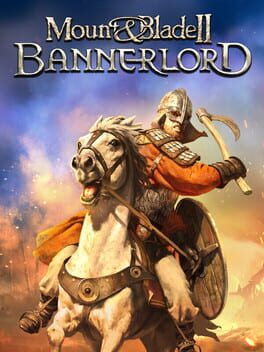
That groundedness is exactly what the dedicated Robin Hood games keep reaching for. Robin Hood: The Legend of Sherwood is a clever stealth-tactics game built around hiding, ambushing and never fighting fair, which is the whole point of guerrilla outlawry. And the Mount & Blade series lets you raise your own band of brigands and ride them against lords and kings, which is the Sherwood power fantasy taken to its logical, blood-soaked conclusion.
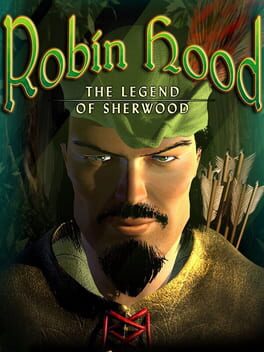
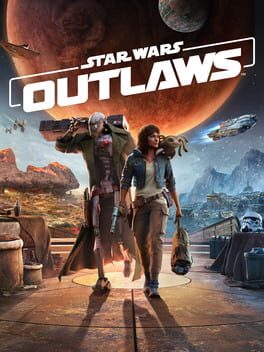
Outlaws to play
Greenwood stealth, medieval banditry and the open-road criminal life

The books that made the myth
Robin Hood lived in ballads for centuries before anyone wrote him a novel, and the version most people picture comes from Howard Pyle's The Merry Adventures of Robin Hood (1883), the lavishly illustrated retelling that fixed the cheerful, archery-contest Robin in the popular imagination. Before Pyle, Walter Scott had already smuggled the outlaw into literary respectability: in Ivanhoe (1819), Robin appears under the name Locksley, winning the tournament and tying the legend to the Saxon-versus-Norman national myth that every later version inherited.
The modern novelists have pulled the story in opposite directions. Stephen Lawhead's Hood, first of the King Raven trilogy, relocates the whole legend to the forests of Wales and grounds it in real post-Conquest history. Robin McKinley's The Outlaws of Sherwood and Elsa Watson's Maid Marian both hand the bow to the women the ballads sidelined. And T.H. White, who reinvented the Arthur legend, dropped a chapter of pure Sherwood adventure into that world too, proving how easily one English myth bleeds into another.
Robin Hood and outlaws on the page
Pyle, Scott, Lawhead and the novelists who kept the ballads alive


He robbed the rich to feed the poor, and in doing so robbed the law of its monopoly on who gets to be the hero.On the enduring appeal of the outlaw
Outlaw country put the legend on vinyl
The outlaw never left music, because the murder ballad is where these legends started. The 1976 compilation Wanted! The Outlaws, pulling together Waylon Jennings, Willie Nelson, Jessi Colter and Tompall Glaser, gave a whole movement its name: outlaw country, music made by artists who fought their record labels for control the way Robin fought the Sheriff. Johnny Cash had already planted the flag with At Folsom Prison, recording live for an audience of convicts and turning the criminal into a folk saint.
Robin Hood's own pop moment came in 1991, when Bryan Adams wrote the slow-burning ballad for Kevin Costner's Prince of Thieves and watched it sit at number one for months. The same outlaw romance carried Bon Jovi's Blaze of Glory, written for Young Guns II and sung from the point of view of a man who knows the law is coming for him and rides out anyway.
The outlaw on record
Outlaw country, prison anthems and the ballads of men with prices on their heads