
A Spy Partnership Born on Television
The Man from U.N.C.L.E. began not as a novel or a film but as an original television concept, developed by producer Norman Felton and writer Sam Rolfe in the early 1960s. Ian Fleming was briefly consulted during early development and contributed the name Napoleon Solo (a character he had already written into On Her Majesty's Secret Service as a minor figure), though Fleming's involvement ended quickly due to his commitments with the Bond franchise and concerns from the Bond producers. The show that debuted on NBC in September 1964 was something genuinely new: a glossy, self-aware espionage adventure that played the genre with wit, featuring a suave American agent and a taciturn Russian working together for an international peacekeeping organization at the height of the Cold War.
The series arrived at exactly the right cultural moment, riding the coattails of Dr. No and From Russia with Love while carving its own identity. Robert Vaughn's Napoleon Solo and David McCallum's Illya Kuryakin became genuine pop-cultural phenomena, spawning paperback tie-in novels, comic books, merchandise, theatrical film compilations edited from multi-part episodes, and eventually a big-screen revival more than fifty years later. The property is unusual in that television, not print, is the original medium, and almost everything else grew from that root.
Every Version of The Man from U.N.C.L.E.
The original series and every adaptation, spinoff, and revival in the catalog


The Man from U.N.C.L.E. Through the Decades
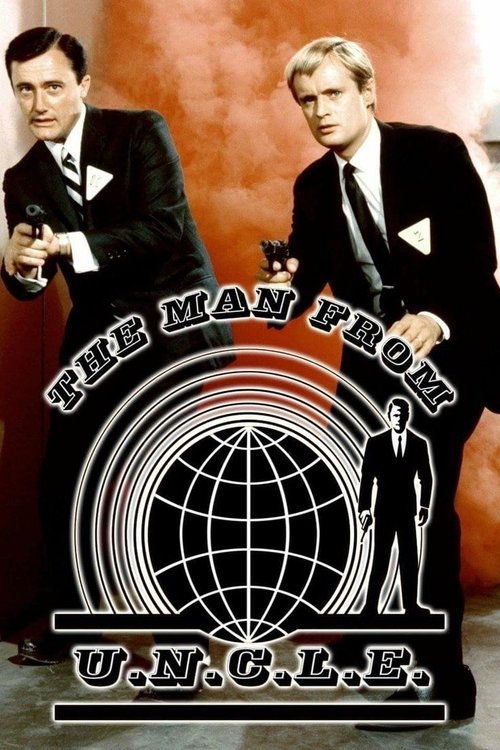
- 1964TV series premieres on NBC to immediate popular success The Man from U.N.C.L.E.
- 1966Spinoff series starring Stefanie Powers debuts The Girl from U.N.C.L.E.
- 1967Theatrical compilation feature drawn from multi-part TV episodes The Karate Killers
- 1967Original series cancelled after four seasons; the fourth season's tonal collapse accelerated the end The Man from U.N.C.L.E.
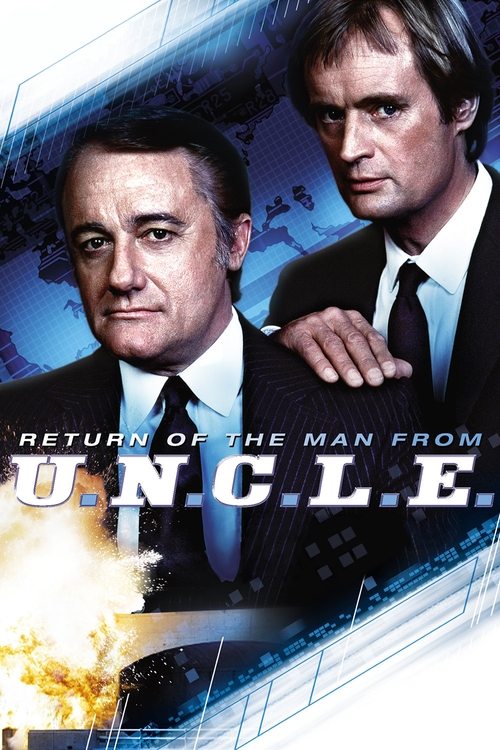
- 1983TV reunion movie reunites Vaughn and McCallum The Return of the Man from U.N.C.L.E.: The Fifteen Years Later Affair
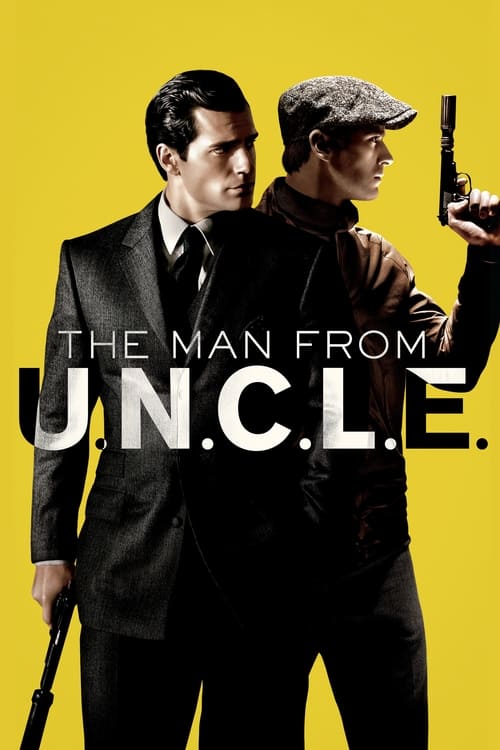
- 2015Guy Ritchie's theatrical feature revival with Henry Cavill and Armie Hammer The Man from U.N.C.L.E.
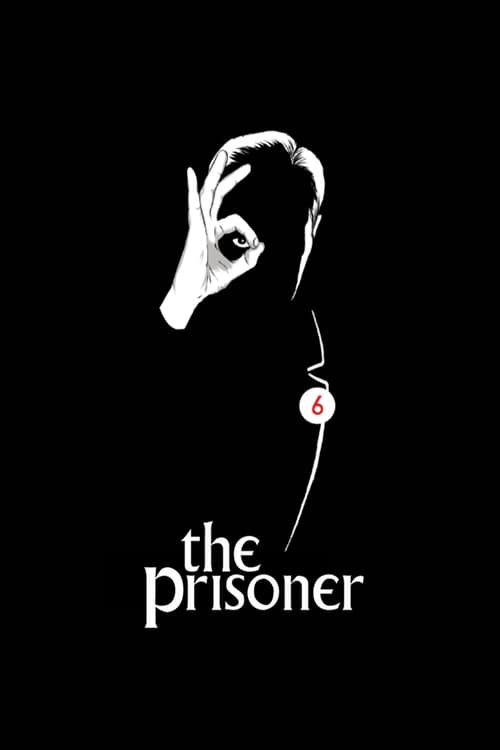
If You Love the 1960s Series
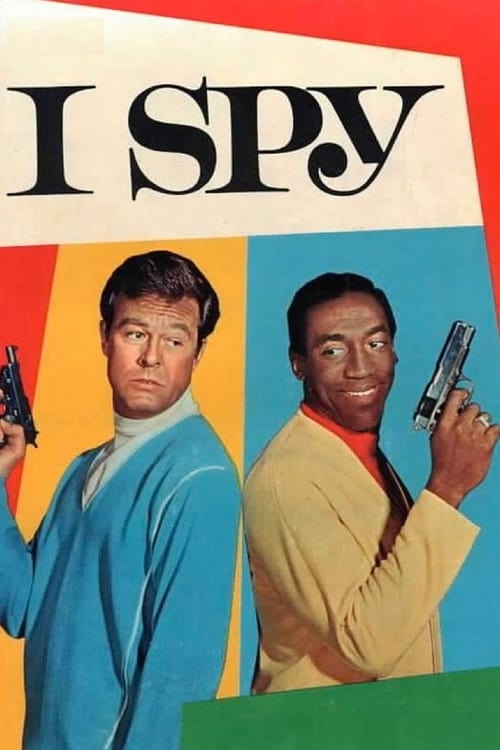
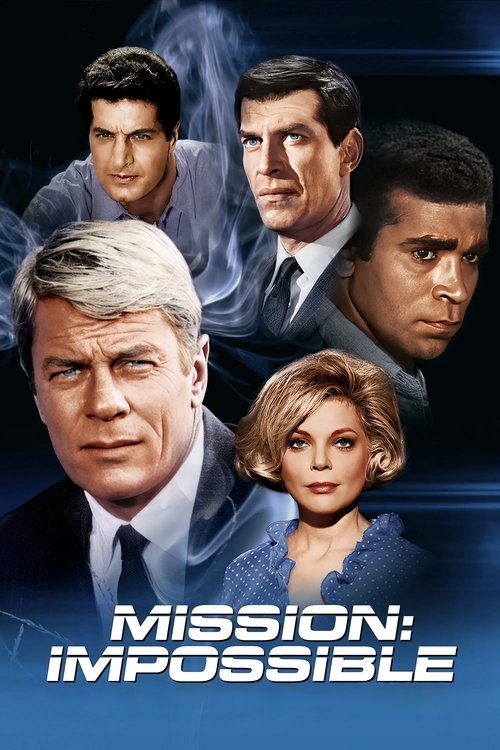
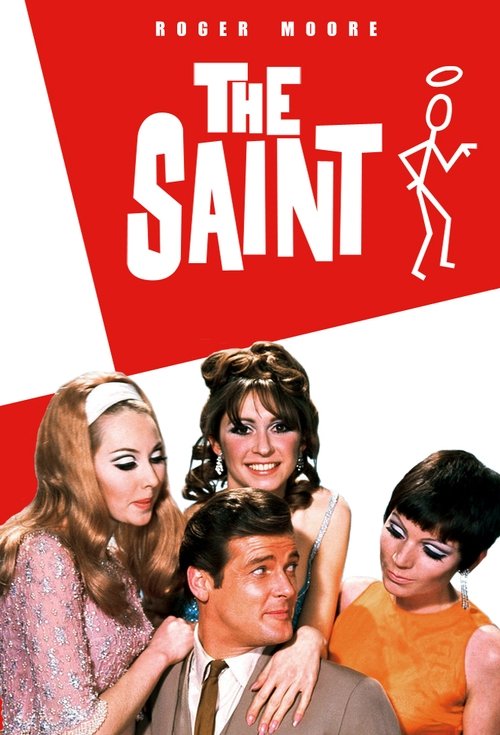
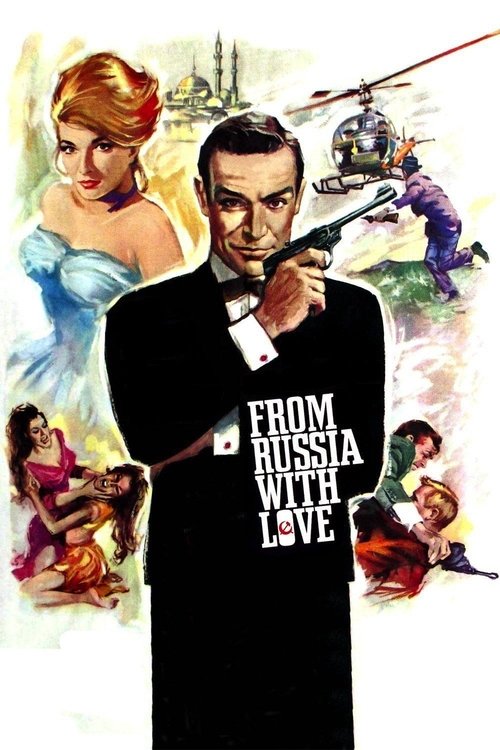
Stylish, sardonic Cold War spy television from the same era


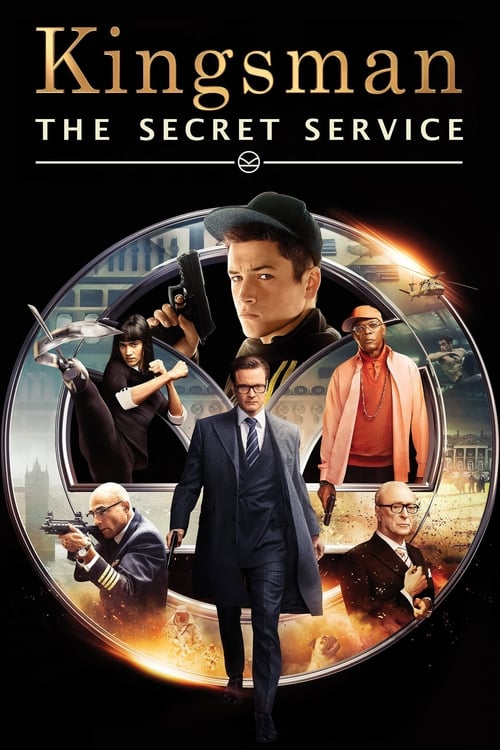
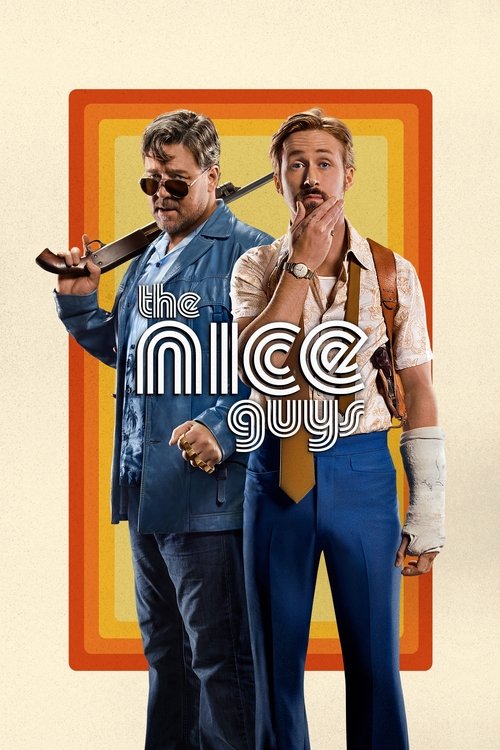
If You Love the 2015 Film
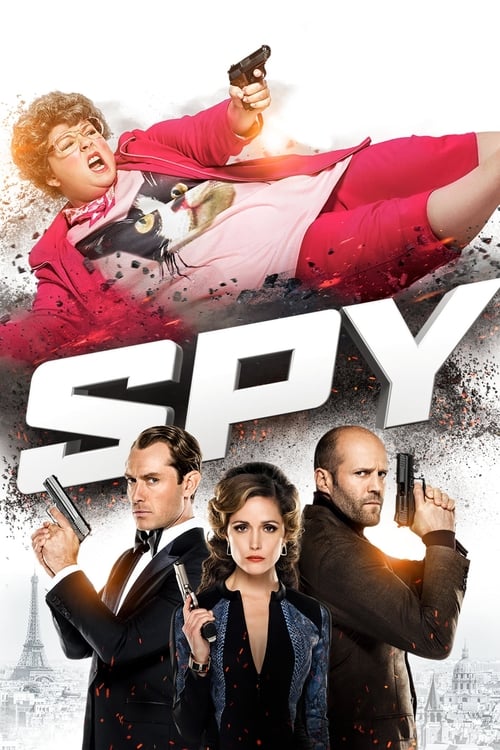
Slick, period-set spy capers with great chemistry and sharp tailoring
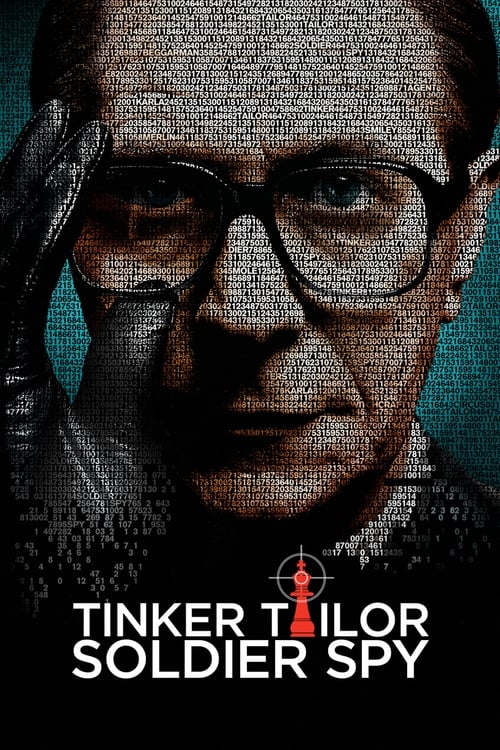

If You Love the Cold War Partnership Angle
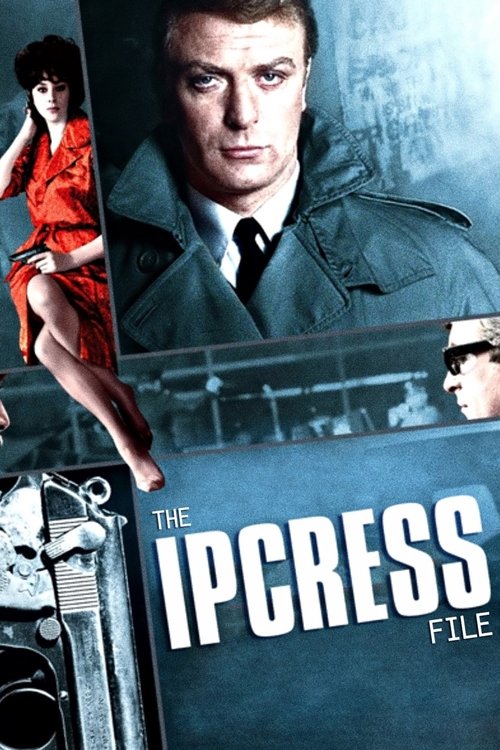
Stories about reluctant allies across ideological lines


The original NBC series remains the definitive version
The 1964 to 1967 run is where Solo and Kuryakin actually live. Robert Vaughn and David McCallum have a chemistry that no subsequent casting has matched, and the show's willingness to be both genuinely tense and gently absurd gave it a texture that later revivals could only approximate. The first two seasons in particular hold up as some of the sharpest spy television ever made. The black-and-white Season 1 episodes have an atmosphere that feels lifted from a Godard film: long shadows, crisp composition, a sly awareness of its own genre machinery.
Guy Ritchie's 2015 film is the most underrated spy movie of its decade
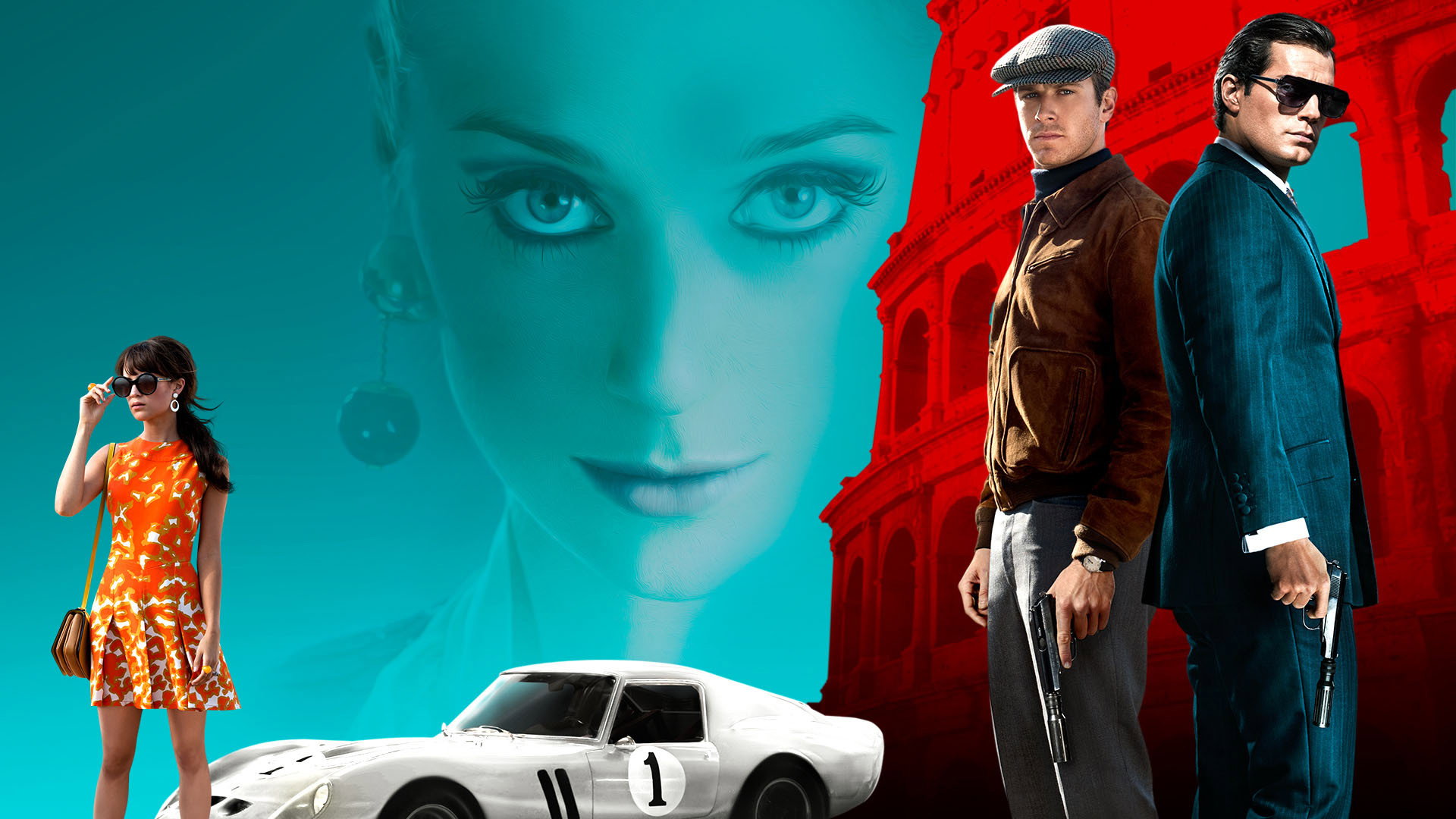
Henry Cavill and Armie Hammer are surprisingly well-matched, and Ritchie's period-Rome aesthetic is genuinely gorgeous. The film was dismissed as a franchise-starter that never got its sequel, but watched on its own terms it is a confident, funny, beautifully designed entertainment. The scene where Cavill eats a sandwich and watches Hammer nearly drown is worth the price of admission alone. Alicia Vikander and Elizabeth Debicki are both excellent, and the costume design and production detail reward repeated viewing more than almost any spy film of the era.
The Season 4 tonal collapse is the version to skip
When the series tried to chase the campy excess of the 1966 Batman television show in its fourth season, it lost the qualities that made it special. The scripts became broadly comedic, the production values dropped visibly, and the self-aware wit that had distinguished the first two seasons curdled into broad farce. Ratings collapsed and NBC cancelled the show. It is a dispiriting end to a genuinely great run. New viewers are better served stopping at Season 3, or rewinding to Season 1 in black and white.