
Every undercover story is the same bet with different odds. A person agrees to stop being themselves for a while. They take a false name, a false history, a false set of loyalties, and they walk into a room full of people who will kill them the moment the seam shows. The job is not the danger of the room. The job is holding two selves in one body without either one tearing through the other. That is the real subject of this genre, and the best entries in it know it.
The most honest thing the great undercover stories admit is that the cover wins more often than the cop. Donnie Brasco starts to love the men he is sent to destroy. The mole and the rat in Infernal Affairs both forget, for long stretches, which one they actually are. Philip and Elizabeth in The Americans raise two American children while serving Moscow, and the marriage of convenience becomes the only true thing in their lives. The mask is not a tool you put down at the end of the shift. It grows roots. This guide is about the people who went under and the question every one of them eventually has to answer: when the operation ends, who walks back out?
Essential undercover & deep cover
The canon of false names and fraying nerves, across every medium



The Departed and Infernal Affairs are the same nerve, pressed twice
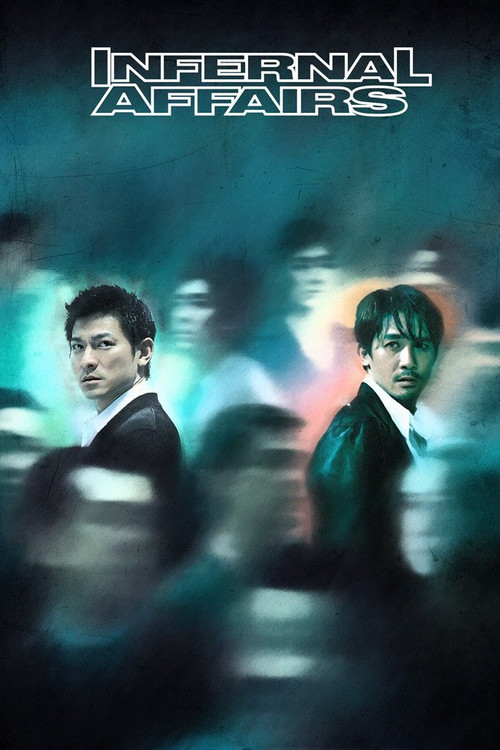
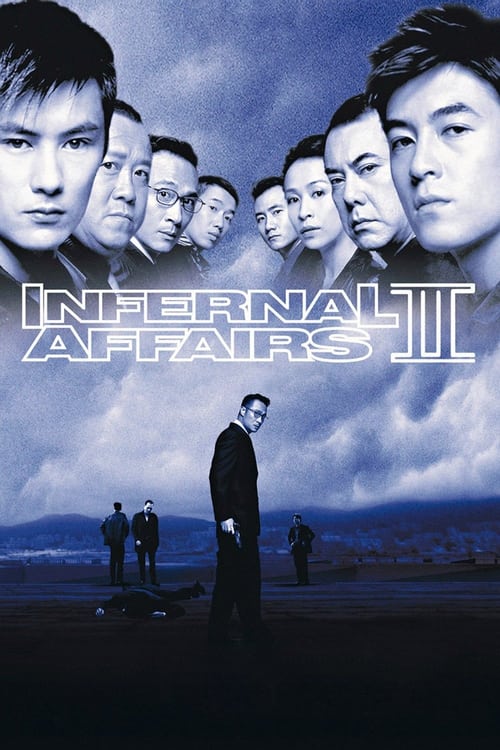
Andrew Lau and Alan Mak's Infernal Affairs (2002) is the cleaner machine. Two men, a cop planted inside the triads and a triad planted inside the police, spend years buried so deep that the original mission starts to feel like a rumor. The film is almost mathematical about it: two moles, two handlers, one of each dies, and the survivor is the wrong one. Tony Leung carries the whole thing in his eyes, a man who has worn the criminal face so long he can barely remember the badge it was supposed to protect.
Martin Scorsese's The Departed (2006) takes that frame and floods it with Boston, profanity and rage. Where the original is cold, the remake sweats. DiCaprio's Costigan is coming apart in real time, and the genius of the adaptation is that it makes the psychic cost loud instead of quiet. Both films are about the same unbearable thing: living as the person you were sent to betray until you no longer know which loyalty is the act.
Cops who went too far in
Infiltrators, moles and the badge that stops mattering

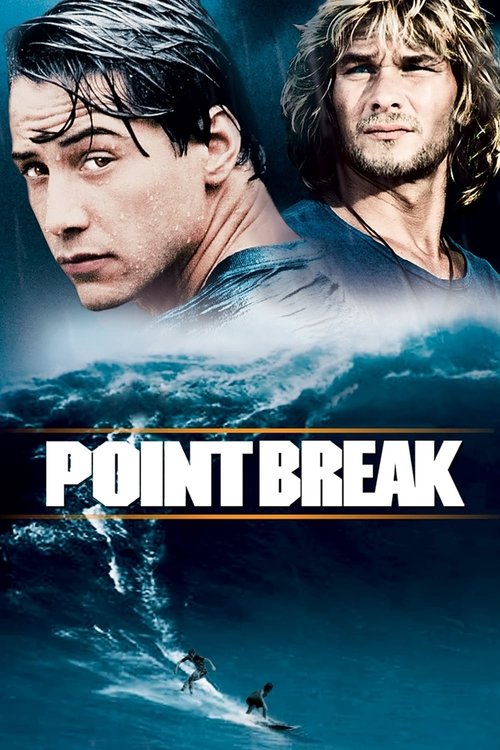
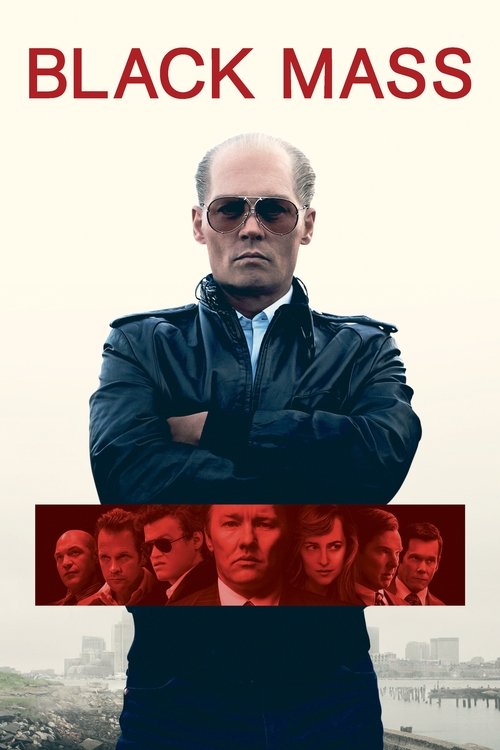
When the cover becomes the life
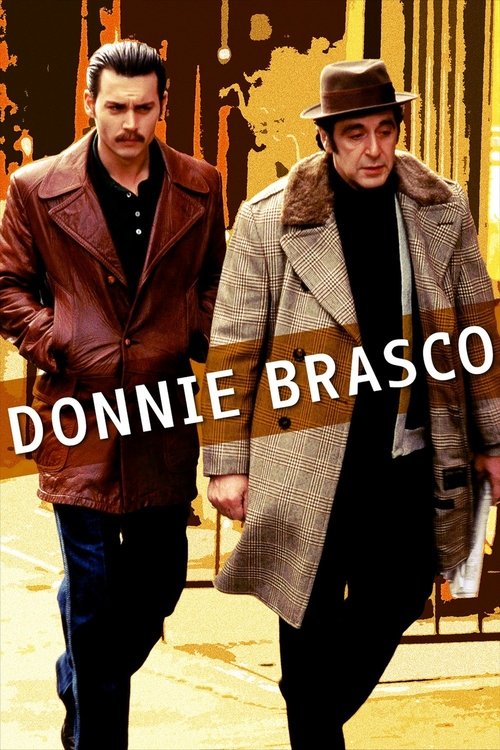
The deep-cover story has a built-in tragedy that the one-night sting never reaches: time. A short operation is a held breath. A long one is a second life, with its own friendships, debts and small daily kindnesses that were never supposed to be real. Donnie Brasco is the purest study of this. Joseph Pistone spent six years inside the Bonanno family as Donnie the jewel thief, and the film, built from his own account, is less about the bust than about the slow horror of being trusted. Lefty teaches Donnie, vouches for Donnie, would die for Donnie, and Donnie is the reason Lefty is finished. The closer the friendship gets, the worse the betrayal he is being paid to commit.
Television is built for this kind of slow erosion, which is why the form's deepest cover stories live there. The Americans gives two KGB officers an entire suburban American marriage as their cover and then lets that fake marriage become the realest relationship either of them has. Sleeper Cell embeds an FBI agent inside a terror cell and refuses to let him stay clean. Line of Duty turns the anti-corruption unit itself into a hall of mirrors where the mole could be anyone in the room, including the people hunting the mole.
Long cons on the small screen
Series that let the lie grow roots over seasons, not scenes
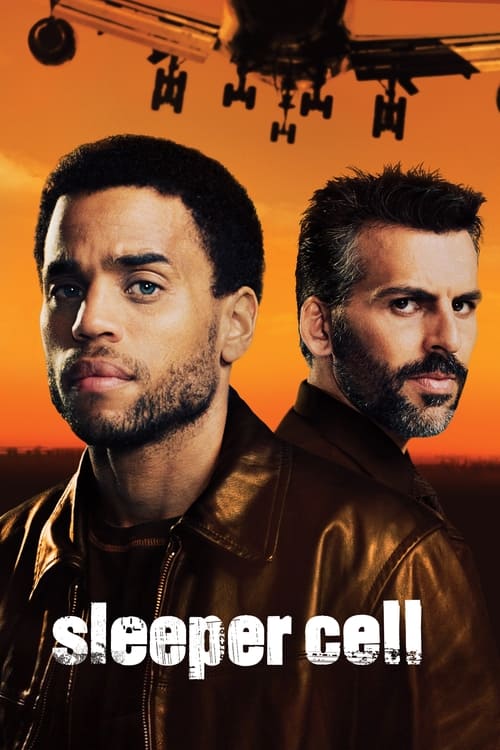
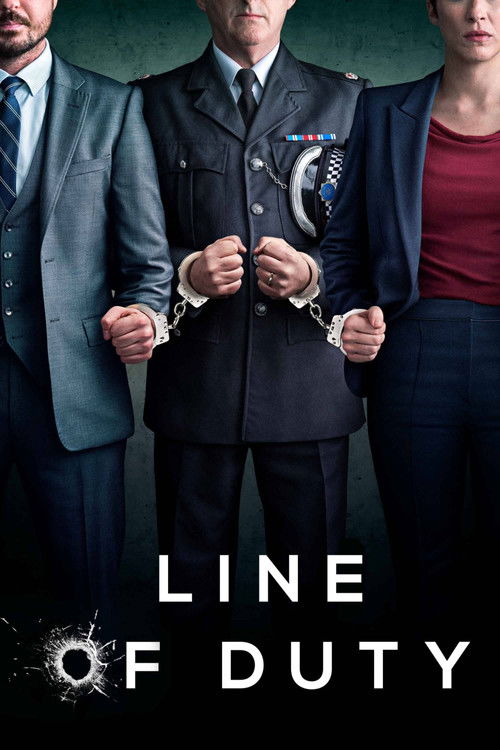

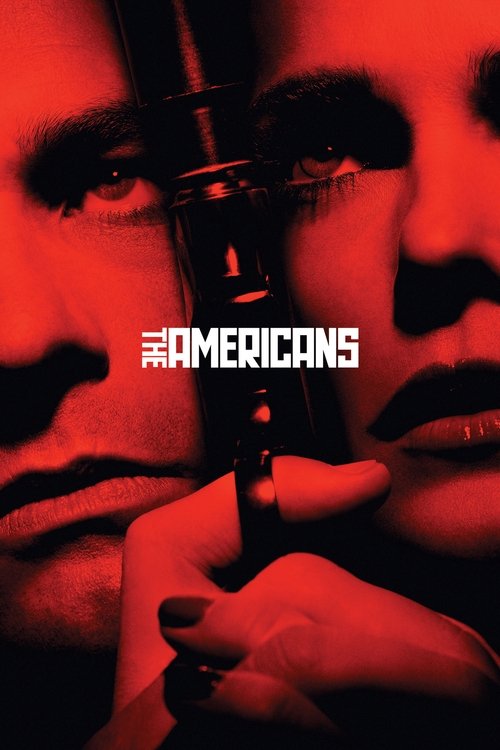
The Americans is the best deep-cover story ever told
Most undercover drama lasts as long as a film. The Americans makes you live with the cover for six seasons, until you stop being able to tell where the operation ends and the family begins. Philip and Elizabeth Jennings are KGB illegals running a travel agency in Reagan-era Washington, raising two kids who have no idea their parents are foreign intelligence officers. The show's masterstroke is that the marriage was assigned, a piece of tradecraft, and over the years it quietly becomes the only authentic thing they have.
What makes it definitive is its refusal to let the disguise be fun. Every wig and accent is a small death. Every honeytrap leaves a real person ruined in its wake. And the children, who exist as cover and then become the heart of the thing, force the parents to ask whether a life built entirely on a lie can still contain love. The finale, set in a parking garage on the Soviet border of two identities, is the genre's purest statement: the cost of going under is never coming all the way back.
The spy who stayed in the cold
Tradecraft and moral ruin, from le Carre to the Cold War screen


On the page, the lie is interior
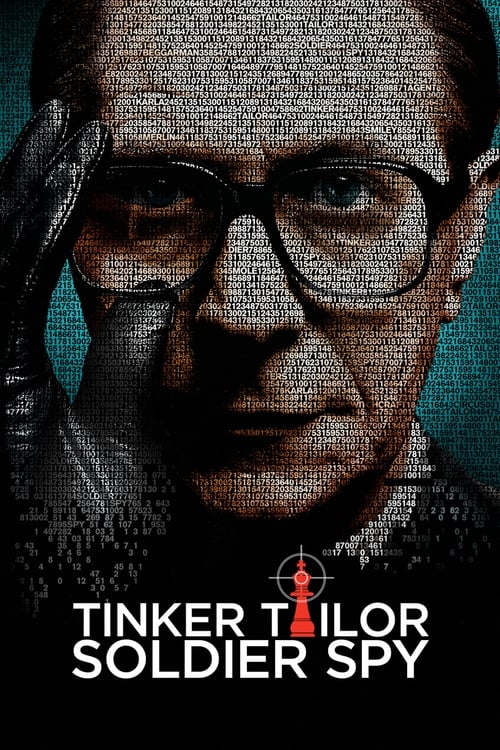
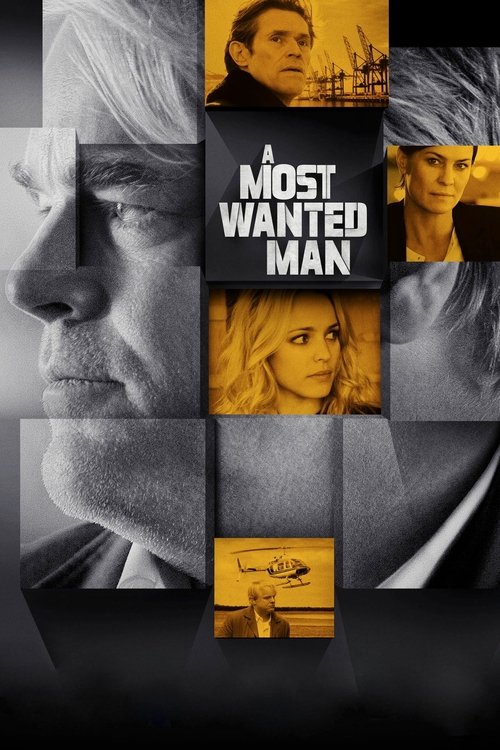
Prose has one weapon film cannot match: it can sit inside the divided head. John le Carre built an entire body of work on this, and Tinker Tailor Soldier Spy remains the high bar. George Smiley hunts a Soviet mole at the top of British intelligence, and the novel is less a thriller than a slow autopsy of trust, where every loyal colleague is a suspect and the betrayal, when it lands, is personal before it is political. A Perfect Spy goes further still, tracing how a boy raised by a con man becomes the kind of adult who can hold contradictory loyalties without breaking, because deception was the first language he ever learned.
The real-world account cuts deepest of all. A Spy Among Friends reconstructs how Kim Philby fooled the people who loved him most, decade after decade, because the cover was not a role he played but the man they thought they knew. Lauren Wilkinson's American Spy drags the genre into the late Cold War from the perspective of a Black FBI agent sent to undermine a leader she comes to admire, and Martin Cruz Smith's Gorky Park plants a Moscow detective in a case that turns him into a kind of double agent against his own state.
Undercover on the page
le Carre, the real Philby, and the novels that live inside the divided head


If I'm a good guy now, how come I feel so bad?The standing question of the deep-cover life, asked sooner or later by everyone who goes under
Sleeping Dogs puts the player inside the impossible choice
Film can show you a man torn between two loyalties. A game can make you do both jobs and feel the contradiction in your own hands. Sleeping Dogs casts you as Wei Shen, a cop sent deep into the Sun On Yee triads in Hong Kong, and it splits its progression in two: a cop meter and a triad meter that you fill at the same time. To stay under, you have to commit real crimes. To keep the badge, you have to betray people who trust you. The mechanics are the theme.
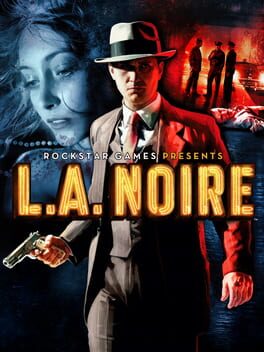
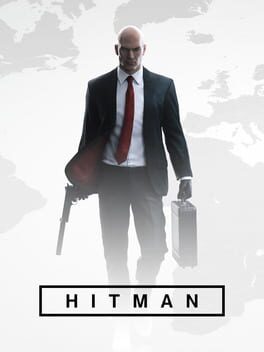
The whole genre works this way once you hold the controller. True Crime: Streets of L.A. and L.A. Noire let you work the line between the law and the people you police until the line stops being visible. Yakuza 0 threads loyalty and obligation through Tokyo and Osaka with a sincerity most crime films never risk. And the Hitman and Splinter Cell games turn the disguise into the central verb: you are only ever as safe as your stolen uniform, and the second the cover slips, the room turns on you.

Wear the uniform, work both sides
Games where the disguise is the mechanic and the cover can fail at any second
The crew you can never fully trust
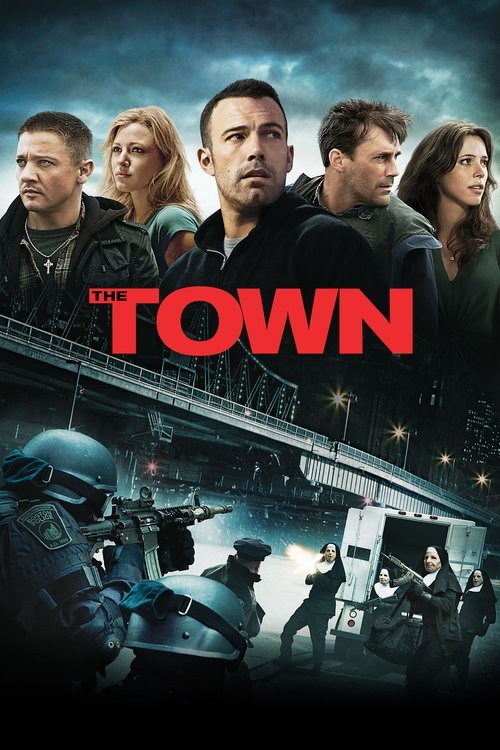
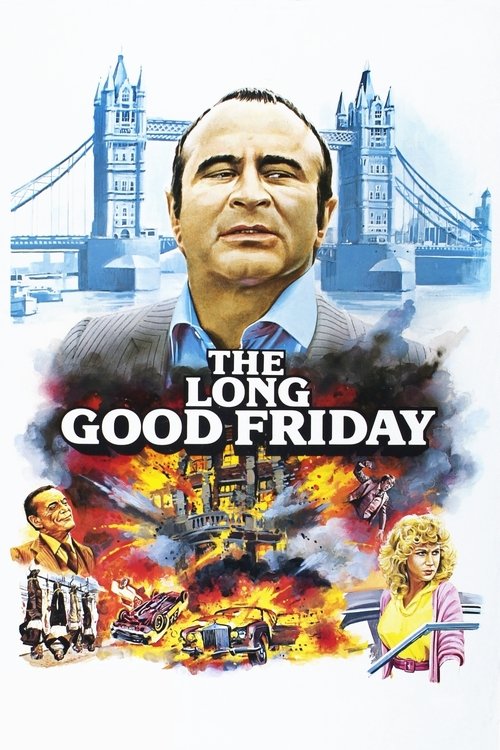
There is a tighter, meaner subgenre inside this one: the job where the undercover man is not the only fake in the room. Reservoir Dogs strips a heist to one warehouse and one question, which of these color-coded strangers is the cop, and lets the paranoia do the killing. The Town and The Long Good Friday watch professional criminals discover that loyalty has a half-life. Donnie Brasco sits inside the crew long enough to make you mourn the men who are going down. The cover is not a single secret. It is a pressure that everyone in the room is exerting on everyone else.
Music has tracked this world as faithfully as any of it. The Reservoir Dogs soundtrack made bubblegum radio pop terrifying by playing it over a torture scene, a trick about the gap between surface and truth that is the whole genre in miniature. Jay-Z's American Gangster and the Scarface and Once Upon a Time in America scores are the sound of men building empires they will have to lie to keep.
Heists, crews and the rat in the room
When the cover is not one secret but everyone in the warehouse keeping one

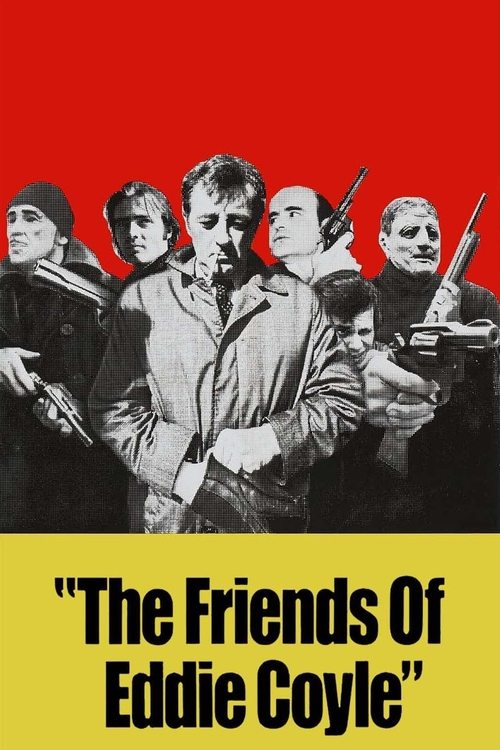
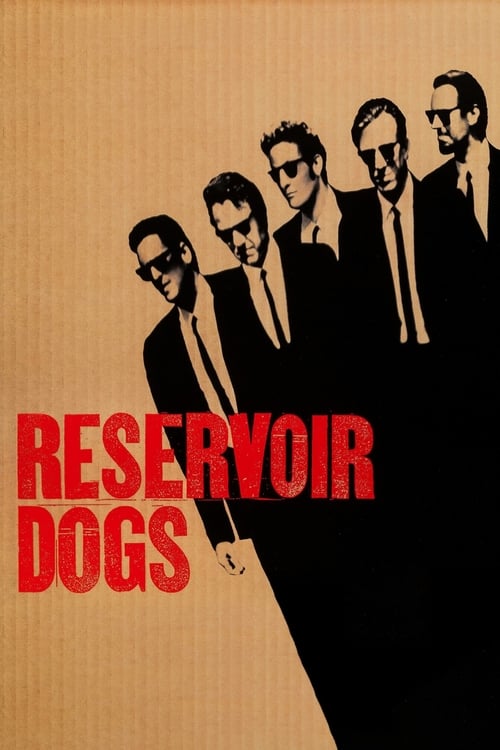
Reservoir Dogs is an undercover film disguised as a heist film
People remember the ear and the pop songs. What Reservoir Dogs is actually about is a man maintaining a cover under maximum pressure with no backup and no exit. Mr. Orange is bleeding out on a warehouse floor for most of the runtime, holding a fabricated identity together by sheer will while the men around him try to sniff out the rat, and the film's famous flashback, the commode story, is a tutorial in how an undercover cop learns to lie: memorize the irrelevant details until the false story feels lived.
Tarantino never shows the heist. That is the point. The crime is not the subject; the performance is. Every man in that warehouse is a kind of cover identity held together with bravado, and the one who is genuinely undercover is just the one whose mask costs the most to keep on. Strip away the style and it is one of the leanest deep-cover thrillers ever made.
The sound of the double life
Soundtracks and records for men building empires they will have to lie to keep
The wider world of going under
Empires, addictions and identities that quietly eat the people holding them