
A quiet novel that became a Netflix epic
Lily Brooks-Dalton published Good Morning, Midnight in 2016, a debut novel so stripped down it barely qualifies as science fiction. Two stories run in parallel: Augustine Lofthouse, an aging astrophysicist who refuses to evacuate the Arctic observatory where he has chosen to spend whatever time remains after an unnamed global catastrophe, and Sully, an astronaut aboard a spacecraft returning from a survey of Jupiter's moon, unaware that the world she left behind has been destroyed. The novel takes its name from a Billie Holiday song. Its mode is grief and regret, not spectacle.
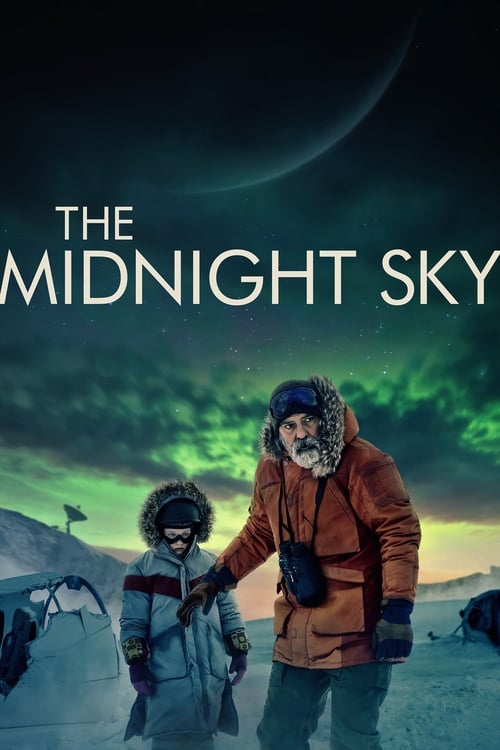
George Clooney acquired the rights, hired screenwriter Mark L. Smith to adapt it, and directed the 2020 Netflix film under the retitled name The Midnight Sky. The film amplifies the visual scale considerably, adds an action set piece in space, and tips the balance of the story toward the emotional revelation at its centre. It retains the novel's fundamental structure: two people separated by unimaginable distance, both circling a secret neither can quite face.
That is the full cross-media history. There is no television series, no stage adaptation, no graphic novel. This is a two-chapter story: the book and the film.
The story so far
- 2016Novel published by Random House Good morning, midnight
- 2016Audiobook narrated by Hillary Huber and John H. Mayer Good morning, midnight
- 2020Netflix film directed by and starring George Clooney The Midnight Sky
The novel is the definitive version
Brooks-Dalton's prose holds Augustine and Sully at the same emotional distance from the reader, so the structural revelation at the end lands with quiet devastation rather than a sentimental punch. The restraint is the point. The film is handsomely made and Clooney's performance is genuinely moving, but it keeps nudging you toward feeling things in the approved ways. The novel trusts you to sit in the silence.

The film is underrated as a mood piece
Critics were hard on The Midnight Sky for being too slow, but that slowness is the film being faithful to its source. The Arctic photography is extraordinary, and Alexandre Desplat's score (including a remarkable diegetic cover of 'Sweet Caroline') gives the film an emotional texture the mixed reviews mostly ignored. It is not a thriller. If you go in knowing that, it rewards the patience.
Read the novel before you watch the film
The novel's power lives in the white space between sentences, the things Brooks-Dalton declines to explain. The film fills in that silence with score and cinematography, which is not the same as explanation but does change the experience of the revelation. Going in cold to the novel gives the ending its full weight. If you have already seen the film, the book will still reward you, but you will be reading toward a destination you already know.
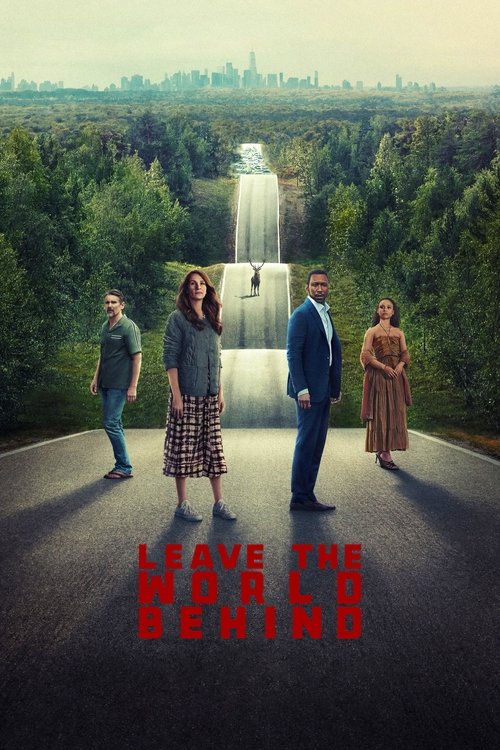
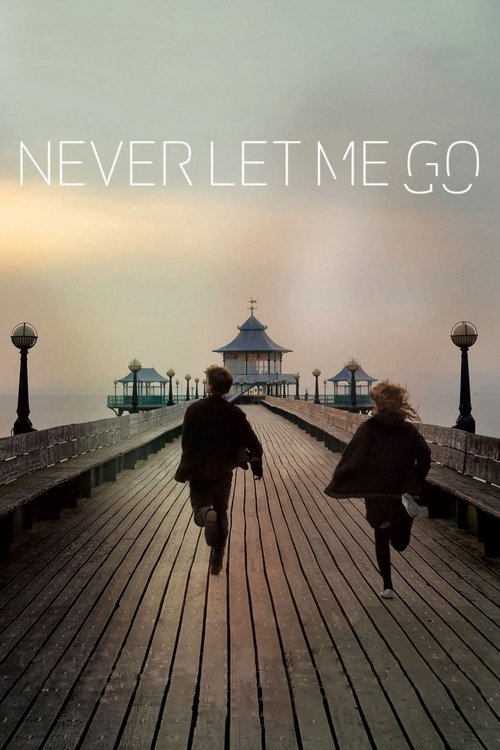
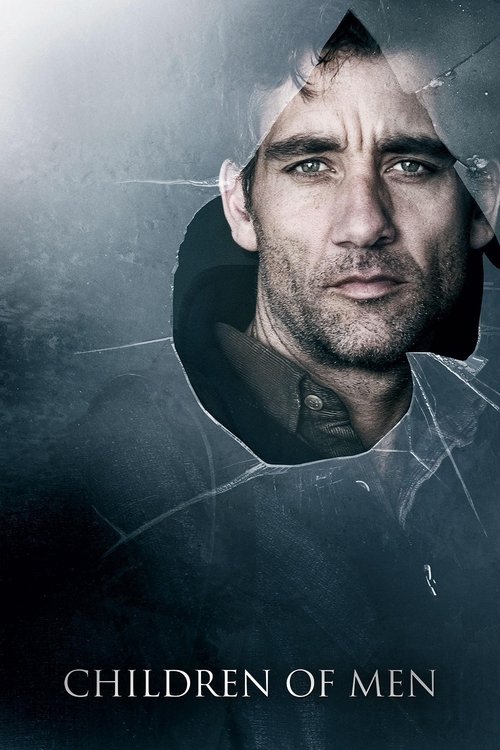
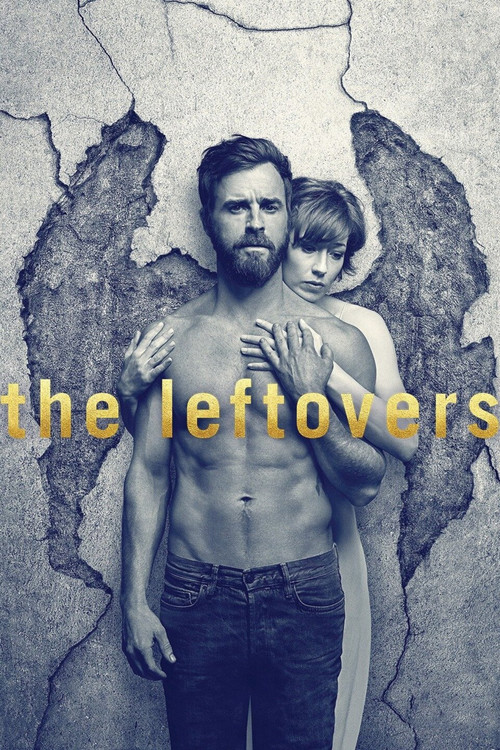
If you love The Midnight Sky: quiet apocalypse
Stories about the end of the world told at an interior scale



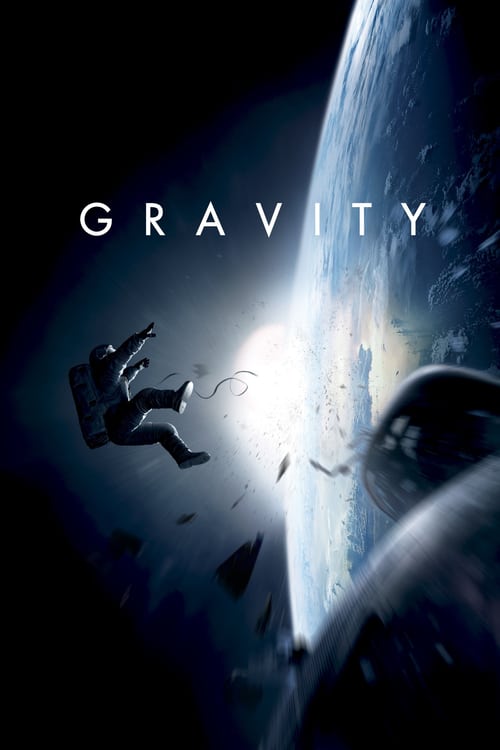
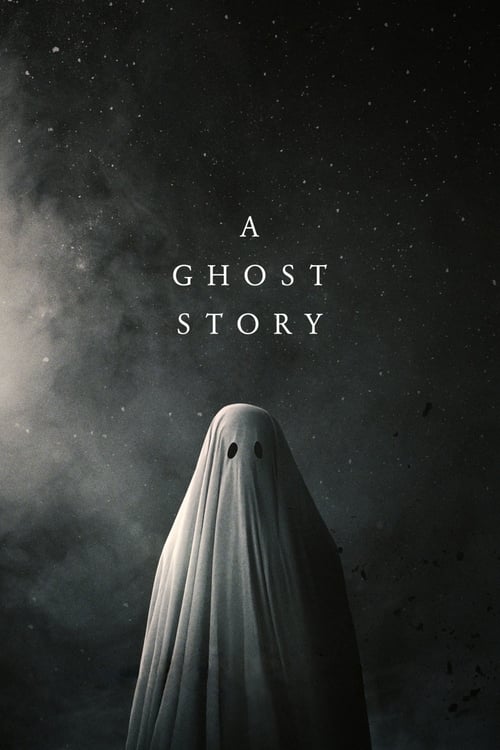
If you love The Midnight Sky: solo in space
Films and books about isolation, distance, and the fragility of contact
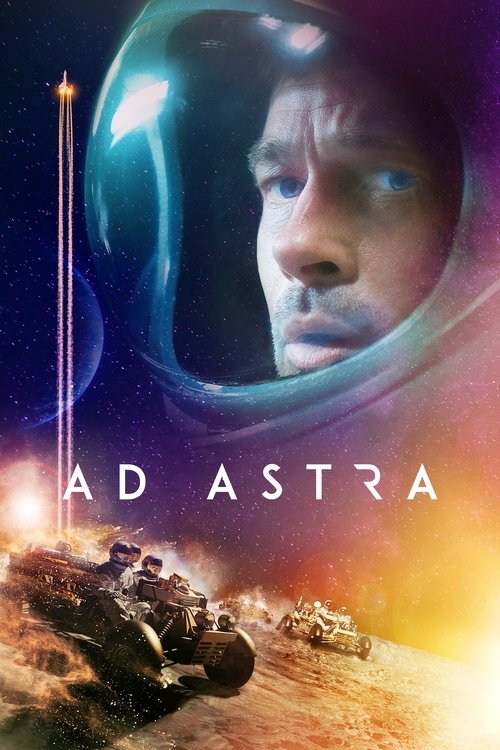
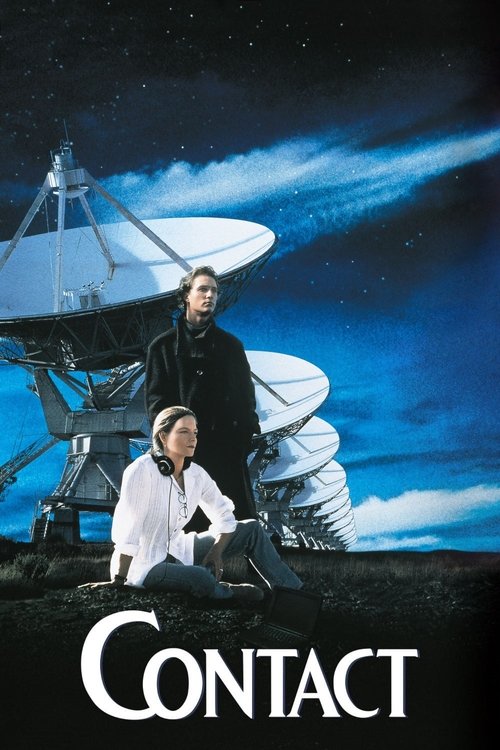


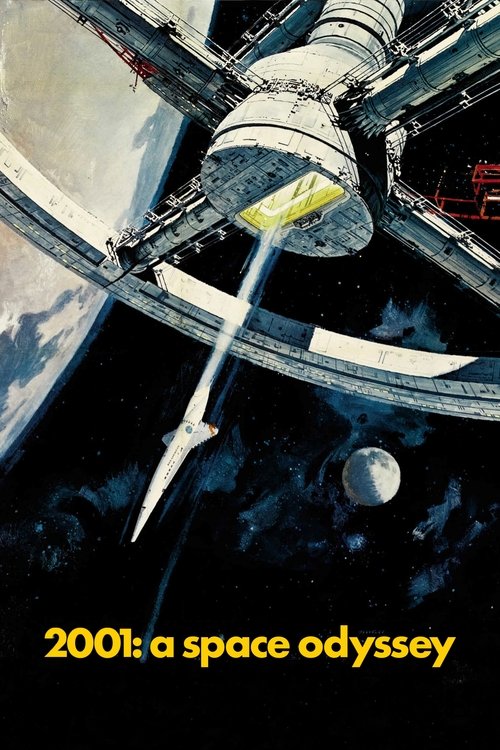
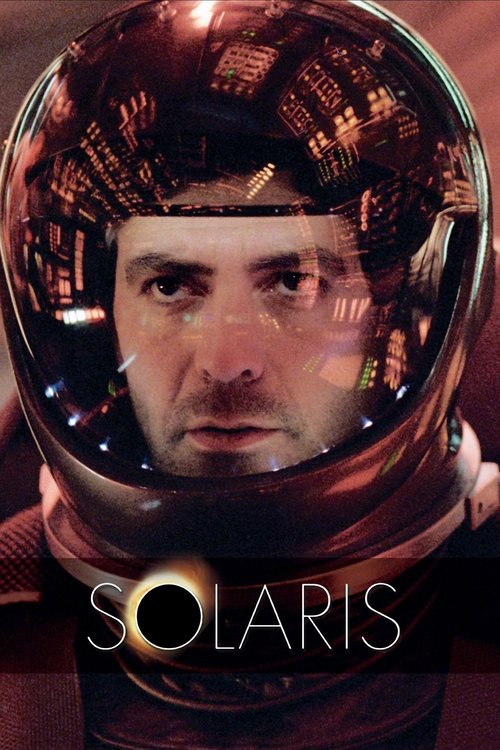

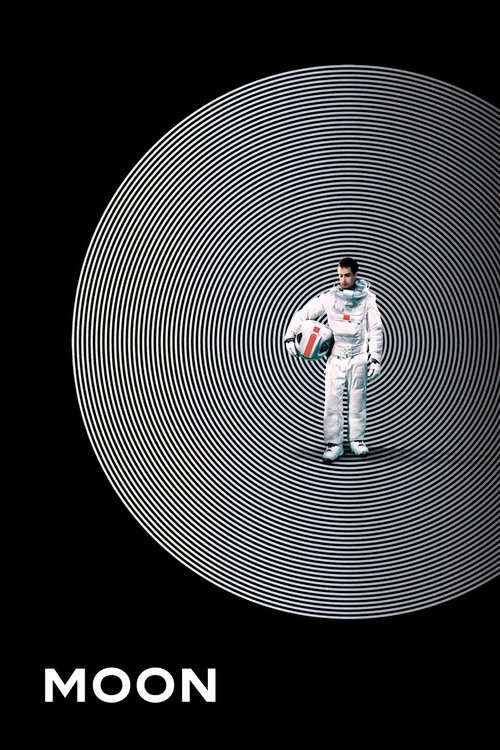
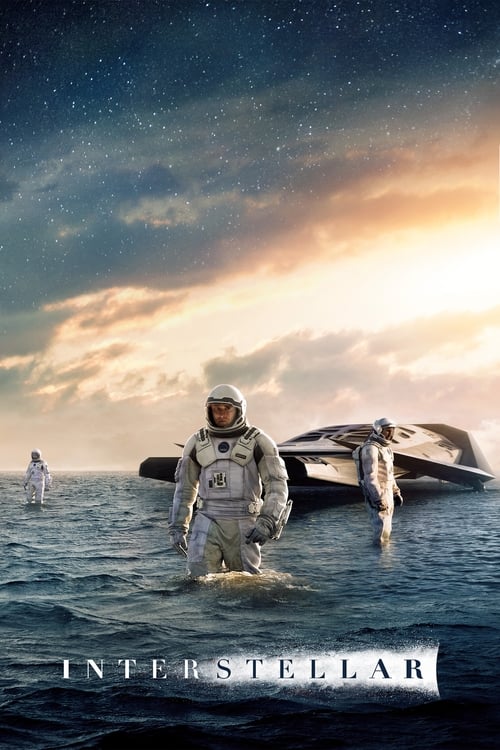
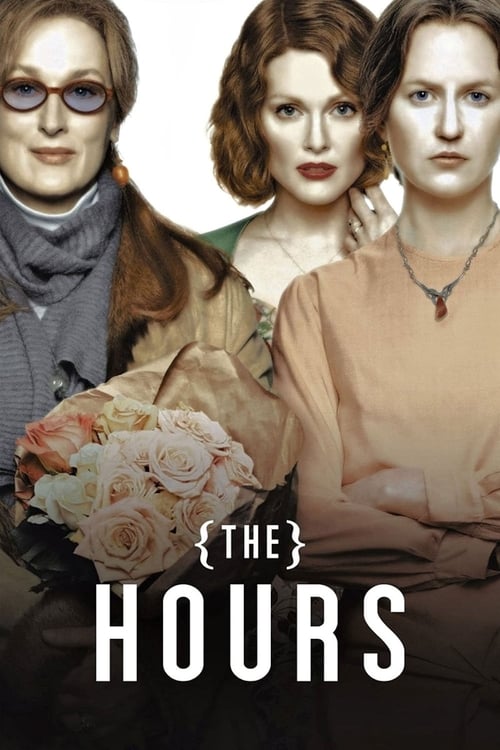
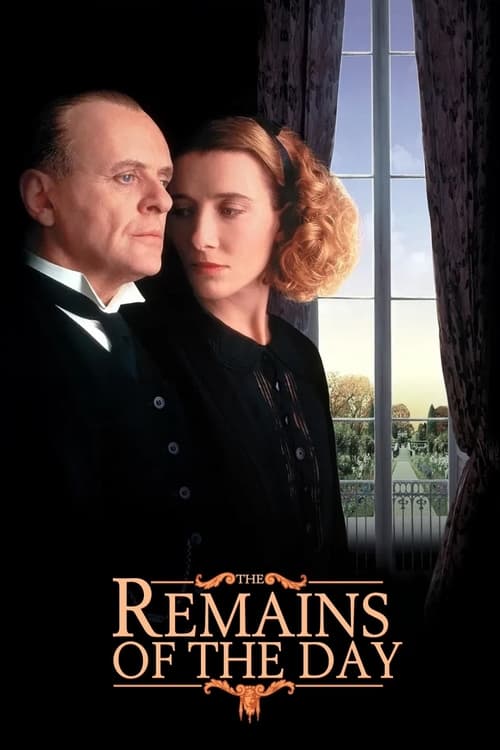
If you love The Midnight Sky: regret and reckoning
Stories about characters confronting what they gave up or got wrong

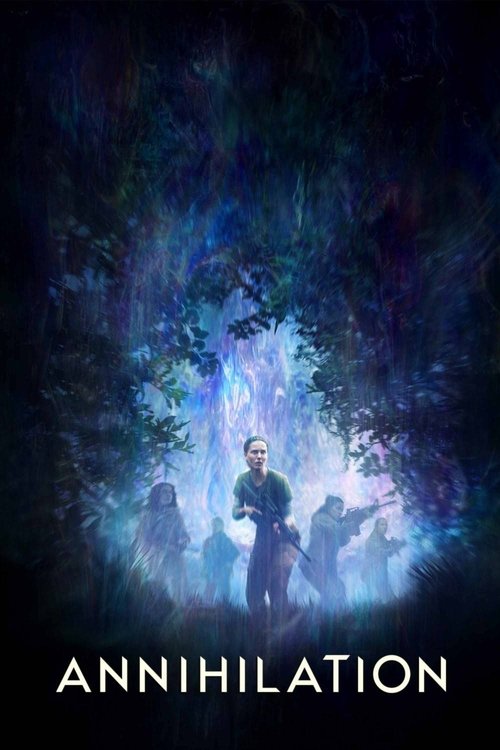
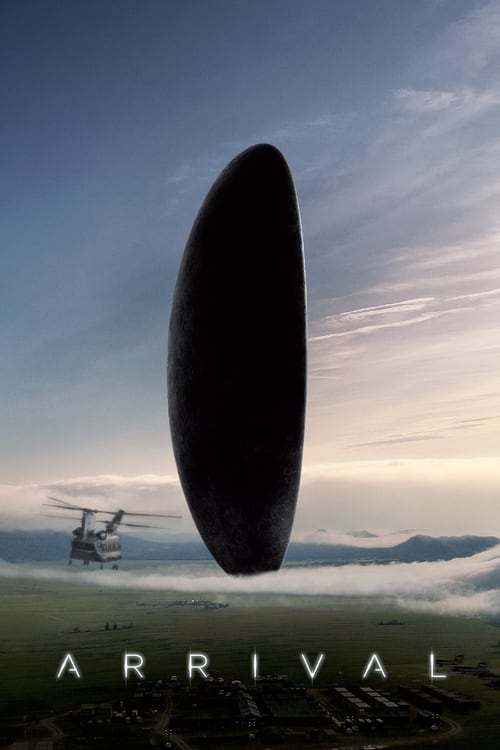
More stories stranded in space
Stranded in Space
Explore the Stranded in Space guide →Brooks-Dalton is interested in what it means to be the last person who remembers something, and in whether that memory constitutes a kind of survival.CrossBinge