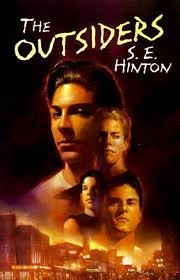

A novel written in a high school notebook
S.E. Hinton started writing The Outsiders when she was fifteen, a student at Will Rogers High School in Tulsa, Oklahoma, frustrated that the books assigned in class had nothing to say to her. She finished it at sixteen. Published in 1967 by Viking Press when she was seventeen, it became one of the first novels marketed directly to teenagers as a serious literary form, and it has never gone out of print.
The story is told from the inside: Ponyboy Curtis, a greaser from the wrong side of town, navigating loyalty, violence, and class resentment against the Socs, the wealthy kids who see him as less than human. What made it stick was the emotional precision, the voice, and the refusal to clean up the ending. It named Young Adult fiction as a category before the category had a name.
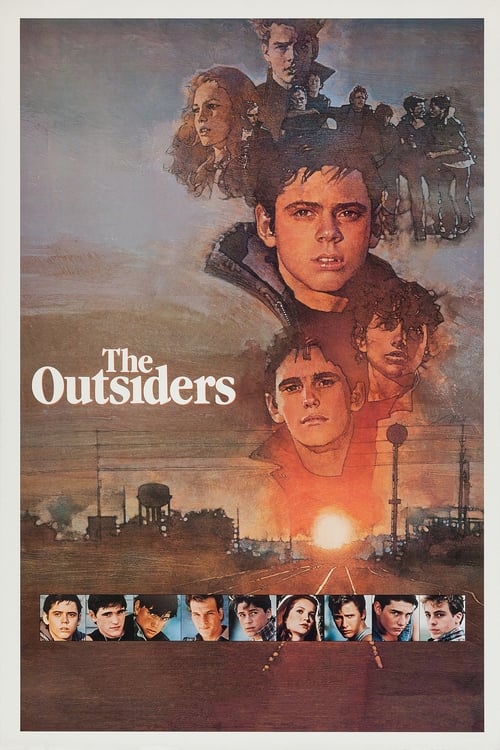
The novel traveled to film in 1983 when Francis Ford Coppola, at the urging of middle-school students in California who had written to a producer asking why no one had made it, took on the adaptation. That film became a launching pad for a generation of actors. A brief television series followed in 1990. Most recently, the story arrived on Broadway in 2024 as a full-scale musical, completing a tidy arc from notebook to stage.
Every version of The Outsiders
The source novel and every screen adaptation

The Outsiders across the decades
- 1967S.E. Hinton publishes the novel, age 17
- 1983Francis Ford Coppola's film opens
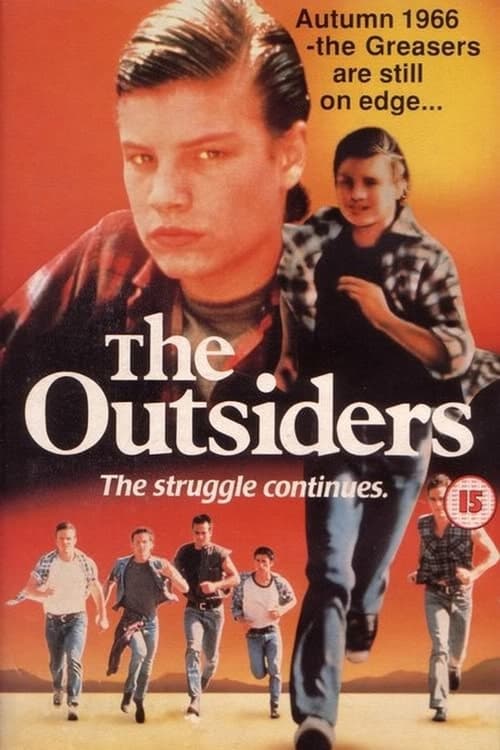
- 1990CBS airs the TV series (one season)
- 2005Coppola's extended cut released on DVD: The Complete Novel
- 2024Broadway musical opens at the Bernard B. Jacobs Theatre
The definitive version: the novel, no competition
The film is good. The musical is a theatrical event worth seeing. But nothing about the adaptations improves on the source, because the source is the voice. Ponyboy narrating in Hinton's prose is the whole point: a teenager speaking directly to other teenagers about class, grief, and whether any of it was worth it. That address is impossible to replicate on screen or stage. Every adaptation is, in the end, an argument for going back to the book.
The underrated one: Coppola's extended cut
The 1983 theatrical cut was edited under studio pressure and lost almost twenty minutes of character scenes. When Coppola restored the film in 2005 as The Outsiders: The Complete Novel, adding a new soundtrack and the deleted footage, it became a markedly better movie: slower, sadder, more faithful to what makes the book unusual. Most people who dismissed the original cut have not seen this version. They should.
The one that did not last: the 1990 TV series
CBS tried to extend the film's success into a weekly drama. The series ran for one season in 1990 and was cancelled before it found its footing. Without the film's cast and without Coppola's sense of scope, it settled into standard network television rhythms that worked against everything that made the story distinctive. Worth a look for completionists; not essential viewing.
If you love The Outsiders: class, loyalty, and youth on the wrong side of the line
Films and books about teenagers caught between worlds they did not choose
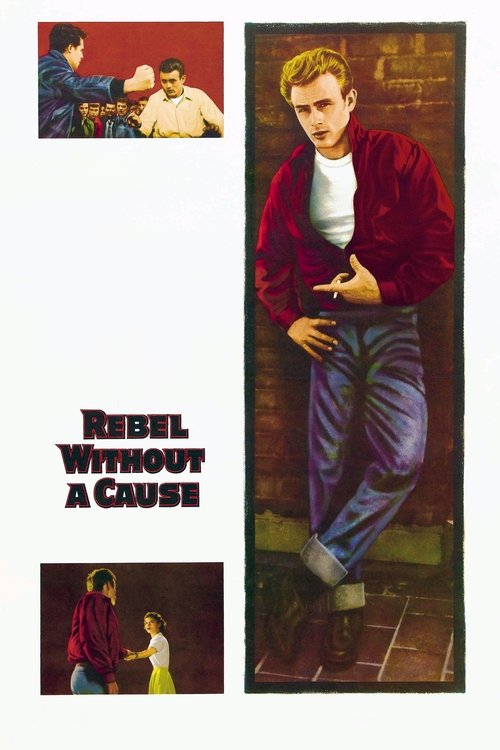
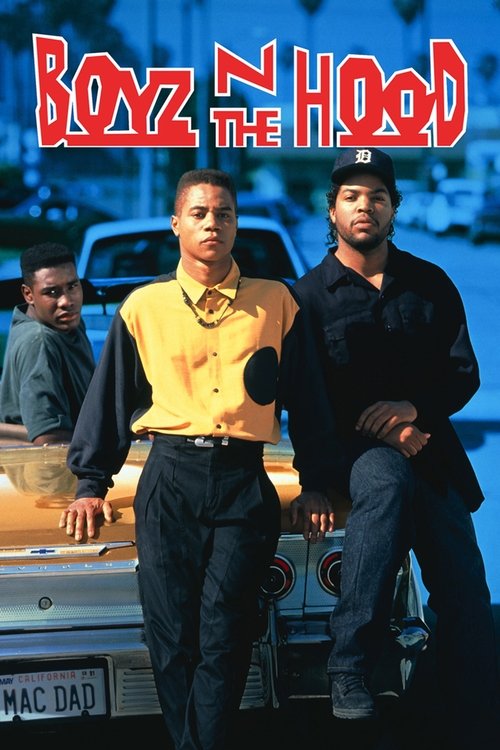
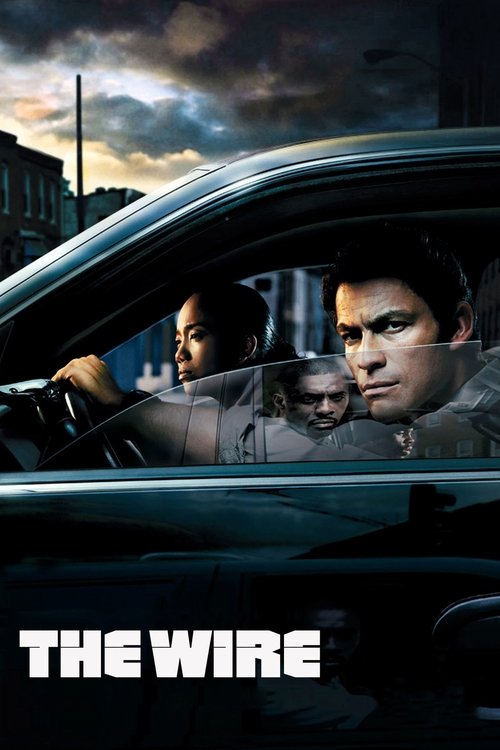
If you love The Outsiders: rival gangs and the city as a battlefield
Stories where turf, class, and belonging collide
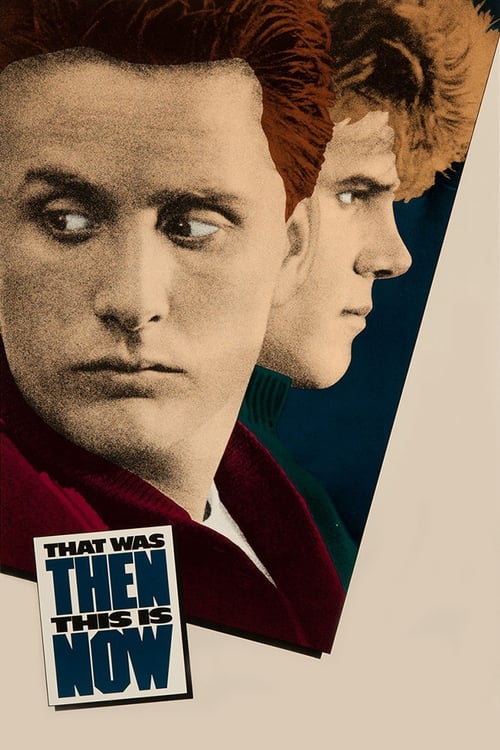
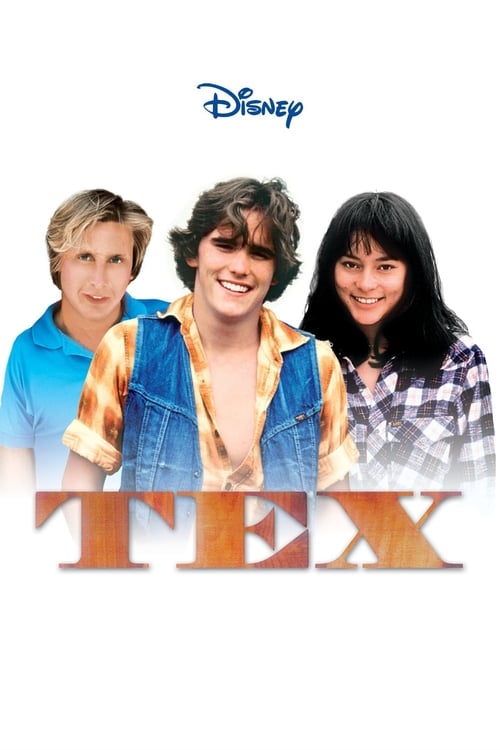
If you love The Outsiders: S.E. Hinton's Tulsa universe
The other novels Hinton set in the same world, and their screen versions
More Coming of Age and Gangs
Coming of Age
Explore the Coming of Age guide →Stay gold, Ponyboy.The Outsiders (1967), S.E. Hinton