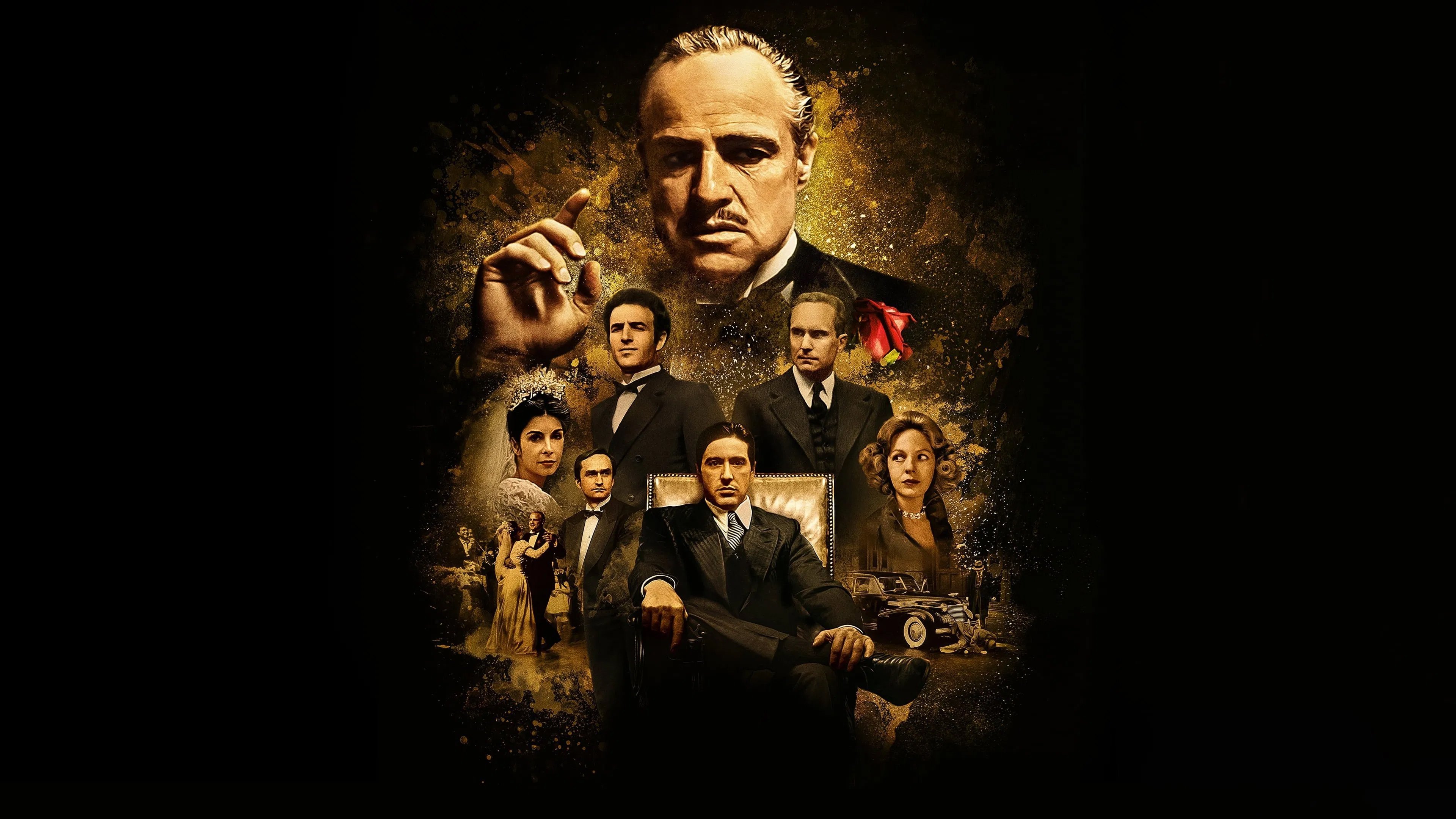

The Man Who Made America Look at Itself
Francis Ford Coppola spent decades making films that felt less like entertainment and more like acts of reckoning. He is the director of The Godfather and The Godfather Part II, two films that together form one of the most complete and devastating portraits of American ambition ever put on screen. He is the man who took a war-novel adaptation into the jungle and came back three years later with Apocalypse Now, a film so unruly and so genuinely disturbing that it still feels like it was made outside the normal rules of cinema.
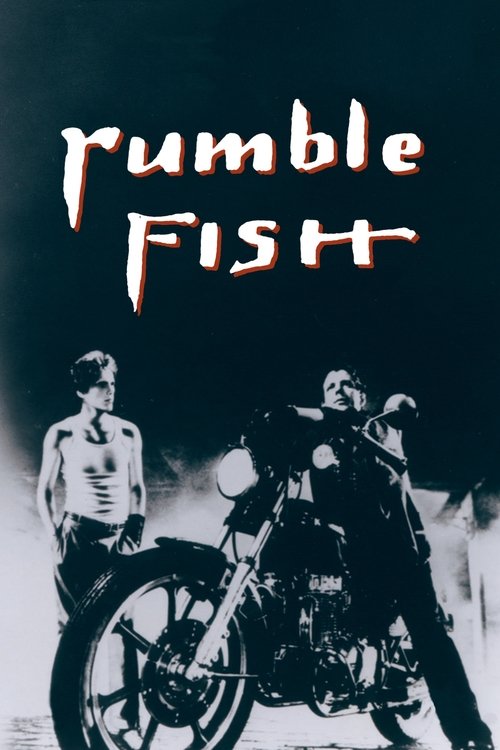
What a Coppola fan loves is a specific texture: grandeur that is always on the verge of collapse. His films are operatic but grounded in face and gesture, in the way light falls on a table or the way a man pauses before he speaks. The themes return across decades: family as a trap and a refuge, the cost of power, the seduction of ideals that rot from the inside, the gap between who we are and who we wanted to become. Even his smaller, stranger films, The Conversation, Rumble Fish, Bram Stoker's Dracula, carry this quality of beautiful, melancholy overreach. He is not a minimalist. He reaches, and sometimes he falls, and even the falling is interesting.
Essential Francis Ford Coppola
His own films, in the order worth seeing them
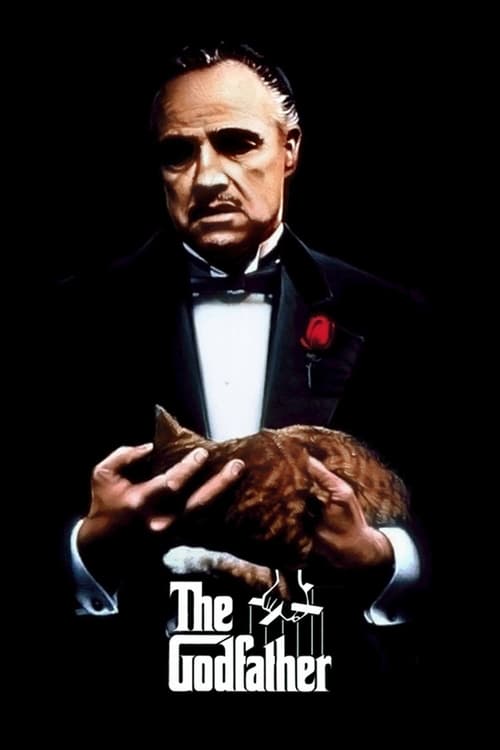
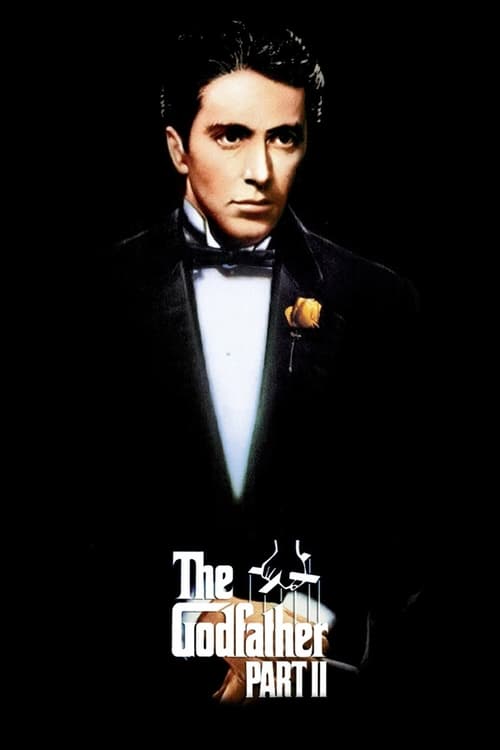



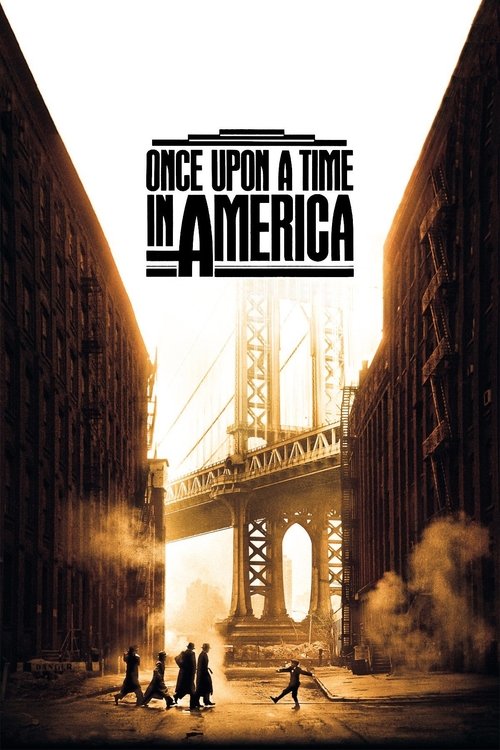
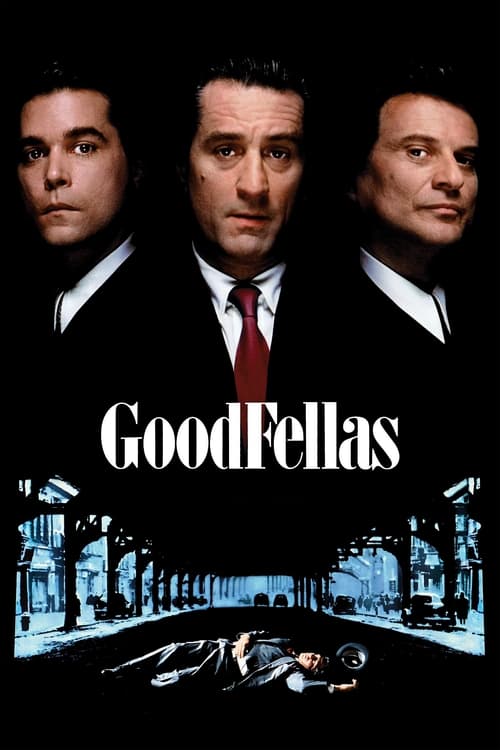
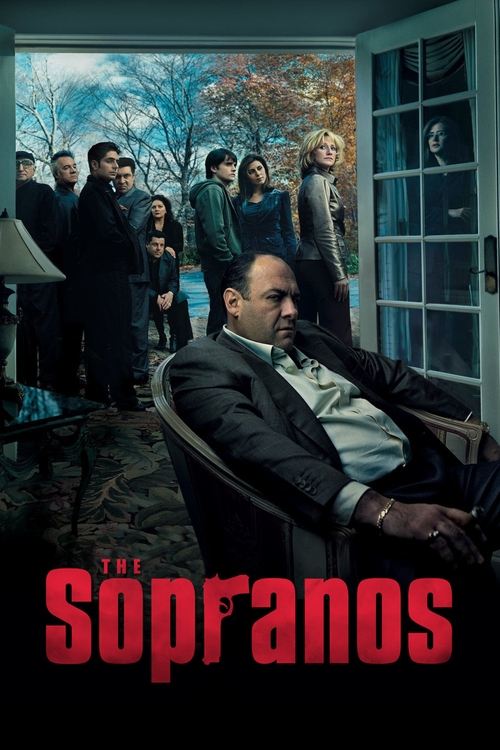
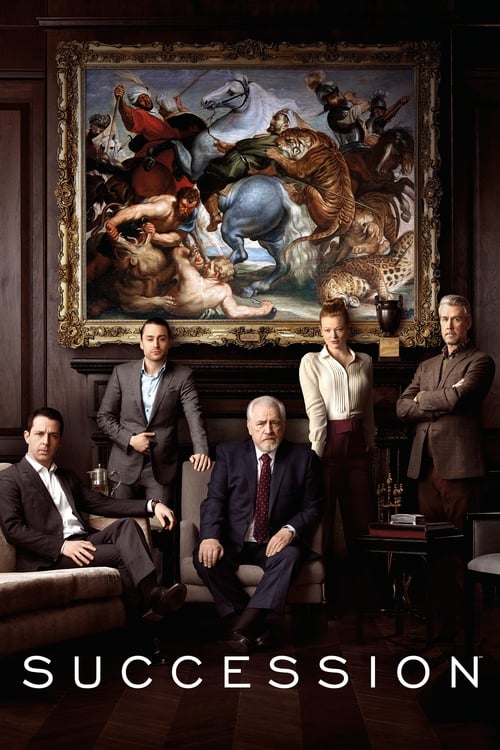
Empires Built on Blood
Sagas of family, loyalty, and the long cost of power


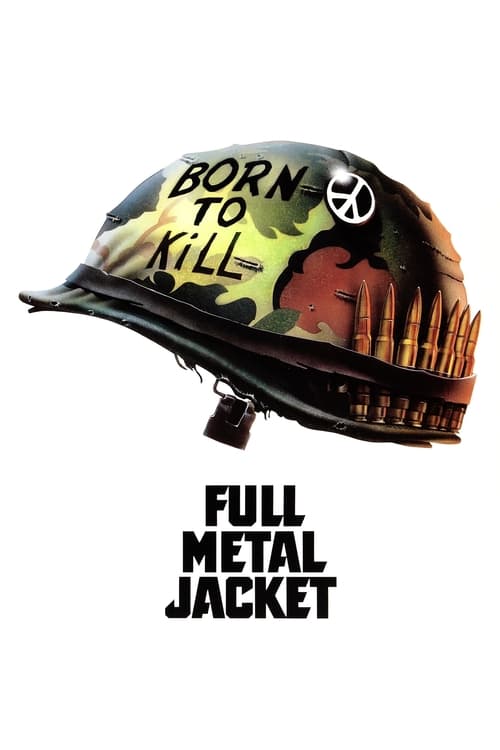
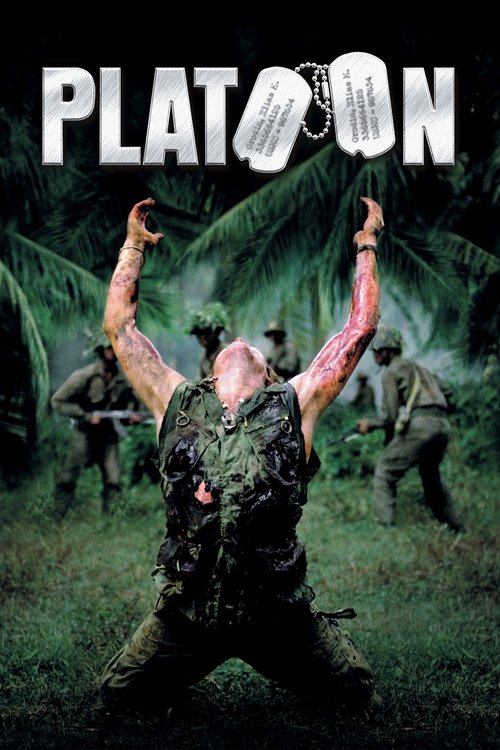
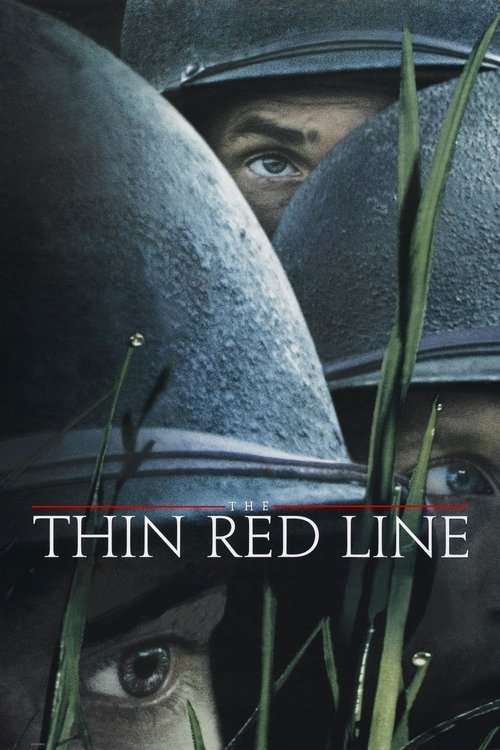
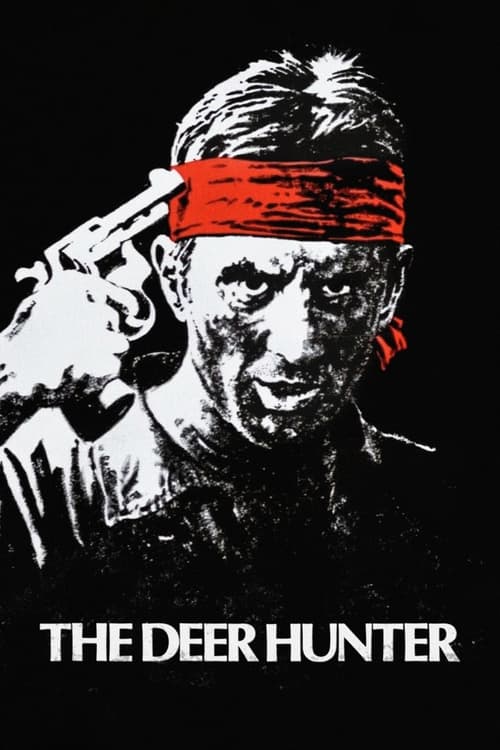
Into the Dark: War, Madness, Moral Collapse
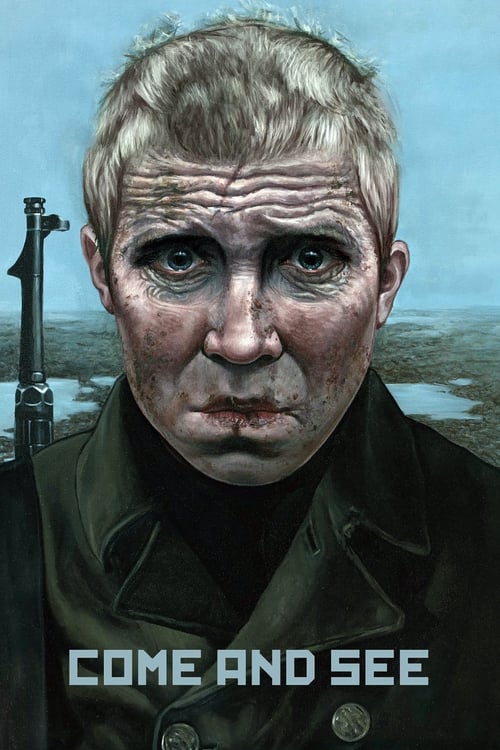
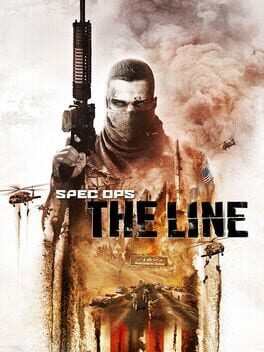
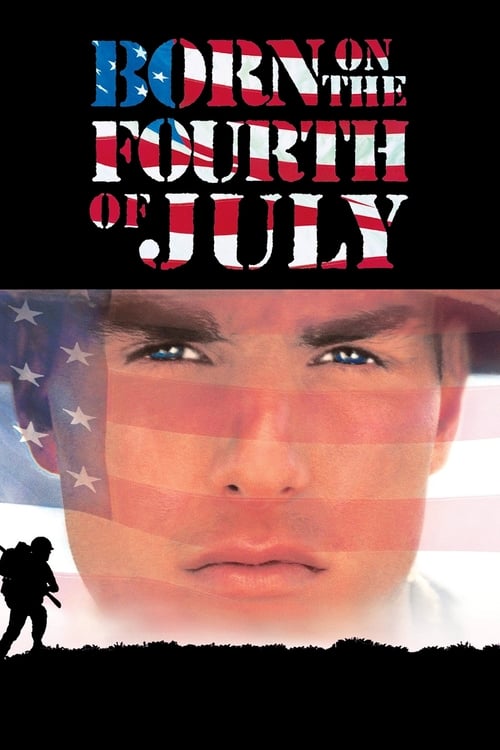
Films and books that follow Apocalypse Now into the abyss


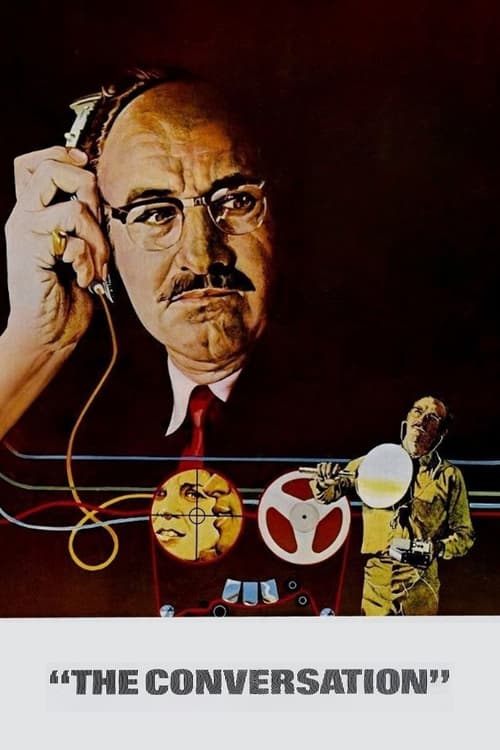
The Conversation is the perfect entry point that nobody uses
Everyone starts with The Godfather, which is correct. But The Conversation (1974) is the film that shows you what kind of filmmaker Coppola actually is when commerce is not the driving force. A surveillance expert unravels over a recording he cannot stop replaying. It is a film about guilt, interpretation, and the paranoia of knowing too much. Made the same year as The Godfather Part II, it won the Palme d'Or at Cannes. It is small, interior, almost unbearably tense, and it is the film that shows you the full range of what he can do.
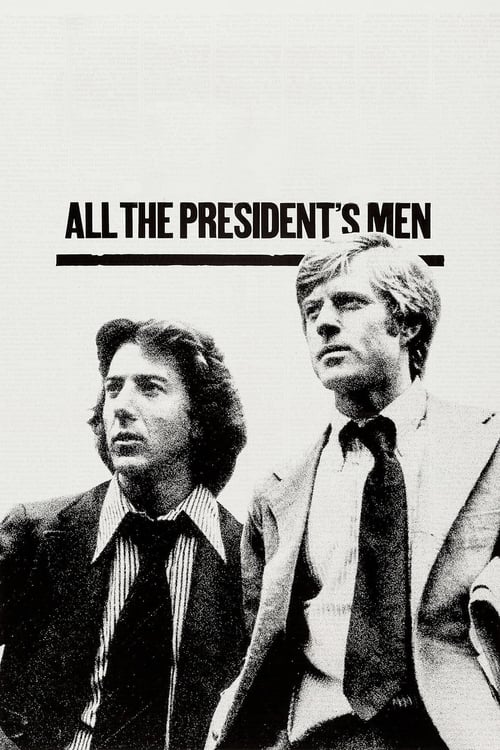
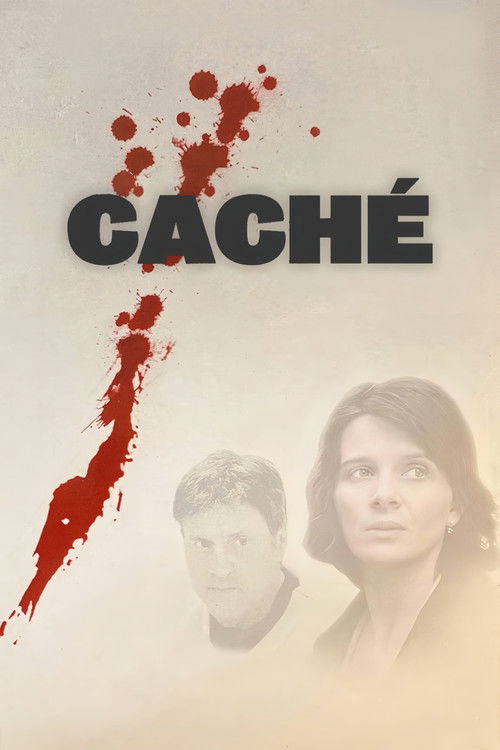
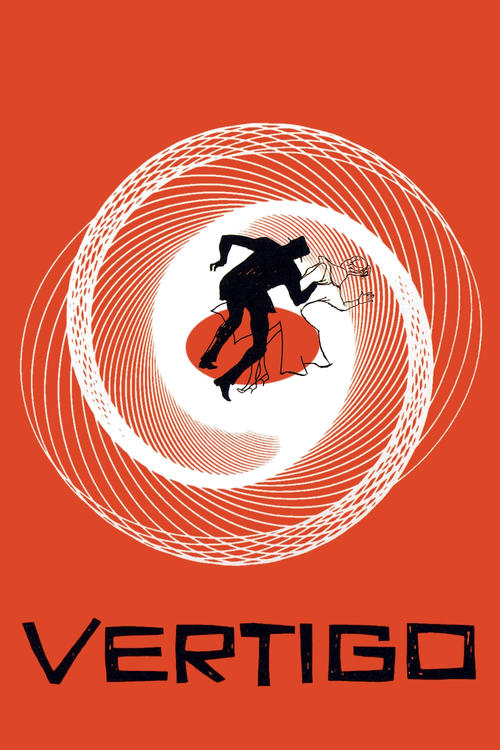
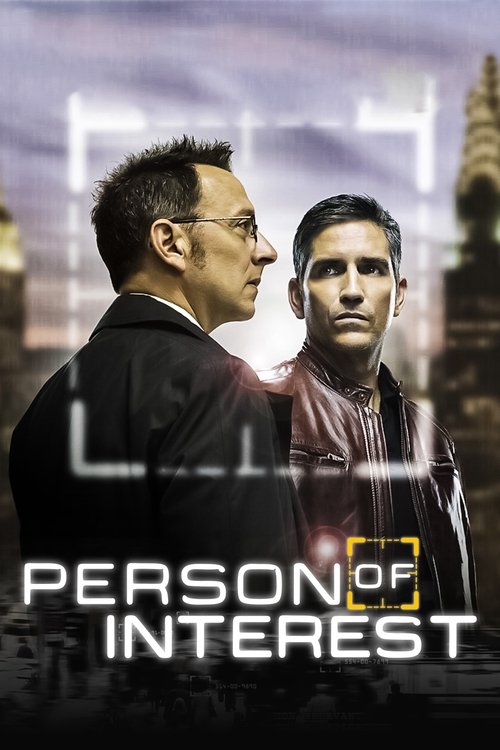
Surveillance, Paranoia, the Isolated Self
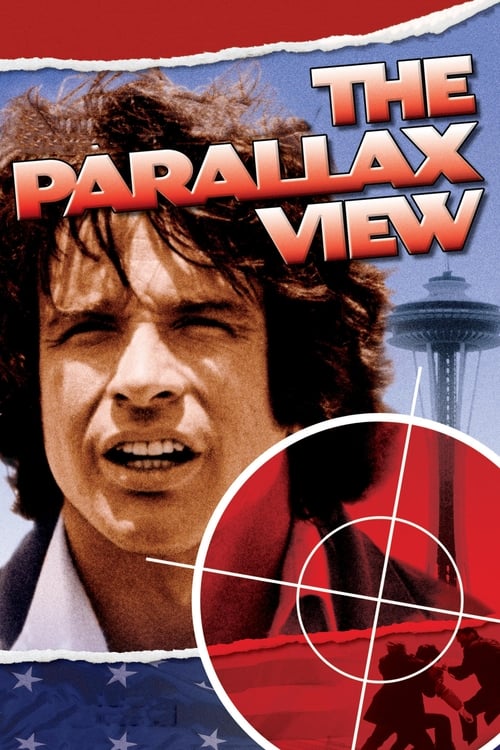
Spiritual cousins to The Conversation


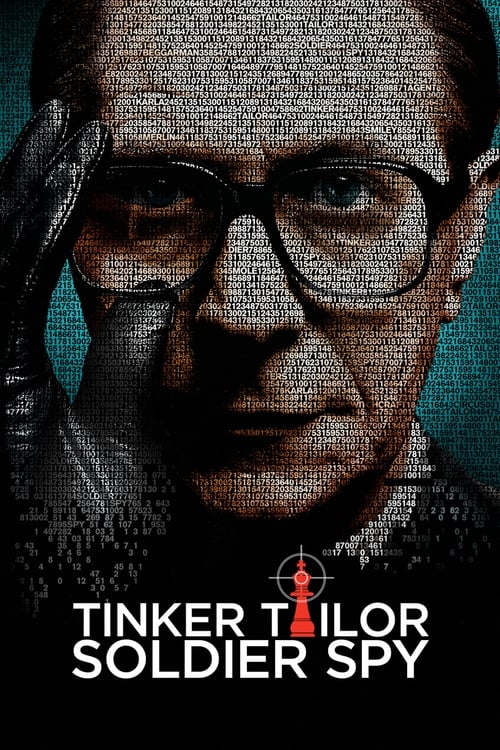
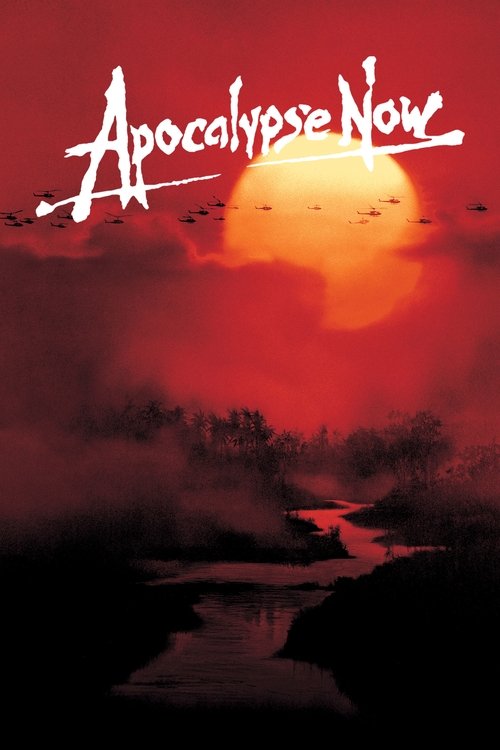
Apocalypse Now is not a war film. It is a film about how men make meaning out of violence.
Critics spent years debating whether Apocalypse Now was an accurate portrait of Vietnam. That was always the wrong question. The film borrows Joseph Conrad's frame story (a river journey into darkness to find a man who has gone beyond all rules) and uses it to ask what happens to ideology when it meets reality at full force. Kurtz is not the villain. He is the endpoint of a logic that was present at the beginning. Coppola went over budget, nearly lost his mind making it, and produced something that cannot be described as a success or a failure because it operates outside those categories.
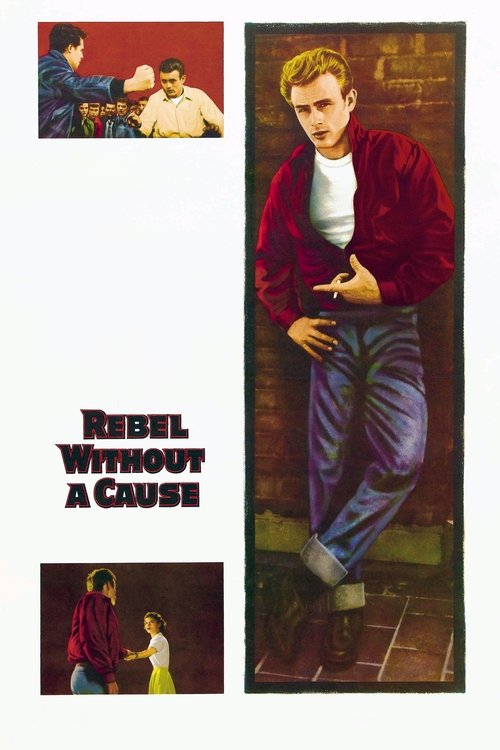
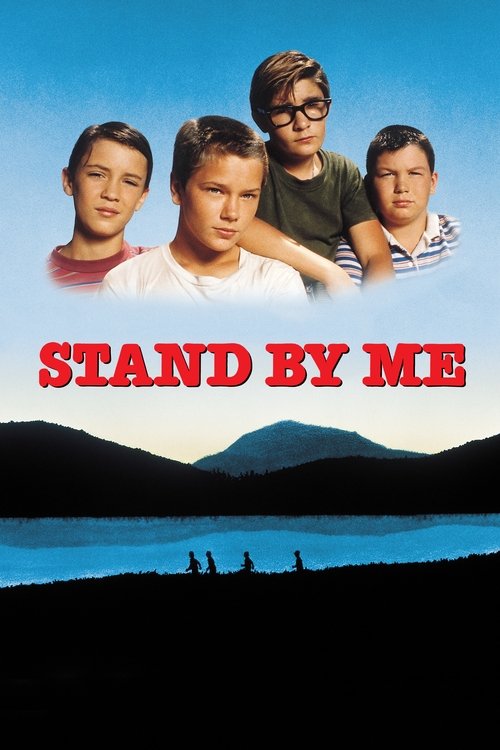
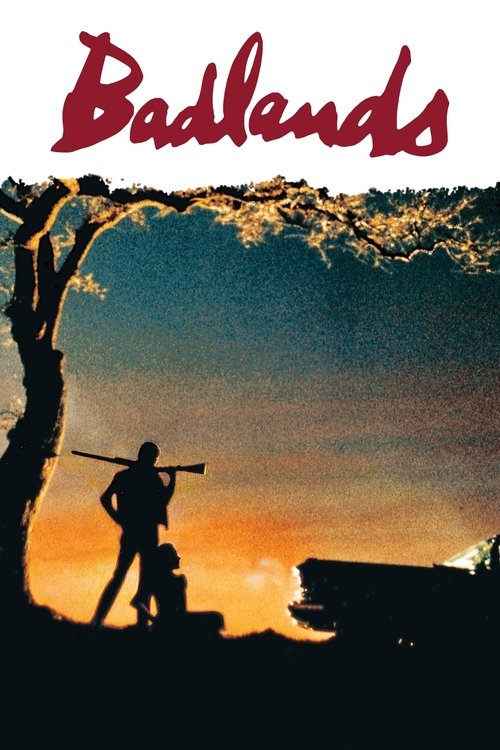
Gorgeous, Doomed Youth
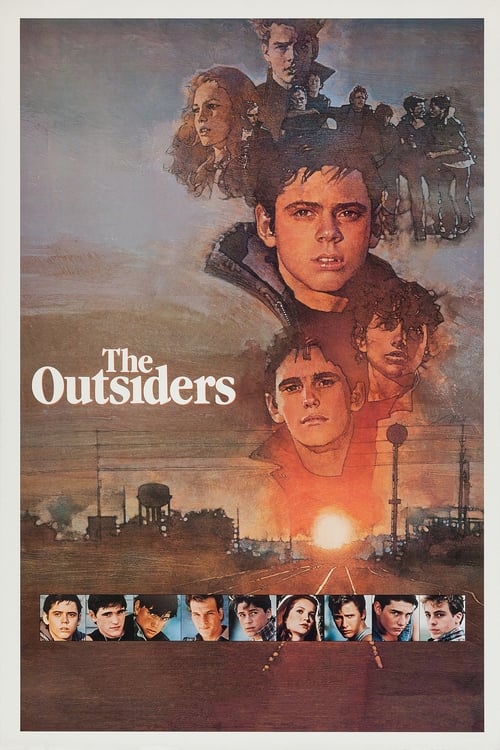
The teenage romanticism of The Outsiders and Rumble Fish, extended



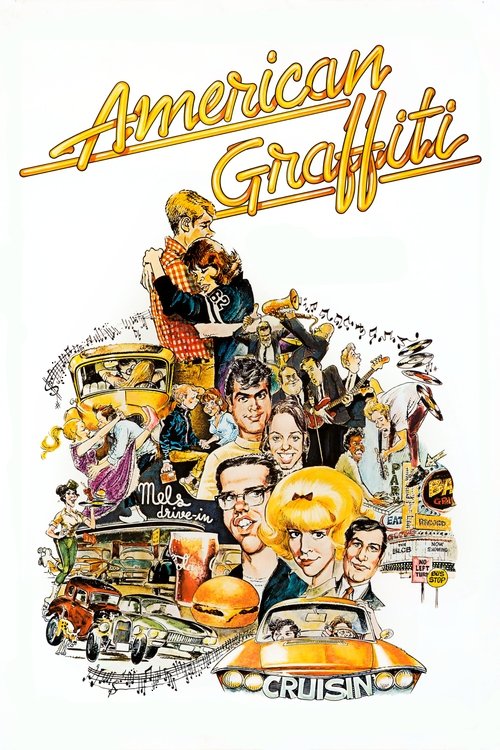
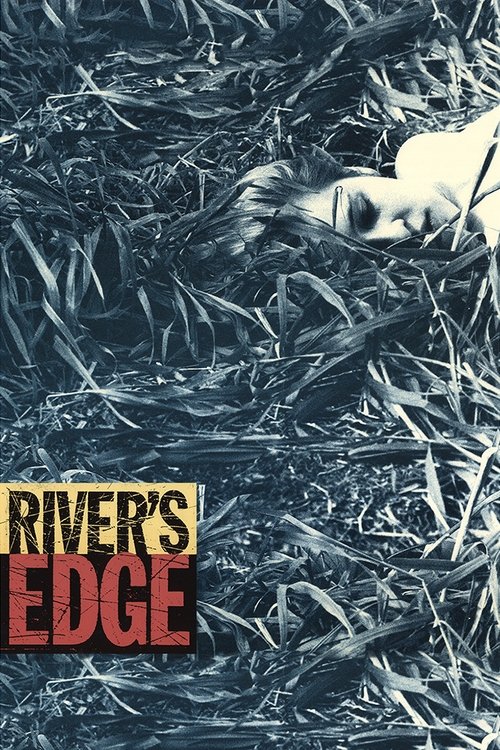
The Godfather Part II is the rare sequel that retroactively improves the original
The first film is a masterpiece of genre: it takes crime-novel material and gives it weight and dignity. The second film is something rarer. By intercutting young Vito's rise in 1910s New York with Michael's moral disintegration decades later, it turns the saga into a meditation on whether the American dream was ever anything other than a story we tell to justify what we take. Al Pacino's performance in the final scene is one of the most chilling images of isolation in American cinema. You understand everything, and nothing can be undone.
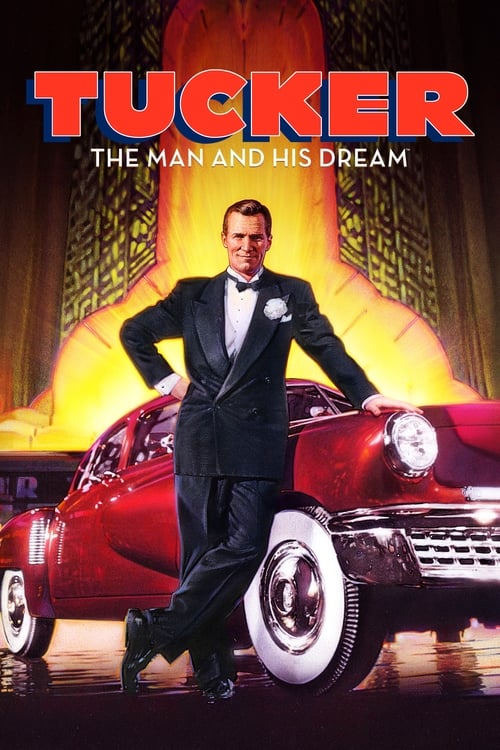
Tucker: The Man and His Dream is the underrated film in the catalogue
Tucker (1988) is Coppola making a film about himself: an inventor-dreamer with outsized vision crushed by the institutional forces that surround him. Jeff Bridges plays Preston Tucker, who built a genuinely superior car and was destroyed by the auto industry's lawyers and lobbyists. It is warm, funny, and intermittently heartbreaking. It flopped on release and has barely been discussed since. It deserves to be. As a document of Coppola's own complicated relationship with Hollywood, it is probably the most transparent film he ever made.
I don't think there's any artist of any value who doesn't doubt what they're doing.Francis Ford Coppola
Coppola: The Arc
- 1963Dementia 13: debut feature produced by Roger Corman
- 1970Patton screenplay wins the Academy Award
- 1972The Godfather released; becomes highest-grossing film of its era The Godfather
- 1974The Conversation wins Palme d'Or; The Godfather Part II released The Godfather Part II
- 1979Apocalypse Now: three years in the jungle, another Palme d'Or Apocalypse Now
- 1983The Outsiders and Rumble Fish released in the same year
- 1988Tucker: The Man and His Dream, a commercial disappointment
- 1990The Godfather Part III closes the trilogy
- 1992Bram Stoker's Dracula: Gothic spectacle, massive commercial hit
- 2024Megalopolis: self-financed, decades-in-development epic released Megalopolis