
A pig who wanted to be a sheepdog
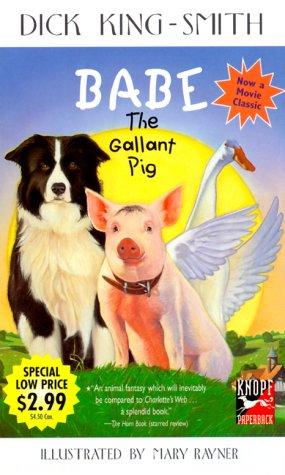
Dick King-Smith published The Sheep-Pig in the UK in 1983. It is the story of Babe, a piglet who arrives on Farmer Hoggett's farm as a prize at a fair and quietly, improbably, learns to herd sheep, not by barking commands but by asking politely. King-Smith, a former pig farmer himself, wrote it with the dry warmth of someone who had actually mucked out pens. The American edition was retitled Babe: The Gallant Pig, and a later UK tie-in edition adopted the film title Babe outright, so the same story has circulated under at least three names depending on where and when you bought it.
The story traveled slowly at first. It won the Guardian Children's Fiction Prize in 1984, built a quiet readership through the late 1980s, and then accelerated sharply when Australian filmmaker George Miller optioned it for the screen. The 1995 film Babe, directed by Chris Noonan, arrived as something of a surprise: a G-rated talking-animal picture that earned seven Academy Award nominations including Best Picture, which was not something anyone had predicted for a movie about a polite pig. A darker, stranger sequel followed in 1998. After that, the story stayed more or less inside those two films and the novel, without the franchise sprawl that might have been expected. That restraint is part of what makes each version worth attention.
Every version of The Sheep-Pig
The source novel, its adaptations, and its editions

The Sheep-Pig across time
- 1983Novel published in the UK as The Sheep-Pig The Sheep-Pig
- 1984Wins the Guardian Children's Fiction Prize
- 1985US edition published as Babe: The Gallant Pig
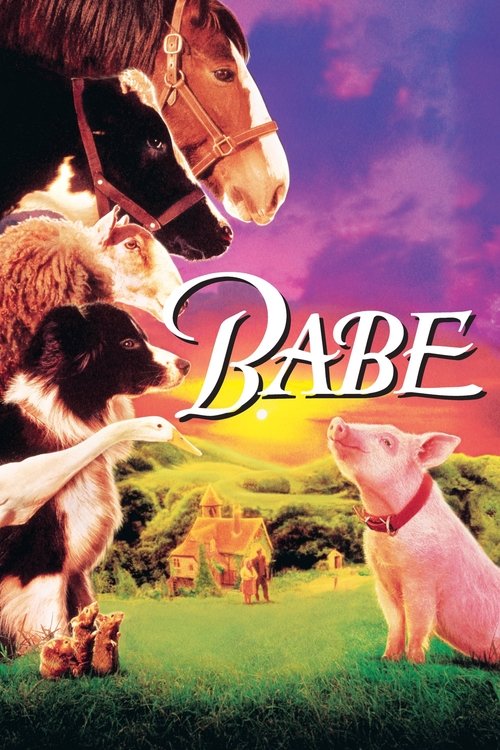
- 1995Film Babe directed by Chris Noonan, produced by George Miller Babe
- 1995Tie-in picture book and novelisation editions appear
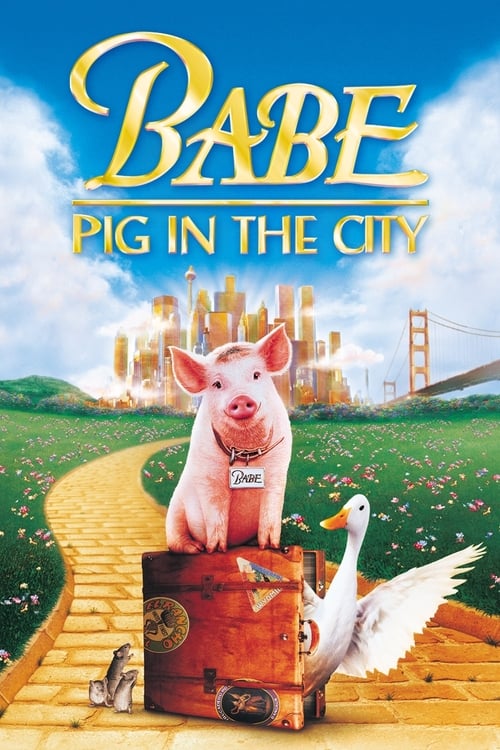
- 1998Babe: Pig in the City directed by George Miller Babe: Pig in the City
If you love Babe: children's classics that crossed to screen
Beloved novels that made the jump to film without losing what mattered
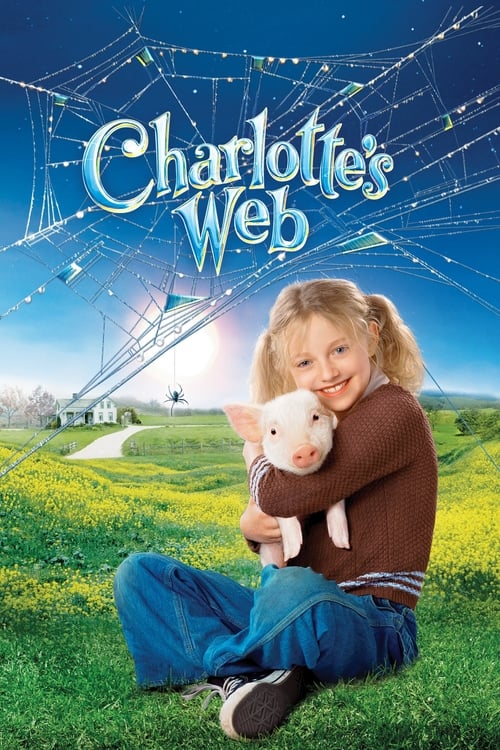


If you love The Sheep-Pig: animals learning to belong
Stories about creatures who find a place in the world by being exactly themselves

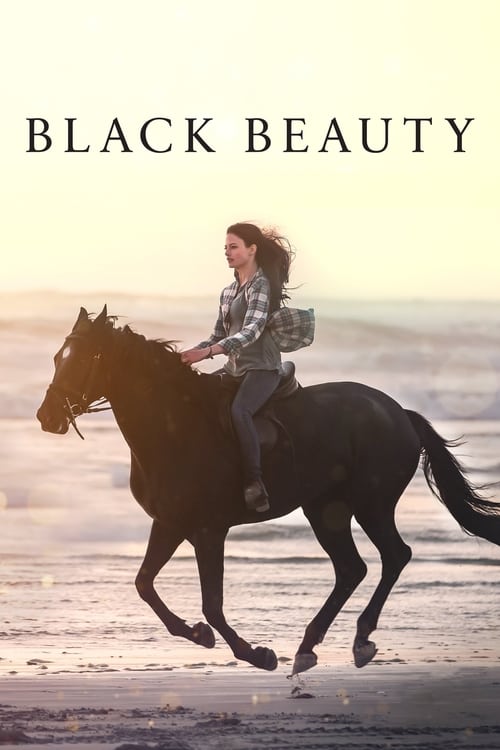


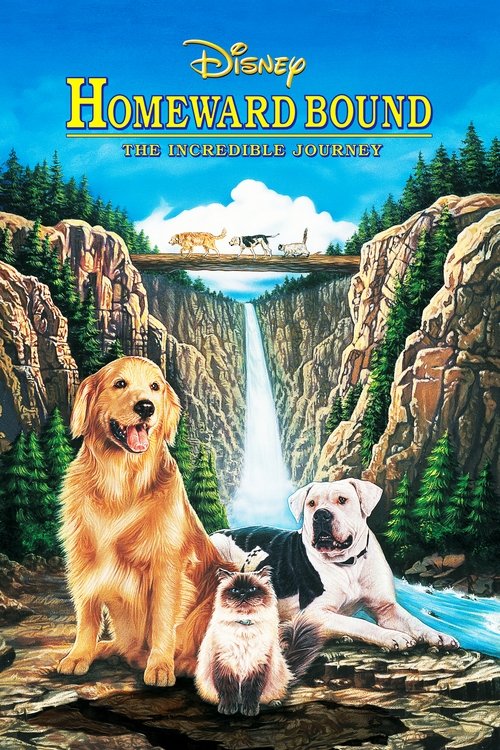
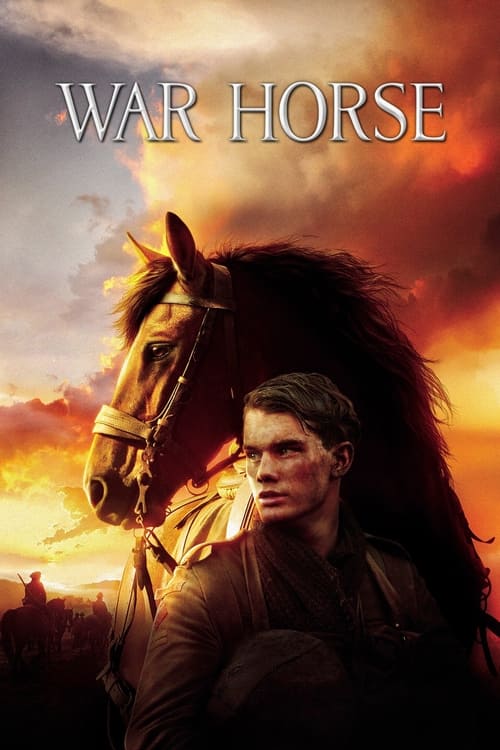
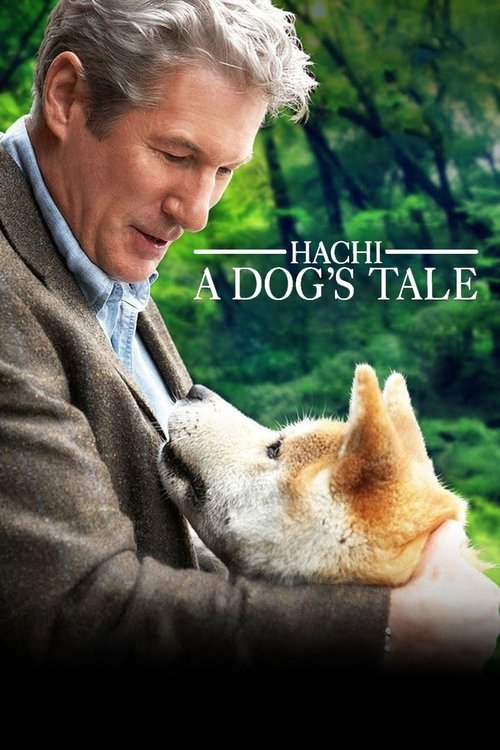
If you love Babe: strange, warm George Miller worlds
Films with the same mix of darkness, heart, and practical craft
The definitive version: the 1995 film
Chris Noonan's Babe is the better version of this story, and not by a small margin. The animatronic and trained-animal work is better than it had any right to be in 1995 and has not dated badly. The decision to keep the animals' mouths moving just enough to imply speech rather than going full cartoon was correct and remains correct. James Cromwell's Farmer Hoggett barely speaks, and the film is better for it. Nigel Westlake's score, built around Saint-Saens, is one of the best children's film scores of the decade. This is the version that most people mean when they say they love this story, and they are right to mean it.
The underrated one: Babe: Pig in the City
George Miller took the sequel in a direction that bewildered audiences in 1998 and still divides them. Babe: Pig in the City is darker, more expressionist, and more interested in precarity and urban strangeness than in rural warmth. It flopped commercially and was widely described as a mistake. But it is a genuinely ambitious film, closer in spirit to a fever dream than a family sequel, and it has aged into something that feels more distinctive the further you get from its release. King-Smith's novel contains none of this story; Miller invented it whole. That freedom shows, and the invention is real.
Read the novel: it is not just a prequel to the film
King-Smith's original novel is shorter and plainer than the film, and worth reading on its own terms rather than as a source document. The prose has a dry English matter-of-factness that the film translates into warmth but cannot quite replicate. The Hoggetts are less central, the sheep are funnier, and the ending arrives with less fanfare. It is a small book with a clear argument: that kindness is a more effective tool than force, and that the category you are placed in at birth does not determine what you can become. That argument lands differently on the page than on screen, and the difference is instructive.