
One novel, sixty years of spots
Dodie Smith published The Hundred and One Dalmatians in 1956. A British playwright and novelist already known for I Capture the Castle, she based the story partly on her own dalmatians. The book follows Pongo and Missis, two dalmatians living in London, whose puppies are stolen by the fur-obsessed Cruella de Vil so she can make a spotted coat. The parents mount a rescue through a canine communication network called the Twilight Barking, liberate 99 puppies from Cruella's country estate, and bring all 101 home.
Walt Disney acquired the rights almost immediately. The 1961 animated film was not only a commercial hit but a turning point for the studio: it was the first feature to use xerography to transfer animators' drawings directly to cels, giving it a scratchy, graphic quality that no Disney film before or since quite matches. From that one film grew a live-action remake, a TV series, a direct-to-video animated sequel, and a prequel built entirely around the villain. The original novel has never gone out of print.
Every version of 101 Dalmatians
The source novel and every screen adaptation, in order



101 Dalmatians across the decades
- 1956Dodie Smith publishes the original novel
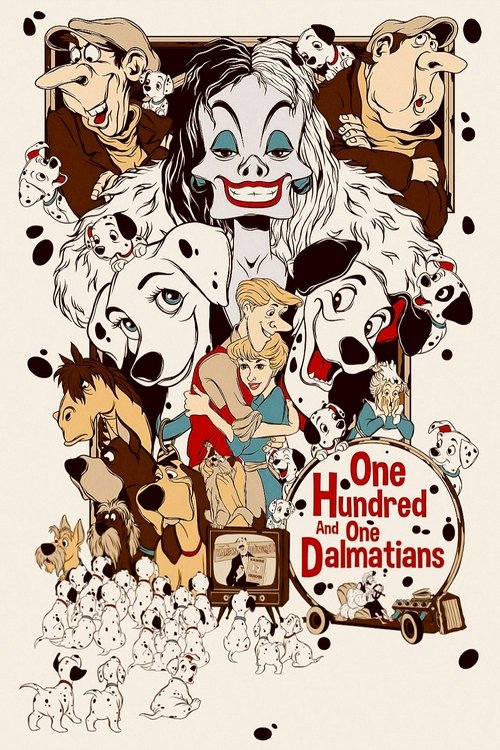
- 1961Disney's animated feature, the first to use xerographic cel transfer One Hundred and One Dalmatians
- 1967Smith publishes the sequel novel, The Starlight Barking
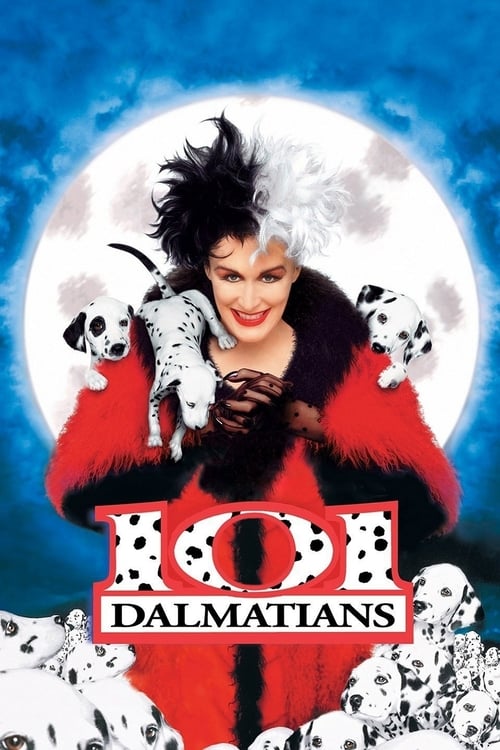
- 1996Live-action remake with Glenn Close as Cruella 101 Dalmatians
- 1997Animated TV series spins off from the live-action film 101 Dalmatians Series
- 2000Live-action sequel with Glenn Close returning 102 Dalmatians
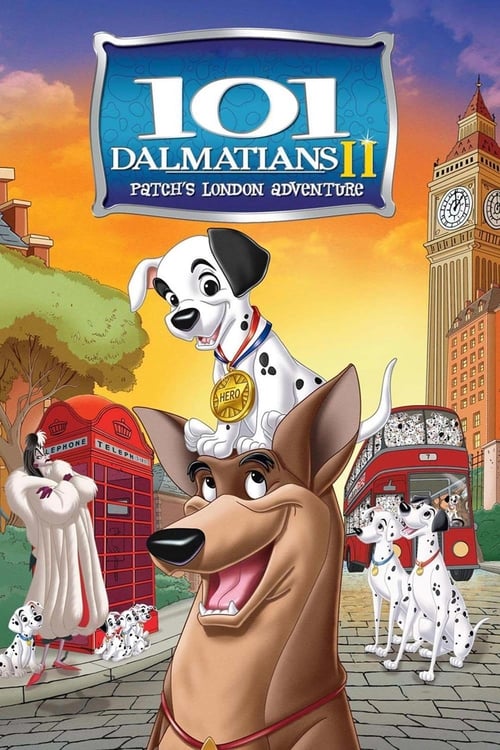
- 2003Direct-to-video animated sequel focuses on one overlooked puppy 101 Dalmatians II: Patch's London Adventure
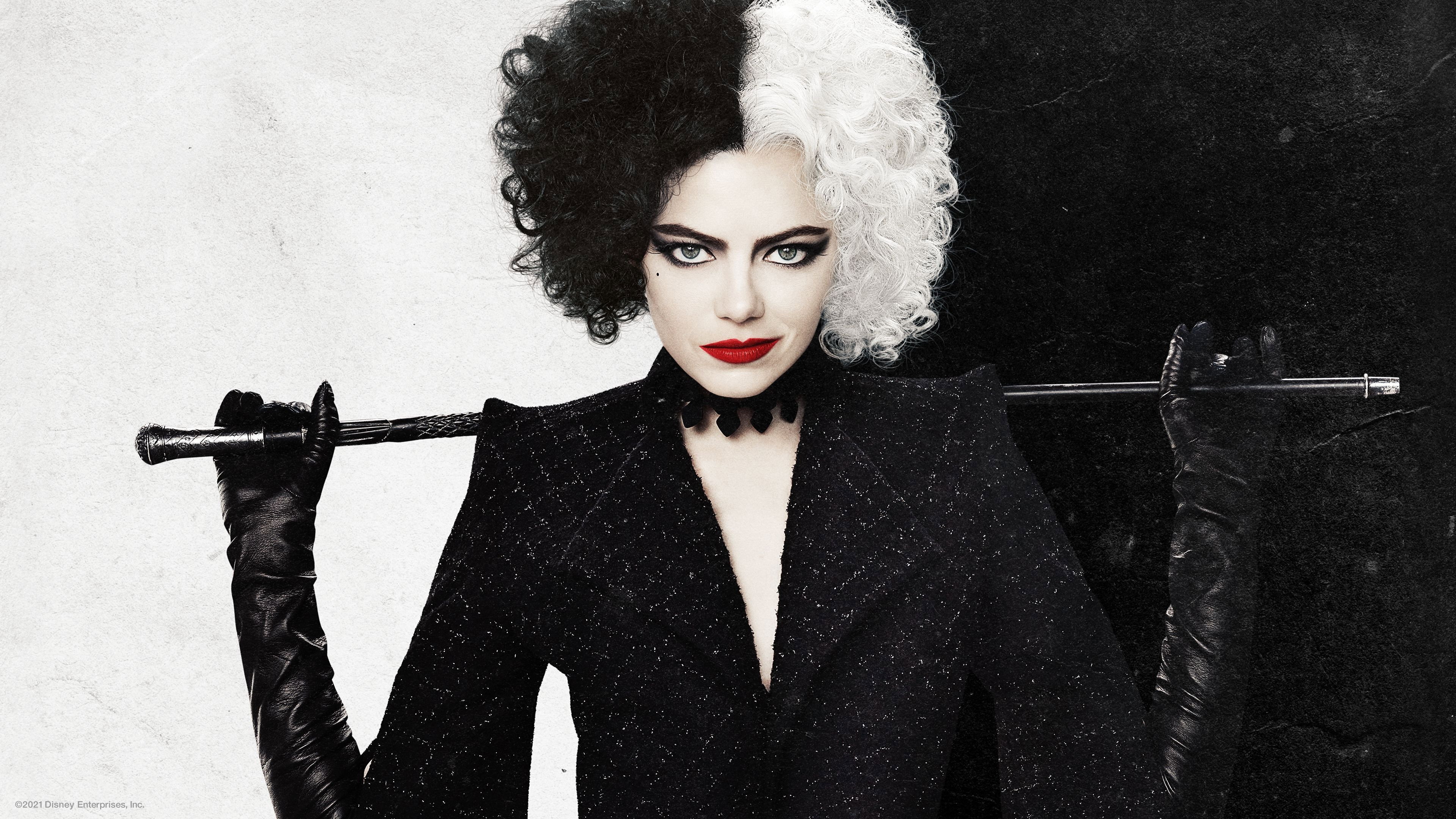
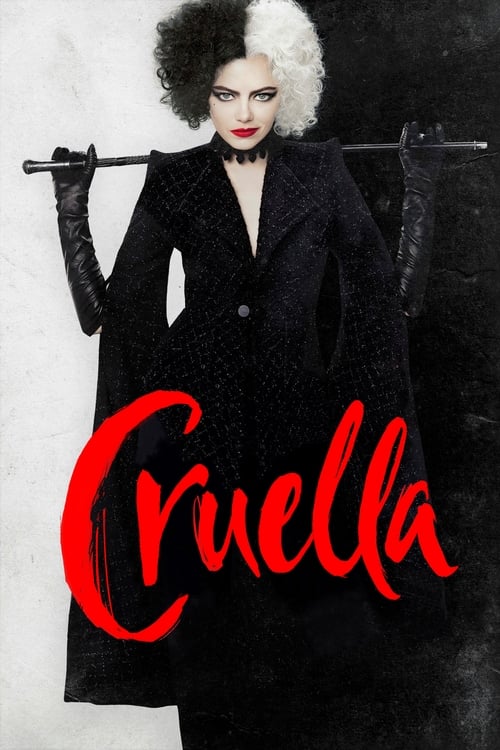
- 2021Villain origin story prequel, set in 1970s London Cruella
The definitive version is still the 1961 animation
The xerographic line work gives the 1961 film a looseness that later Disney features abandoned in pursuit of cleanliness. Cruella de Vil remains one of the studio's best villains precisely because she is never softened into comedy: she wants to skin animals for a coat and the film does not blink at that. The Twilight Barking sequence is genuinely exciting storytelling at any age. Every subsequent version of this story exists in the 1961 film's shadow, and most of them know it.
The underrated one: the 1996 live-action film
Glenn Close's Cruella is a genuinely unhinged comic creation, all cigarette holders and shrieking entrances, and the decision to tell the story entirely from the dogs' point of view keeps it grounded. It gets dismissed as a 1990s nostalgia cash-in, but the location photography and practical animal work hold up better than most effects-driven family films of its era. The dogs are trained, not composited, and it shows.
The one to approach with caution: Cruella (2021)
The origin-story logic requires the film to make Cruella sympathetic, which means it cannot fully commit to the character who wants to skin 101 puppies. The result is a very well-dressed film that has essentially nothing to do with the story it is supposedly explaining. Watch it for Emma Stone and the costume design. Do not expect connective tissue with the original, because there is none.
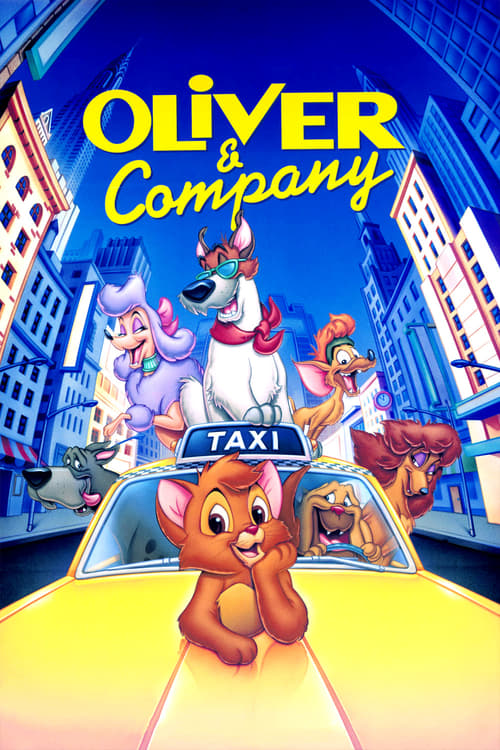
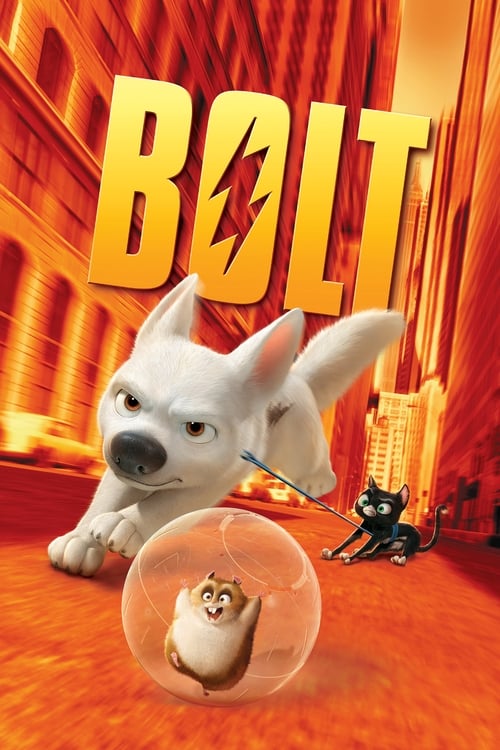
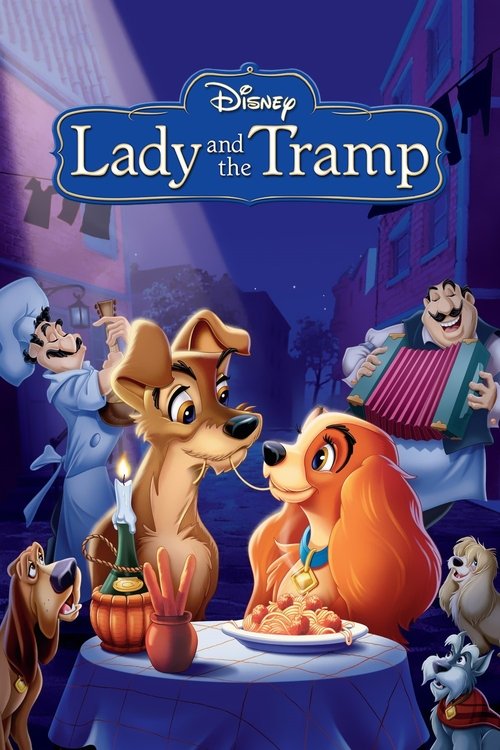
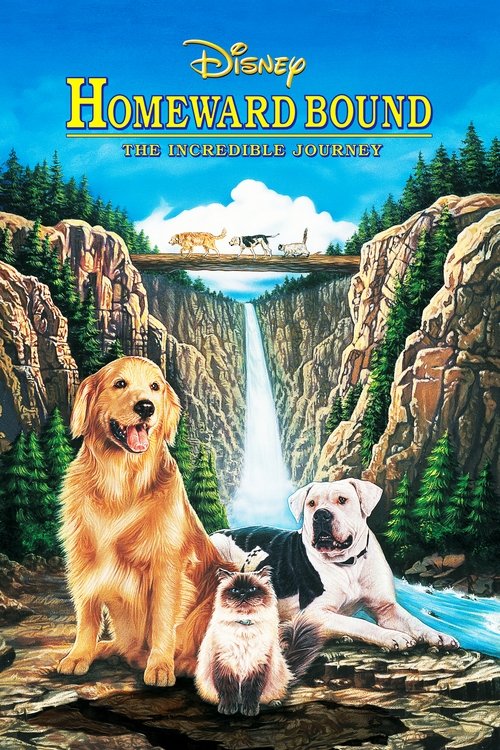
If you love the puppies: other beloved animated animal adventures
Stories where the animals are the heroes and the humans are mostly in the way


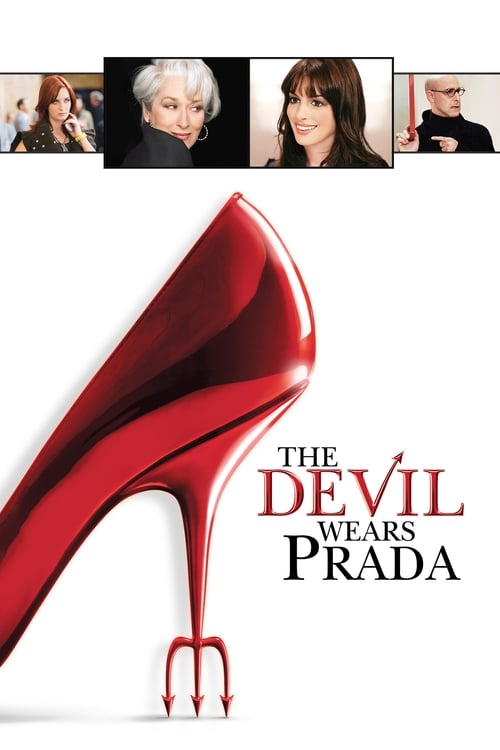
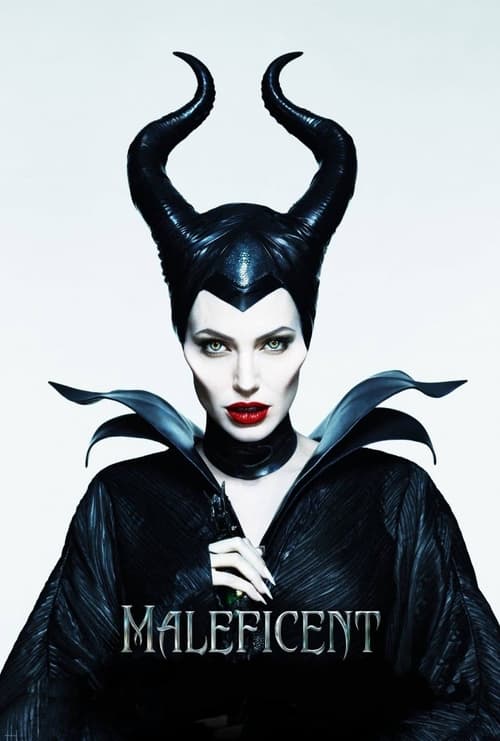
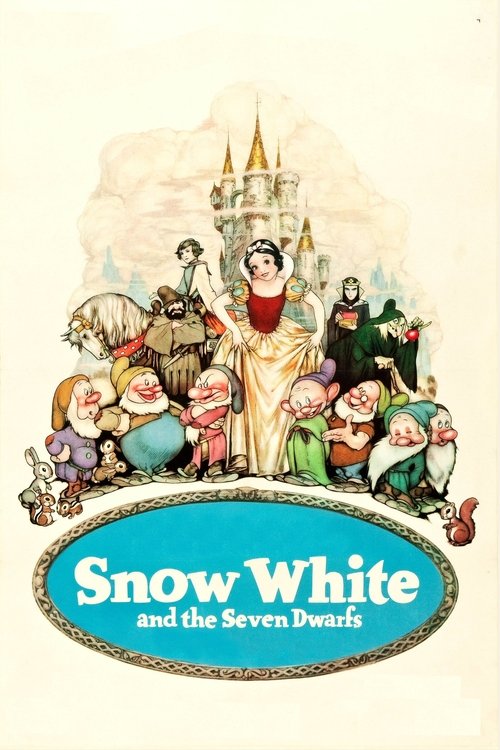
If you love Cruella de Vil: iconic screen villains with great wardrobes
Characters whose menace arrives with the outfit
If you love Dodie Smith: warm British stories with animals at the heart
The tradition the novel belongs to, in its best screen adaptations

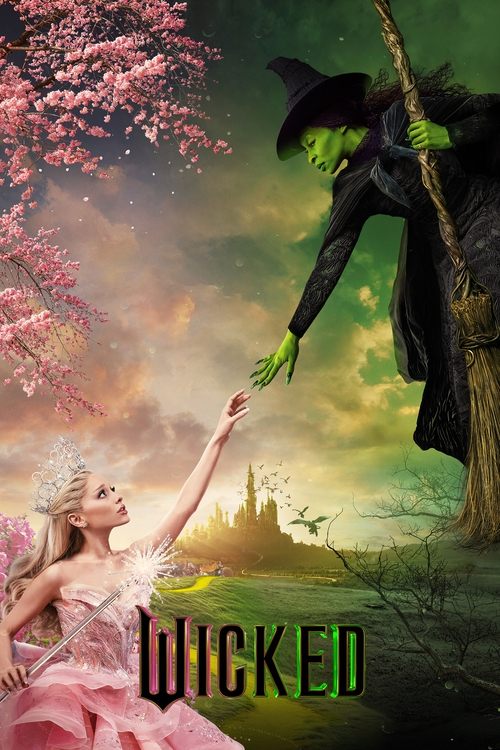
If you love the villain origin story format
Prequels and reframings that put the antagonist at the centre