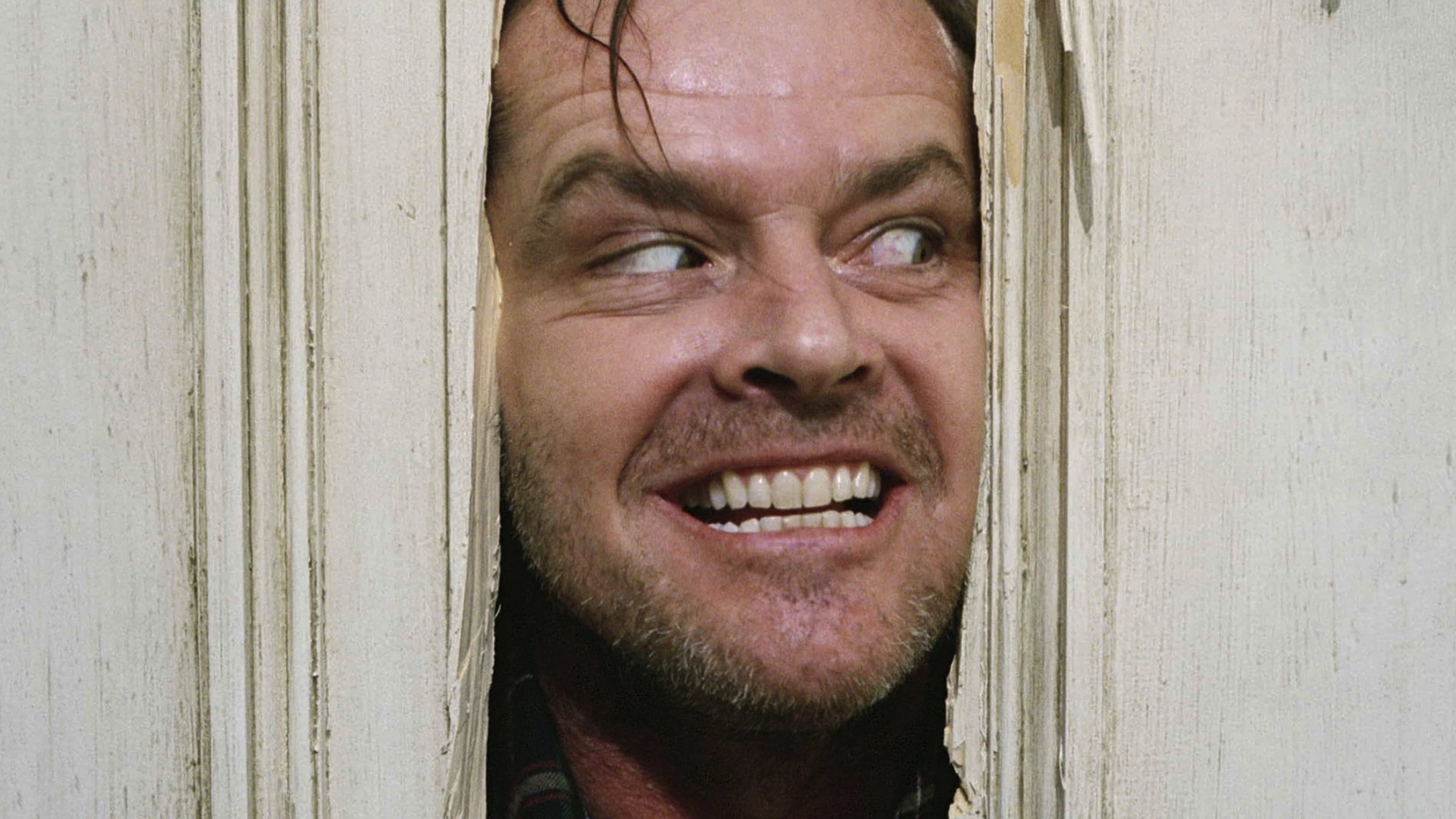

A hotel that will not let you go
Stephen King published The Shining in 1977 as his third novel, drawing on a stay he and his wife Tabitha took at the Stanley Hotel in Estes Park, Colorado, shortly before it closed for winter. That autobiographical core, a writer fighting alcoholism while caretaking an isolated resort with his young family, gave the book an urgency and interiority that set it apart from his earlier work. The Overlook Hotel, sentient and hungry, became one of American horror's most enduring locations.
The story moved to film four years later, when Stanley Kubrick adapted it into something King famously disliked: a colder, more visually formal work that replaced Jack Torrance's addiction arc with a portrait of male cruelty already present before the hotel lifts a finger. That creative tension between source and adaptation became part of the story's mythology. King eventually got his own version with a 1997 ABC miniseries he wrote himself. Decades later he returned to the material with Doctor Sleep (2013), following a grown-up Danny Torrance, which Mike Flanagan adapted for film in 2019. Few horror properties have accumulated such a layered, contested, cross-media life.
Every version of The Shining
The source novel, every screen adaptation, and the official sequel

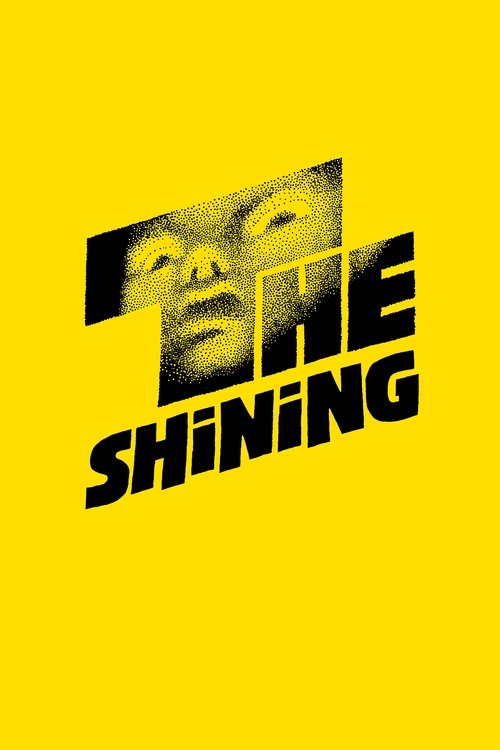
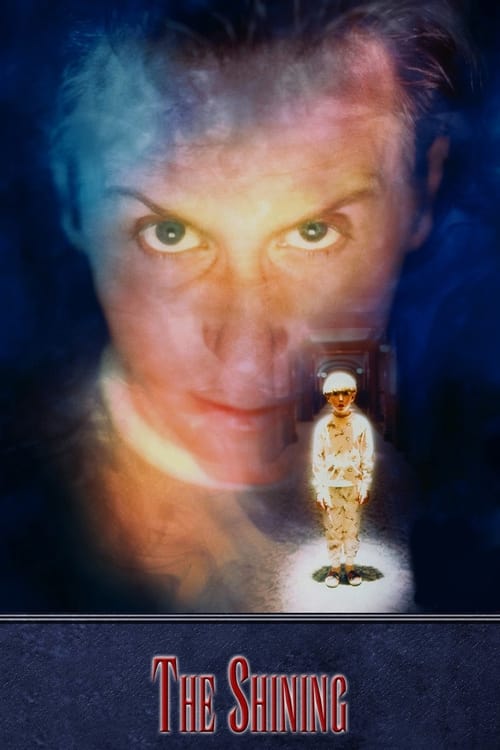
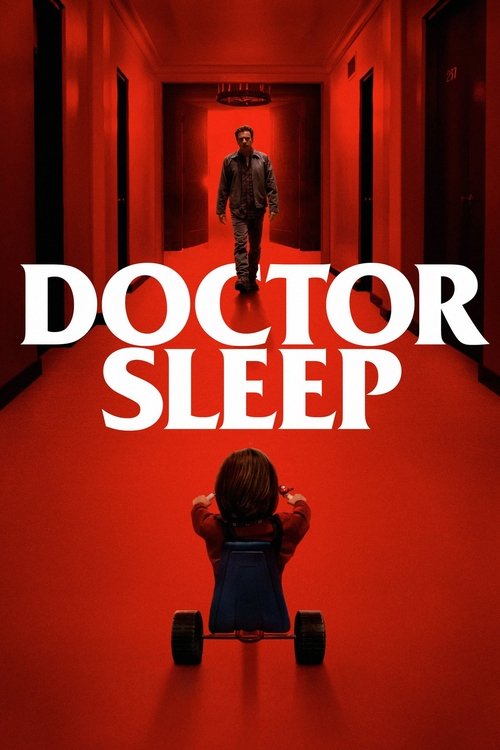
The Shining across the years
- 1977King publishes the source novel The Shining
- 1980Kubrick's film premieres The Shining
- 1997King's own ABC miniseries airs The Shining
- 2013King publishes the sequel novel
- 2019Mike Flanagan adapts the sequel Doctor Sleep
The definitive version: Kubrick's 1980 film
Kubrick's film is not a faithful King adaptation. It strips out the boiler, the topiary animals, and much of the father's sympathetic arc, and King spent years making his displeasure known. None of that changes what the film actually is: one of the most formally accomplished horror films ever made. The Steadicam work through the Overlook's corridors, the Wendy Carlos score, Jack Nicholson's performance as a man already broken before the hotel touches him. These remain unrepeatable. It is the version that made the Overlook a cultural landmark, and it is the reason this story is still being discussed.
The underrated version: King's 1997 miniseries
King wrote the screenplay himself and cast Steven Weber as Jack Torrance precisely to play the role his way: a man genuinely trying to hold his marriage and sobriety together, who is gradually corrupted rather than already gone. The topiary animals move. The boiler threatens the building. Compared with Kubrick's film it is less stylistically distinctive, but as an adaptation of what King actually wrote, it is far more accurate, and its emotional logic is more coherent. Viewers who know only the Nicholson version will find a genuinely different story here, and that difference is the point.
The surprising follow-up: Doctor Sleep (2019)
Mike Flanagan's Doctor Sleep had an almost impossible brief: honor King's sequel novel, satisfy fans of Kubrick's film, and somehow reconcile two versions of the Overlook that contradict each other. He largely pulled it off. Ewan McGregor's Danny is a convincing adult product of childhood trauma, and the film builds to a finale that uses Kubrick's imagery without tipping into fan service. What earns the film its place in this lineage is that it actually cares about the characters rather than the iconography: it is a recovery story wearing a horror film's clothes.
If you love the Overlook: haunted and cursed places
Buildings, hotels, and locations that do something to the people inside them


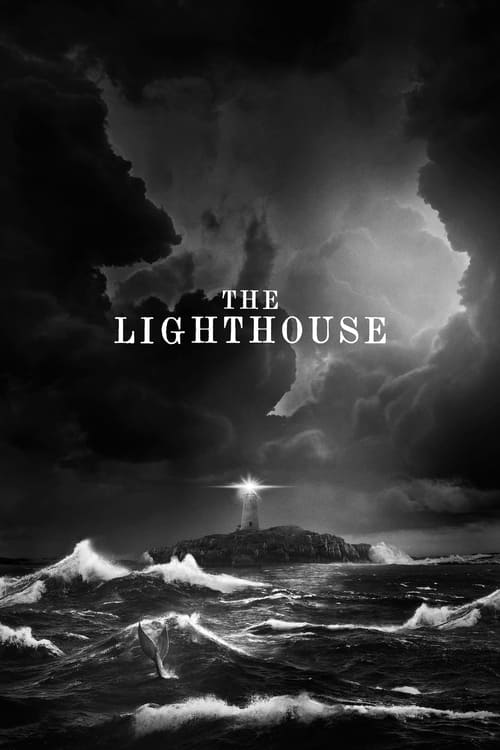
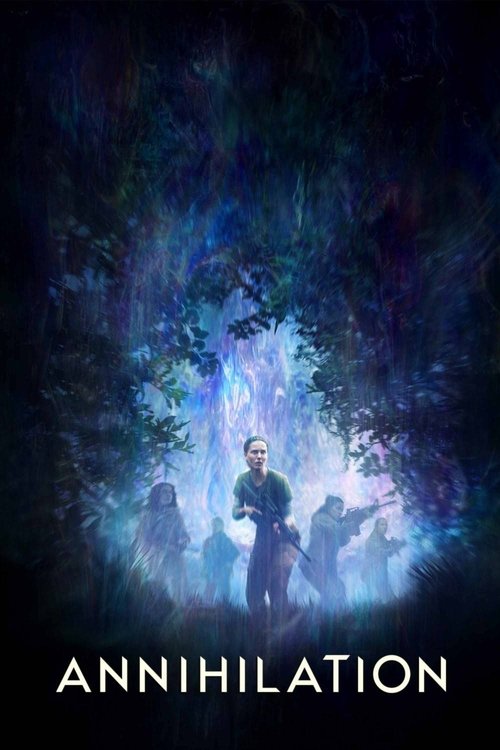
If you love the father's unraveling: isolation and psychological collapse
Stories about minds under pressure in enclosed or remote settings


If you love Danny's gift: psychic children and second sight
Stories centered on children or adults with extrasensory abilities

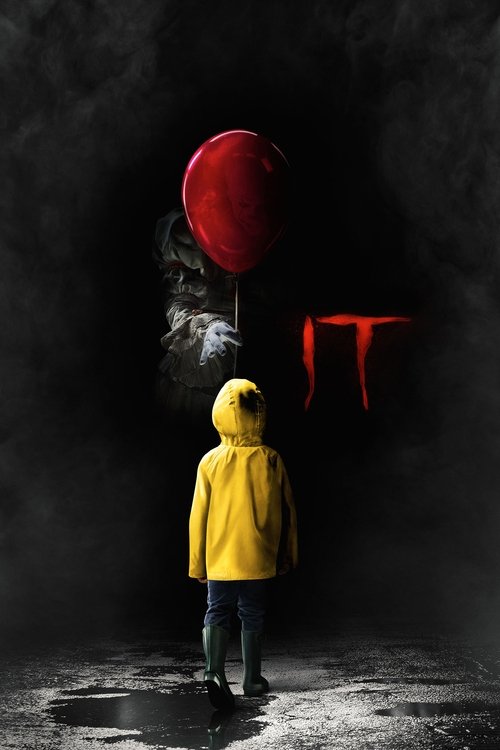
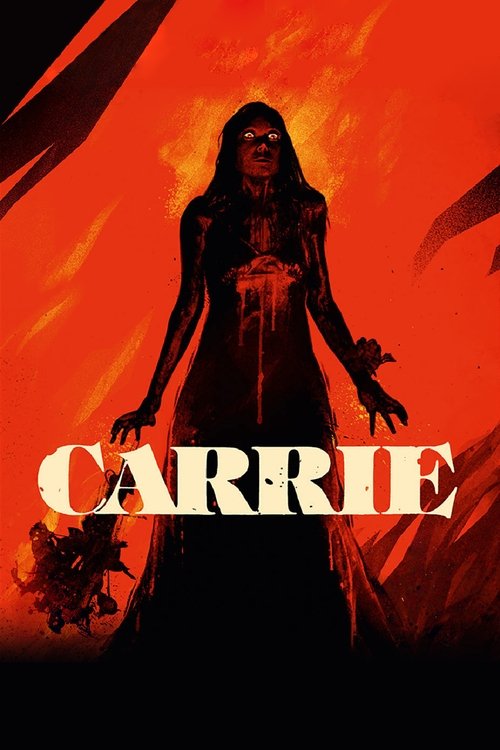
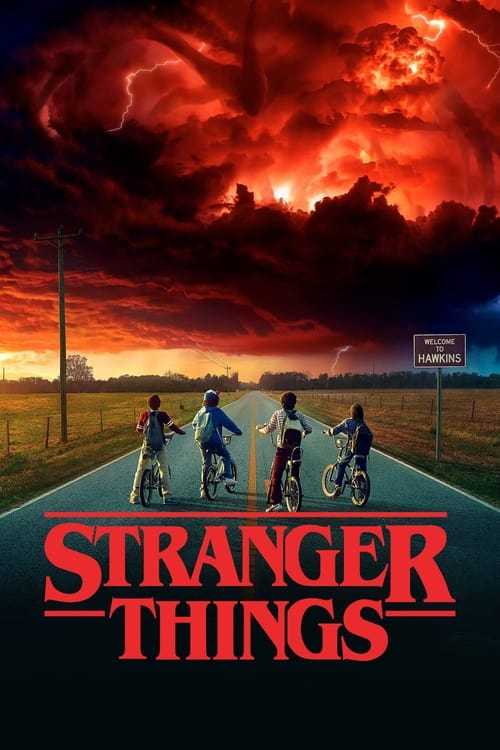

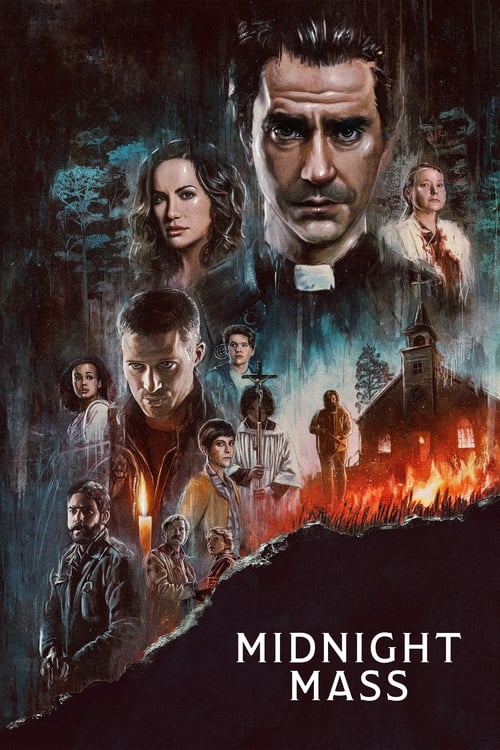
If you love Stephen King's horror landscapes
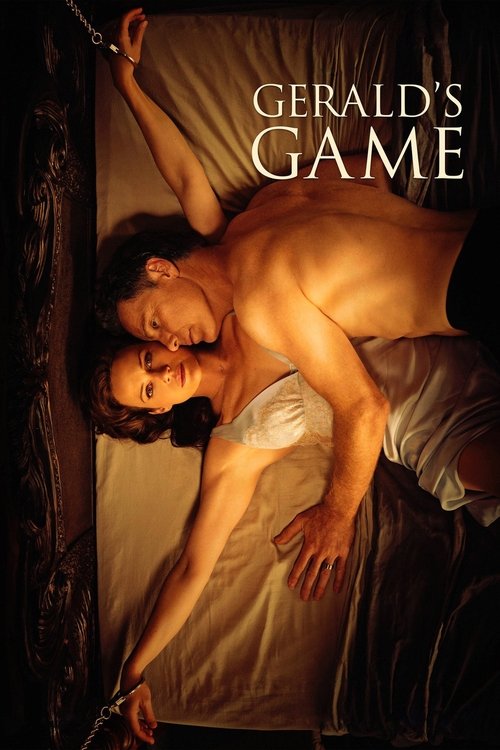
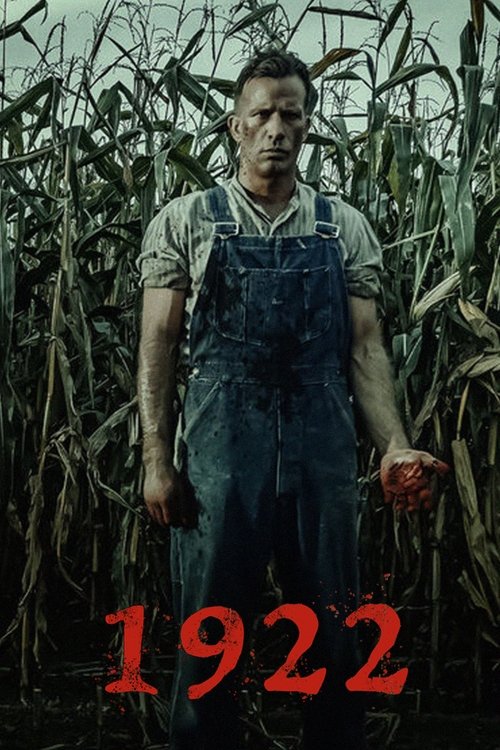
Other King adaptations that carry the same weight and atmosphere
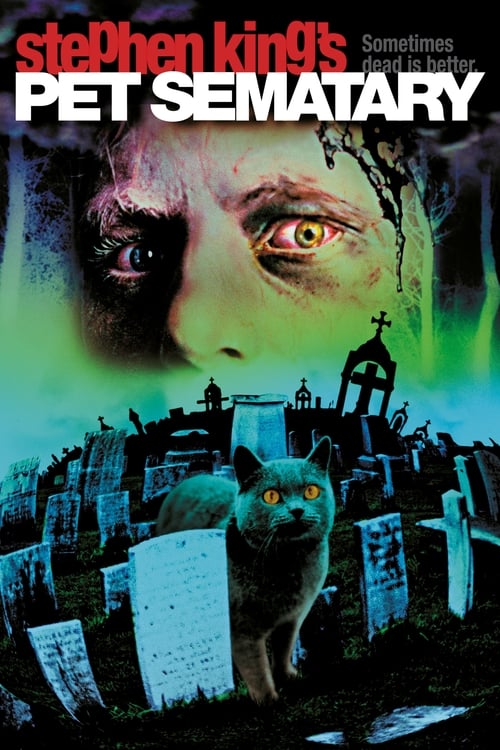

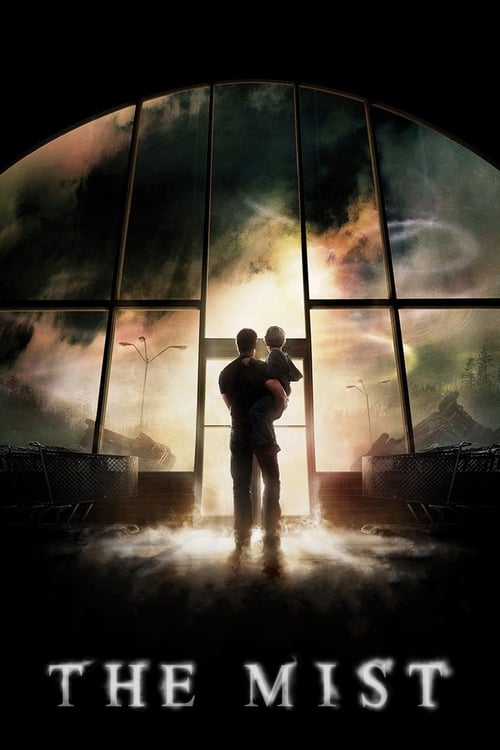
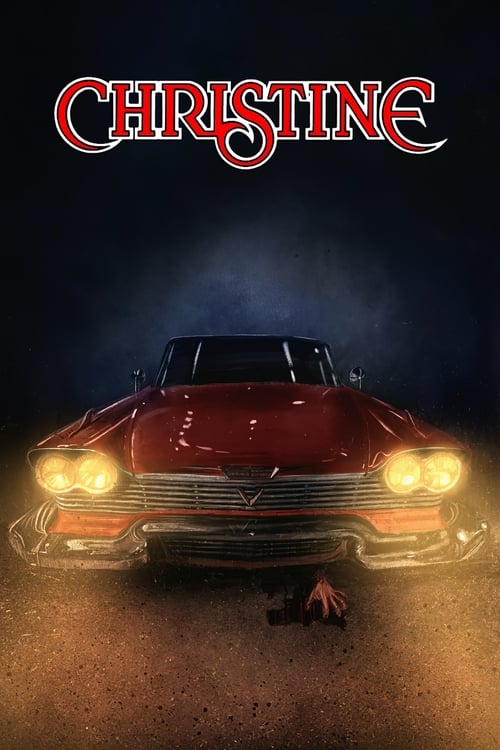
More haunted halls and King country
For Fans of Stephen King
Explore the For Fans of Stephen King guide →The hotel is a haunted-house story where the haunting is really about what a man brings with him through the door.CrossBinge editorial