
The Voice from Castle Rock
Stephen King is the most widely read novelist alive, and also one of the most consistently misread. Critics spent decades filing him under "horror" as if that settled the matter, but King's real subject is American ordinariness under pressure. The small town. The failing marriage. The child who sees something the adults refuse to acknowledge. The alcoholic father. The bully who goes too far. King takes these ordinary textures and asks what happens when something genuinely evil moves in next door, and his genius is that by the time the supernatural arrives, it already feels inevitable.
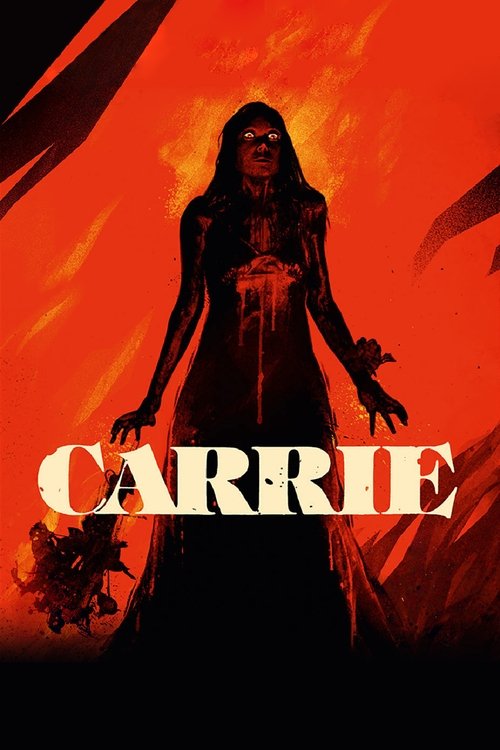
Born in Portland, Maine in 1947 and raised in poverty after his father walked out, King began selling short stories to pulp magazines as a teenager and published his first novel, Carrie, in 1974 while working as a schoolteacher. What followed is one of the most extraordinary runs in popular fiction: The Shining, The Stand, It, Misery, Pet Sematary, The Green Mile, and dozens more, each one rooted in a deep sympathy for people under pressure and a willingness to follow the dark wherever it leads.
The texture King fans love is specific. It is small-town claustrophobia: Castle Rock, Derry, Jerusalem's Lot, places where everyone knows everyone and the knowing curdles. It is the weight of the past refusing to stay buried. It is ordinary people, not heroes, doing terrible or magnificent things when their world cracks open. And underneath all the monsters and hauntings, it is almost always a story about grief, or guilt, or the love between parents and children. That is why the work endures.
Essential Stephen King
The novels and adaptations that define the canon


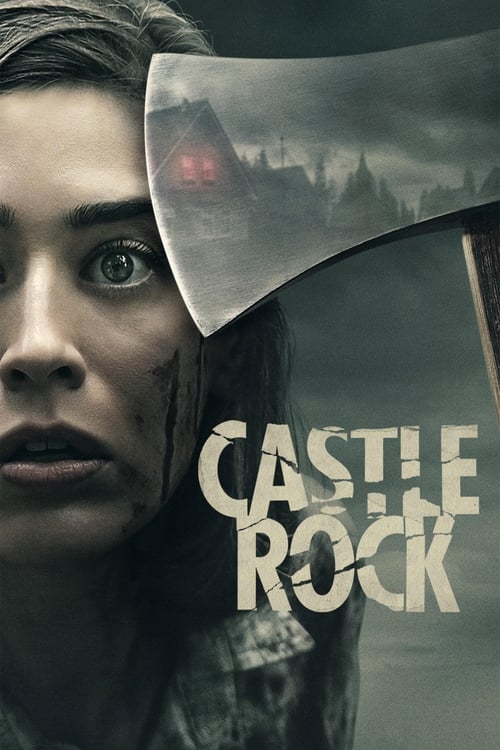
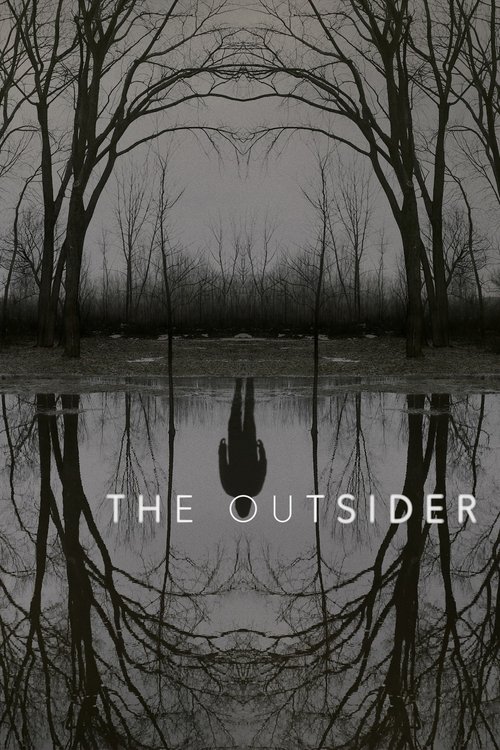

The Town Has a Secret
Small communities where something ancient and wrong has taken root
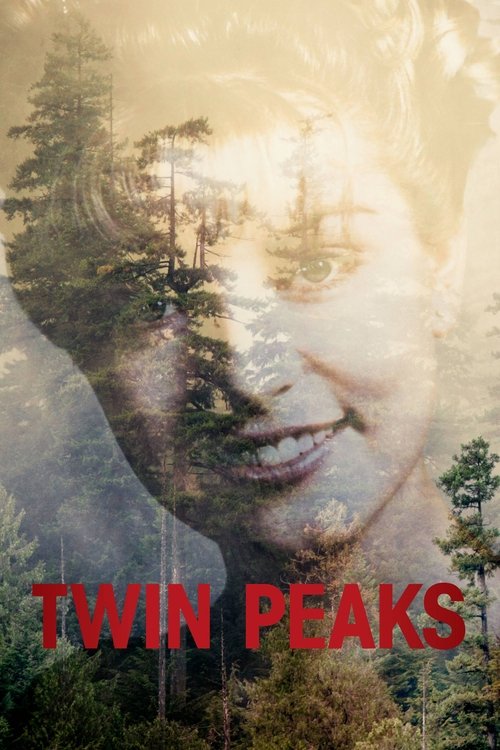
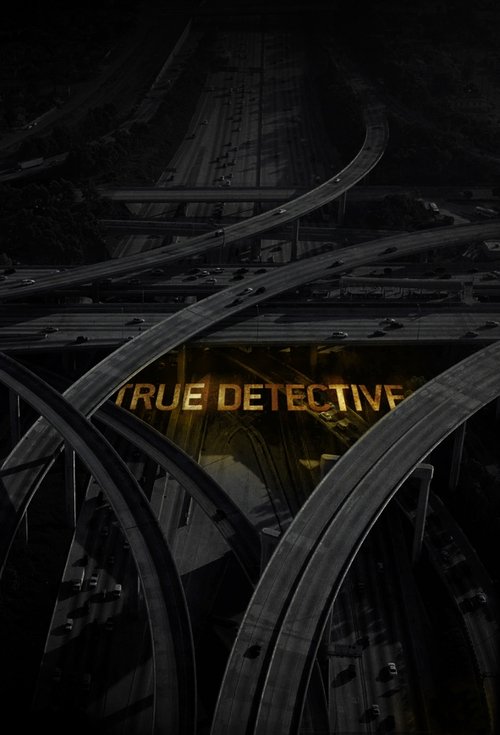





Childhood Is Not Innocent
Stories where the cruelty of growing up meets something genuinely supernatural

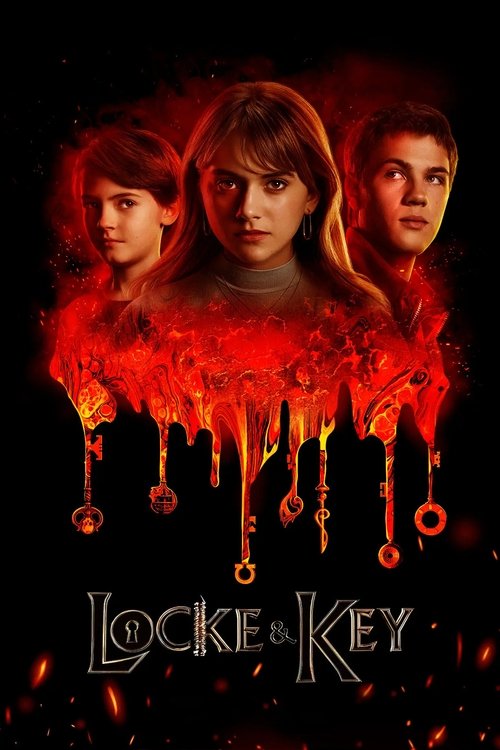
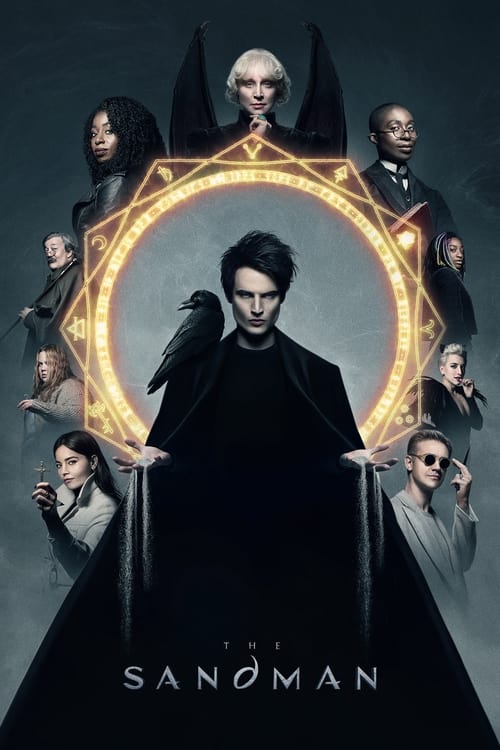


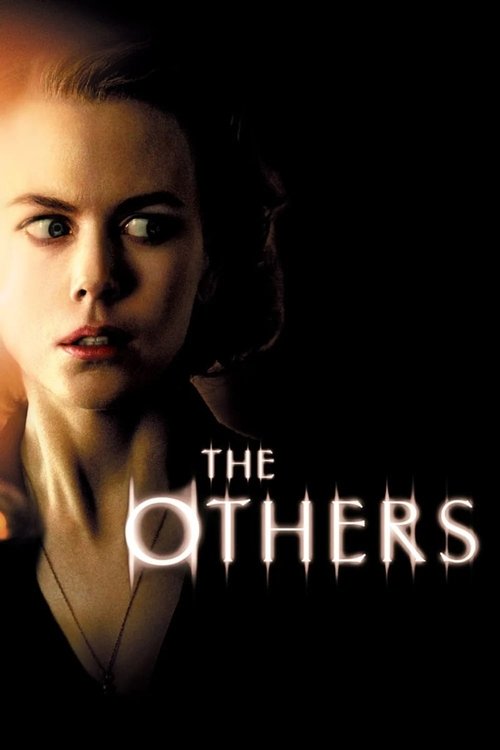
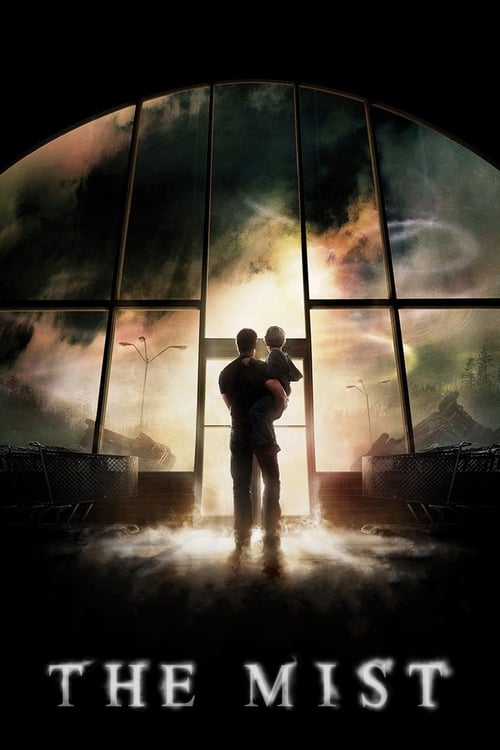
The Slow Burn of Dread
Horror that earns its scares through character and atmosphere, not cheap shocks
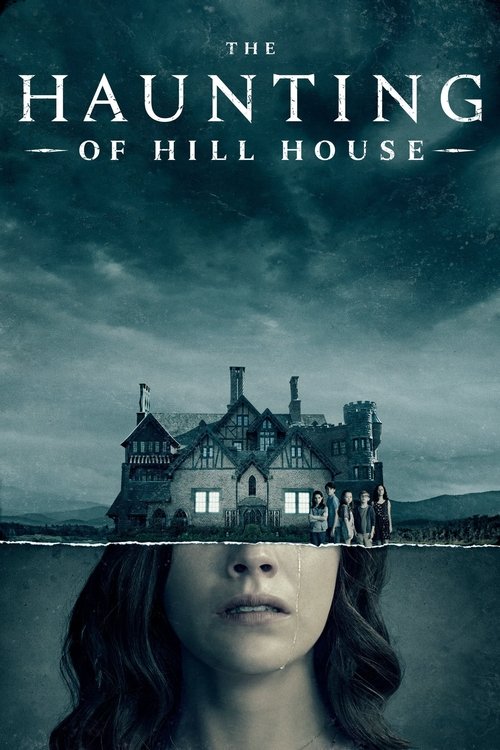
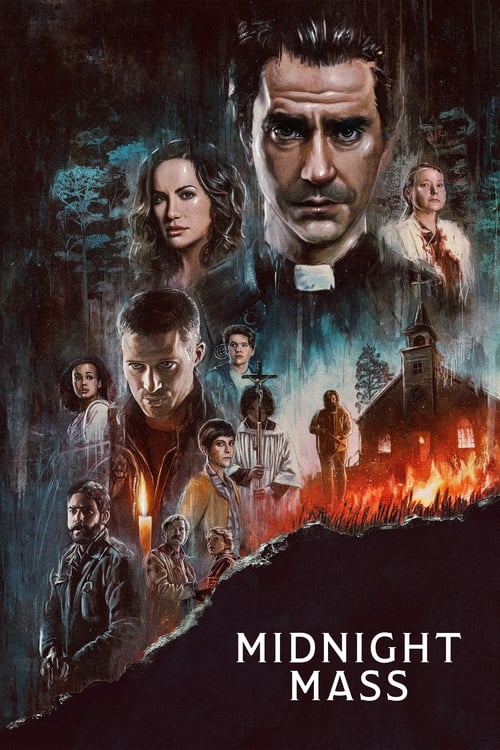



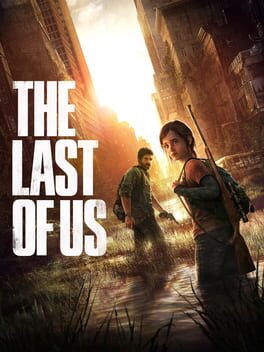
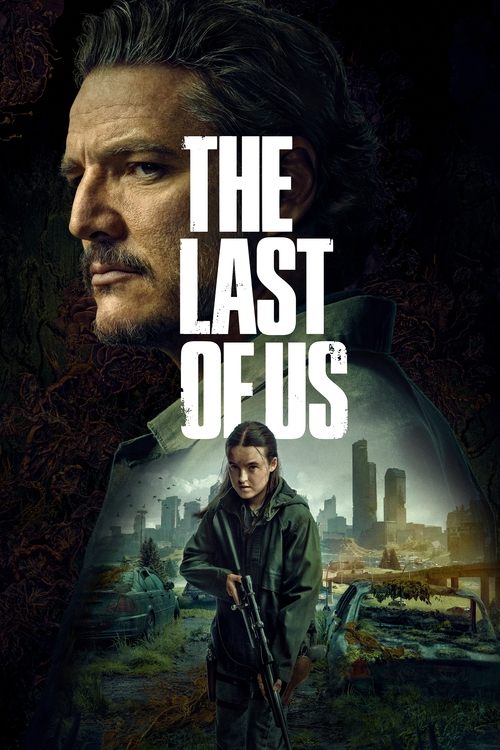
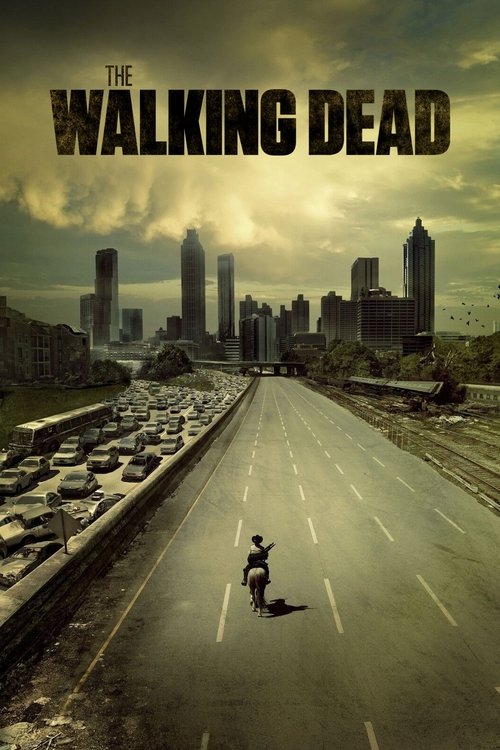
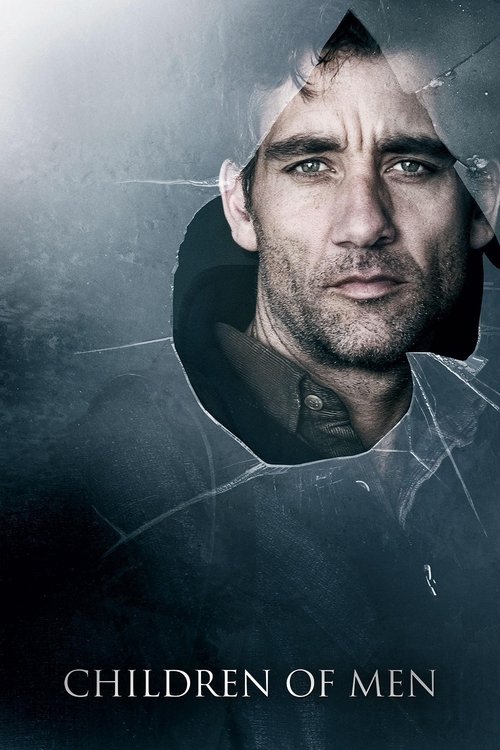
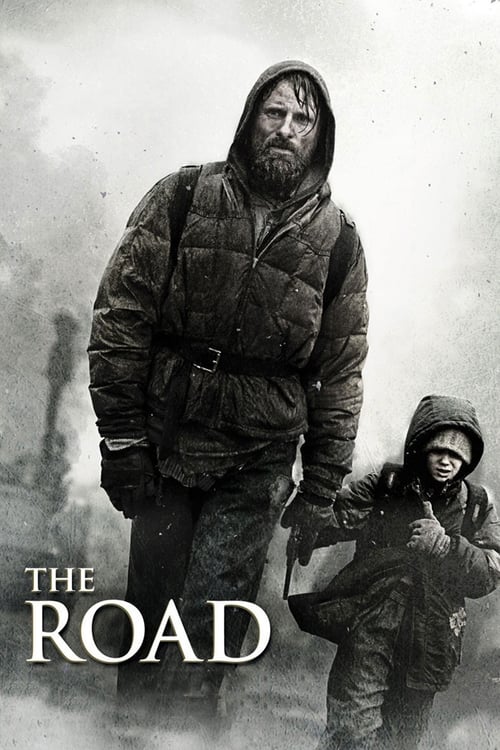
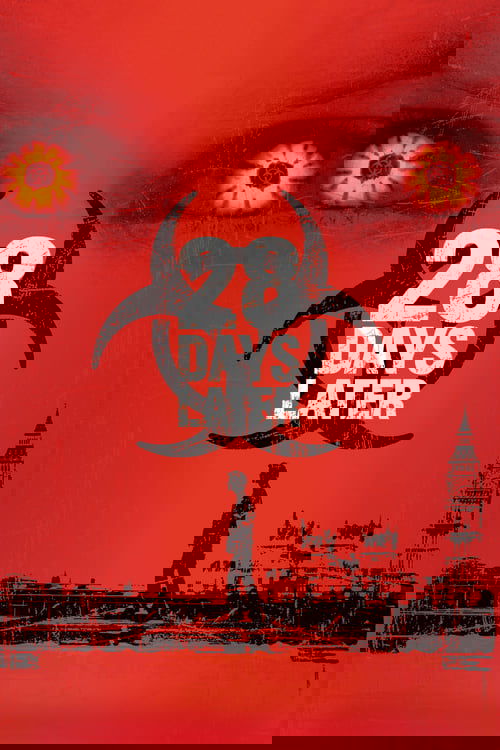
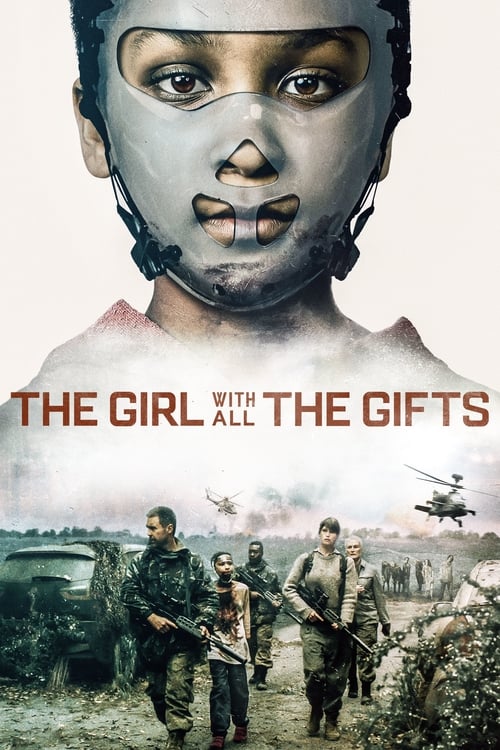
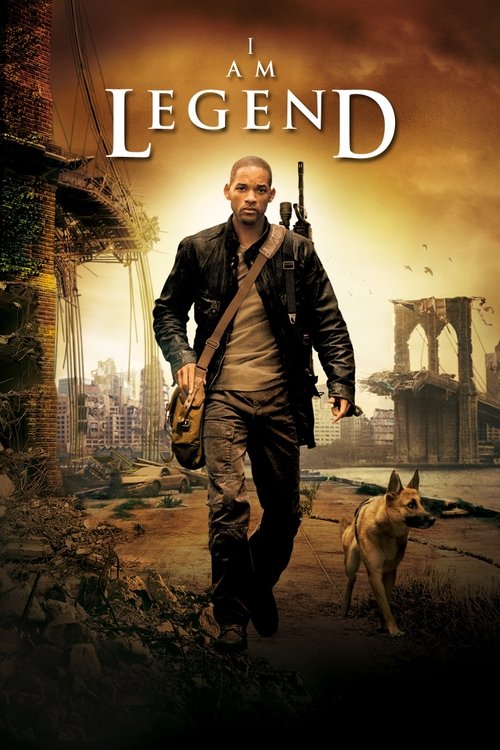
Ordinary People at the End of the World
King's apocalyptic streak, echoed in fiction that traces civilization's fracture lines



Start with The Shining, but read the book first
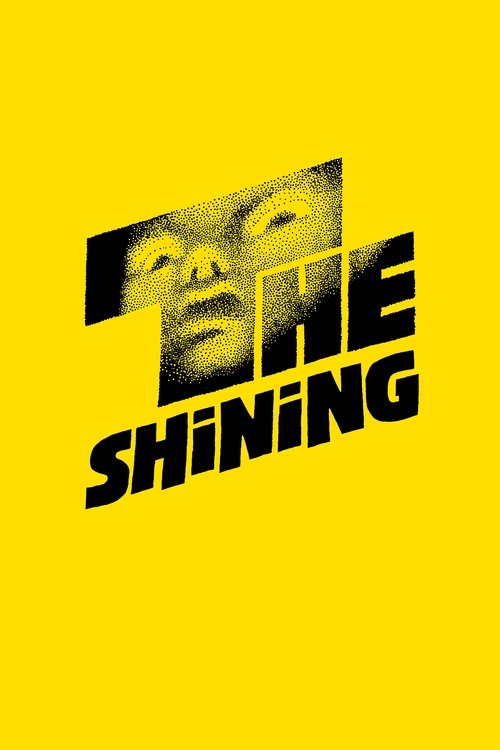
Kubrick's film is a masterpiece, but it is a Kubrick film more than a King adaptation. The novel is warmer, sadder, and more explicitly about a father destroying his family through addiction and rage. Jack Torrance in the book is a man you feel sorry for even as he becomes monstrous. Read the novel first. When you finally watch the film, you see both what Kubrick got brilliantly right and what he deliberately chose to change, and that conversation is one of the richest in adaptation history. King hated the film. He was wrong. They are both right, and they are right about different things.
It is the most complete portrait of American childhood ever written in horror
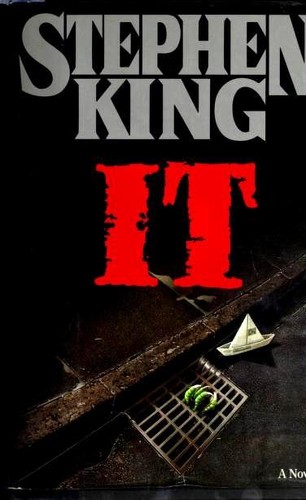
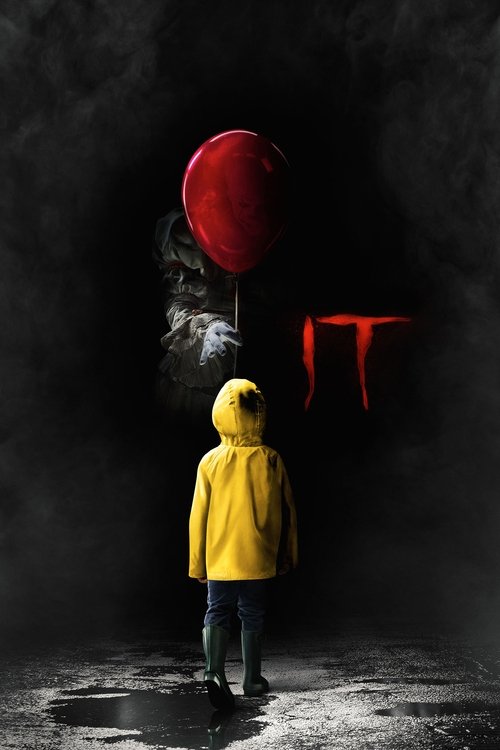
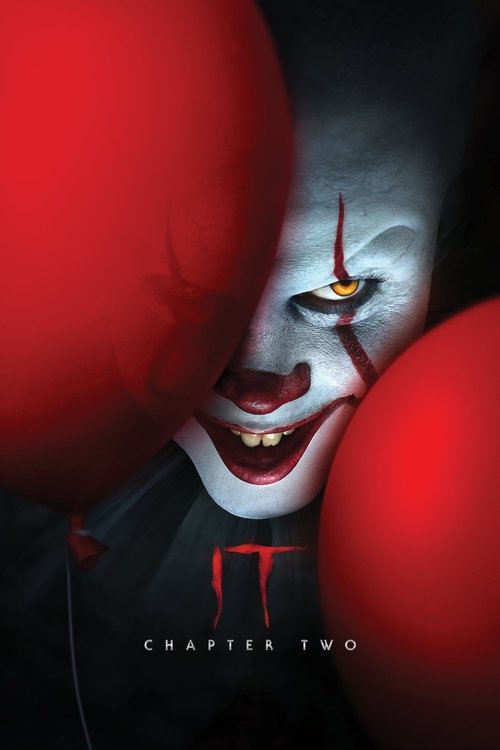
The 1990 TV miniseries introduced most people to Pennywise, and the 2017 film brought him back for a new generation. But the novel contains entire dimensions both adaptations had to set aside: the full history of Derry as a place of recurring evil, the chapters set in multiple decades, the way the adult Losers' Club sections mirror and complicate the childhood ones. At roughly 1,100 pages it asks a great deal, and it rewards every page. The sequence where each character recalls being afraid as a child is one of the most affecting things King has written.
The Green Mile is the King novel to hand to someone who bounced off the supernatural ones
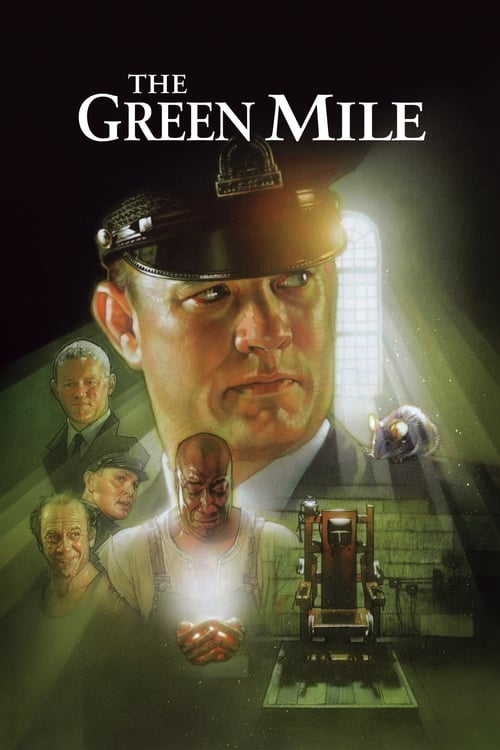
Published in six monthly paperback installments in 1996, The Green Mile is King at his most deliberately sentimental, and it earns every feeling. Set on death row in a 1930s Louisiana prison, it is a story about a miraculous man whose gifts cannot save him, and about the guards who witness the worst the state can do. The supernatural element is almost beside the point. The film with Tom Hanks is one of the best King adaptations precisely because it trusts the material and does not rush it. Read the book; watch the film. Both are essential.
The Stand is where King goes biggest, and it mostly works
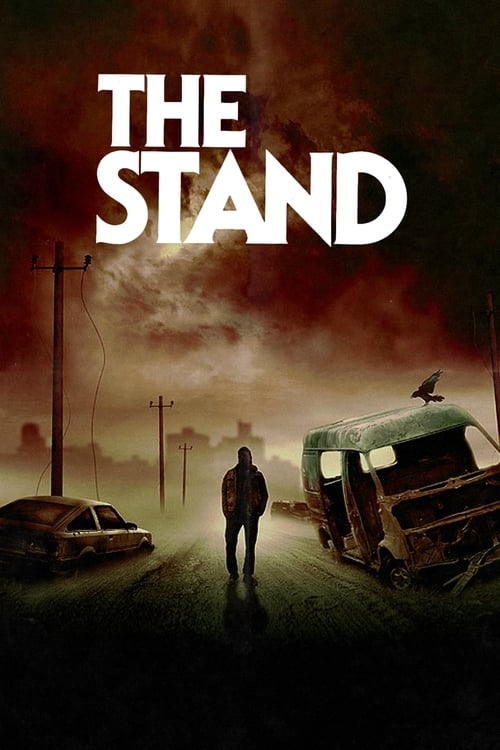
At over 1,100 pages in its uncut edition, The Stand is King's attempt at a full American mythology: a plague kills most of the world, and the survivors are pulled toward two poles, one representing human decency and one representing something older and worse. It is sprawling and uneven and occasionally self-indulgent, and it is also undeniably great. The character of Randall Flagg is King's most durable villain, a figure of such concentrated menace that he turns up in half a dozen other King novels. The 1994 TV miniseries captures the scope if not quite the dread. Start with the book.
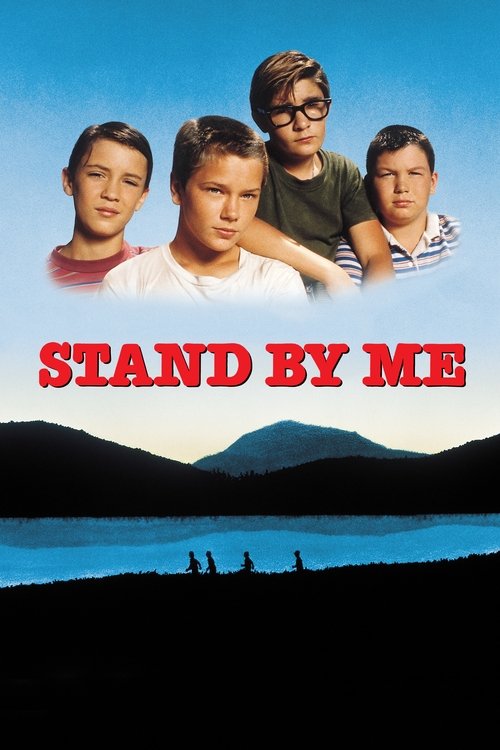
The most important things are the hardest to say. They are the things you get ashamed of, because words diminish them.Stephen King, The Body (Different Seasons)
A Career in Milestones
- 1974Carrie published, King's first novel, written in a laundromat on a child's desk Carrie
- 1977The Shining arrives, cementing his reputation as the defining voice of American horror The Shining
- 1980Kubrick's The Shining divides readers and critics; King publicly rejects it The Shining
- 1986It published, the definitive King novel and the fullest expression of his obsessions It
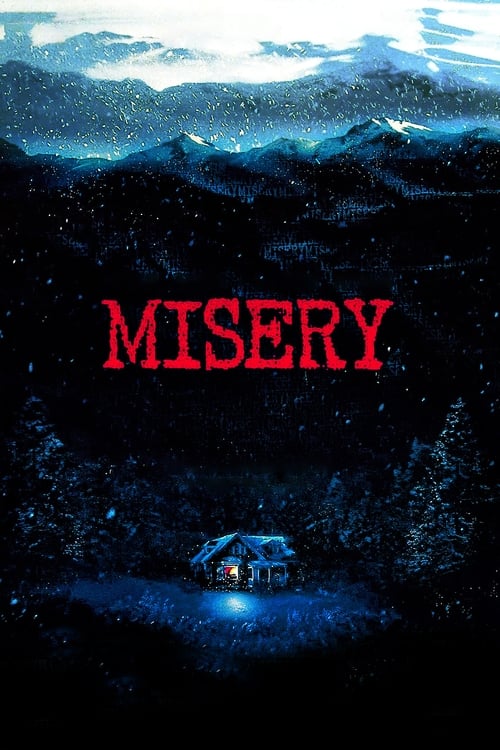
- 1987Misery published; King later said writing it was a way of confronting his addiction Misery
- 1990Rob Reiner's Misery wins Kathy Bates the Academy Award Misery
- 1996The Green Mile serialised in six monthly parts, a publishing experiment that worked The Green Mile
- 2000King struck by a van; writes On Writing during recovery On writing
- 2017It reboot becomes the highest-grossing horror film at the time of its release It
- 2019Doctor Sleep, the Shining sequel, reaches the screen after years of uncertainty Doctor Sleep