
From the shiva to the screen
Jonathan Tropper published This Is Where I Leave You in 2009 as his fourth novel, and it landed with an unusual kind of force: a book that is genuinely funny about grief, genuinely sad about family dysfunction, and honest enough about both that neither quality undercuts the other. The premise is stripped down almost to a joke setup. A man discovers his wife is sleeping with his boss, then his father dies, and his mother insists the adult children sit shiva together for seven days despite no one being particularly observant. What follows is equal parts breakdown and reunion.
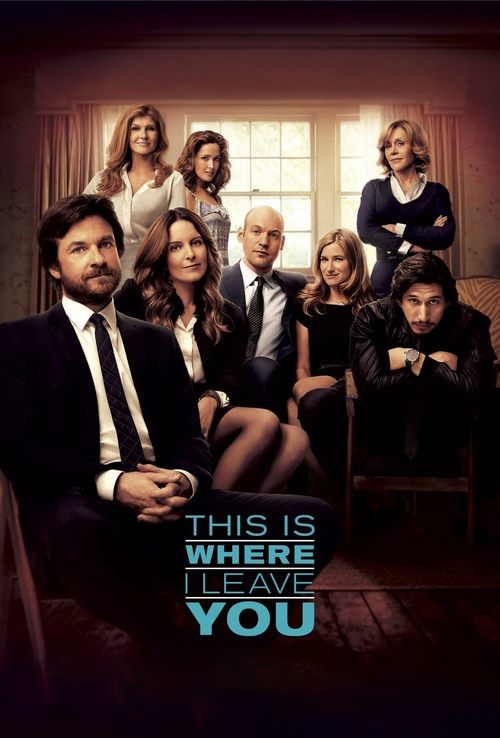
The novel spent weeks on the New York Times bestseller list and attracted a film adaptation almost immediately. Warner Bros. optioned it, Tropper himself wrote the screenplay, and Shawn Levy directed a 2014 release with a cast assembled like a fantasy draft: Jason Bateman, Tina Fey, Jane Fonda, Adam Driver, Corey Stoll, Rose Byrne, Timothy Olyphant. Unlike many adaptation journeys, this one stayed close to its source and went through exactly one screen iteration. There is no franchise, no television version, no sequel. The story exists in two forms: the book and the film.
The story across time
- 2009Jonathan Tropper publishes the novel This is where I leave you
- 2014Warner Bros. film adaptation released in September This Is Where I Leave You
The book is funnier and the film is warmer
Tropper writes in a voice that is almost aggressively interior, and the novel earns its laughs through a narrator who cannot stop analyzing every room he walks into. That interiority is exactly what adapts poorly to the screen. The 2014 film compensates by leaning on its cast: Jason Bateman brings the same weary deadpan, but it is Tina Fey as Wendy and Adam Driver as Phillip who fill the space the novel's narration leaves behind. Neither version is definitively better. The book lands the harder emotional punches. The film makes you like everyone a little more. Read the book first, then watch it with someone who already has.

What to watch and read next
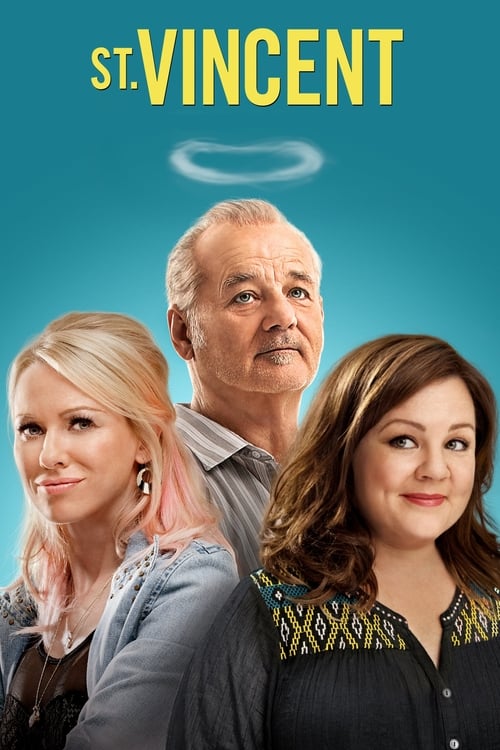
The appeal of This Is Where I Leave You is specific: the family reunion nobody wanted, grief played for dark comedy, and the way old wounds reopen the moment everyone is back under the same roof. That combination has a real lineage in American fiction and film. The stories below share at least one of those qualities.
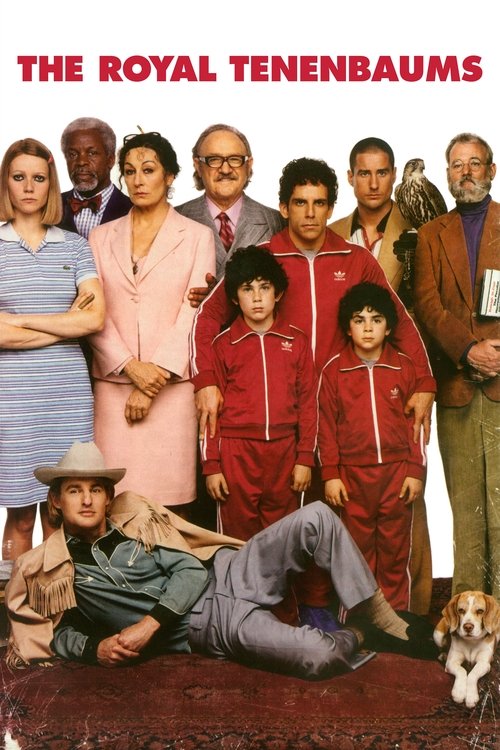
If you love the dysfunctional family reunion
Families forced together, old grievances, dark laughs
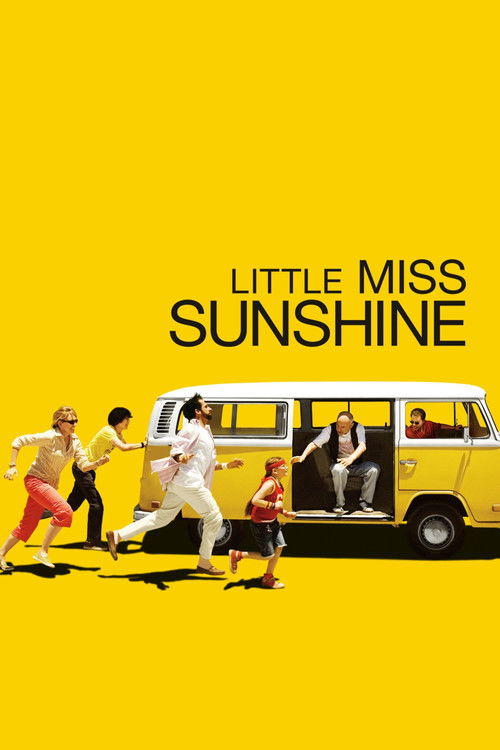
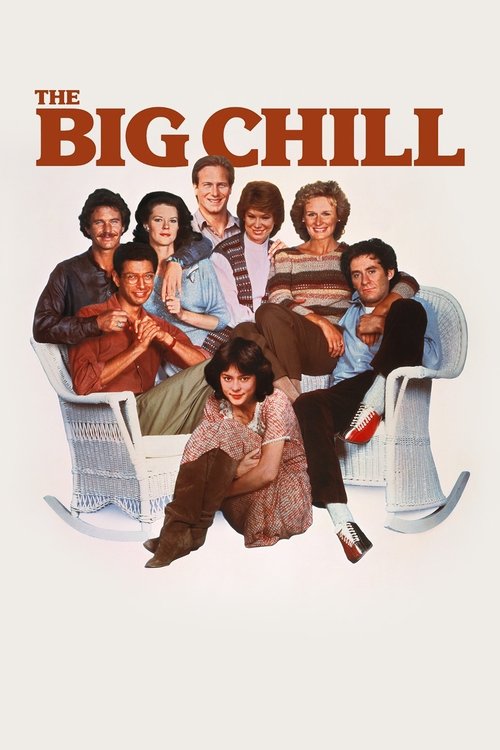

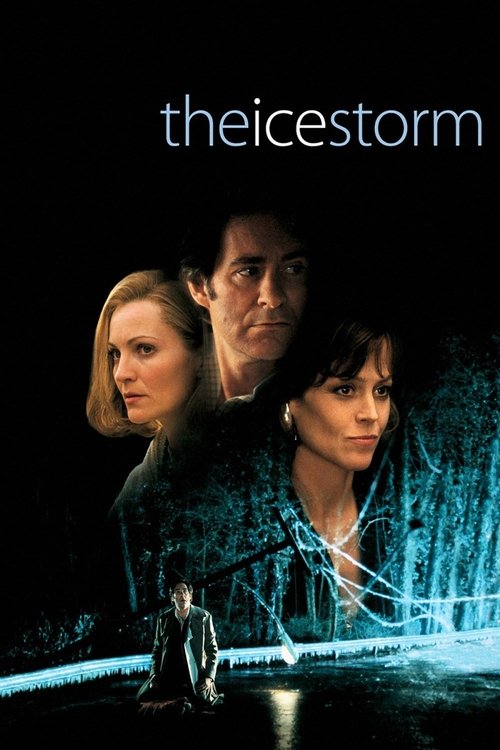
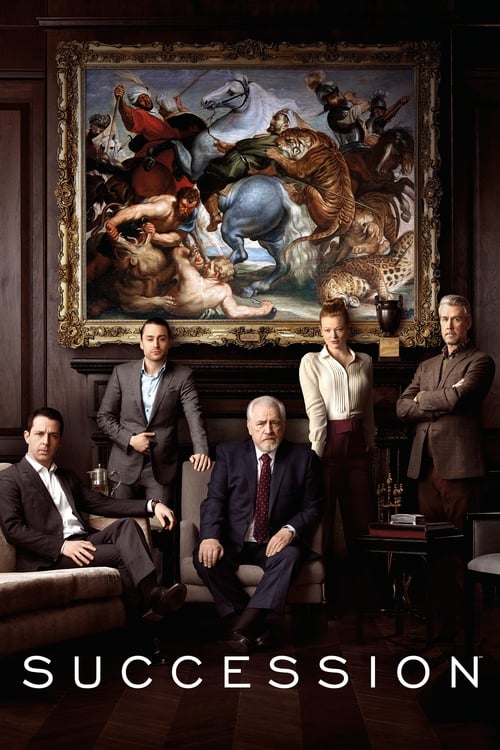

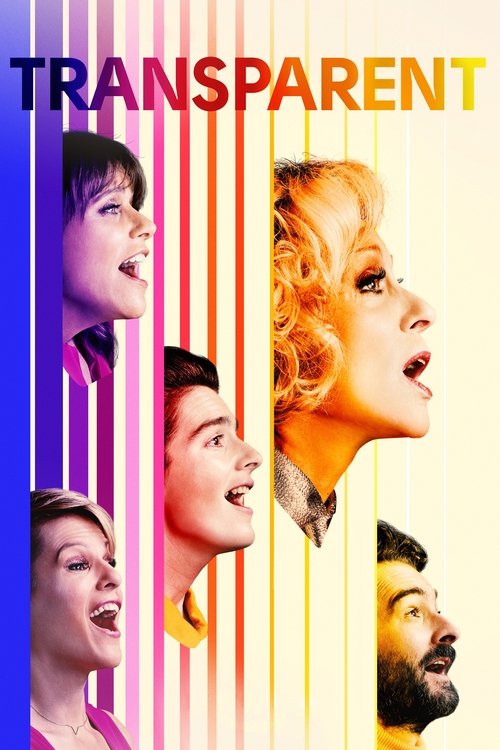


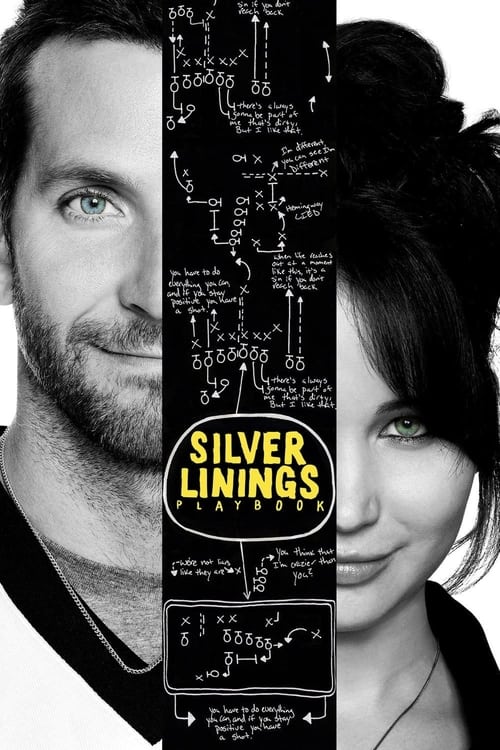
If you love grief played as dark comedy
Loss, black humor, and the people who show up anyway
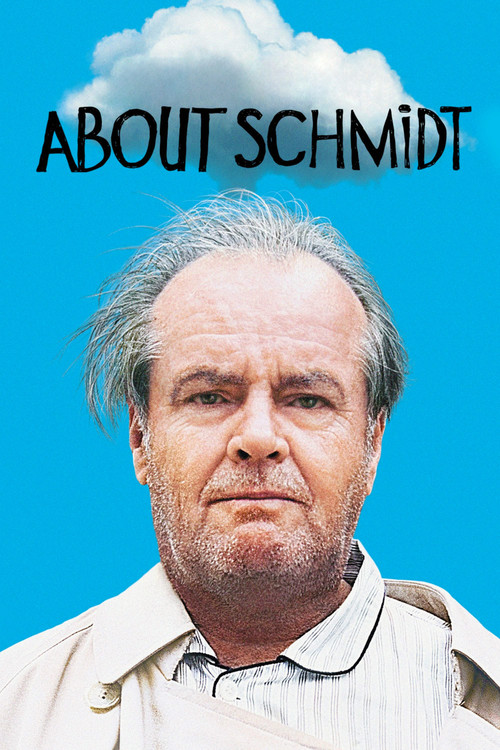
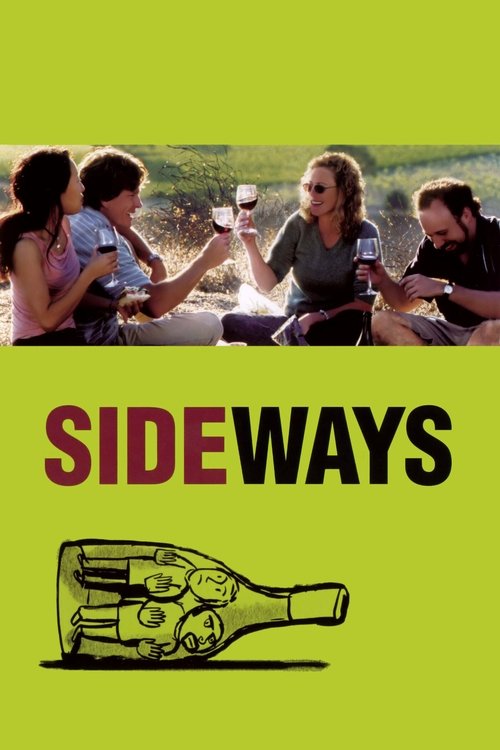
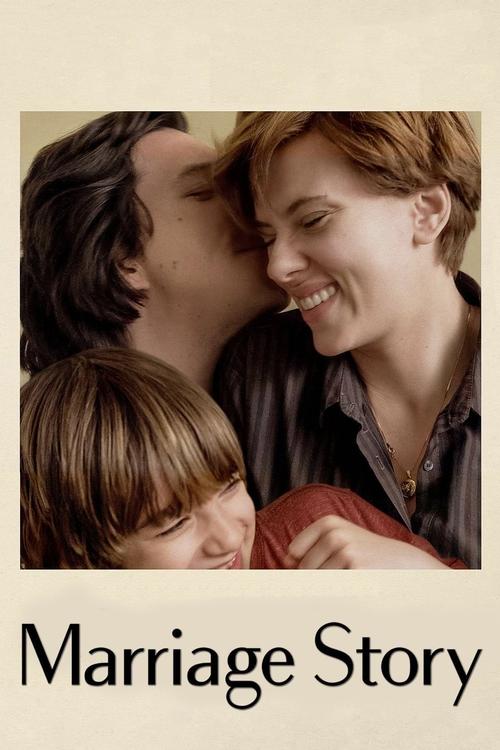
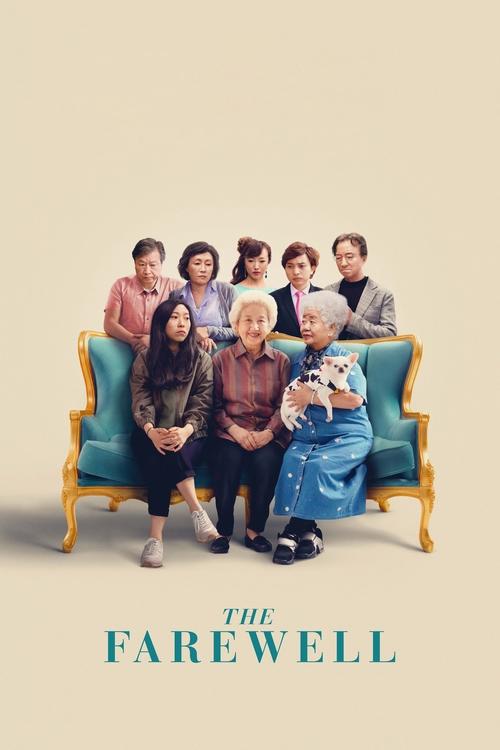
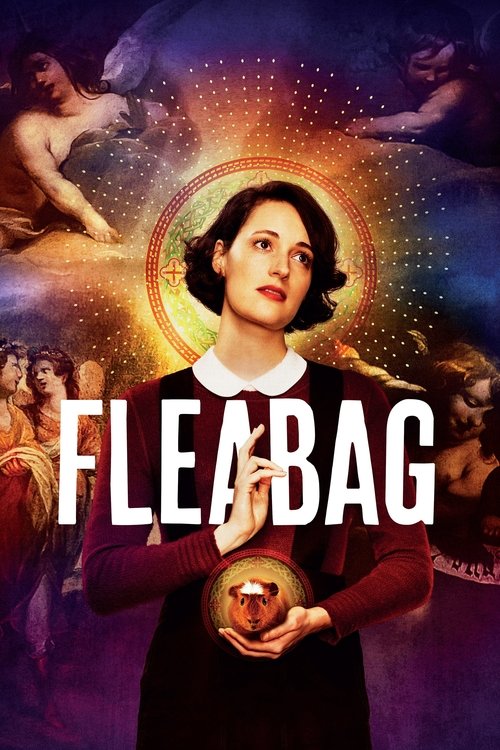


If you love the Jonathan Tropper voice
Funny, self-aware men in over their heads, literary fiction with real laughs




The ensemble cast is the film's best argument for itself
Shawn Levy's direction is competent and the film's pacing is comfortable, but neither is what you remember. What you remember is the cast. Adam Driver, two years before Star Wars changed his profile entirely, steals nearly every scene he is in as the youngest Altman sibling, all nervous energy and misplaced confidence. Tina Fey gives the best dramatic performance of her career. Jane Fonda commits fully to a role that could have been a joke. If you came to the novel through the film, go back: Tropper's prose is where the sharper version lives. But the film is not the lesser version it is sometimes dismissed as.
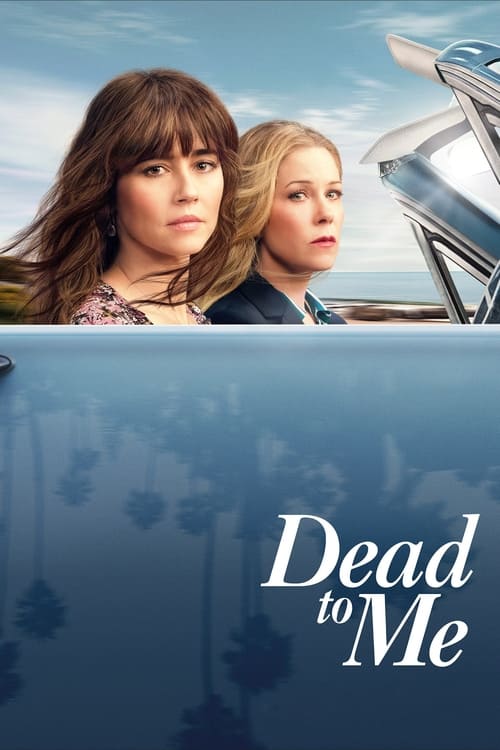
More dysfunctional family ensembles
Found Family
Explore the Found Family guide →Sitting shiva is one of the great inventions of Jewish tradition: seven days of compulsory grief in which the mourners are forbidden from working, shaving, or pretending everything is fine.Jonathan Tropper, This Is Where I Leave You (2009)