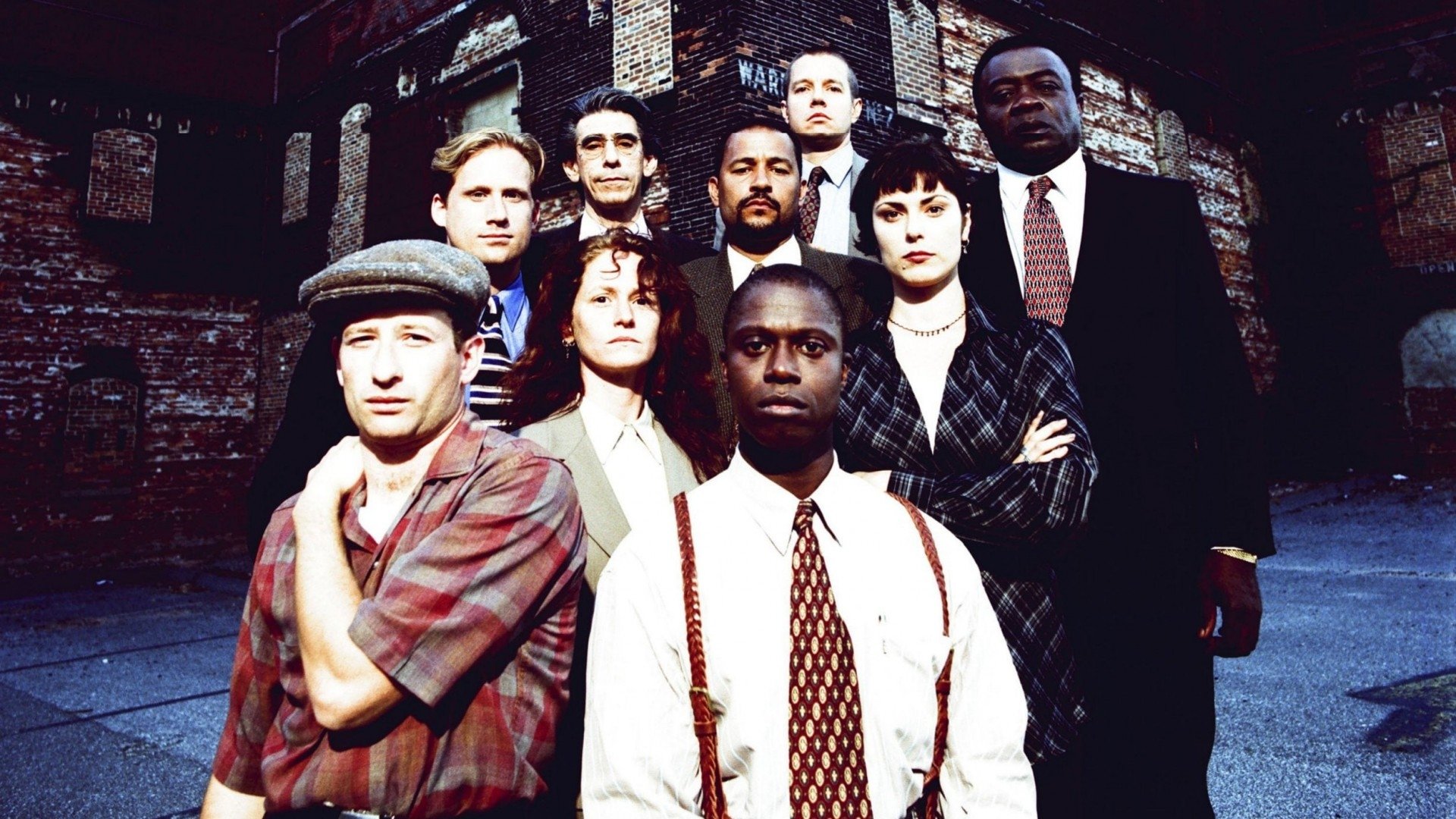

The Chronicler of Baltimore and the American Tall Tale
Barry Levinson makes films about men who can't stop talking. His characters argue about football statistics and sandwich configurations, about what it means to get married or grow old or assimilate into a country that keeps reinventing itself. He came up through the comedy world, writing for Mel Brooks and Carol Burnett, and that training never left him: even his most serious films have a wry, deflating quality, a refusal to let anyone be purely heroic or purely villainous.
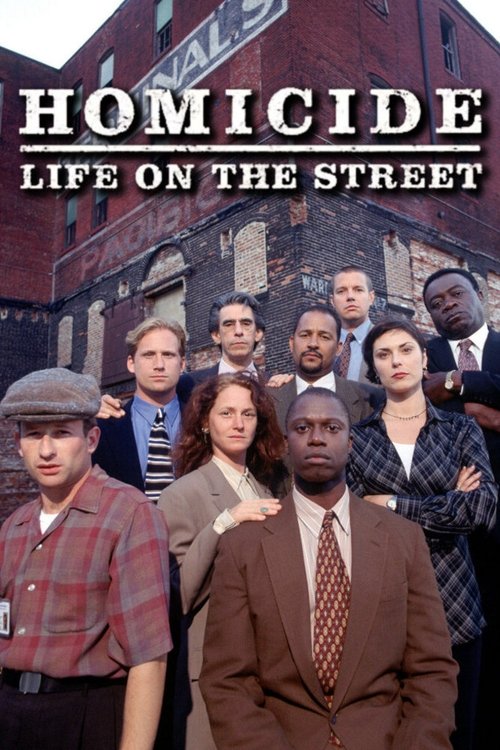
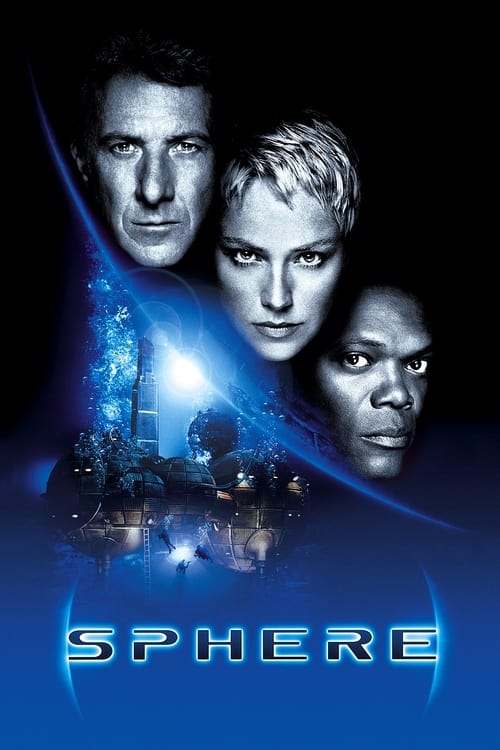
His Baltimore tetralogy (Diner, Tin Men, Avalon, Liberty Heights) is one of the great sustained acts of American memoir-filmmaking, four films spanning generations of a single city and a particular immigrant Jewish experience, each one warmer and more elegiac than the last. Then there is the other Levinson: the Hollywood satirist who made Wag the Dog, the mainstream showman behind Rain Man and Good Morning, Vietnam, the TV pioneer who gave American crime drama Homicide: Life on the Street. The through-line is a fundamental tenderness toward people behaving badly, talking too much, and muddling through anyway.
Essential Barry Levinson
The director's own work, from Baltimore to Hollywood
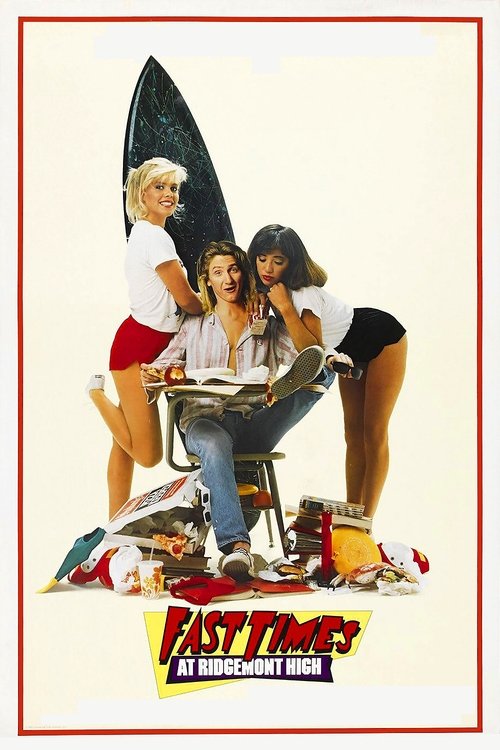
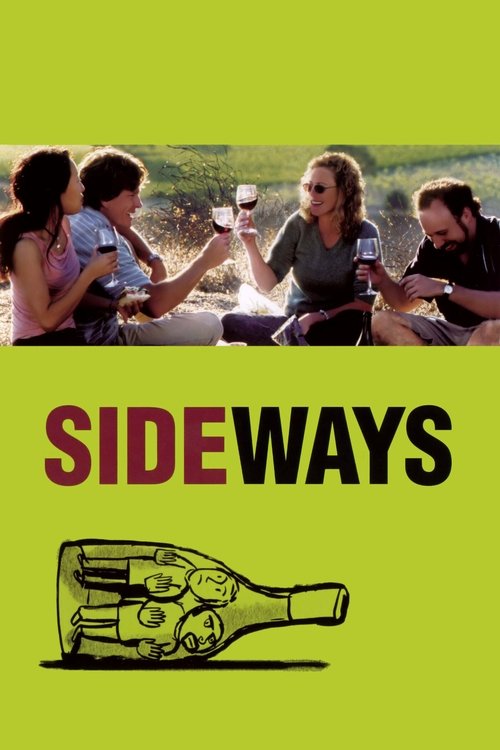
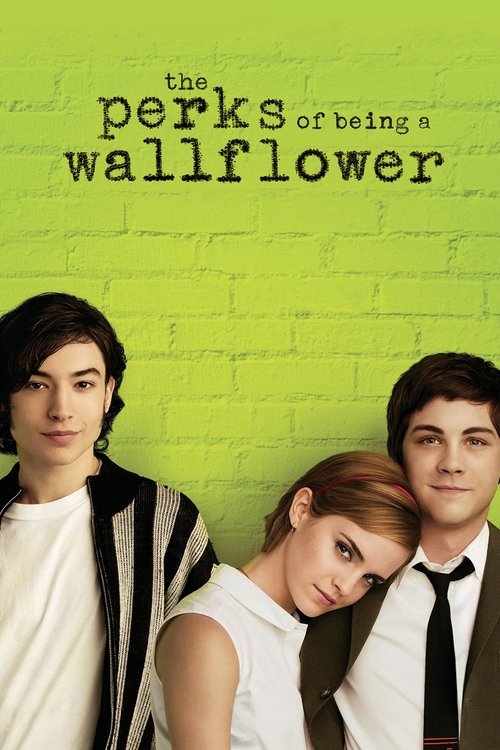
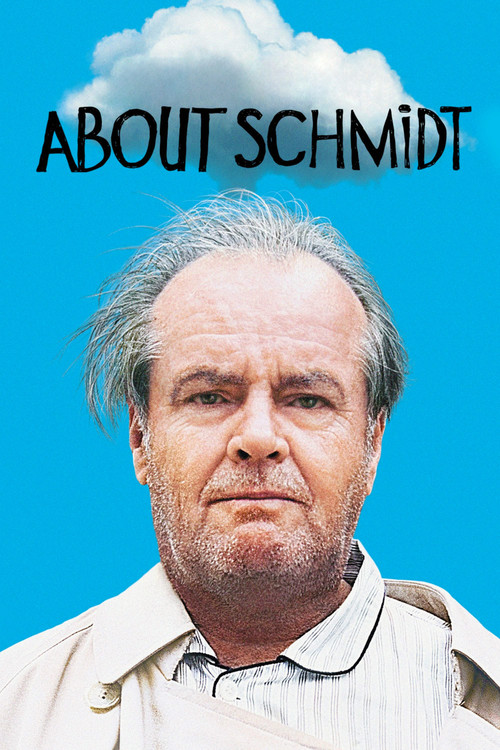
Men Talking, Diners, and American Ritual
Films built on conversation, male friendship, and the comedy of grown men who have not quite grown up
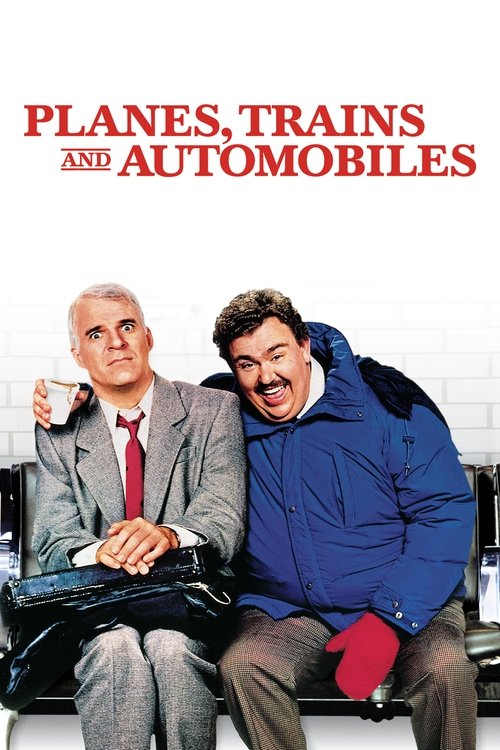

Immigrant Memory and American Belonging
Stories about families, assimilation, and what gets lost between generations
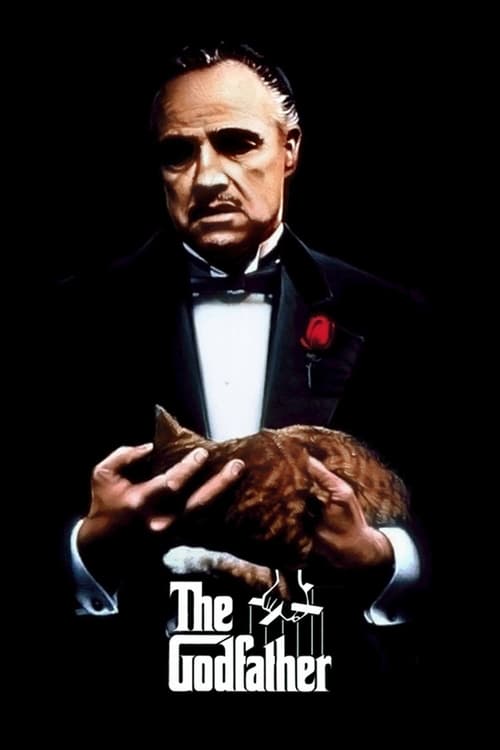
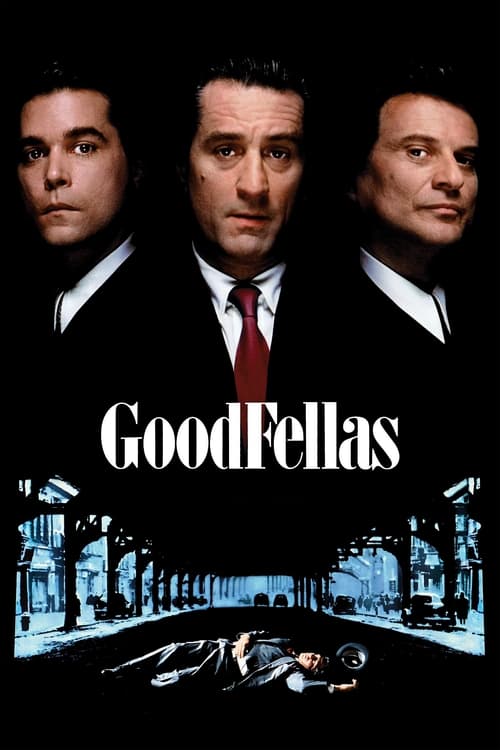
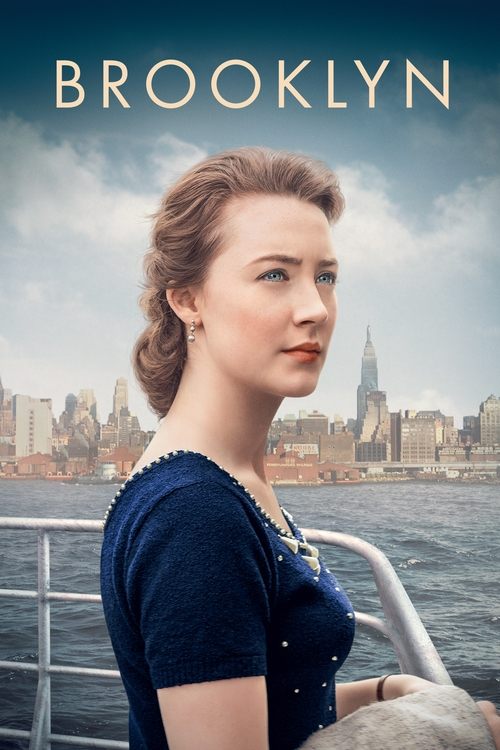
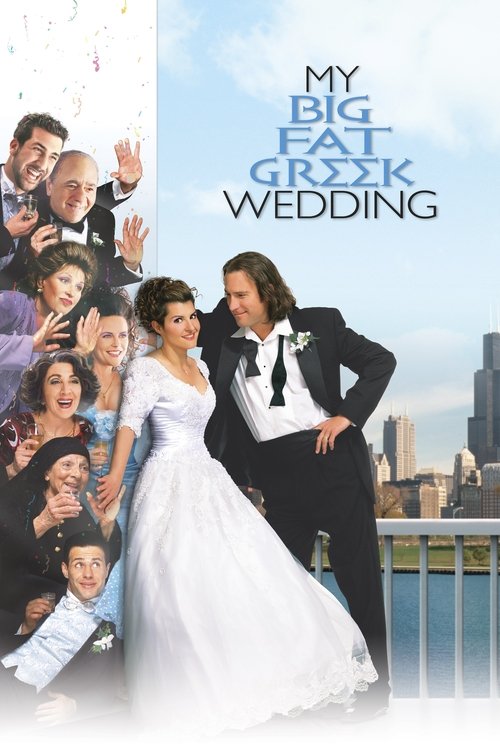
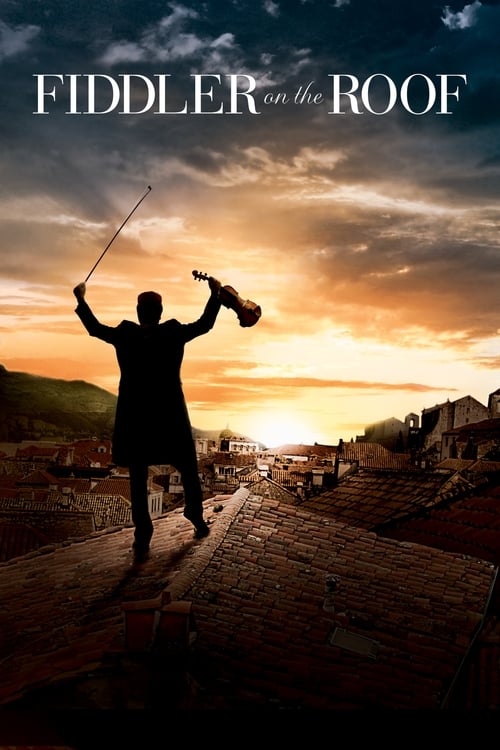
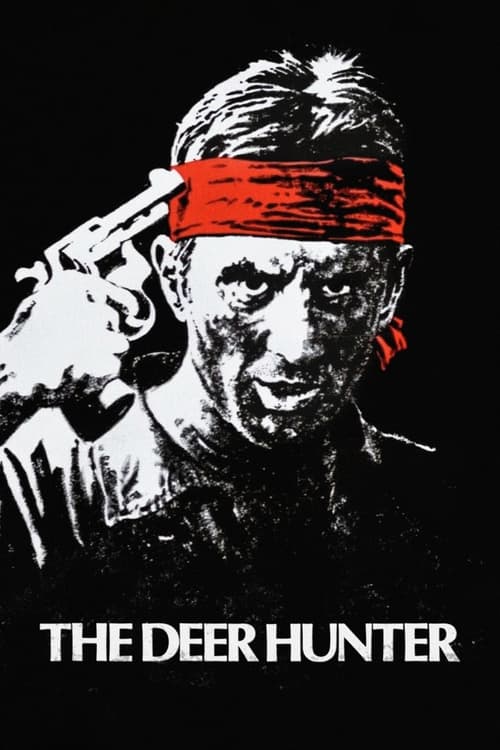

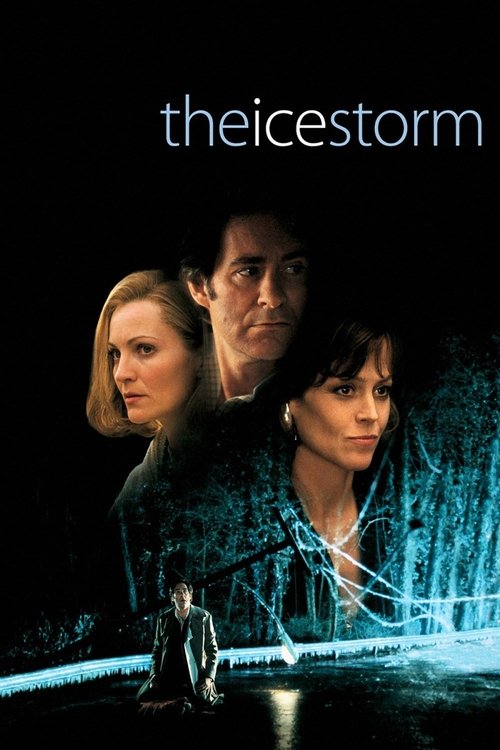


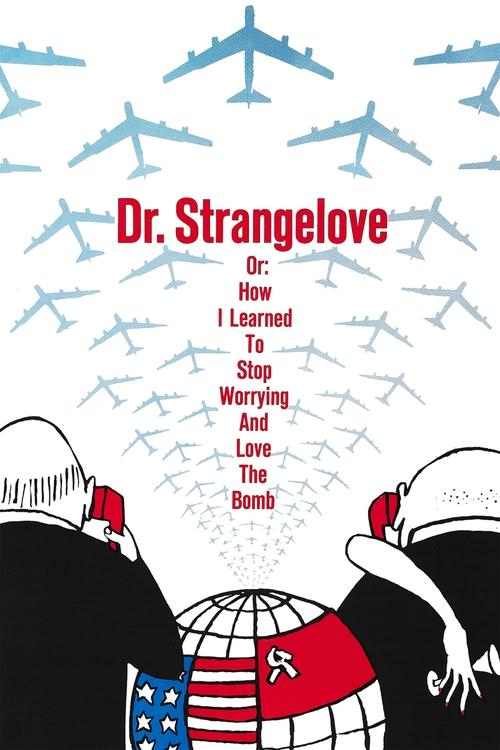
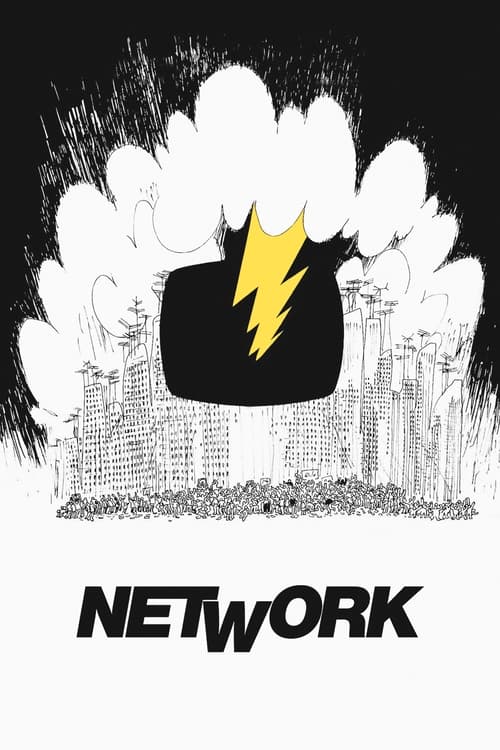
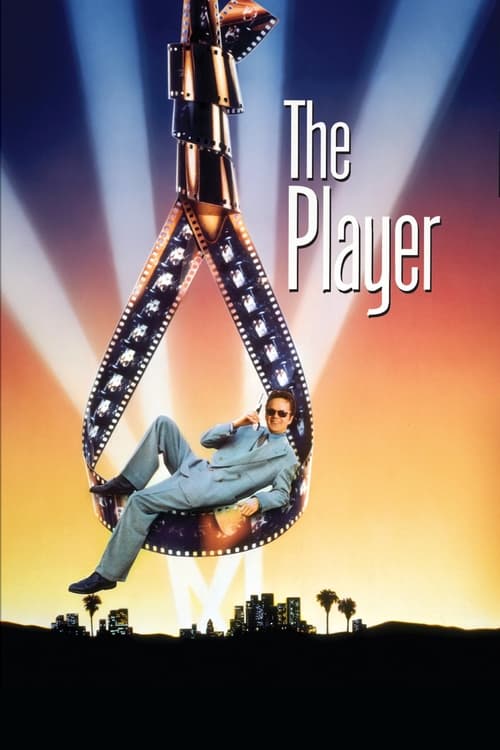
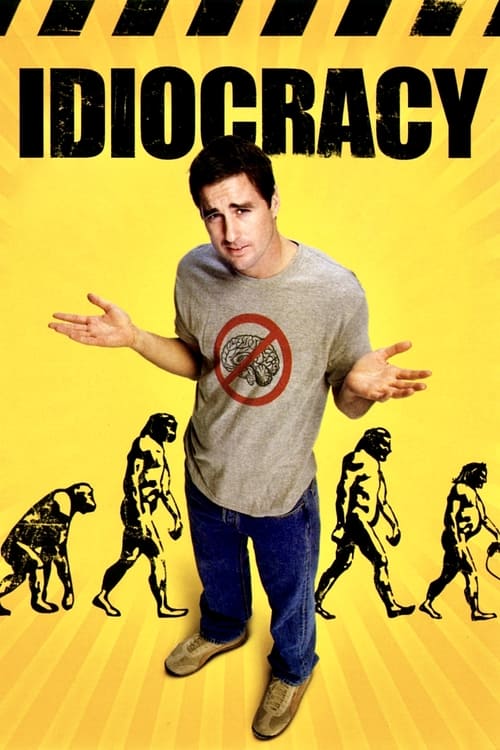
Satire With a Straight Face
Political comedies and media critiques where everyone is complicit and no one learns their lesson
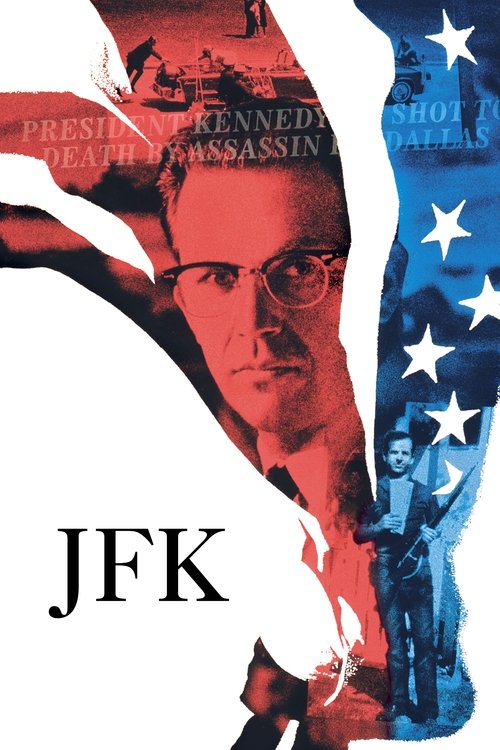

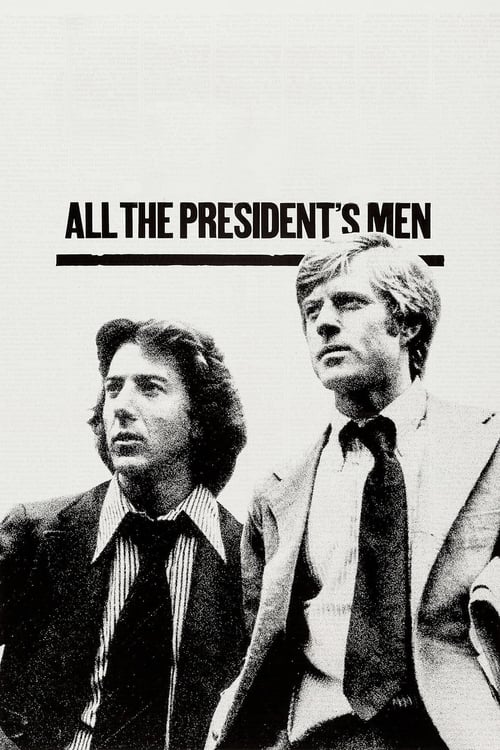
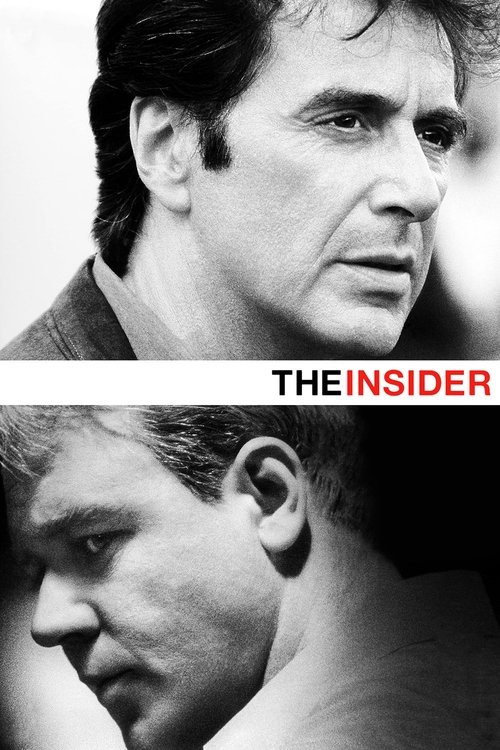
Crime, Streets, and the Procedural as Portrait
For the Homicide fan: urban crime stories that care more about the detectives than the crimes
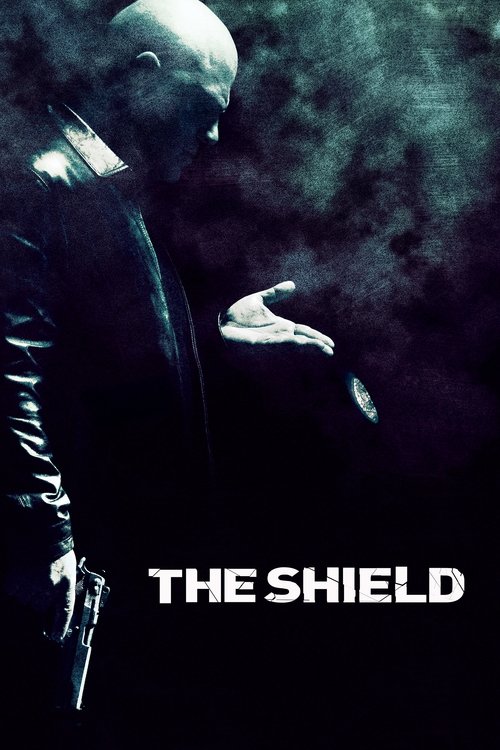
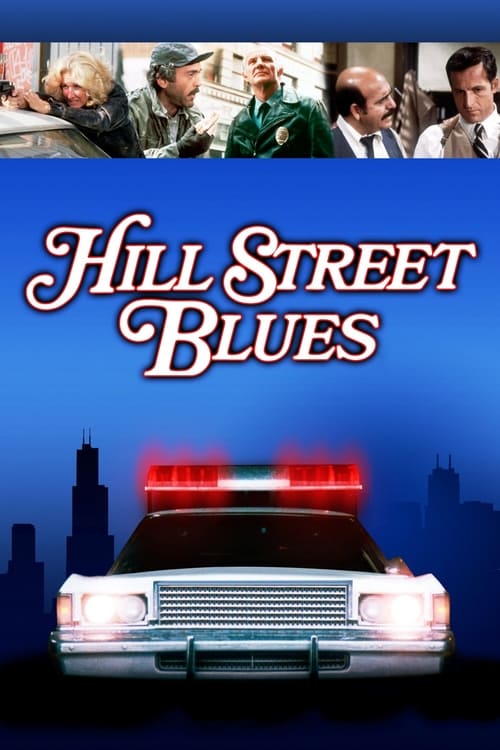


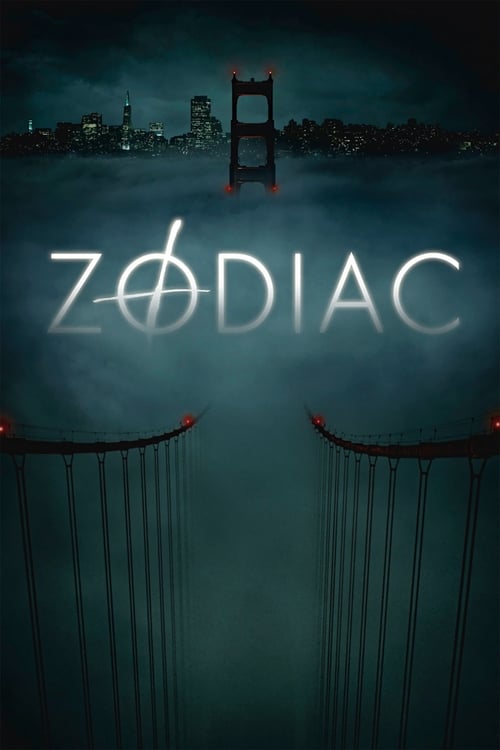
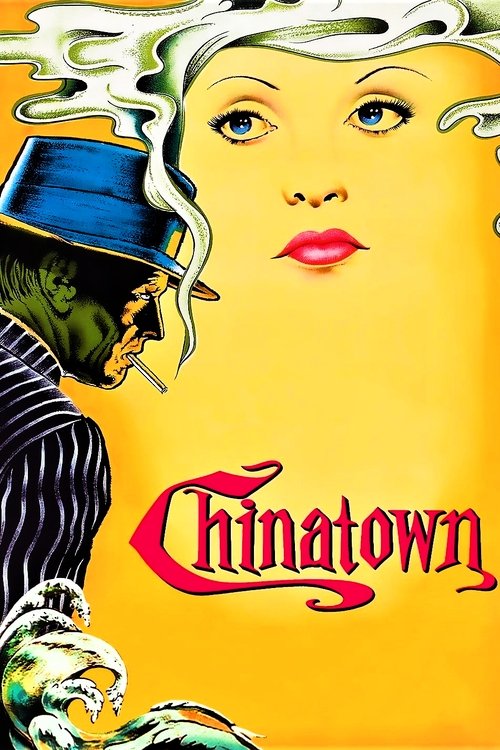
Rain Man is the entry point. Wag the Dog is where the real Levinson lives.
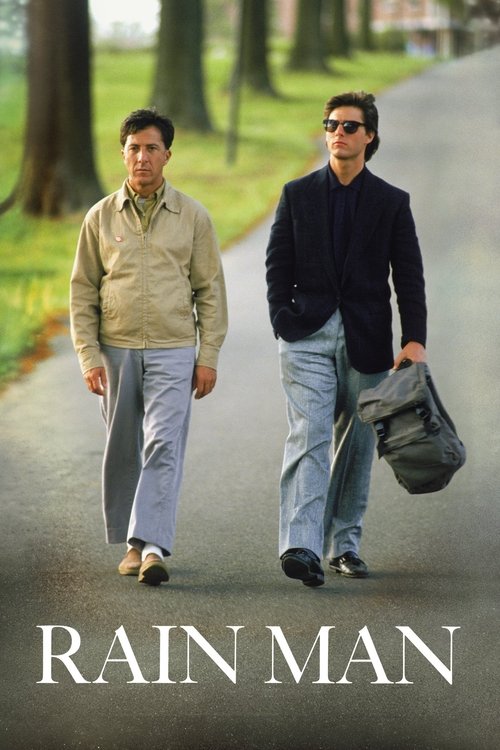
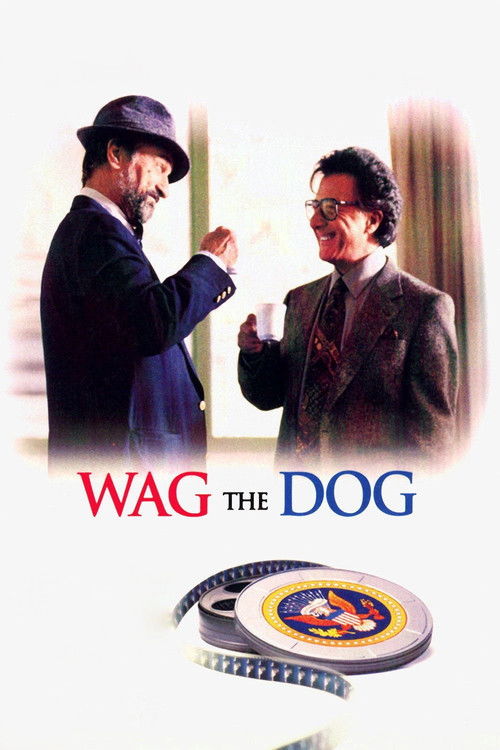
Everyone comes to Levinson via Rain Man, which won four Oscars and remains a genuine piece of mainstream craftsmanship. But Wag the Dog (1997) is where his real sensibility crystallises. A president fakes a war with Albania to distract from a scandal: Levinson and screenwriter David Mamet play it as comedy of total cynicism, where everyone is lying and everyone knows everyone else is lying and the show goes on anyway. Made in 1997, released as a real presidential scandal broke, it has only gotten funnier and darker with each passing election cycle. This is the film that defines what Levinson is actually for.
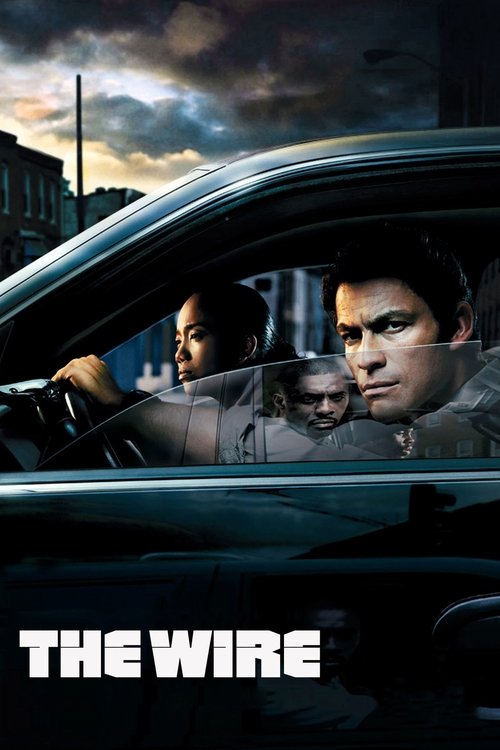
Homicide invented the modern prestige drama, and The Wire gets the credit
Homicide premiered in 1993, based on David Simon's on-the-ground reporting, and it looked unlike anything on American television. Shot handheld, crimes often unsolved, detectives credibly unpleasant. The Wire gets the reverence, but Simon and Levinson built the grammar together on Homicide first: the procedural as sociology, the city as protagonist, the case board as moral ledger. If you have watched all of The Wire and want to understand where it came from, the trail leads directly here.
Good Morning, Vietnam holds up better than its reputation suggests
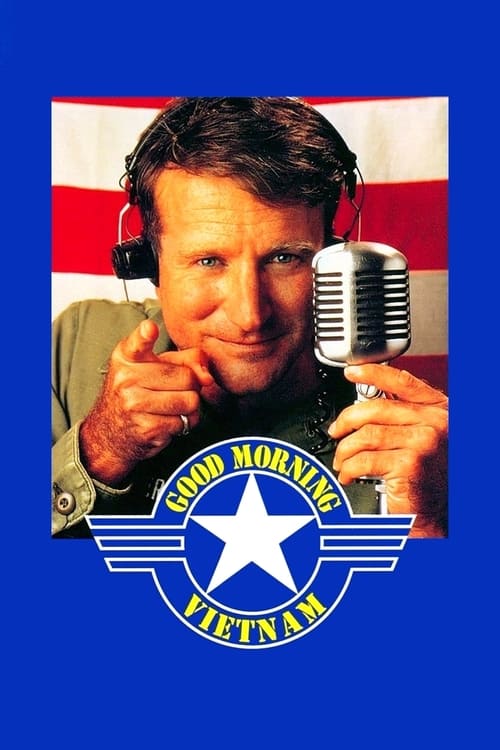
The film is remembered as a Robin Williams showcase, which undersells it. Levinson uses the comedy to make the anti-war argument more effectively than most films that argue it straight. Adrian Cronauer's freeform broadcasts become the only honest voice in a military apparatus built on lying, and the film's second half earns its sadness precisely because the first half made you laugh. It is better crafted than people give it credit for, and Williams is working at a level he rarely matched elsewhere.
The Baltimore cycle is what keeps Levinson from being merely a craftsman
Four films made across seventeen years (Diner, Tin Men, Avalon, Liberty Heights) trace the Jewish immigrant experience in Baltimore from the 1940s through the 1970s, with the specificity of someone who was actually there. The cycle's masterpiece is Avalon (1990), third in the sequence, which earns its emotion outright in a way the others approach but don't quite reach. The story of the Krichinsky family across three generations has the scope of great European family sagas, but Levinson never loses the specific texture of the neighborhood. It is not fashionable in the way Diner is. It should be mandatory viewing.
Barry Levinson: From Baltimore to Hollywood
- 1982Diner: the Baltimore cycle begins, a cast of unknowns, no plot to speak of Rain Man
- 1987Good Morning, Vietnam: Robin Williams at full force Good Morning, Vietnam
- 1988Rain Man: Best Picture and Director at the Academy Awards Rain Man
- 1990Avalon: the Baltimore cycle's emotional peak GoodFellas
- 1993Homicide premieres on NBC and changes what TV drama can look like Homicide: Life on the Street
- 1997Wag the Dog: the satire that keeps coming true Wag the Dog
American myth, his collaborators
For Fans of Dustin Hoffman
Explore the For Fans of Dustin Hoffman guide →Levinson's great subject is the moment before adulthood closes in: that last winter when everything is still possible and nothing is yet decided.CrossBinge