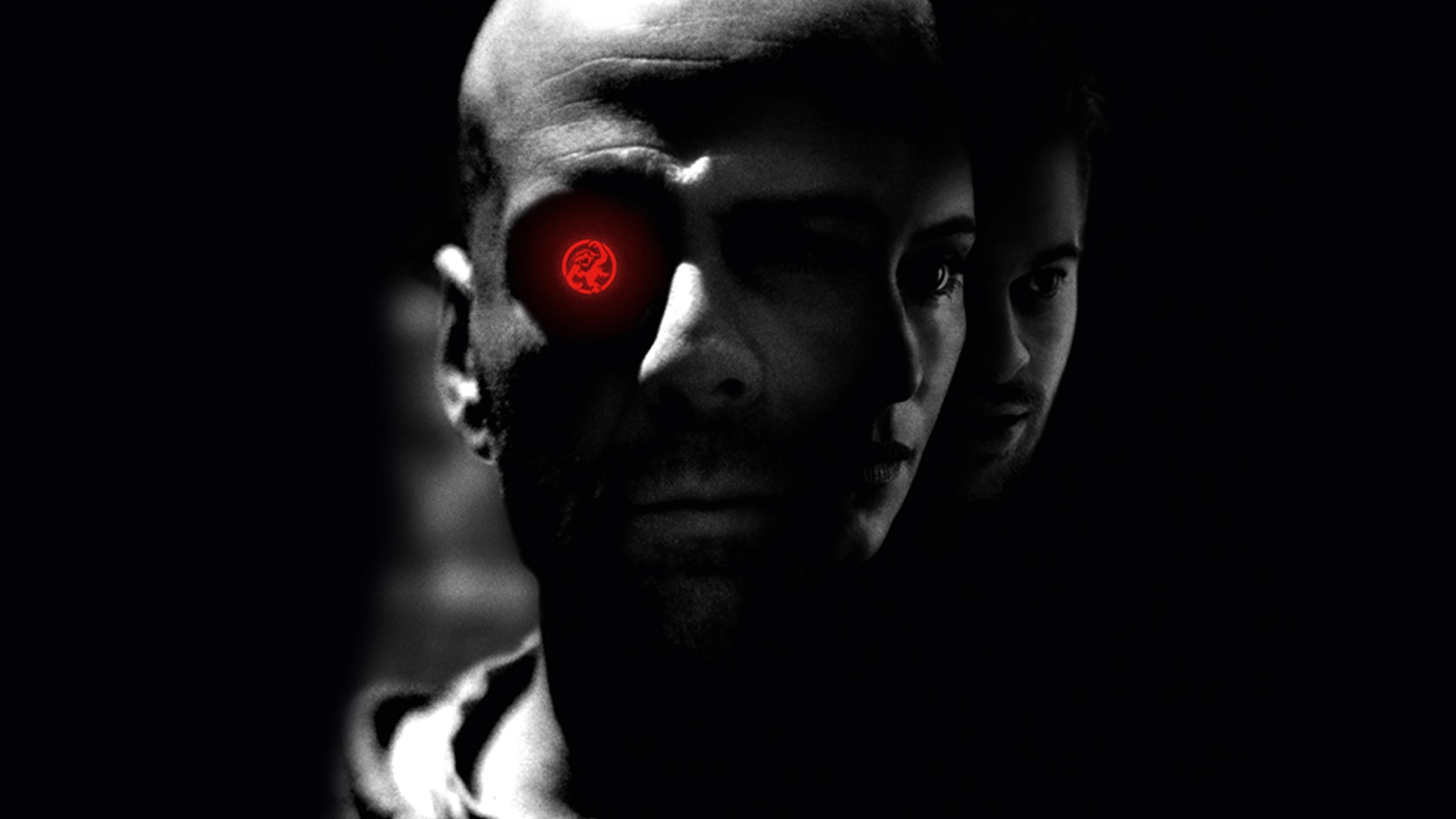

The still image that started everything
The Twelve Monkeys story begins not with a novel or a comic but with a 28-minute French film made almost entirely from still photographs. In 1962, director Chris Marker released La Jetee, a science-fiction meditation on memory, time, and the trap of nostalgia, told in black-and-white photo-montage with sparse voiceover narration. It follows a prisoner in a post-apocalyptic Paris who is sent backward and forward through time because of his obsessive attachment to a single image from his childhood: a face seen on a jetty at Orly Airport. The film is barely 1,500 feet of celluloid and contains exactly one moving image, a woman opening her eyes. Nothing else in science fiction of that length has left a longer shadow.
In 1995, Terry Gilliam adapted the core premise into Twelve Monkeys, a full feature that transplanted the action to Philadelphia and Baltimore, gave the protagonist a name (Cole), surrounded him with Brad Pitt's manic performance and Madeleine Stowe's psychiatrist, and expanded the conspiracy into an eco-terrorism plot. The film was a commercial and critical success, and became the version most people encountered first. Then in 2015 the Syfy network took the same bones and stretched them across four seasons of television, reworking the timeline mechanics into something far more elaborate and serialized. The story has now existed in three distinct formats across six decades, each one using the time-loop structure to different emotional ends.
Every version of the Twelve Monkeys story
The source work and every screen adaptation

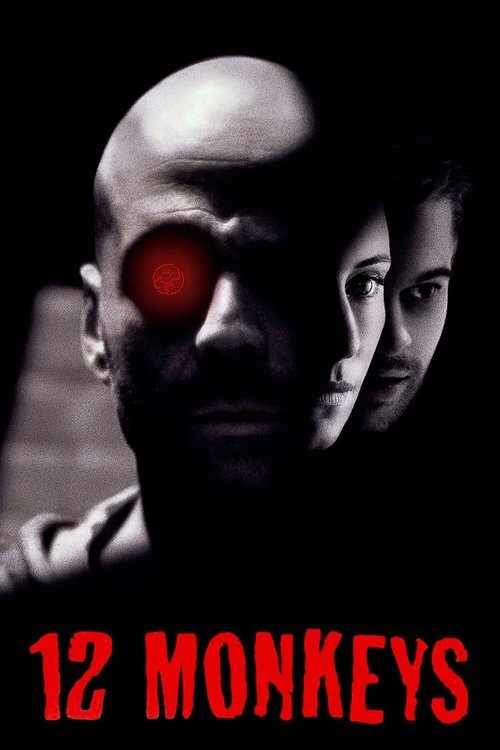
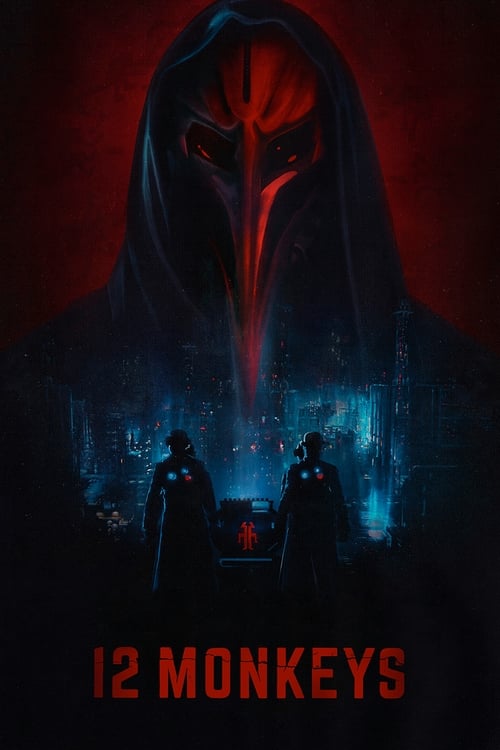
The Twelve Monkeys timeline
- 1962La Jetee released (Chris Marker, France) La Jetée
- 1995Twelve Monkeys, Terry Gilliam feature film Twelve Monkeys
- 201512 Monkeys TV series premieres on Syfy 12 Monkeys
- 201812 Monkeys concludes after four seasons 12 Monkeys
The definitive version: La Jetee (1962)
Every adaptation has more plot than La Jetee, and none of them has more impact. Chris Marker's original constrains itself to still images and a narrator's voice, and that constraint produces something the feature films cannot: the feeling that you are watching memory itself, imprecise and fragile. The single moving image, a woman opening her eyes, lands with the force of a revelation precisely because everything before it has been frozen. It is 28 minutes long and it says everything the subsequent hours of film and television are trying to say.
If you love the time-loop mechanics
Stories where time travel is a trap, not an escape


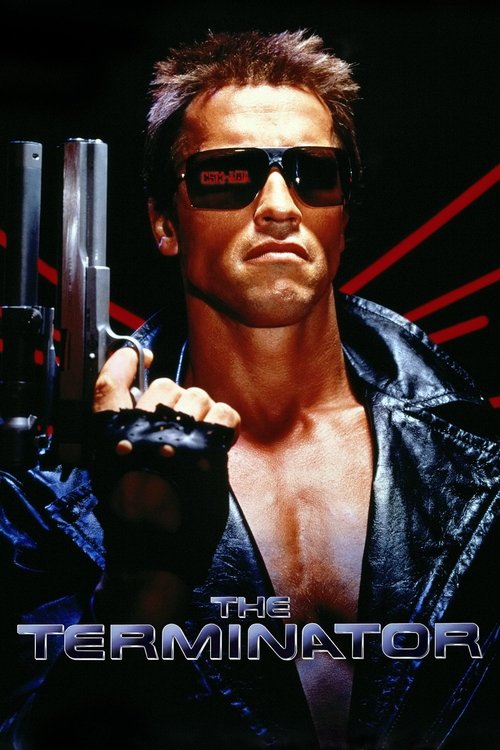
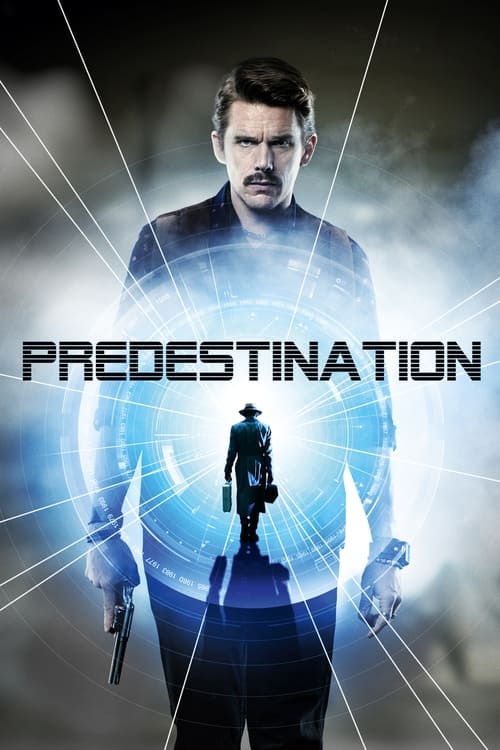
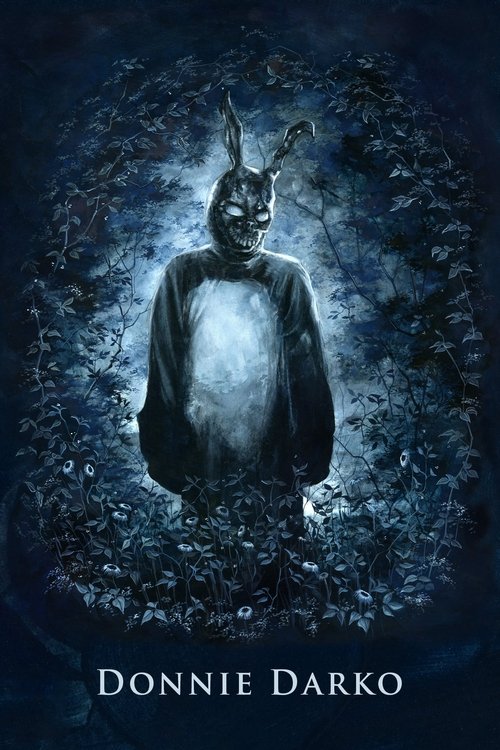

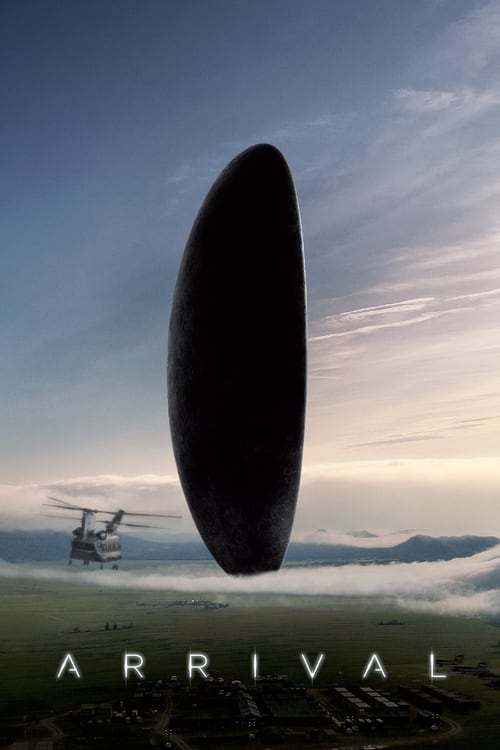
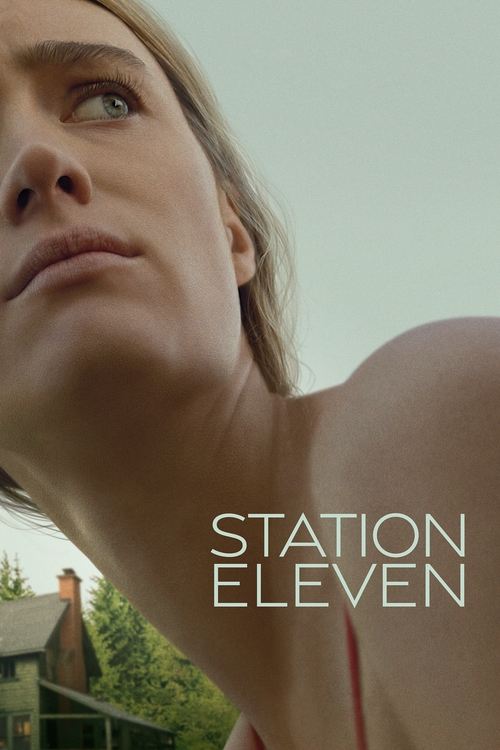
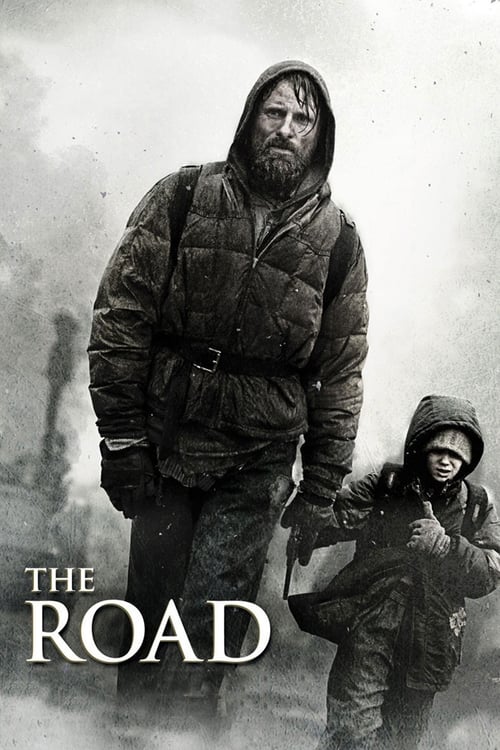
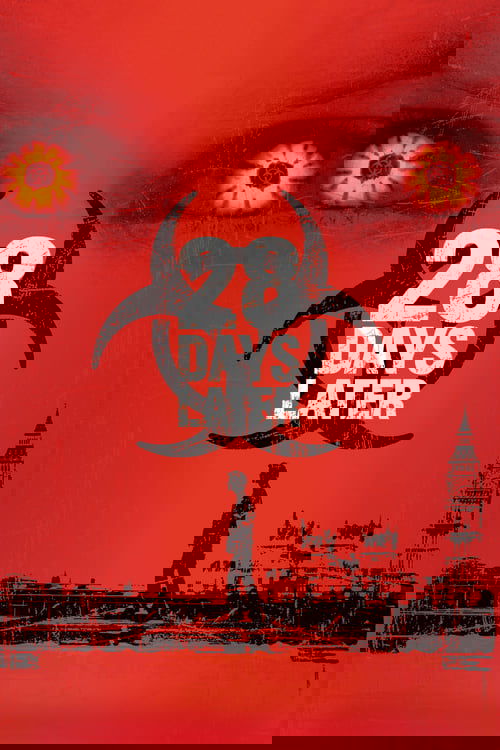
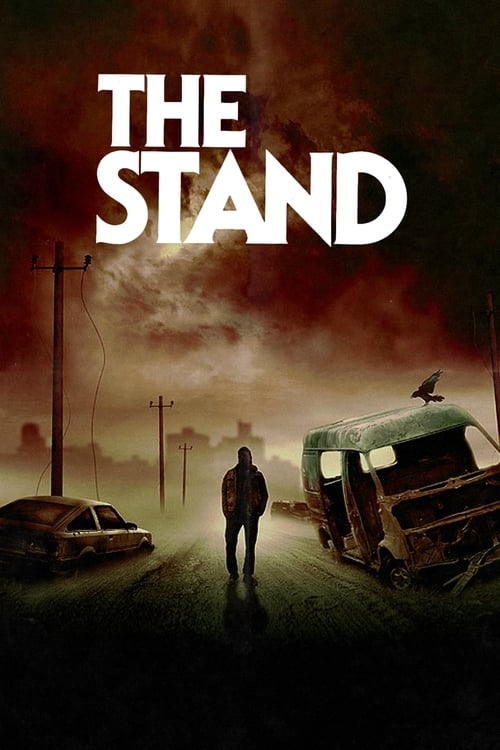
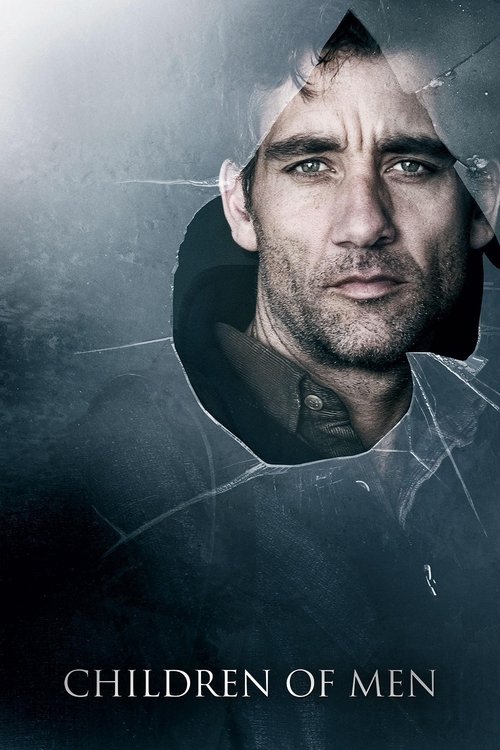
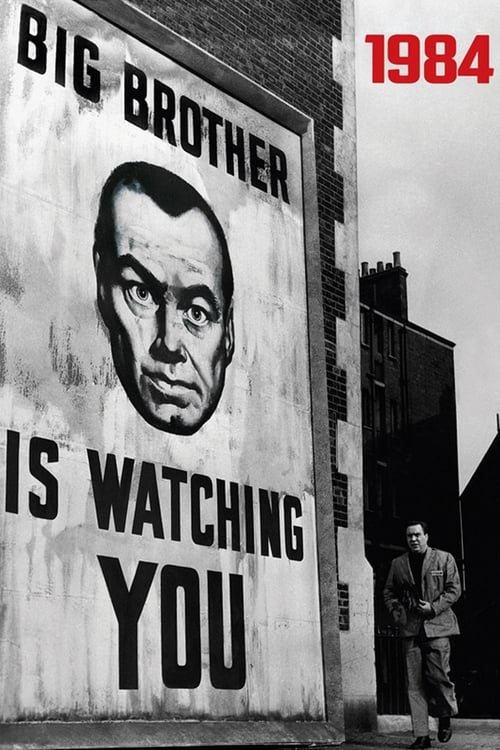
If you love the plague and collapse themes
Pandemic, survival, and the world that remains


The underrated version: the Syfy series (2015-2018)
The 12 Monkeys TV series had every reason to be forgettable: an adaptation of an adaptation of a short film, made for a network not known for prestige drama. Instead it became one of the most genuinely ambitious time-travel narratives in television history, building a mythology that rewards close attention and wraps up with real conviction in its fourth season. The cast, particularly Emily Hampshire as Jennifer Goines, runs with the material in ways that go far beyond what any pilot would have promised. It earned its fanbase the hard way.
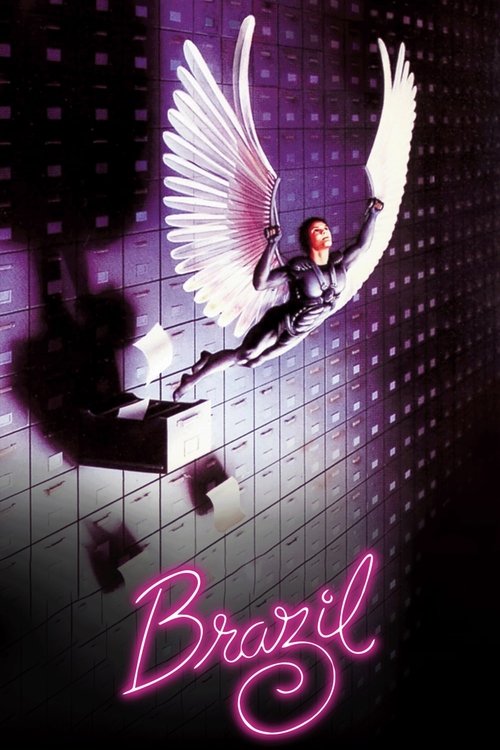
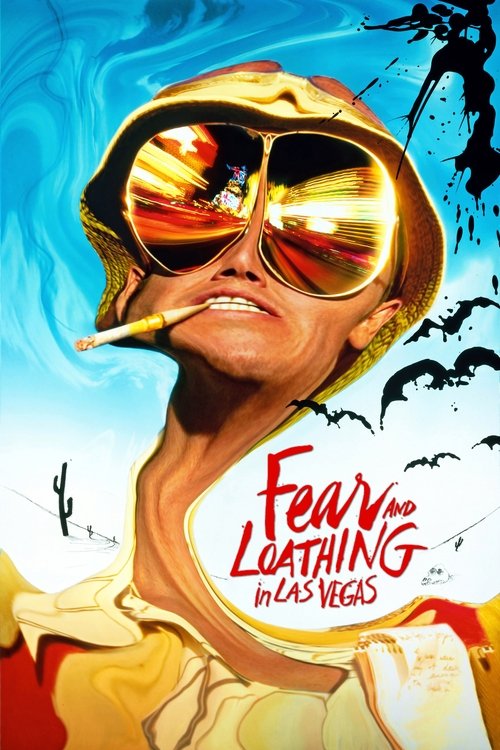
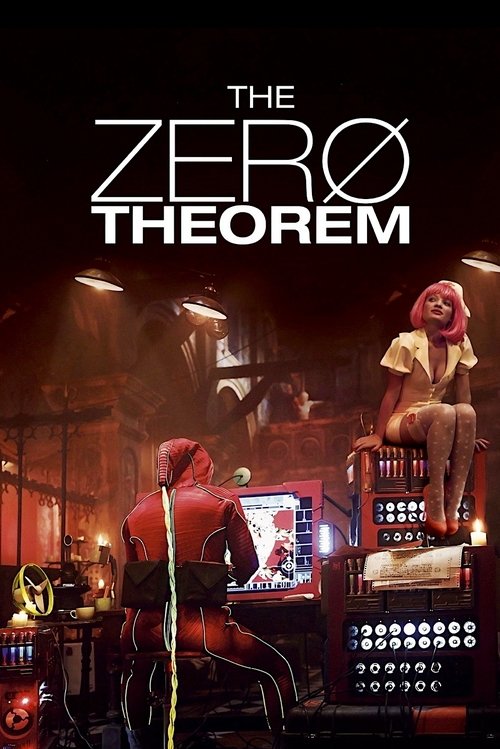
If you love the Gilliam aesthetic
Paranoid, system-as-villain films in the tradition of Brazil and Twelve Monkeys
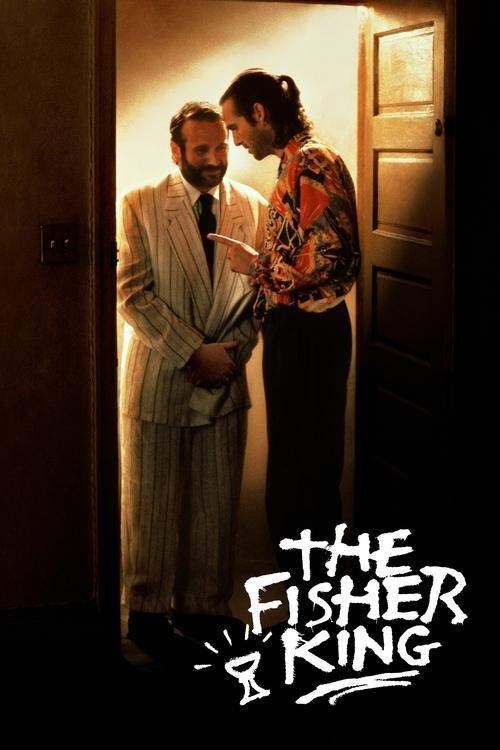

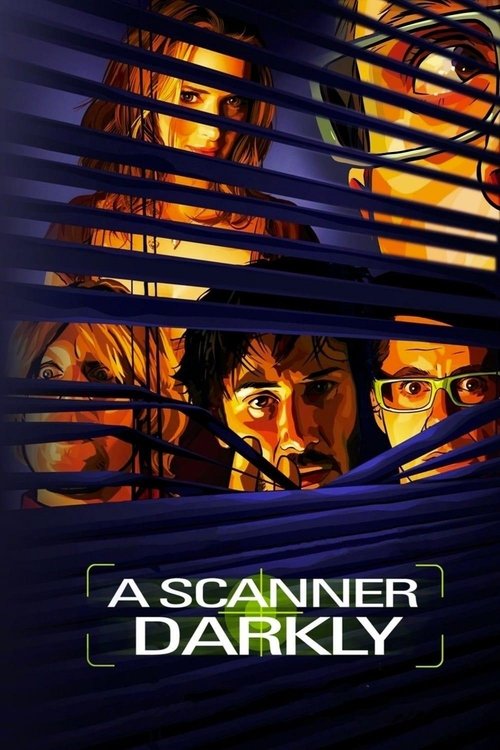
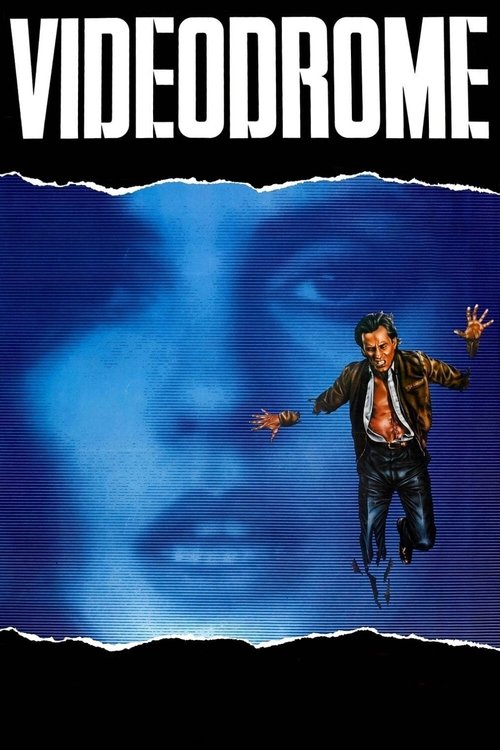
If you love the memory and obsession angle
Stories about being haunted by an image or a moment
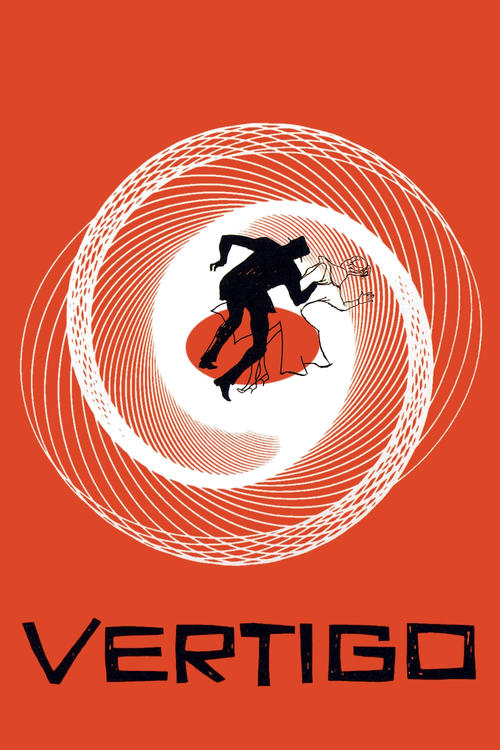
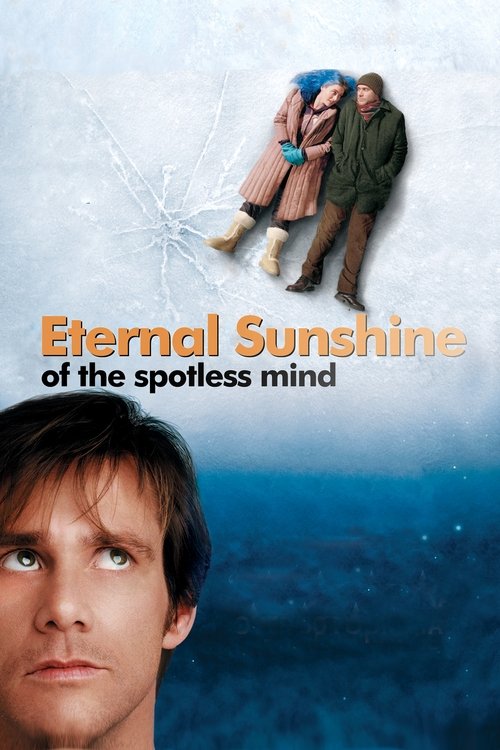
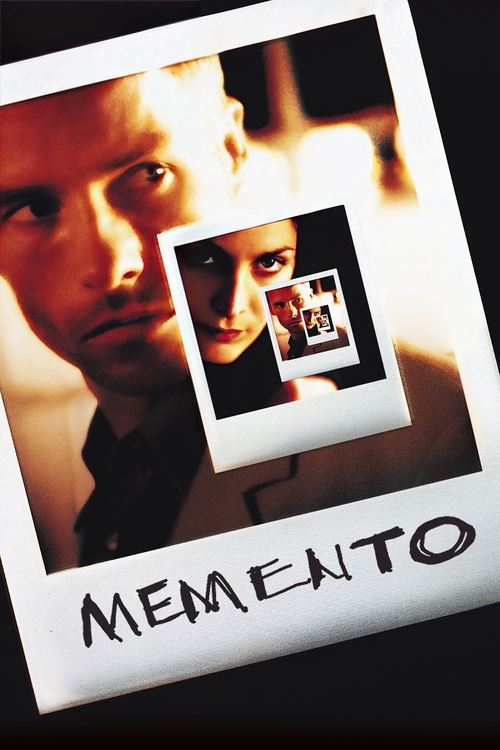


Don't start here: the Gilliam film is the wrong entry point
This is not a knock on Twelve Monkeys (1995), which is a very good film. But if you go to it first and then try La Jetee, the short will feel like a sketch for the feature rather than its own complete thing. Watch La Jetee first, without knowing where it goes. Then watch Gilliam's film as an expansion. In the right order, each version adds something. In the wrong order, the smaller work loses its authority.