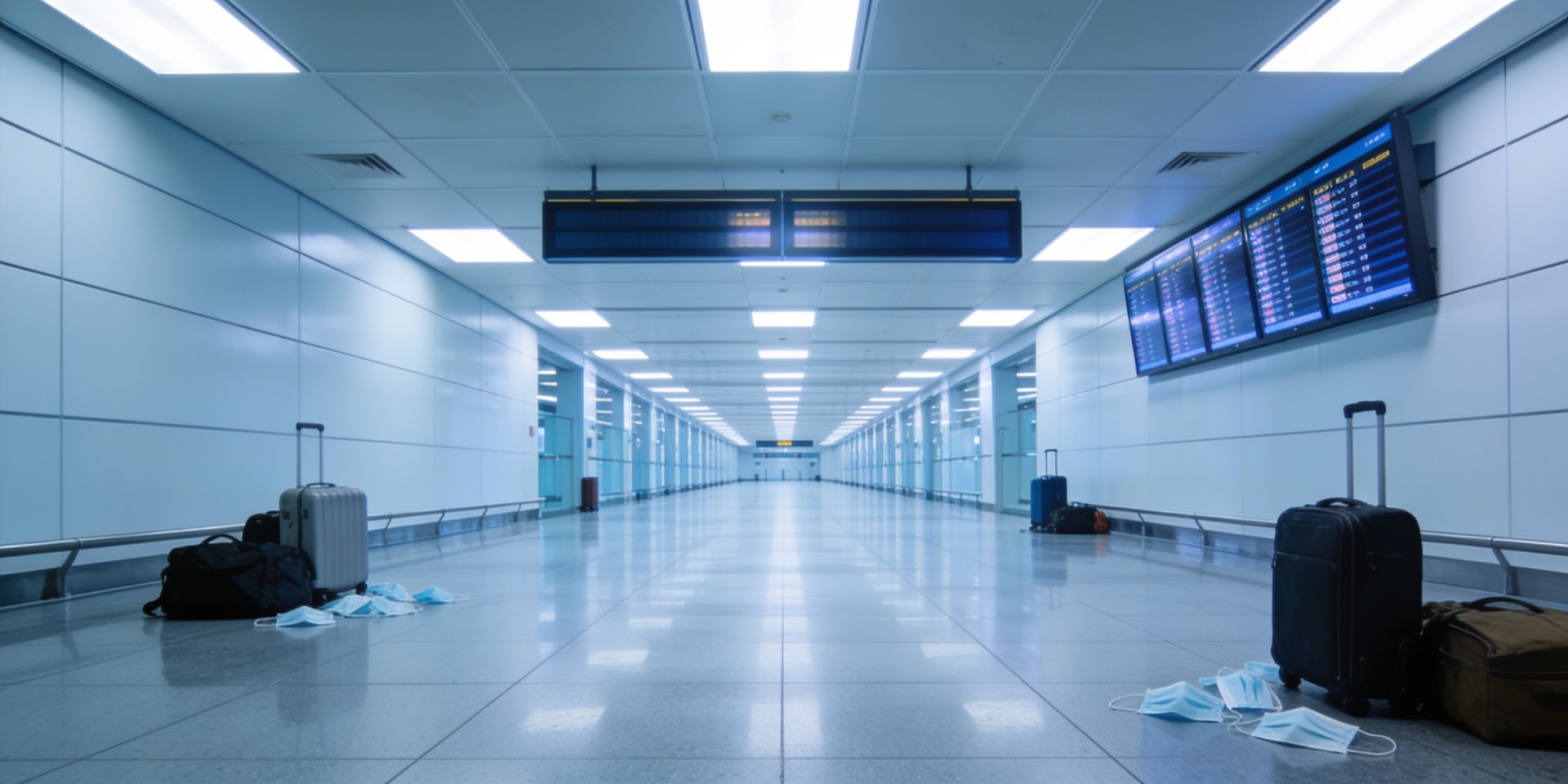

A pandemic story is, at its core, a trust story. It asks who you believe, who you protect, and how far you are willing to go when the systems designed to keep everyone safe start to crack. The virus is never really the villain. The villain is the gap between what the authorities know and what they tell you, between the rules you agreed to follow and the rules you actually follow when your family is on the other side of the cordon.
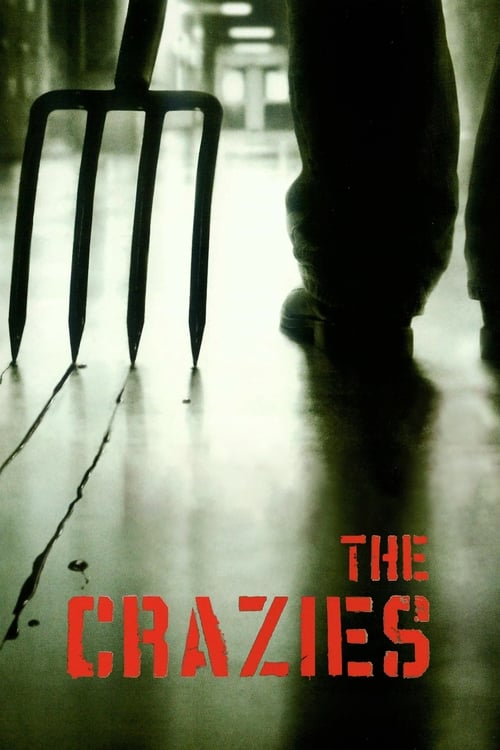
This genre has been around long before COVID made it visceral and immediate. Camus wrote The Plague in 1947 as an allegory about occupation and moral responsibility. Romero's infected townsfolk in The Crazies were already a commentary on government response in 1973. What the best pandemic stories share is a refusal to reduce the virus to a monster. They keep the science visible, the decision-making messy, and the human cost specific. A number on a death ticker is easy to ignore. A specific face across a quarantine fence is not.
Essential pandemic stories
The canon, across film, TV, games and books



The film that got the science right
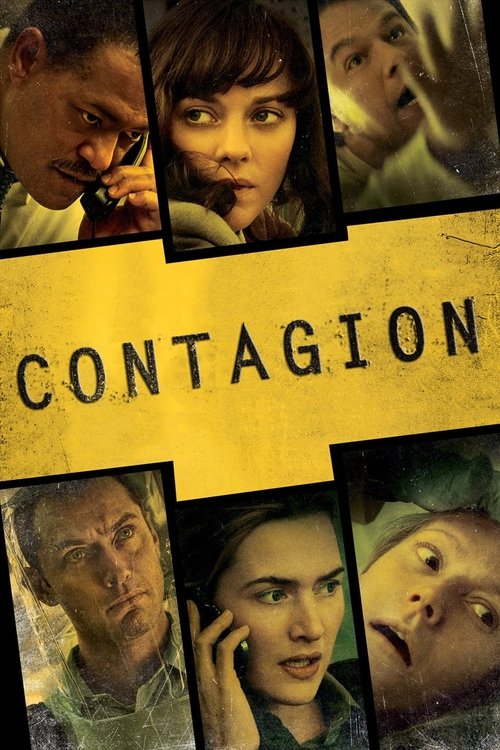
Steven Soderbergh's Contagion (2011) was already uncomfortable viewing before the world caught up with it. What makes it remarkable is its discipline: the MEV-1 virus spreads along real transmission routes, the CDC bureaucracy behaves like a real bureaucracy, and the vaccine timeline is not compressed for drama. Soderbergh made the deliberate choice to give the virus no face, no single origin scene, no villain who could be caught and punished. The enemy is biological, and the response is institutional. Jude Law's conspiracy blogger is the film's sharpest satirical cut: the dangerous man is not the one who keeps secrets but the one who monetizes fear. It held up as both prophecy and instruction manual.
The outbreak on screen
Films that put the epidemic center frame

When the horror is invisible
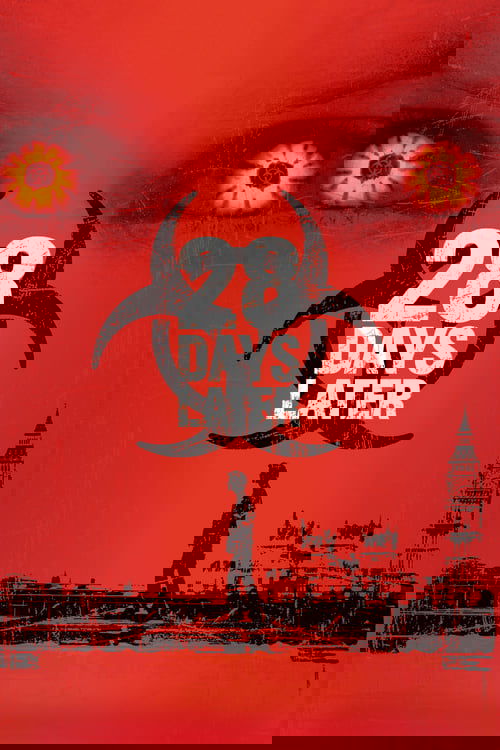
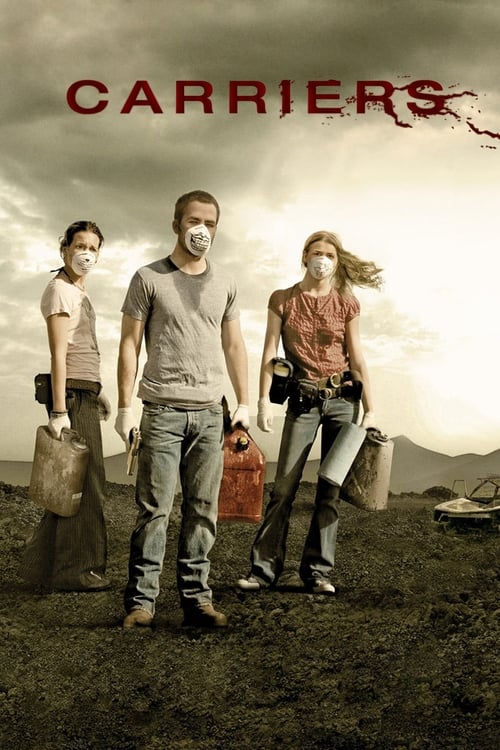
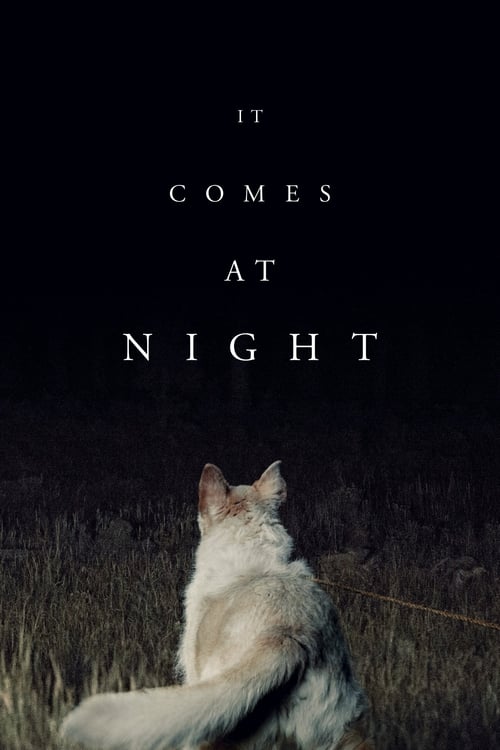
The genre splits sharply around one question: do you show the pathogen, or do you keep it hidden? 28 Days Later made the infected terrifyingly visible, fast, and physical. Contagion kept the virus invisible and let the institutions do the screaming. It Comes at Night goes further still, withholding even confirmation of what the threat is, making paranoia the actual subject. The horror is not the disease but what healthy people do to each other while trying to avoid it.
The quarantine narrative is a pressure cooker for exactly this kind of moral drama. Once you seal a perimeter, every rule about who deserves care and who gets left outside becomes a live question. The genre earns its dread by making those questions feel answerable in the moment and indefensible in retrospect.
Sealed inside
Quarantine, confinement and the rules that break first


Television found the long game
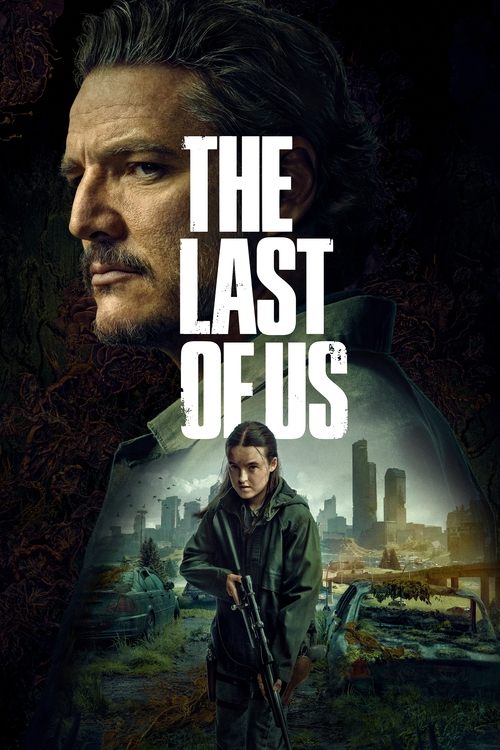
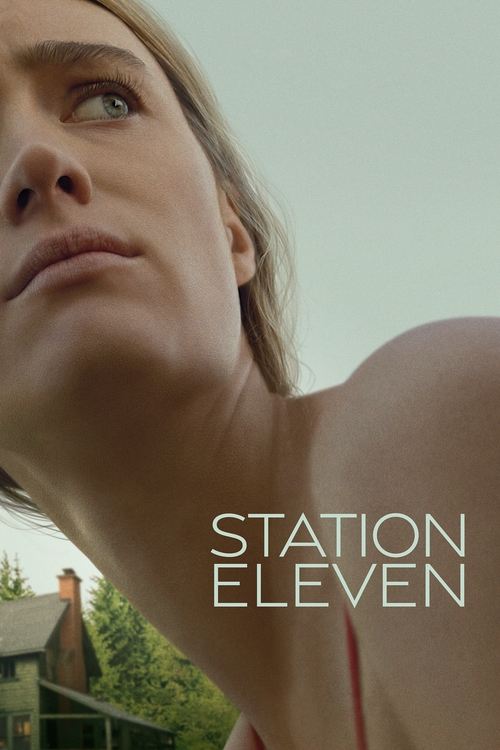
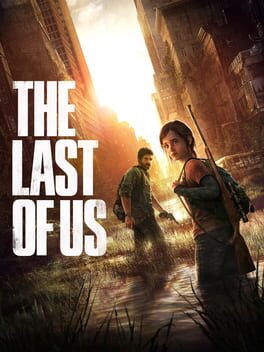
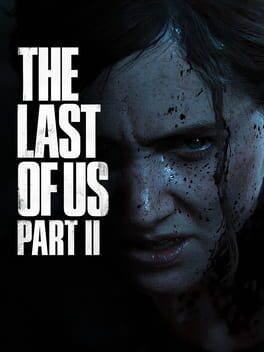
Station Eleven (2021) made a different bet from most of its predecessors: it was not interested in the collapse, only in what came after. The Georgia Flu kills most of the world in the miniseries' first hour; the rest is about the people who built something from the wreckage twenty years on. It is probably the genre's most optimistic major text, and it earns that optimism by refusing to make the survivors either saints or savages. The Last of Us takes the longer view through the games that preceded the show: the Cordyceps infection is the premise, not the plot. The plot is two people deciding whether to trust each other when trust costs everything. Both of these are pandemic stories that refuse to let the virus be the point.
The epidemic on television
Series with the room to trace collapse across time
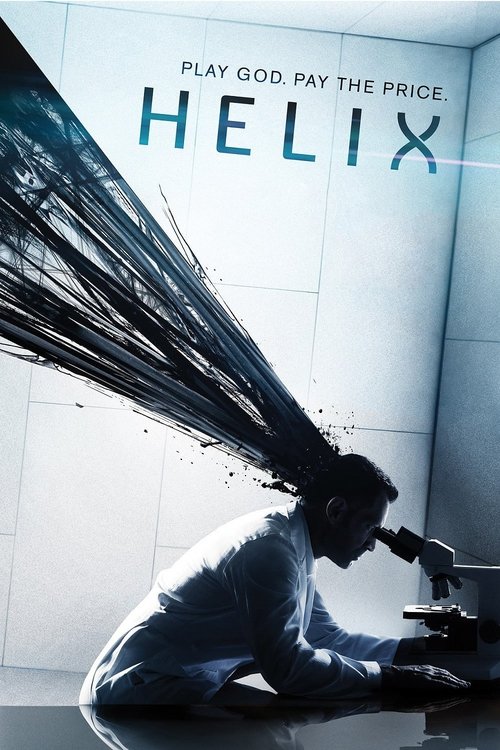

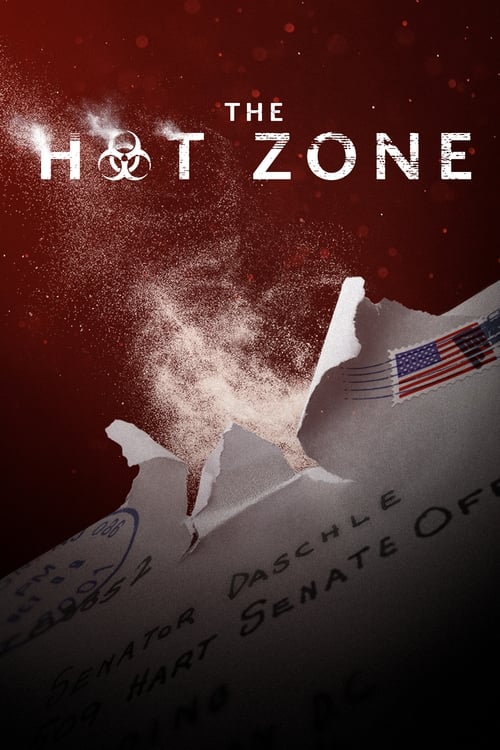
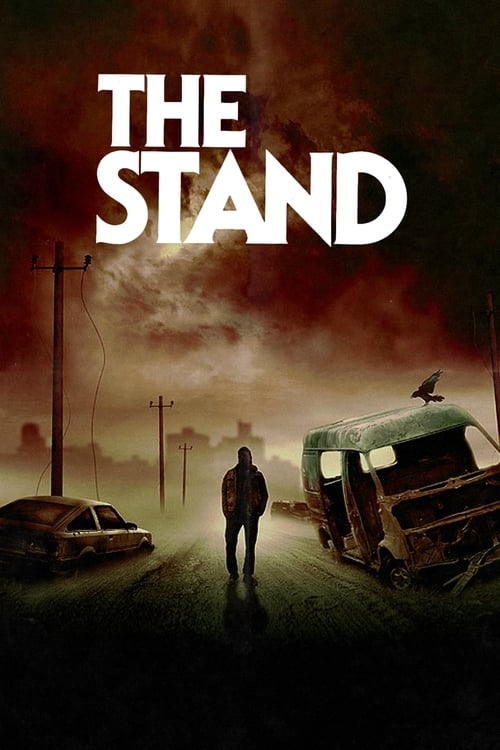
The game where you are the virus
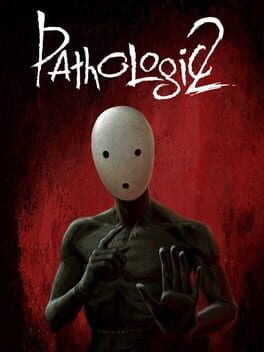
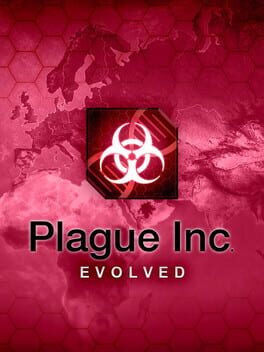
Plague Inc. did something quietly radical: it handed you the pathogen. You are not trying to survive or contain; you are engineering transmission, mutating past vaccines, timing your lethality to maximize spread before humanity can respond. It is a systems-thinking game dressed as a casual mobile title, and the CDC reportedly used it as a public-engagement tool. Pathologic 2 approaches the subject from the other direction entirely, placing you in a dying town with an impossible clock and a plague that the local population understands in ways that resist medical categorization. Both games make the case that playing through an epidemic teaches something that watching one cannot.
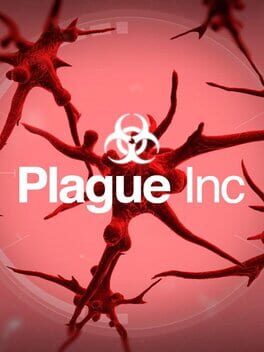
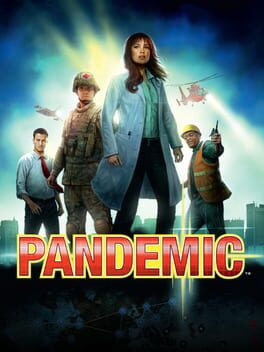
Play the epidemic
Games that put you inside the outbreak, or running it
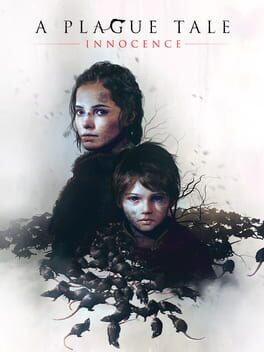
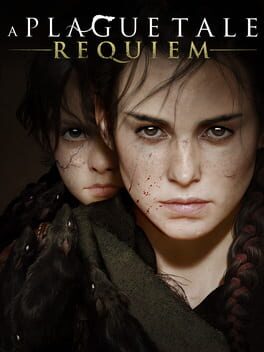
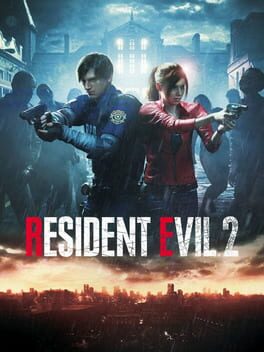
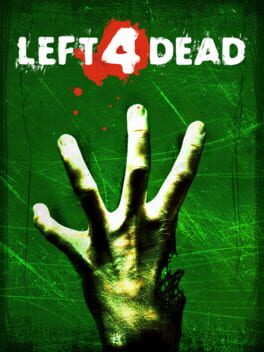
The virus does not have a plan. That is what makes it terrifying. It does not want anything, it does not hate you, it is not trying to punish you. It just spreads. The meaning is entirely ours to make.On why the epidemic is the modern world's primal horror
The epidemic on the page
Novels that gave the outbreak room to breathe


Time capsules and prophecies
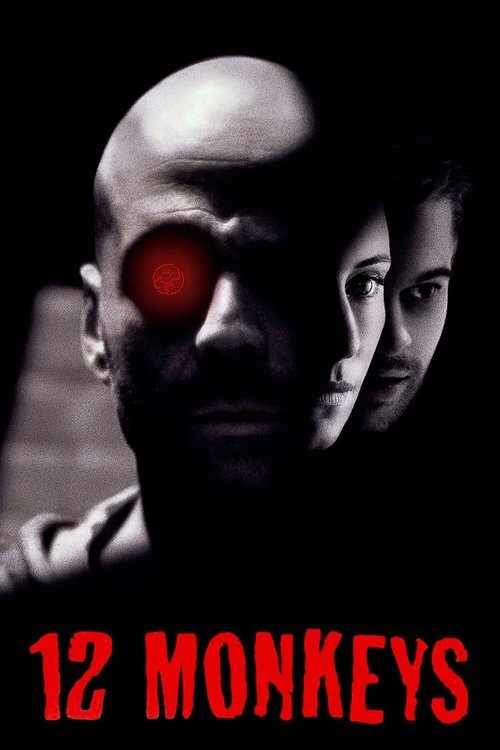
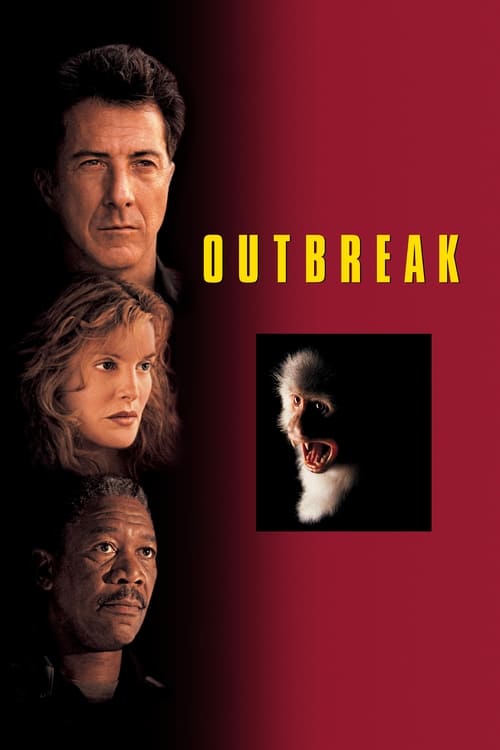
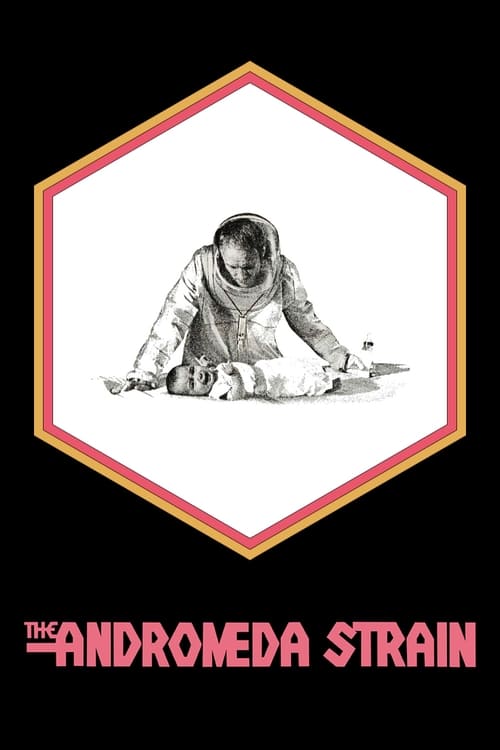
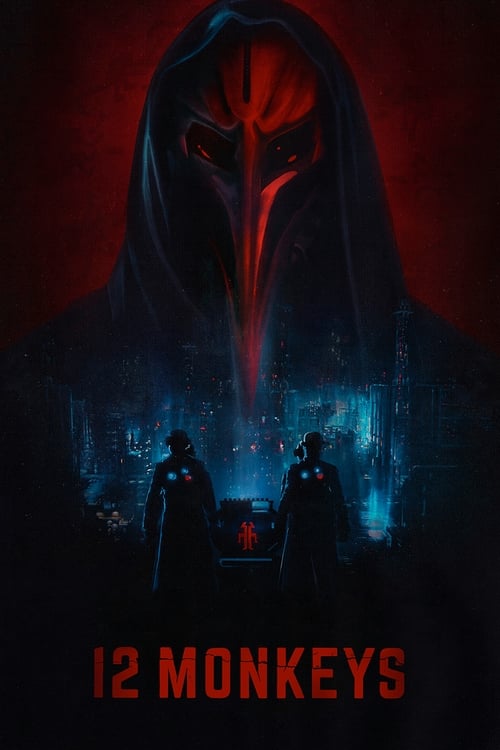
The pandemic genre has an uncomfortable relationship with time. Works made well before any real outbreak read, in retrospect, as eerily specific. The Andromeda Strain (1971) got the lab procedure right decades before biosafety levels were public vocabulary. Outbreak (1995) dramatized the political tension between a military desire to firebomb a hot zone and a scientist's desire to find a cure; that tension has never felt fictional. Twelve Monkeys (1995) made the disease the MacGuffin and used it to explore fate, memory and the impossibility of preventing catastrophe from inside it.
What all these films understood, before the real world confirmed it, is that the epidemic is always also a social crisis. The virus reveals the fault lines that were already there. Who has access to the antidote? Who gets evacuated first? Which neighborhoods get the quarantine wall and which get the airstrike? The pathogen is neutral. The response never is.
A note on music: pandemic scores exist as texture for other media rather than as a genre. The 28 Days Later soundtrack is the most widely known standalone album from this corner of film history; otherwise the catalog's epidemic-specific music is too sparse to constitute a genuine row.