
The memoir that slavery tried to bury
In 1841, Solomon Northup, a free Black man living in Saratoga Springs, New York, was drugged, kidnapped, and sold into slavery in Louisiana. He spent twelve years on the cotton and sugar plantations of the Red River region before friends in the North secured his rescue and return. Within months of regaining his freedom in 1853, he dictated his account to the writer David Wilson, and Twelve Years a Slave was published that same year. It sold thirty thousand copies before the Civil War began.
For nearly a century the book faded from common circulation. It was rediscovered by literary historians in the mid-twentieth century and eventually canonized, but the wider public did not encounter it in force until Steve McQueen's 2013 film swept the Academy Awards and put Northup's name back on the cultural map. The story has never been as densely adapted as, say, Uncle Tom's Cabin, but the 2013 film made it one of the defining American historical narratives of its era. What follows is every version of that story, and the wider constellation of works it belongs to.
The two screen adaptations are separated by nearly thirty years and could not be more different in approach. Gordon Parks directed Solomon Northup's Odyssey for PBS in 1984, with Avery Brooks in the lead role. It is a measured, carefully observed film that served a mostly television audience and has been largely buried by the McQueen film's success. Worth tracking down as a companion piece: Brooks's restraint is genuinely remarkable. The 2013 film arrived in a different cultural moment and refused every mercy the 1984 version had extended to its audience.
Twelve Years a Slave across time
- 1853Solomon Northup publishes the memoir with David Wilson Twelve years a slave
- 1984PBS television adaptation directed by Gordon Parks, starring Avery Brooks
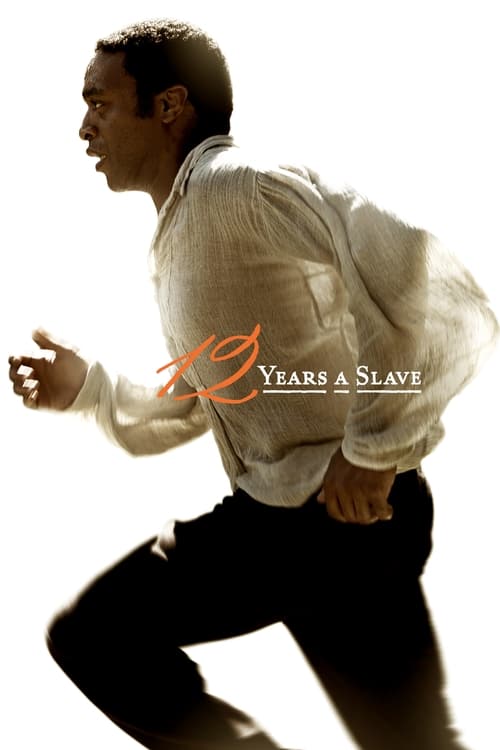
- 2013Steve McQueen's film wins the Academy Award for Best Picture 12 Years a Slave
The 2013 film is the definitive version, and it was supposed to be unbearable
Steve McQueen's film is one of the rare cases where an adaptation genuinely deepens the source material for a general audience rather than softening it. Chiwetel Ejiofor carries the full weight of Northup's interiority with almost no dialogue in the key scenes, and McQueen's refusal to cut away from acts of violence forces a reckoning the memoir itself, constrained by the conventions of antebellum abolitionist publishing, could not always demand. It is not comfortable viewing. That is the point.
The film was criticized in some quarters for being too brutal, which is the wrong complaint. Northup's real experience was brutal. The question an adaptation has to answer is whether it has the courage to say so plainly, or whether it is going to manage the audience's feelings. McQueen made the right choice.
Read the memoir before the McQueen film, not after
Northup's own prose is remarkable: formal in the way that abolitionist-era slave narratives had to be to be taken seriously by white Northern readers, but crammed with precise geographical and agricultural detail that no novelist would have bothered to invent. Reading the book first means the film lands harder, because you already know what McQueen chose to preserve and what he chose to compress. The two versions answer different questions about the same life, and neither one makes the other redundant.
One specific thing the book has that the film cannot quite replicate: Northup's meticulous accounting of names, dates, locations, and crop yields. He was writing as a legal witness, not as a traumatized narrator. That distinction changes what the text is and why it survived.

Other first-person narratives of slavery
Memoirs and adaptations built from witness testimony



Wrongful captivity and the long road back
Films about unjust imprisonment, endurance, and survival

America's history of racial violence on screen
Films and series that confront the structural violence of American history