
No other war the United States has fought still argues with itself the way this one does. Roughly 750,000 men died in four years over a question the country had refused to settle for eighty: whether one half of the nation could keep the other half of its people in bondage. Every retelling since has had to decide where it stands, and the honest ones admit there is no neutral ground here. A camera pointed at a cornfield at Antietam is already taking a side.
The Civil War we keep returning to is several stories at once. It is the war of huge set-piece battles, Gettysburg and Shiloh and the Wilderness, where men walked in lines into massed rifle fire because the tactics had not yet caught up to the weapons. It is the intimate war of a deserter walking home across a ruined South, of a nurse in a Washington hospital, of a family split by which uniform its sons chose. And it is the war about why any of it happened, which is to say the war about slavery, the one subject the most nostalgic versions work hardest to avoid. The best work across every medium refuses that evasion.
Essential Civil War
The canon: battle, bondage and aftermath across every medium

Glory is still the one that gets it right
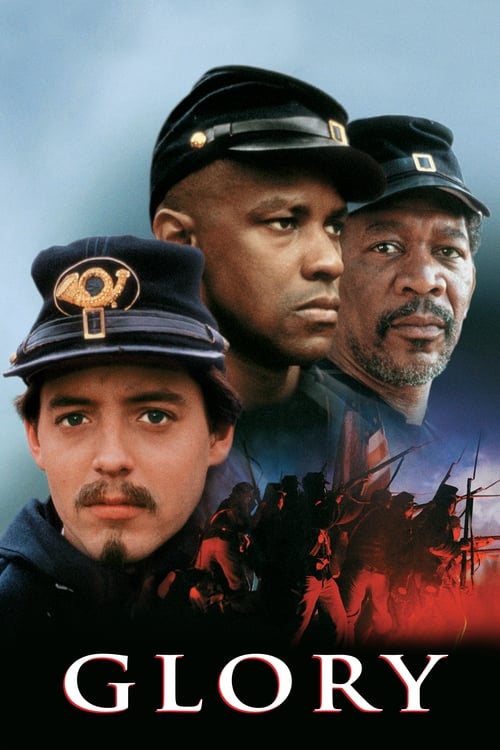
Edward Zwick's Glory (1989) follows the 54th Massachusetts, the Union's first regiment of Black soldiers, from its formation through the doomed assault on Fort Wagner. What keeps it essential is that it never lets the white officer's story crowd out the men he commands. Denzel Washington's runaway slave, Morgan Freeman's grave-digger turned sergeant and Andre Braugher's bookish freedman each carry a different relationship to a country that has only just agreed to arm them, and the film respects all three. The whipping scene, where the camera holds on Washington's face and a single tear, says more about what these men were carrying than any speech could.
The charge at the end is not staged as a triumph. It is a slaughter that the men walk into with their eyes open because the act of fighting is itself the point they came to make. That is the rare Civil War film that understands the war was about the people it freed, not the generals who get the statues.
The war on film
Gettysburg, the home front and the long shadow of slavery
Gettysburg and the gospel of the lost cause
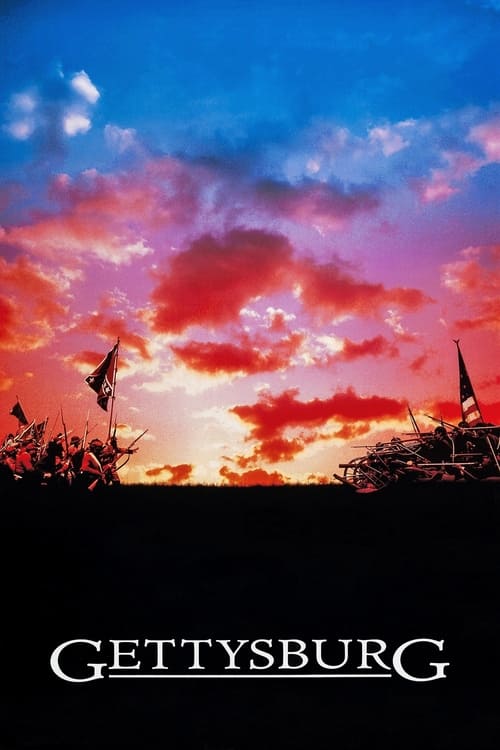
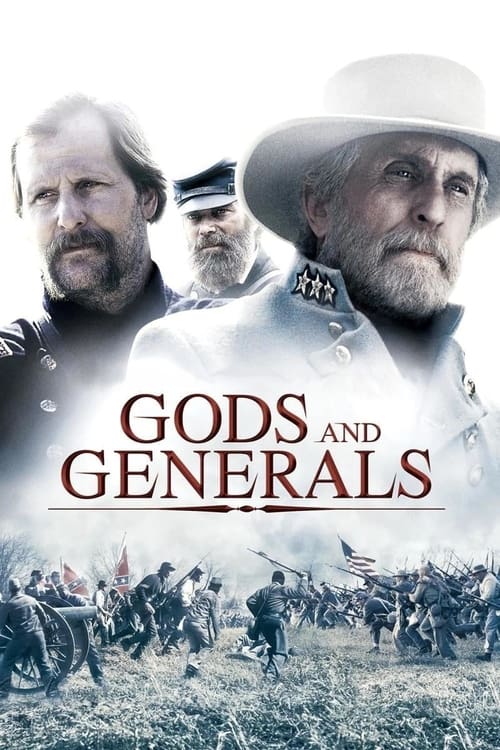
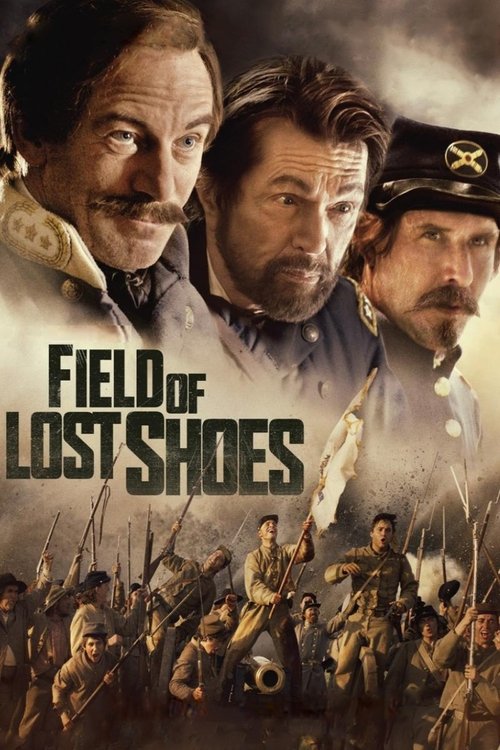
Three days in July 1863 produced more American casualties than any battle before or since, and they have generated their own small library. Ron Maxwell's Gettysburg (1993), adapted from Michael Shaara's novel, runs over four hours and treats the battle almost as a chess problem, cutting between Confederate and Union commanders as they reason their way toward Pickett's Charge. Its prequel Gods and Generals is more openly sympathetic to the Southern officers, and the difference between the two films is a useful lesson in how the same war gets remembered very differently depending on who is holding the camera.
The danger across this whole genre is the lost cause myth: the version that turns secession into a noble stand for states' rights and quietly files away the human beings it was fought to keep enslaved. Gone with the Wind is the most beautiful and most dishonest example, a magnificent piece of filmmaking built on a plantation fantasy. You can admire the craft and still see clearly what it is selling.
Gettysburg and its generals
The battle that consumed an entire shelf of its own


Ken Burns made the definitive history, and it is a documentary
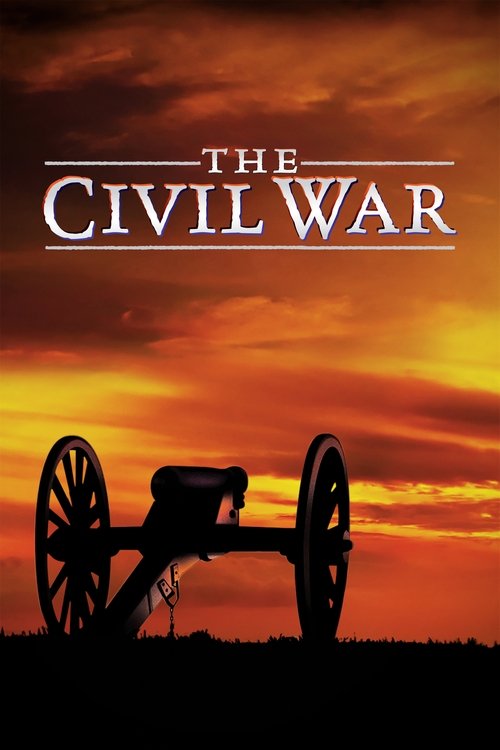
Before there was a streaming-era prestige documentary, there was The Civil War (1990), eleven hours that taught a generation what the medium could do. Ken Burns built the whole thing out of still photographs, period letters read aloud and a single haunting fiddle tune, and somehow it moves like a feature film. The voices of ordinary soldiers, read by a cast of narrators over slow pans across faded glass-plate portraits, do what no battle scene can: they make you feel that these were specific people who did not know how the story ended.
The series has its critics, and the charge that it leans too hard on the reconciliation narrative, the idea that both sides were equally brave and equally right, is a fair one. But it remains the gateway. Most people who care about this war at all walked through this door first, and it is still the best single account of the whole arc from Fort Sumter to Appomattox.
The war on television
From the Burns documentary to the abolitionists and the railroad north

The books that argue both sides
The Civil War may be the most thoroughly written war in history, and the page is where its contradictions are easiest to hold side by side. Doris Kearns Goodwin's Team of Rivals recast Lincoln not as a marble saint but as a political operator who folded his fiercest opponents into his own cabinet and out-maneuvered all of them, the book that became the spine of Spielberg's film. S.C. Gwynne's Rebel Yell gives the same careful attention to Stonewall Jackson, a brilliant and deeply strange tactician, without pretending the cause he served was anything other than what it was.
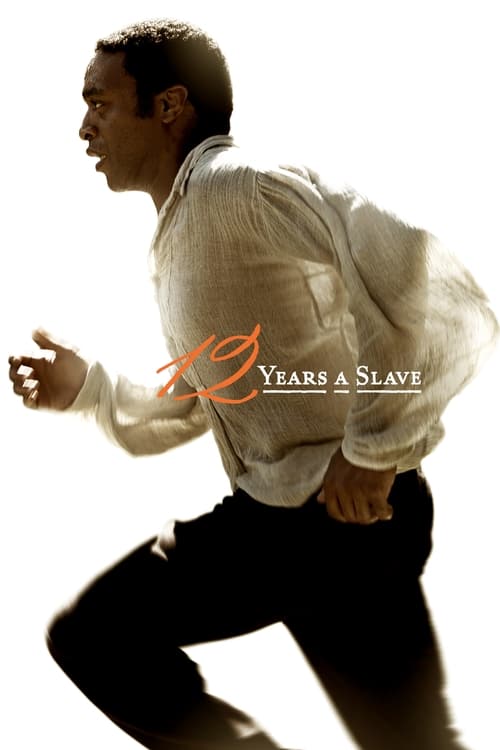
The other essential shelf is testimony. Twelve Years a Slave, Solomon Northup's first-hand account of being kidnapped from freedom and sold south, and Harriet Beecher Stowe's Uncle Tom's Cabin, the novel that helped make the war thinkable, are the documents the battle histories exist to explain. Read the testimony first and the troop movements stop being abstract.
The war on the page
Histories, testimony and the novels that lit the fuse


We here highly resolve that these dead shall not have died in vain, that this nation shall have a new birth of freedom.Abraham Lincoln, the Gettysburg Address, November 1863
The strategy games understand the war as a problem of supply
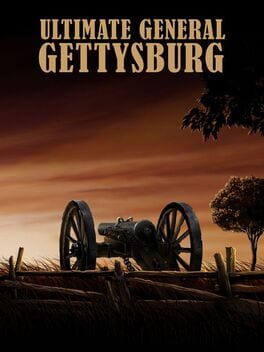
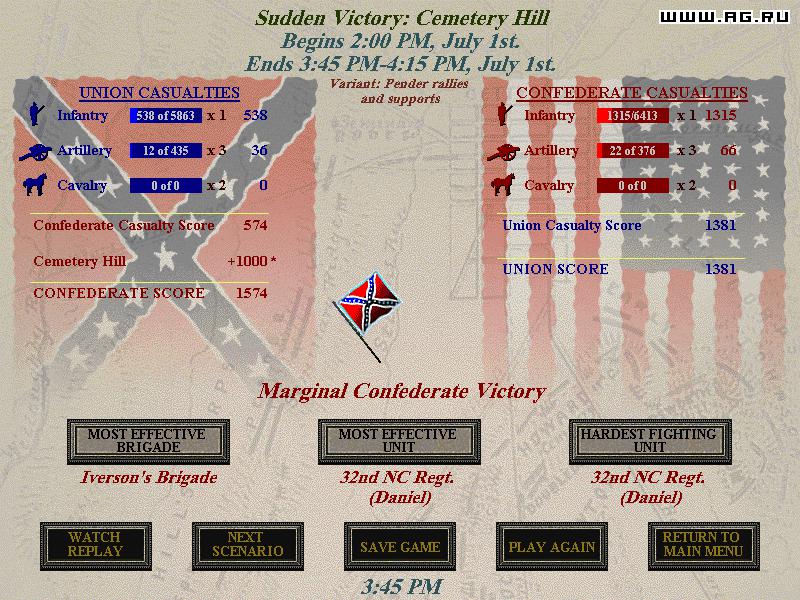
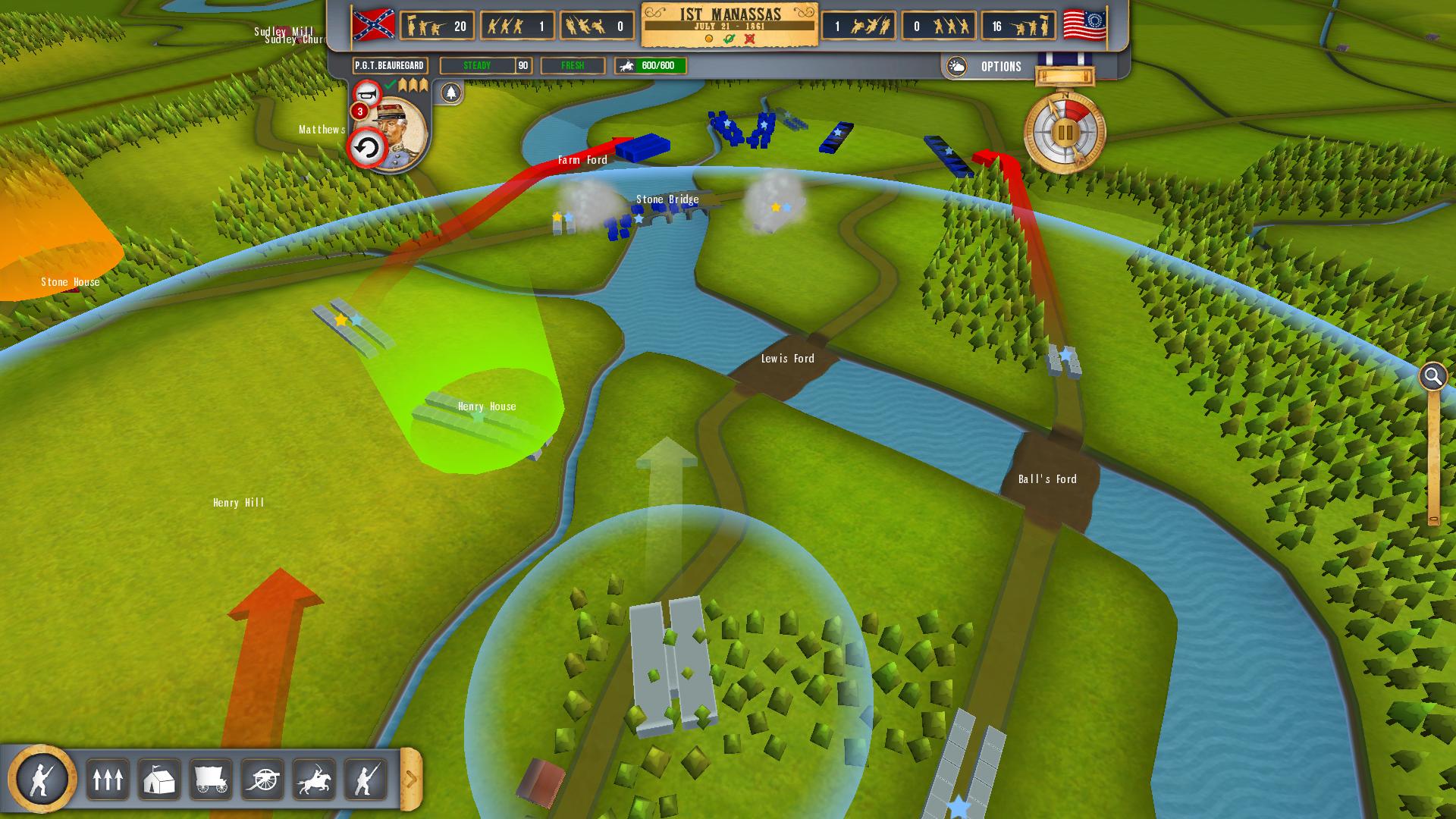
Films give you the charge; the strategy games give you the reason the charge happened where it did. Ultimate General: Gettysburg hands you the actual terrain of those three days and lets you discover, the hard way, why holding Little Round Top mattered and what happens to a flank that breaks. It models morale and exhaustion rather than just hit points, so a fresh brigade thrown at a tired one feels exactly as decisive as it was.
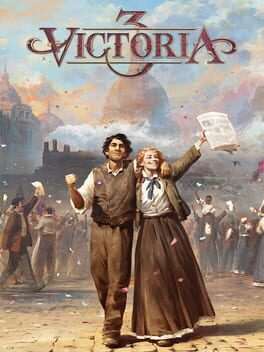
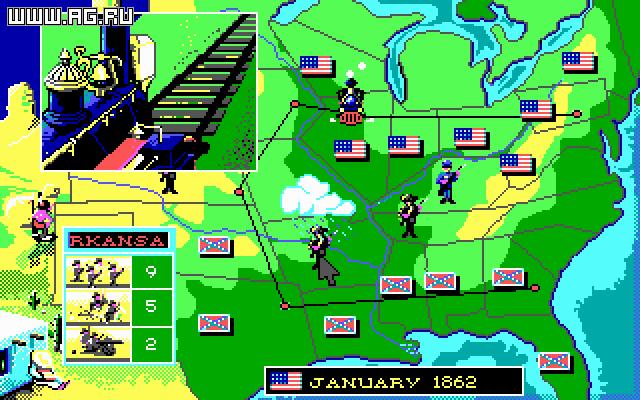
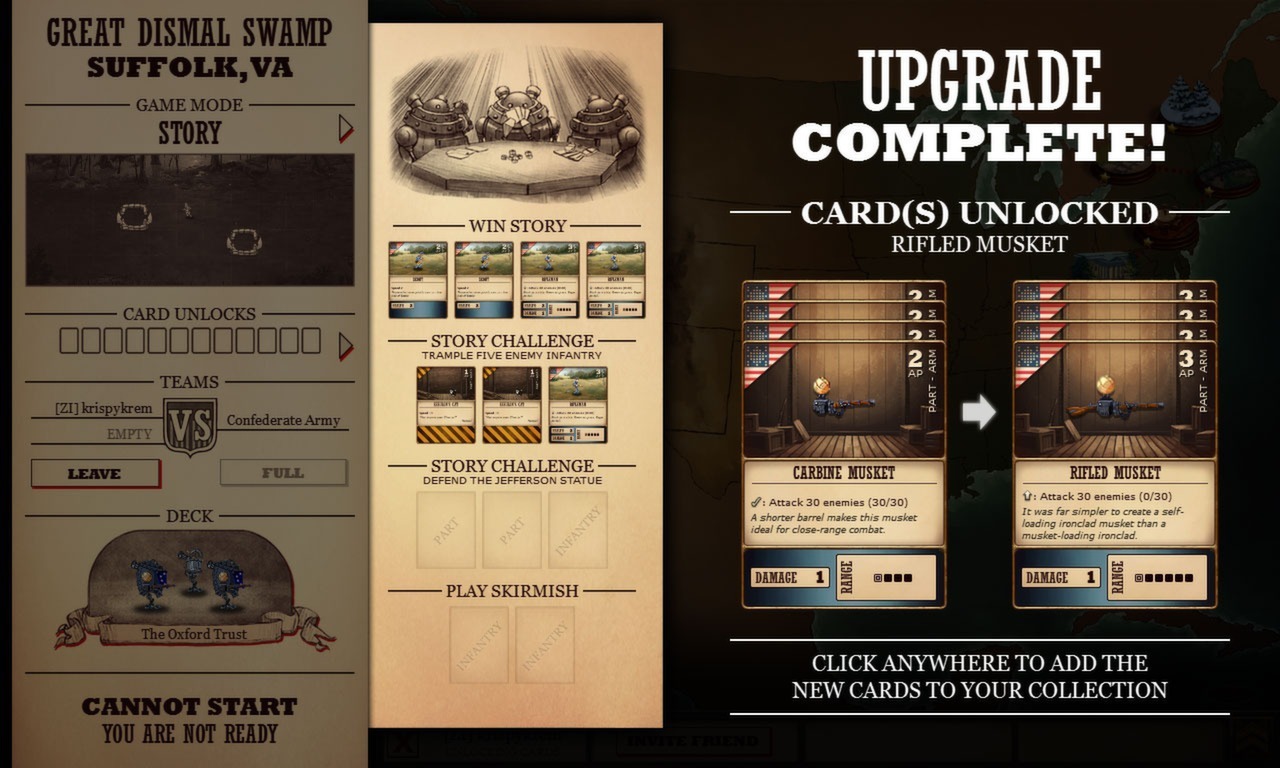
The grand-strategy titles zoom out further. Victoria 3 lets you play the United States through the 1860s as an economy straining against its own contradiction, where the Southern plantation interest is not a villain to defeat but a faction inside your own borders. Even a vintage title like the 1989 North & South understood something true: this was a war won as much by railroads and rifled cannon as by courage. The map is the argument.
The war to command
From brigade-level tactics to the economics of secession
Lincoln is a movie about a vote, and it is thrilling
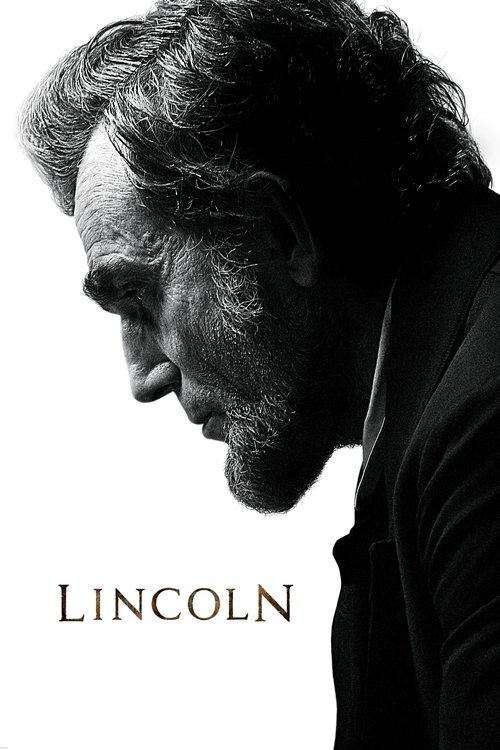
Spielberg's Lincoln (2012) makes a counterintuitive bet: instead of the battlefield, it spends two hours in cloakrooms and committee meetings, watching the President twist arms to pass the Thirteenth Amendment before the war ends and the political window closes. Daniel Day-Lewis plays Lincoln not as a thunderclap but as a tired, funny, relentless man who tells folksy stories to buy himself time to think. The film argues that ending slavery legally, permanently, in the Constitution, took as much nerve and cunning as any campaign.
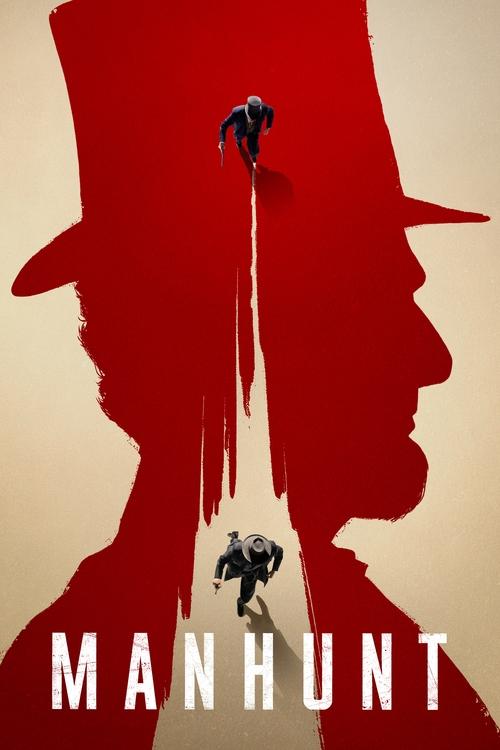
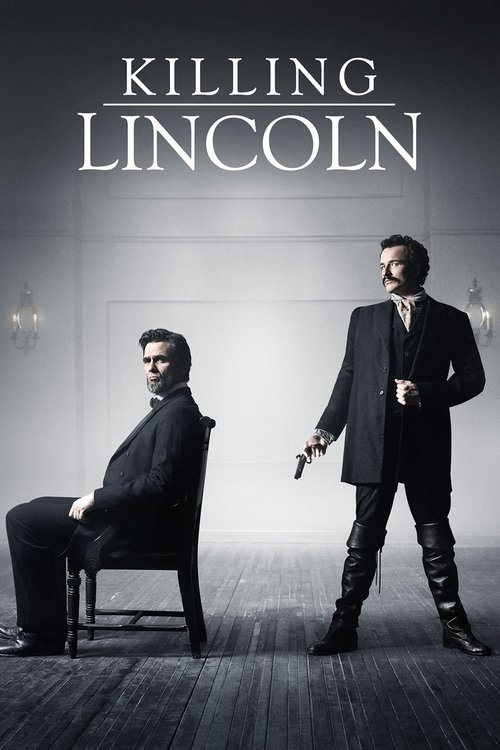
It pairs well with the assassination stories that bookend it. Killing Lincoln and the recent series Manhunt both follow the twelve-day chase for John Wilkes Booth, the violent coda to a victory Lincoln barely lived to see. Together they make the case that the war did not end at Appomattox so much as curdle into the long unfinished fight over what the peace would mean.
Lincoln, Booth and the unfinished peace
The President, the assassination and the reckoning that followed

Bondage, freedom and the war's true subject
The works that keep slavery at the center, where it belongs