
The man who taught blockbusters to feel something
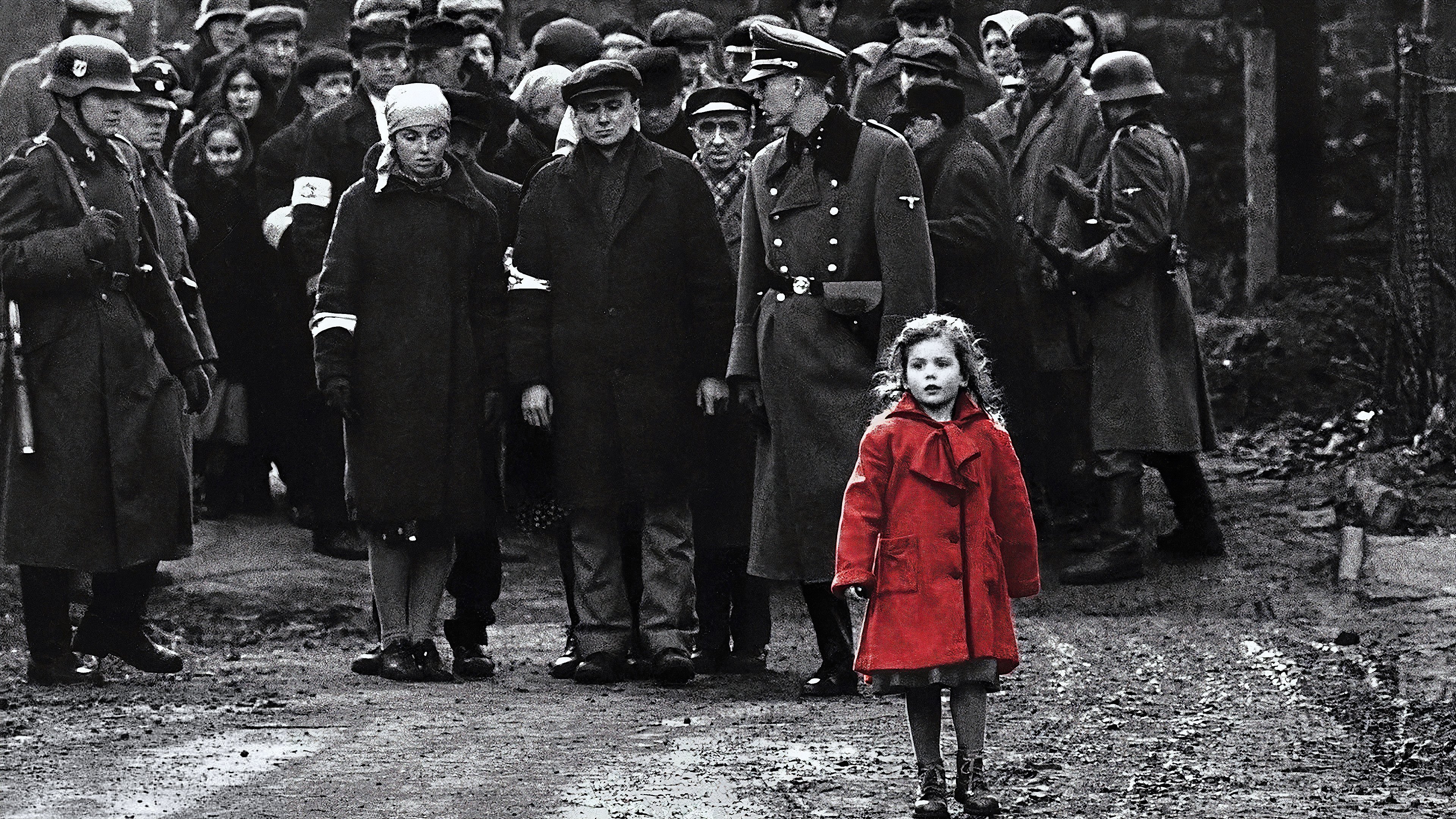
No filmmaker of his generation has refused to stay in one place the way Steven Spielberg has. He invented the summer blockbuster with Jaws, reinvented it with Raiders of the Lost Ark, then walked away from spectacle entirely to make Schindler's List and Saving Private Ryan. He is equally at home with a child's wide-eyed wonder and with the face of atrocity. That range is not a contradiction: it comes from a single, deep conviction that cinema is an empathy machine, and that the camera's job is to put you inside someone else's skin.
What Spielberg fans actually love is harder to name than any single genre. It is the feeling of scale meeting intimacy. The suburban street that suddenly opens onto the impossible. The chase sequence shot so cleanly you forget you are watching craft. The moment a character's face tells you everything the script doesn't say. John Williams helping the image do what the image alone cannot. If you are chasing that specific feeling, here is where to go next.
Essential Spielberg
The films themselves, in rough order of entry
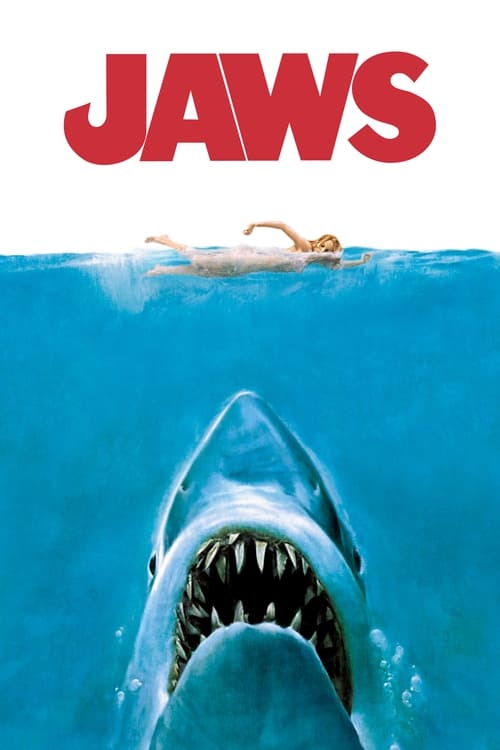
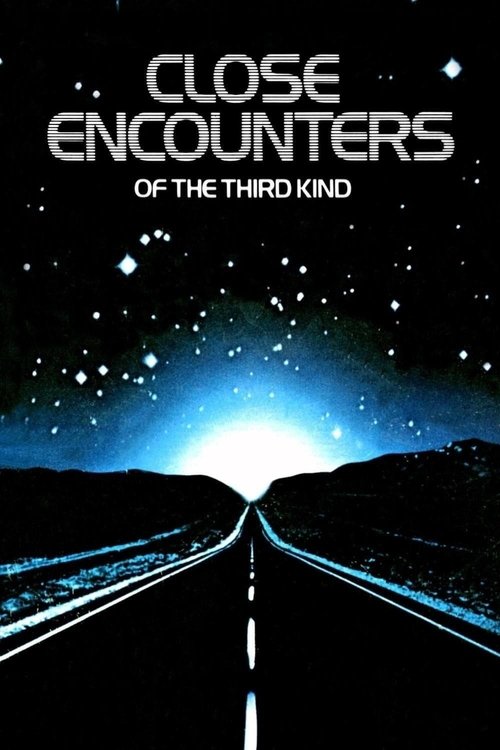
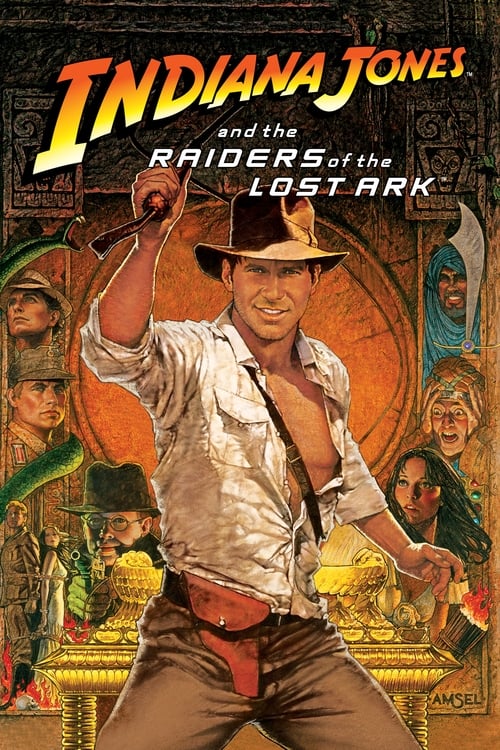

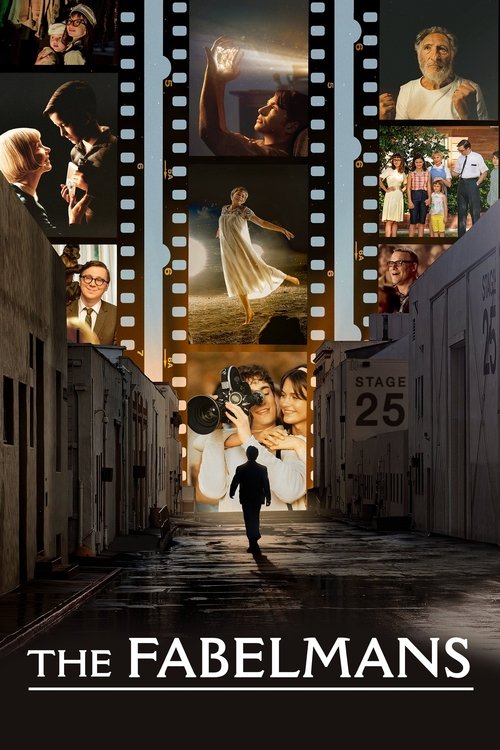
The perfect entry point is not Jaws
Raiders of the Lost Ark is where everything locks into place: the action choreography is a clinic, the pacing never lets you breathe, and Harrison Ford plays the whole thing with a raised eyebrow that keeps it honest. Jaws is technically first and arguably purer, but Raiders is the argument that you can have absolute craftsmanship and genuine fun at the same time. Start here, then go back to Jaws, then forward to everything else.
Cinema of scale and wonder
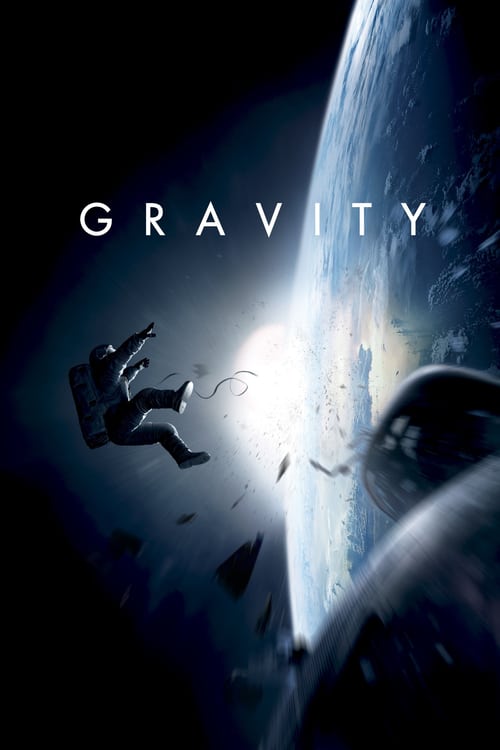
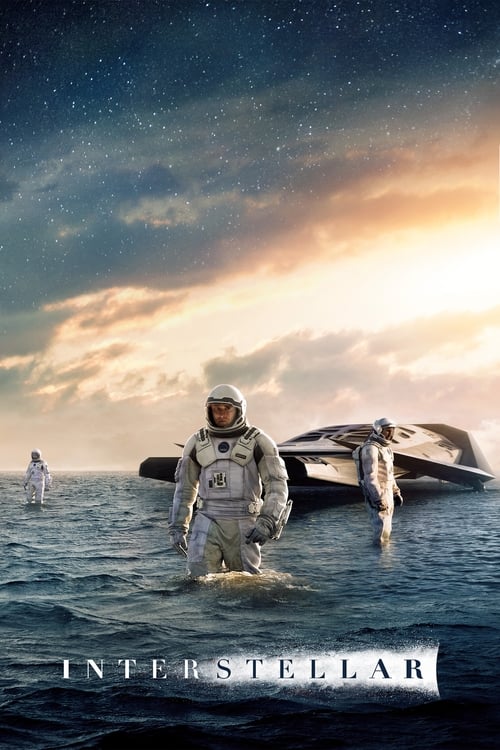
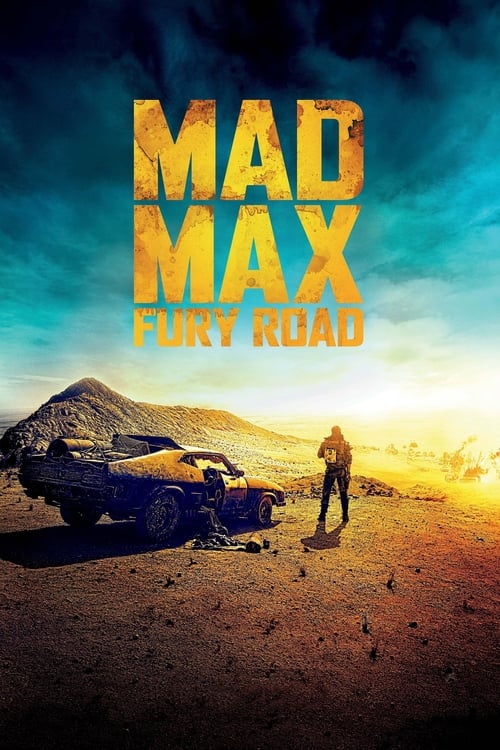
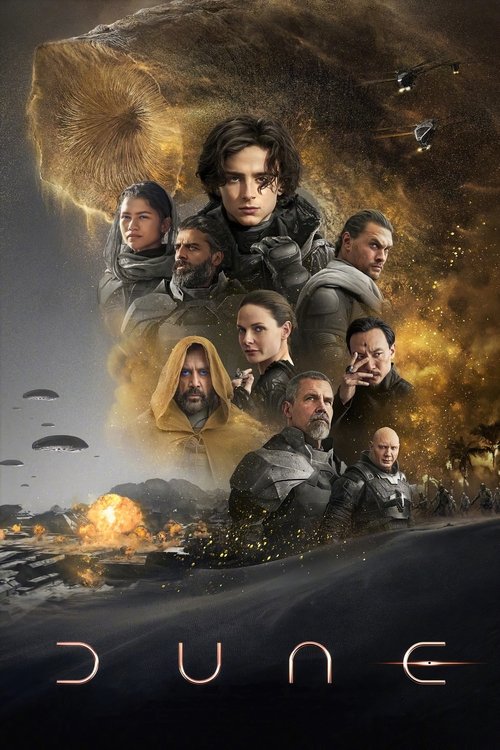
Films that share his belief that spectacle and sincerity can live in the same frame

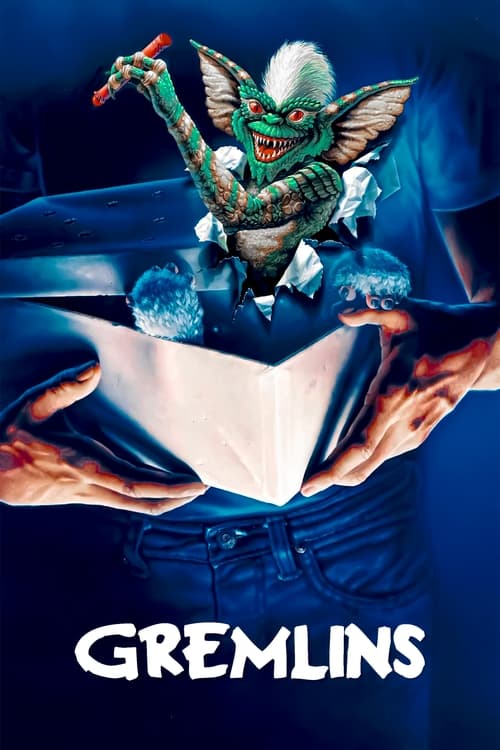
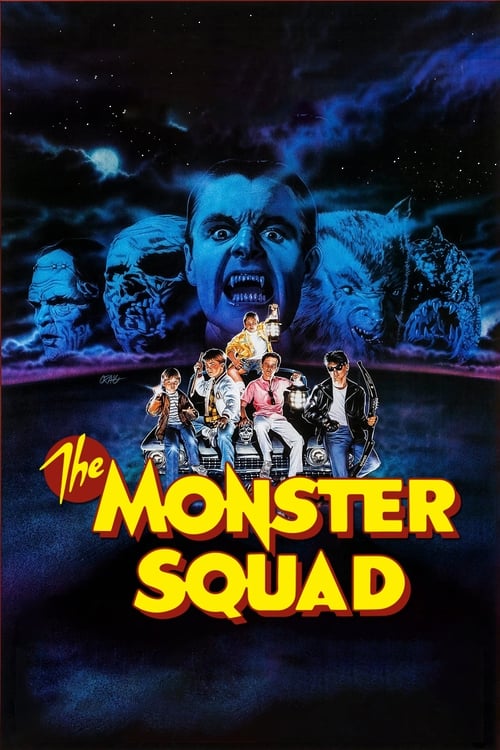
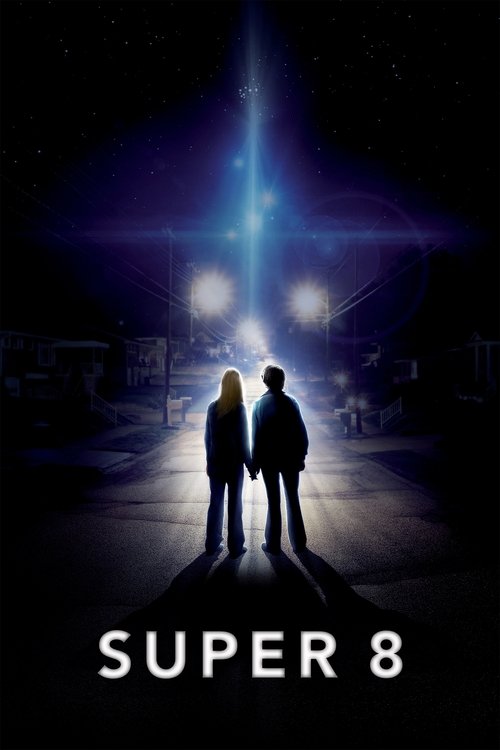
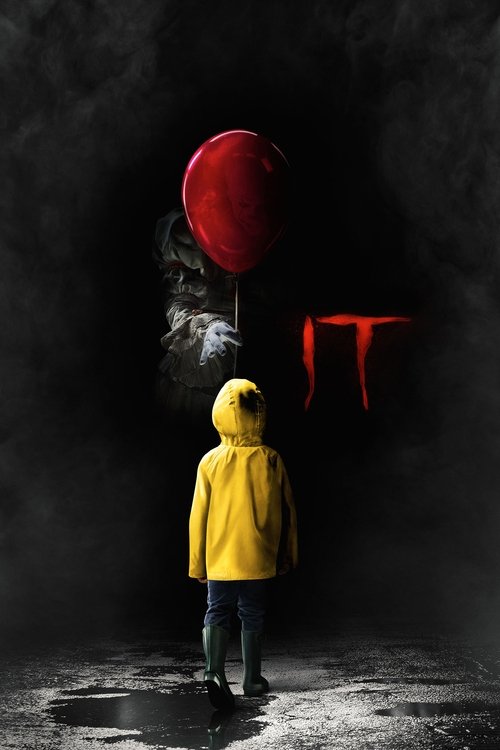
Childhood, wonder, and the uncanny suburb
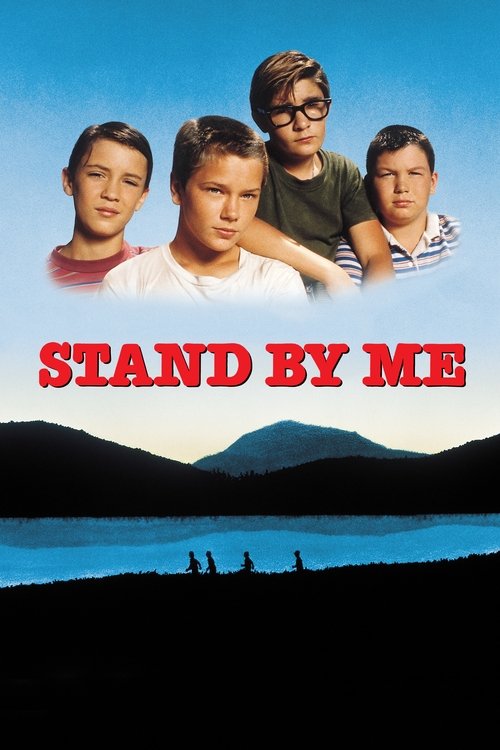
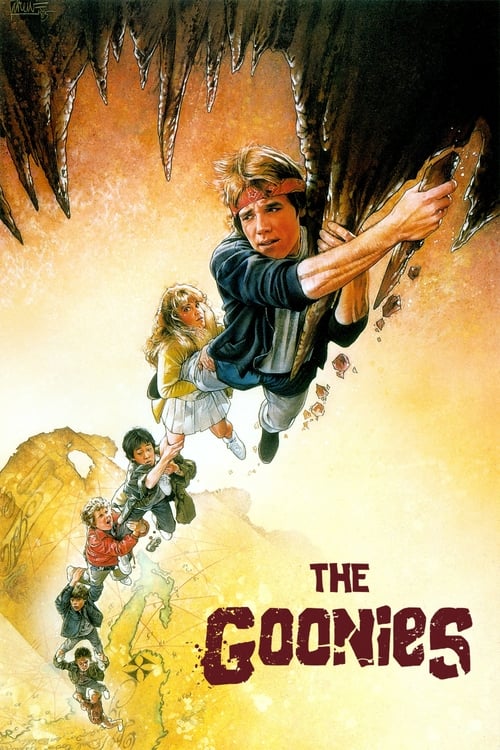
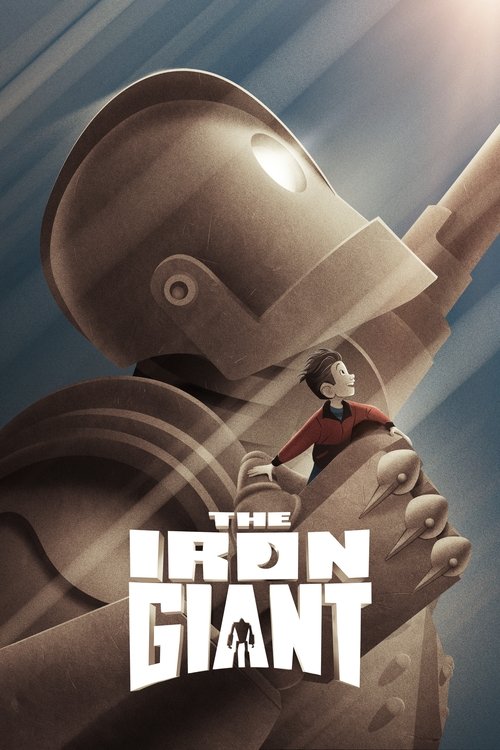
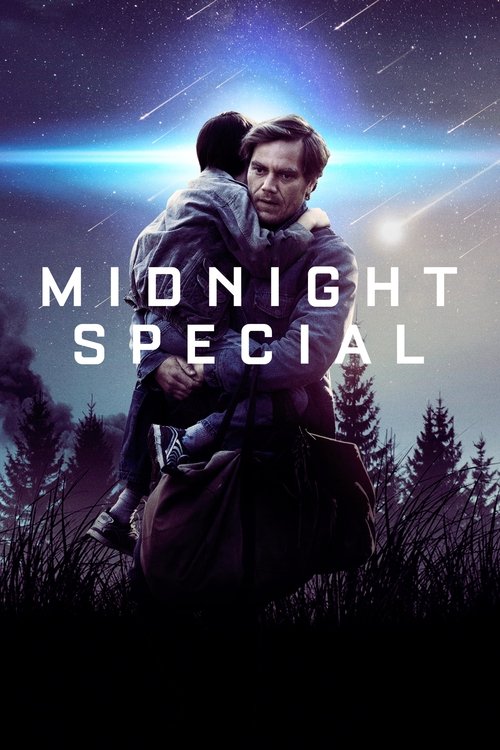
Stories where ordinary kids meet something vast
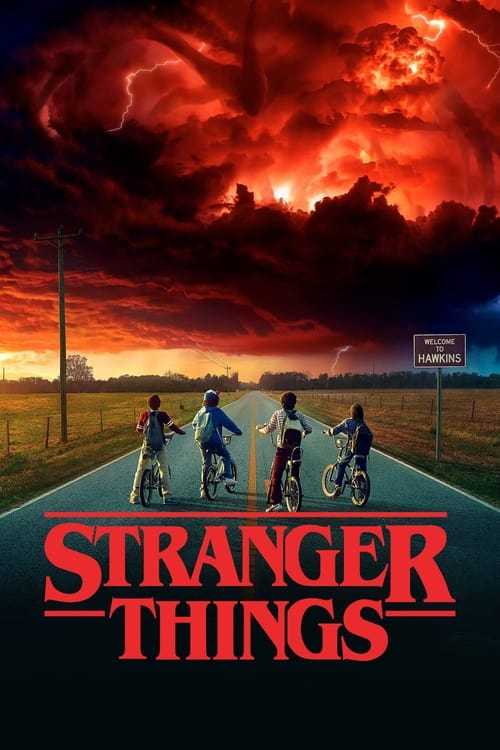


Stranger Things is the spiritual sequel Spielberg never made
The Duffer Brothers have been transparent about the debt: E.T., Poltergeist, and Close Encounters of the Third Kind are the structural blueprints. What Stranger Things adds is the weight of 1980s genre television and a genuine commitment to its kid characters as people rather than devices. Season one is about as close as anything gets to capturing that Spielberg feeling of dread and wonder arriving simultaneously at the same suburban address.
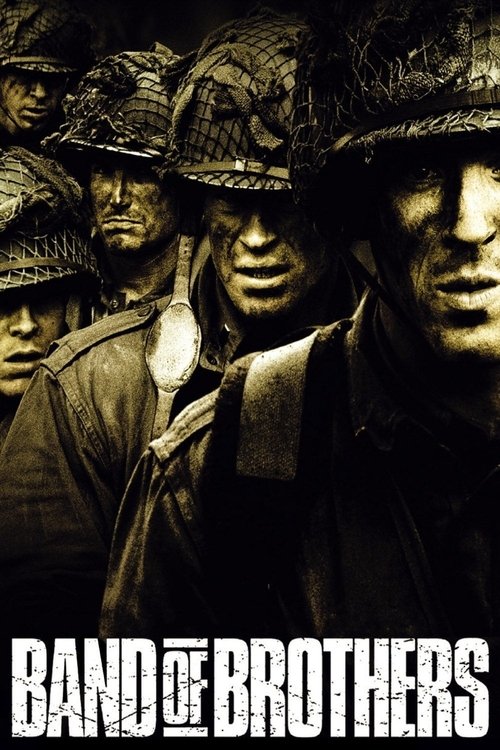
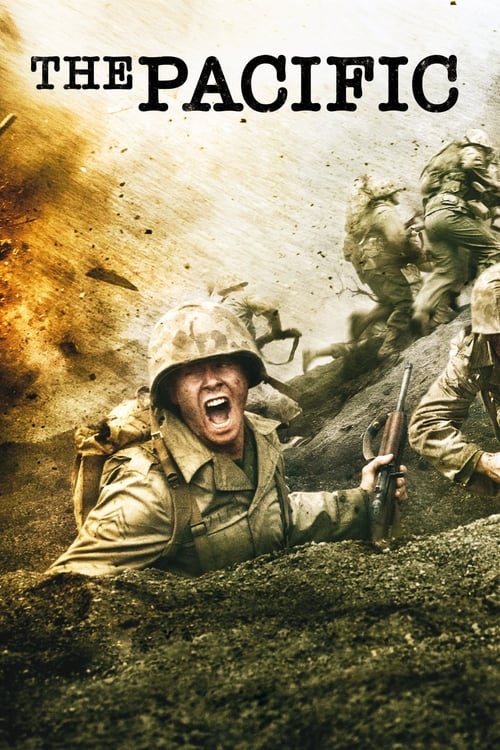
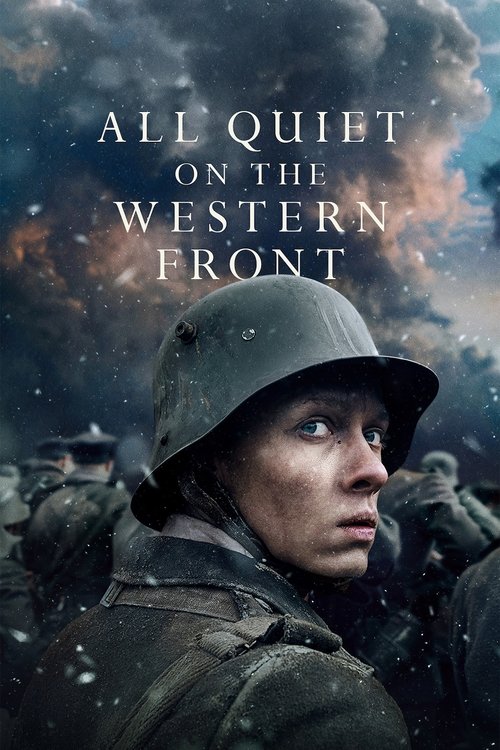
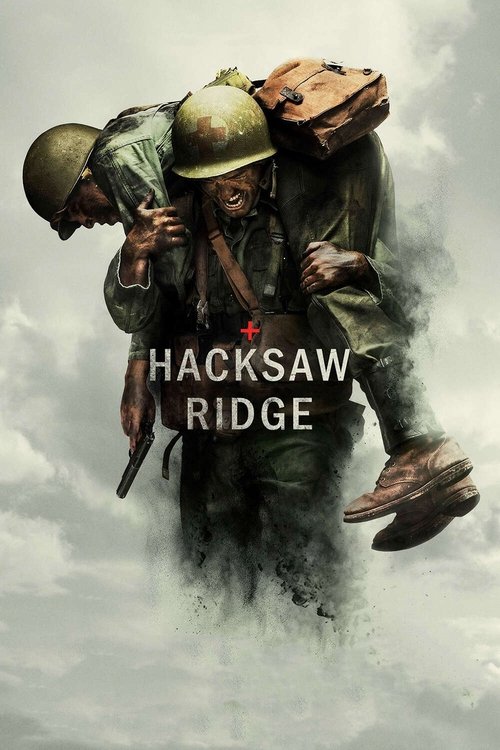
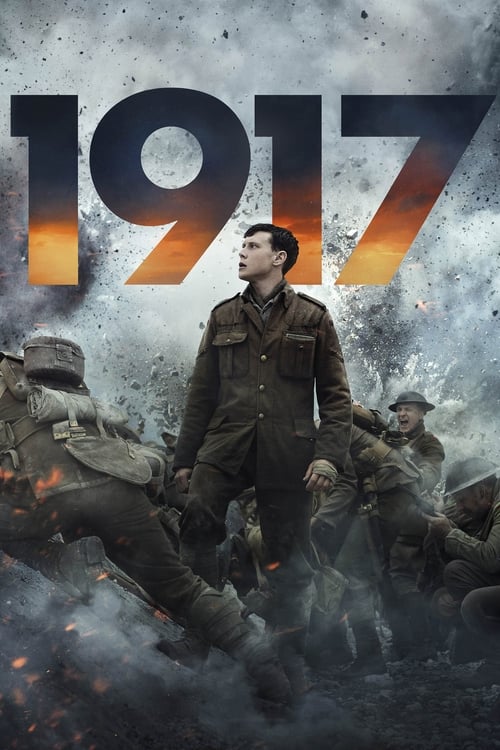
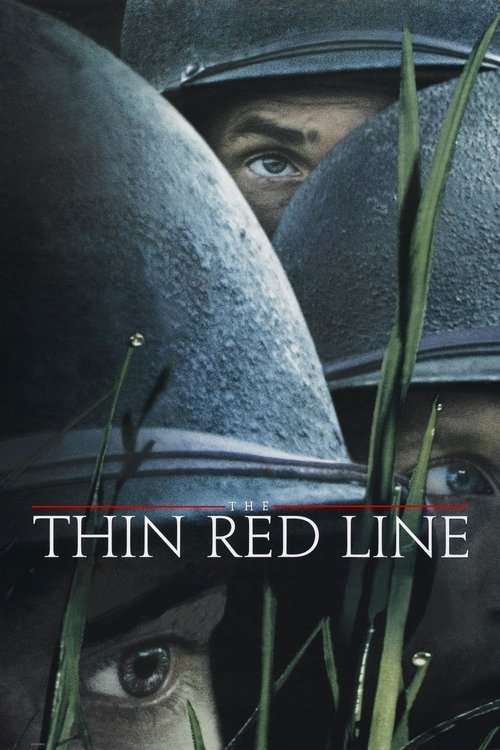
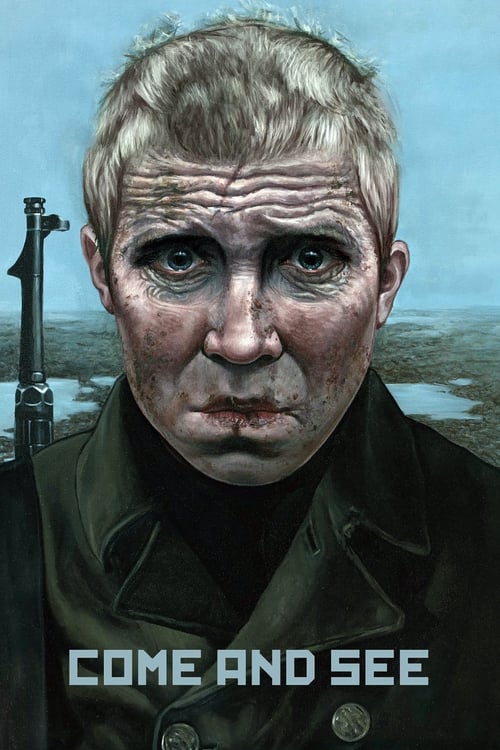
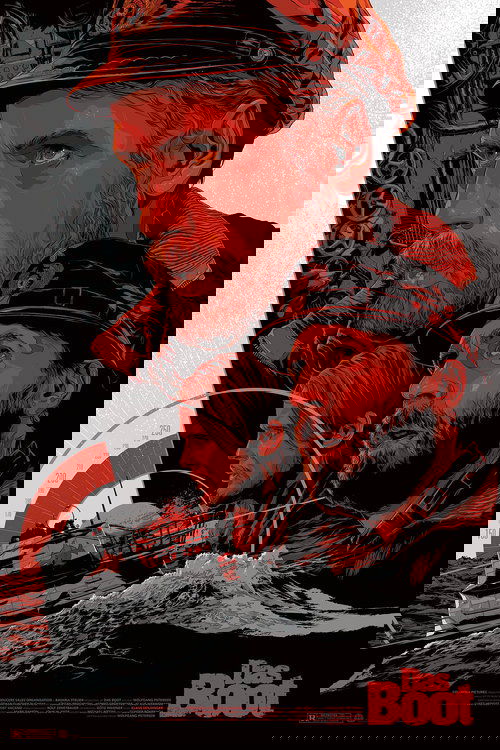
War through the eyes of ordinary soldiers
The ground-level view that makes Spielberg's war films different
History told at human scale
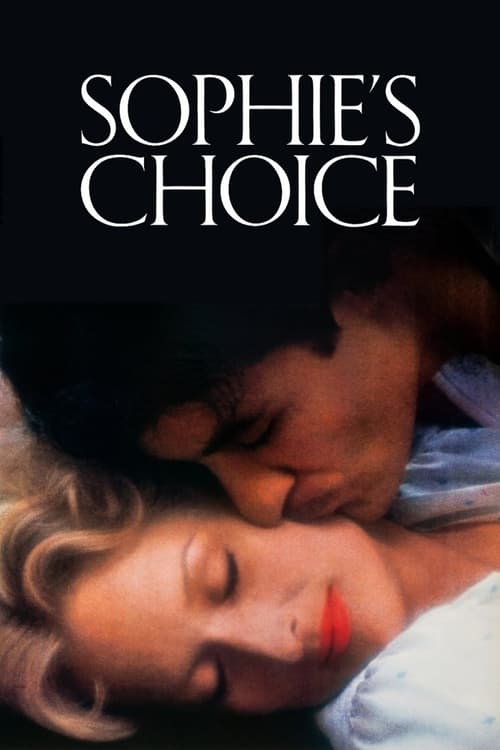
Books and films that turn the archive into people


The underrated Spielberg is his quietest one
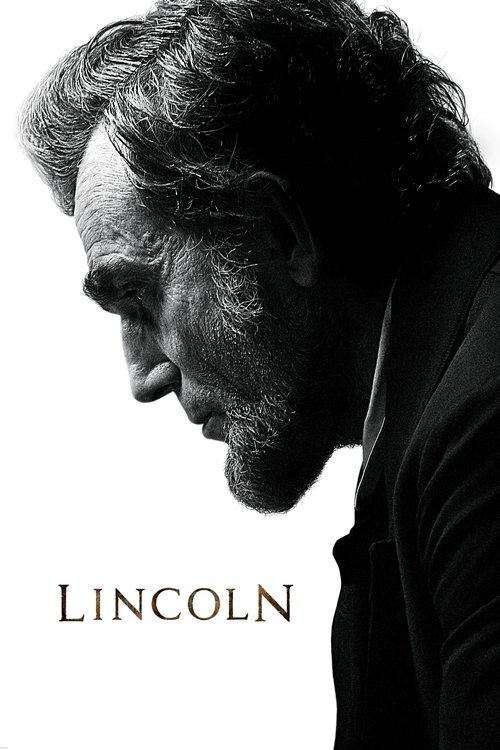
Bridge of Spies gets lost between Lincoln and The Post in the late-career prestige pile, but it is one of his most precise films: a legal thriller built entirely on the ethics of doing the right thing when it is inconvenient. Tom Hanks plays James Donovan as a man who simply refuses to stop believing in principles, and the film argues that this stubbornness is not naivety but the only real form of courage. It has no special effects and it does not need any.

The Fabelmans is where the whole career finally makes sense
The Fabelmans is the autobiography Spielberg spent fifty years making every other film to avoid making. Watching it after you know the rest of the work is a strange experience: you can trace every instinct, every visual obsession, every relationship with light back to this boy and this garage and this family falling apart. It is not a best-of reel of his career; it is an explanation of why cinema mattered enough to stake a life on.
The screen goes dark and for a moment you feel it: the world is bigger than you thought, and someone believed you could handle knowing that.The Spielberg effect, roughly described
A career in inflection points
- 1975Invents the summer blockbuster Jaws
- 1977Expands to cosmic scale: humanity's first contact reimagined as an act of wonder Close Encounters of the Third Kind
- 1981Begins the Indiana Jones franchise with George Lucas Raiders of the Lost Ark
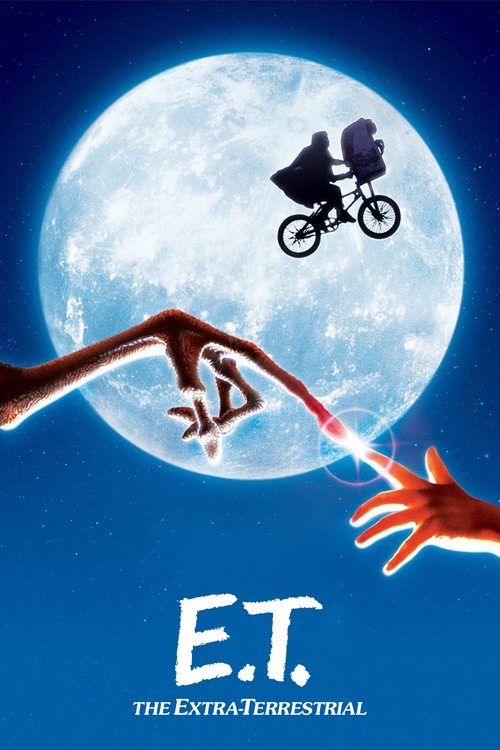
- 1982Peak suburban wonder E.T. the Extra-Terrestrial
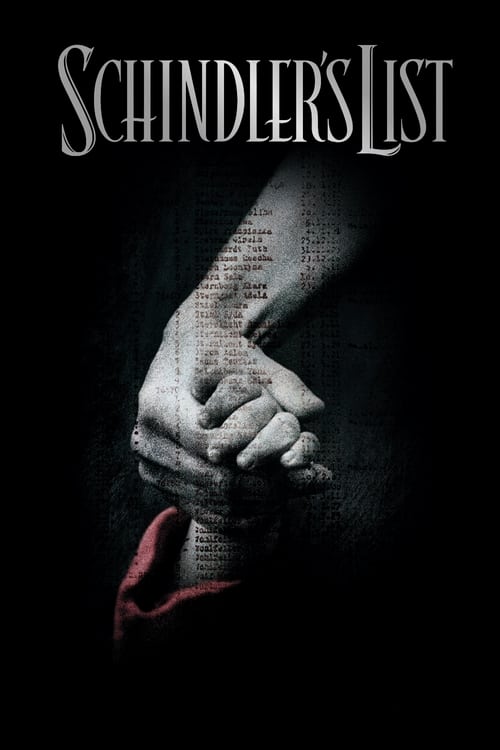
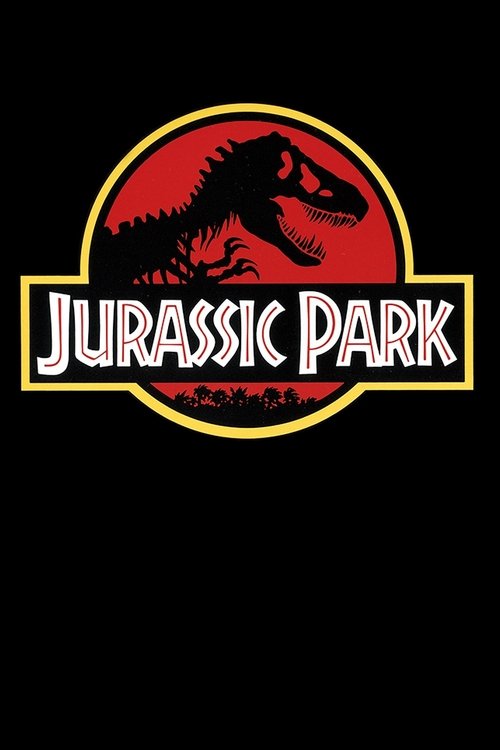
- 1993Two major films in the same year: pure spectacle in summer, historical reckoning in December Schindler's List
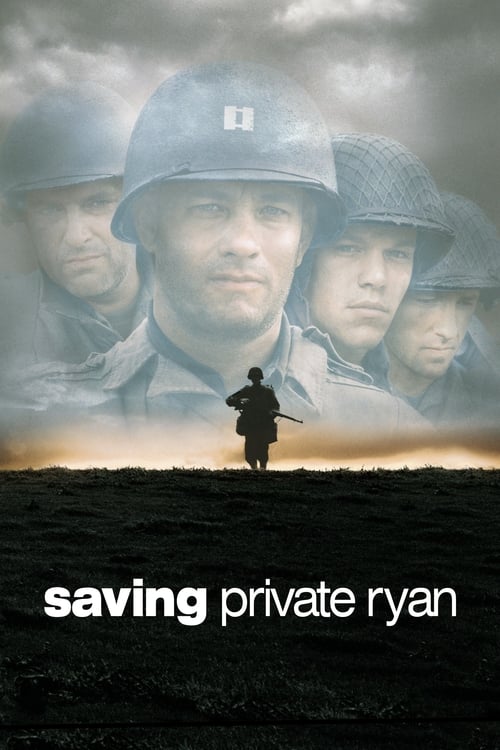
- 1998Reinvents the war film with an almost unbearably visceral opening Saving Private Ryan
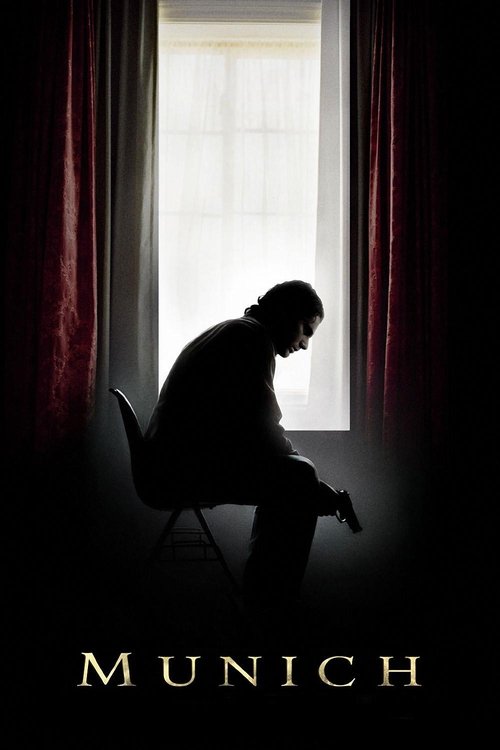
- 2005Moves into moral ambiguity with a film about the aftermath of terrorism Munich
- 2022Finally makes the autobiographical film The Fabelmans