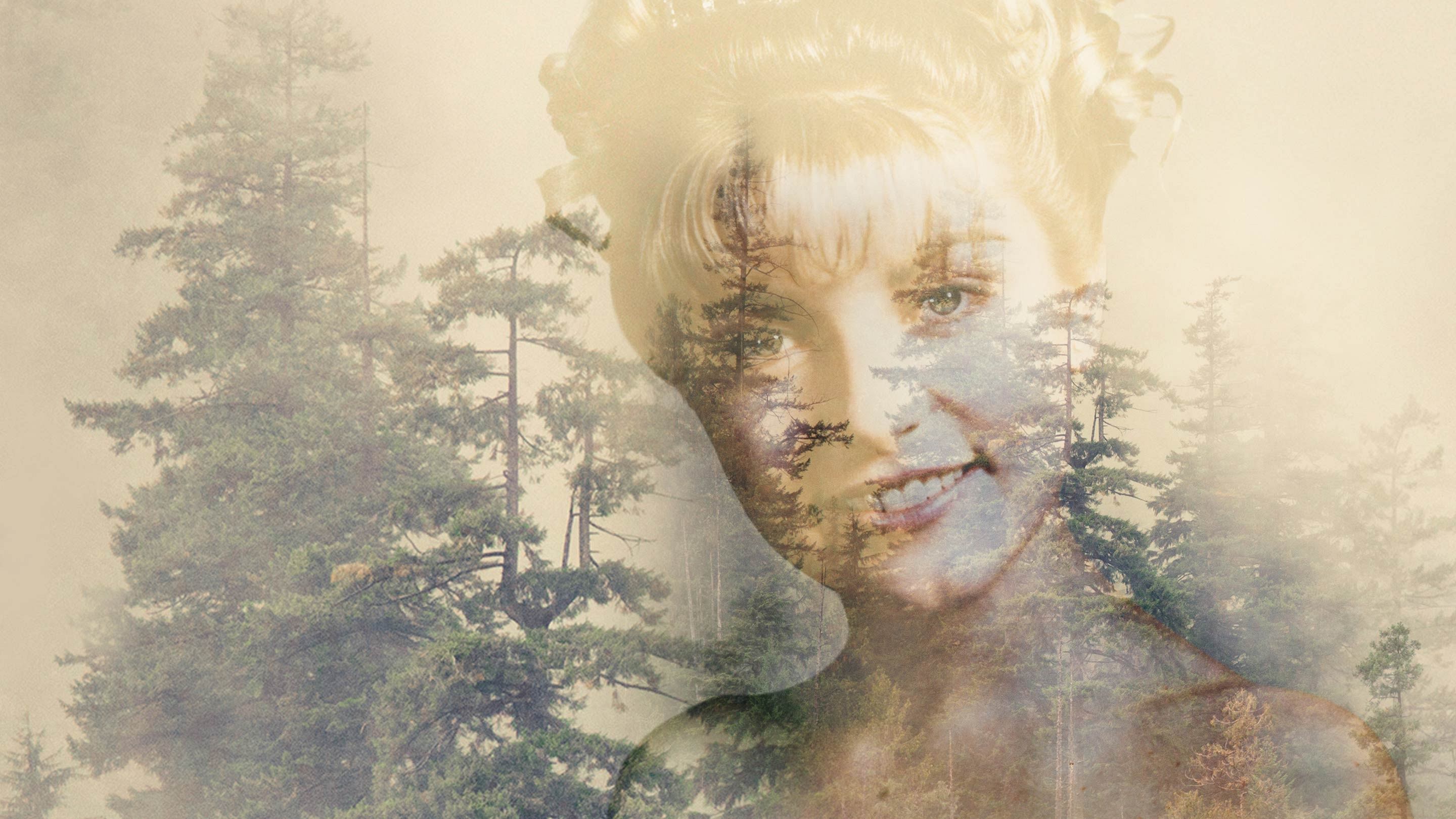

A murder in the Pacific Northwest
Twin Peaks began as an original TV pitch. David Lynch and Mark Frost created the series for ABC without a prior source novel or play: the story of Laura Palmer's body washing up on a riverbank in a small logging town in Washington State was conceived directly for the screen. But the universe they built was dense enough that it immediately overflowed the episode format, spawning novels, a theatrical prequel film, soundtrack albums, a video game, and eventually a third TV season that arrived 25 years later and left everyone arguing.
What made it travel so far is that the show is not really a murder mystery. It uses the mystery as a container for something stranger: a portrait of American repression, of the violence hiding underneath small-town normality, of a spiritual war playing out in the woods and in dreams. That material proves endlessly generative. Each new version of the story adds a layer rather than simply retelling it.
Every Version of Twin Peaks
The complete canon: TV seasons, the theatrical film, novels, and the game
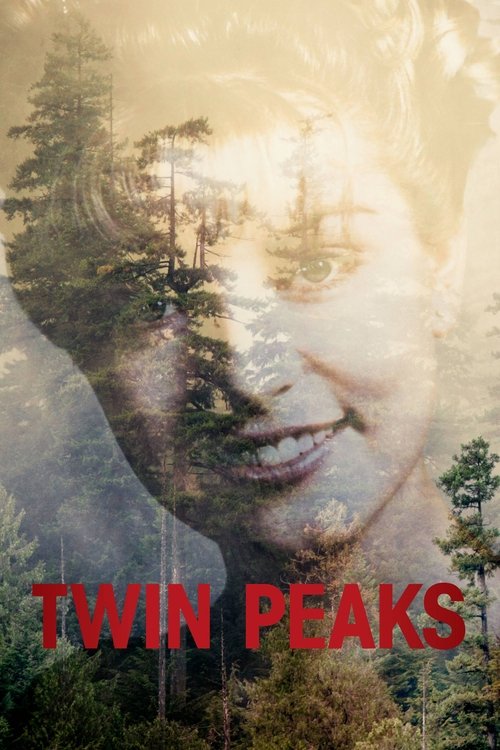
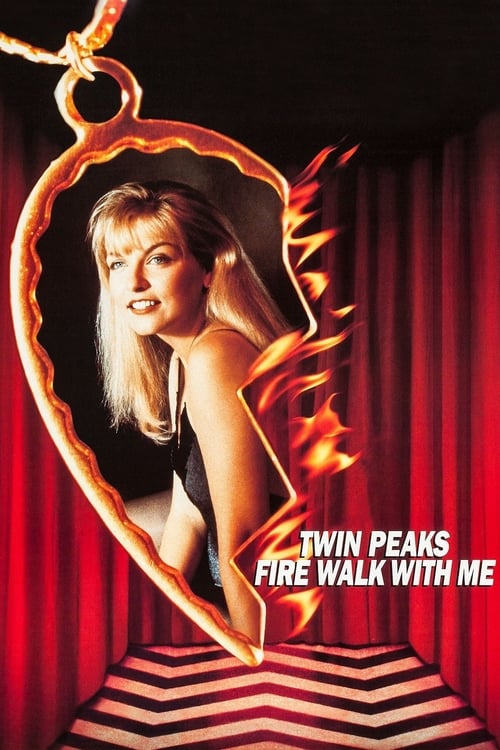

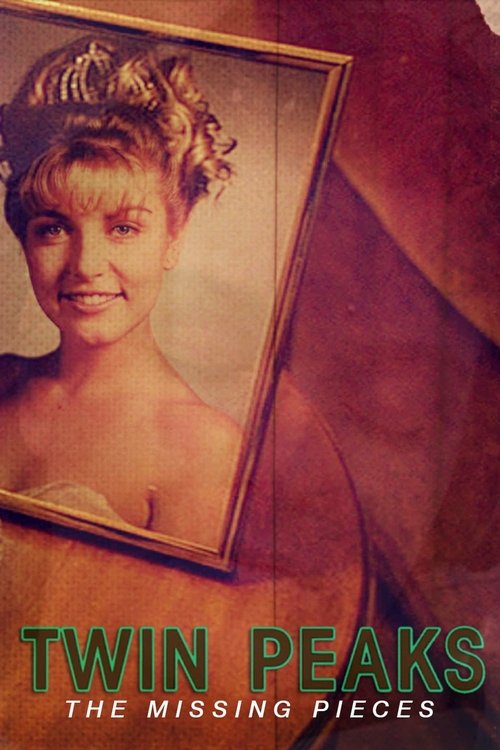
Twin Peaks across the decades
- 1990Original TV series premieres on ABC Twin Peaks
- 1990Angelo Badalamenti's original score released
- 1990Laura Palmer's diary published The Secret Diary of Laura Palmer
- 1991Dale Cooper novel tie-in published
- 1991Town guidebook published
- 1991Season 2 ends; series cancelled by ABC Twin Peaks
- 1992Theatrical prequel film released Twin Peaks: Fire Walk with Me
- 1994Card game published by Wizards of the Coast
- 2014Extended cut of the film released, restoring 90 minutes of deleted scenes Twin Peaks: The Missing Pieces
- 201718-part limited series on Showtime Twin Peaks
- 2017The Return soundtrack released
The definitive version is the one you watch twice
The original two seasons of Twin Peaks (1990 to 1991) are the foundation, but they reward a second viewing differently than almost any other TV series. The first watch is the mystery. The second watch is the atmosphere, the repetition, the way Lynch uses soap-opera rhythms to make the supernatural feel domestic and vice versa. Season 2's notorious middle stretch, where Lynch stepped back from directing and the show lost its nerve, is genuinely rough, but the finale is one of the most disturbing hours in American TV history. Start here.
The underrated entry: the prequel film deserves its reappraisal
Fire Walk with Me was booed at Cannes in 1992 and dismissed by most critics as self-indulgent. It is now understood as the emotional core of the whole mythology: a portrait of Laura Palmer not as a mystery to be solved but as a person surviving something unbearable. It is harrowing and formally unlike almost anything else Lynch made. The 2014 release The Missing Pieces, which restores about 90 minutes of deleted scenes as a standalone work, adds even more texture to the picture. Watch both.
The one to approach carefully: The Return is not a sequel
Twin Peaks: The Return (2017) is a masterpiece and it will likely disappoint you if you want more of the original show. Lynch and Frost treat the 18-episode run as an 18-hour film, moving at their own pace through ideas about time, trauma, nuclear horror, and the limits of narrative closure. Characters from the original appear, but many are barely in it. Part 8 alone is one of the most genuinely experimental things ever broadcast on American cable television. Go in prepared to be bewildered.
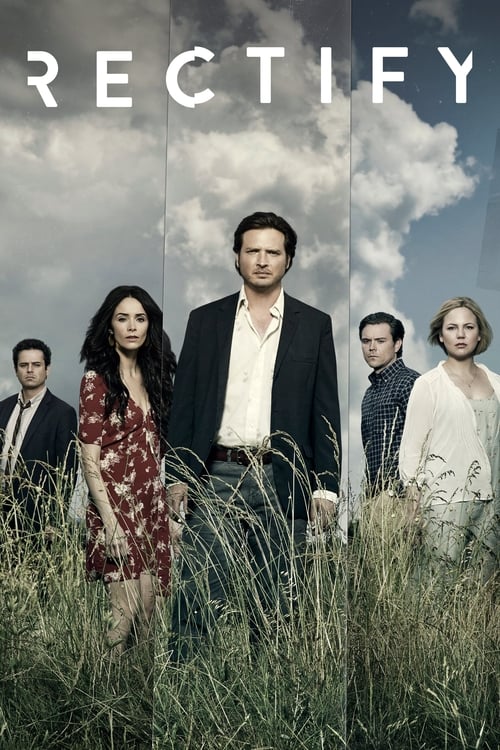
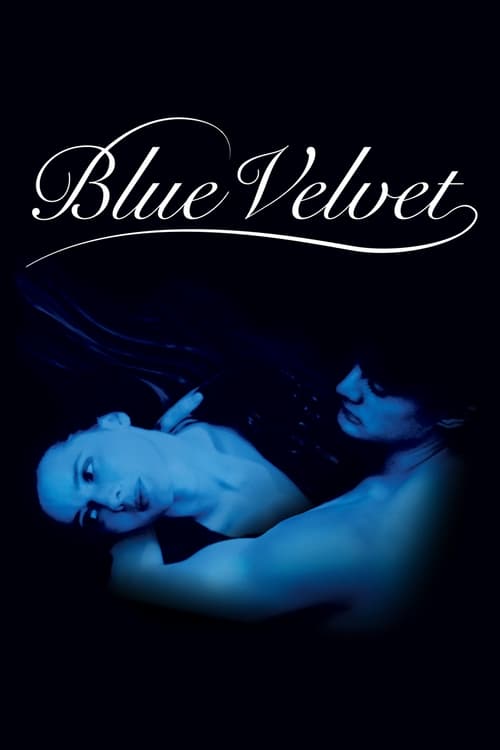
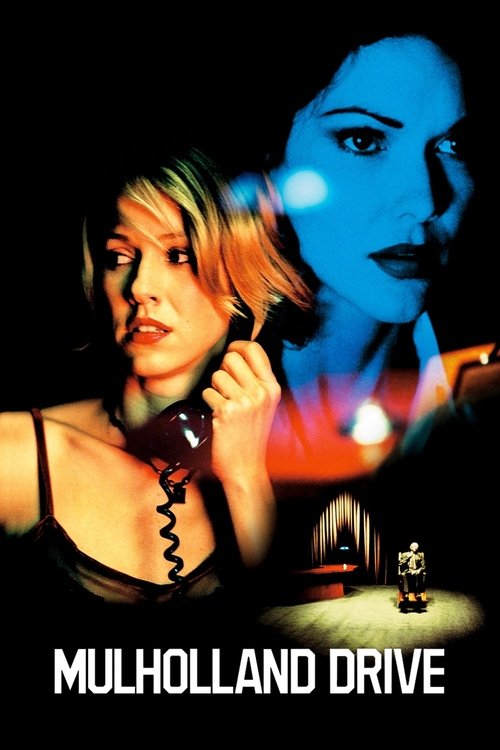
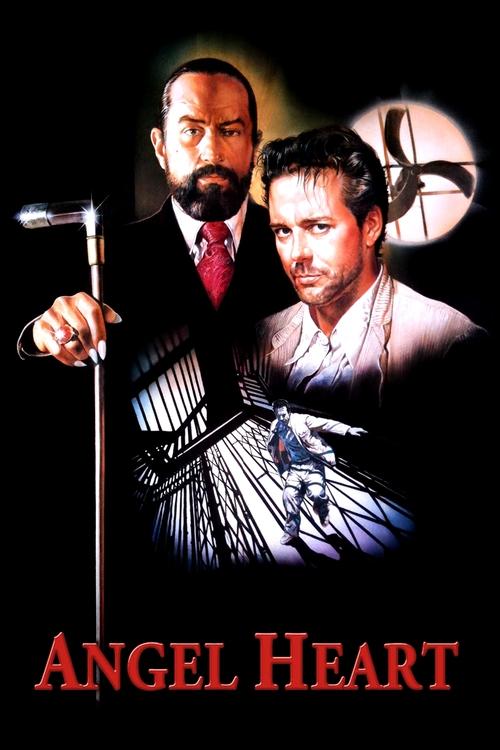
If you love Twin Peaks: other surreal crime stories
American darkness beneath the surface, filtered through dream logic
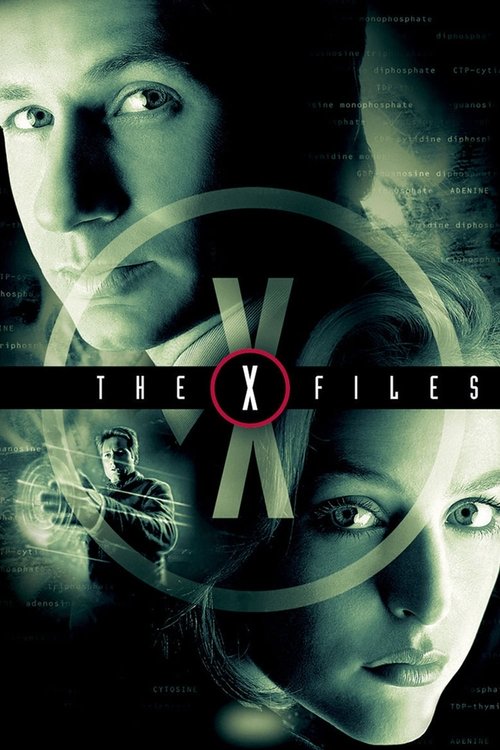
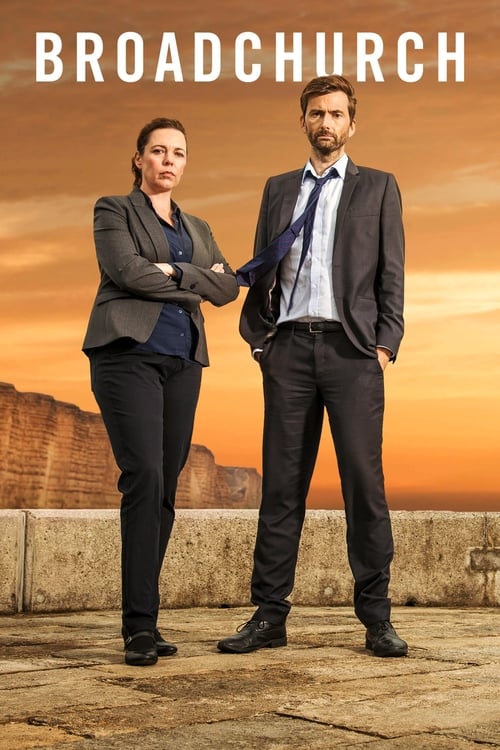
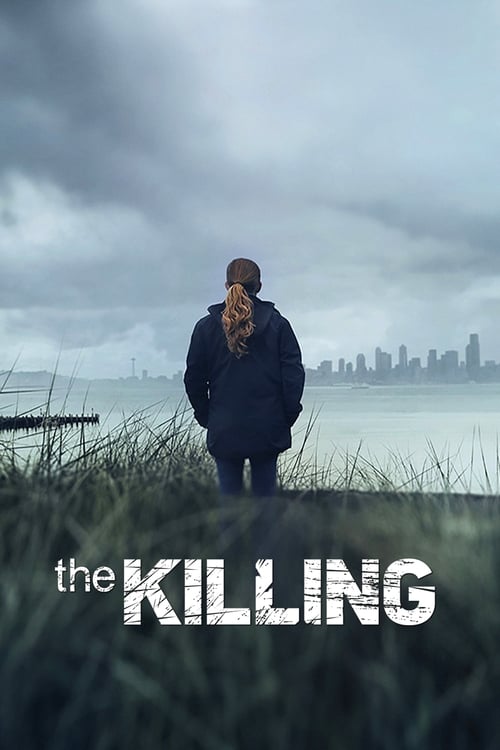

If you love Twin Peaks: small-town secrets and ensemble casts
Stories where the town itself is a character
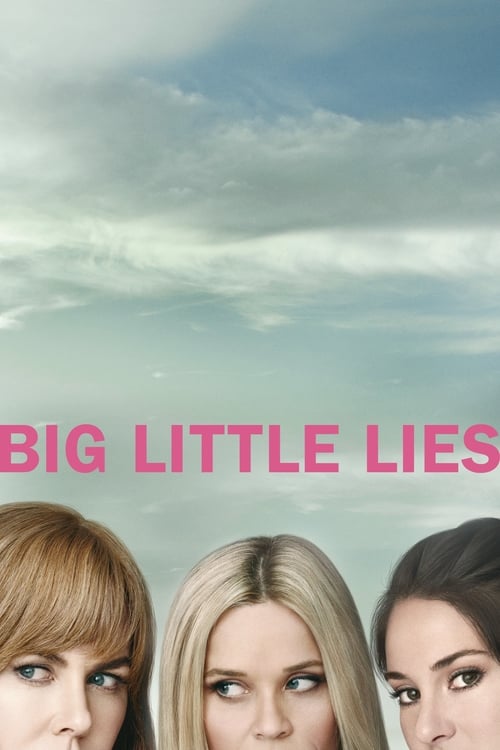

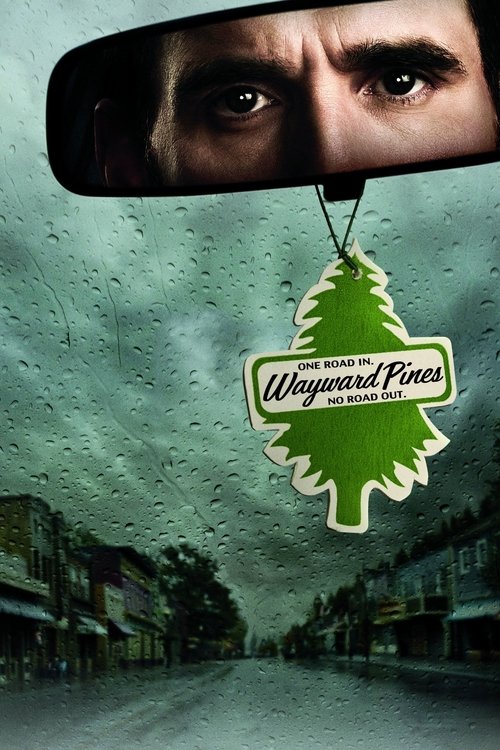
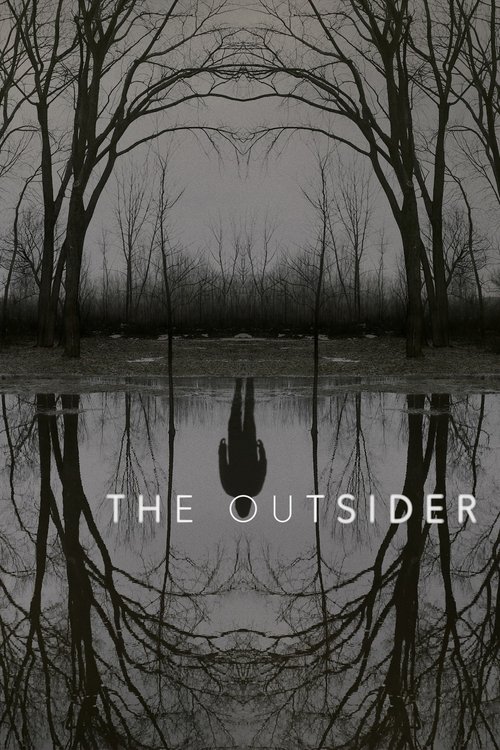


If you love Twin Peaks: Lynch and Frost in other forms
The creators' other work, plus close artistic relatives
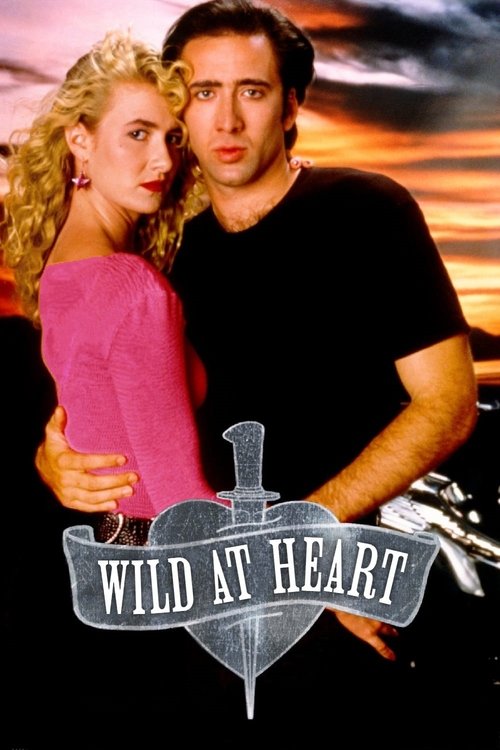
Small Towns, Dreams, and Darkness
For Fans of David Lynch
Explore the For Fans of David Lynch guide →I have no idea where this will lead us, but I have a definite feeling it will be a place both wonderful and strange.Dale Cooper, Twin Peaks (1990)