

The Man Who Made Dread Beautiful
David Lynch spent fifty years proving that the most terrifying thing in American life is not the monster under the bed but the bed itself, in the perfectly normal suburb, with the white picket fence and the hidden rot underneath. He began as a painter, and it shows: his films think in images before they think in story. A severed ear in a field. A red curtain in an infinite room. A woman screaming at a diner counter, her face transforming into someone else's. These are not plot points. They are the texture of a world where the subconscious has leaked into the waking day and refuses to be patched over.
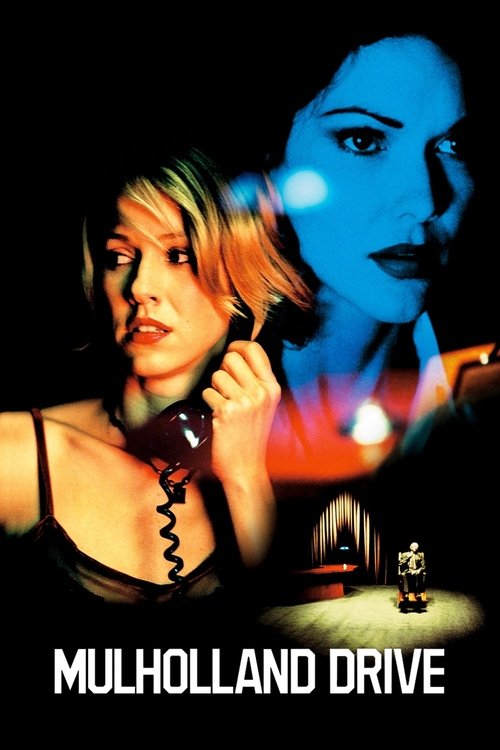
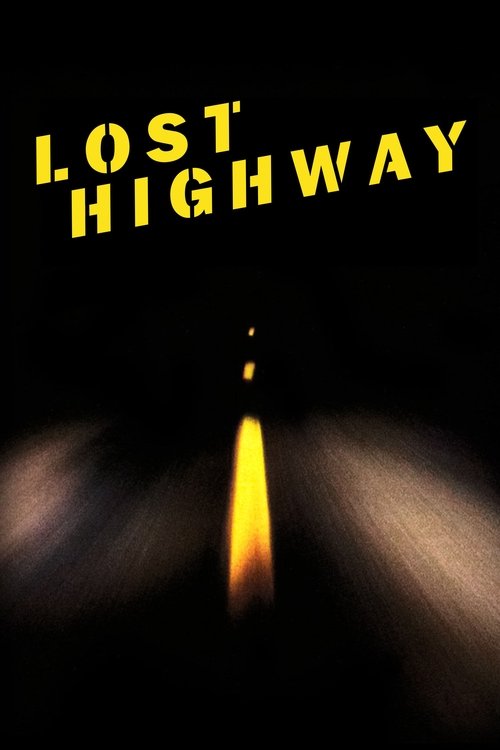
What fans love about Lynch is inseparable from what frustrates casual viewers. His films do not explain themselves. Mulholland Drive does not resolve. Lost Highway loops. Inland Empire dissolves. The experience is closer to remembering a dream two days later, when the feeling is still vivid but the logic has evaporated. That feeling, that specific dread-and-wonder, is the thing worth chasing. It exists in other places: in certain novels, in certain games that treat atmosphere as their real subject, in music that sits in the key of unease. This guide finds those places.
Essential David Lynch
His own films and the TV series that changed everything, ordered by where to start
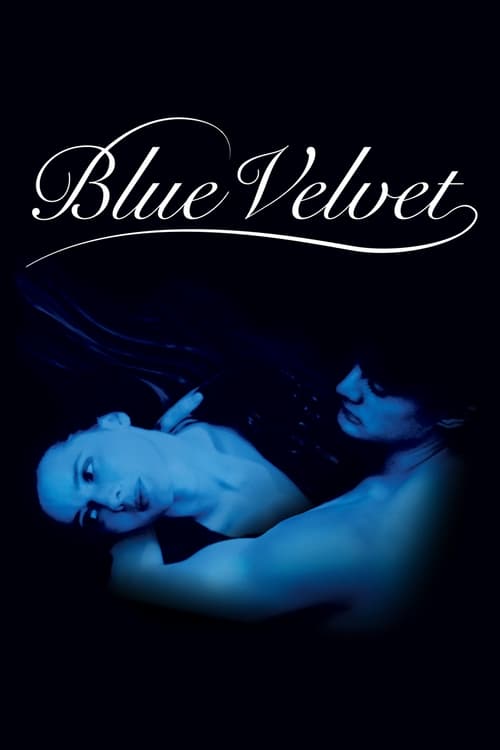

Blue Velvet is still the best entry point
It has a real beginning, middle and end, which the later films mostly abandon. It gives you Lynch's whole vocabulary in one film: the perfect surface, the monstrous underside, the innocent who cannot look away, the woman in genuine danger, and the villain who is pure id with no justification offered. Dennis Hopper as Frank Booth is still one of cinema's great monsters precisely because Lynch refuses to explain him. You feel the film before you understand it, and that order of operations is the key to everything Lynch ever made.
The American Uncanny
Perfect surfaces, rotten cores, the horror that lives next door







Dream Logic Cinema
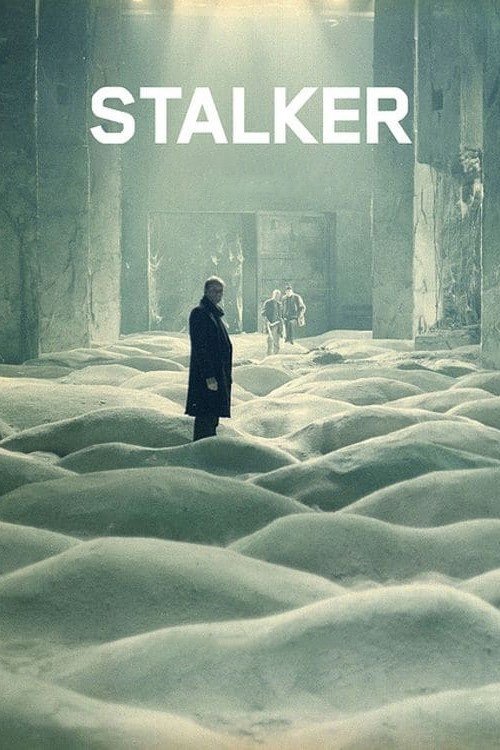
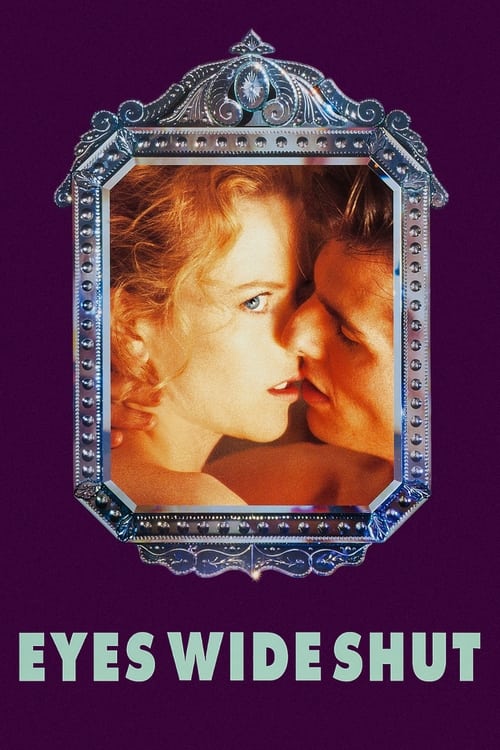
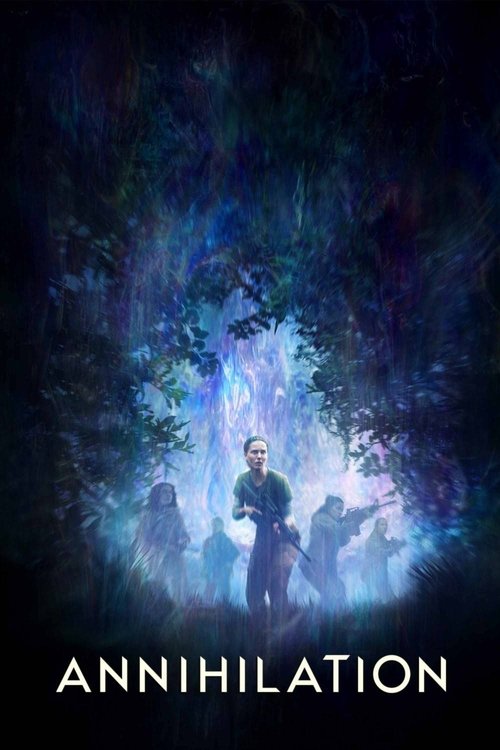
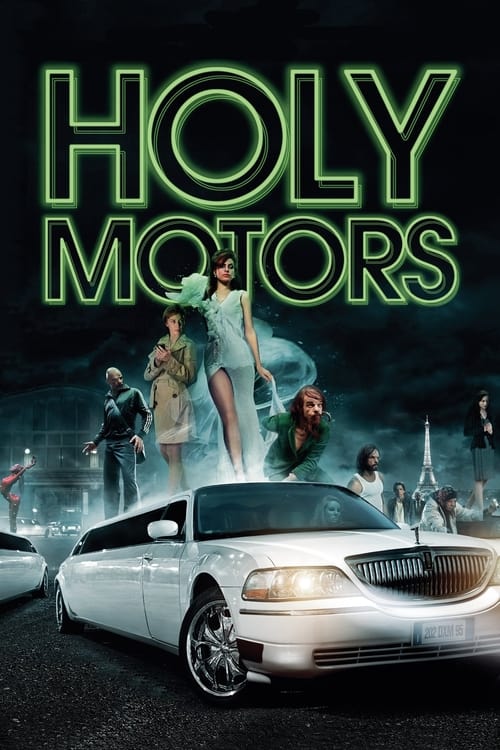
Films where narrative dissolves and image takes over


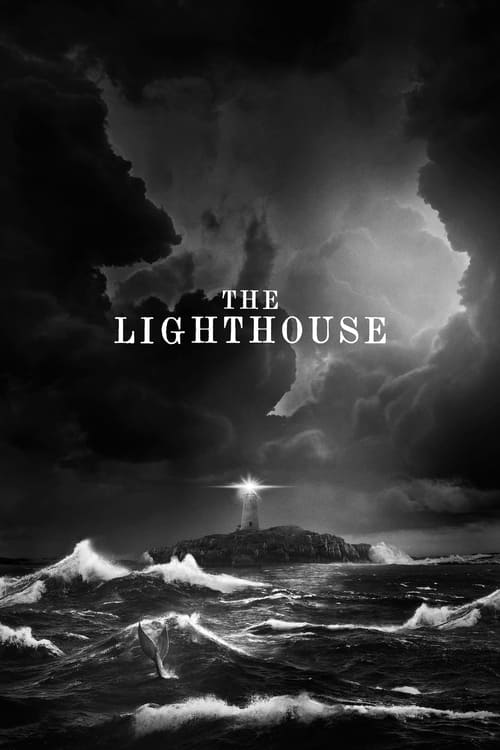
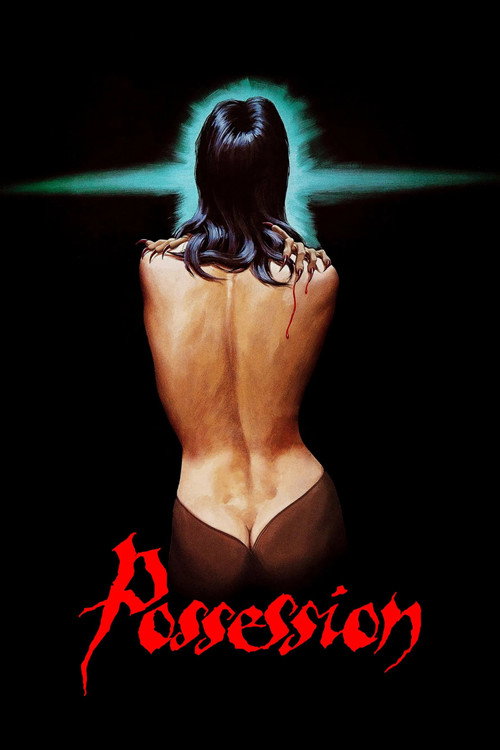
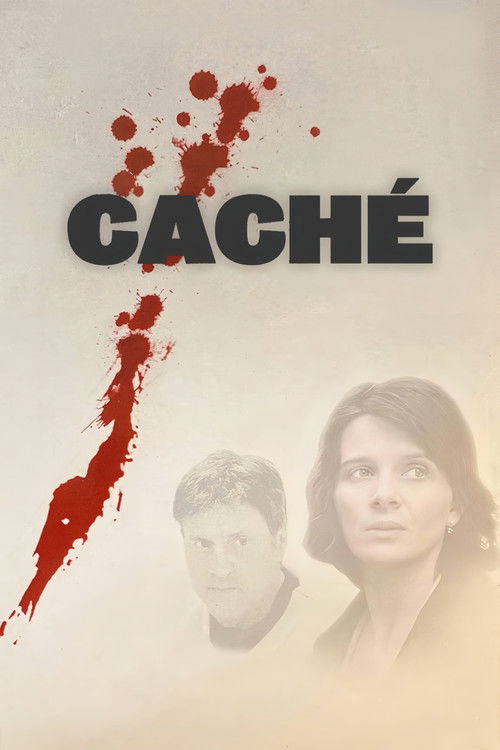
Twin Peaks: The Return is the most ambitious thing ever made for television
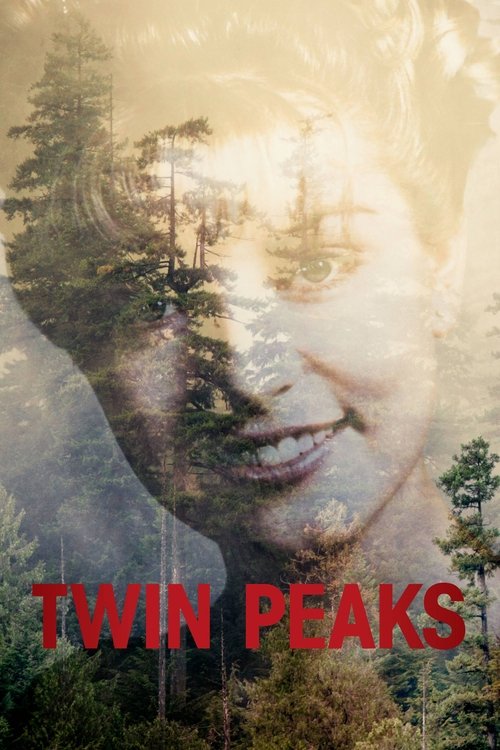
Eighteen hours of television that largely refuses to behave like television: Part 8 alone, which depicts the atomic bomb and the birth of evil as a mid-century American myth, has no precedent in any medium. Lynch shot it with almost total creative control after the network lost its nerve and he walked away, then returned on his own terms. The result is the work of an artist in full command of everything he had learned in forty years, with no one in the room who could say no. It is not always enjoyable. It is always extraordinary.
Strange Atmospheres: The Games
Interactive worlds where dread, surrealism, and mood override all else


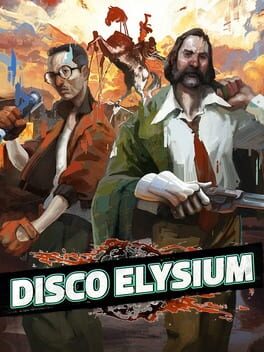
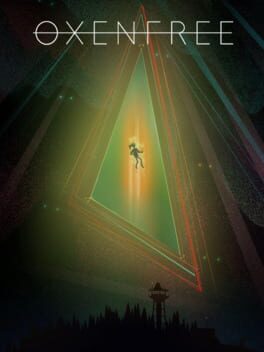

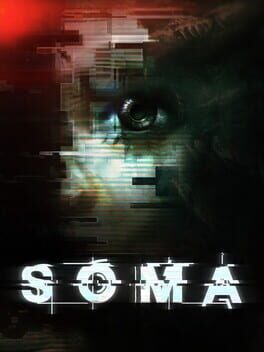
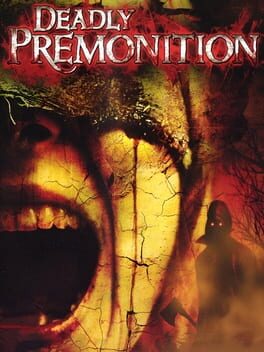

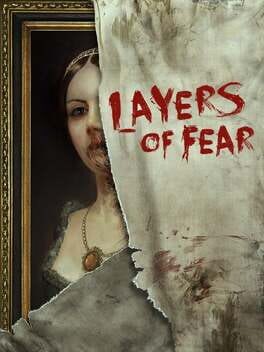
Disco Elysium is the game Lynch never made but should have
The comparison is not about visual style but about method. Disco Elysium, like Lynch at his best, treats the protagonist's psyche as a landscape you can walk through. The voices in the detective's head are not cutscene devices but navigable spaces. The world has a logic you feel before you decode. The game is saturated with a specific kind of melancholy: grandiose failure, a reaching toward meaning that the world keeps mocking. Lynch fans will recognize that frequency immediately.
The Literary Undercurrent
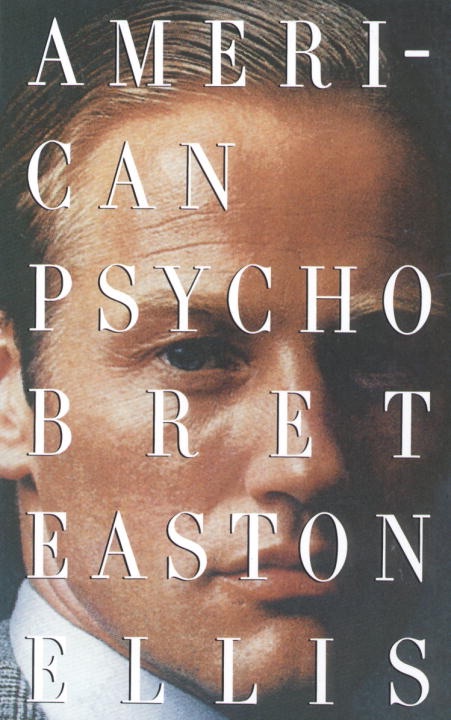
Books that live in the same emotional register: suburban menace, fractured identity, the weight of the unsaid



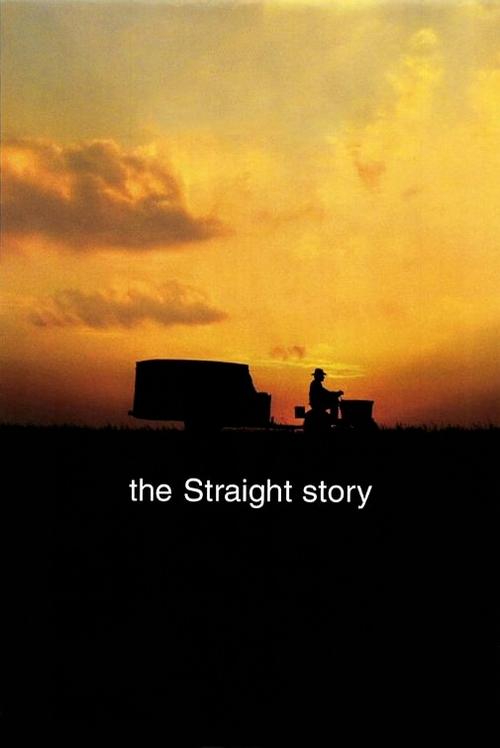
The Straight Story is his most underrated film
A G-rated Disney release that Lynch directed in 1999, about an old man who drives a lawnmower across Iowa to visit his ailing brother. Nothing horrifying happens. The strangeness is entirely in the tenderness, the pace, and the sense that Lynch's eye for the transcendent does not require darkness to function. Fans who only know the disturbing Lynch miss how much of his work is really about love, and The Straight Story is where that comes through clearest.
A Career in Strangeness
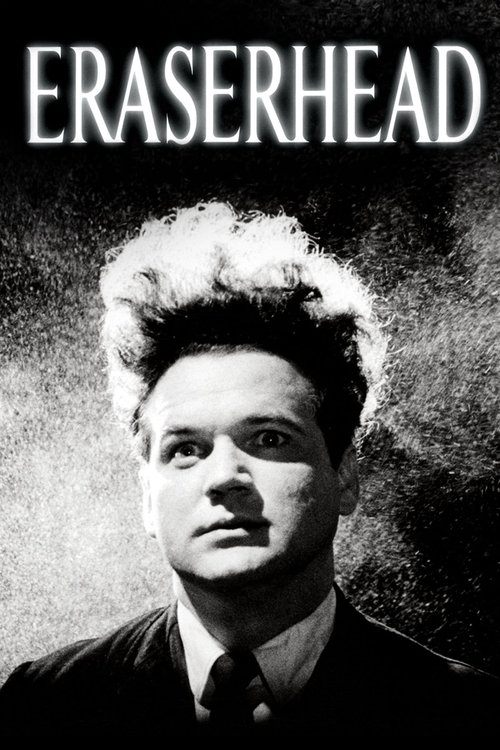
- 1977Eraserhead released after five years of production Eraserhead
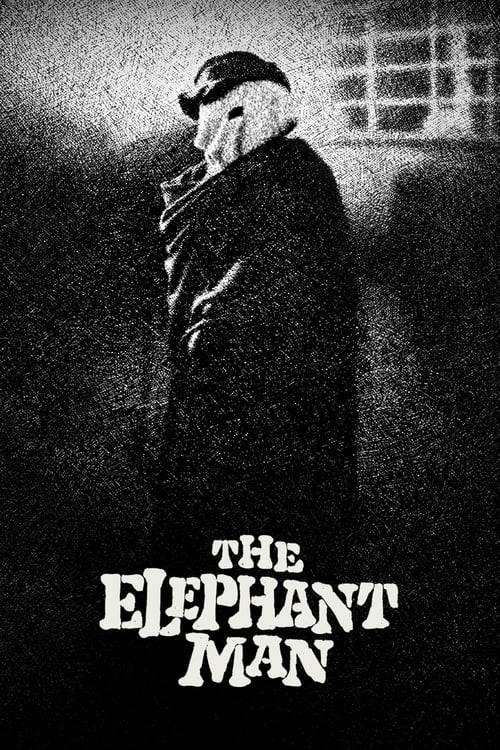
- 1980The Elephant Man earns eight Academy Award nominations The Elephant Man
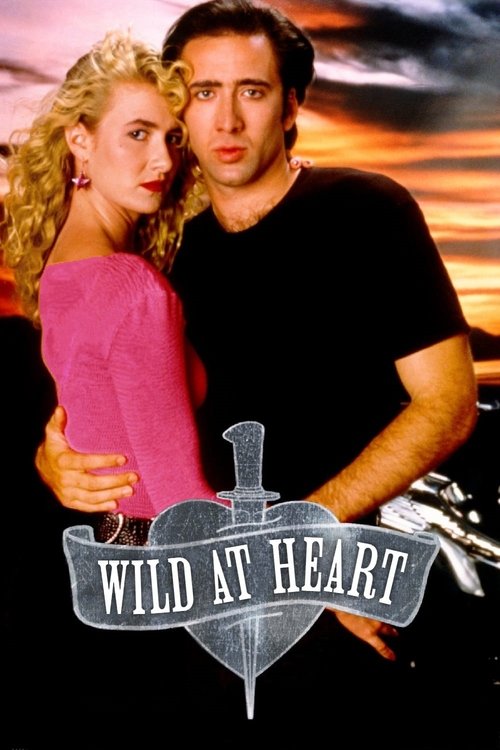
- 1986Blue Velvet defines a new register for American cinema Blue Velvet
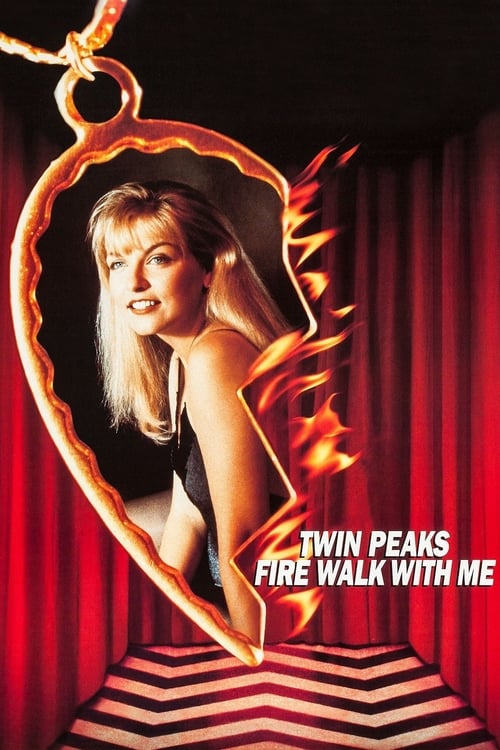
- 1990Twin Peaks premieres and becomes a national obsession Twin Peaks
- 1997Lost Highway: the first fracture of identity Lost Highway
- 2001Mulholland Drive, his masterpiece Mulholland Drive
- 2006Inland Empire, shot on digital, the most experimental major release Inland Empire
- 2017Twin Peaks: The Return reshapes what television can be Twin Peaks
More dreams, dread, and small-town secrets
For Fans of Twin Peaks
Explore the For Fans of Twin Peaks guide →The world that Lynch inhabits is not the world of dreams. It is the world you live in, seen from the angle you have been trained not to look from.CrossBinge editorial