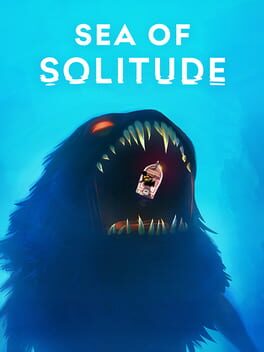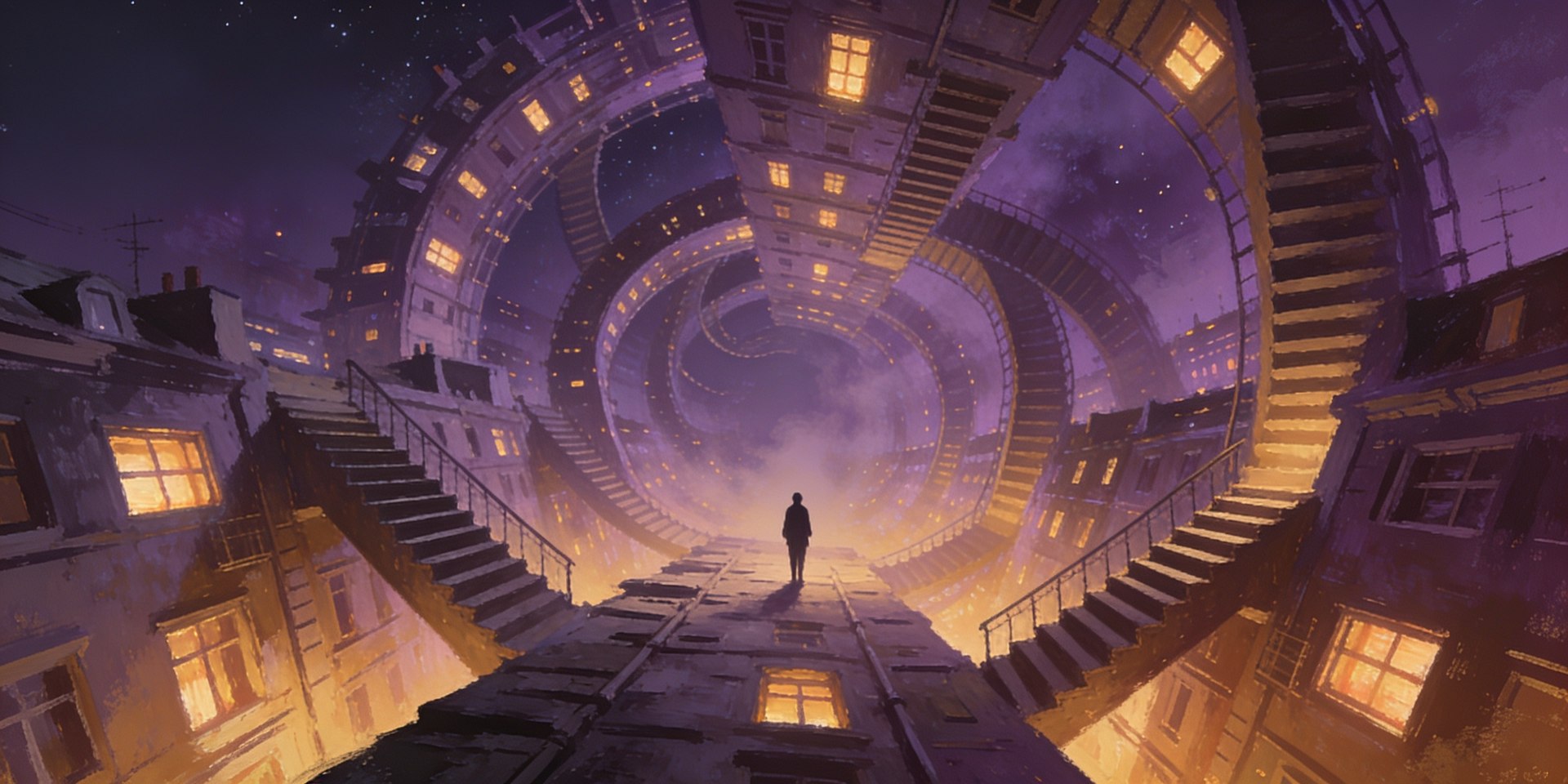

Every night your brain builds a world and forgets to tell you it is fiction. You walk through it as if the rules made sense, accept the impossible without comment, and only on waking does the architecture collapse into the obvious wrongness of a dream. That gap, between what felt true at 3am and what you know at breakfast, is the most reliable special effect ever invented, and storytellers have been chasing it for as long as there have been stories.
The dream is the one genre that belongs to no medium and all of them. Film gets the dissolve and the impossible cut. Animation gets to ignore physics entirely. Games get the thing the others cannot do: they put you inside the logic and make you act on it, so the dream stops being something you watch and becomes something you are trapped in. Books get the interior monologue, the texture of a mind talking to itself. Music gets the mood with no images attached, which is arguably the purest dream state of all.
What follows is a tour of the dreaming mind across all five. Some of these works are about literal dreams, the kind you have asleep. Others are about the subconscious as a place: a labyrinth, a hotel, a city that folds back on itself, a level of reality below the one you thought was the floor. The border between the two is exactly as firm as the border between sleeping and waking, which is to say not firm at all.
Essential dreams and the subconscious
The canon: where sleep, the mind and reality blur, across every medium




Inception is an action movie that took dreams seriously
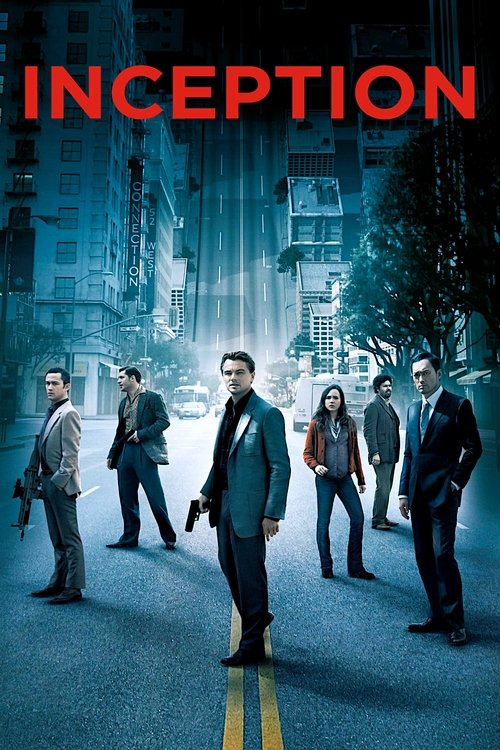
Christopher Nolan's Inception gets dismissed in some quarters as a heist film wearing a dream as a costume, and the criticism misses what makes it remarkable. Yes, it is structured like a heist, with a team, a target and a plan. But the plan is built entirely on how dreams actually behave: time dilates the deeper you go, your subconscious produces hostile strangers when it senses an intruder, and a small physical sensation in the waking world bleeds through as falling, or rain, or a collapsing building.
What the film understands is that the scariest thing about a dream is not the monsters. It is the possibility that you will not be able to tell when you have woken up. The spinning top in the final shot is not a puzzle to be solved. It is the question the whole film is really about: how would you ever know? Hans Zimmer's score, a single Edith Piaf chord stretched into a foghorn, does as much of the dream-logic work as the visuals.
Dreams on film
Nested realities, lucid worlds and minds that refuse to wake
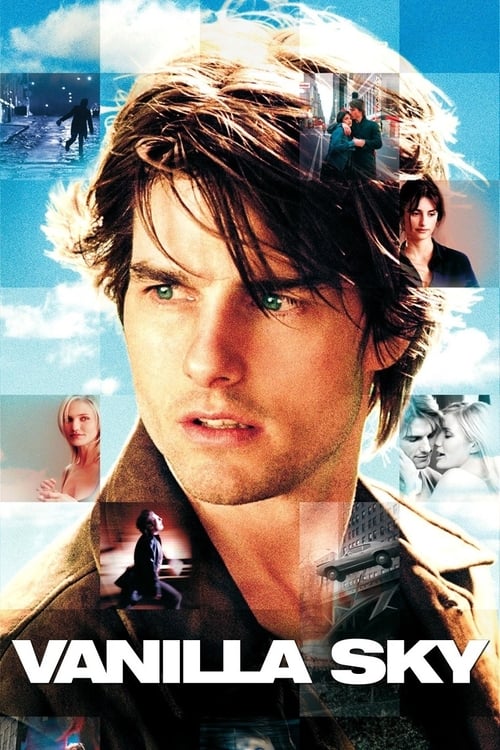
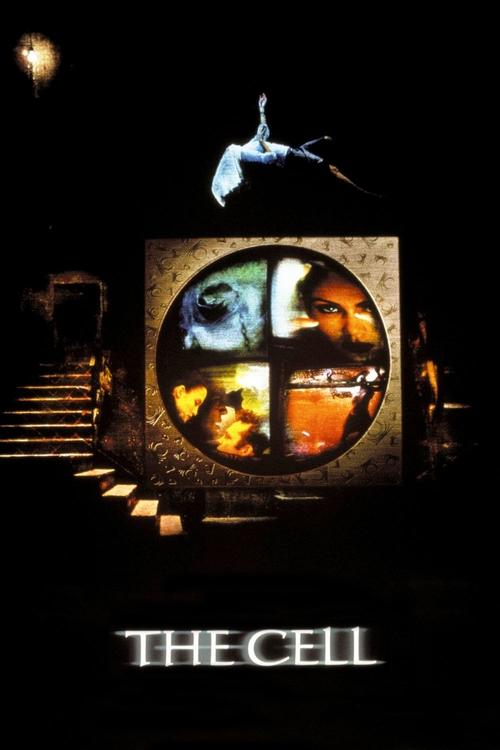
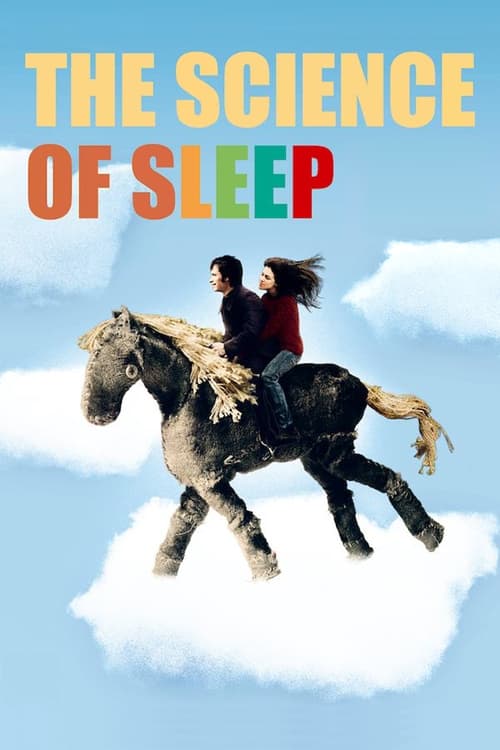
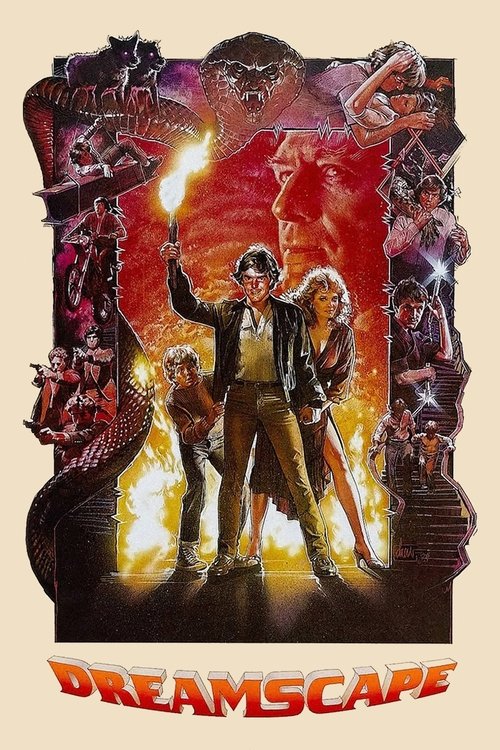


Animation gets there first
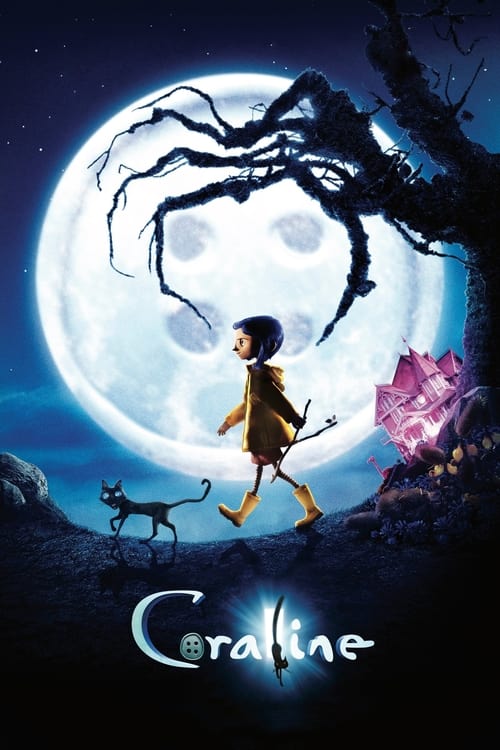
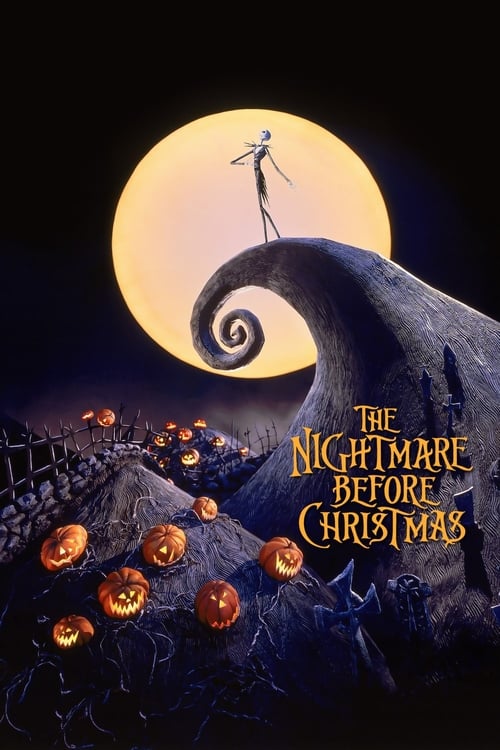
The dream film has a problem: live action is bound by what a camera can photograph, and a camera photographs the real world even when the script is trying to escape it. Animation has no such limit, which is why the most fully realized dream films are drawn rather than shot.
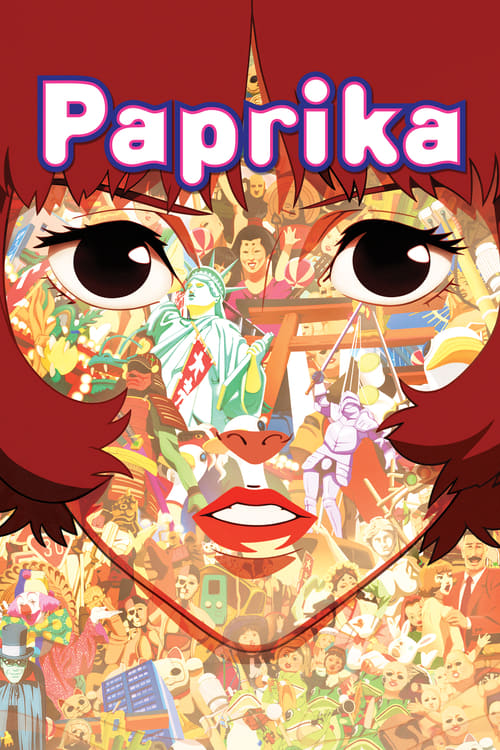
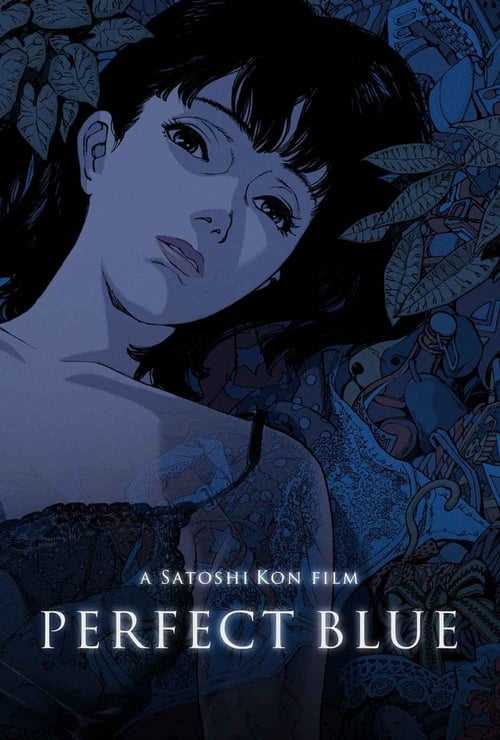
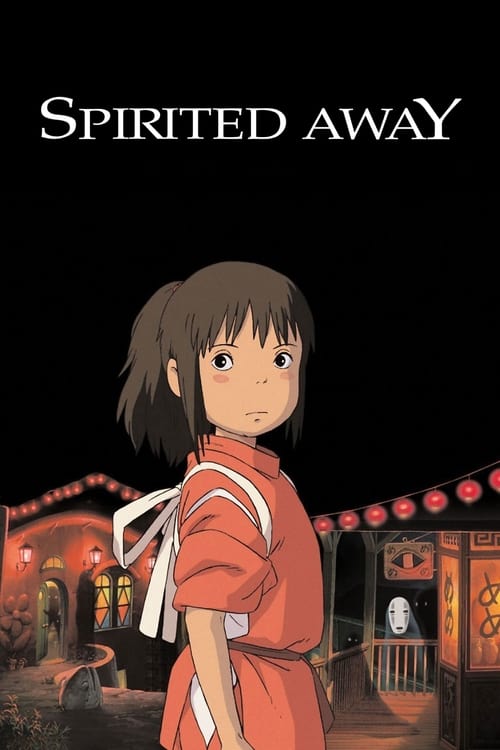
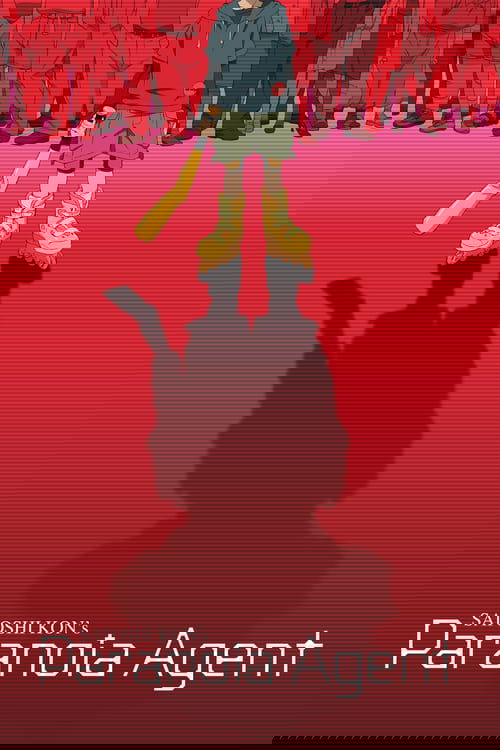
Satoshi Kon spent a career on this exact frontier. Paprika (2006) is the purest expression of it: a device lets therapists enter their patients' dreams, the device is stolen, and the boundary between dreaming and waking dissolves into a parade of marching appliances and laughing dolls. Nolan has cited it as an influence on Inception, and the resemblance is not subtle. Perfect Blue, Kon's debut, runs the same trick in a darker key, dissolving a pop idol's grip on which of her selves is real. Hayao Miyazaki's Spirited Away is a dream in the older fairy-tale sense: a child wanders across a threshold into a world with its own rules and has to learn them to find the way home.
Drawn dreams
Satoshi Kon, Miyazaki and the animators who ignore physics on purpose
Games are the only medium that can trap you inside the dream
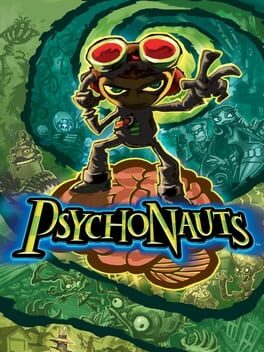
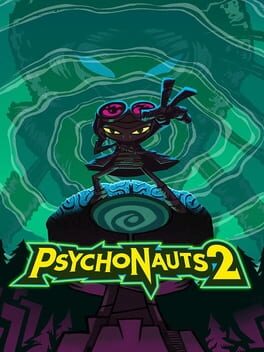
A film shows you a dream from the outside. A game makes you live by its logic, and that turns out to be the whole difference. Double Fine's Psychonauts sends you literally inside other people's minds, and each mental world is built around the person's neuroses: a paranoid's brain is a labyrinth of conspiracy boards, a dancer's is a stage where you have to keep your balance. The brilliance is that the level design is the character study. You understand someone by playing through their damage.
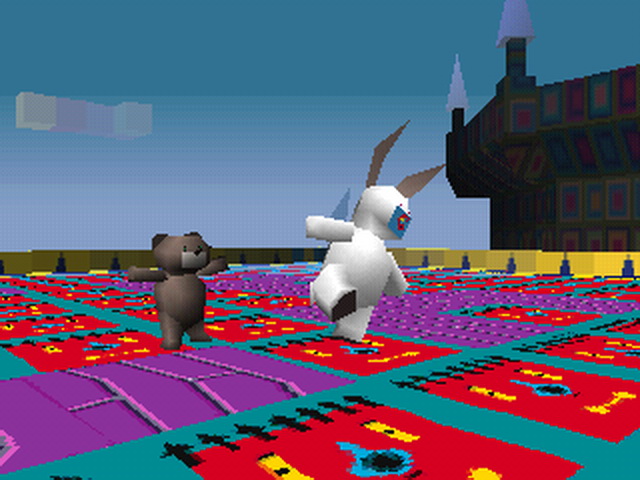
Then there is LSD: Dream Emulator, a 1998 PlayStation curiosity that may be the most honest dream simulation ever made. There is no goal, no score, no logic. You walk, you touch something, and you are yanked without warning to somewhere else entirely. It captures the one thing most dream media smooths over: dreams do not have plots. They have transitions you do not consent to. Both games understand that interactivity is not a gimmick here. It is the only way to make a dream feel like it is happening to you.
Dreams to play
Step inside the mind: from the surreal to the genuinely uncanny




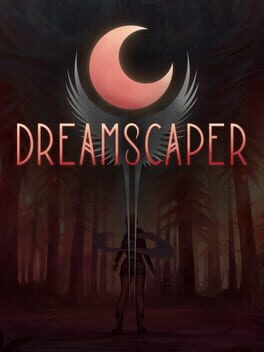
We are such stuff as dreams are made on, and our little life is rounded with a sleep.Prospero, in Shakespeare's The Tempest
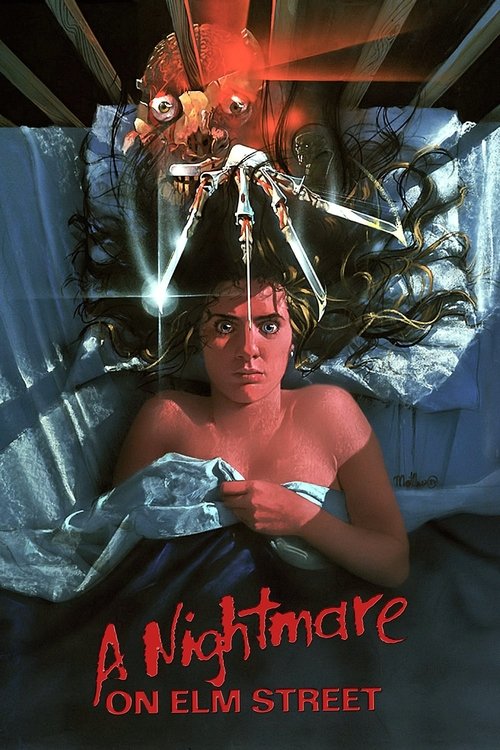
A Nightmare on Elm Street turned sleep itself into the monster
Wes Craven's A Nightmare on Elm Street (1984) had one genuinely terrifying idea, and it is structural rather than visual: the one thing every human being is guaranteed to do, eventually, is fall asleep. Freddy Krueger only has power in dreams, which means the survival rule is simply stay awake, which means the film is a slow-motion war of attrition against biology. You cannot run from him forever because you cannot stay conscious forever. That is a far cleaner engine of dread than any slasher's masked stalker.
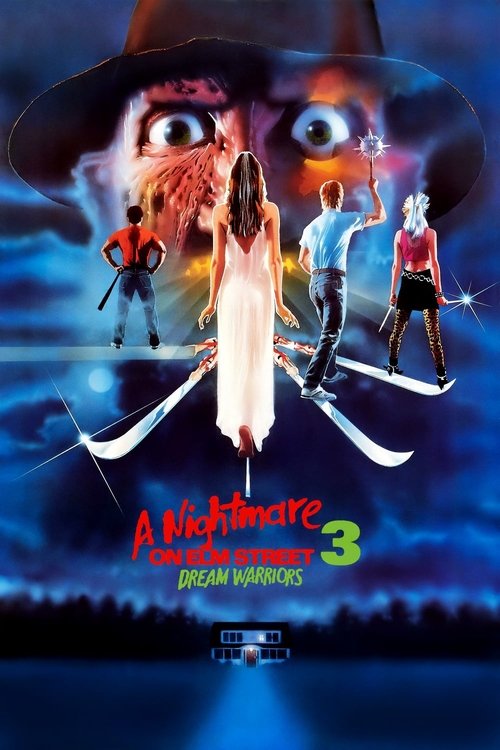
The sequels mostly squandered it, but Dream Warriors (1987) is the exception worth seeking out: a group of institutionalized teenagers learn to control their dreams and fight back, which is the rare horror sequel that actually develops its premise instead of just repeating it. The lucid-dreaming angle, dreamers shaping their own dream-bodies into weapons, is a smarter idea than the franchise usually gets credit for.
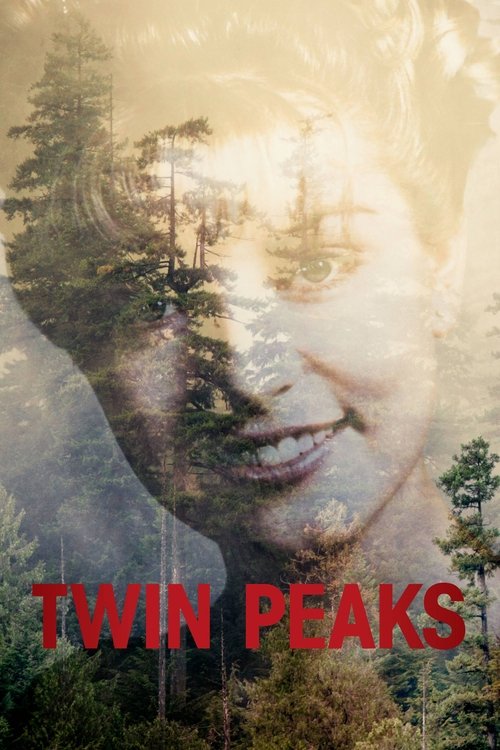
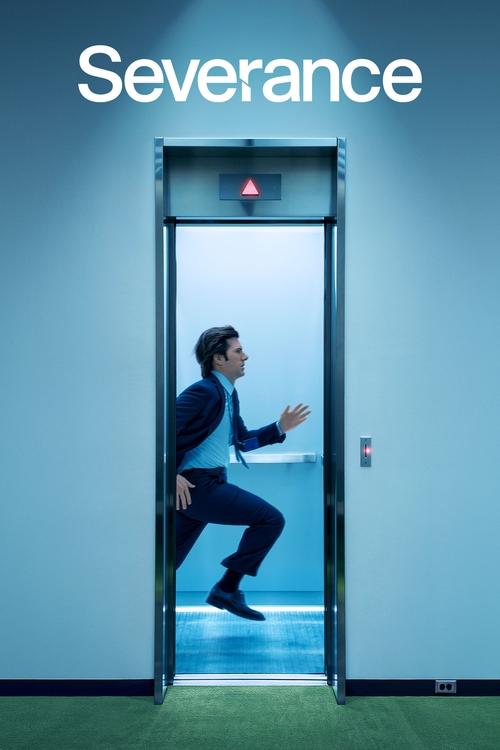
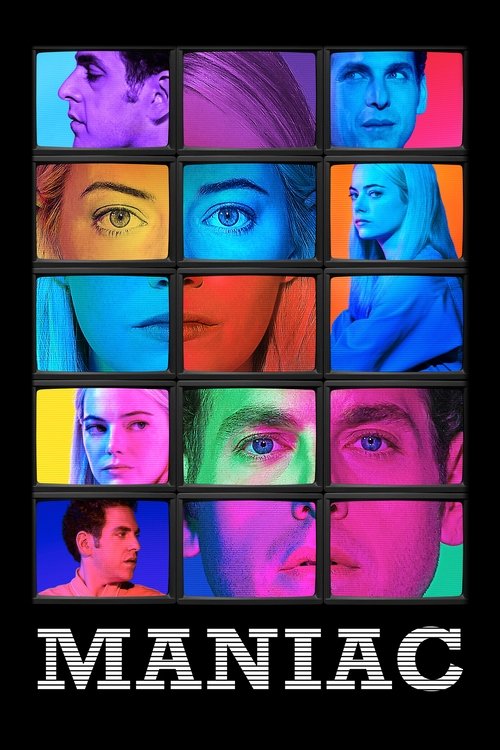
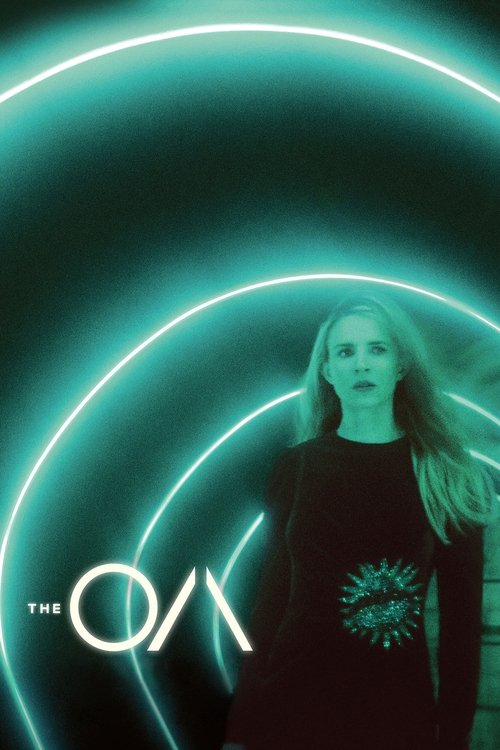
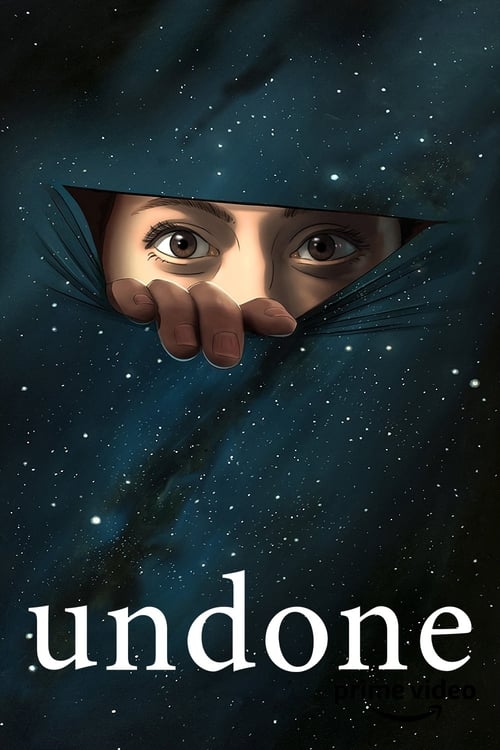
The subconscious on television
Series that live in the uncanny: shared dreams, split minds and towns that should not exist



The books that mapped the inner world
Prose has an advantage no screen can match: it can sit inside a mind and report what it is like to be there, with no obligation to render anything visible. The dream novel exploits this ruthlessly.
Ursula K. Le Guin's The Lathe of Heaven is the cornerstone. Its protagonist has dreams that retroactively rewrite reality, and a psychiatrist who tries to harness the gift to fix the world, with predictably catastrophic results. It is the cleanest fictional treatment of the wish-fulfillment dream and its costs ever written. Mikhail Bulgakov's The Master and Margarita lets the Devil loose in Soviet Moscow with the unstable, shifting logic of a fever dream, and Franz Kafka's The Metamorphosis opens with a man waking from uneasy dreams into a reality that is itself a nightmare, never to be explained or resolved.
And then there is Lewis Carroll, who wrote the two foundational dream texts in the language. Alice's Adventures in Wonderland and Through the Looking-Glass are both literally framed as dreams, and both run on pure dream logic: rules that change mid-scene, characters who take the absurd as self-evident, an internal sense that all of this is somehow urgent. Nearly every dream story since owes them something.
Dreams on the page
Le Guin, Carroll, Bulgakov, Kafka and the novelists of the inner world


Mulholland Drive is the only film that dreams the way you actually dream
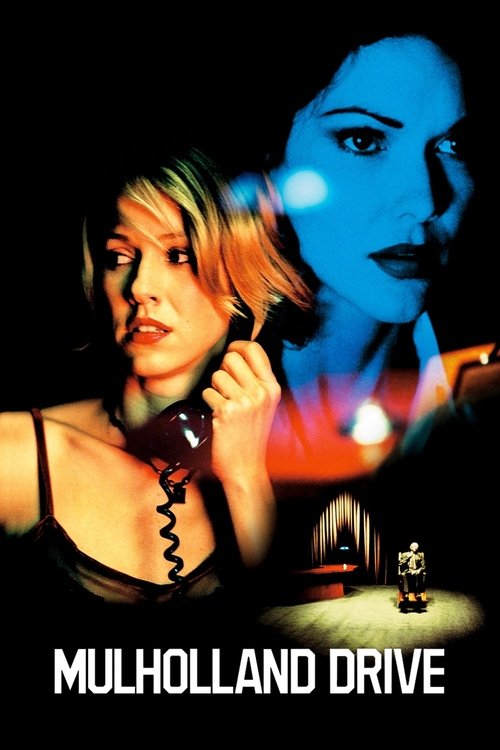
Most dream films cheat. They signal the dream with wavy dissolves and unnatural light, so you always know which level of reality you are on. David Lynch's Mulholland Drive refuses to do this, and that refusal is why it is the most accurate dream ever put on film. For most of its runtime it presents itself as a straight, if strange, Hollywood mystery. Only in the final stretch does the floor drop out and you realize that what you took for the story was wish-fulfillment, and the real situation is far bleaker.
That structure, a comforting fantasy that curdles into the truth it was built to avoid, is exactly how the mind processes things it cannot face directly. Lynch never explains it, because dreams do not come with explanations. Twin Peaks, his television masterwork, runs the same uncanny engine across dozens of hours: the Red Room, the backwards-talking dwarf, the sense that the town is a thin crust over something much older and worse. If you want to understand the texture of the subconscious, start here.
The sound of dreaming
Scores and records that work like dreams: mood with the images stripped away
Deeper into the uncanny
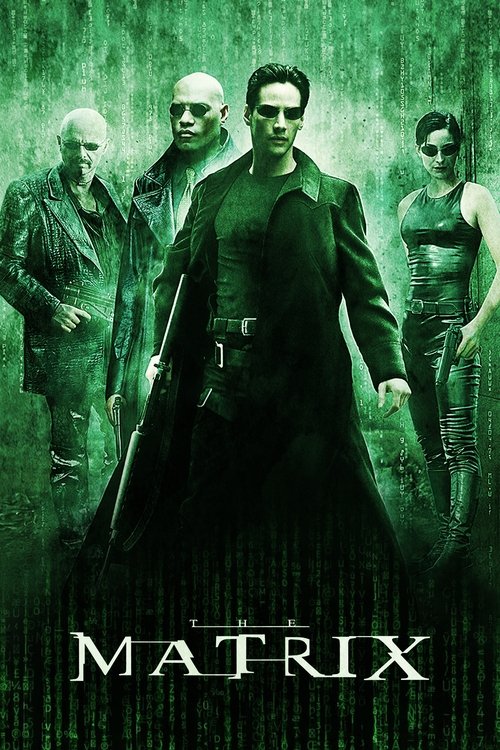
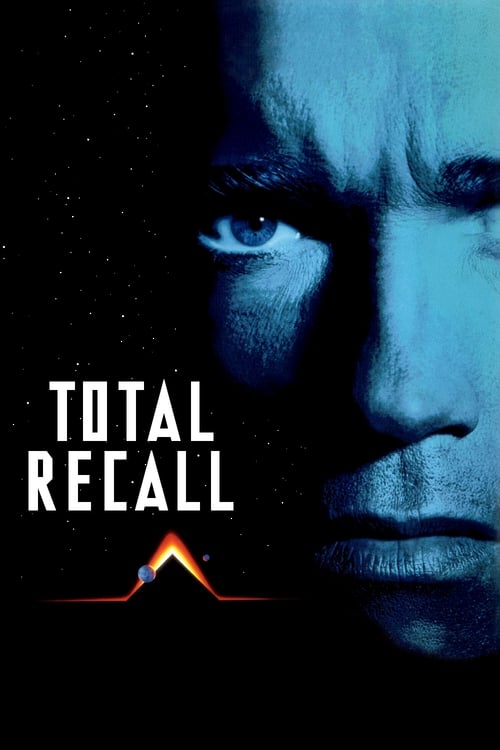
Reality unravels: simulations, false memories and the city beneath the city
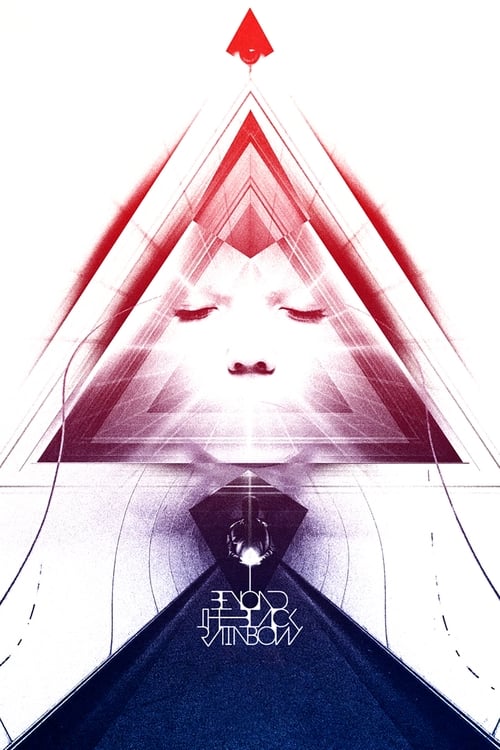

Hellblade and Control treat the mind as the actual setting
Two games take the inner-world idea and build their entire design language around it. Ninja Theory's Hellblade: Senua's Sacrifice renders psychosis from the inside: binaural voices that argue in your ears, a world that rearranges itself according to a logic that is real to its protagonist even when it is not real to the camera. It is one of the few works in any medium that treats an altered mental state as a place with its own geography rather than a symptom to be cured.
Remedy's Control does something stranger. Its Oldest House is a government building whose interior shifts when no one is looking, a piece of architecture that behaves like a recurring dream: the corridor you walked down is not there when you turn back, the rooms reconfigure, the rules are stated in cryptic memos that read like the half-logic of sleep. Both games understand that the subconscious is not a special effect you apply to a normal space. It is the space.

Lucid horror and waking nightmares
When the dream turns hostile: games and worlds you cannot wake up from