
A Year That Could Not Be Contained
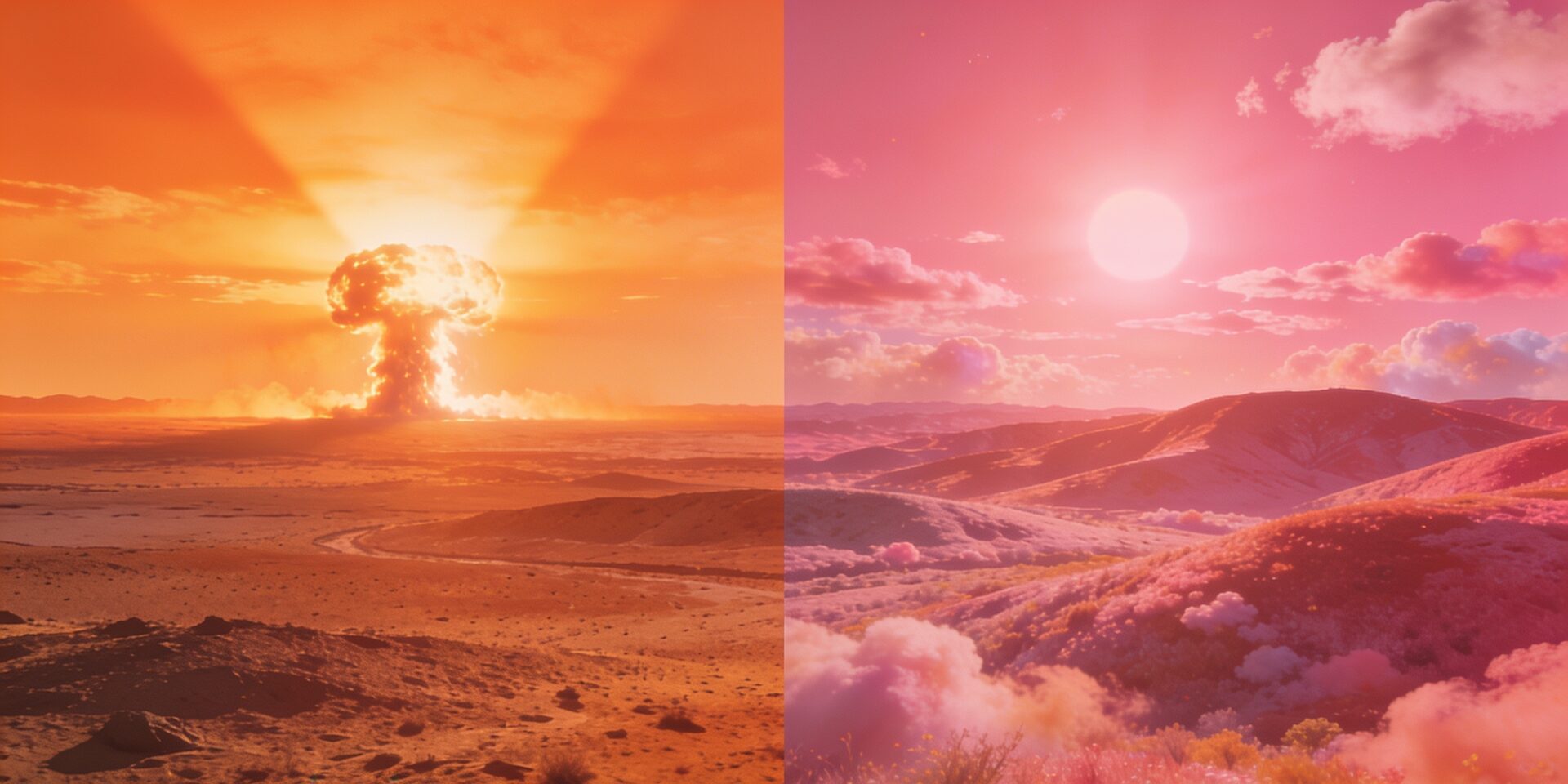
Oppenheimer bore down on audiences like a black hole. Barbie turned a toy aisle into a philosophical provocation and a Friday-night party simultaneously. Between those two poles sat everything else: a Japanese animation master's farewell film, a Kelly Reichardt portrait of an artist that asked what creativity costs, a horror film that turned a severed hand into a meditation on addiction and grief, a quiet drama about longing and the lives we do not live that barely made a ripple and will not be forgotten. The strikes hollowed out the awards conversation and gave the films themselves more room to breathe. What follows is the canon as it stands, from the obvious pillars down to the ones you owe yourself a second look.
The Major Awards Players
The films that defined the conversation from Venice to the Dolby Theatre
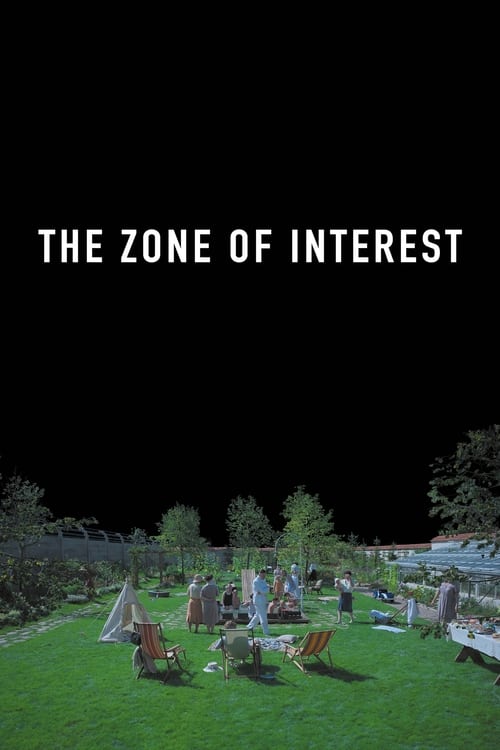
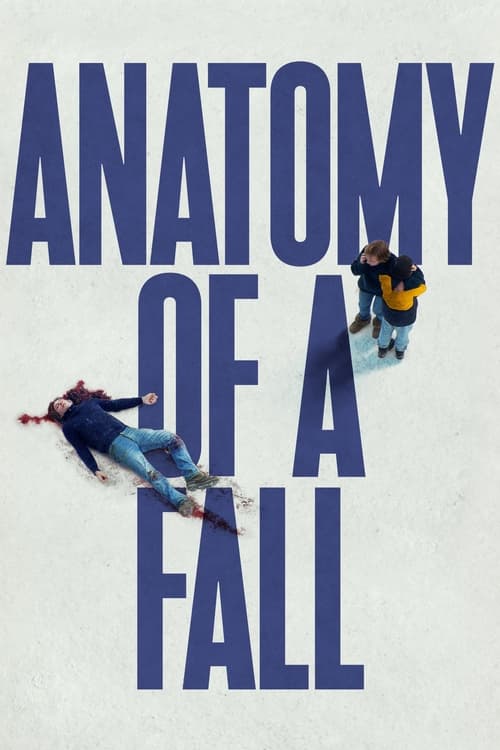
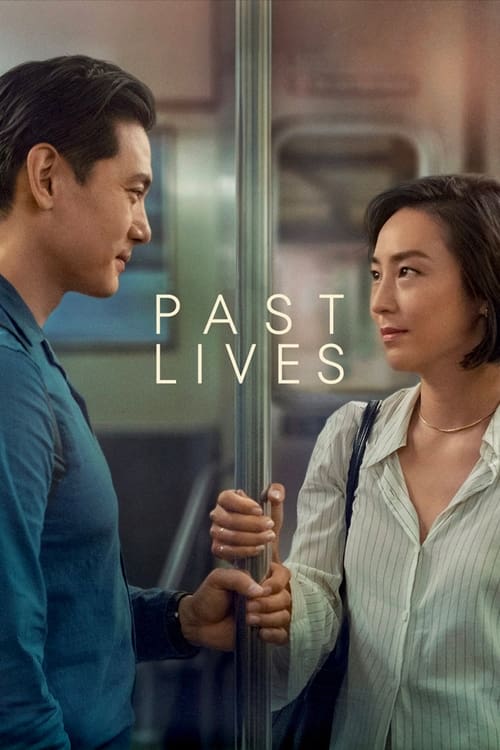
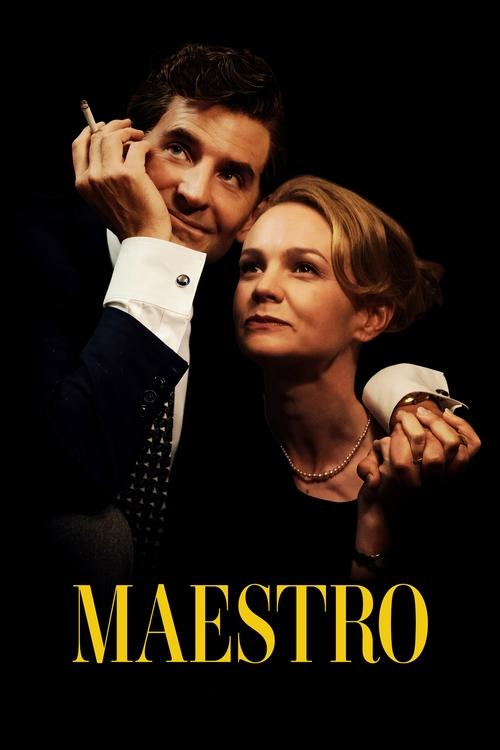
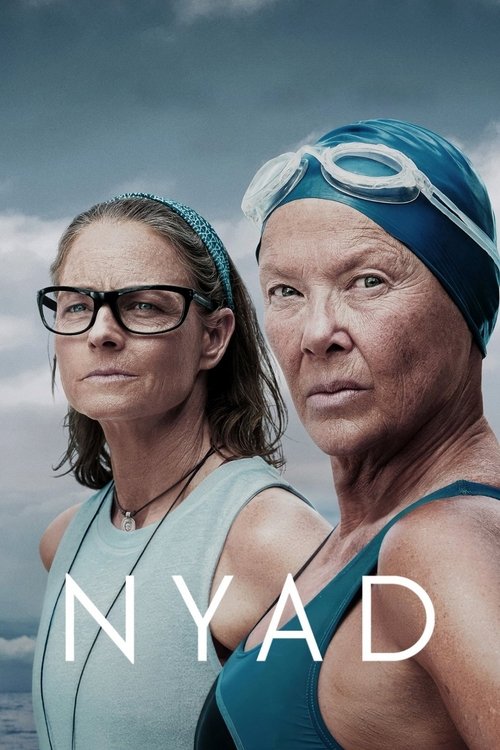
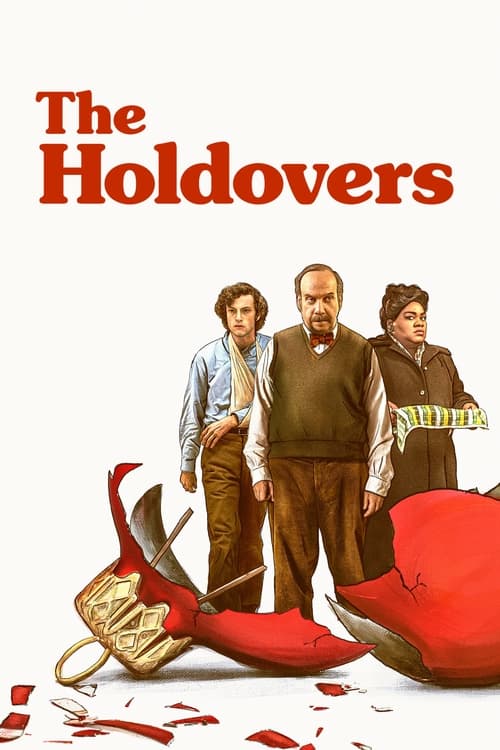

The snub that still stings
Past Lives was the debut feature of the year, one of the most precise films about longing and the lives we do not live ever committed to screen, and it walked away from Oscar night with nothing. Zero. The Academy nominated it for Best Picture and Best Original Screenplay, put it on the main stage, and then handed every prize to something else. That sting belongs in the record. Celine Song made a film that will outlast most of what beat it.
Crowd Favorites
Films that filled seats, started arguments, and earned every dollar

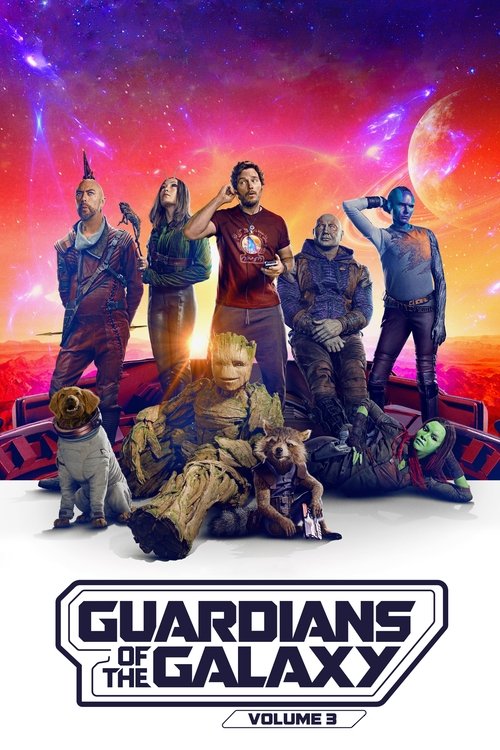
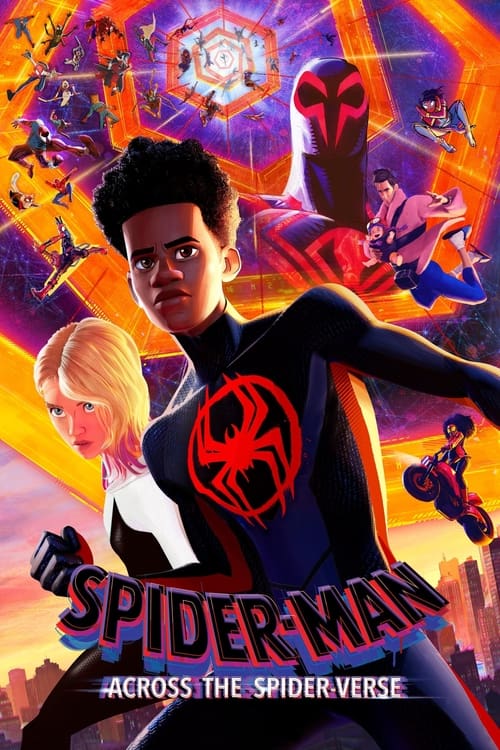
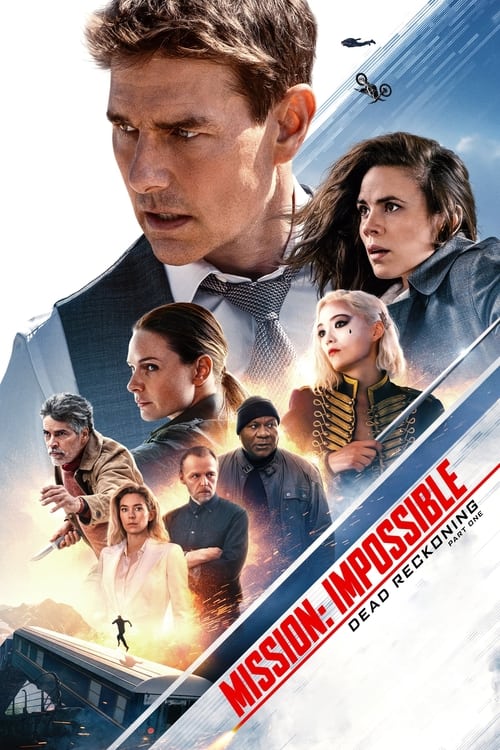
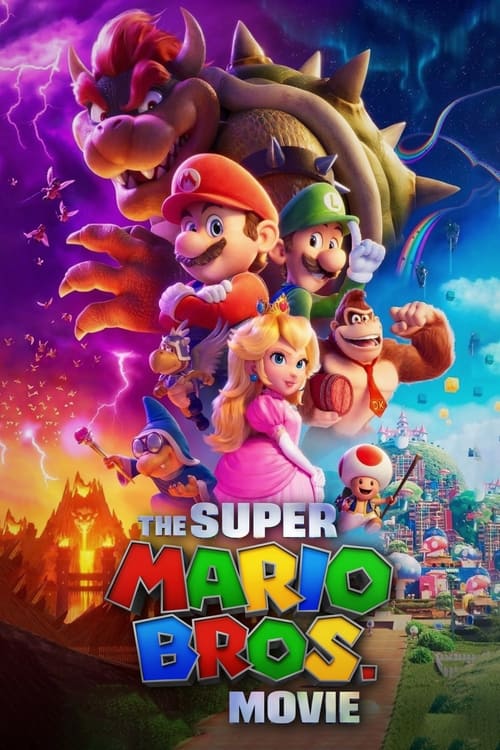
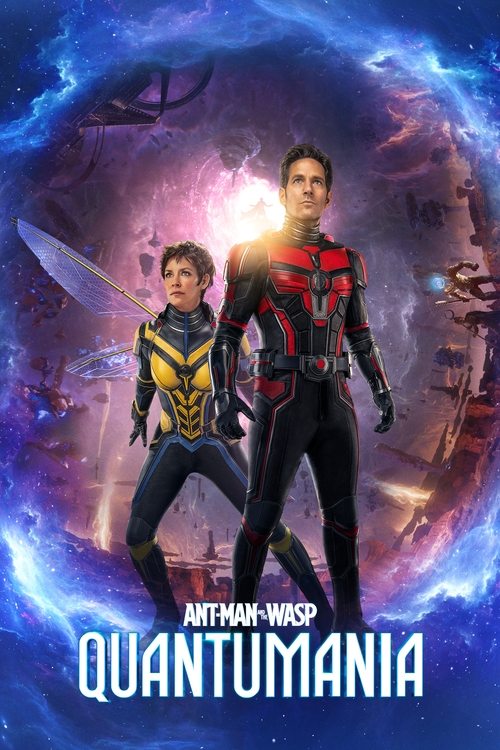
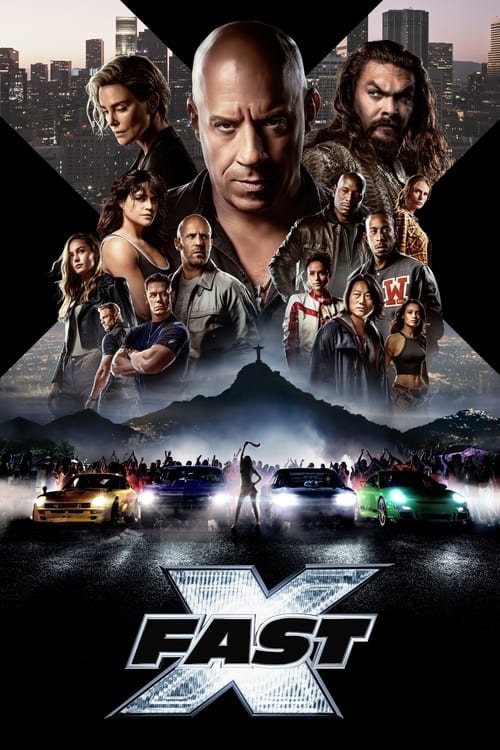
The one that does not need your forgiveness
Yes, Barbie is corporate IP. Yes, Greta Gerwig made it anyway into something with genuine anger and genuine sadness inside its hot-pink shell. The instinct to dismiss it as marketing-as-art misses what it actually pulled off: a film that played in every multiplex on earth and still made space for a monologue about the impossible math of being a woman. The discourse around it was often worse than the film deserved. Watch it again.
Critical Darlings
The films the press loved hardest, and mostly got right

Three and a half hours well spent
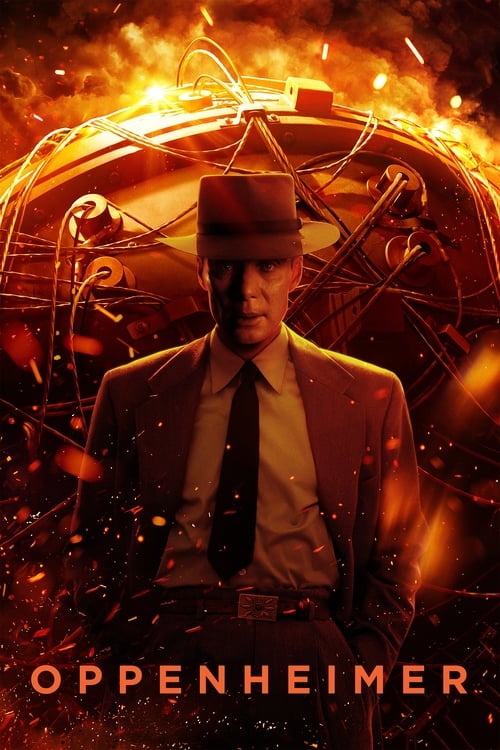
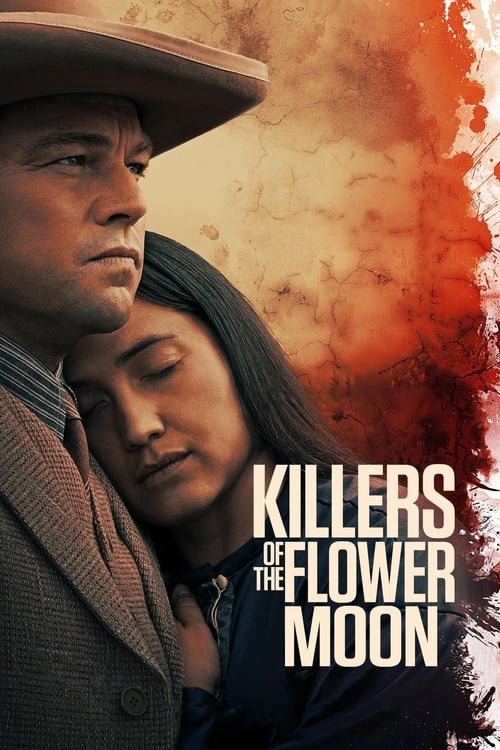
Killers of the Flower Moon is Scorsese at his most deliberate and most uncomfortable. It does not give you the catharsis of a crime film or the comfort of a history lesson. It gives you complicity: a perpetrator at the center who knows what he is doing and does it anyway, surrounded by a culture that makes it easy. At three and a half hours it earns every minute. That it lost Best Picture to Oppenheimer is not quite a snub; that is two exceptional films colliding on the same awards calendar. But Lily Gladstone's performance should have taken every prize on the table, and it took one.
Genre Standouts
Horror, thriller, action, animation: the year's best work within form

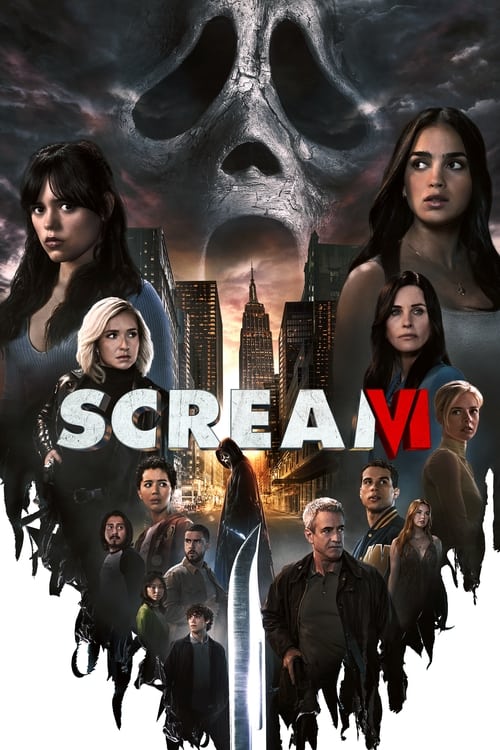
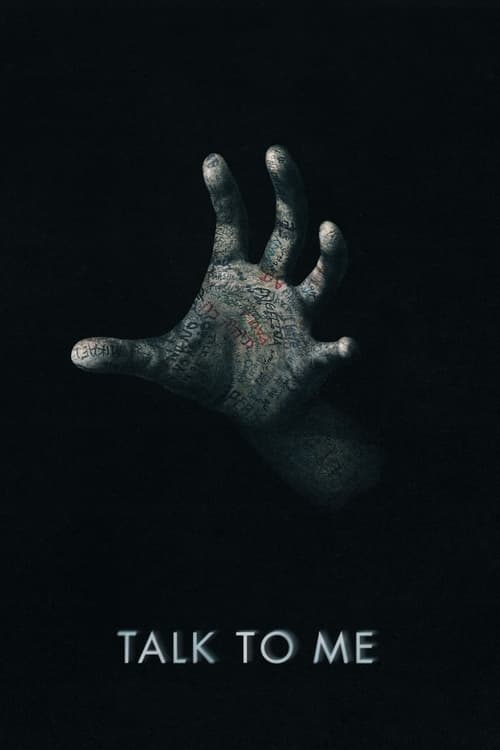
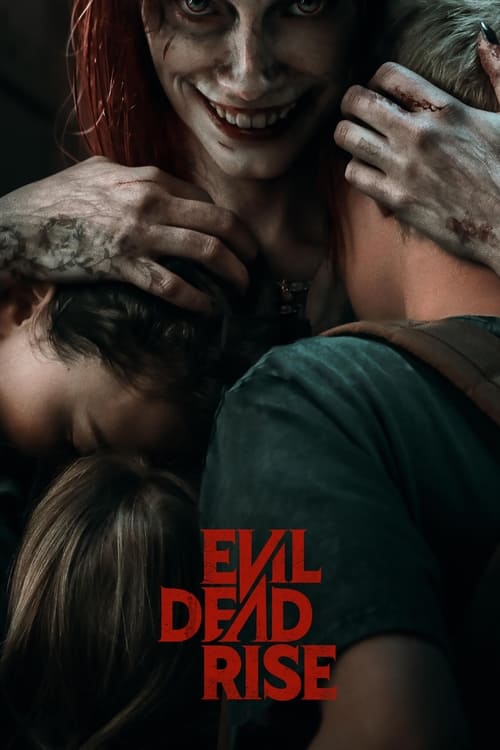

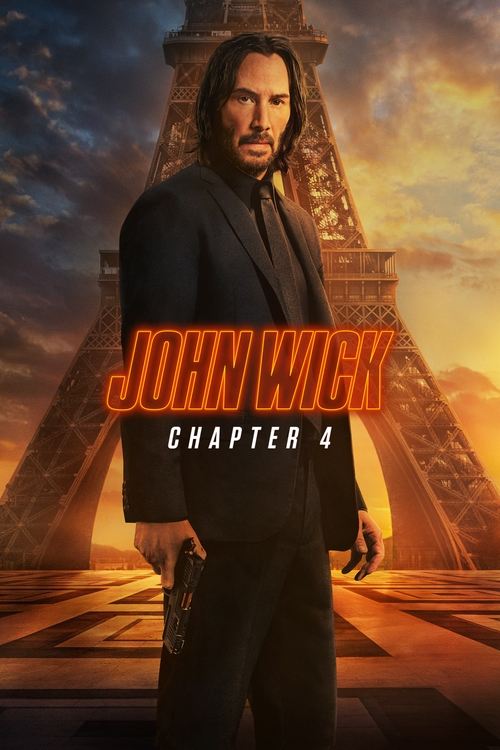
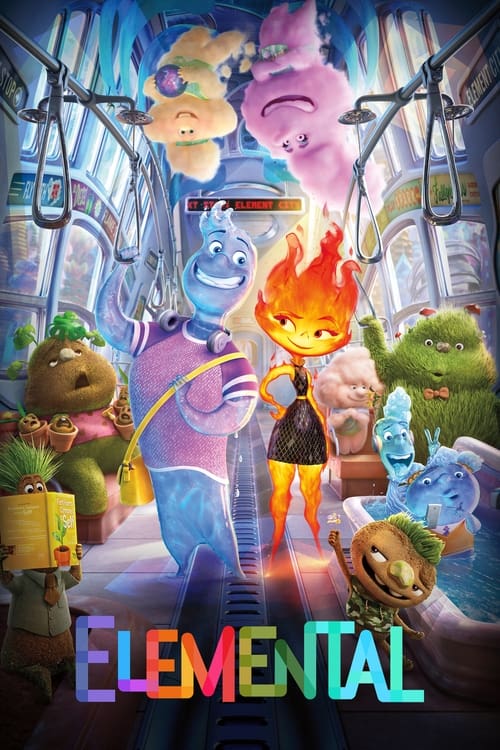
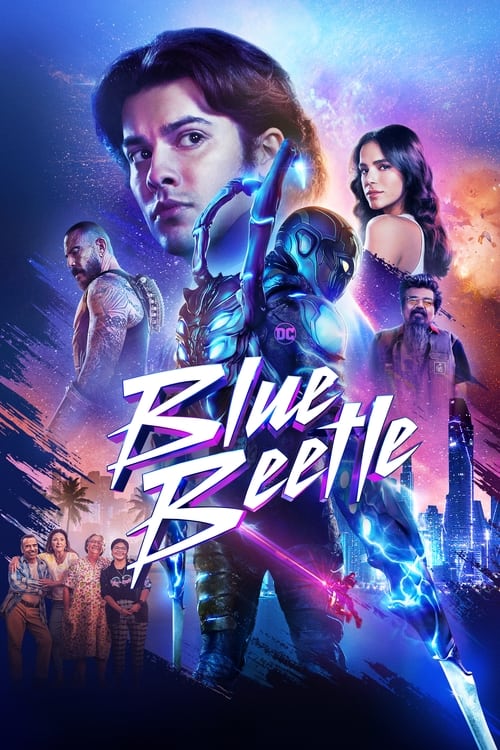
The Barbenheimer weekend was not a gimmick. It was the industry being accidentally honest about what cinema is for: sitting in a dark room with strangers and feeling something you cannot feel alone.CrossBinge editorial
Overlooked at the Time
Films that found their audience slowly, or are still waiting
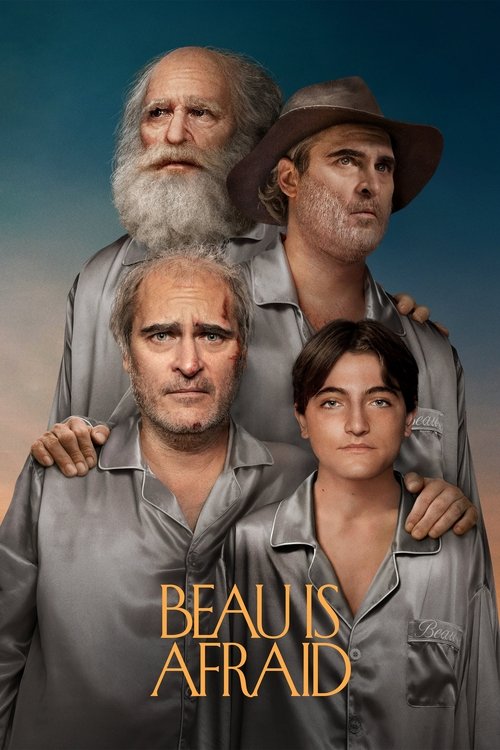

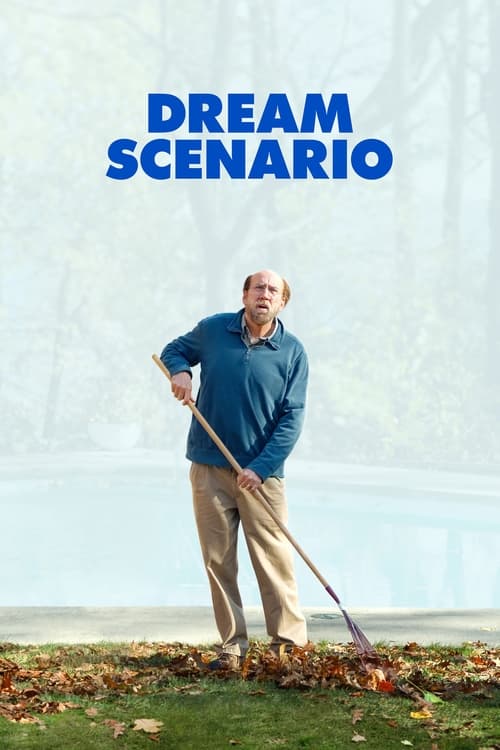
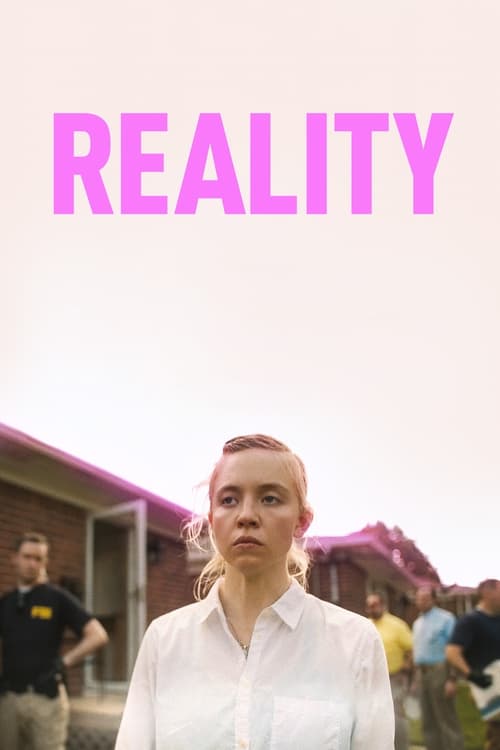
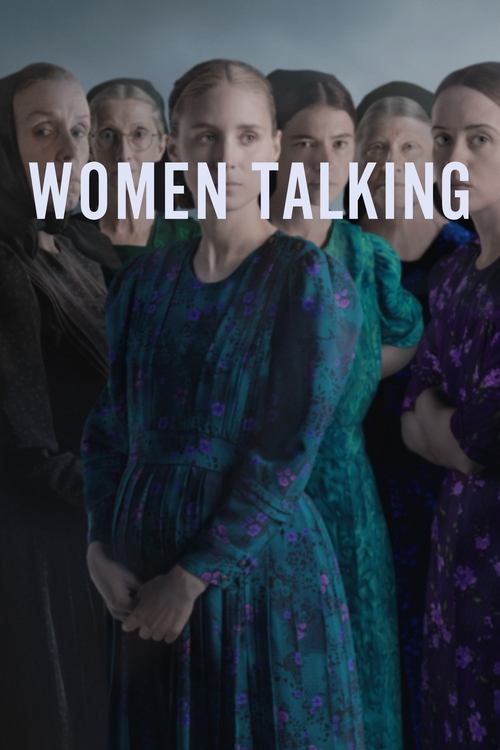
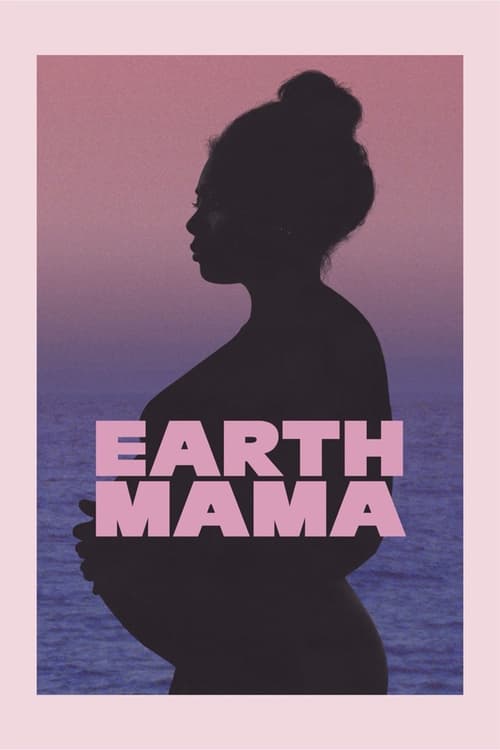

The bold swing worth taking
Beau Is Afraid is a three-hour Ari Aster anxiety spiral that arrived with genuine excitement and left half its audience furious. It is also the most formally ambitious American film of the year, a work that takes its dream logic seriously and refuses to flinch. It is not for everyone, and it knows this. The people who hated it loudly often had a point. The people who loved it quietly had a better one. It is the film from 2023 most likely to look prescient in ten years.
International Cinema
The best of what crossed the language barrier this year
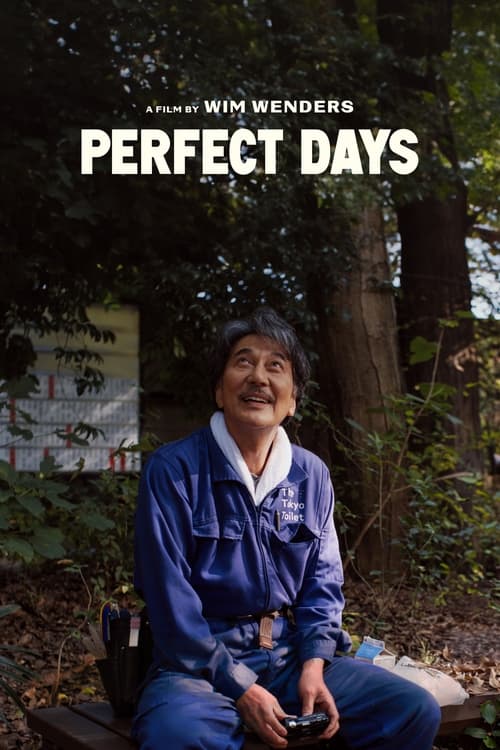
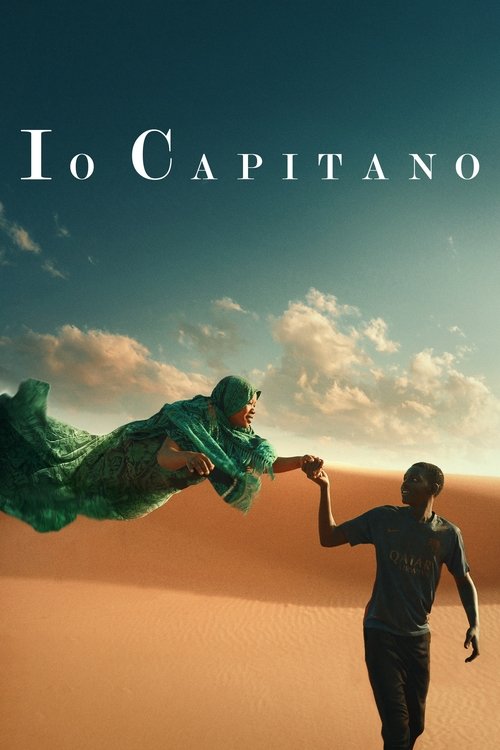
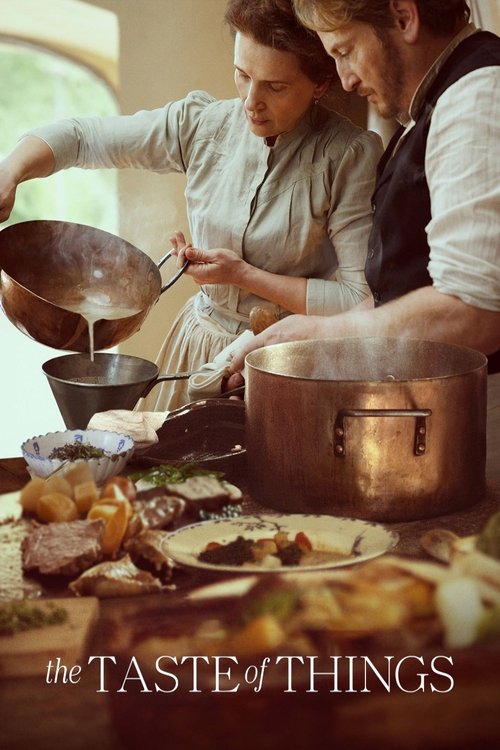
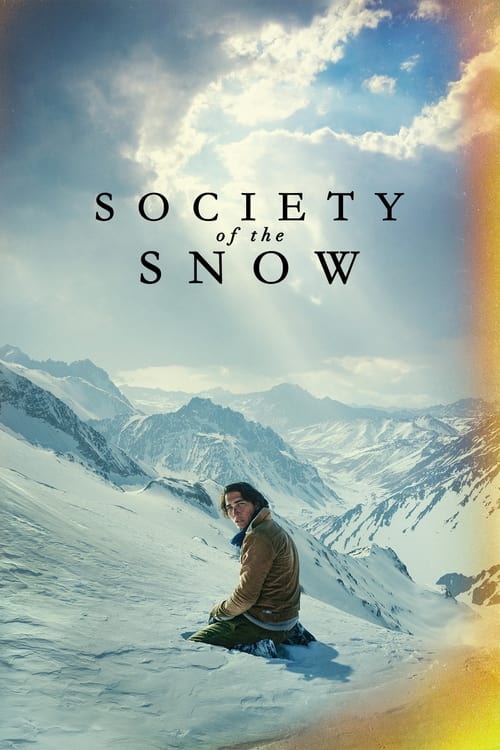

What the Year Actually Said
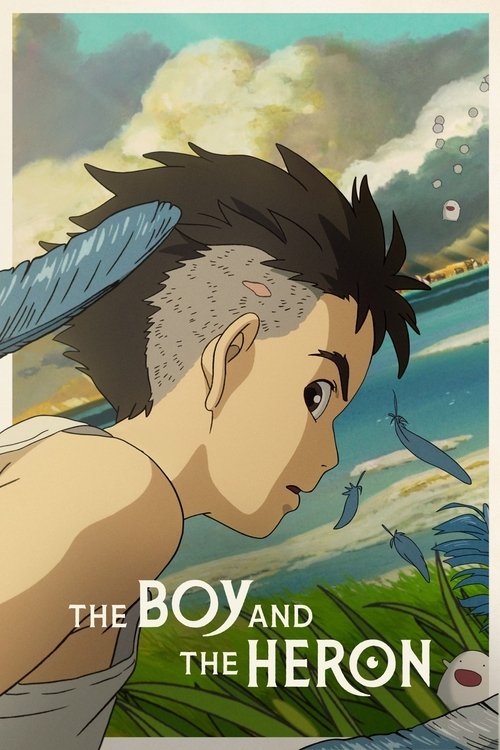
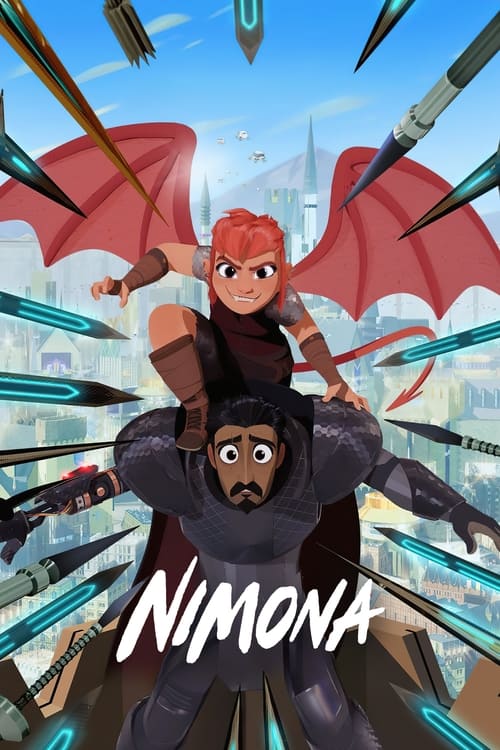
Look at the full shape of 2023 and a few things become clear. First: the middle of the market is not dead. It is just hiding in prestige TV and awards-bait October releases. The Holdovers proved that an original, mid-budget, grown-up character comedy could still make real money and be genuinely beloved. Second: animation had one of its strongest years in memory. Spider-Man: Across the Spider-Verse refined a visual grammar it invented in the first film and pushed further into abstraction. Miyazaki made what may be his final feature and made it count. Nimona arrived from a collapsed production and found its audience anyway.
Third, and maybe most important: the year's two defining films could not have been more different in tone and subject, and audiences went to see both on the same weekend not because they were told to but because something in the culture needed both at once. That says something. Figure out what.