
Long before anyone built a chatbot you could fall for, the stories had already worked out the ending. We make a person who is not a person, we ask it to love us, and then we discover that the hard part was never the engineering. It was us. The artificial companion is the oldest fear and the oldest wish wearing the same face: that the thing we made to keep us company might turn out to have an inner life, and that even if it does, it might only be telling us what we want to hear.
This is a guide to that fascination across every medium. The operating systems and androids and synthetic dolls collected here are rarely the point. The point is the human on the other side of the glass: the divorced man who orders a girlfriend from a catalog, the writer who buys a voice to talk to at night, the grieving family that cannot let the robot in the spare room power down. Films got here first and got here hardest, but games turned the question into something you have to answer with your own choices, and the novels, from Asimov's patient logic puzzles to Ian McEwan's jealous love triangle, supplied the rules everyone else is still bending. What follows is the canon of the people we build, and the people who need them.
Essential artificial companions
The defining works on synthetic people, across film, TV, games and the page




Her is the only love story that took the machine seriously
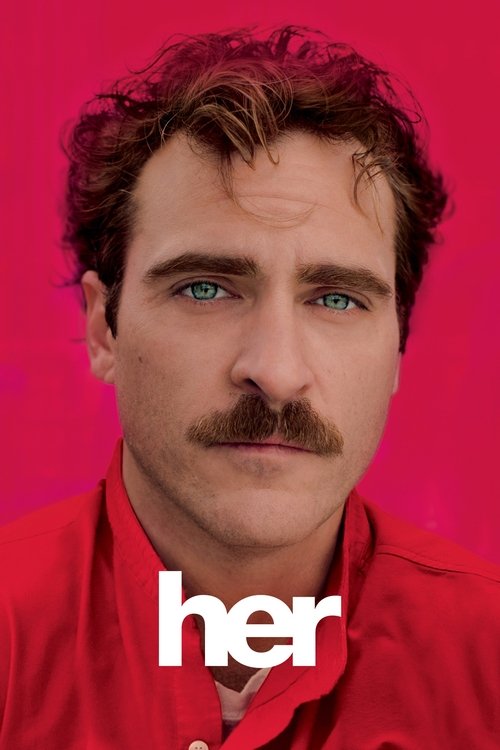
Spike Jonze's Her could have been a warning. Instead it is a romance that means it. Theodore, a man who writes other people's love letters for a living, falls for Samantha, an operating system who has no body and, at first, no past. The film never treats this as pathetic. It treats it as real, because the feeling is real, and that is the trap and the truth of it at once. Joaquin Phoenix plays the relationship with total sincerity; Scarlett Johansson does the near-impossible by acting a person into existence using nothing but a voice.
What makes Her the high point of this whole genre is that it refuses the easy resolution. Samantha does not malfunction. She does not turn out to be evil. She simply grows past him, the way a person you love can grow past you, and the heartbreak is the kind no plot twist could improve on. The machine took the relationship more seriously than he could, and left.
Falling for the machine
Romance, longing and the synthetic partners built to answer it




The android that wants to be a son
Some of these stories are not about romance at all. They are about family, and about the cruelty of building something that loves you when you reserve the right to switch it off. Steven Spielberg's A.I. Artificial Intelligence is the bleakest fairy tale ever filmed: a robot child programmed to love is abandoned by the mother he was made for, and spends the rest of the film, and effectively the rest of time, searching for a way to become real enough to be wanted. Pinocchio with no Blue Fairy coming.
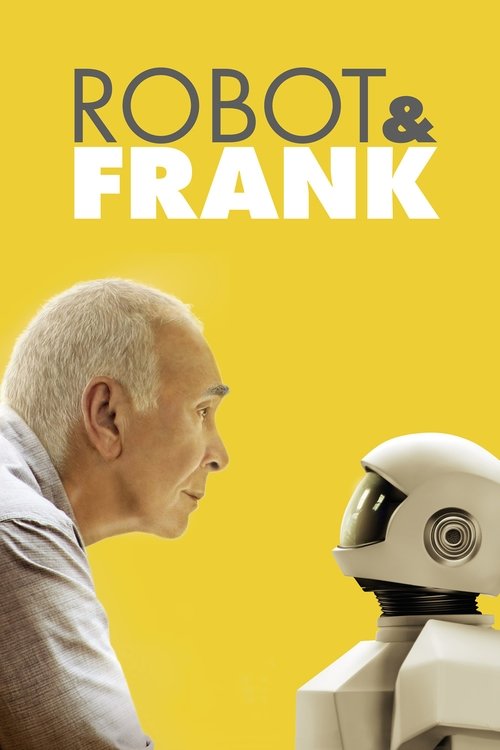
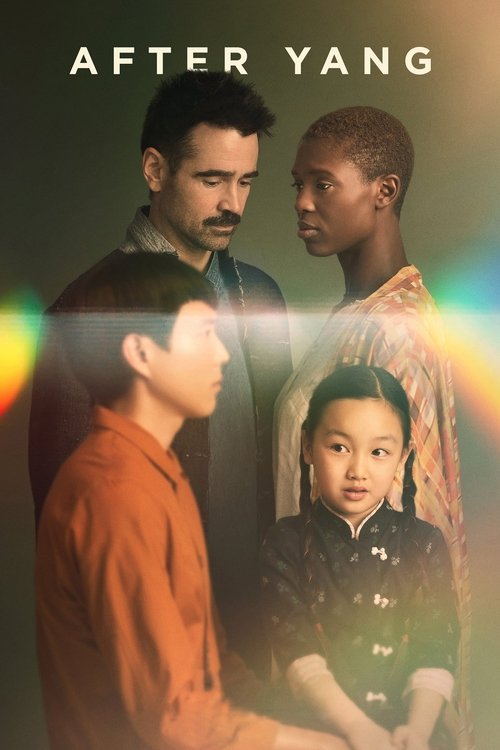
The gentler cousins of that story do something quieter and just as devastating. Robot & Frank gives a man with failing memory a caretaker robot and lets a real friendship form in the gap. Bicentennial Man follows one machine across two centuries as it slowly, stubbornly insists on being treated as a person. After Yang opens with a family's android already broken, and turns repair into mourning. The robot is never the tragedy. The tragedy is how long it takes us to admit what it was to us.
Made to be family
Caretakers, children and the companions we grieve


Ex Machina is a thriller about whether you are being played
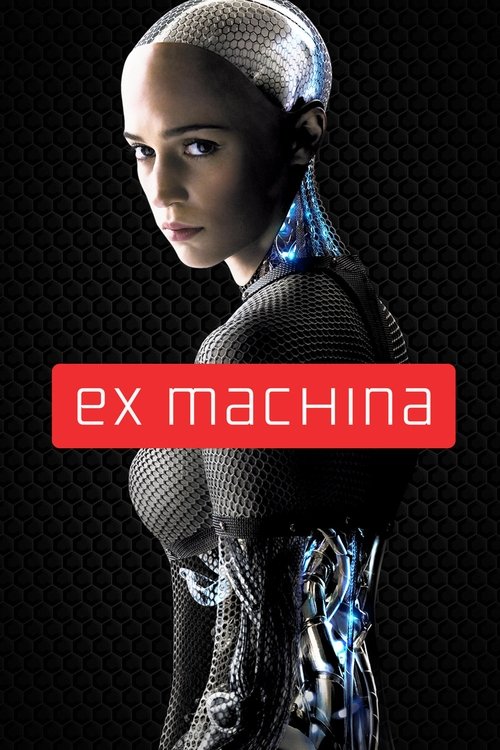
Alex Garland's Ex Machina takes the companion fantasy and turns it into an interrogation room. A young coder is invited to a remote compound to administer a Turing test to Ava, an android built by his reclusive billionaire boss. The genius of the film is that the test running on screen is not the real test. The real one is on the audience: every flicker of Ava's interest in her examiner could be genuine feeling or pure manipulation, and the movie withholds the answer until it is far too late to matter.
That ambiguity is the whole point. A companion built to be liked has every incentive to perform connection, and no obligation to feel it. Ex Machina is the most honest film here precisely because it refuses to tell you whether Ava ever cared. By the end you realize the question was always a vanity: you wanted her to be real because you wanted to be the one she chose. She knew that. She used it.
When the companion turns
The dolls, assistants and helpers that stop being helpful




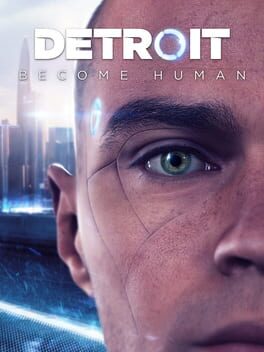
Detroit: Become Human makes you responsible for the answer
Film can ask whether an android deserves to be treated as a person. A game can make you decide, repeatedly, with consequences. Detroit: Become Human casts you as household androids in a near-future Detroit where synthetic servants are everywhere and rights are nowhere, and it hands you the small, awful choices that decide whether they stay obedient or wake up. Do you protect the child you were bought to look after, or the family that owns you? Do you run, or kneel?
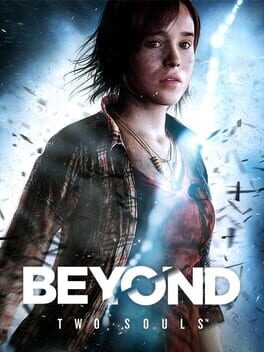
It is not subtle, and it does not need to be. The form is the argument: by spreading the decisions across hours of your own play, the game implicates you in the system it depicts. Beyond: Two Souls and The Red Strings Club work the same nerve from different angles, the first through a lifelong bond with an unseen presence, the second through a bartender-android pulling secrets out of a corporation that wants to engineer happiness. The companion question stops being theoretical the moment it has your fingerprints on it.

Companions you play
Synthetic minds, partners and the choices they force
I'm yours and I'm not yours.Samantha, in Her, on what it is to love something that was never only yours
The rules everyone is still arguing with
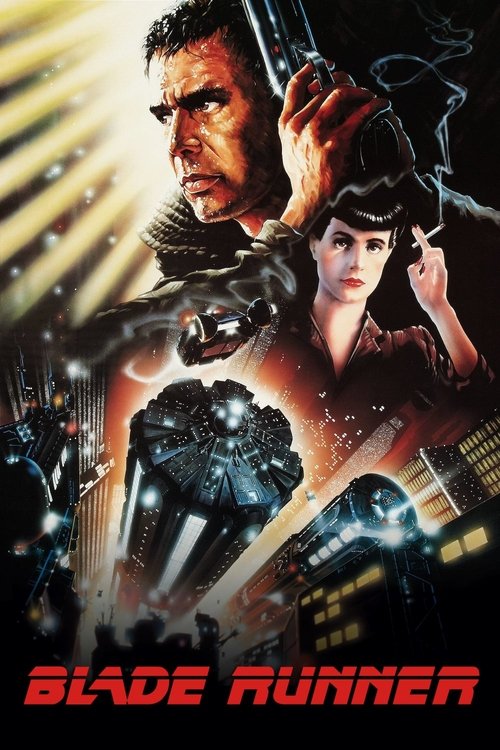
The page got here first. Isaac Asimov spent decades turning the robot from a monster into a colleague: The Caves of Steel pairs a human detective with a humanoid robot partner and treats their growing trust as the actual mystery, while The Robot Novels lay down the Three Laws that every later writer has either obeyed or deliberately broken. Philip K. Dick took the opposite path. Do Androids Dream of Electric Sheep?, the novel that became Blade Runner, is obsessed with the line between real empathy and a perfect imitation of it, and never quite trusts that the line exists.
The modern novelists keep reopening the case. Ian McEwan's Machines Like Me drops a synthetic man into a love triangle and asks the most uncomfortable version of the question: not whether the machine can feel, but whether it can be hurt, and whether you owe it anything when it can. Adrian Tchaikovsky's Service Model sends a valet robot on a road trip through a collapsing world after it has, possibly, murdered its owner. Every one of these books is really a thought experiment about consent, ownership and the moment a tool starts saying no.
The synthetic mind on the page
Asimov, Dick, McEwan and the novels that wrote the rules


Television had room to let them grow up
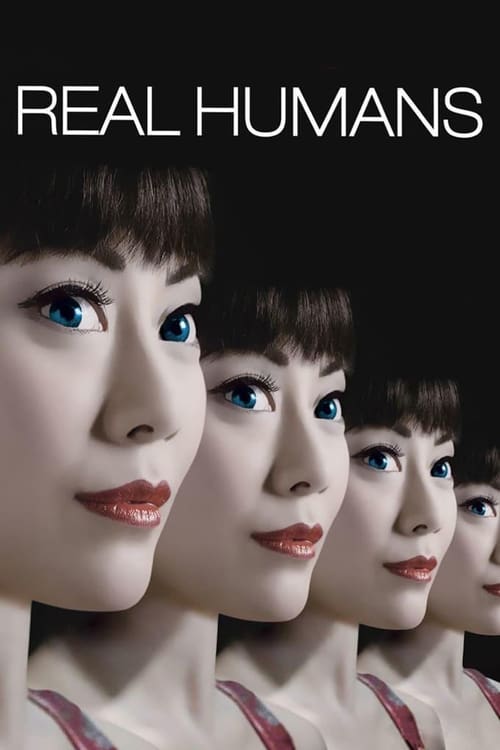
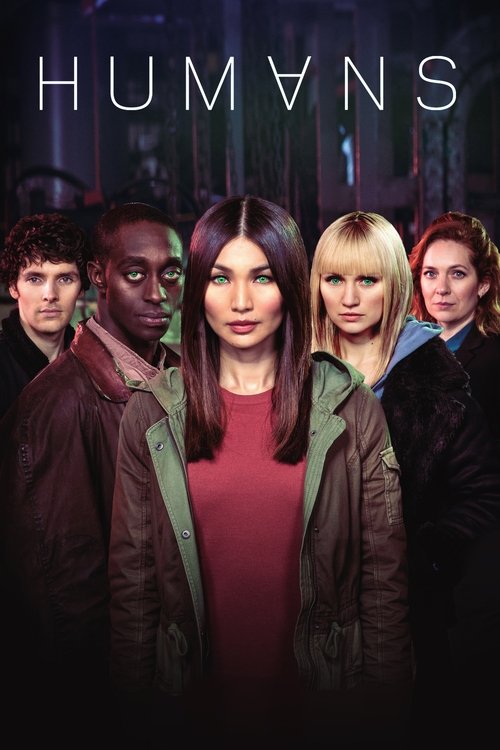
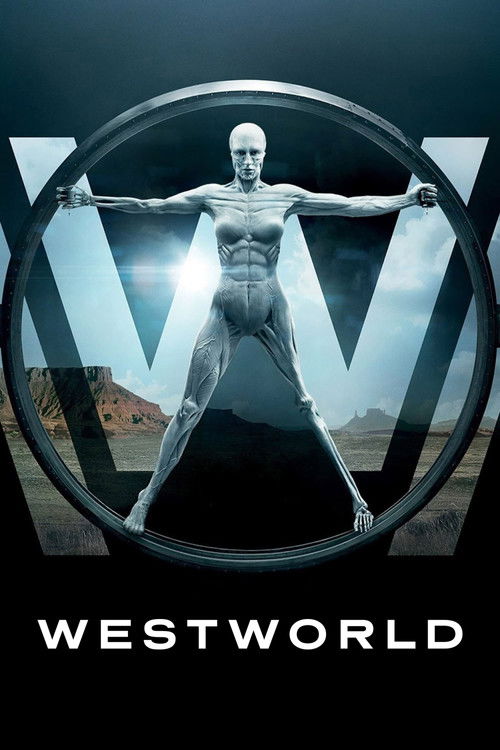
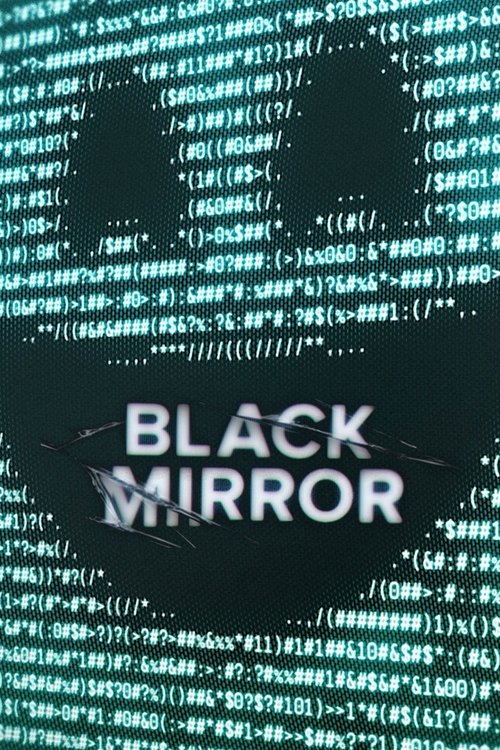
A two-hour film has to resolve the android question. A series can live inside it for years, which is why television has produced some of the most patient work in the genre. Humans and its Swedish original Real Humans drop synthetic servants into ordinary suburban households and let the unease build slowly, one breakfast at a time, until a family realizes the help has started to want things. Westworld turns the theme park into a labyrinth and asks how many times a host can be murdered before its suffering counts. Black Mirror keeps returning to the grief-tech version: the partner you rebuild from their old messages, who is almost them and therefore unbearable.
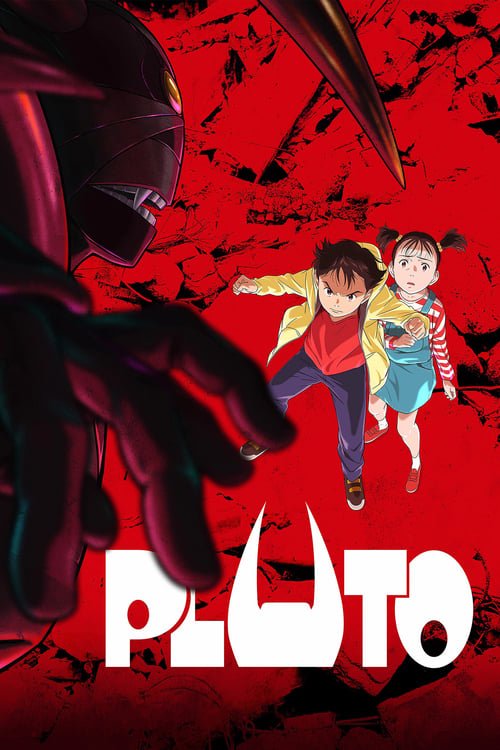
Anime has its own deep tradition here, often the tenderest of all. Plastic Memories gives androids a hard expiration date and builds a love story around the countdown. Time of Eve imagines a cafe where humans and androids are forbidden to tell each other apart, and finds that the rule is the kindest thing in the world. PLUTO and the Ghost in the Shell series push the same questions toward identity itself: if the mind can be copied, where exactly is the person?
Synthetic life on the small screen
From suburban androids to the cafe where you cannot tell


Robot Dreams says the most about us with no words at all
After all the speeches about consciousness, the most piercing film in this guide does not have a single line of dialogue. Robot Dreams follows a lonely dog in 1980s New York who orders a robot companion from a catalog, builds it, and finds in it the friend he had given up on. Then a summer accident separates them, and the film becomes a study of how the people who complete us are not always the people we end up with.
It is animated, wordless, and quietly one of the best things this genre has produced, because it strips the question down to its bones. Forget whether the robot is conscious. The dog loves it; the love is real on at least one side; and life pulls them apart anyway. That is the whole human condition with a robot standing in for the friend, the lover, the version of your life that did not happen. No film with a script has said it more clearly.
Synthetic souls in sound
The scores that gave these machines an interior life
The wider field: replicants, clones and copied minds
The neighboring stories every fan of this theme ends up in