

A Year That Refused to Behave
Predictions going into 2024 pointed toward a tidy awards race, a couple of prestige giants, and the usual genre filler. What actually happened was messier and more interesting. The Oscars produced a genuine upset. Several films that opened to shrugs became the ones everyone kept talking about six months later. A few that arrived with enormous momentum landed flat. Independent cinema punched hard and often. And somewhere in the middle of all the noise, a small number of films did what movies are supposed to do: they changed how you saw the world for a couple of hours and left a residue long after.
The Awards Season Heavyweights
The films that dominated the conversation from Venice to the Dolby Theatre




The upset that felt earned
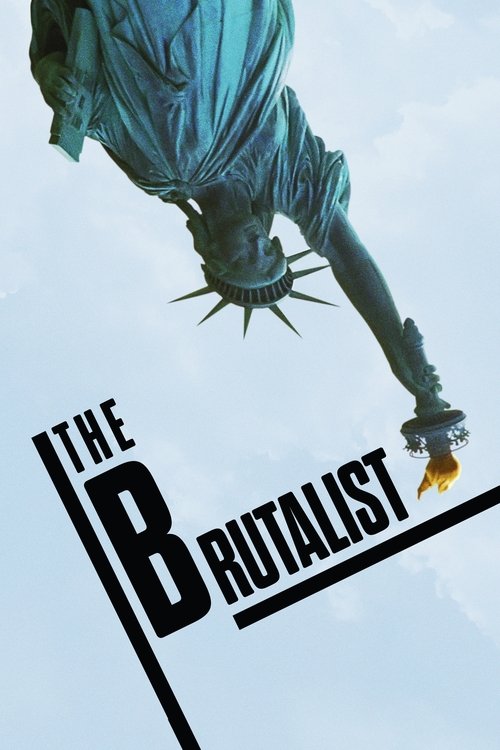
Anora winning the Palme d'Or and then sweeping Best Picture and Director at the Oscars felt, in retrospect, completely logical. Sean Baker's film about a Manhattan sex worker who marries a Russian oligarch's son is genuinely alive in a way that much prestige cinema is not: chaotic, funny, physically real, emotionally bruising. The backlash from people who wanted The Brutalist to win is understandable. Brady Corbet's film is magnificent at three and a half hours, and it earns your admiration. Anora earns something rarer.
The Critical Darlings
Films the press loved hard, sometimes before audiences caught up




The one that demands a second watch
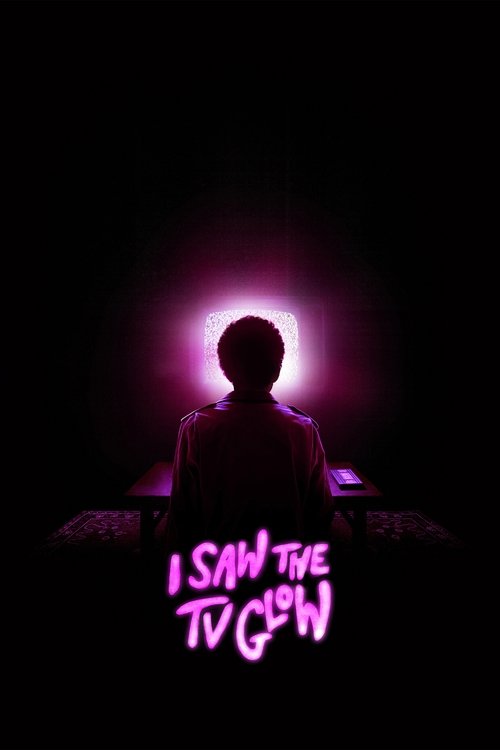
Jane Schoenbrun's I Saw the TV Glow is the most formally audacious American film of 2024 and also one of the most genuinely disquieting. It is ostensibly about suburban adolescence and a cult TV show, but it operates on the register of a dissociated mind, and the horror it generates is not jump-scare horror. It is the horror of recognizing yourself. The film polarizes: some find its pace unbearable, others find it revelatory. Both groups are right about what they experienced. See it twice.
Crowd Favorites and Box Office Surprises
Films that found real audiences, not just critical approval
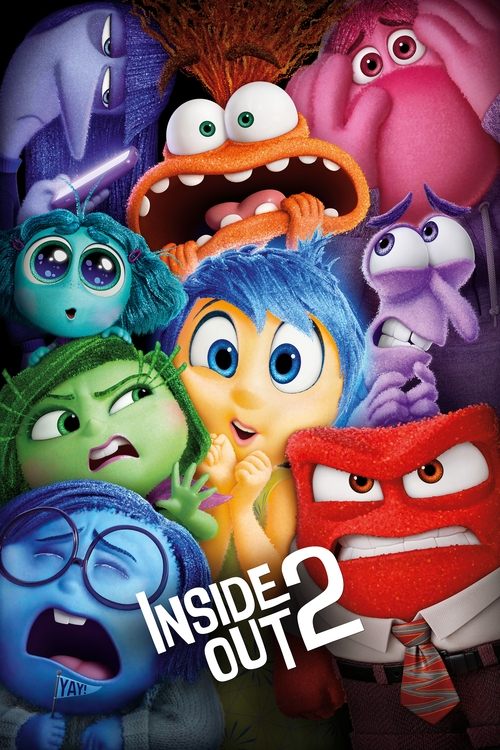
Inside Out 2 made more than a billion dollars and made adults cry about anxiety. It is, objectively, the most efficient piece of filmmaking of the year.CrossBinge editors
The Bold Swings
Ambitious, strange, or formally inventive films that risked something



The most overrated film of the year
Megalopolis is not the most baffling film of 2024. It is the most expensive vanity project in modern Hollywood history: Francis Ford Coppola spent forty years and a reported $120 million making it, and it arrived as a genuinely difficult watch, not in the productive way. Coppola's conviction is not in question; neither is his past greatness. But the critical effort to locate hidden genius in its chaos says more about the mythology around its director than about the film itself. Some swings miss. This one missed by a long way.

International Cinema Worth Seeking Out
Films from outside the English-speaking world that crossed over or deserved to

Genre Standouts
Horror, action, and thriller films that were better than they needed to be

Coralie Fargeat made a body horror film about female aging that managed to be genuinely funny, genuinely disgusting, and genuinely sad. The Substance has no right to work as well as it does.CrossBinge editors
Overlooked at the Time
Films that deserved wider audiences and will find them eventually
The Verdict
2024 was not a year for easy consensus. The Academy made a genuinely interesting choice with Anora. The international field was stronger than it has been in years, with Mohammad Rasoulof's The Seed of the Sacred Fig (made under conditions that required Rasoulof to flee Iran) among the most urgent films of the decade. Horror found a new ambition. And the three-and-a-half-hour immigrant epic (The Brutalist) and the ninety-minute Brooklyn screwball (Anora) turned out to be the twin poles that defined what serious filmmaking looked like in the same calendar year. That range is not a problem. That range is the point.