

The year cinema stopped apologizing
For the past few years, the smart money was on streaming, consolidation, and the slow hospice of theatrical. Then 2025 happened. Not all at once, and not without contradiction, but the films that mattered this year mattered loudly: in the way they were argued about in parking lots after late showings, the way they lingered past their release weeks, the way critics found themselves revising initial takes months later. Awards season chewed through the usual suspects while genuine oddities slipped through the cracks. The blockbuster ecosystem had one of its stranger years on record. And the arthouse, for once, produced a handful of titles that crossed over to audiences who would normally never seek them out.
This is not a ranked list. It is a map of a year that resisted easy summary.
The awards-season heavyweights
Films that shaped the conversation from fall festivals through spring

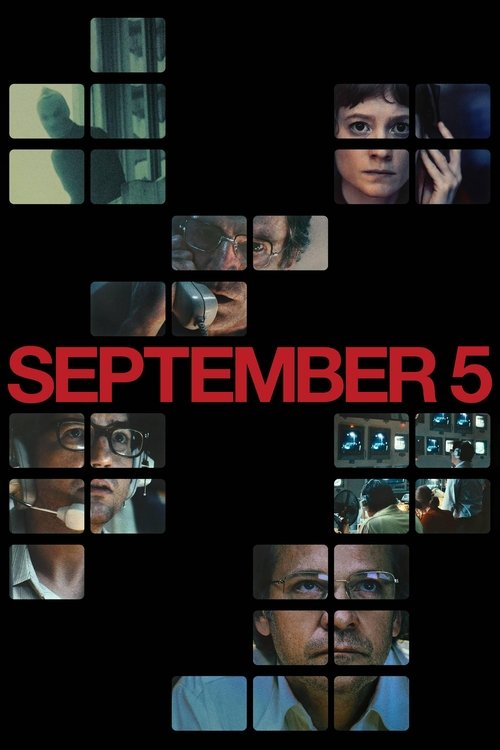



The one that earned its three-and-a-half hours
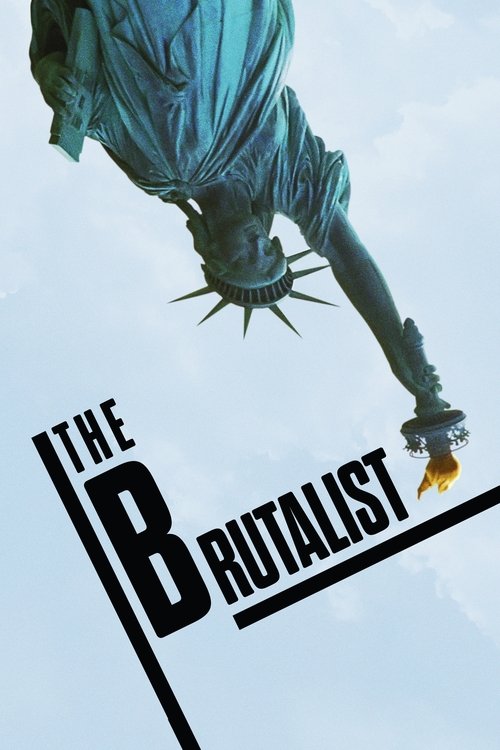
The Brutalist was the year's most divisive film before most people had seen it, and one of its most rewarding once they had. Brady Corbet made a film about ambition, exile, and the cost of singular vision that felt, despite its runtime, genuinely unindulgent. The AI-assisted Hungarian dialogue controversy obscured a performance from Adrien Brody that is, full stop, one of the decade's best. It swept the awards circuit it deserved to sweep.
Crowd favorites and genuine events
Films that filled seats, started arguments, and proved audiences still hunger for the real thing
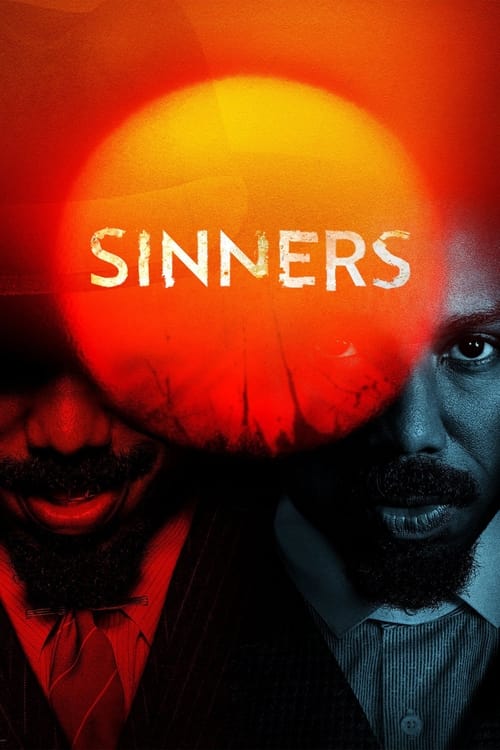


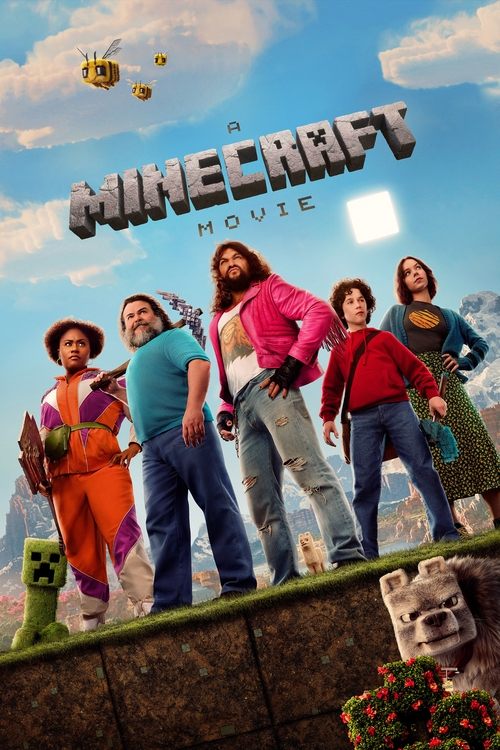
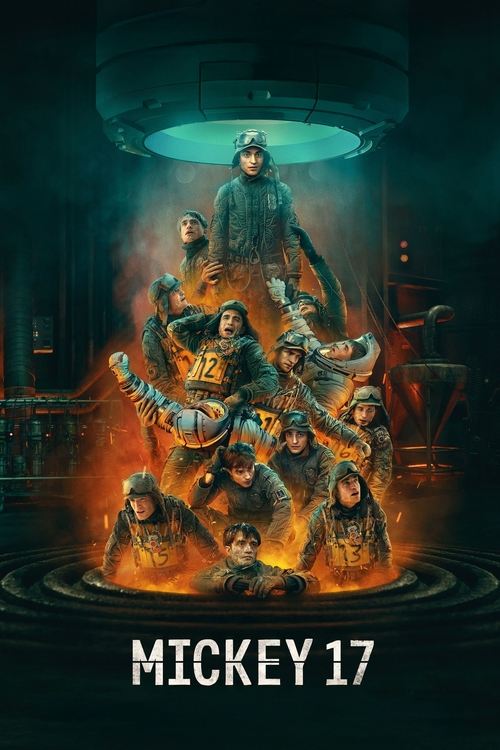
The crowd film that was also a proper film
Sinners arrived in April and refused to behave like an April film. Ryan Coogler made a vampire picture that was also a meditation on Black American music, history, and the predatory nature of appropriation, and it worked on every level it attempted. The blend of horror mechanics and cultural grief was not accidental or decorative. It is the kind of genre film that gets taught. Michael B. Jordan carrying two roles with that much distinction is the cherry on top.
The critical darlings
Films where the critical consensus was, for once, exactly right
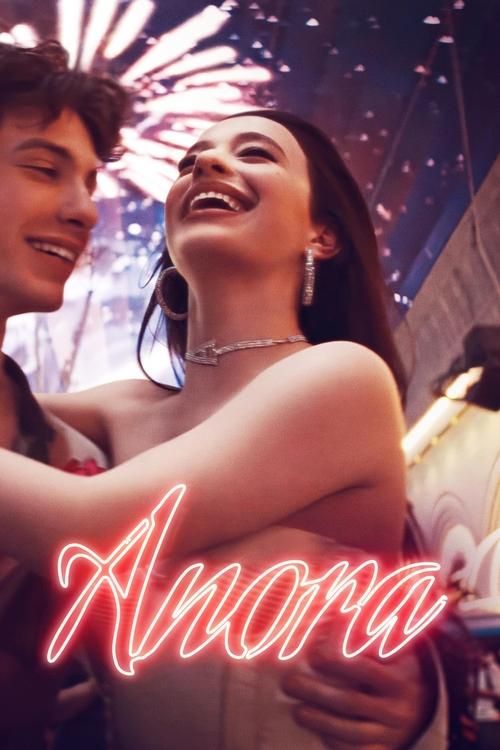



Anora won the Palme d'Or, came out in wide release, and people actually went. That does not happen every year. Or most years. Or really any year.The editorial case for Sean Baker
Bold swings, mixed results, essential viewing anyway
Films that failed interestingly or succeeded on their own strange terms

The bold swing that swung the boldest
The Substance was aggressively not for everyone. Coralie Fargeat made a film about female aging and the beauty industry that escalated past satire into something genuinely grotesque and committed to its own logic all the way to the end. It is too long. It is too much. It is also one of the most formally disciplined horror films in recent memory once you accept that the excess is the point. Demi Moore was extraordinary. The Academy's best actress field is genuinely poorer for not including her.
The ones that deserved more
Films that got lost in the shuffle and have an audience waiting to find them
The snub that still stings
I'm Still Here won the Oscar for Best International Feature and still felt underserved by the year's conversation. Fernanda Torres delivered one of the finest performances in the film, carrying decades of repressed grief across a face that never overplays a single moment. Walter Salles returned from a long absence and made something both intimate and historically necessary. The film deserved to be in the room for the bigger prizes. It was not.
Animation and family films that were not just for families
The year's most beautiful and most genuinely moving non-live-action work
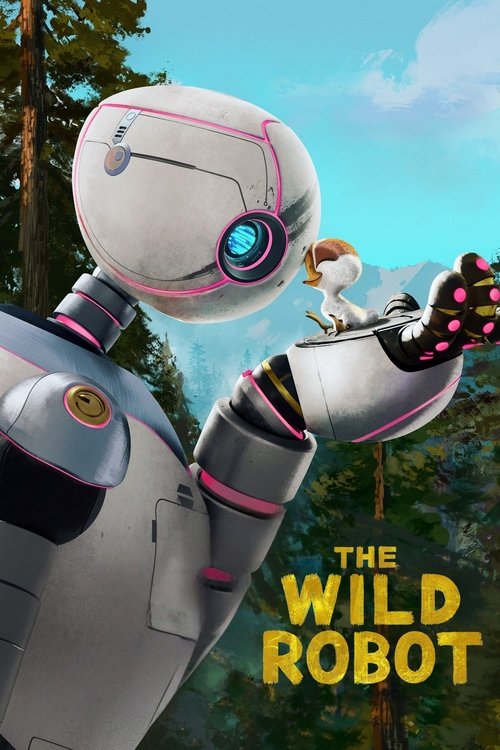
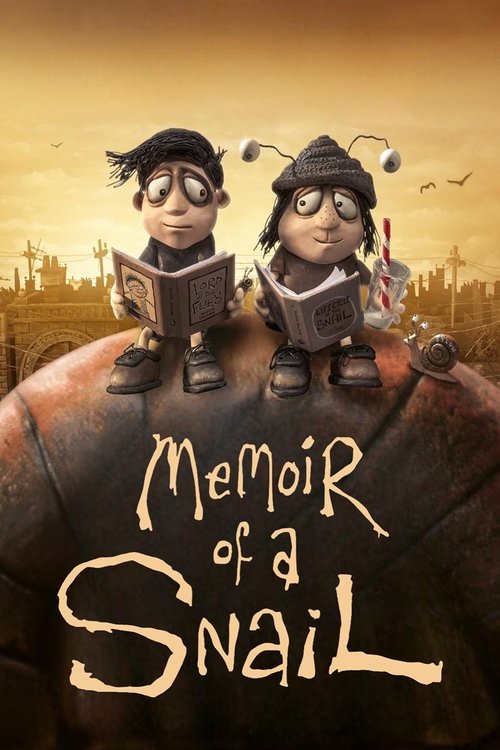

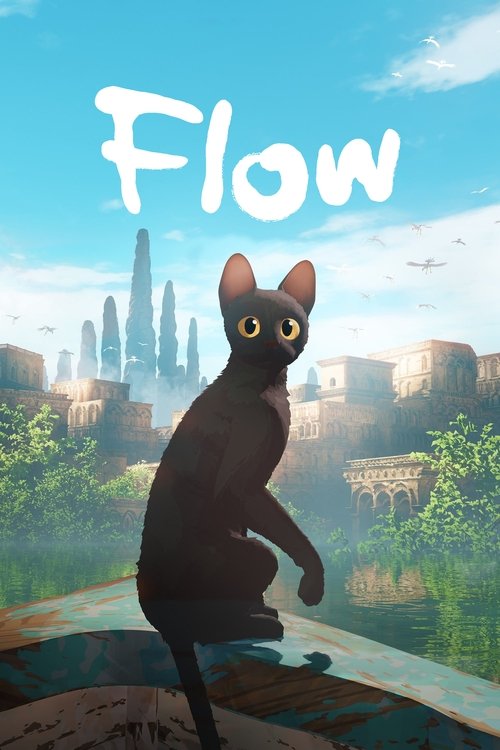
Flow, a Latvian animated film with no dialogue that follows a cat through a flooded world, beat every studio production in its category. This is what the category is for.On the right outcome at the Oscars
Genre standouts
Horror, action, and thriller films doing what the genre can actually do
A note on what got left out
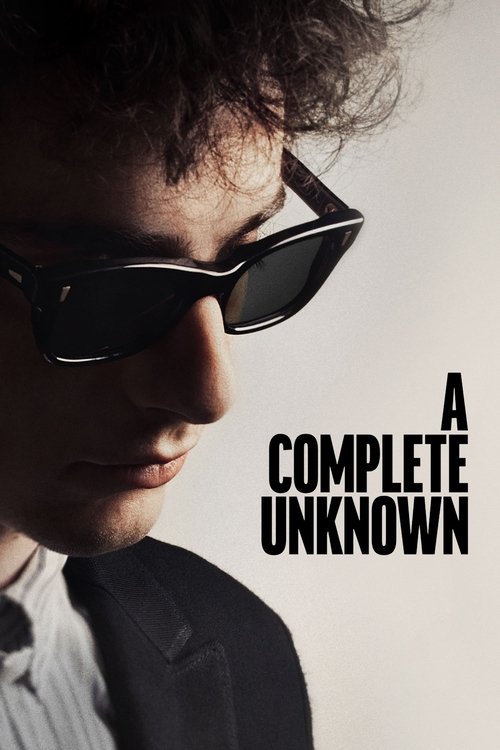
No list like this is complete, and this one is no different. Emilia Perez dominated early awards season and then became, in the first weeks of 2025, the most publicly dissected film of the year for reasons entirely outside its craft. Its place in any canon is genuinely unsettled, which is itself a kind of distinction. Conclave, Edward Berger's papal thriller, was perhaps the most elegant piece of mainstream filmmaking of the year: precise, tense, and completely underestimated as a political film. A Complete Unknown gave Timothee Chalamet a role built for him and he delivered exactly what was asked, no more and no less.
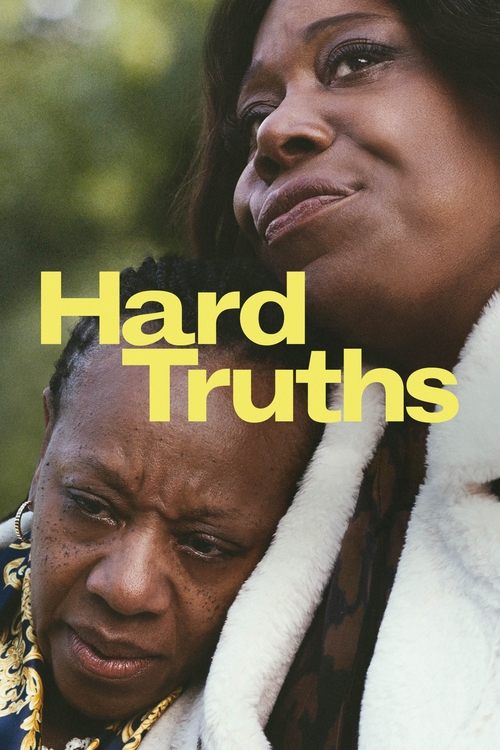
The year also belonged, in the quieter corners, to Mike Leigh's Hard Truths, which announced Marianne Jean-Baptiste to a wider audience with a performance so raw and specific it almost resisted being watched. It will be talked about for a long time.