
The decade television stopped apologizing
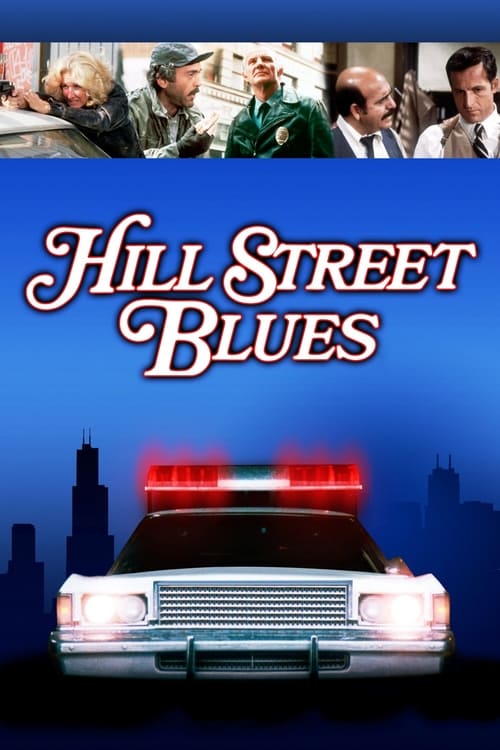
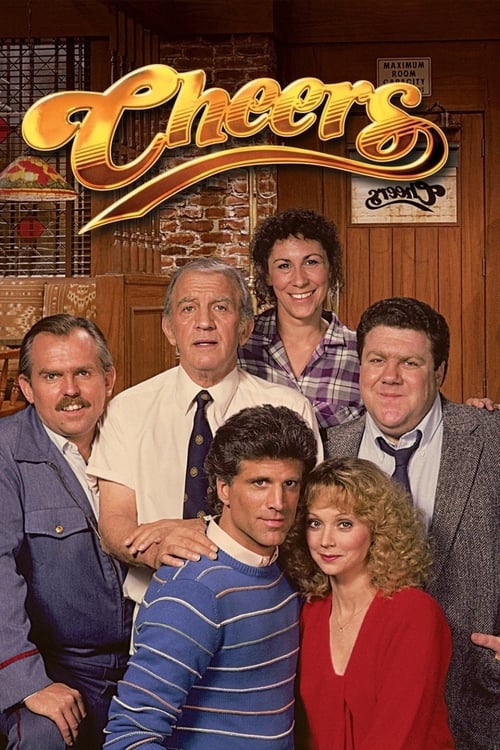
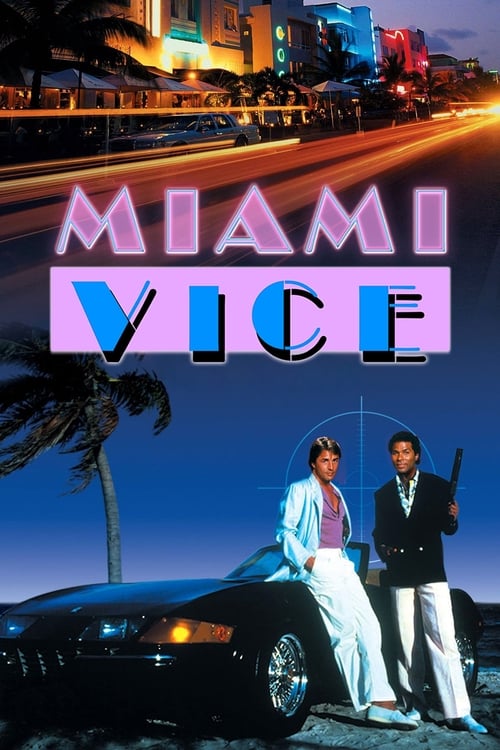
The 1980s are not remembered as a golden age of TV. That title gets handed to the late 1990s and the 2000s, the era of The Sopranos and The Wire and the long-form novelistic drama. Go back and look at the actual record. The 1980s gave us Hill Street Blues inventing the ensemble procedural, Cheers proving that character could carry a sitcom for eleven years, Miami Vice making the medium care about cinematography, and Twin Peaks arriving at the decade's very last breath to blow the whole form open.
The real story of 1980s television is one of genres colliding, network ambition occasionally outrunning commercial caution, and a handful of writers and showrunners who refused to make safe TV. Some of it aged beautifully. Some of it aged into camp. All of it mattered.
The works that changed the rules
Series that redefined what television could be, structurally or otherwise



The awards players
Series that dominated Emmy season and mostly deserved to

Genre television that has not aged out
Science fiction, horror, and fantasy series that held up




The decade in landmark premieres
- 1981Hill Street Blues wins eight Emmys in its first eligible year Hill Street Blues
- 1982Cheers premieres to weak ratings but becomes the defining sitcom of the era Cheers
- 1984Miami Vice reframes what network television can look and sound like Miami Vice
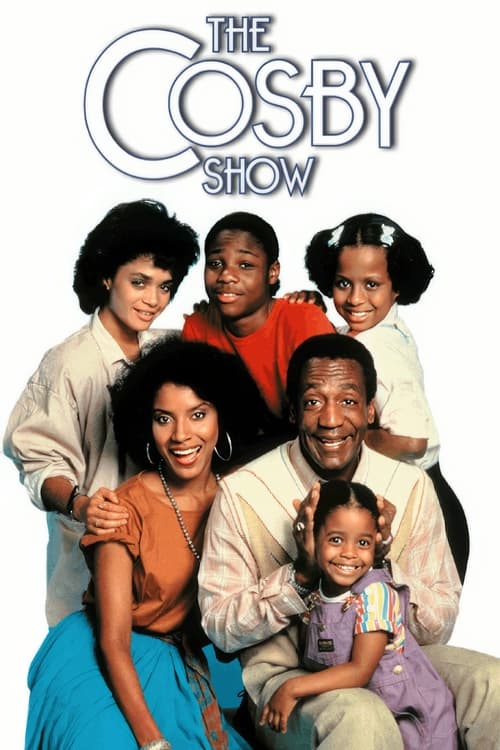
- 1984The Cosby Show arrives and single-handedly rescues NBC Thursday night The Cosby Show
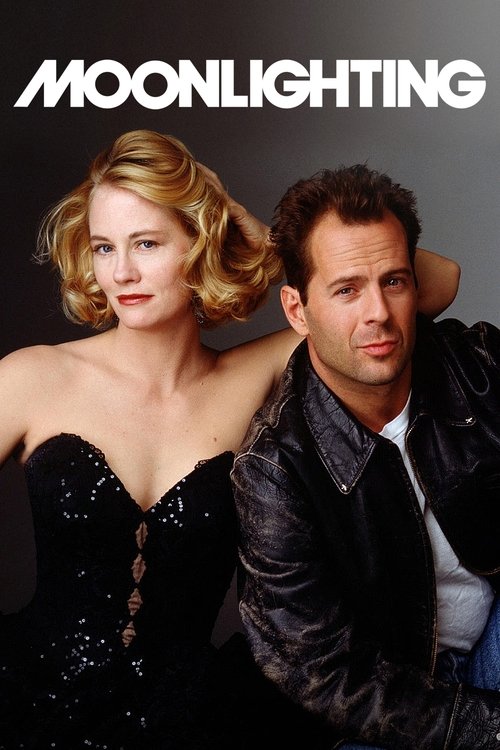
- 1985Moonlighting debuts and makes self-referential comedy respectable Moonlighting
- 1986L.A. Law brings the ensemble procedural to the legal drama L.A. Law
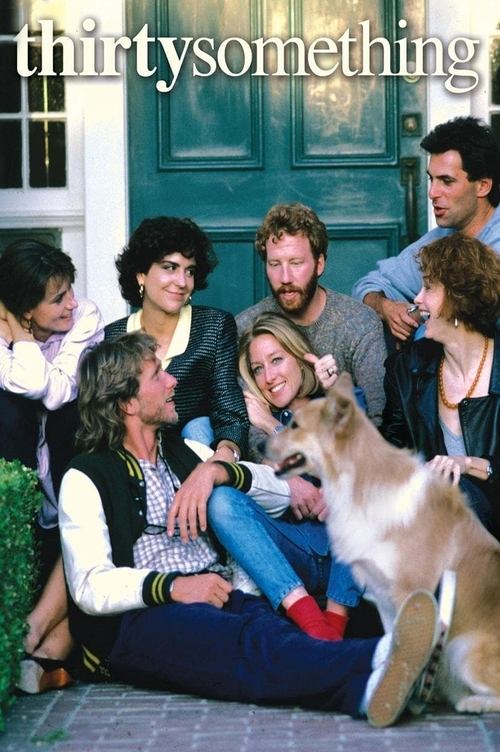
- 1987thirtysomething introduces the hour-long drama about feelings thirtysomething
- 1988Roseanne airs and changes what a working-class sitcom is allowed to say Roseanne
- 1988The Wonder Years begins its run as the decade's most elegiac comedy The Wonder Years
- 1990Twin Peaks premieres in April, the final and strangest act of 1980s TV Twin Peaks
The sitcoms that were actually about something
Comedies with a point of view beyond getting laughs
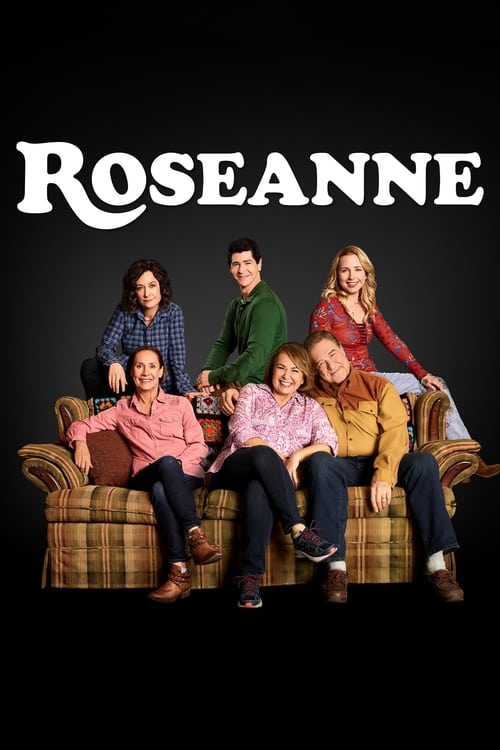
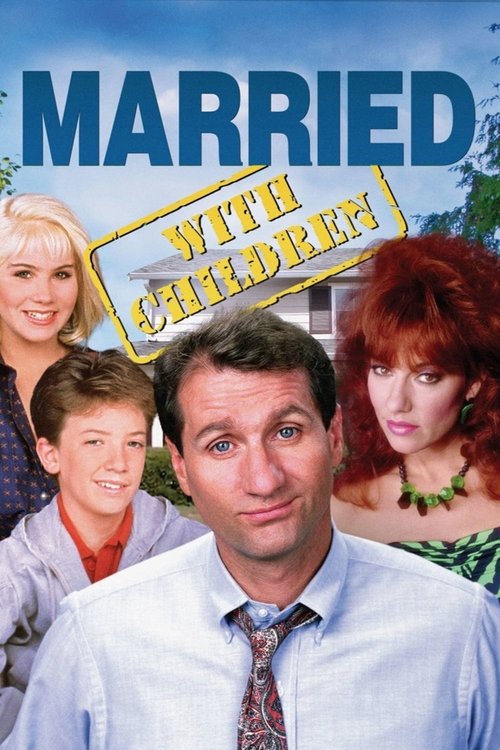
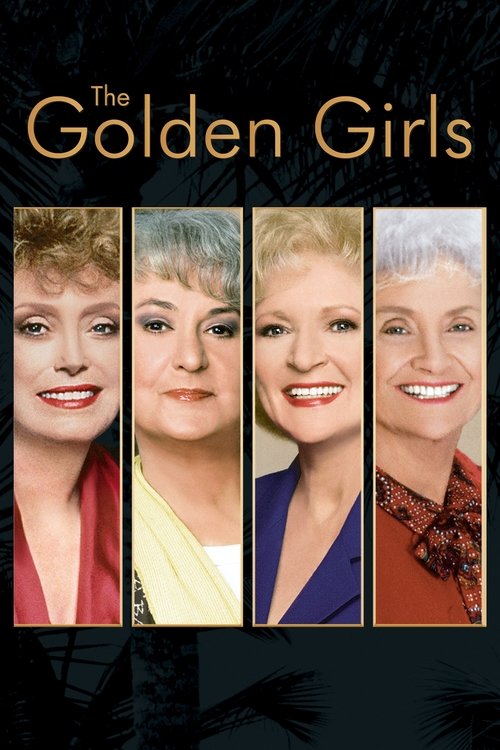
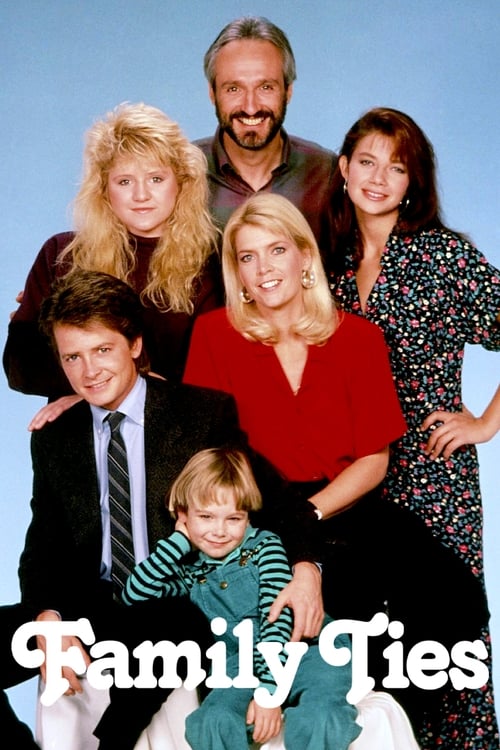
Roseanne Barr walked into network television in 1988 and told it, plainly, that it had been lying about what American families looked like. The show let her.The case for the decade's most politically honest sitcom
The critical darlings that deserved every word
Series where the critical consensus was correct and has only strengthened
Overlooked at the time, essential now
Series that did not get the audience or recognition they earned on first broadcast
The crowd favorites
Series that pulled massive audiences and largely earned them
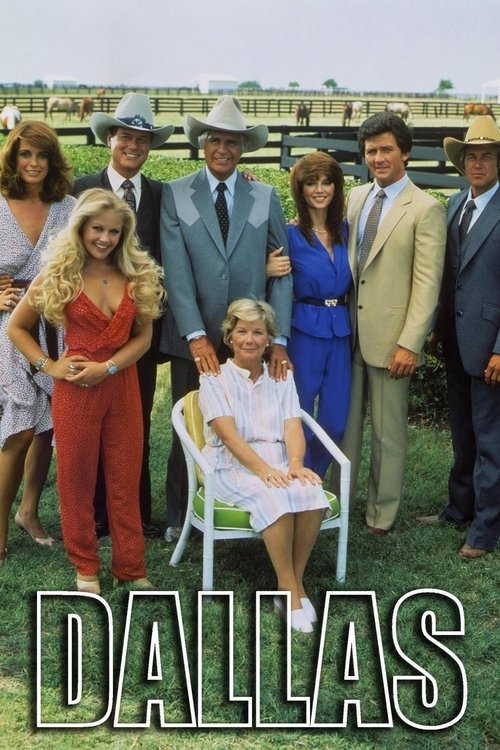


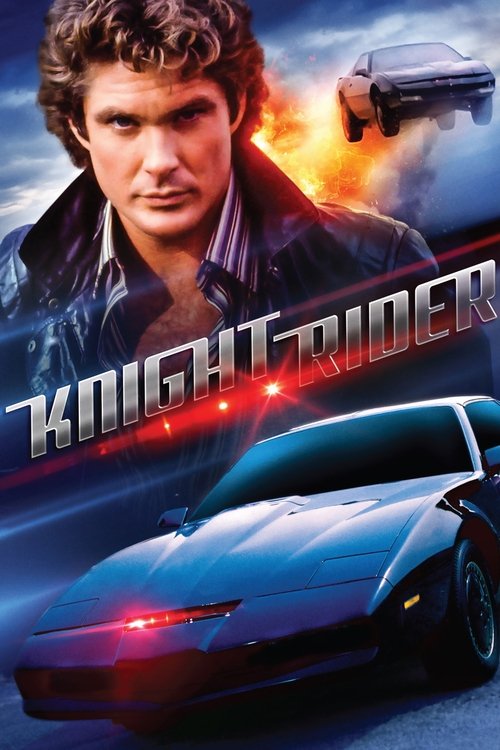
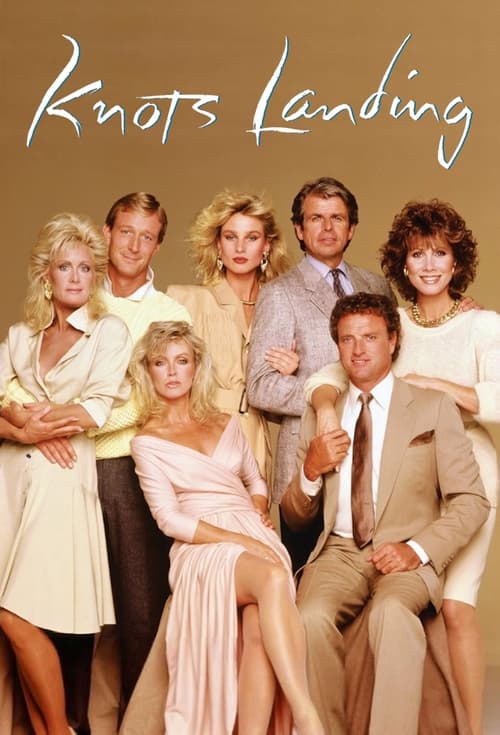
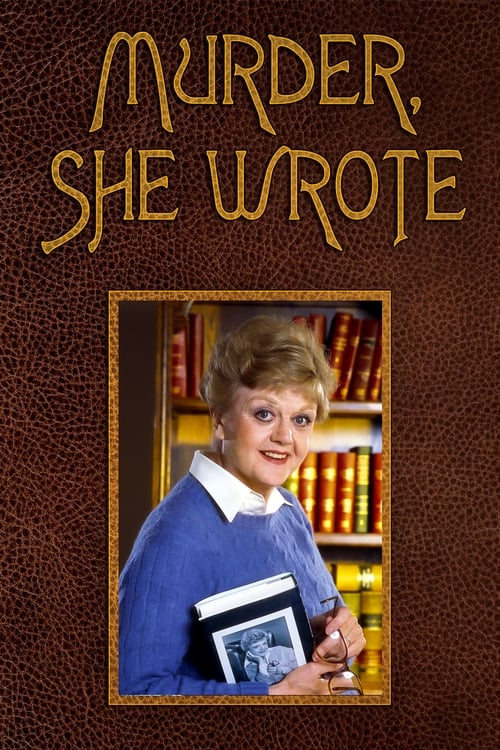
Dallas asked who shot J.R. and 350 million people around the world actually needed to know. That is not a trivial cultural fact.On the soap opera as mass event
The British invasion
BBC and ITV series from the decade that belong on any serious list