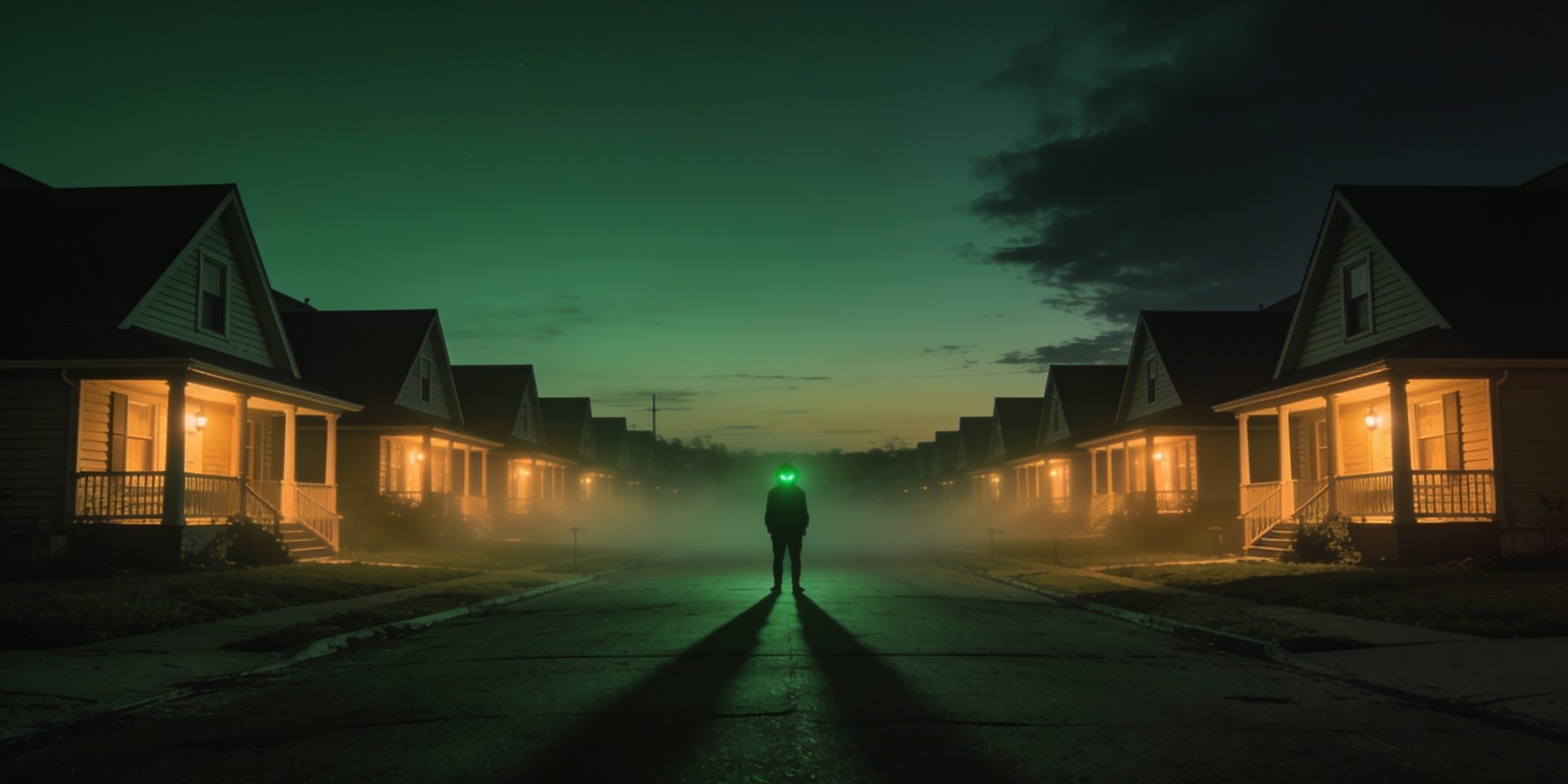

The scariest alien story was never the one with the mothership. It is the one where nothing visibly changes. Your wife is still your wife. Your doctor still has the same face. The town still holds its bake sale. But something has moved in behind the eyes, and you are the only one who has noticed, and the more you insist, the more you sound like the crazy one. That is the engine of every great infiltration story, and it has almost nothing to do with spaceships. It is about trust, and what happens when you can no longer extend it to the people closest to you.
This is a guide to that specific fear, not the wider genre of alien contact. The line that matters here is concealment. The pod people of Santa Mira do not announce themselves. The Things from Carpenter's Antarctic base perfectly mimic the men they consume. The aliens of They Live walk among us as bankers and politicians, visible only through a special pair of sunglasses. The horror is not the monster. The horror is that you cannot tell the monster from your friend, and that telling people the truth is the fastest way to get yourself replaced.
Essential aliens among us
The canon of infiltration and paranoia across every medium

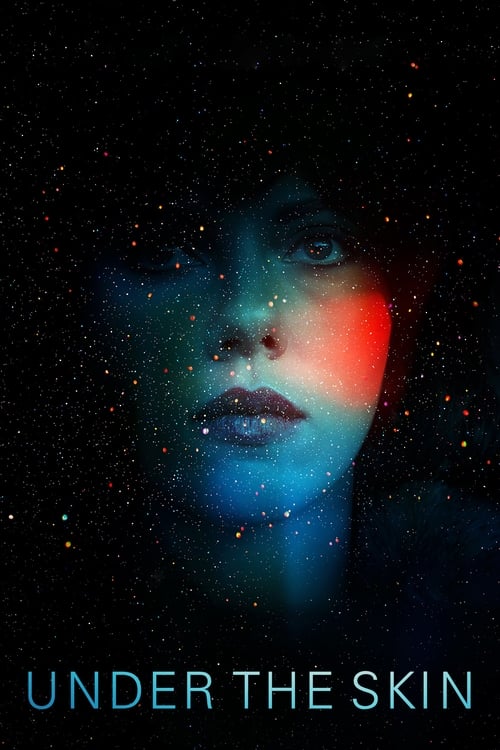
Invasion of the Body Snatchers is still the master text
Don Siegel's 1956 film and Jack Finney's source novel The Body Snatchers set the rules every later infiltration story plays by. The aliens arrive as seed pods, grow perfect copies of sleeping people, and replace them one by one. The replacements are calm, reasonable and completely without feeling. That last detail is the whole point. The pod people are not violent. They want you to relax, to stop fighting, to fall asleep so they can finish the job. Whatever the film was about (Cold War conformity, McCarthyism, the deadening of suburban life) it works because the threat is emotional surrender dressed up as good sense.
The 1978 remake moved the horror to paranoid San Francisco and gave us the single most quoted image in the whole genre: the open mouth, the pointing finger, the inhuman shriek that marks you as the last human left. Both versions understand that the real terror is being right and alone at the same time.
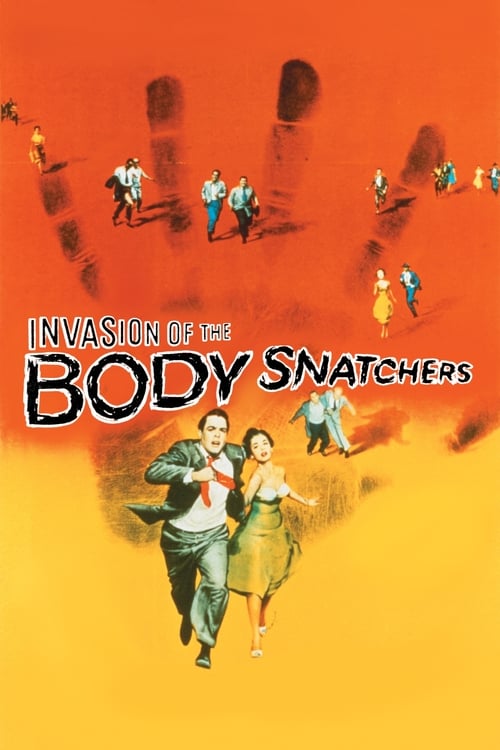
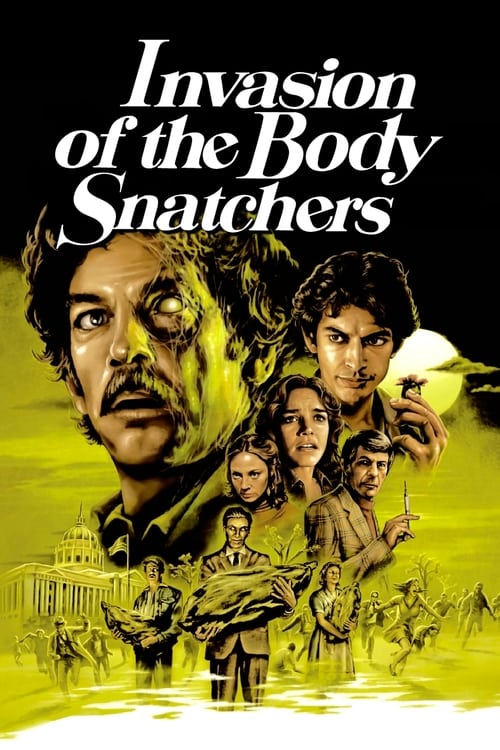
The pod people on film
Replacement, mimicry and the neighbor who is not himself
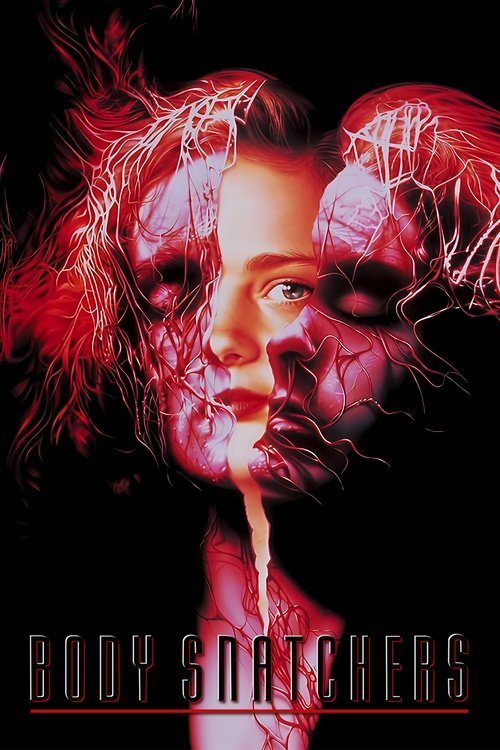
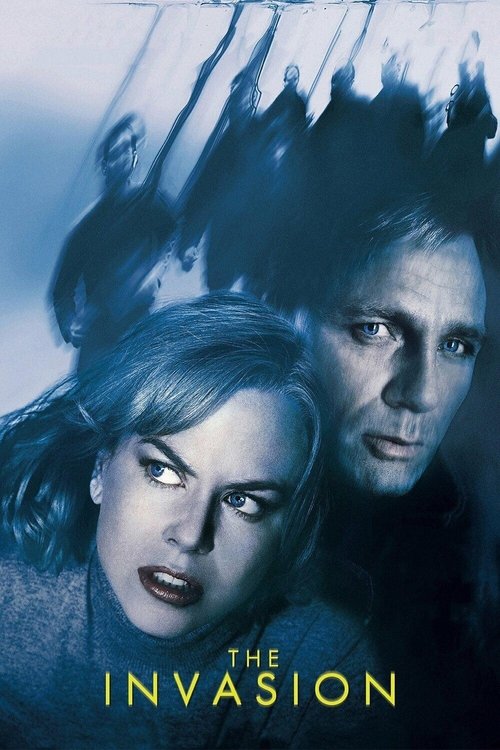
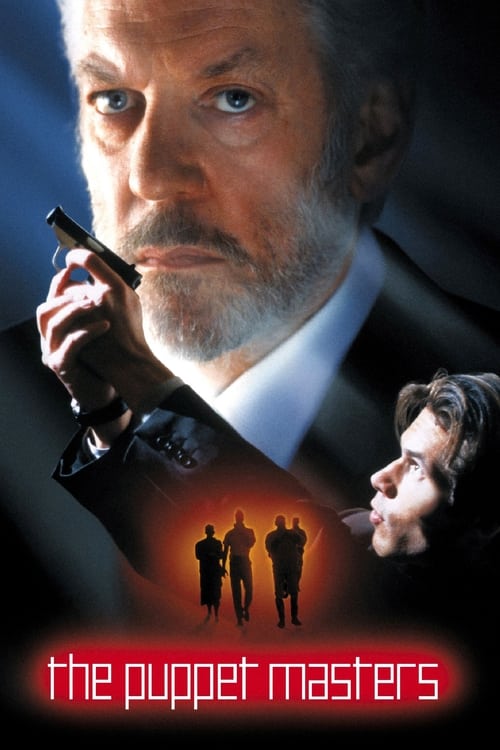
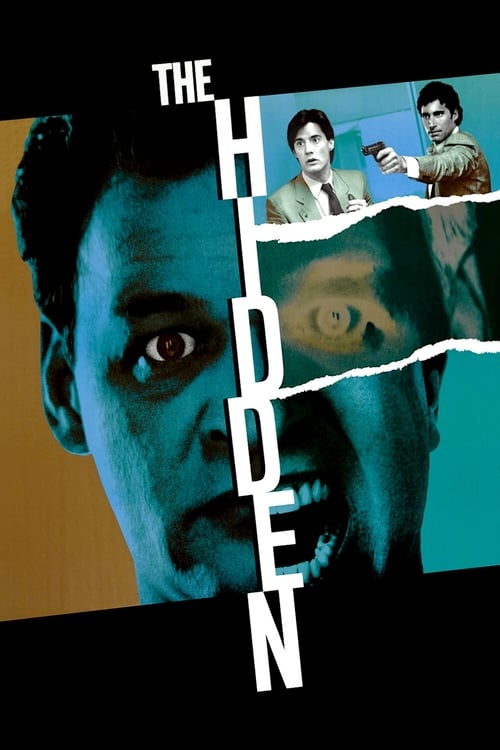
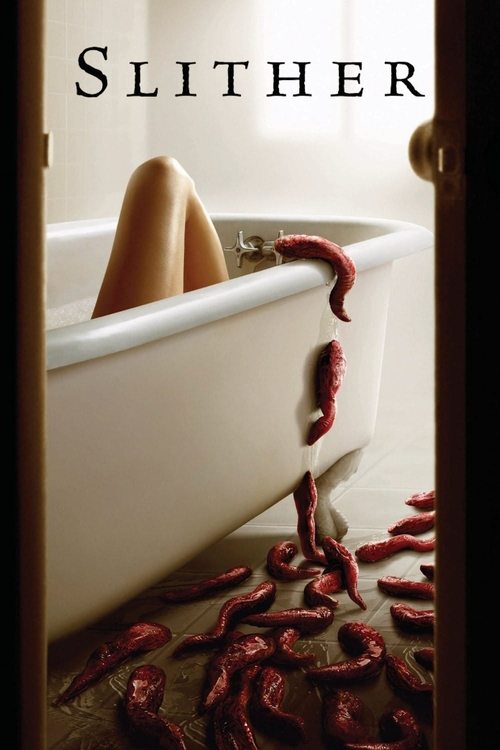

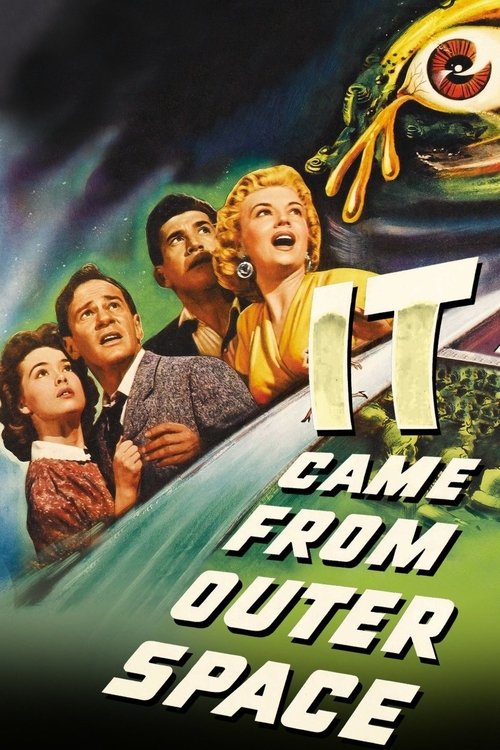
The two flavors of fear
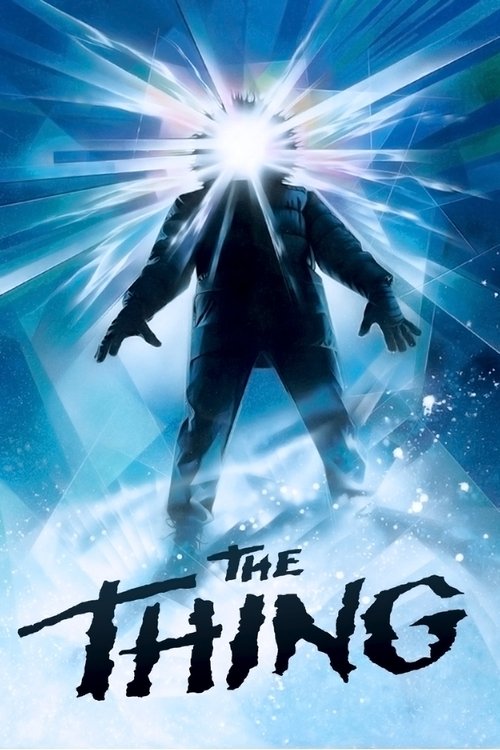
Infiltration stories split cleanly into two moods. One is body horror: the alien wears your skin, and the suspense is about who has already been taken. The Thing is the purest version, a locked room where any of the dozen men could already be the monster and a blood test is the only way to know. The Faculty runs the same play through a high school, where teenagers work out that the staff have been quietly replaced. Slither makes it gloriously disgusting.
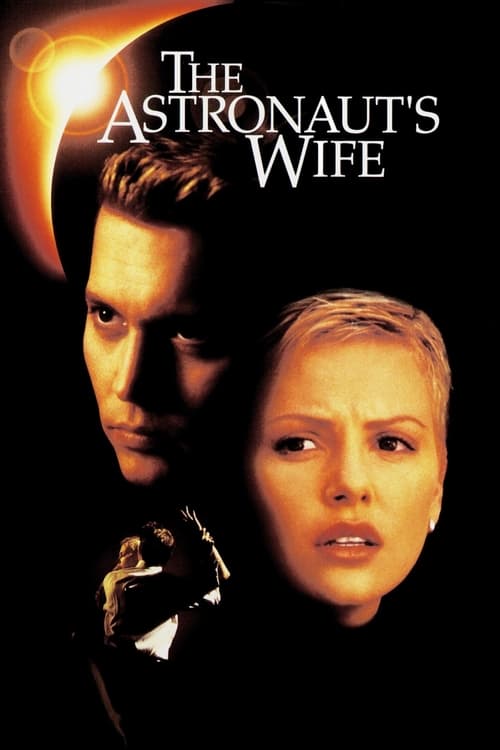
The other mood is conspiracy: the aliens are already in charge, and the horror is structural rather than personal. They Live hands you sunglasses that reveal the ruling class as skull-faced aliens and the billboards as commands to OBEY. Dark City and The Astronaut's Wife turn the dread inward, where the question is not who has been replaced but whether you can trust your own memory and your own marriage.
Conspiracy and the alien in charge
When the takeover already happened and nobody told you
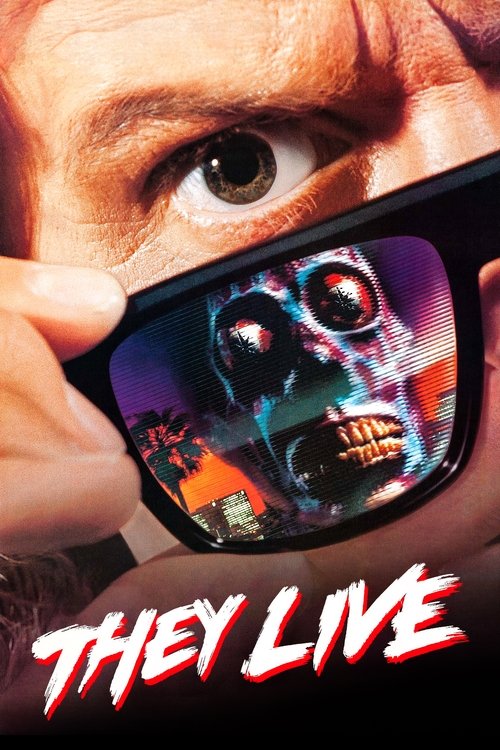


They Live is the angriest film in the genre
John Carpenter made They Live in 1988 as a furious joke about consumer capitalism, and the joke has only gotten sharper. A drifter finds a box of sunglasses that strip away the illusion: the aliens running society look like grinning skulls, every ad is a naked order to CONSUME and OBEY, and money reads simply as THIS IS YOUR GOD. The film is blunt on purpose. Carpenter is not interested in subtlety when the thing he is angry about is not subtle.
What keeps it from being a lecture is that it is also a great trashy action movie, complete with a six-minute fistfight over whether one man will even try on the glasses. That fight is the genre in miniature. Seeing the truth is easy. Getting anyone else to look is the hard part.
Sleeper invasions on television
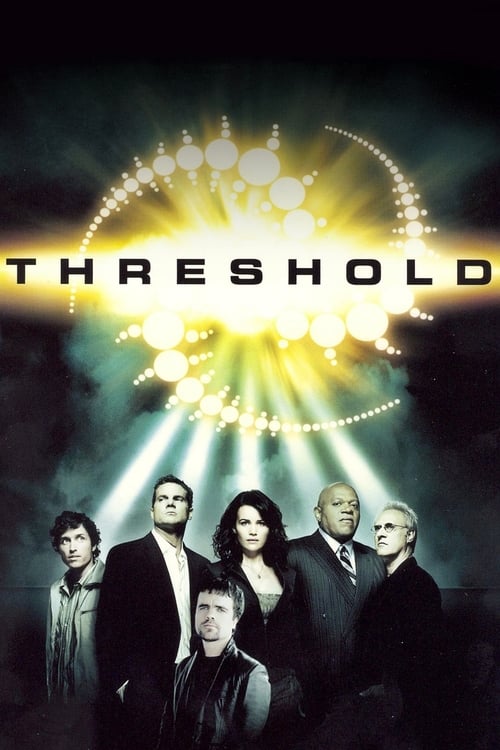
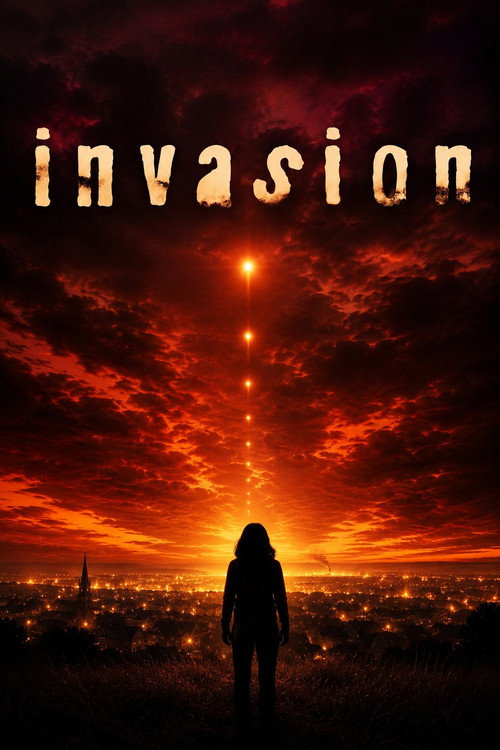
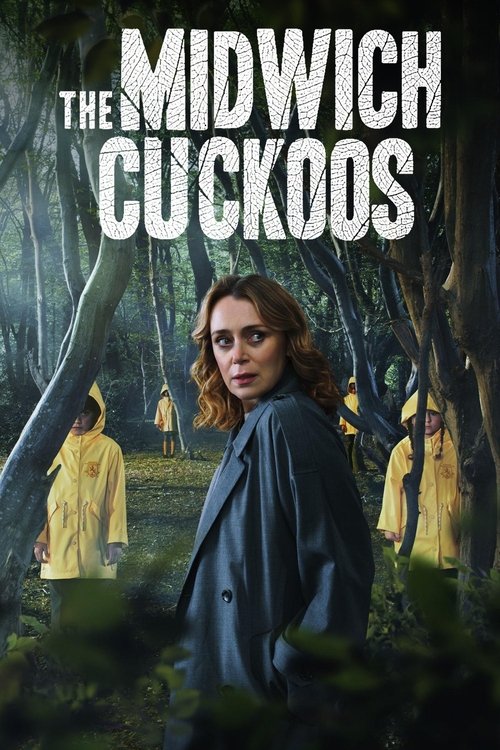
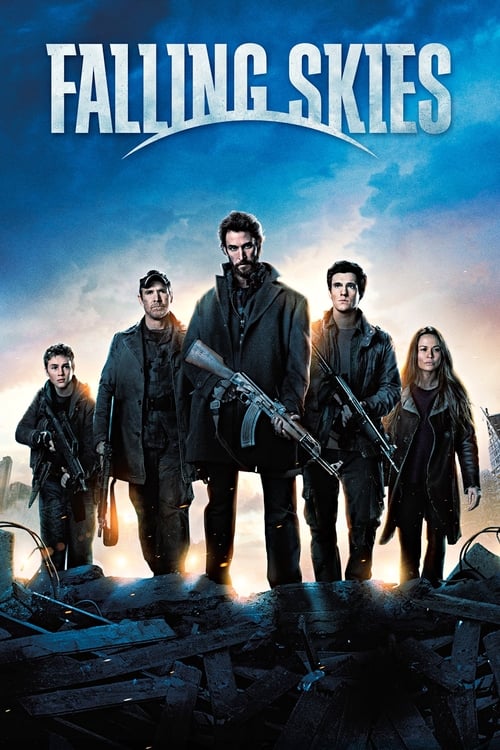
From the reptiles of V to the occupiers of Colony, the slow takeover suits the long form



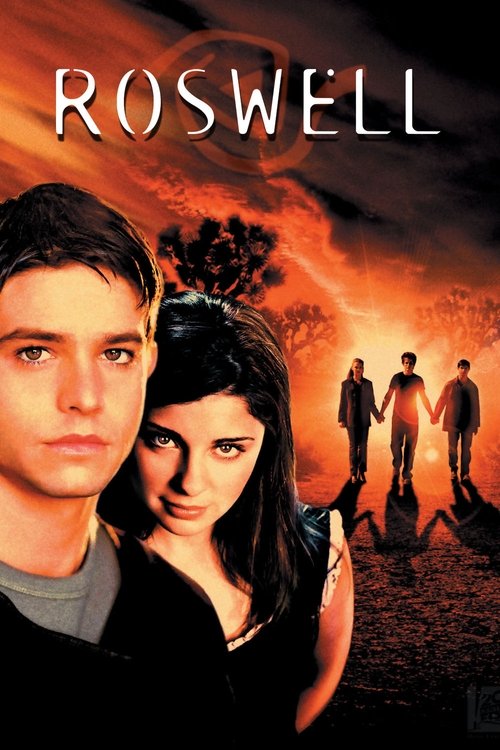
V understood that invasions are about collaboration
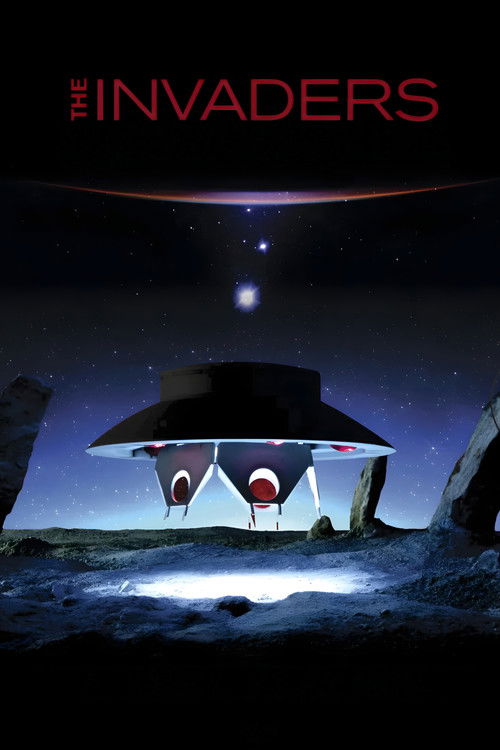
Kenneth Johnson's 1983 V dressed an old idea in a new disguise. The Visitors arrive smiling, in red uniforms, offering friendship and technology, and a frightened, grateful public welcomes them. The reptilian truth under the human skin matters less than the human beings who decide to collaborate. Johnson built the whole thing as a deliberate allegory for how a fascist takeover actually works: not by force at first, but by charm, scapegoats and the eager cooperation of ordinary people who would rather not make trouble.
The 2009 reimagining traded some of that political nerve for gloss and a faster plot, but it kept the central image that makes the franchise work: a beautiful, reasonable face, and the moment a flap of false skin peels back to show the lizard underneath. Television is the right home for this story. A slow occupation needs episodes to earn its dread.
Hunt them, become them, fight them: the games
XCOM's secret war, the hidden invaders of Prey, and Half-Life's quiet occupation
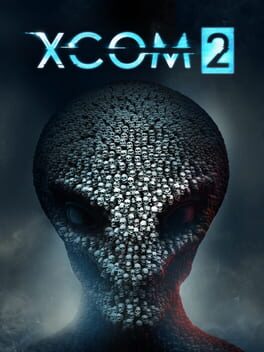



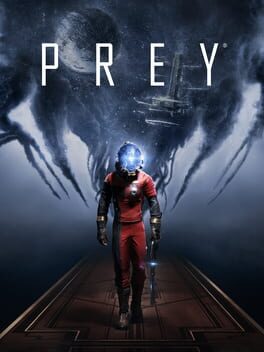
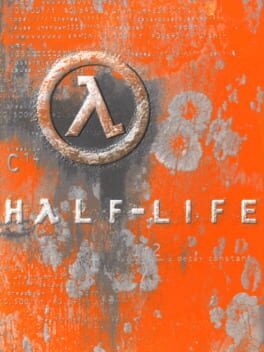

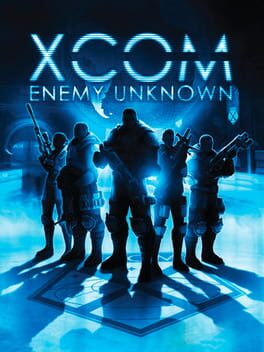
XCOM is the only game that makes you feel the secret war
XCOM: Enemy Unknown and its sequel get one thing about hidden invasions that almost nothing else does: the helplessness of fighting an enemy the public refuses to believe in. You run a black-budget agency, you lose soldiers you named and grew attached to, and panicked governments quit the project the moment you fail to save their cities. The aliens are not a horde to be mowed down. They are a creeping infiltration you can only slow, while the world above ground carries on as if nothing is wrong.
XCOM 2 sharpens the knife by setting the story twenty years after you lose. Now the aliens run a slick, friendly puppet government, the propaganda screens promise a bright future, and you are a hunted resistance cell. It is the same lizard under the smiling face that V found, rebuilt as a turn-based tactics game where every soldier is a person you can lose for good.
There's no need to be afraid. It hurts only for a moment. You're reborn into an untroubled world.The pod people make their pitch in Invasion of the Body Snatchers, 1956
The books that planted the seed
The paranoia started on the page. Jack Finney's The Body Snatchers (1955) is the origin of the whole pod-replacement idea, and it is leaner and stranger than any of the films it spawned. Theodore Sturgeon's The Cosmic Rape takes the concept cosmic: a single hive intelligence quietly assimilating all of humanity into one mind, told from inside the people being absorbed. Robert Heinlein's The Puppet Masters, filmed in 1994, gave us the slug that rides on your spine and pilots your body while you scream silently inside.
The wider shelf of alien-contact fiction shades into infiltration at its edges. Stanislaw Lem's Solaris and the Strugatsky brothers' Roadside Picnic are about minds we cannot read and motives we cannot share, which is the same loneliness the pod people leave behind. Jeff VanderMeer's Annihilation and the later volumes of Liu Cixin's Three-Body saga (The Dark Forest, Death's End) push the dread to a planetary scale, where the thing wearing a human face might be the whole species, slowly converted without ever knowing it.
Invasion on the page
Finney, Sturgeon, Lem and the novelists who imagined the quiet takeover


When the aliens are the punchline
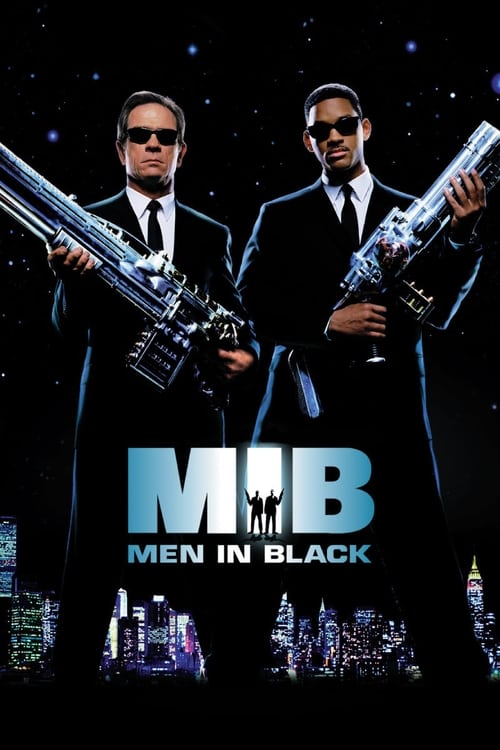
Men in Black, Resident Alien and Destroy All Humans play the same fear for laughs
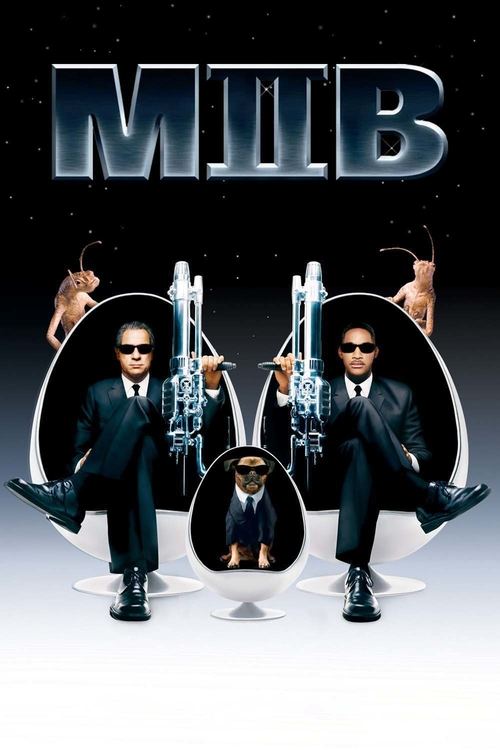
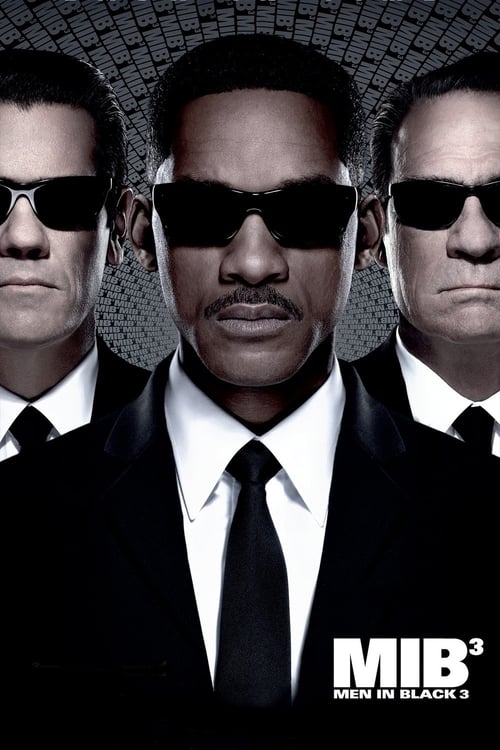
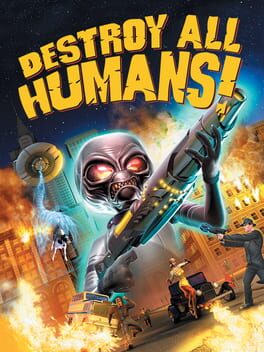
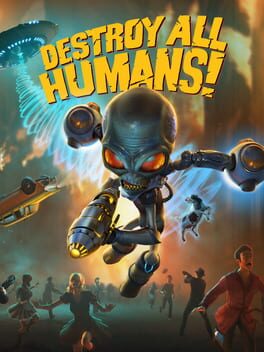

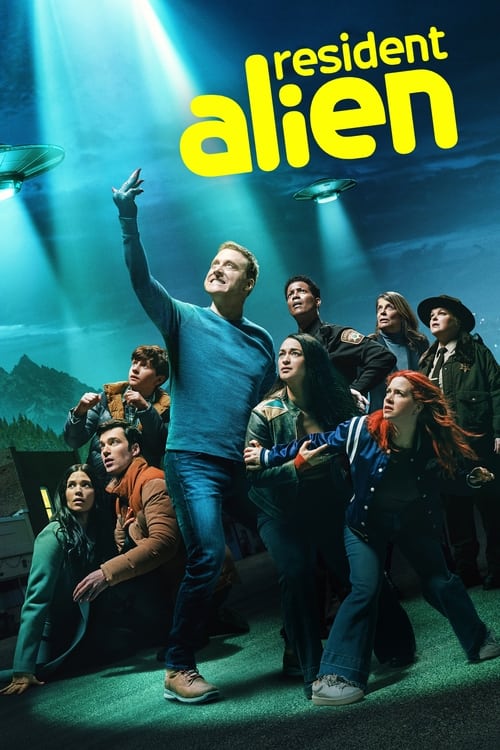
Resident Alien is the warmest version of the nightmare
Most infiltration stories ask you to fear the replacement. Resident Alien asks you to root for him. An alien crash-lands in a small Colorado town, kills the local doctor, takes his face and his life, and intends to wipe out humanity. The joke is that learning to pass as human (the small talk, the friendships, the grief of the people around him) slowly turns the would-be exterminator into something close to a person. Alan Tudyk plays the impostor as a creature visibly faking every smile, which is exactly what a pod person would look like if you could see inside.
It works as a comedy and as a sly commentary on the whole genre. The infiltrator passing as your neighbor has always been the premise. This is the rare show that lets him stick around long enough to wonder whether the neighbors are worth saving.
The sound of paranoia
Scores and franchise music from the worlds where you can't trust anyone