

The Man Who Gave America Its Saturday Nights
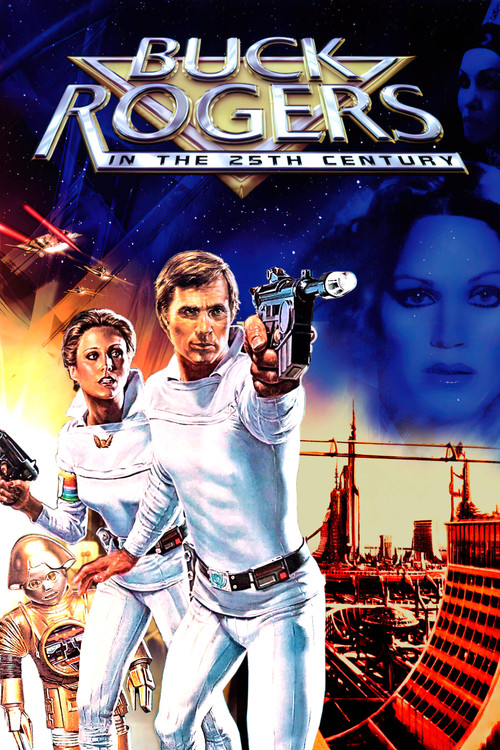
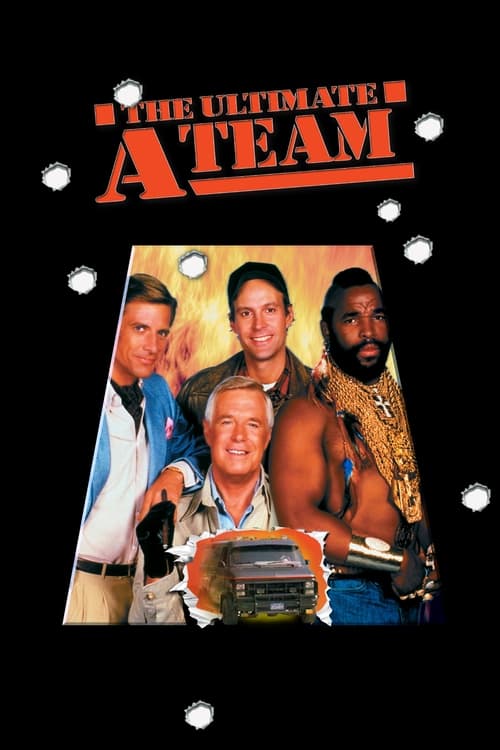
Glen A. Larson did not make prestige television. He made something better: television you could not stop watching. A former pop singer who transitioned into writing and producing, Larson spent the late 1970s and the entire 1980s generating one high-concept action series after another for NBC and ABC, each built around a premise so clean and seductive it could fit on a bumper sticker. A talking, nearly indestructible car. A private investigator tooling around Hawaii in a Ferrari. A cowboy stuntman with a soft heart. A pilot flung a thousand years into the future.
What held these shows together was not grit or psychological complexity but something more durable: a fundamental optimism about individual competence. Larson's heroes were almost always lone operators, charming and self-reliant, plugged into some loose institutional framework they routinely ignored when the job required it. They fixed things. They helped people. They drove very fast and usually won. The tone was light even when the stakes were nominally high, and the synthesizer-heavy scores (many supplied by Stu Phillips and Glen A. Larson himself, who co-wrote the Battlestar Galactica theme) gave everything a propulsive, slightly dreamy quality that has aged into its own distinct flavor of nostalgia.
If you love Larson's work, you love wish fulfillment executed with genuine craft. You love the era when network television was the biggest entertainment machine on the planet and a single producer could bend it toward his own obsessions.
Essential Glen A. Larson
The shows he created or co-created, ranked by influence and rewatchability
The Lone-Hero Wish-Fulfillment Machine
One person, an impossible skill set, and a world that needs saving every week

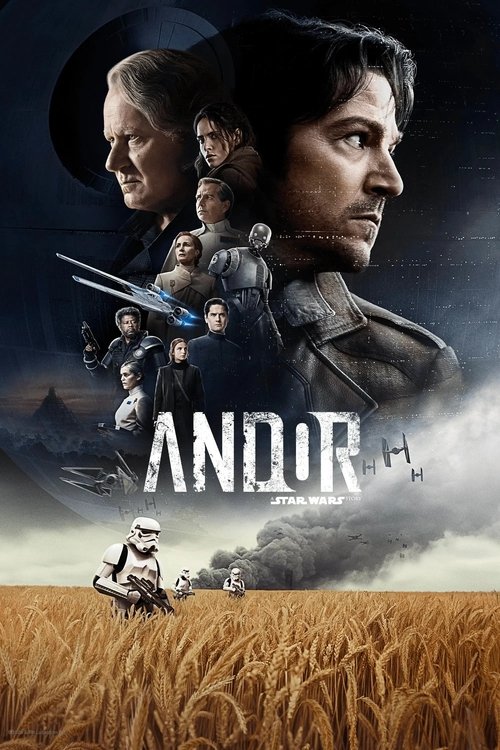
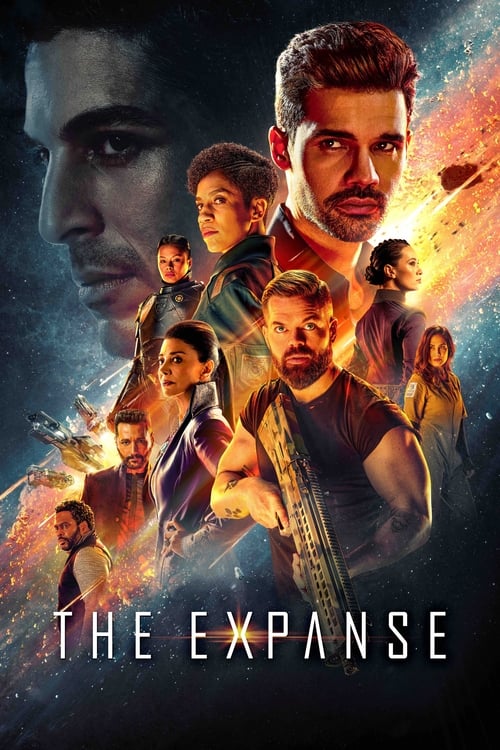
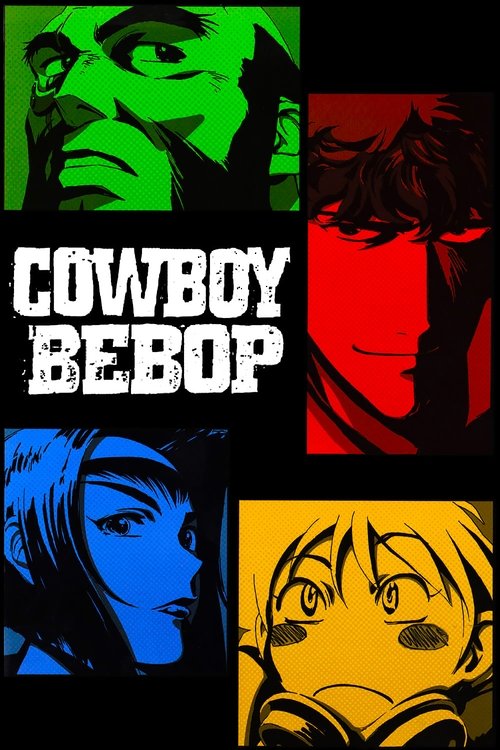
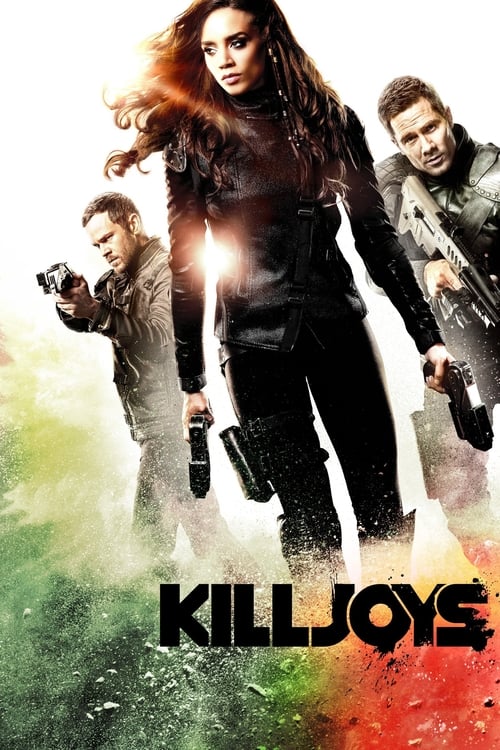
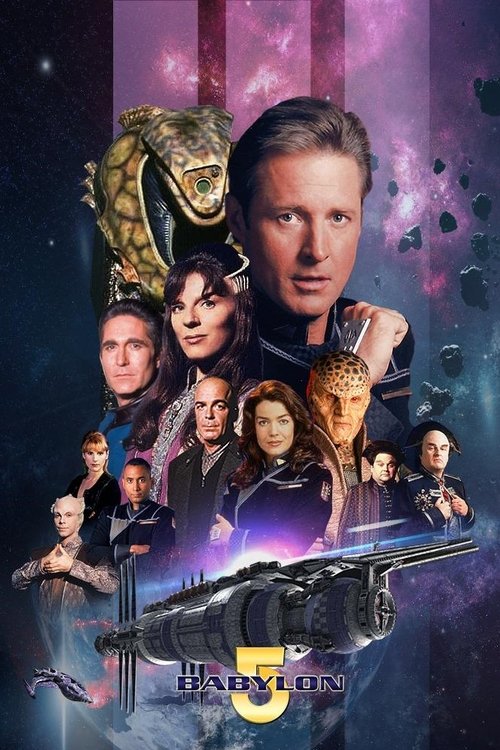
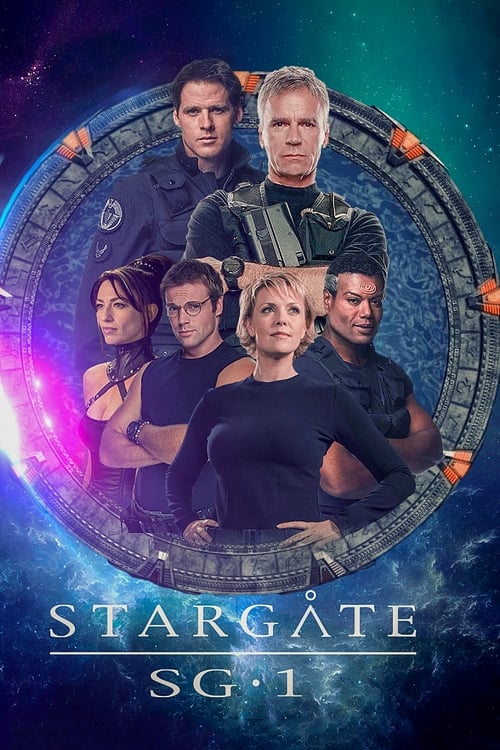
Space Opera With Optimism and Grit
Science fiction that shares Battlestar's sense of scale, survival, and heroism
Pulp Novels That Match the Energy
Books with that same propulsive, breezy confidence and a hero worth rooting for


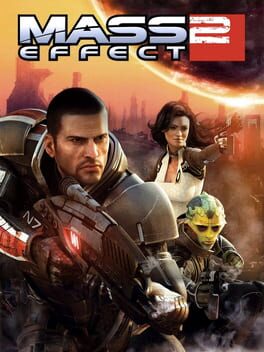
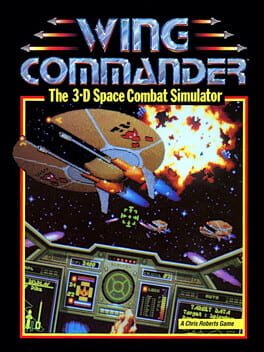
Games That Feel Like a Larson Series
High-concept action with a charming protagonist and a gadget that changes everything
Knight Rider is the perfect entry point, not Battlestar
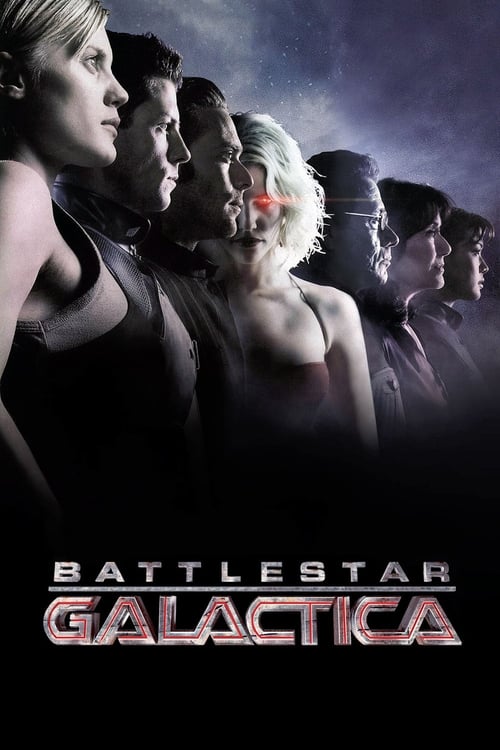
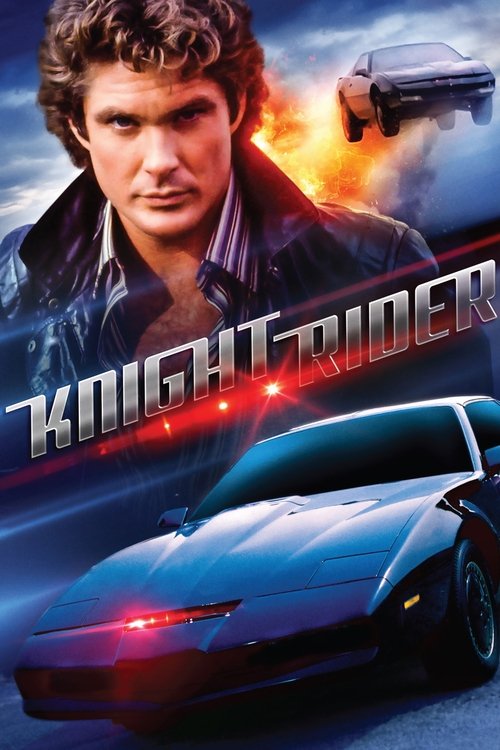
Everyone points newcomers toward Battlestar Galactica because it is the grandest thing Larson made. But the ideal first-timer's show is Knight Rider. Michael Knight and KITT distill everything Larson believed about television into two characters who barely need a supporting cast. The premise is airtight. The dynamic is immediately warm. You understand in one episode exactly what you are watching and why you want more of it. From there, Battlestar lands with proper weight.
The Fall Guy is the most underrated show in the entire catalogue
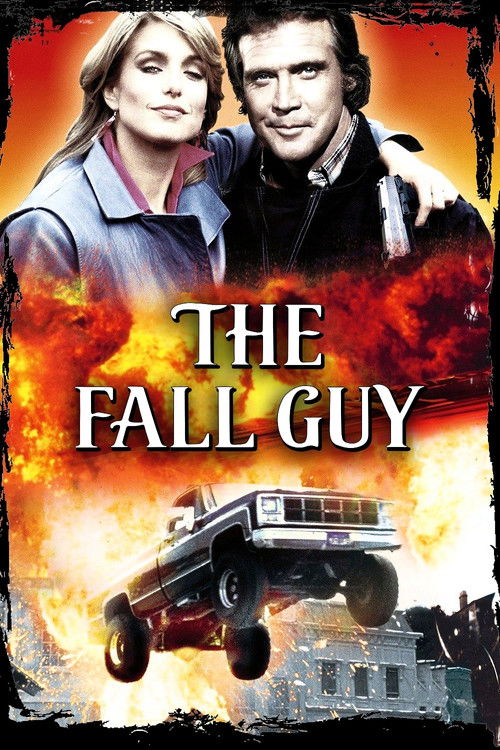
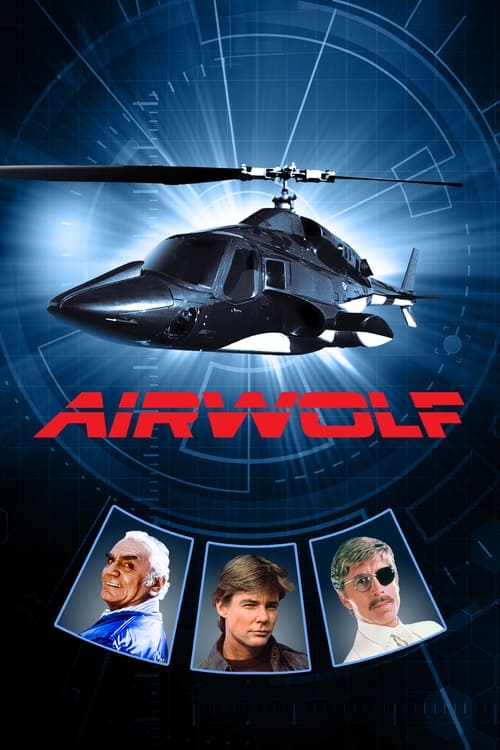
The Fall Guy ran for five seasons and has been almost completely eclipsed by its bigger siblings. That is a mistake. Colt Seavers as a Hollywood stuntman moonlighting as a bounty hunter is the most human of Larson's heroes, played by Lee Majors with genuine self-deprecating comedy. The show's willingness to be funny about its own genre tricks gives it a texture that Knight Rider and Airwolf rarely attempted. The 2024 film adaptation reminded a younger audience this property exists. Go back to the source.
Ronald D. Moore's Battlestar Galactica remake is a spiritual successor, not a replacement
Moore's 2003 reimagining is a great show. It is also a deliberate argument against everything Larson valued: grimness over optimism, ambiguity over heroism, serialized psychology over standalone adventure. Watching both back to back reveals two completely different philosophies about what science fiction television is for. Larson's version is not inferior simply because it is lighter. A show that makes you feel good about human beings has its own kind of courage.
Magnum, P.I. aged the best of anything he made
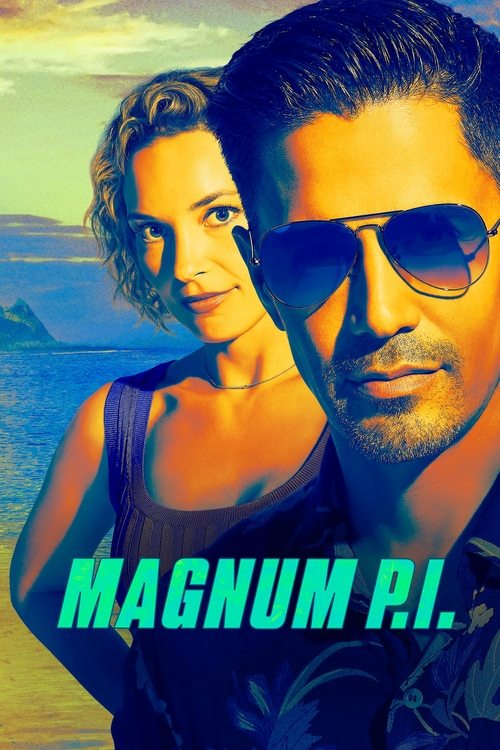
Larson co-created Magnum, P.I. with Donald Bellisario, and their collaboration produced something more emotionally layered than either man typically achieved alone. Tom Selleck brought an interiority to Thomas Magnum that Larson's other heroes rarely had, and the Vietnam subtext gave the show a genuine melancholy underneath the breezy Hawaiian sun. Revisit it now: the writing holds up in ways that surprised even its original fans.
Glen A. Larson: A Career in High Concepts
- 1966Co-wrote and recorded as part of vocal group The Four Preps
- 1969Broke into TV writing on It Takes a Thief
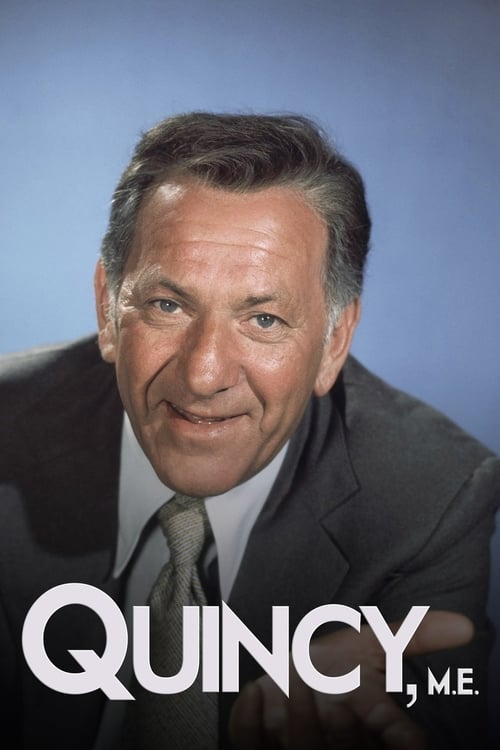
- 1974Created Quincy, M.E. with Lou Shaw (aired 1976) Quincy, M.E.
- 1978Battlestar Galactica premieres on ABC Battlestar Galactica
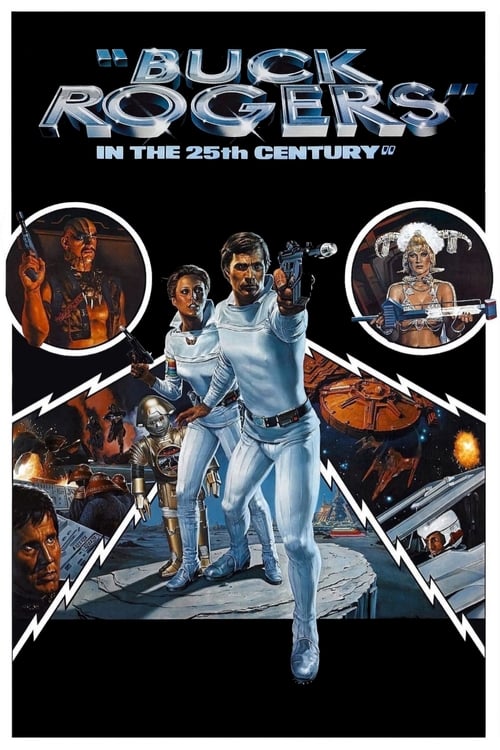
- 1979Buck Rogers in the 25th Century hits theaters and television Buck Rogers in the 25th Century
- 1980Magnum, P.I. premieres; co-created with Donald Bellisario Magnum P.I.
- 1981The Fall Guy launches on ABC The Fall Guy
- 1982Knight Rider debuts, making David Hasselhoff a global star Knight Rider
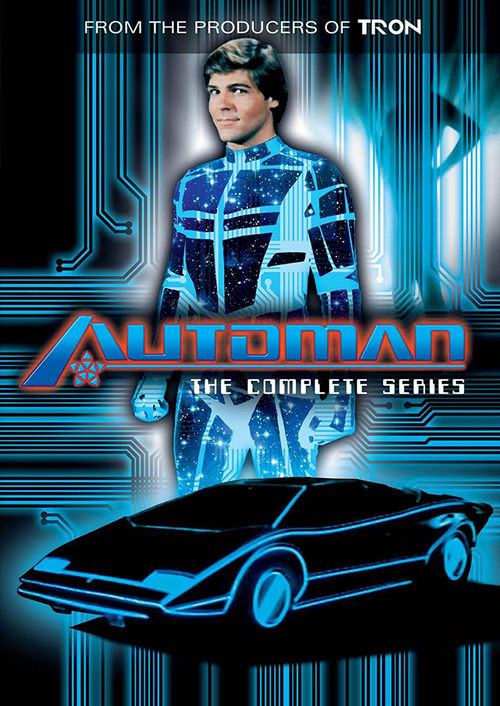
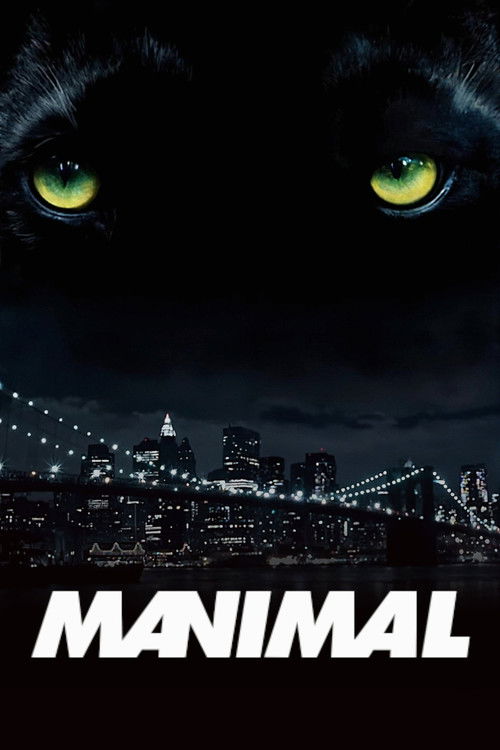
- 1983Automan and Manimal premiere in the same season Automan
- 2014Glen A. Larson passes away; his influence on action TV remains enormous
Space battles and pulp adventure TV
Space Opera
Explore the Space Opera guide →Larson understood that a great television premise is a promise: make the promise vivid enough, keep it week after week, and the audience will follow you anywhere.CrossBinge editors