
Television grew up in the nineties, and it did not ask permission.
The decade began with broadcast networks still controlling the room, and ended with HBO proving that the room itself could be rebuilt from scratch. In between, cable carved out niches, creators fought for control over their own stories, and a handful of shows arrived so fully formed that critics needed new vocabulary to describe them. The writing got harder. The characters got messier. The endings stopped being happy on purpose.
What follows is not a ranking. It is a reckoning. These are the series that defined a decade, angered networks, won rooms, and in many cases never got their due until years after the fact. The nineties were crowded with television. Most of it was forgettable. This is what was not.
The works that changed what TV could be
Series that arrived with a new set of rules and made everyone else catch up
The show that started the clock on everything that followed
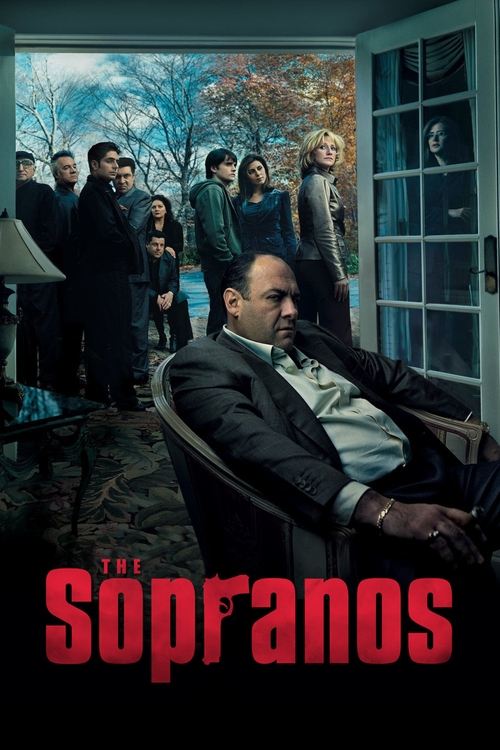
When The Sopranos premiered in January 1999, HBO had already been building toward something. But nothing prepared anyone for how completely it erased the line between literary fiction and television drama. Tony Soprano was not a villain to root against or a hero to root for. He was a subject to study. The pilot alone contains more psychological texture than most series manage in a full run. Every prestige drama since has been, in some measurable sense, a response to what David Chase did here.
Comedy that refused to play it safe
Sitcoms and half-hours that bent the format until it broke in the best possible ways

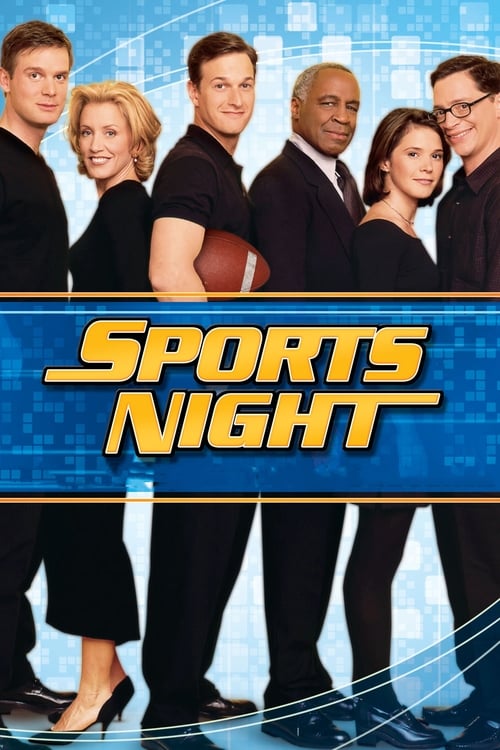

The most overrated show of the decade
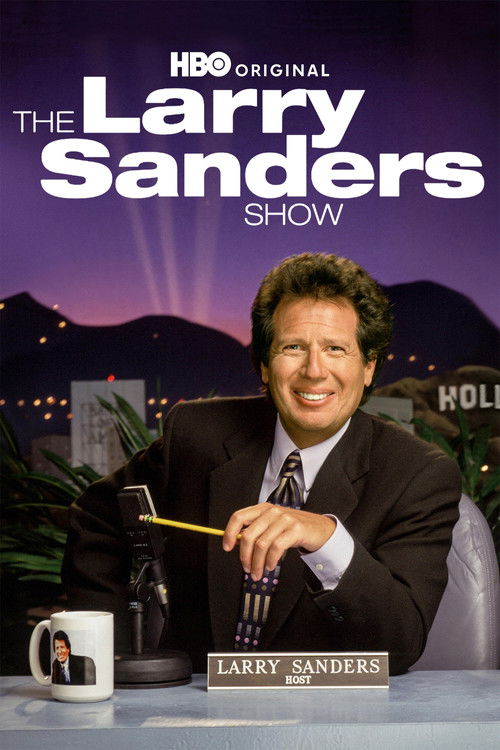
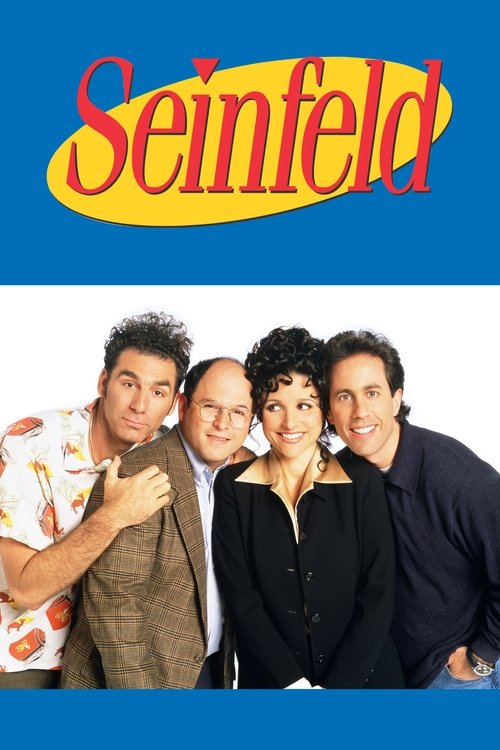
Friends is not a bad show. It is a competent, warmly performed, carefully calibrated machine for generating comfort. But it is also the most overrated series of the nineties by a wide margin. Its cultural footprint bears almost no relationship to its ambition. NewsRadio was funnier, The Larry Sanders Show was sharper, and Seinfeld did everything Friends did about consequence-free urban friendship but with actual edge. That Friends outlasted all of them in cultural memory says more about the power of NBC's Thursday lineup and syndication economics than it does about quality.
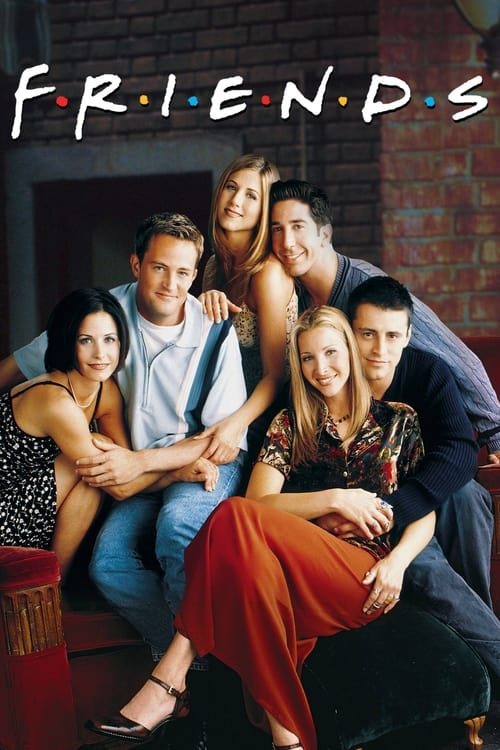
Drama that earned its weight
Serious-minded series that took the procedural and made it into something with real stakes

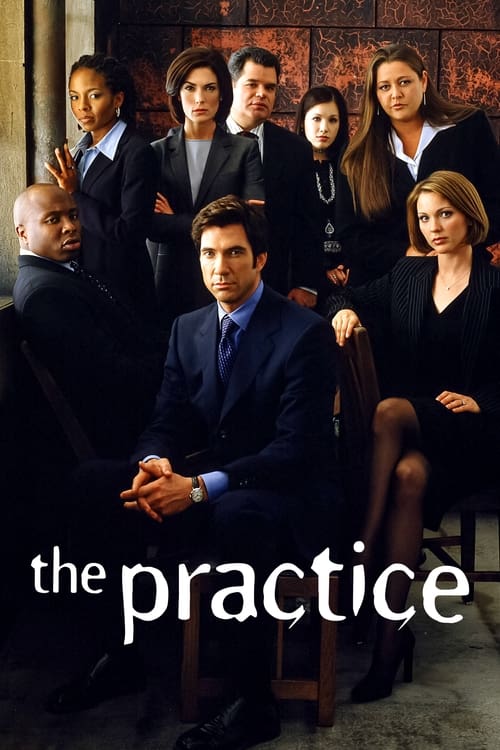
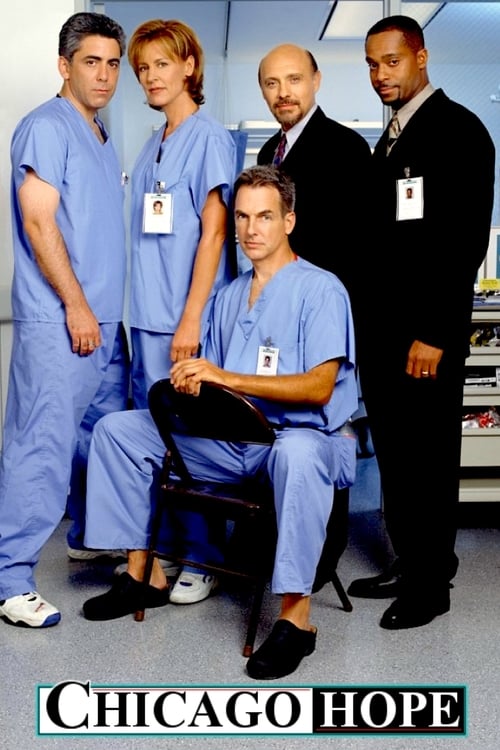
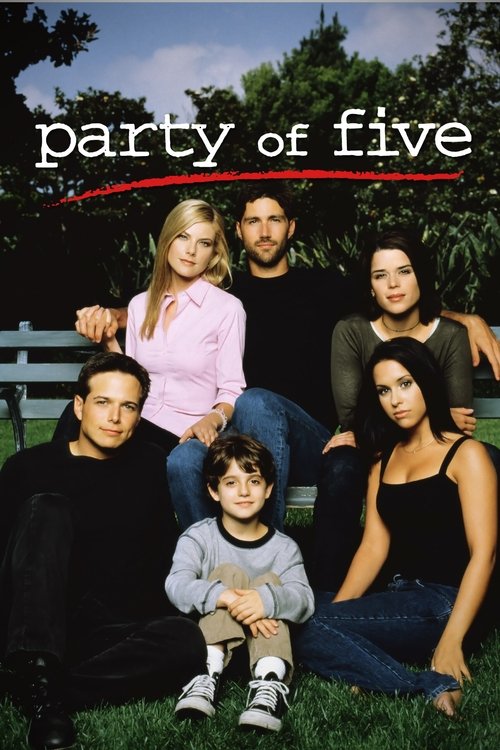
A decade of arrivals
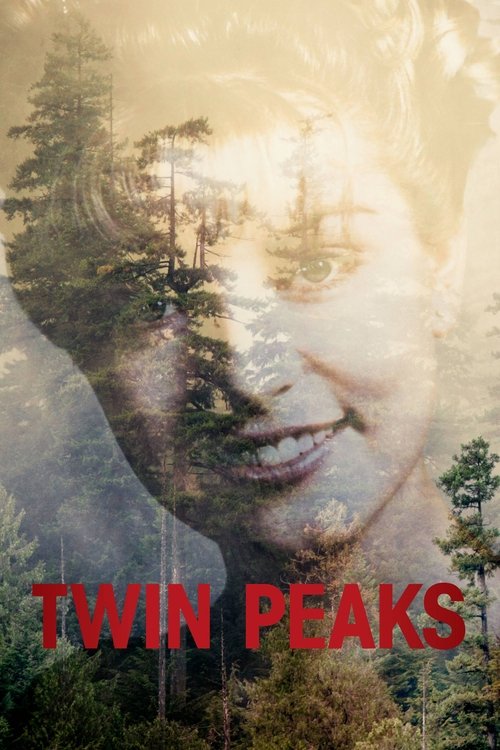
- 1990Twin Peaks redefines what broadcast could attempt Twin Peaks
- 1991Homicide begins NBC's grittiest run Homicide: Life on the Street
- 1992The Larry Sanders Show launches HBO's comedy ambition The Larry Sanders Show
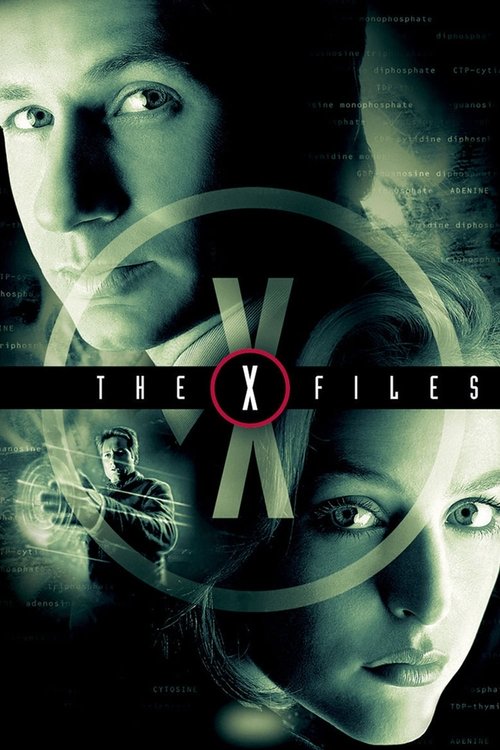
- 1993The X-Files arrives and invents a new kind of serialized paranoia The X-Files
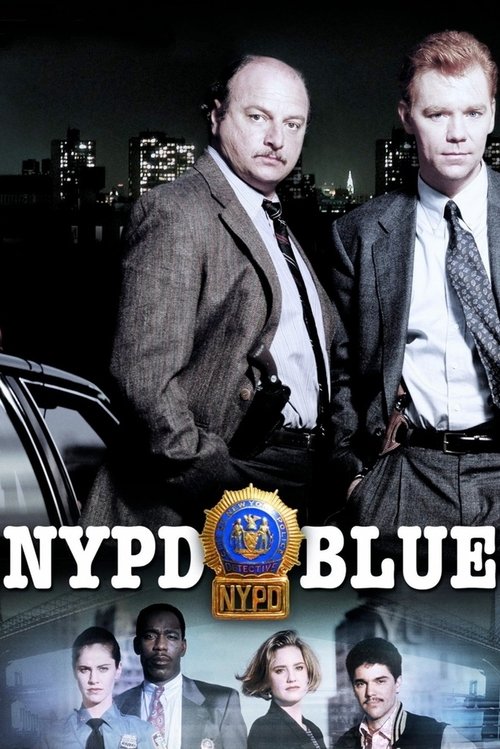
- 1993NYPD Blue shocks broadcast TV with language and nudity NYPD Blue
- 1994ER and Friends both debut on NBC in the same week ER
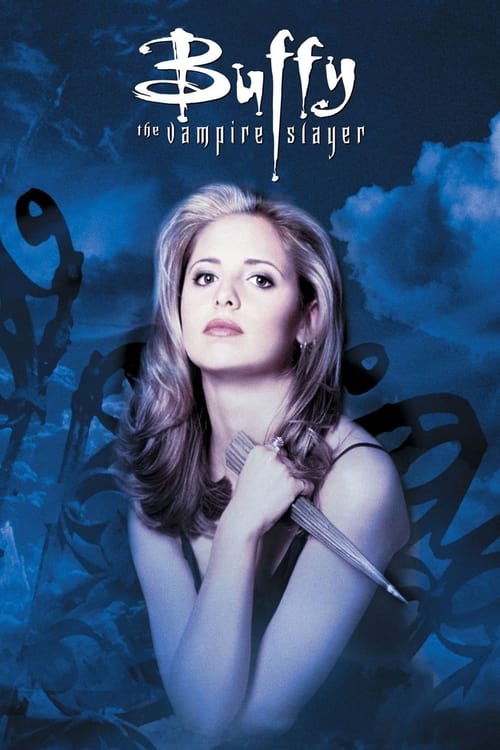
- 1997Buffy the Vampire Slayer turns genre television into literary criticism Buffy the Vampire Slayer
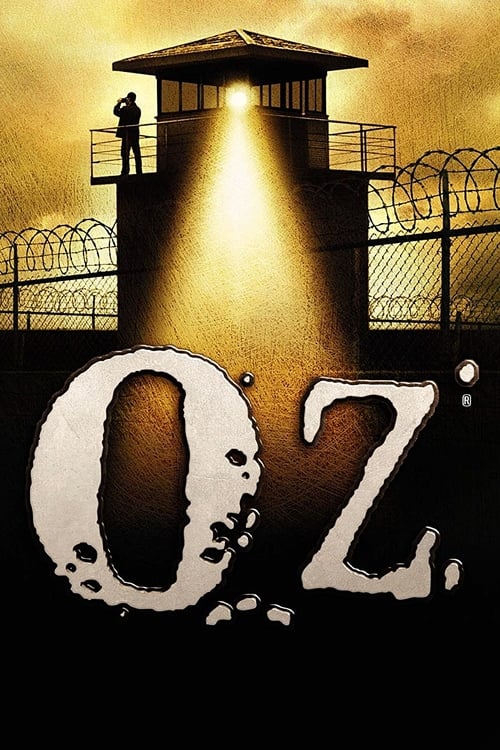
- 1997Oz premieres and HBO drama gets its first hard edge Oz
- 1999The Sopranos premieres in January and everything resets The Sopranos
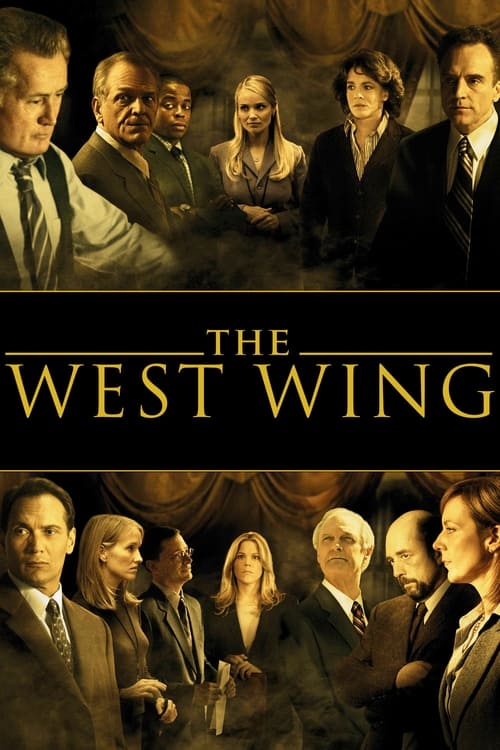
- 1999The West Wing wins the room at the end of the decade The West Wing
The snub that still stings
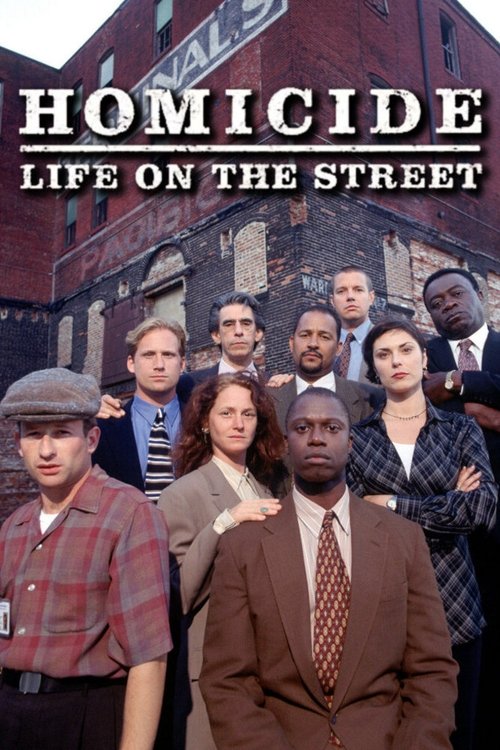
Homicide: Life on the Street ran for seven seasons, was based on a David Simon book, and starred Andre Braugher in what might be the finest sustained performance in nineties television. It won a Peabody. It was critically adored and almost immediately undervalued. It never won a single Emmy for drama despite being nominated repeatedly. Meanwhile lesser procedurals cleaned up. Braugher's Frank Pembleton is the character that serious drama fans reliably cite when they talk about what the decade got right. The record does not reflect that at all.
Genre television that took itself seriously
Sci-fi, horror, and fantasy series that used their conceits to say real things
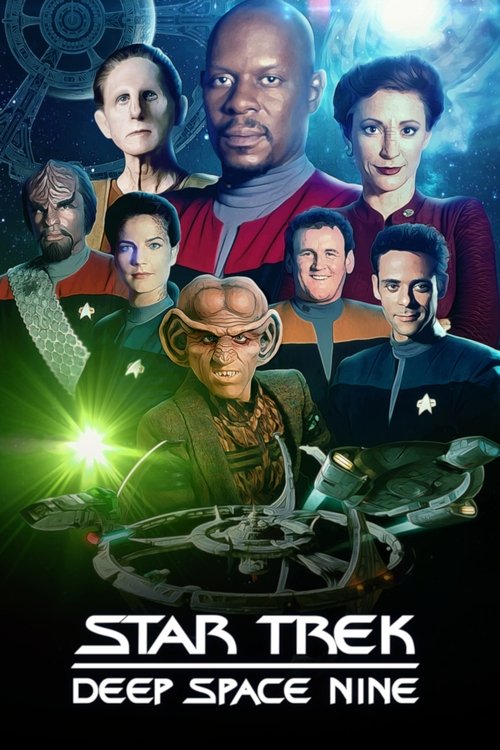

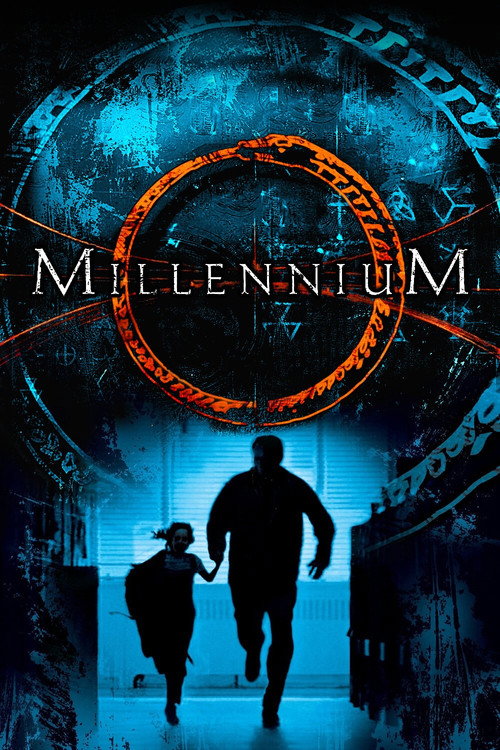


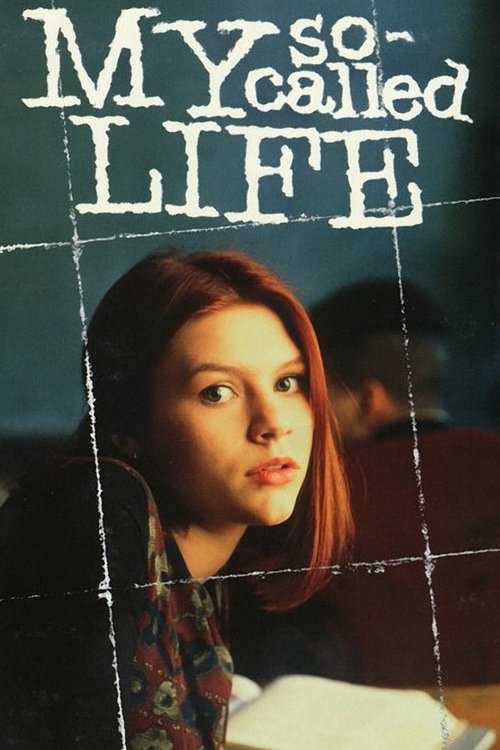
Star Trek: Deep Space Nine is the best Star Trek series ever made, and the nineties gave it to us fully formed. That it was overshadowed by Voyager in the ratings is one of the decade's genuine injustices.Editorial
The shows that age best on rewatch
Series that were good then and are somehow better now
The one that aged worst
Ally McBeal was genuinely radical for about eighteen months. The surrealism, the workplace dysfunction, the refusal to let its protagonist be likable or stable: it felt like something new. Then it became a tabloid prop and a punchline about Calista Flockhart's weight, and the show itself seemed to absorb that attention and get smaller and stranger in the worst way. Rewatching it now, the best episodes still hold. But the series as a whole buckled under its own celebrity and never found a way out. It ended not with a conclusion but an exhale.

Overlooked at the time, essential now
Series that passed too quietly and deserve a second look
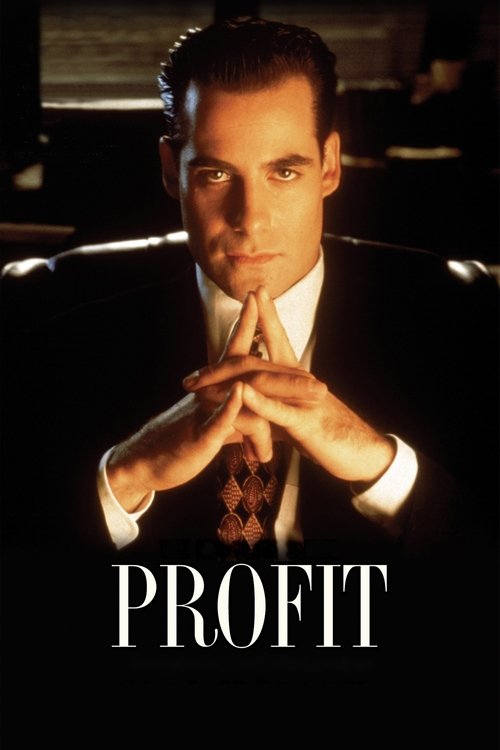
What the nineties actually built
The standard story credits HBO and The Sopranos with inventing prestige TV, but the decade was doing something harder and quieter for years before that. Homicide was adapting literary journalism for broadcast in 1993. Twin Peaks was asking network audiences to tolerate ambiguity in 1990. The Larry Sanders Show was dissecting celebrity and performance anxiety before any streaming algorithm existed to reward that kind of dark comedy.
The nineties did not invent good television. They invented the argument that television could be the best storytelling medium available. That argument landed, and it never went away. Every series that followed, for better or worse, is paying rent on what this decade built.