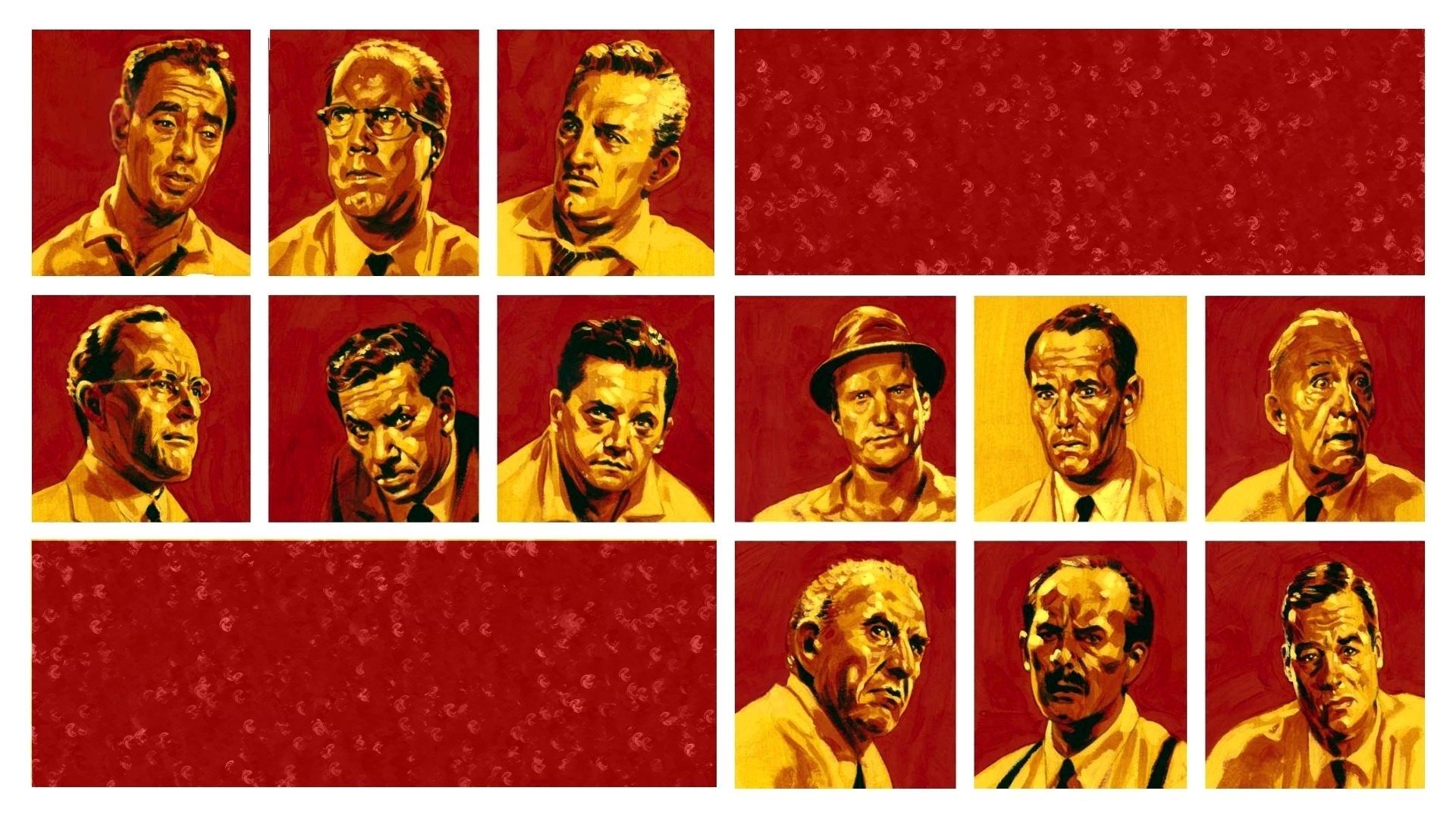

Sidney Lumet's 1957 film is almost aggressively simple: twelve men, one sweltering room, a verdict that has to be unanimous. What fans of 12 Angry Men love is not courtroom procedure but the architecture of persuasion under pressure. Juror 8 (Henry Fonda) does not prove the defendant innocent. He introduces doubt, one careful question at a time, and watches certainty crack. The film is about how people change their minds (or refuse to), how prejudice dresses itself in logic, and how one person willing to slow down can shift the direction of a crowd. That combination of confined space, moral stakes, and psychological precision is what every recommendation below reaches for.
Essential 12 Angry Men
The film itself and its closest kin from Lumet and the same creative lineage


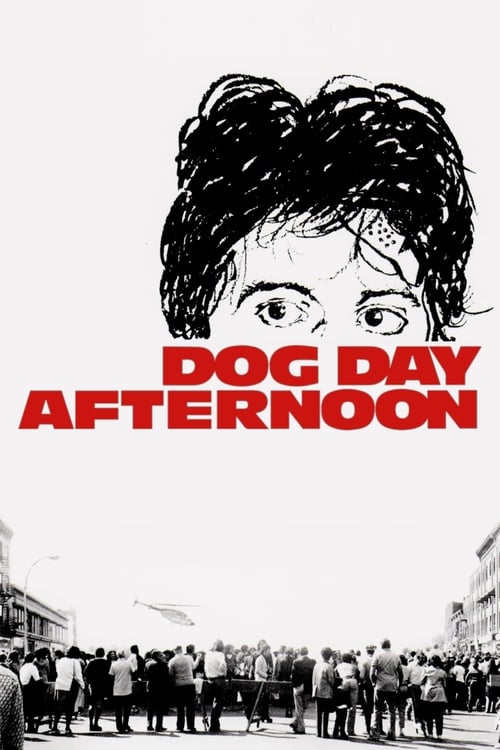

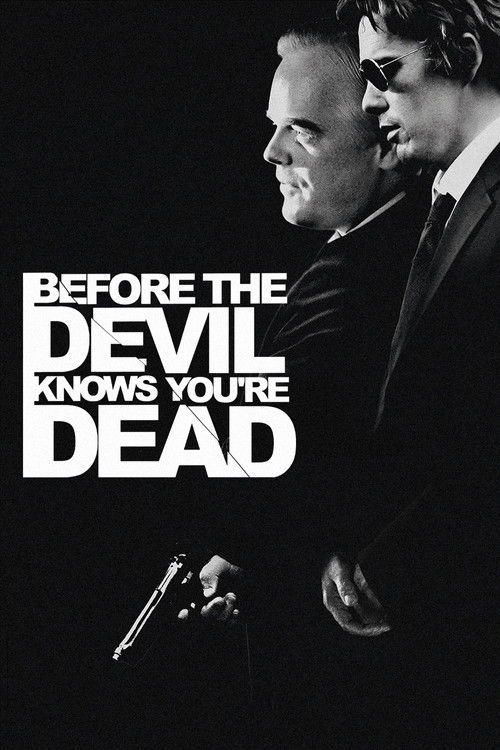
Same Vibe: Confined Spaces and Impossible Decisions
Films that trap characters in a room or a situation where every word carries weight
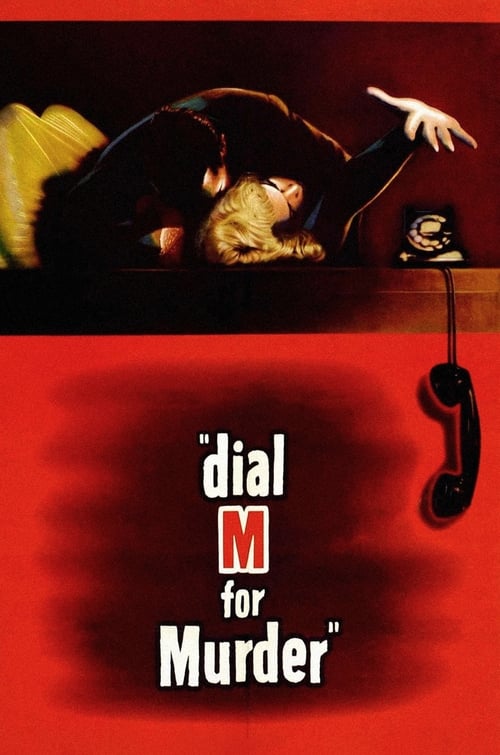
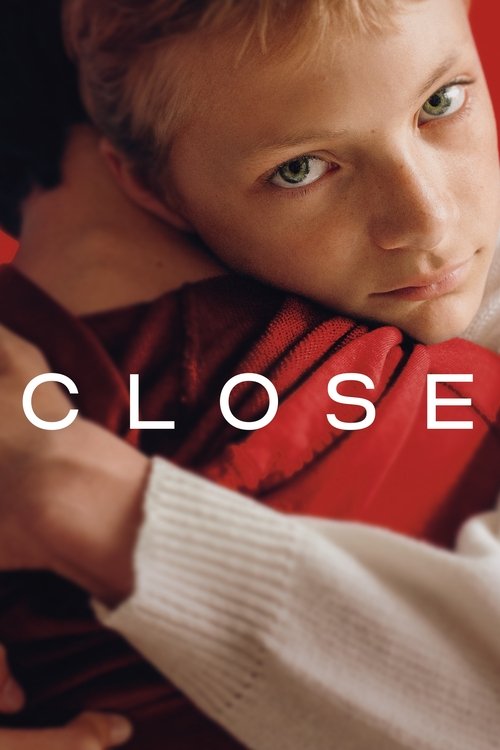


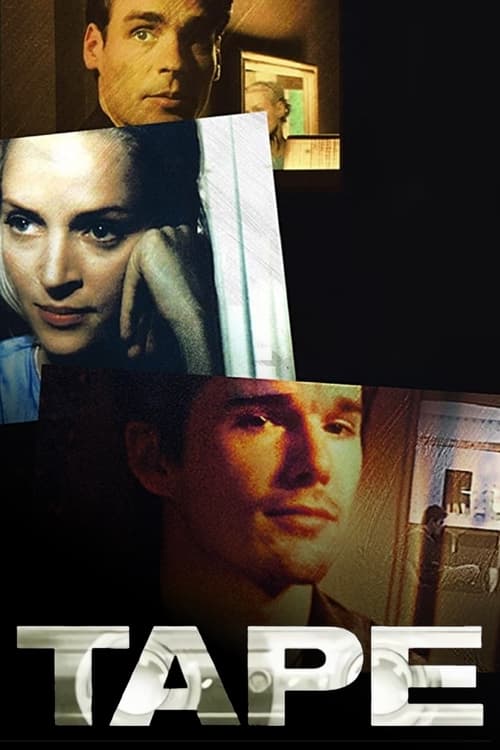
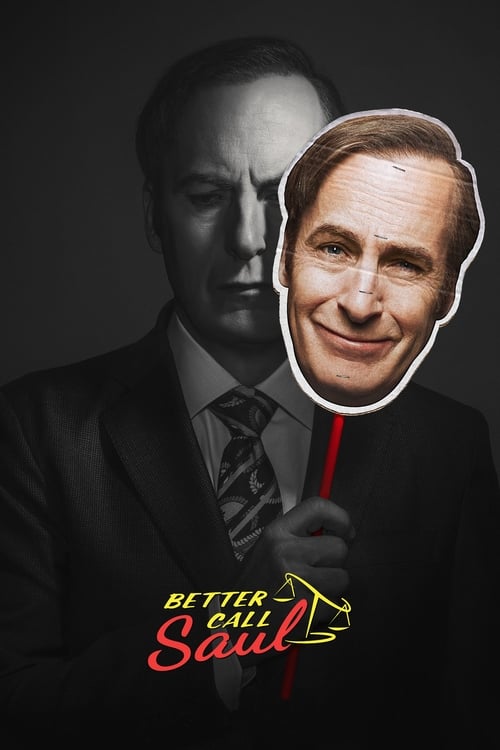
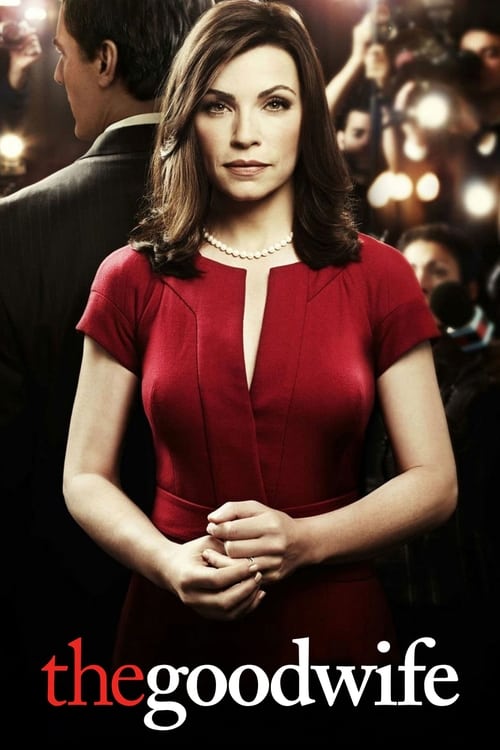
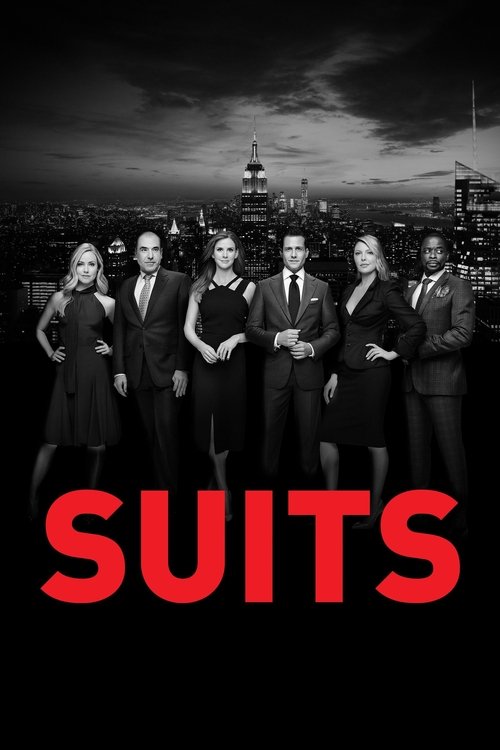
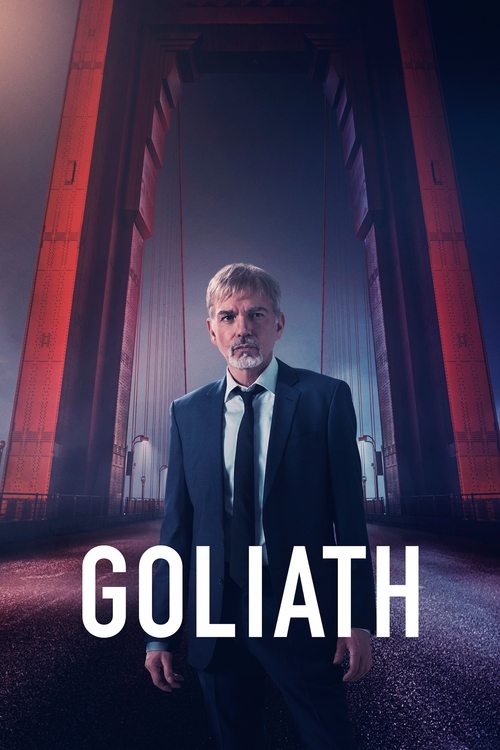
Courtroom and Legal Drama on Screen
Films and series that put justice itself on trial
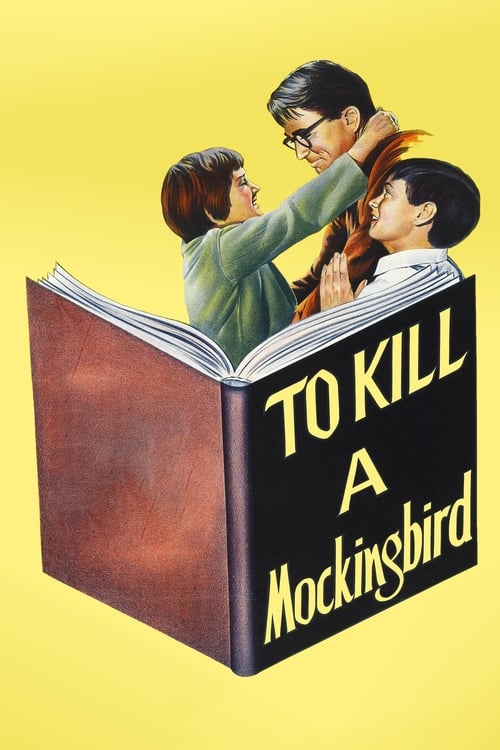
Novels About Justice, Doubt, and the Pressure to Conform
Books that put a single conscience against a collective certainty

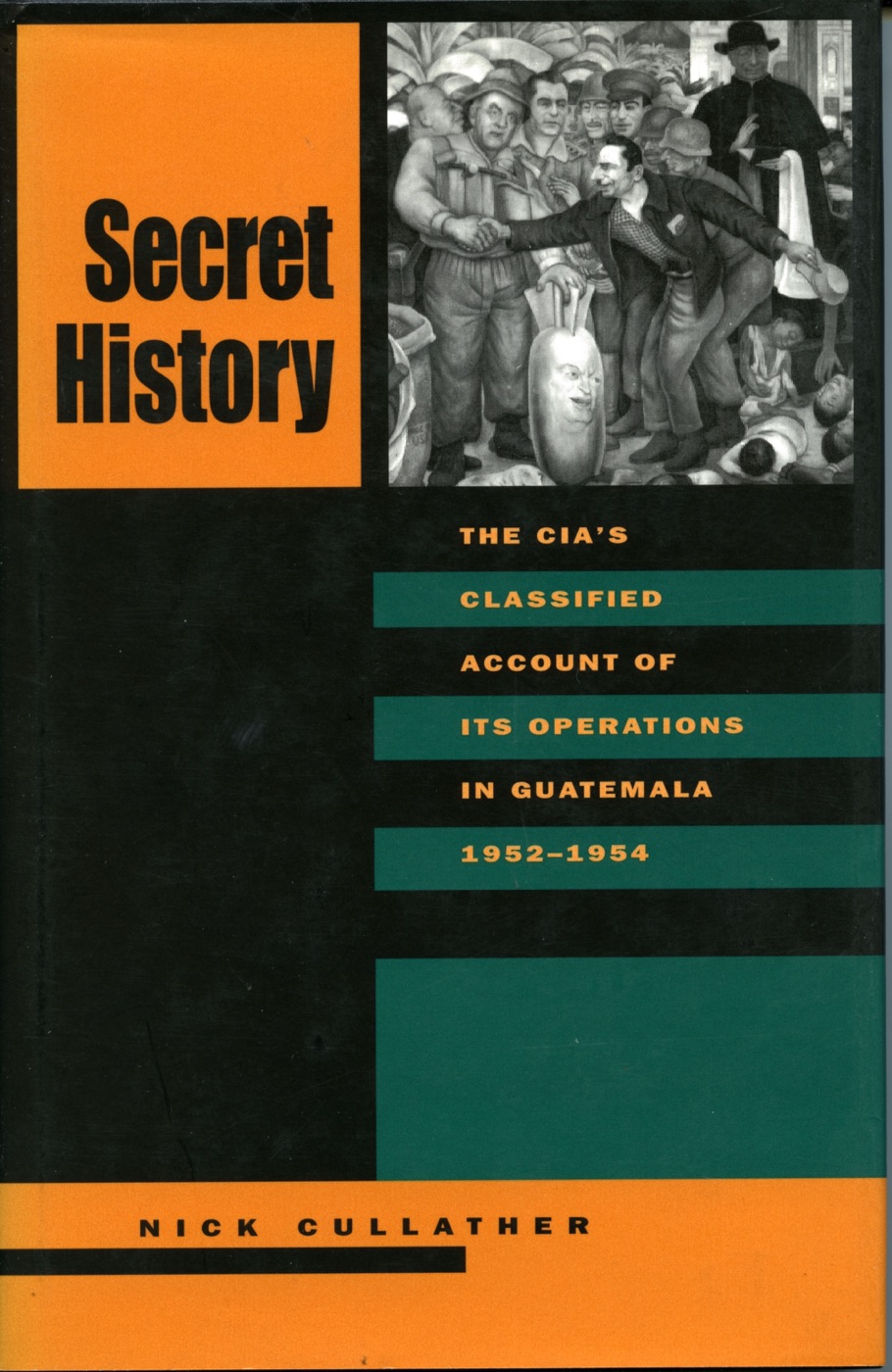


Games About Deduction, Testimony, and Finding the Truth
Games where reading people and piecing together evidence is the whole point

The Smallest Stage, the Biggest Stakes
12 Angry Men proved that claustrophobia is a tool, not a limitation. Lumet chose to shoot the early scenes with a high, wide lens and slowly move to longer lenses and lower angles as the film progresses, so the room physically appears to close in. No other film of its era used the camera so deliberately as a barometer of psychological pressure. The lesson for every confined-space drama that followed: the room is never just a location. It is the argument.
One Dissenter Changes Everything
The film's central mechanism is a social-science thought experiment: what happens when one person refuses to go along? Juror 8 does not have a counter-theory. He has a willingness to sit with uncertainty when everyone else wants to go home. That is a radical act. The films and novels that do this best understand that the dissenter is rarely the loudest voice in the room. They are the one who asks the question no one wanted asked.
Prejudice Wearing the Costume of Reason
Juror 3's rage is not really about the case. It is about his son, his worldview, his pride. The film is precise about this: the most certain people in the room are the least trustworthy, because their certainty is doing work for their feelings, not for the facts. Disco Elysium is the game most honest about this dynamic. Its detectives reconstruct a crime through the lens of whatever ideology they have adopted, and the game lets you watch yourself doing it.
Why the Score Refuses to Comfort You
Kenyon Hopkins's score for 12 Angry Men is used sparingly, almost as punctuation. Long stretches of the film are just voices, sweat, and the hum of the city outside. When music enters, it does not resolve the tension. It underlines it and steps back. The Social Network and Prisoners understand the same thing: a score that rushes to reassure the audience is a score that lets them off the hook.
A Lineage of Pressure-Cooker Drama
- 1929Blackmail, Hitchcock's first sound film, uses a single location and moral dread to invent the confined thriller. Blackmail
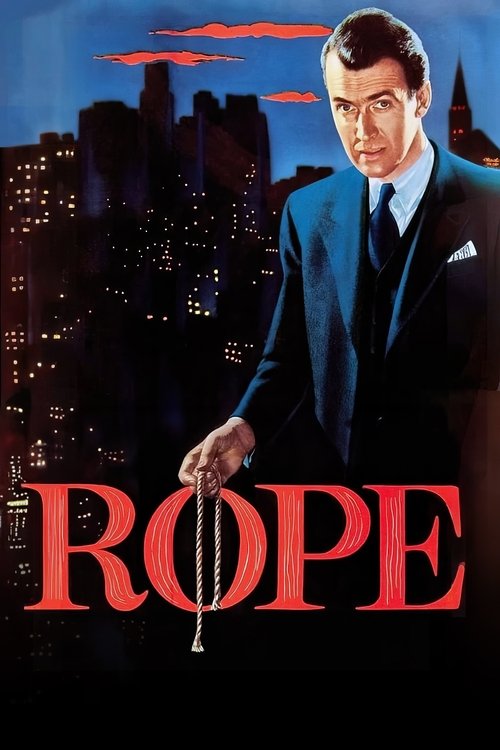
- 1948Rope stages Hitchcock's most audacious experiment: a murder, a dinner party, and a single unbroken space. Rope
- 1954Rear Window proves a confined protagonist observing from one room can carry a feature-length mystery. Rear Window
- 195712 Angry Men redefines what a single room can hold: a murder trial, a moral crisis, twelve contradictions. 12 Angry Men
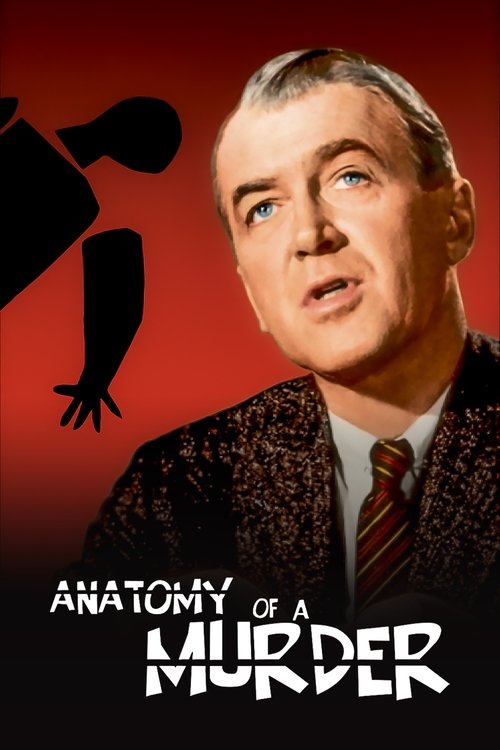
- 1959Anatomy of a Murder brings the courtroom into focus as its own closed arena of performance and manipulation. Anatomy of a Murder
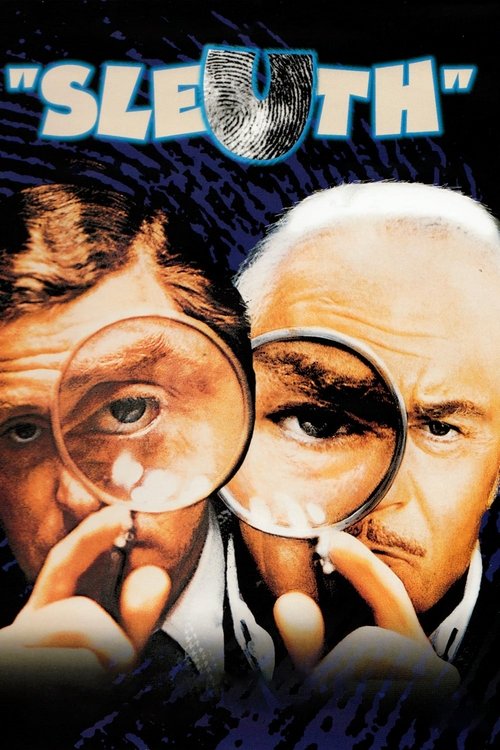
- 1972Sleuth turns two men in a country house into a chess match with lethal stakes. Sleuth
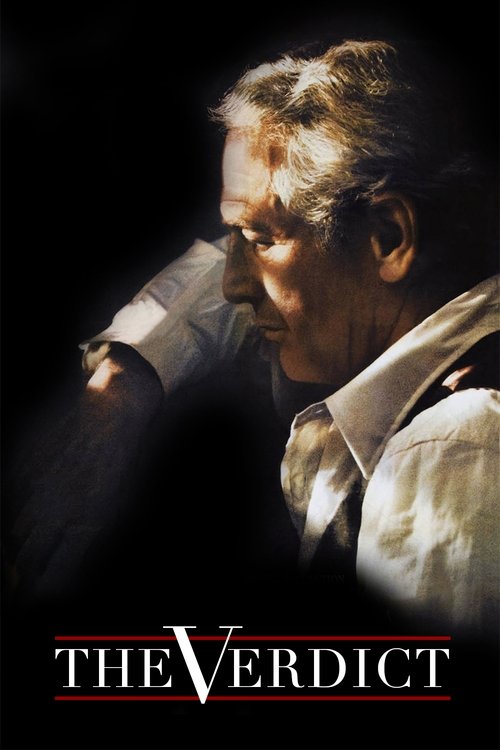
- 1982The Verdict gives the lone-dissenter structure to a burned-out lawyer fighting a corrupt institution. The Verdict
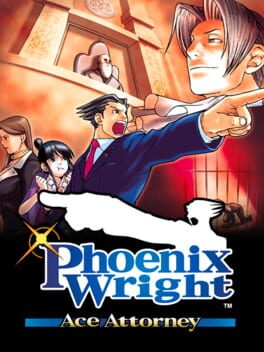
- 2001Phoenix Wright: Ace Attorney brings the logic of the courtroom drama to games, with evidence, witnesses, and the risk of a wrong verdict. Phoenix Wright: Ace Attorney
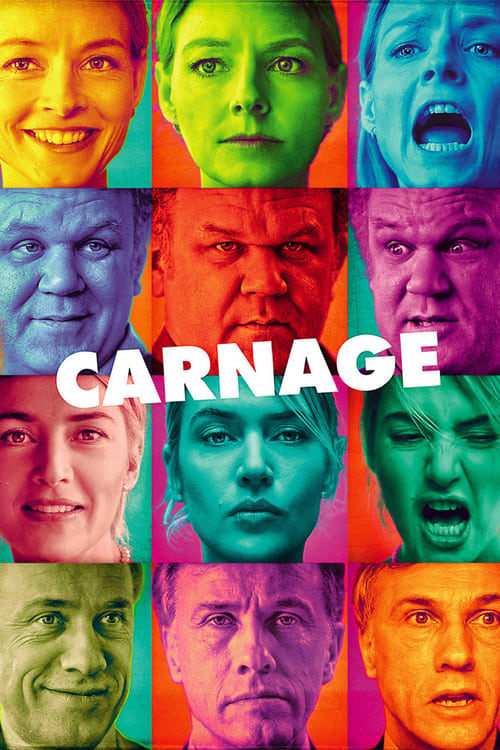
- 2011Carnage takes Roman Polanski's adaptation of the Yasmina Reza play and builds a pressure cooker from two couples and an apartment. Carnage
- 2016Return of the Obra Dinn applies jury-room logic to a ghost ship: weigh the evidence, assign the verdict, carry the weight of being wrong. Return of the Obra Dinn
- 2019Disco Elysium turns an entire city into an interrogation of one detective's assumptions about justice and truth.
Courtroom tension and the slow demolition of certainty
Courtroom & Legal Drama
Explore the Courtroom & Legal Drama guide →It's always difficult to keep personal prejudice out of a thing like this. And wherever you run into it, prejudice always obscures the truth.Juror 8, 12 Angry Men (1957)