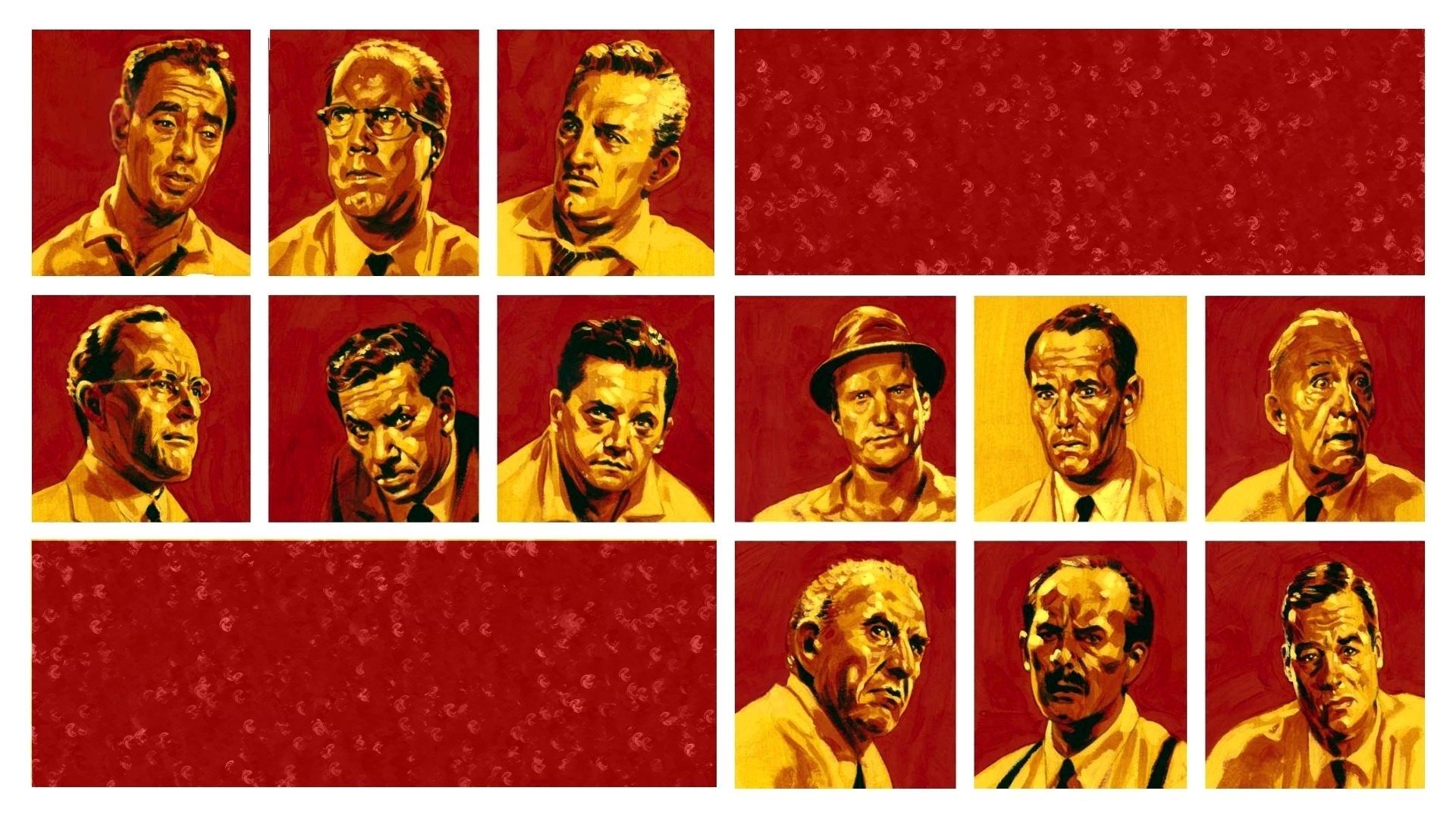

The feeling courtroom drama fans chase is not the verdict. It is the moment before, when the argument is still alive, when one question asked the right way could unravel everything. Courtroom stories expose a fundamental human anxiety: the systems built to find truth are operated by fallible, self-interested people. The best entries in the genre use the procedural frame (the objections, the depositions, the rules of evidence) to force characters to articulate what they actually believe, and why. Whether that frame is a single day's cross-examination or a twelve-episode trial series, the structure creates pressure that few genres can match.
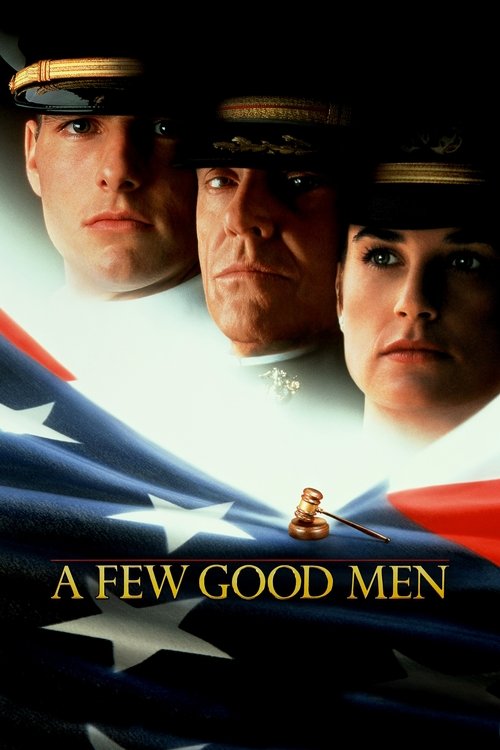
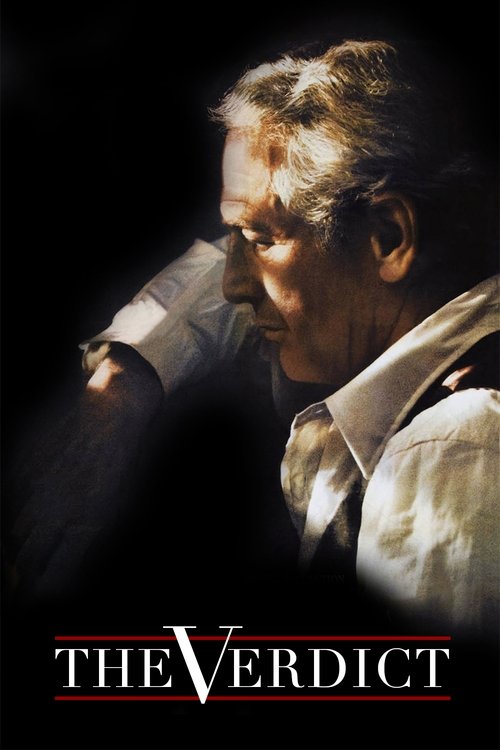
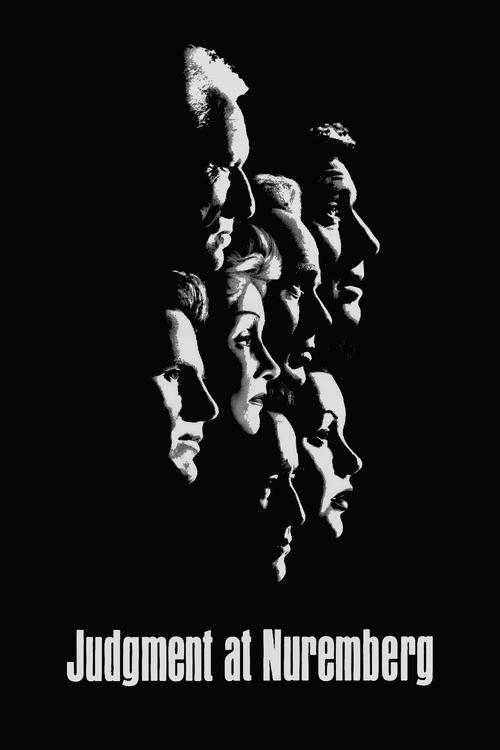
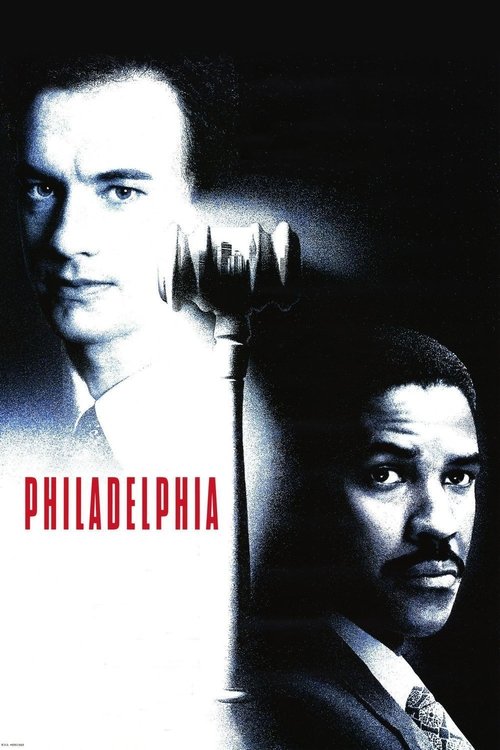
Essential Courtroom Drama Films
The defining works of the genre on screen


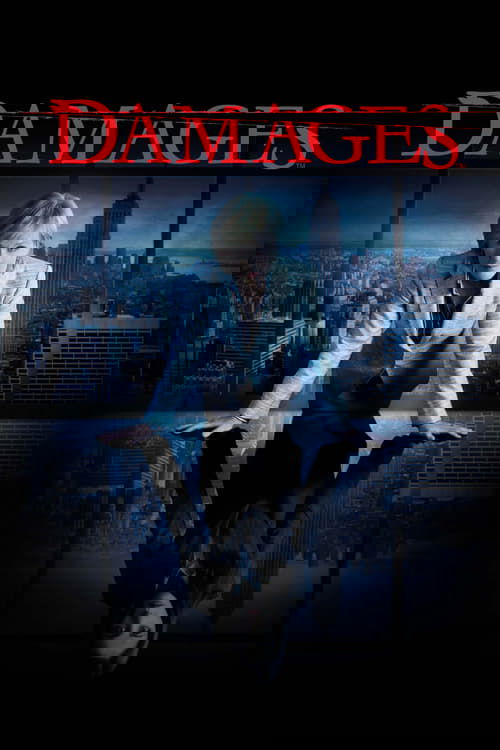
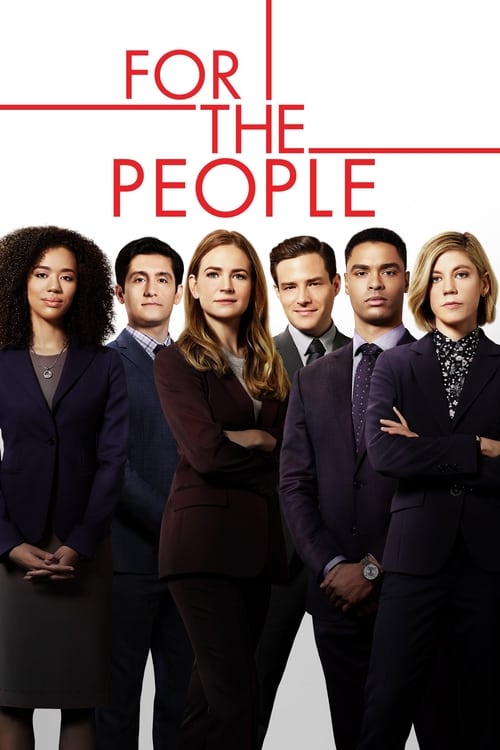
The Courtroom on Television
Series that sustain the tension across seasons



If You Love Courtroom Drama: The Novels
Legal thrillers and courtroom fiction that read like closing arguments


If You Love Courtroom Drama: Games About Justice
Games where you argue, investigate, and cross-examine






If You Love Courtroom Drama: Scores That Feel Like Deliberation
Music carrying the weight of judgment
The Jury Room Is Where It Actually Happens
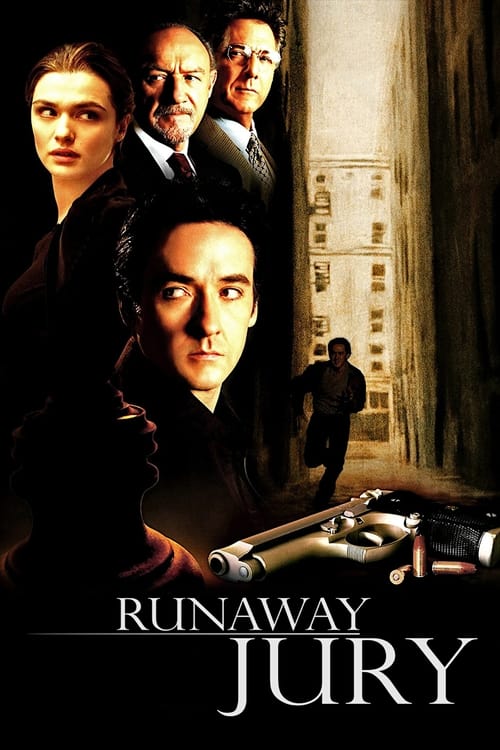
The courtroom is the stage, but the jury room is the engine. 12 Angry Men proved this in 1957 and the insight has not aged: what changes minds is not grand oratory but the slow, stubborn work of one person refusing to go along. The genre is at its best when it stops performing justice and starts examining how twelve strangers actually reach a verdict, with all the prejudice, fatigue, and social pressure that real deliberation involves.
The Defense Attorney as Moral Mirror
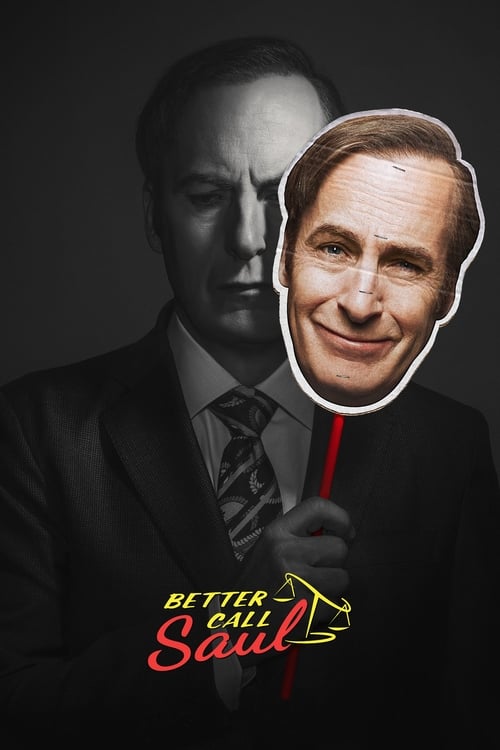
Courtroom drama keeps returning to the defense attorney as protagonist because the role forces an explicit moral question: how hard do you argue for someone who may be guilty? Better Call Saul builds six seasons on that question. The Lincoln Lawyer asks it on a smaller scale. The answer the best stories give is not comfortable: a functioning system requires someone to argue the other side as hard as possible, regardless of private belief. That tension is more dramatically fertile than the prosecutor's simpler mission.
Ace Attorney Did Something Courts Cannot
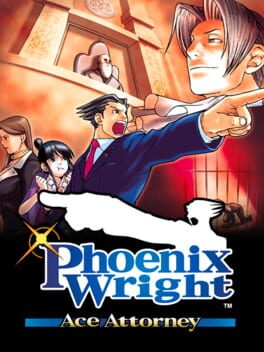
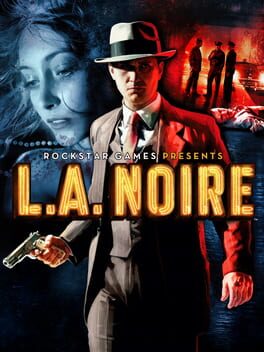
The Ace Attorney series translates courtroom tension into game mechanics with surprising fidelity. Cross-examination becomes a puzzle: press the right statement, present the right evidence, catch the contradiction. The games make you feel the rhythm of interrogation rather than watch it. L.A. Noire attempted something adjacent with its facial-animation lie detection. Both remind you that the procedural rules of evidence are inherently game-like, which is probably why the genre transfers so cleanly.
Grisham Made the Legal Thriller Literary
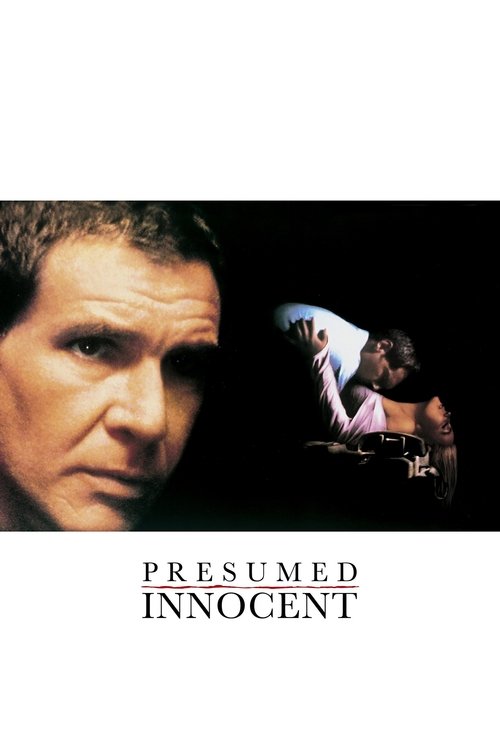
John Grisham's early work, particularly A Time to Kill and The Firm, demonstrated that legal procedure could carry popular fiction without becoming dry. His insight was structural: use the machinery of the law (the discovery process, the billing hours, the ethical walls) as a source of narrative pressure rather than background detail. Scott Turow's Presumed Innocent, which predates Grisham's breakthrough, goes further, using unreliable narration to make the reader complicit in the same uncertainty the jury faces.
A Century of Courtroom Drama
- 1925The Scopes Trial grips the United States, establishing real courtrooms as dramatic spectacles in the public imagination
- 1957Sidney Lumet's 12 Angry Men reframes the genre: the verdict is decided before the film begins, and the drama is entirely in the deliberation 12 Angry Men
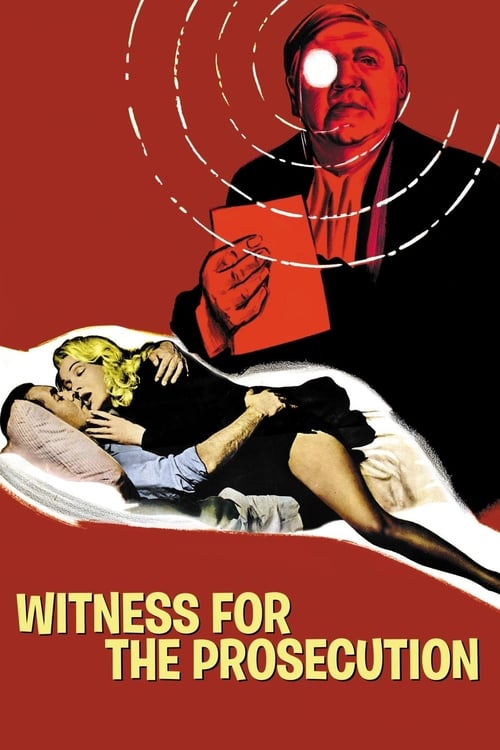
- 1957Billy Wilder adapts Agatha Christie's play, producing one of cinema's great twist endings Witness for the Prosecution
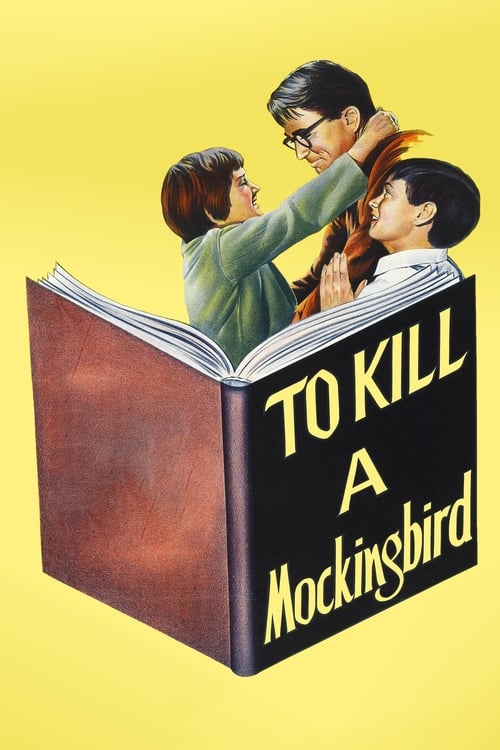
- 1960Harper Lee's novel and Robert Mulligan's film adaptation create the genre's most enduring moral touchstone Mockingbird
- 1986Scott Turow's Presumed Innocent launches the modern literary legal thriller
- 1991John Grisham's The Firm and A Time to Kill reach mass audiences, making legal fiction a publishing category The fire
- 1992A Few Good Men's 'You can't handle the truth' becomes the genre's most quoted line A Few Good Men
- 2001Phoenix Wright: Ace Attorney launches, creating a new genre of courtroom puzzle games Phoenix Wright: Ace Attorney
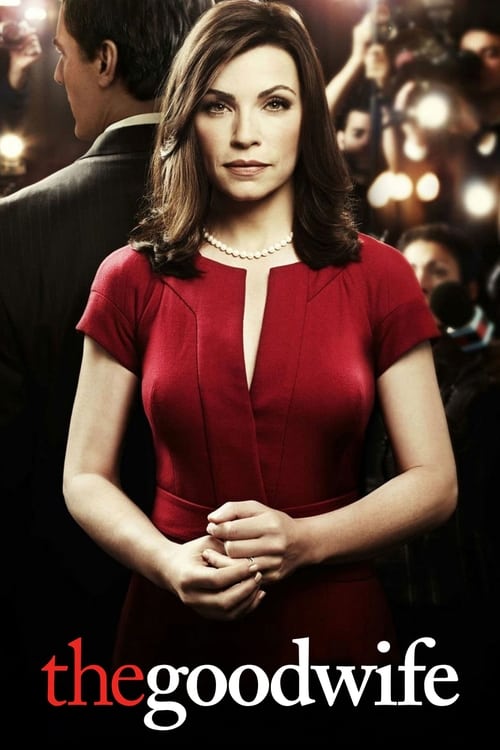
- 2009The Good Wife begins its run, proving premium television could sustain legal drama across 156 episodes The Good Wife
- 2016The People v. O.J. Simpson: American Crime Story returns the genre to the real trial that defined a decade
- 2022Better Call Saul concludes, having turned courtroom ethics into a six-season character study Better Call Saul
Legal drama, Grisham, and 12 Angry Men
Courtroom & Legal Drama
Explore the Courtroom & Legal Drama guide →Reasonable doubt is not the absence of evidence. It is the presence of something the evidence cannot explain.CrossBinge Editors