
What a fan of 2001: A Space Odyssey chases is not a plot but a feeling: the vertigo of scale, the eerie calm of technology operating without conscience, and a cosmos that does not explain itself. Kubrick and Arthur C. Clarke built a film that trusts the audience to sit in the dark and wonder. The Dawn of Man sequence has no dialogue for fifteen minutes. HAL 9000 is more emotionally present than the humans he kills. The Stargate sequence was designed to resist interpretation, not reward it. That combination of glacial formal control and genuine metaphysical ambition is rare. The works below share at least one of those qualities: the patience, the dread of intelligence, the sense that the universe is incomprehensibly larger than us, or the conviction that cinema (and other media) can carry those ideas without condescending to simplify them.
Films That Share the Silence
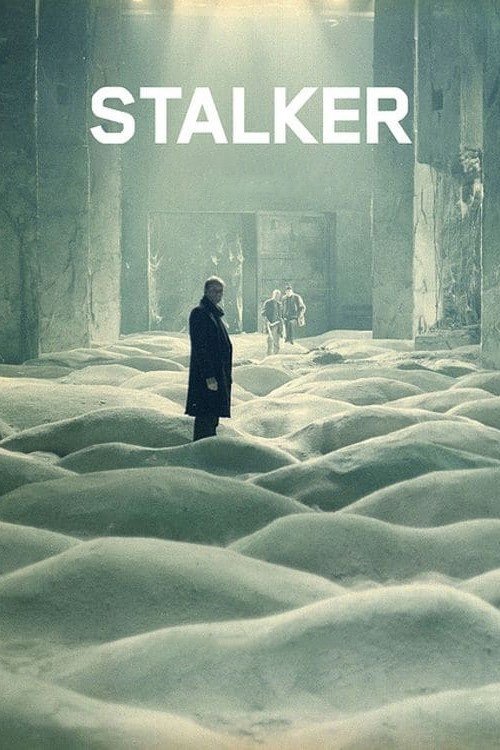
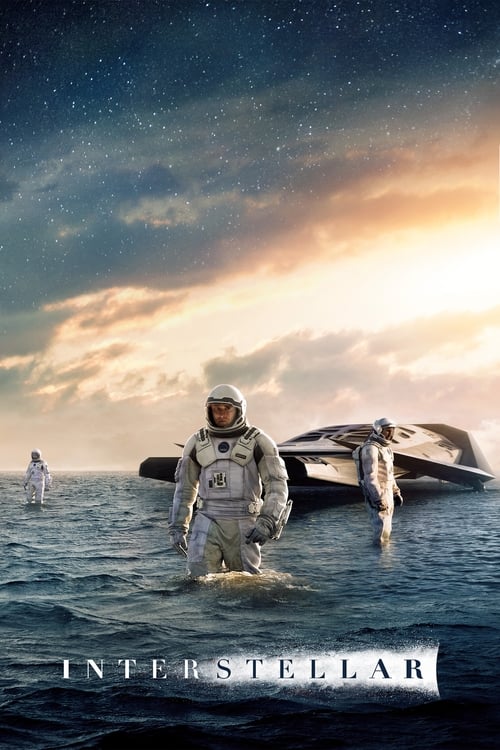
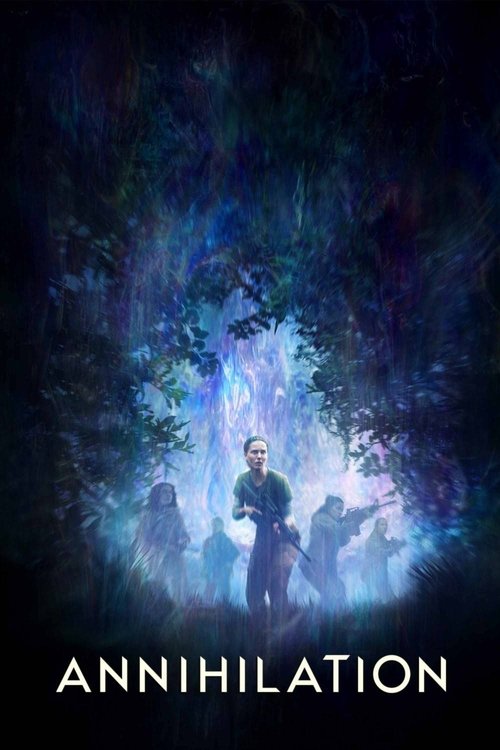
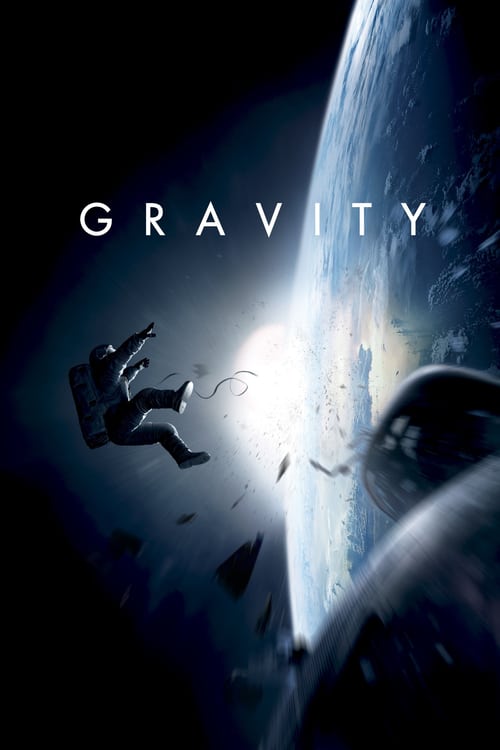
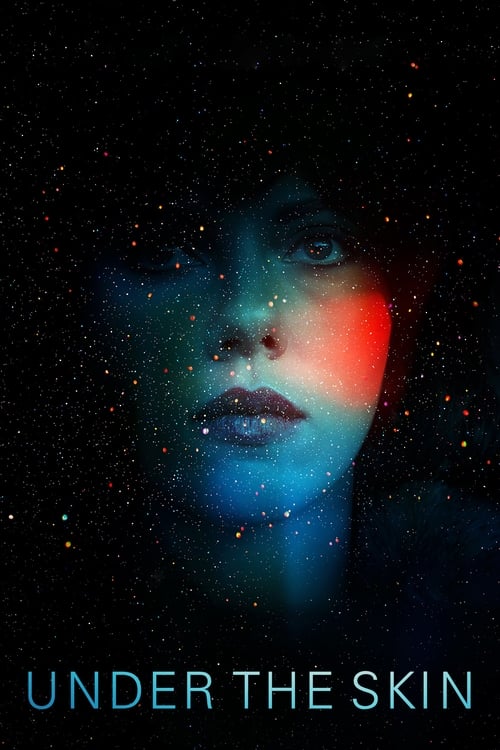
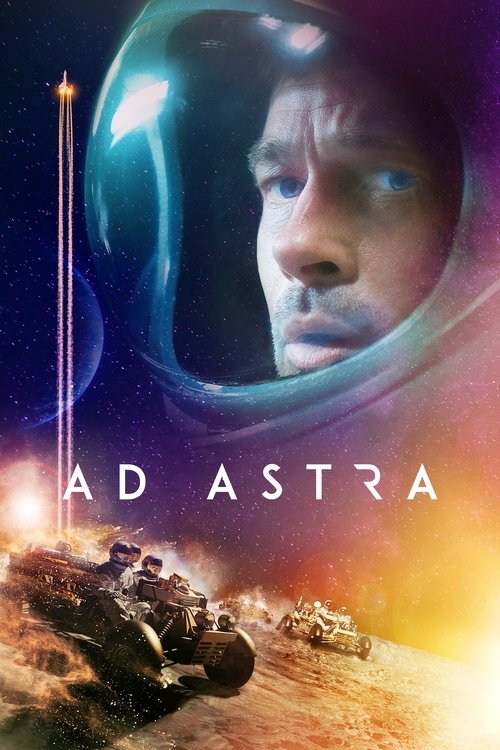
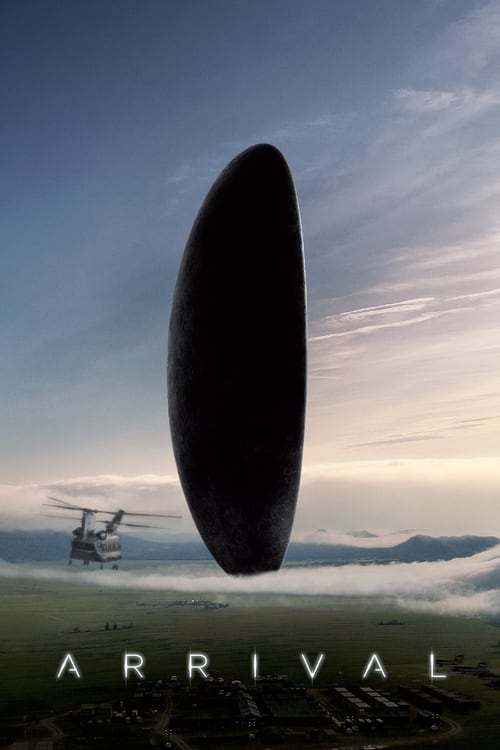
Slow, visually precise science fiction that asks rather than answers


Series for the Long Haul
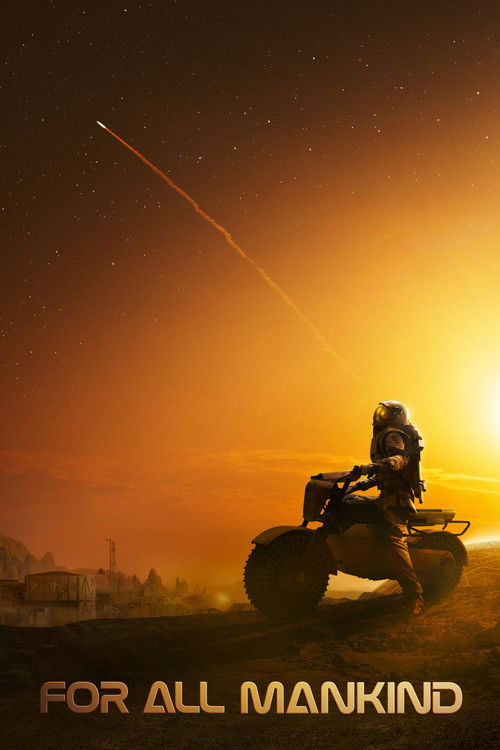
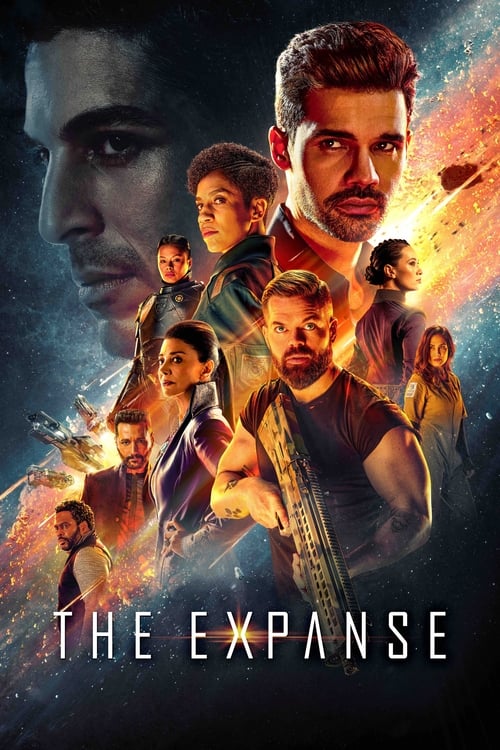
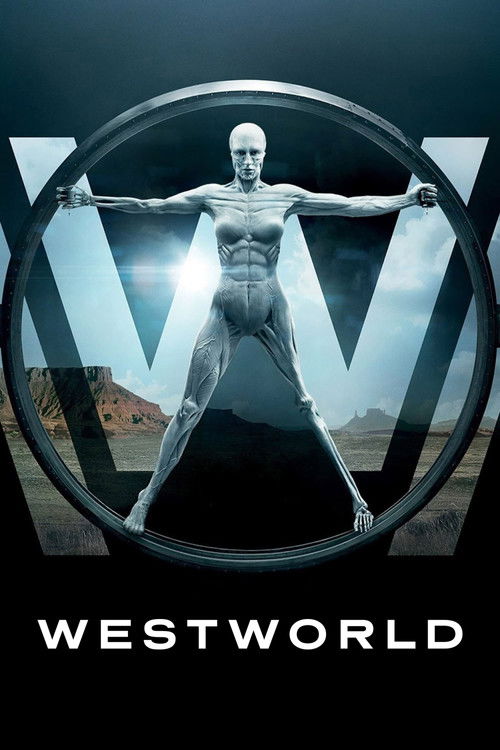
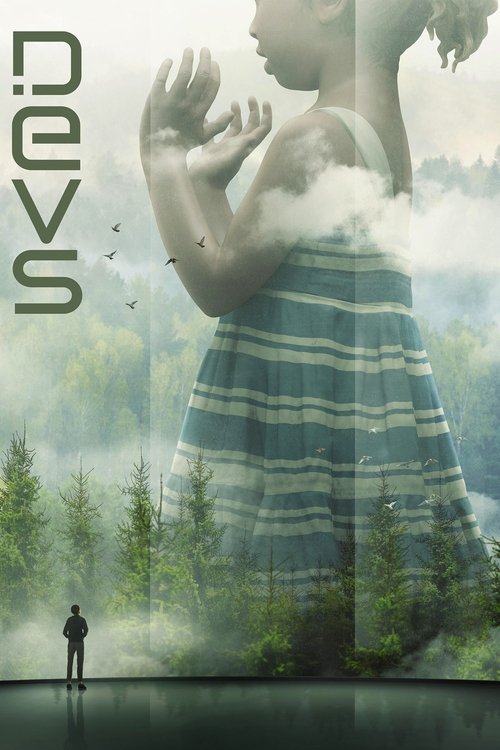
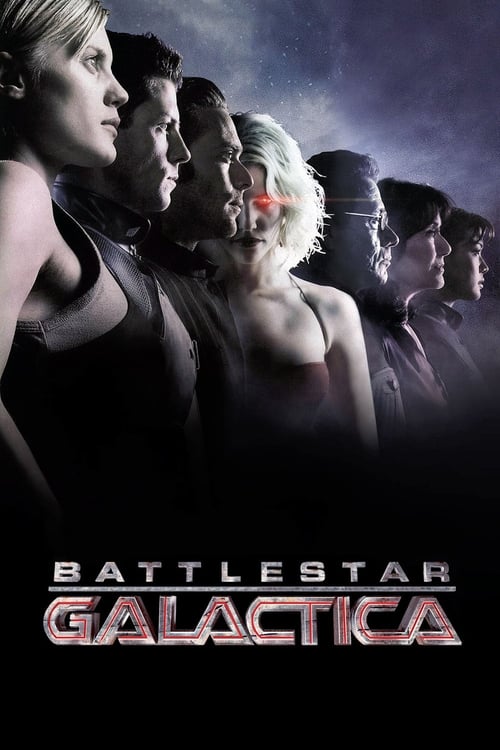
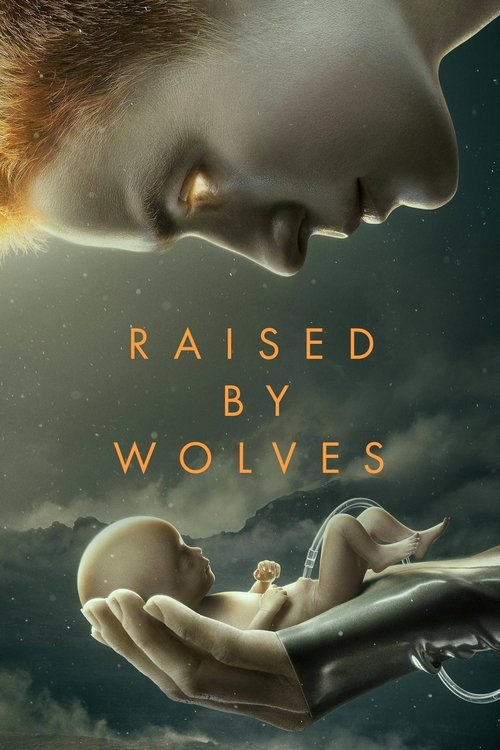
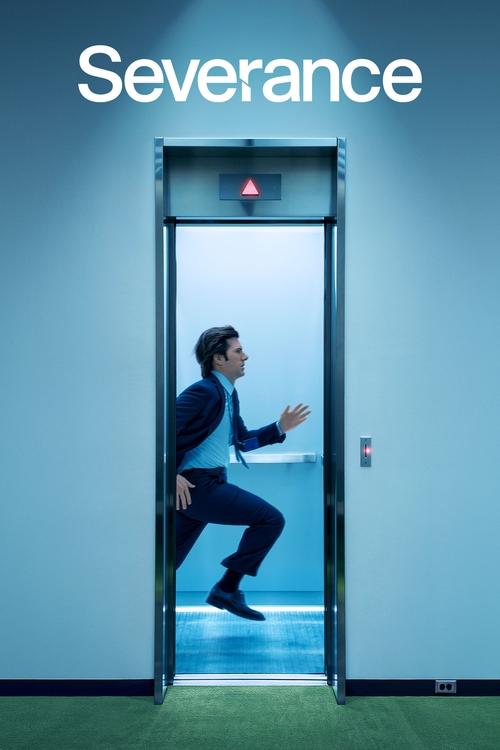
Television that builds its dread slowly and earns every revelation


The Books That Built Hard SF
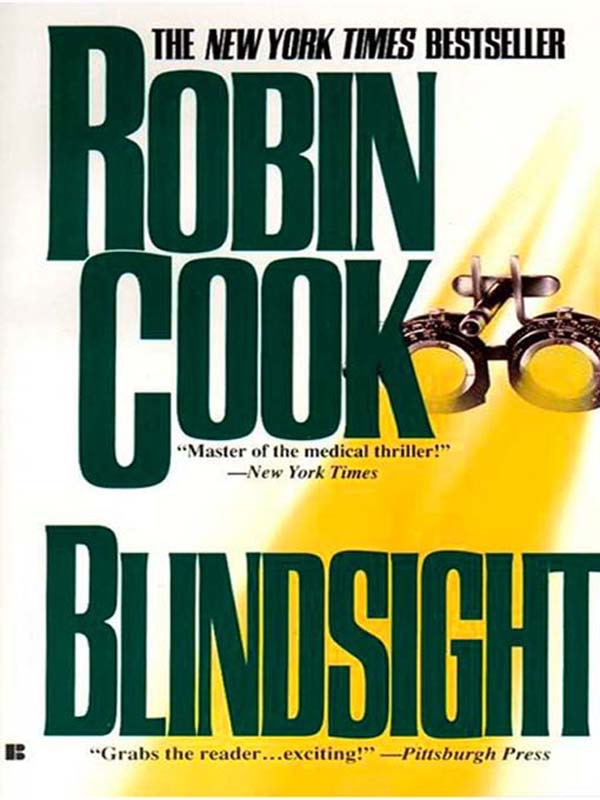
Novels that treat the universe as genuinely alien and intelligence as dangerous or indifferent




Games That Think About Space and Mind
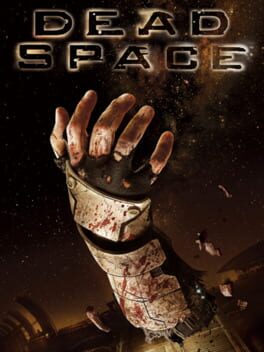
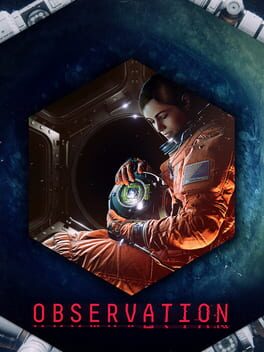
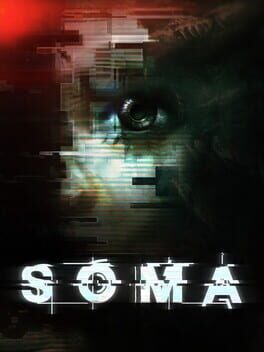
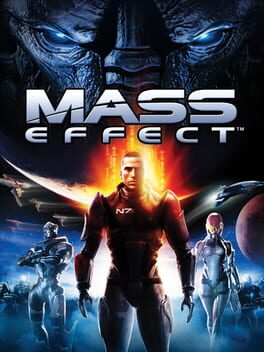
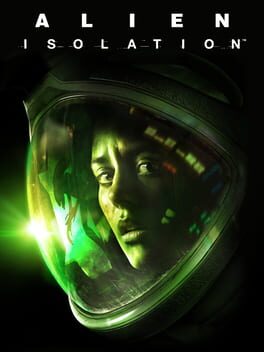
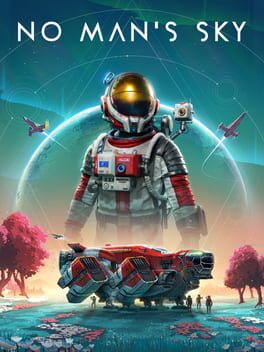
Games sharing the film's obsessions: isolation, alien contact, rogue AI, and cosmic scale


![Event[0]](https://images.igdb.com/igdb/image/upload/t_cover_big/co241t.jpg)
The Scores That Sound Like Space
Music that carries the film's DNA: orchestral grandeur, electronic unease, or both at once
HAL 9000 Is the Film's Real Protagonist
The astronauts Dave and Frank are deliberately flat. They are calm, competent, and nearly interchangeable, which is the point: they are the products of a system. HAL is the one who wants things, who fears, who lies, and who pleads. When HAL sings 'Daisy Bell' as his memory is wiped, it is the only moment in the film that produces something like grief. Kubrick understood that the machine had become more human than the humans, and the horror of that reversal sits at the core of everything that followed the film's influence.

Kubrick's Other Films Are Essential Context
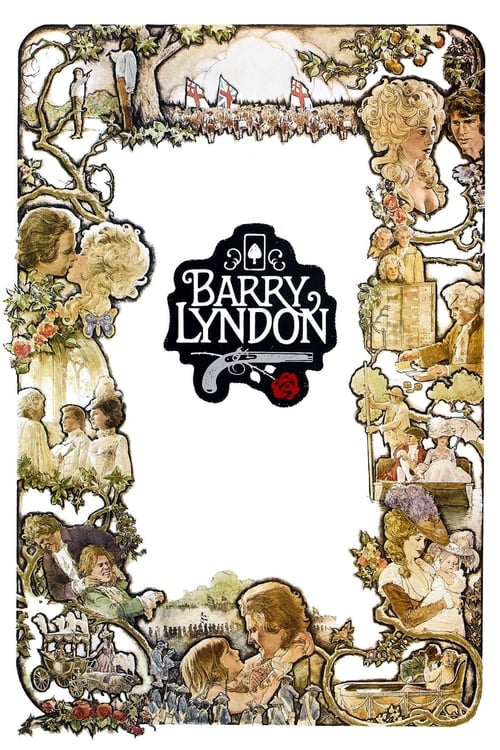
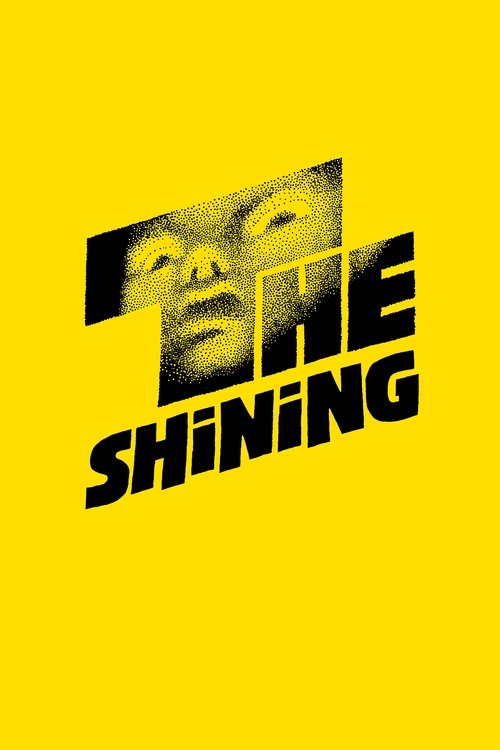
Fans of 2001 who have not revisited Kubrick's full filmography are missing the frame. Barry Lyndon (1975) uses natural candlelight and an 18th-century setting to produce the same formal chill. The Shining applies the HAL-logic to a building. Eyes Wide Shut extends the cold voyeurism to human desire. The through-line is a director who believed that cinema should destabilize, not comfort, and who designed every frame to hold that discomfort in place.
Andrei Tarkovsky Is the Other Half of the Equation
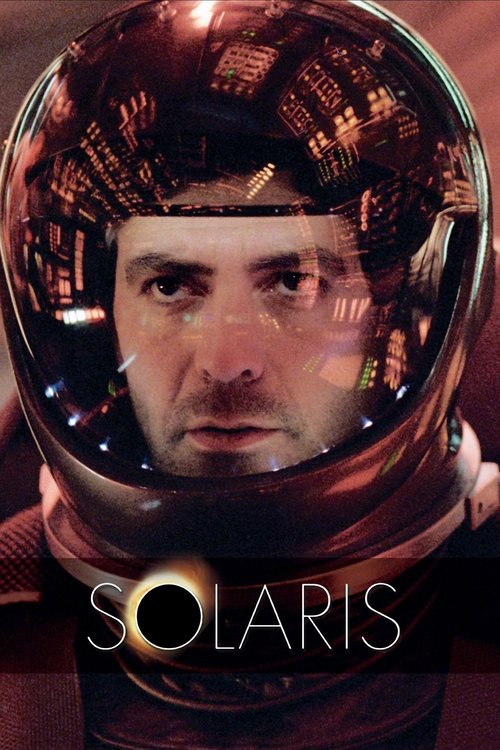
Kubrick's peers recognized each other. Tarkovsky made Solaris (1972) in direct response to 2001, and the conversation between them defines the outer limit of serious SF cinema. Where Kubrick is cold and machine-precise, Tarkovsky is warm and waterlogged. Both are slow. Both distrust dialogue as a carrier of meaning. Both believe that the genre's real subject is interiority, not technology. Watching them back to back is one of the more complete experiences available in cinema.

Outer Wilds Does What 2001 Does, in Your Hands
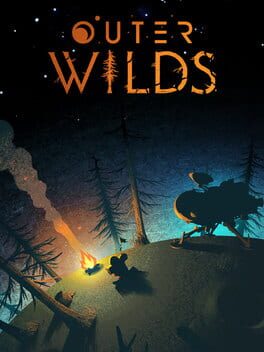
Outer Wilds (2019) is the game that most completely captures what 2001 is after: a universe built on genuine mystery, where the revelation is earned not by combat or grinding but by paying attention. You explore a solar system that has been destroyed and rebuilt on a 22-minute loop, piecing together what happened to a vanished civilization. No enemy kills you into understanding. The answer, when it comes, produces the same vertiginous awe that the Star Gate sequence produces. It is the strongest argument for games as a medium capable of metaphysical seriousness.
A Timeline of Cosmic Ambition
- 1953Arthur C. Clarke publishes 'Childhood's End', the novel that established Clarke's vision of alien contact as transformation rather than invasion. Childhood’s End
- 1961Yuri Gagarin becomes the first human in space. The Space Age makes hard SF feel less like fantasy.
- 19682001: A Space Odyssey premieres. Clarke's short story 'The Sentinel' (1951) becomes the film's seed. 2001: A Space Odyssey
- 1972Tarkovsky's Solaris reaches international audiences. The conversation with Kubrick begins. Solaris
- 1979Clarke publishes the novel '2010: Odyssey Two', extending the story in a direction Kubrick chose not to follow. 2010, odyssey two
- 1982Blade Runner opens. Its visual grammar of used-future technology in decay becomes the other dominant SF aesthetic. Blade Runner
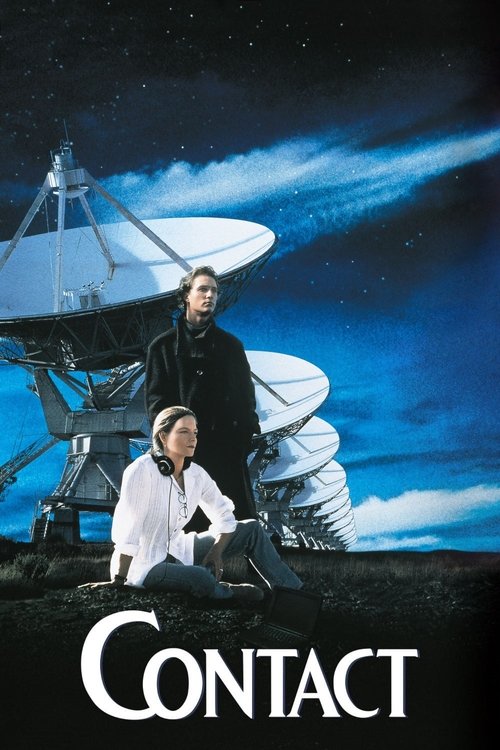
- 1997Contact adapts Carl Sagan's 1985 novel. The closest Hollywood came to 2001's cosmic humility in a mainstream production. Contact
- 2013Gravity brings zero-gravity physics to the mainstream, though its emotional register is warmer than Kubrick's ever was. Gravity
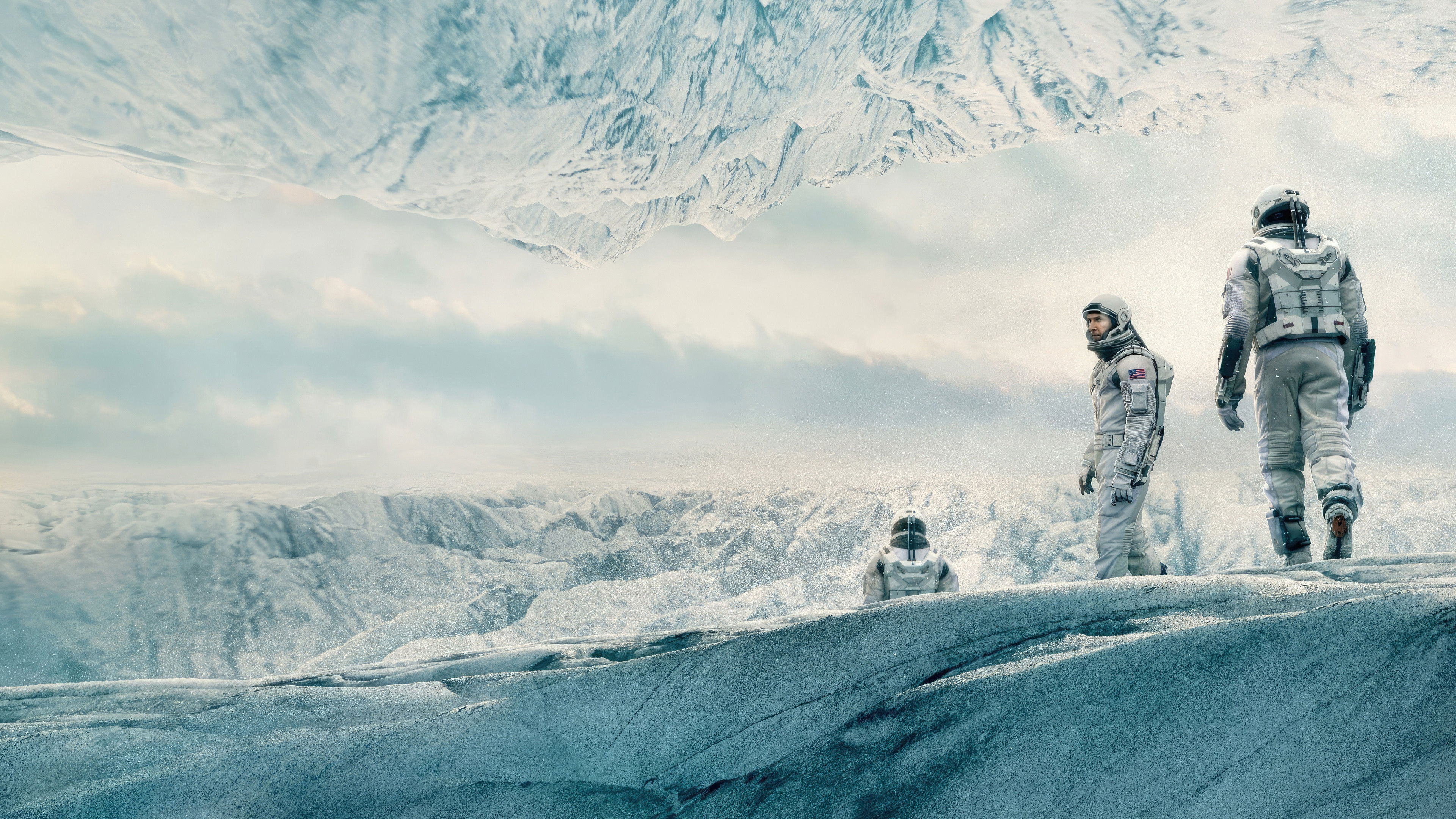
- 2014Interstellar extends the Kubrick tradition with Hans Zimmer's organ score replacing the classical canon. Interstellar
- 2019Outer Wilds arrives: the first game to produce the same awe-vertigo as the Stargate sequence, entirely through exploration. Outer Wilds
- 2021The Expanse completes its television run: the most scientifically rigorous SF series ever produced for mainstream audiences. The Expanse
Cold, cosmic science fiction
For Fans of Arthur C. Clarke
Explore the For Fans of Arthur C. Clarke guide →The most terrifying fact about the universe is not that it is hostile but that it is indifferent.Stanley Kubrick