
The Prophet of the Possible
Arthur C. Clarke spent his career doing something most fiction writers never attempt: taking the actual physics of the cosmos seriously and following it wherever it led. The result was a body of work unlike any other in science fiction. His novels moved at the pace of geology and deep time. His characters were often dwarfed by the forces around them, not diminished by that fact but clarified by it. Clarke believed, with something close to religious conviction, that the universe was worth paying attention to on its own terms.
What a Clarke fan loves is specific. It is not the action of space opera or the psychology of literary fiction. It is the sensation of scale: a civilisation realising it is not alone, a mind encountering something so far beyond it that the encounter itself becomes the story. Childhood's End is barely about its human characters. Rendezvous with Rama is a novel about walking through a building and being astonished by it. The City and the Stars is a meditation on what a billion years of history does to human ambition.
Clarke was also a working scientist, a former RAF radar instructor and co-inventor of the geostationary communications satellite concept. His fiction carried that background as a kind of pressure: the sense that the speculation was grounded, that the orbital mechanics were right, that the numbers had been checked. That combination of rigour and wonder is the through-line every fan recognises. Once you have read Clarke, you know exactly what you are looking for in everything else you pick up.
Essential Arthur C. Clarke
The novels that define the canon, from breakthrough debut to late masterwork.


Clarke on Screen
Films and series that adapted or channelled his work directly.
If You Love Clarke's Hard Science Fiction
Authors who share his commitment to rigour, scale, and ideas that earn their keep.




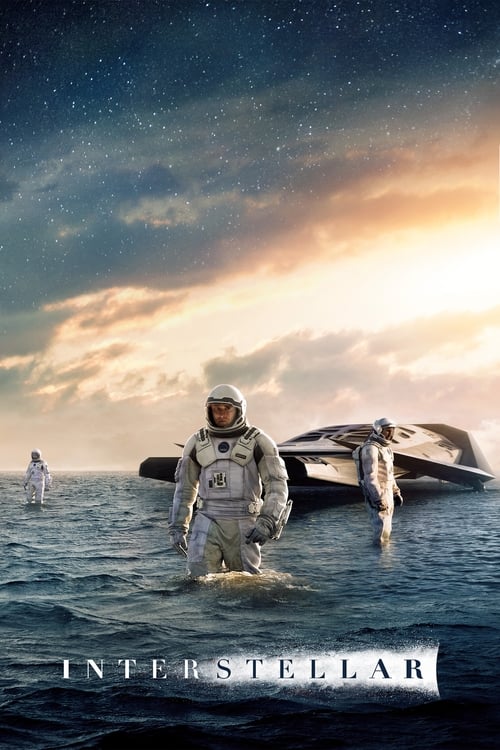
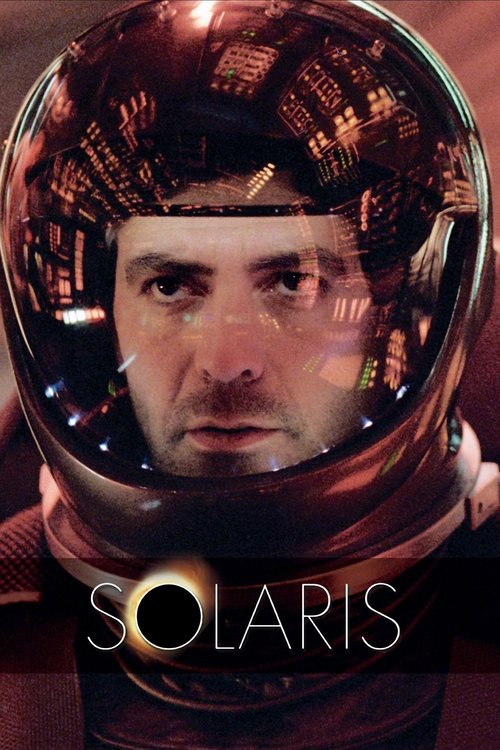
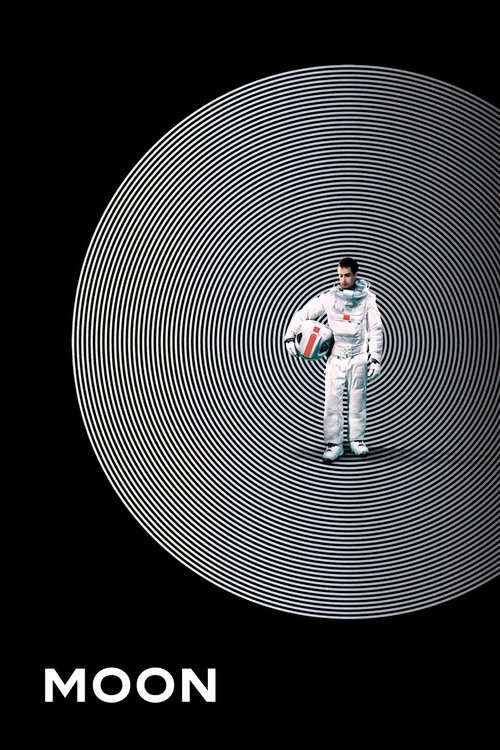
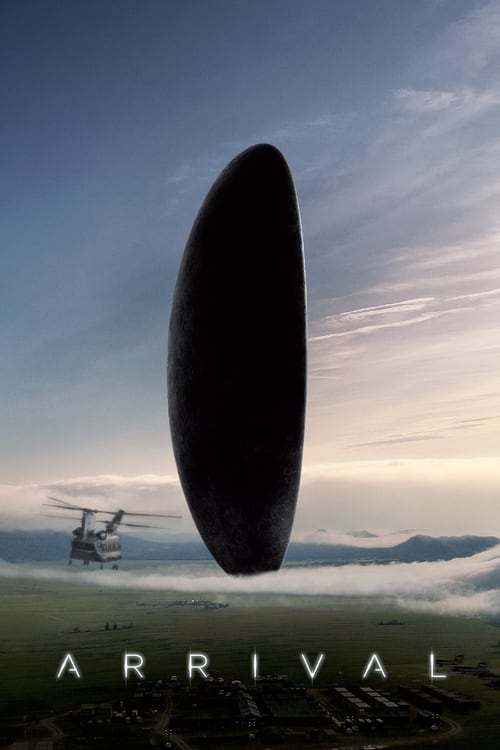
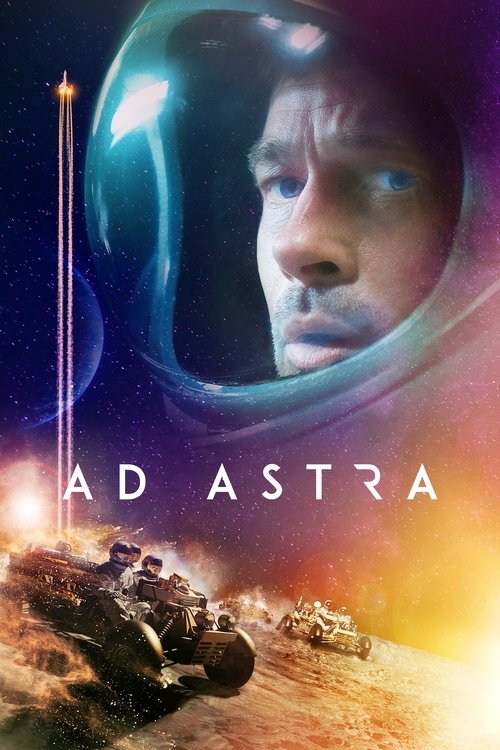
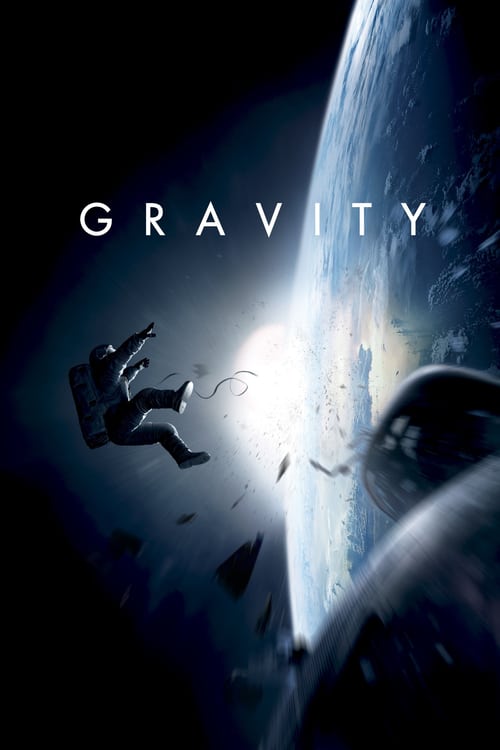
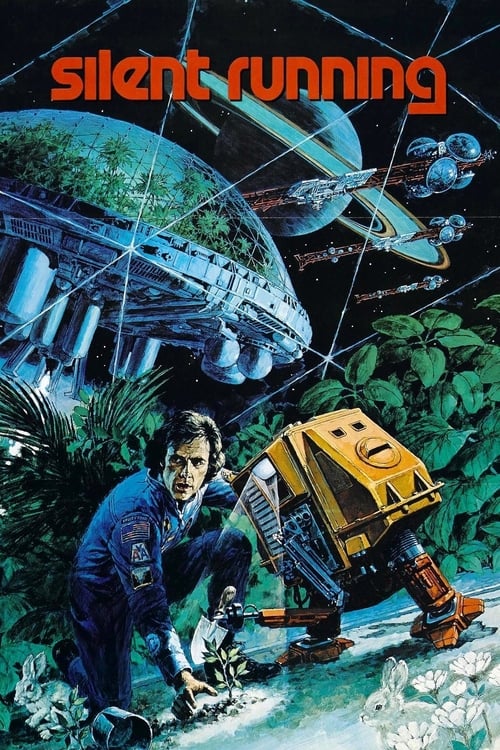
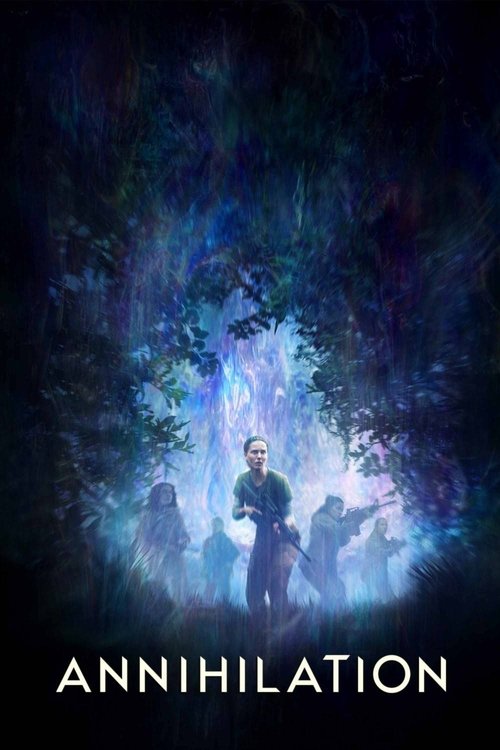
Cerebral Space Cinema
Films that prioritise awe and ideas over spectacle, made in the spirit Clarke mapped out.



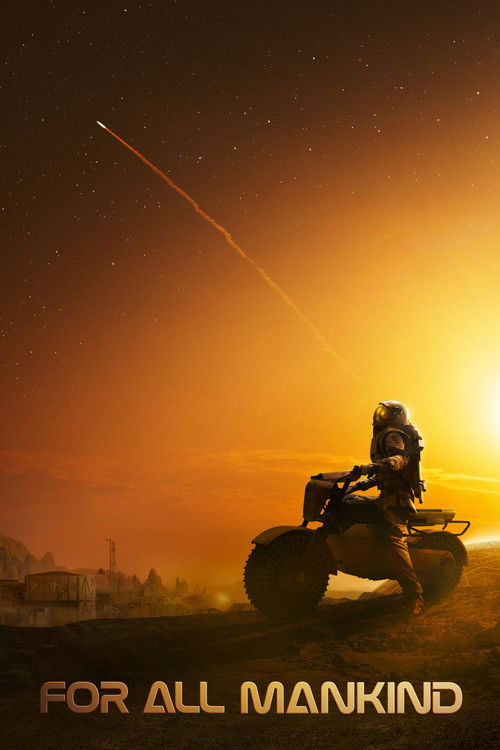
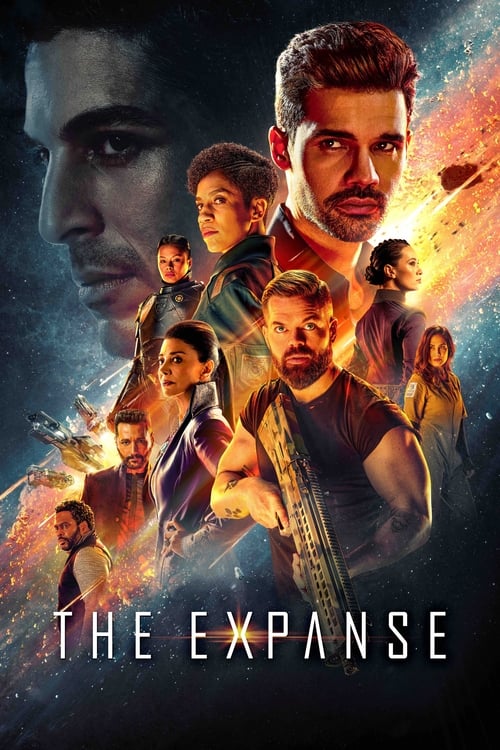
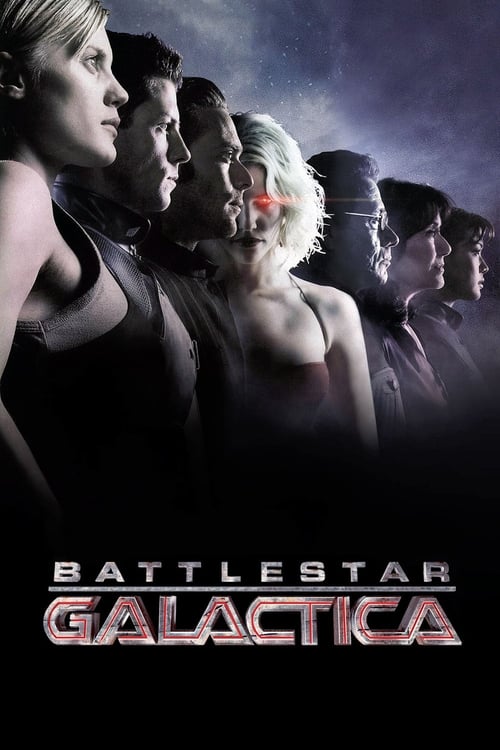
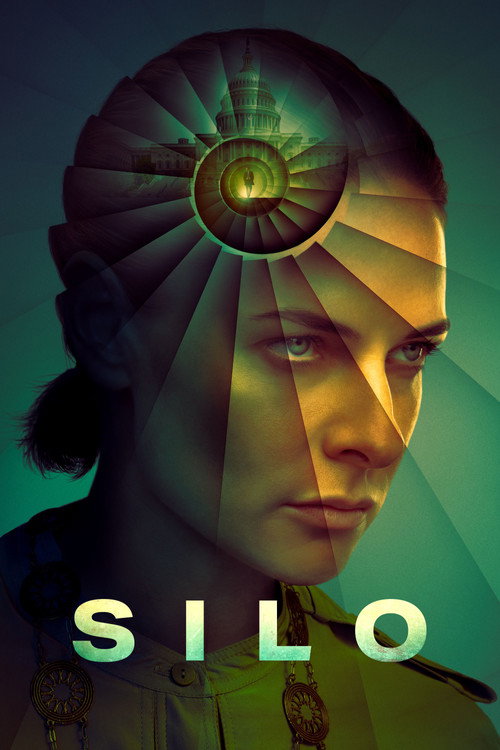
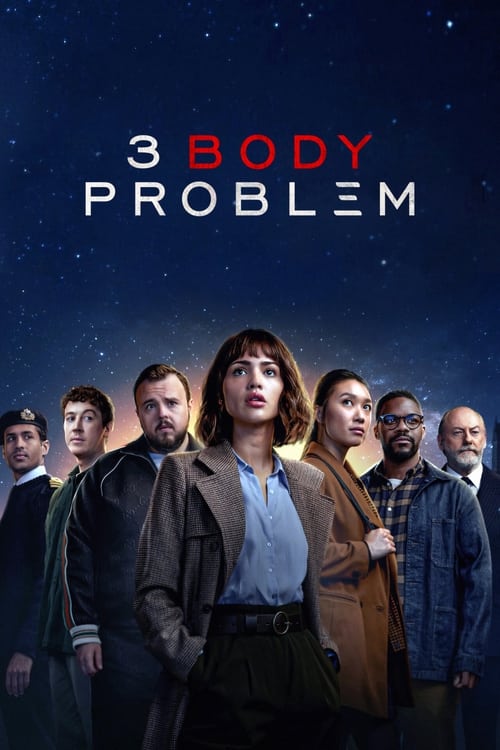
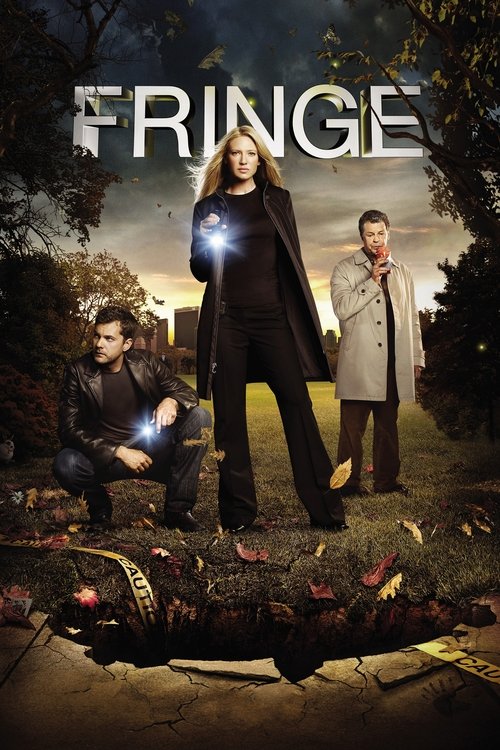
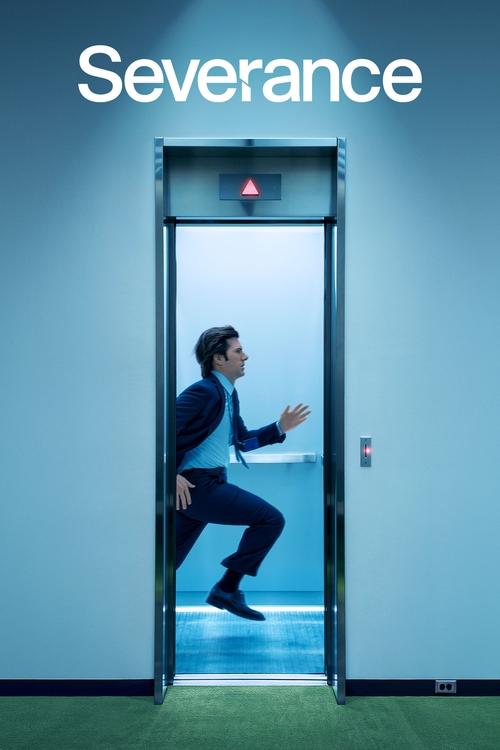
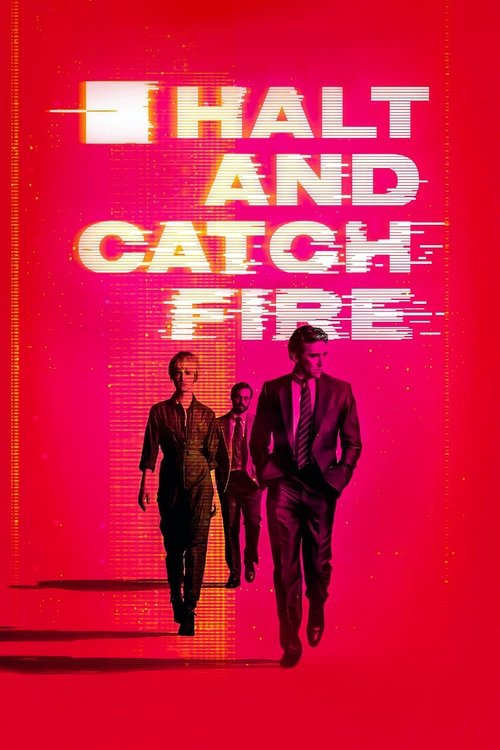
Thoughtful Sci-Fi on Television
Series willing to take the long view and let ideas breathe across episodes.


Awe-and-Scale Sci-Fi Games
Games that replicate the Clarke sensation: the universe as a vast, mostly silent thing you are very small inside.
![Event[0]](https://images.igdb.com/igdb/image/upload/t_cover_big/co241t.jpg)
Rendezvous with Rama is the purest expression of Clarke's genius
Rendezvous with Rama has almost no plot in the conventional sense. A crew boards a mysterious object passing through the solar system, walks around inside it, and leaves. Nothing is explained. The object departs. That is the entire book, and it is one of the most gripping things Clarke ever wrote. The genius is in the restraint: Clarke understood that the alien should remain alien, and that mystery does not need a resolution to be satisfying. Every subsequent science fiction story about first contact has to answer the question Rama chose to leave open.
Kubrick's 2001 is not an adaptation, it is a collaboration that surpassed the source
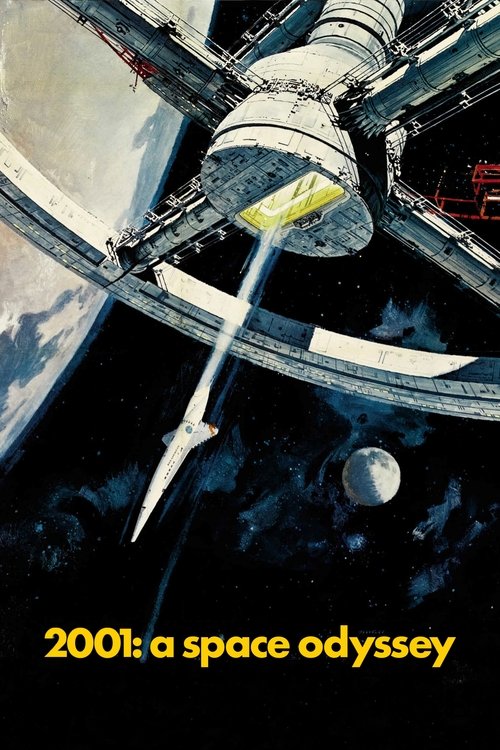
Clarke and Kubrick developed 2001: A Space Odyssey simultaneously, the novel and film growing alongside each other. The result is that neither is simply a version of the other. Kubrick stripped the explanatory narration and let the images carry metaphysical weight that prose could not. Clarke's novel explains more and is in some ways easier to follow. Together they form a stereo picture of the same idea that neither could have made alone. The film aged into one of cinema's half-dozen greatest works. The novel became science fiction's most celebrated tie-in.
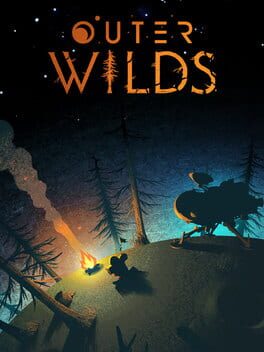
Outer Wilds is the closest a video game has come to the Clarke experience
Outer Wilds is a game about archaeology and physics and paying close attention to a solar system that doesn't care whether you survive. You piece together what happened to a civilisation that reached for something just beyond their grasp, and the discovery is delivered not through cutscenes but through your own willingness to go look. That structure, the patient excavation of a cosmos full of implications, is exactly what Clarke was doing on the page. The game has no combat and no difficulty curve. It has only a question and, eventually, an answer.
Childhood's End remains the most unsettling optimism in all of science fiction
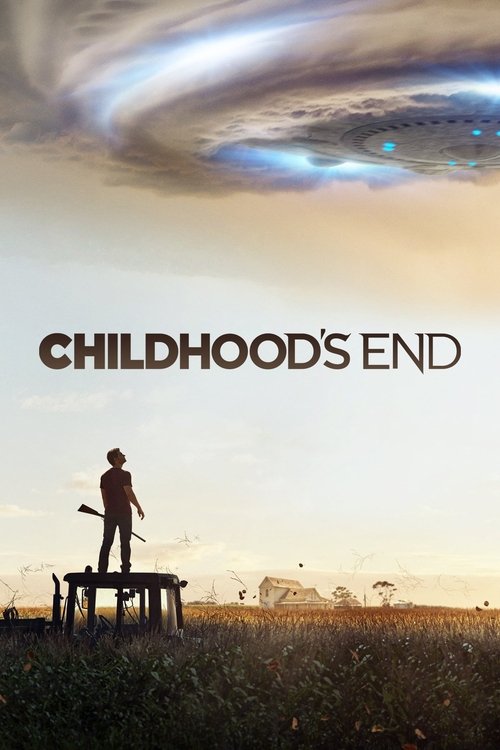
Childhood's End ends in a way that is triumphant, devastating, and unlike anything else in the genre. Clarke presents the transcendence of the human species as simultaneously the best and worst thing that could happen to us. The Overlords who usher it in are sympathetic, melancholy, and trapped in their own cosmic limitation. No one who reads the novel finishes it feeling simple about what they have read. It is optimistic in structure and elegiac in feeling, and that tension has never been fully resolved or imitated.
Clarke: Key Moments
- 1945Proposes geostationary orbit concept for global communications satellites in Wireless World
- 1948Publishes The Sentinel, the short story that becomes the seed of 2001
- 1953Childhood's End published, establishing Clarke as a major voice in science fiction Childhood’s End
- 1956The City and the Stars published, expanding his earlier novel Against the Fall of Night
- 19682001: A Space Odyssey released simultaneously as novel and Kubrick film 2001: A Space Odyssey
- 1973Rendezvous with Rama wins the Hugo, Nebula, and Campbell awards Rendezvous with Rama
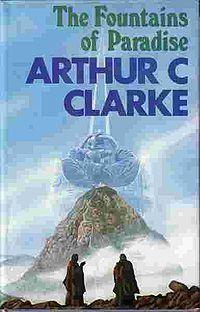
- 1979The Fountains of Paradise wins Hugo and Nebula; Clarke relocates permanently to Sri Lanka The Fountains of Paradise
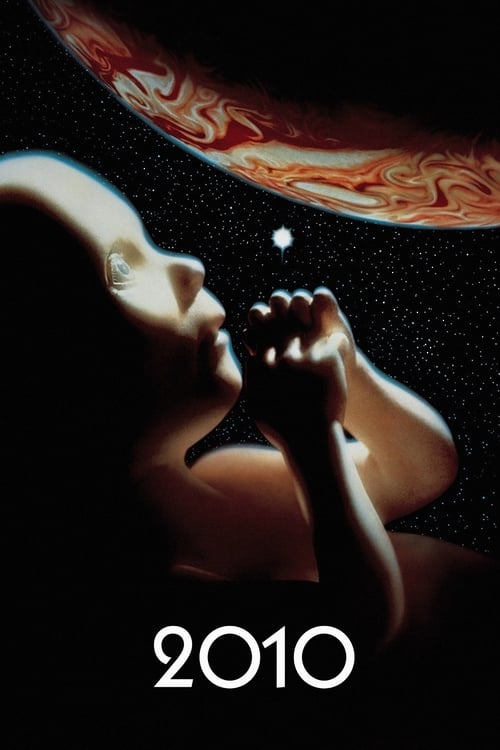
- 19842010: The Year We Make Contact released as Peter Hyams film 2010
- 1986Awarded the Marconi Prize for contributions to communications technology
- 2008Clarke dies in Colombo, Sri Lanka, aged 90
Hard science, cosmic scale
For Fans of 2001: A Space Odyssey
Explore the For Fans of 2001: A Space Odyssey guide →Any sufficiently advanced technology is indistinguishable from magic.Arthur C. Clarke, Profiles of the Future (1962)