

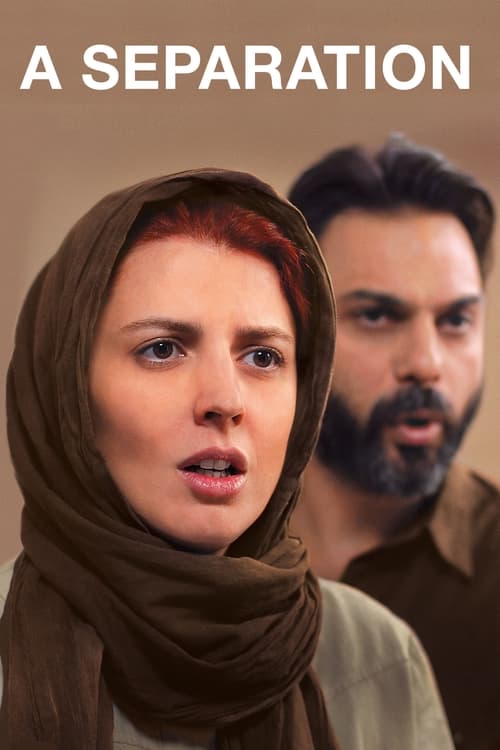
What Asghar Farhadi achieves in A Separation is rare: a domestic argument that becomes a legal case that becomes a moral reckoning, and at every turn the audience cannot say with certainty who is right. A husband and wife disagree about emigrating. A caregiver is accused of causing a miscarriage. Lies accumulate not from malice but from fear and pride. The film trusts viewers to hold competing sympathies without resolution, and that trust is the thing fans chase: drama without villains, stakes that are real because they are small, and a verdict the film refuses to deliver. The works below share that quality. They put ordinary people under pressure and let the pressure reveal them.
Essential A Separation
Farhadi's own films, where domestic life becomes a high-stakes moral arena





Films with the Same Moral Weight
Dramas where truth is contested and no side holds all of it










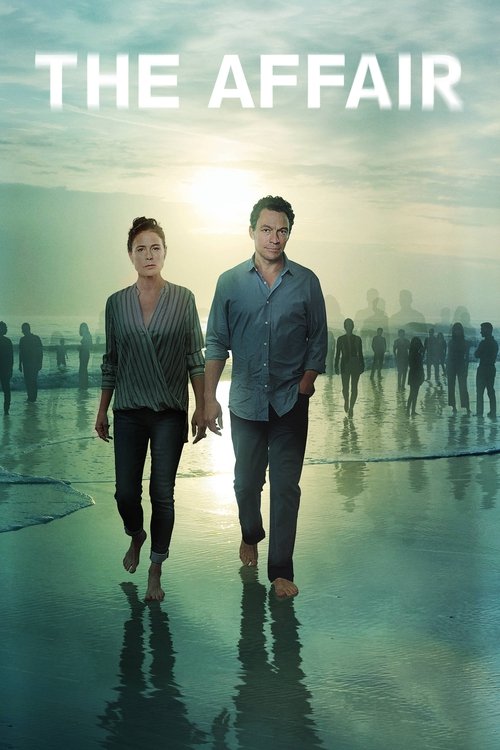
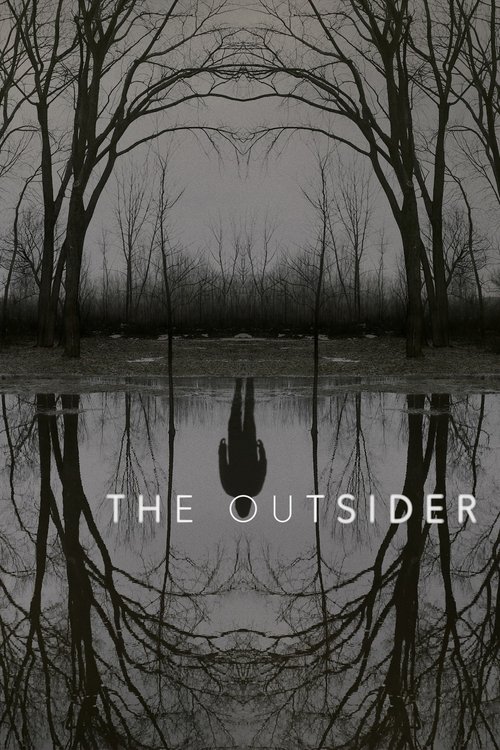
TV Series Where Domestic Stakes Cut Deep
Limited and ongoing series that live inside family fracture and its aftermath







Games About Choice Under Pressure
Games where moral decisions have real, compounding weight





Music and Scores That Carry Tension Without Relief
The sonic register of unresolved pressure

The Absence of a Verdict Is the Point
Farhadi builds his films like legal proceedings: evidence, cross-examination, credibility. But unlike a court, he never delivers a judgment. A Separation ends without telling us whether Razieh was pushed. That withheld answer is not a failure of nerve; it is the entire argument. The film is asking what it costs to reduce a human situation to a binary verdict, and whether any court, or any viewer, can honestly do it. Films like 4 Months 3 Weeks and 2 Days and Force Majeure operate the same way, leaving the moral accounting to the audience.
Iran on Screen: More Than a Political Setting
Western viewers sometimes receive A Separation as a film about Iran. Farhadi has consistently pushed back on that reading. The bureaucracy, the class tension between the couple and the housekeeper, the gap between what people say and what they mean: these are human, not national. The Iranian setting gives the film specificity (the court procedure, the religious oath, the emigration permit), but what it dramatizes is how families unravel under financial and social pressure everywhere. Tehran is the backdrop. The subject is the family.
Class Is the Silent Third Party
The conflict in A Separation is presented as a dispute between Nader and Razieh, but it is also a collision between economic classes. Nader and Simin are educated professionals; Razieh and Hodjat are working poor. The legal system is the arena where that difference becomes decisive. Razieh cannot afford to lose the case. Nader cannot afford to admit fault. Hodjat's rage is partly the rage of a man who knows the system is not neutral. This is the same pressure that animates Capernaum, Maid, and the best of Ken Loach: systems that are formally fair and practically punishing to those without resources.

Games That Take Bureaucracy Seriously
Papers Please is the most direct translation of A Separation's sensibility into a game: you are a border inspector applying rules that are clear in theory and devastating in practice. Every stamp is a moral decision. Suzerain puts you in the role of a president making policy choices that ripple into family and corruption. Disco Elysium wraps its interrogation-style moral ambiguity in a detective framework. These are games for viewers who left A Separation wanting to sit inside the system, not just watch it.
Farhadi's Career and the Films Around It
- 2003Farhadi's debut feature
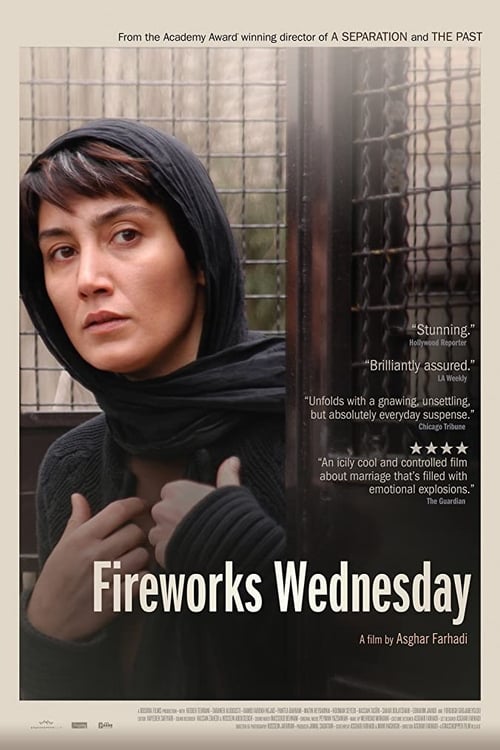
- 2006Farhadi builds toward his style Fireworks Wednesday
- 2009International breakthrough About Elly
- 2011A Separation released; wins Berlin Golden Bear and Oscar for Best Foreign Language Film A Separation
- 2011Same year: another taut domestic drama from Eastern Europe 4 Months, 3 Weeks and 2 Days
- 2013Farhadi's French-language film The Past
- 2015Force Majeure: Swedish counterpart in moral collapse Force Majeure
- 2016Farhadi returns to Iran The Salesman
- 2018Farhadi shoots in Spain Everybody Knows
- 2021A Hero: another contested truth in Iran A Hero
- 2022Scenes from a Marriage remake brings the domestic collapse to TV Scenes from a Marriage
Iranian cinema and impossible moral choices
Iranian Cinema: The Art of the Workaround
Explore the Iranian Cinema: The Art of the Workaround guide →Farhadi never lets you settle into a side. The moment you think you understand who is right, the film shifts the ground under your feet. That instability is not a trick. It is the film's subject: the impossibility of clean judgment between people who each have a reason.CrossBinge editors