

A cinema that learned to whisper
Iranian cinema is the rare national film culture whose defining trait was imposed from outside and then transmuted into an aesthetic. After the 1979 revolution, the state clamped down on what could be shown: no physical contact between unrelated men and women, no overt politics, strict rules on how women appear on screen. Most national cinemas would have suffocated. Iran's did the opposite. Filmmakers pushed the drama off-screen, into glances, into what a character does not say, into a child sent to do an adult's emotional work. The result is one of the most quietly radical bodies of work in world film.
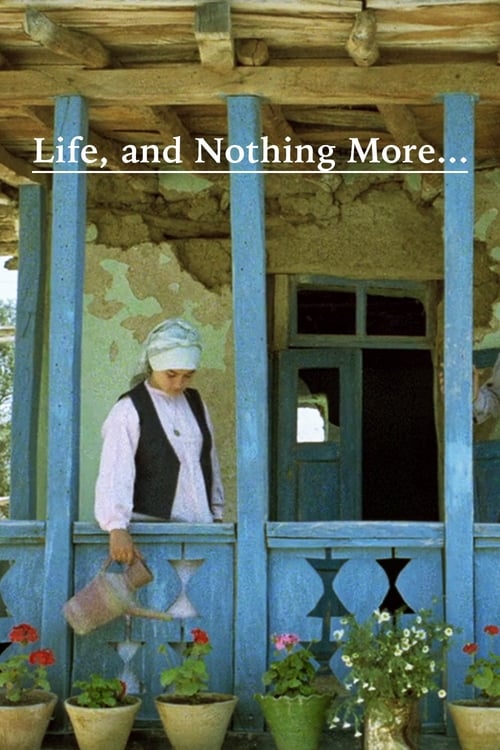
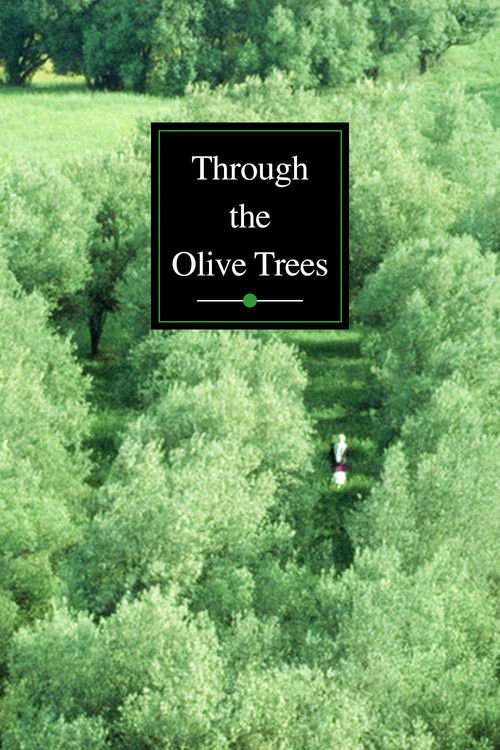
The roots predate the revolution. The Iranian New Wave began in the late 1960s with Dariush Mehrjui's The Cow (1969), a bleak village parable, and Masoud Kimiai's tough urban melodrama Qeysar. But the movement that conquered the festival circuit crystallized in the late 1980s and 1990s around Abbas Kiarostami, whose deceptively plain films about roads, children, and the line between fiction and reality made him, for many critics, the most important filmmaker of his generation anywhere.
What unites the canon is a refusal of spectacle and a deep humanism. These are films about ordinary people in ordinary trouble: a boy who must return a notebook, a worker who lies to keep his job, a couple coming apart in a Tehran apartment. The stakes feel enormous precisely because the surfaces are so calm.
Kiarostami: the master of the everyday
The director who made dirt roads and children's errands into metaphysics


The festival breakthrough and the women who pushed back
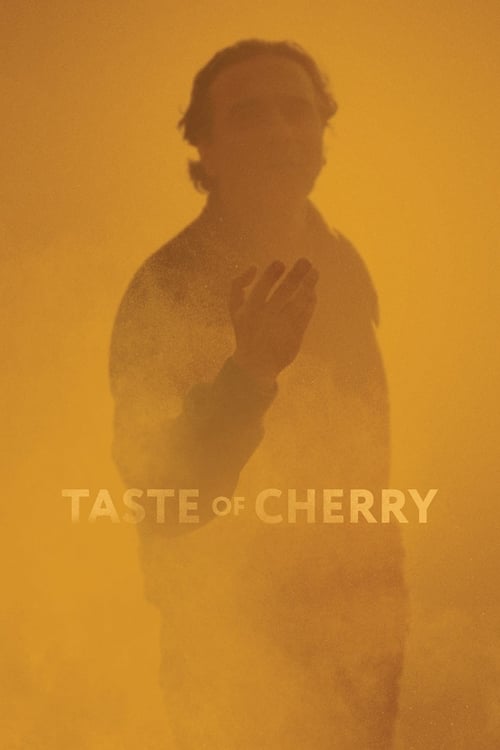
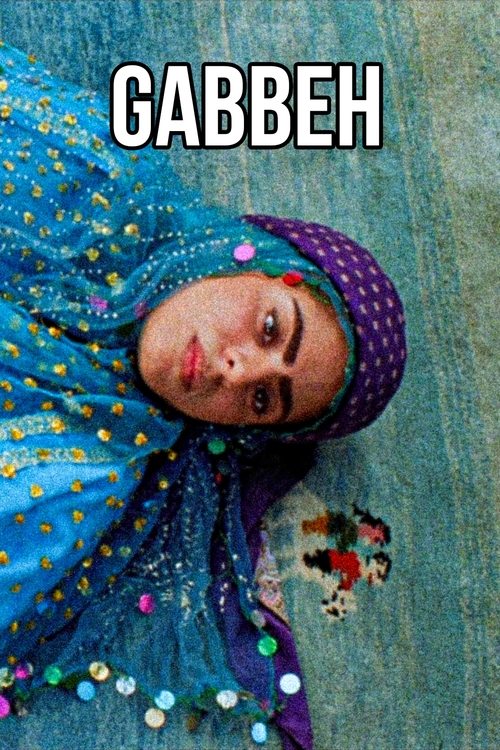
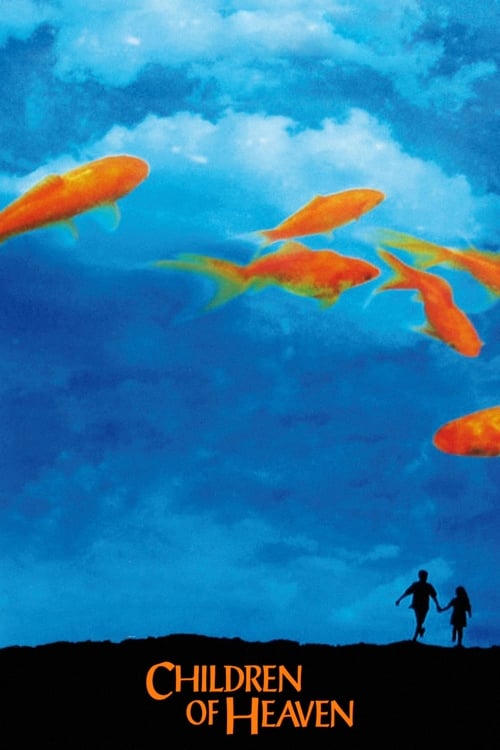
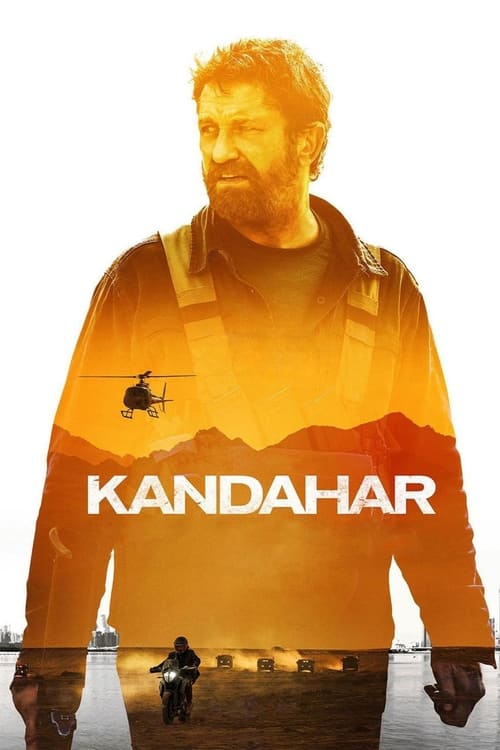
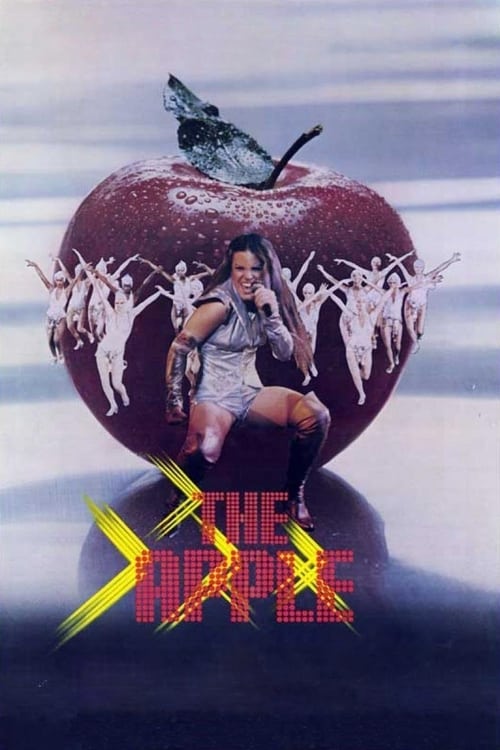
Taste of Cherry shared the Palme d'Or at Cannes in 1997, the moment Iranian cinema arrived as a world power rather than a curiosity. Around Kiarostami grew a constellation of distinct voices. Mohsen Makhmalbaf moved from revolutionary firebrand to lyrical humanist with Gabbeh and Kandahar, and seeded a filmmaking dynasty: his daughter Samira directed The Apple and Blackboards while still very young. Majid Majidi made the most internationally beloved children's films, above all Children of Heaven, the first Iranian feature nominated for the Academy Award.
The other essential strand is the cinema of women's lives made under exactly the constraints meant to silence them. Jafar Panahi, a Kiarostami protege, turned the camera on a girl who wants a goldfish in The White Balloon, then on the women barred from a soccer stadium in Offside, then, after the state banned him from filmmaking, on his own confinement in This Is Not a Film and Taxi. Rakhshan Bani-Etemad chronicled the working-class poor; Tahmineh Milani took on gender politics head-on. The constraint did not produce timidity. It produced ingenuity.
The New Wave masters
Makhmalbaf, Majidi, Mehrjui, Panahi and the wider movement
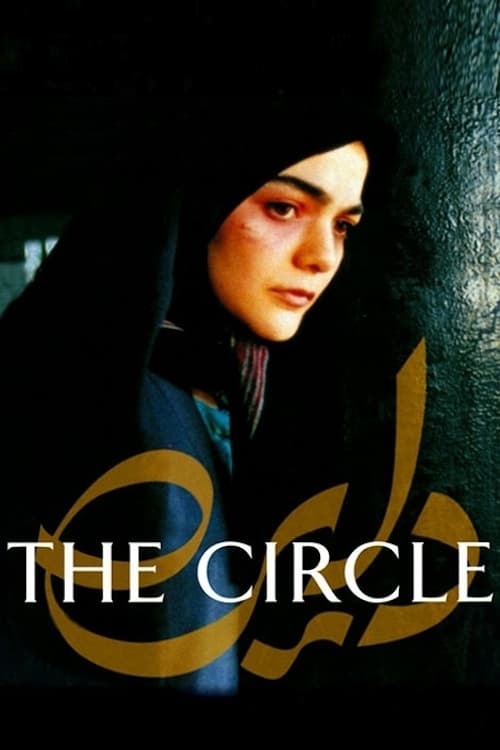
The censors meant to muzzle these filmmakers. Instead they handed them a grammar: the unsaid line, the off-screen blow, the child's face standing in for the adult who is not allowed to weep on camera.CrossBinge editors
Farhadi and the new moral thriller
The generation that made Iranian drama a global box-office and Oscar force

Farhadi, exile, and the cinema of moral traps
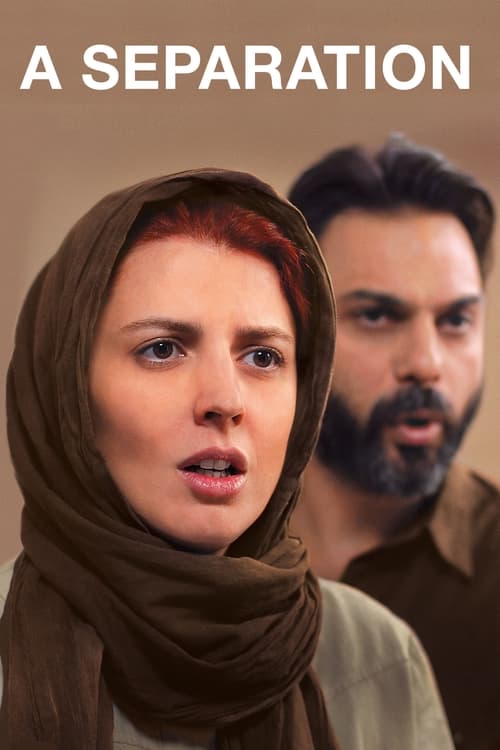
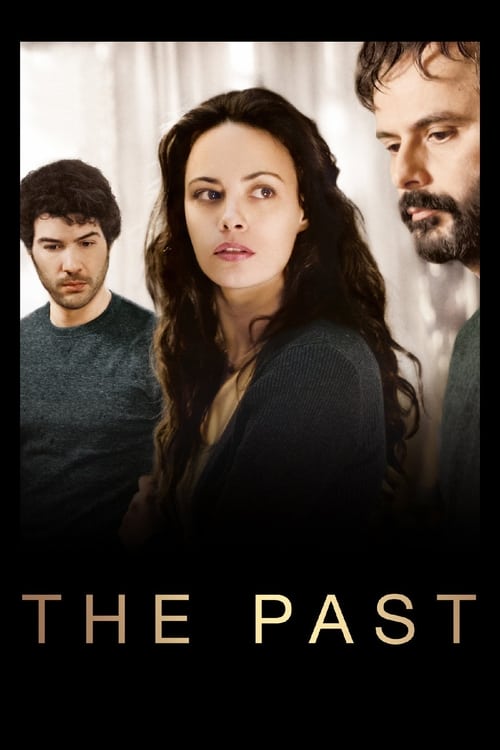
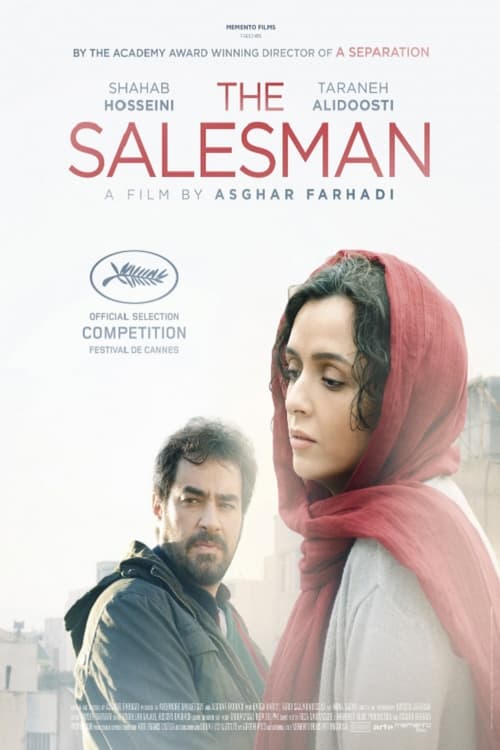
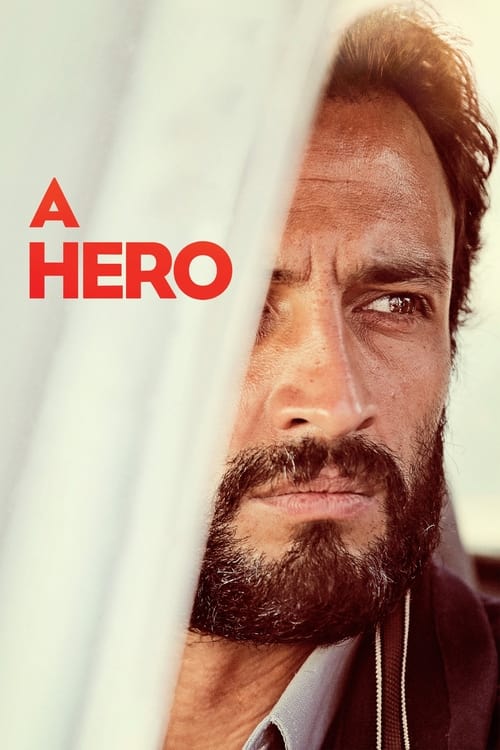
Asghar Farhadi changed the register again. Where the New Wave was contemplative, Farhadi builds tight, Ibsen-like moral thrillers in which decent people lie, and the lies metastasize. A Separation won the Academy Award for Best Foreign Language Film in 2012, the first ever for Iran, and The Salesman won it again in 2017. His films are courtroom dramas without courtrooms, where the verdict is left to you.
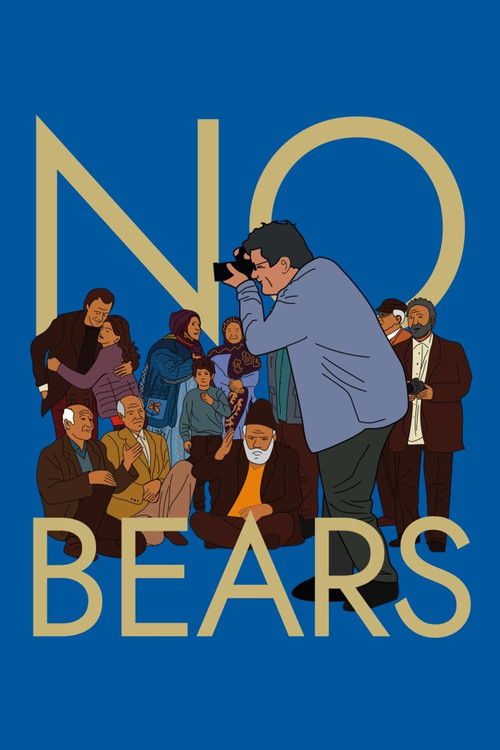
The most recent chapter is a cinema of defiance and exile. Jafar Panahi kept making films under a ban that should have made work impossible, smuggling This Is Not a Film to Cannes on a flash drive hidden in a cake. Mohammad Rasoulof shot There Is No Evil in secret and finished The Seed of the Sacred Fig after fleeing Iran. Saeed Roustaee brought a harder, more explosive social realism with Just 6.5 and Leila's Brothers. Even Ana Lily Amirpour, working in the diaspora, made a Persian-language film: the black-and-white vampire western A Girl Walks Home Alone at Night. The state keeps trying to shut this cinema down. It will not shut up.
Defiance and exile: the contemporary front
Films made under bans, in secret, or from outside the country

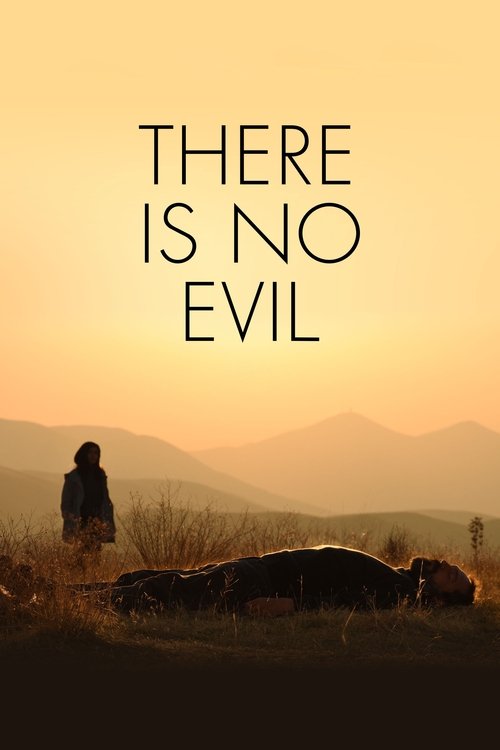

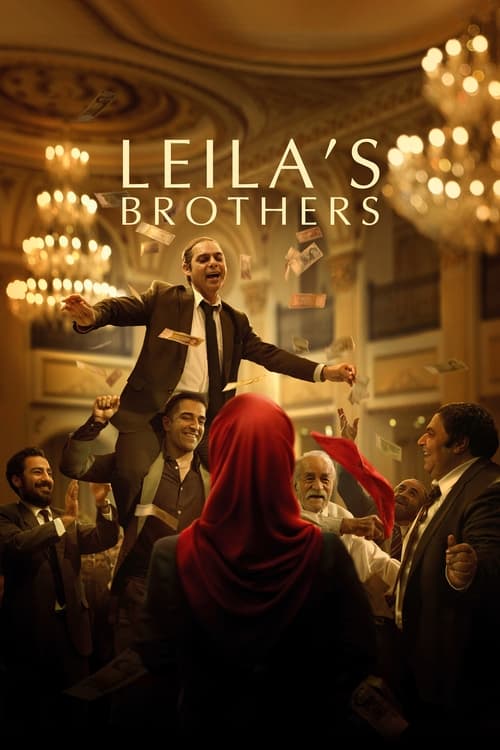

A chronology of Iranian film
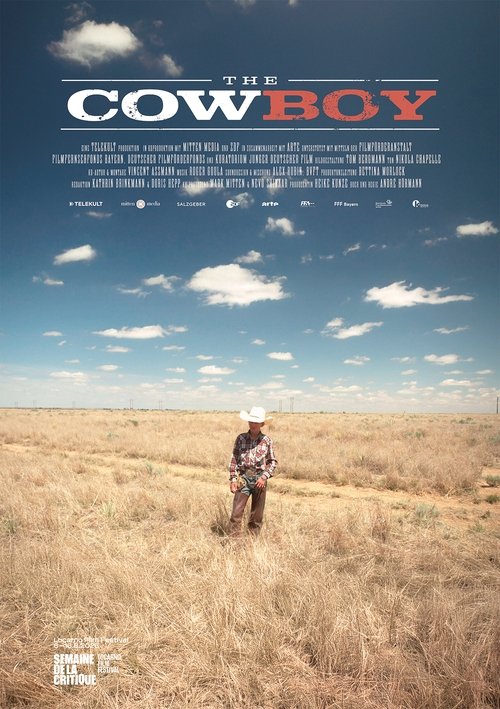
- 1969Dariush Mehrjui's village parable launches the Iranian New Wave The Cowboy
- 1979The revolution reshapes what cinema is allowed to show; many filmmakers leave or fall silent
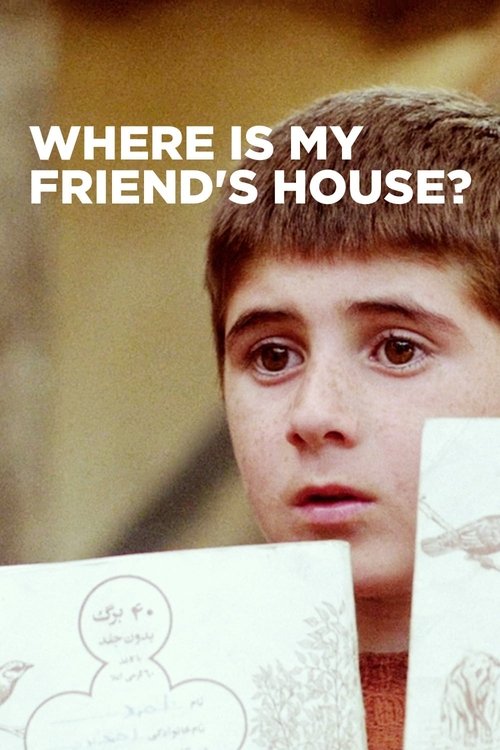
- 1987Kiarostami begins the Koker films with a child's quest to return a notebook Where Is The Friend's House?
- 1990Kiarostami blurs documentary and fiction in a film about a man impersonating a director Close-Up
- 1997Taste of Cherry shares the Palme d'Or; Children of Heaven earns Iran its first Oscar nomination Taste of Cherry
- 2000Samira Makhmalbaf and Bahman Ghobadi extend the New Wave to Kurdish and youth stories
- 2011Panahi releases a film made under a state filmmaking ban; Farhadi premieres A Separation A Separation
- 2012A Separation wins the Academy Award for Best Foreign Language Film, Iran's first
- 2016Farhadi wins a second Oscar for The Salesman The Salesman
- 2024Rasoulof finishes The Seed of the Sacred Fig in exile after fleeing Iran The Seed of the Sacred Fig
Beyond the screen: Persian voices in print and song
Iranian cinema does not exist in isolation. It draws on one of the world's oldest literary traditions and a living poetry culture that ordinary Iranians quote by heart. The classical canon runs from Ferdowsi's epic Shahnameh and the lyric verse of Hafez and Rumi to the modern, where Sadegh Hedayat's hallucinatory The Blind Owl is a foundational Persian novel of the twentieth century, and the poet Forough Farrokhzad (who also directed the landmark short film The House Is Black) reshaped what a woman could say in Persian. Contemporary diaspora writing, from Marjane Satrapi's graphic memoir Persepolis to Azar Nafisi's Reading Lolita in Tehran, carries the same preoccupations into the wider world.
Music is the other current. Persian classical and folk traditions feed the films directly, and figures like the late Mohammad-Reza Shajarian were national institutions whose voices accompanied a culture through decades of upheaval. The video game shelf is genuinely thin: Persian-language gaming is a small industry, and Prince of Persia, though it borrows the setting and mythos of this world, was made abroad. When in doubt, this is a cinema and a literature first.
Close-Up, not A Separation, is the Rosetta Stone of this cinema
A Separation is the obvious masterpiece, the one with the Oscar and the airtight script, and it deserves every prize it won. But if you want to understand what Iranian cinema actually is, start with Close-Up. Kiarostami took a real news story, a man who impersonated the director Mohsen Makhmalbaf to con a family, then restaged it with the actual people playing themselves, including the impostor and the real Makhmalbaf. It is documentary, fiction, trial, and confession at once, and it dissolves the line between watching and being watched. Every later achievement, Panahi filming his own house arrest, Farhadi turning living rooms into courtrooms, is downstream of that one impossible, generous film about a nobody who only wanted to make movies.