

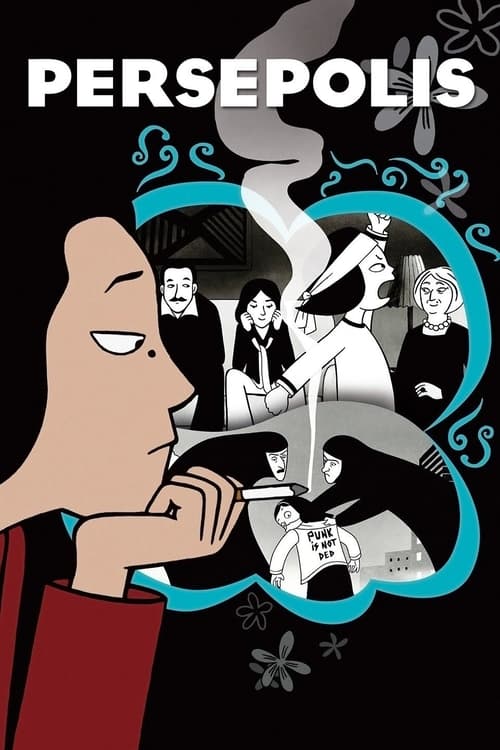
Persepolis arrived in 2000 as two slim French volumes and quietly changed what graphic novels could do. Marjane Satrapi drew her Tehran childhood in stark, woodcut-influenced black and white, charting the 1979 Islamic Revolution, the Iran-Iraq War, and her own messy adolescence in Vienna with the same unflinching eye. The through-line fans love: political upheaval rendered in intimate, funny, sometimes furious personal terms. Nothing is simplified. The regime is monstrous AND her family is complicated AND she is rebellious AND she is lost. That refusal to flatten experience is what makes readers seek out its companions across every medium.
Essential Persepolis
The original work and its closest kin from Satrapi herself


Graphic Memoirs That Tell It Straight
Personal stories drawn in ink, each carrying the weight of a bigger world




Films: Political Coming-of-Age
Movies about young people caught inside history they did not choose






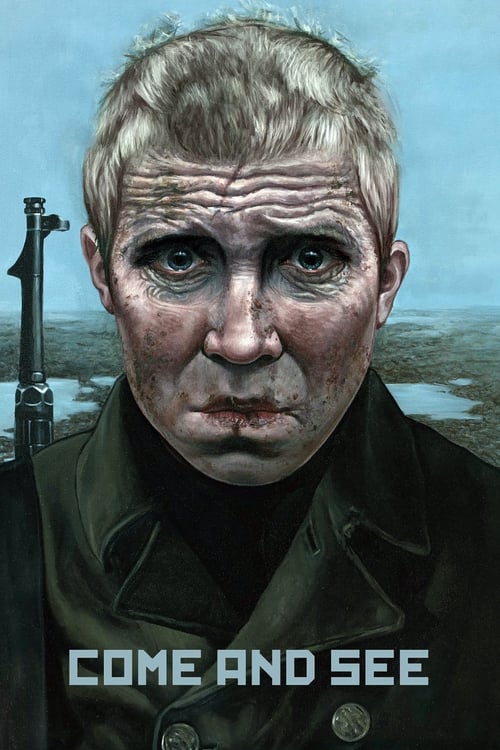
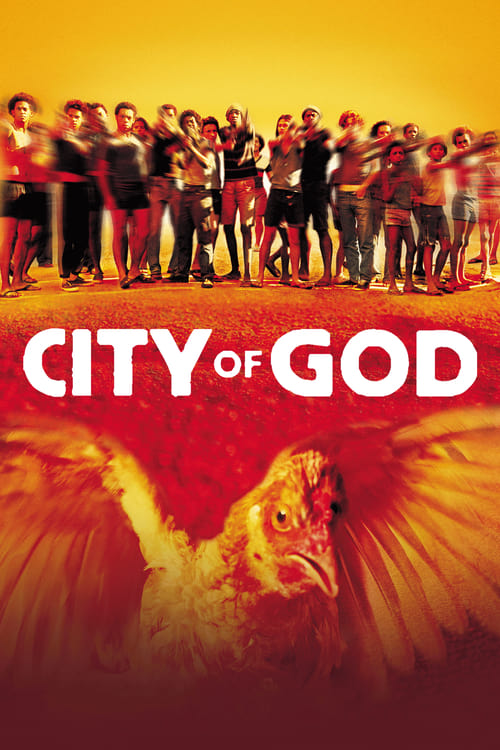
Series: Witness and Resistance
Television that shows life inside authoritarian pressure, from the personal outward








Books: Memoir, Exile, and Survival
Writers who put their own displacement on the page with the same honesty Satrapi did


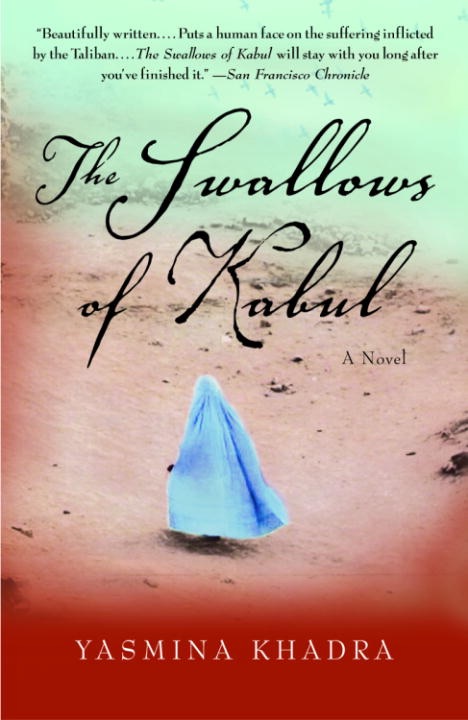
Games: Memory, Identity, and Moral Weight
Games that ask who you are under pressure and what survives upheaval

The Animated Film Is Not a Consolation Prize
The 2007 Persepolis film, co-directed by Satrapi and Vincent Paronnaud, keeps the graphic novel's black-and-white visual language and earns its Cannes Jury Prize. Where other memoir adaptations smooth out the source material's rough edges, this one sharpens them. The voice performances (Catherine Deneuve, Chiara Mastroianni) are understated precisely where the visuals are bold. It is one of the rare cases where adaptation and source feed each other.

Azar Nafisi Wrote the Companion You Did Not Know You Needed
Reading Lolita in Tehran (2003) is the obvious pairing: Iranian women, contraband Western literature, the Islamic Revolution as backdrop. But where Satrapi draws from the gut, Nafisi analyzes from the mind, placing Nabokov, Fitzgerald, and Austen beside her students' lives to show what fiction preserves when everything else is confiscated. Together the two books form something close to a full picture of what intellectual and personal life looked like in Tehran across the same decades.
Papers, Please Puts You Inside the Machine
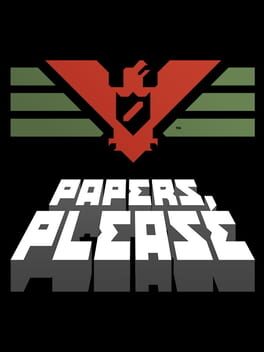
Persepolis describes what it feels like to live under a surveillance state from the inside, as a subject. Papers, Please (2013) makes you the bureaucrat stamping entry documents for a fictional Soviet-bloc country, and it is just as morally corrosive. The mundane interface is the point: you feel the weight of each rubber-stamp decision on a stranger's life. Fans who respond to Satrapi's account of ordinary complicity and resistance will find Lucas Pope's game doing something genuinely parallel.
Fun Home Changed What Memoir Comics Could Say
Alison Bechdel's Fun Home (2006) is the other graphic memoir that belongs in the same sentence as Persepolis. Where Satrapi confronts a revolution outside her window, Bechdel confronts her father's secret life and her own queerness in rural Pennsylvania. Both use comics form not as a simplification but as a precision tool: the gap between panel and panel is where the truth lives. Fun Home's 2015 musical adaptation is also worth your time, though the book is the anchor.
Persepolis in Context
- 1979Islamic Revolution in Iran; Satrapi is nine years old
- 1980Iran-Iraq War begins; runs until 1988
- 1984Satrapi sent to Vienna for her safety; the central rupture of Part 2
- 2000Persepolis Volume 1 published in France by L'Association Persepolis
- 2001Volume 2 published; English translations follow in 2003-2004
- 2003Reading Lolita in Tehran published, providing parallel witness
- 2006Fun Home by Alison Bechdel: graphic memoir reaches literary mainstream Home
- 2007Animated film released; Cannes Jury Prize; banned in Lebanon and Iran Persepolis
- 2013Papers, Please released: the bureaucratic surveillance-state experience as a game Papers, Please
Revolution, memory, graphic witness
For Fans of Maus
Explore the For Fans of Maus guide →A graphic memoir can do something prose alone cannot: it makes you see the narrator's face while she is lying to you, or laughing, or terrified. Satrapi understood this from the first page.CrossBinge editors