

The appeal of the murder mystery is almost embarrassingly simple: someone dies, someone did it, and someone clever enough will figure out who. What keeps the genre endlessly alive is everything packed around that skeleton. The sensation of being led through a maze of red herrings by a writer who is smarter than you, the social theatre of a drawing room full of people with secrets, the moment the detective assembles scattered fragments into a shape so obvious you can't believe you missed it. Fans of the form share a specific hunger: the pleasure of the fair puzzle, the well-placed clue, the reveal that reframes everything you thought you knew. From Agatha Christie's village greens to procedural crime dramas, from point-and-click adventure games to atmospheric psychological novels, the murder mystery is one of the most cross-media satisfying genres in existence.
Essential Murder Mystery
The classic works that define the form




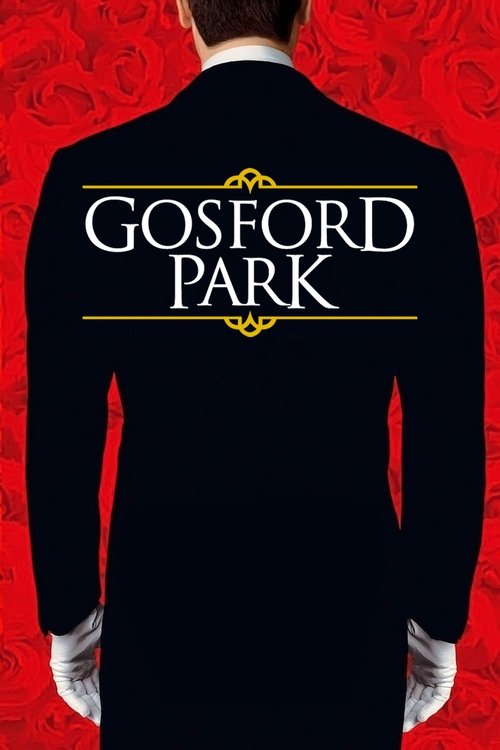
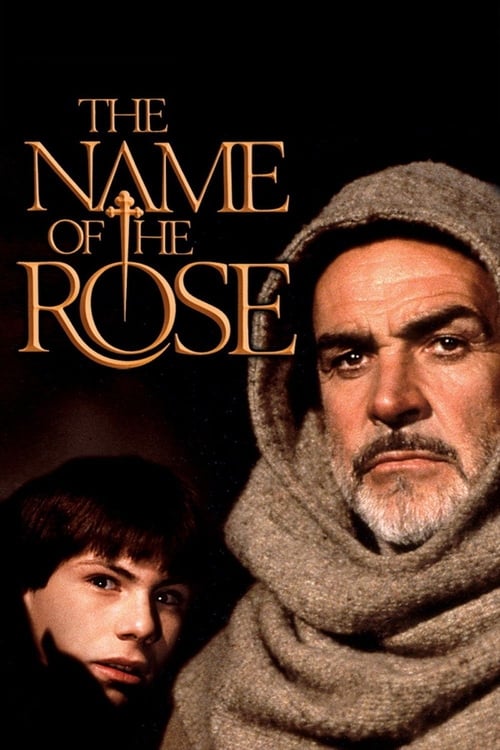
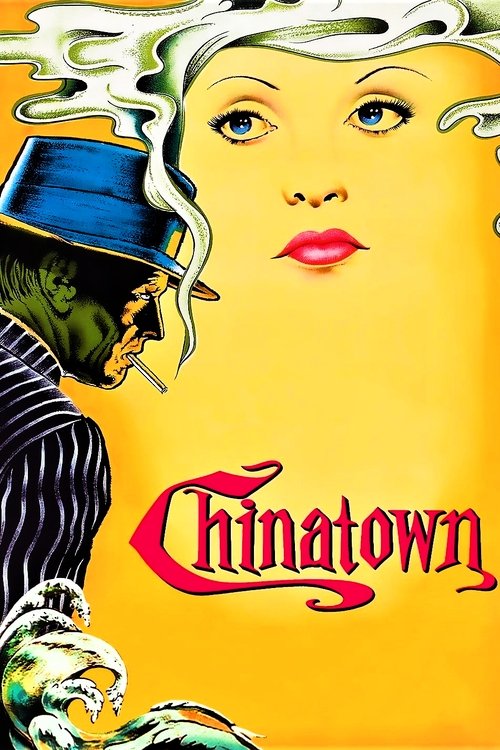
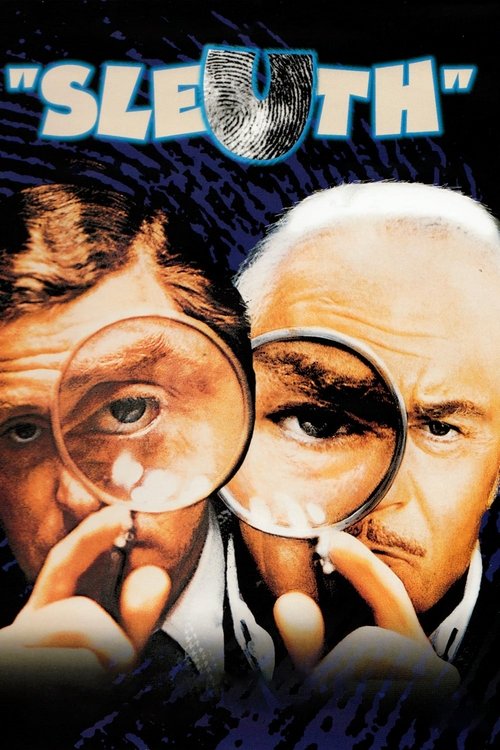
Films That Nail the Puzzle
Cinema that puts deduction at the center

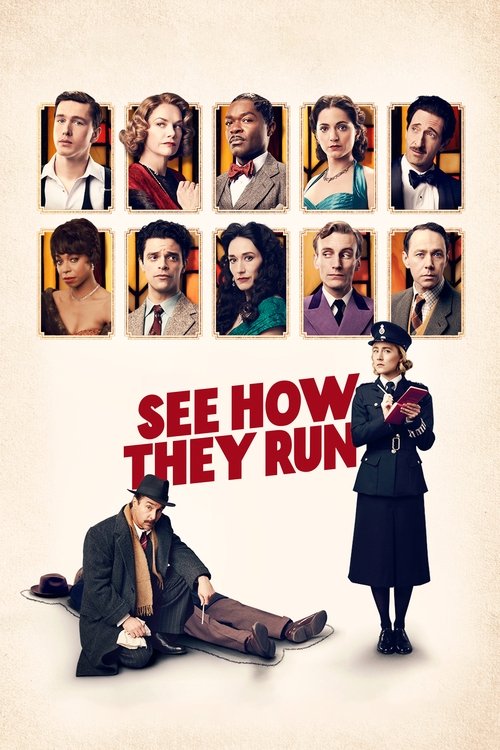
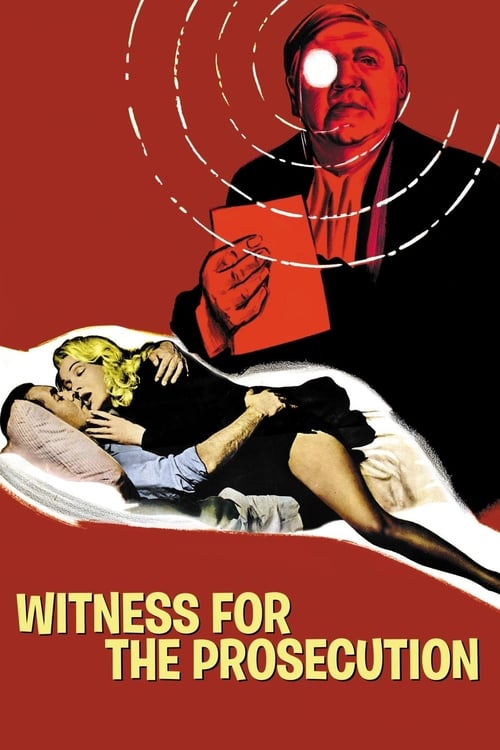
Series Worth Watching One More Episode Of
Television that keeps you guessing
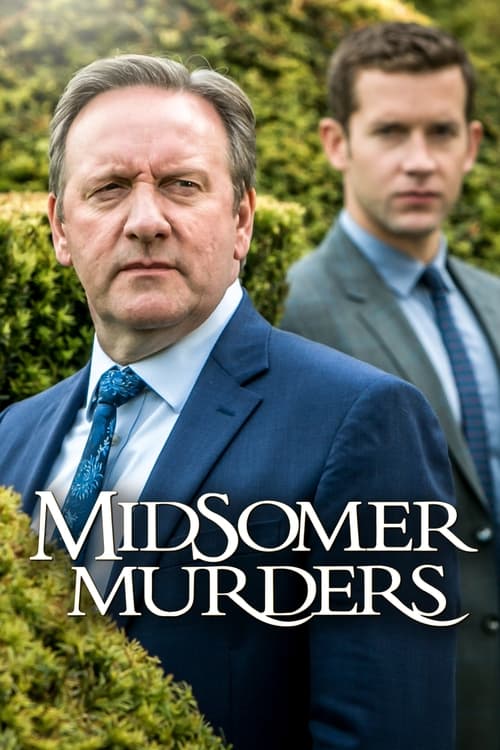


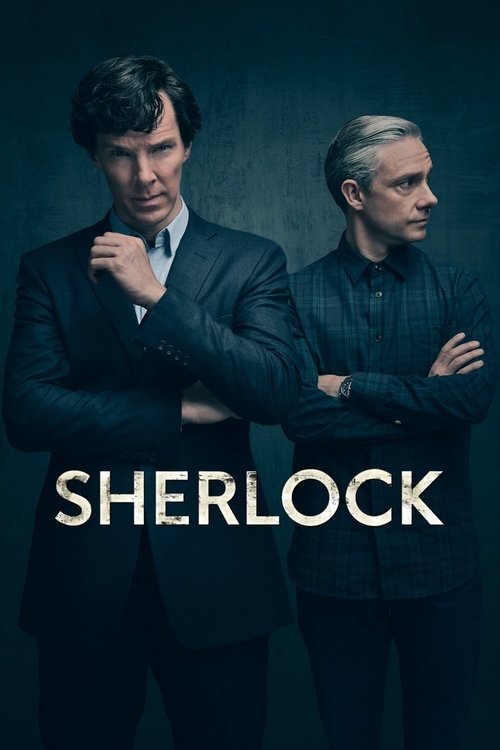


Mystery Novels Beyond Christie
Books that reward the patient, suspicious reader




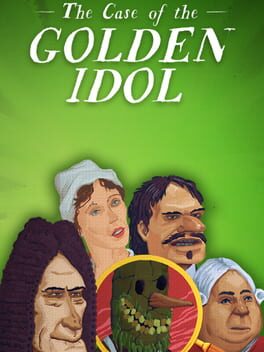
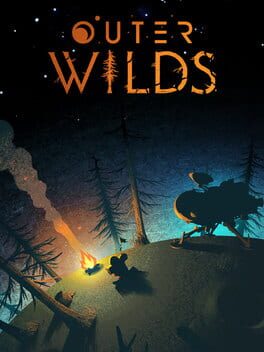
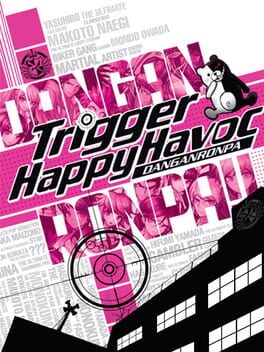
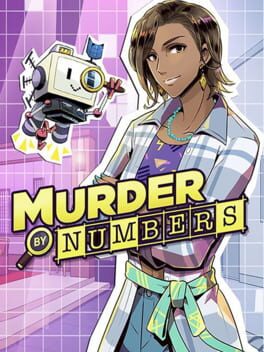
Games Where You Do the Detecting
Interactive mysteries that put you in the investigator's seat


The Fair-Play Contract
The best murder mysteries honor an unspoken contract with the reader or player: every clue needed to solve the puzzle is present before the solution arrives. Agatha Christie understood this better than anyone. Her reveals feel like magic tricks that, on second viewing, are obviously mechanical. The fair-play tradition is what separates the genre's golden-age giants from lesser imitators: the game must be winnable, even if vanishingly few players win it.
The Detective as Social Mirror
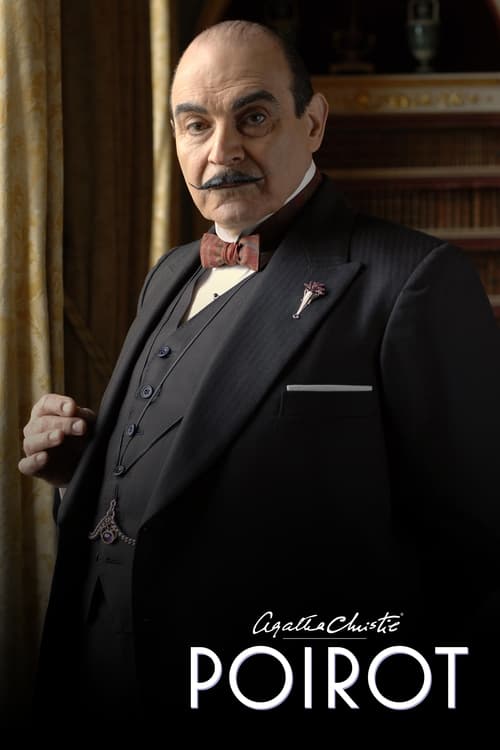
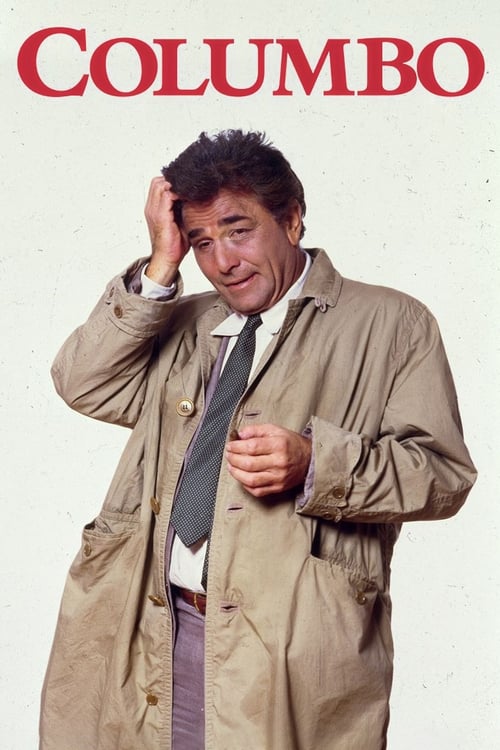
Hercule Poirot. Jessica Fletcher. Columbo. The detective figure in murder mystery almost always carries some kind of social outsider status: the fastidious Belgian in English society, the retired teacher taken unseriously by police, the rumpled lieutenant underestimated by the wealthy. This is not accidental. The detective has to stand apart from the social world in order to read it clearly. The murder mystery is, at root, a genre about power, class, and who gets away with what.
When the Genre Folds in on Itself
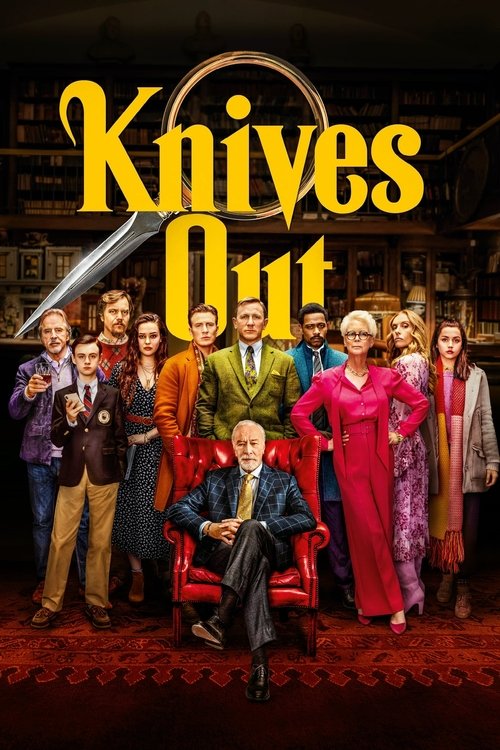
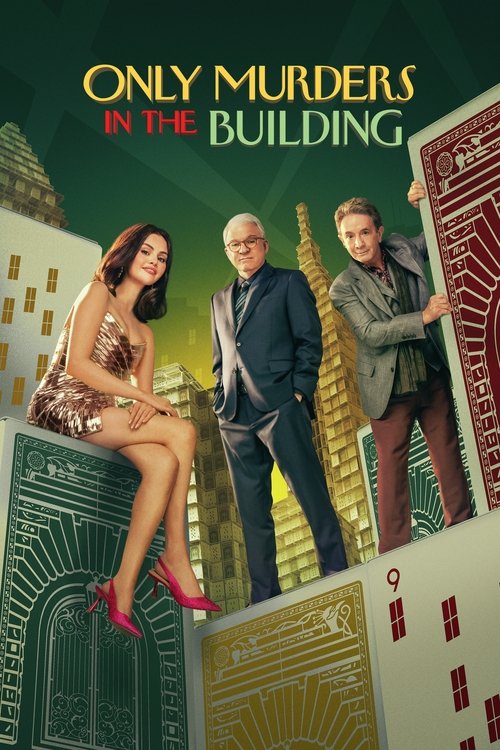
The most interesting murder mysteries of the last decade know exactly what they are and use that self-awareness as a weapon. Knives Out begins by telling you who the killer is, then asks why you should still be watching. Only Murders in the Building makes podcasting and true crime obsession part of the plot machinery. Magpie Murders nests one mystery inside another. These works treat genre fluency as an asset, not a handicap, and reward audiences who have seen enough mysteries to notice what the new one is doing differently.
Games Got There Too
Interactive murder mystery arrived late to the genre but made up for it immediately. Return of the Obra Dinn asks you to identify the fates of sixty people from fragmented glimpses, using strict deductive logic with no hand-holding. Disco Elysium turns the detective's internal monologue into a full skill tree. Her Story fragments a police interview into searchable clips and trusts you to reconstruct the truth from search terms alone. These games do something novels and films cannot: they withhold the solution until you earn it.
A Century of Suspects
- 1920The Mysterious Affair at Styles introduces Poirot The Mysterious Affair at Styles
- 1926Christie's most audacious twist changes the rules The Murder of Roger Ackroyd
- 1939Ten strangers, one island, no escape And Then There Were None
- 1944Hitchcock stages a two-actor locked-room thriller Rope
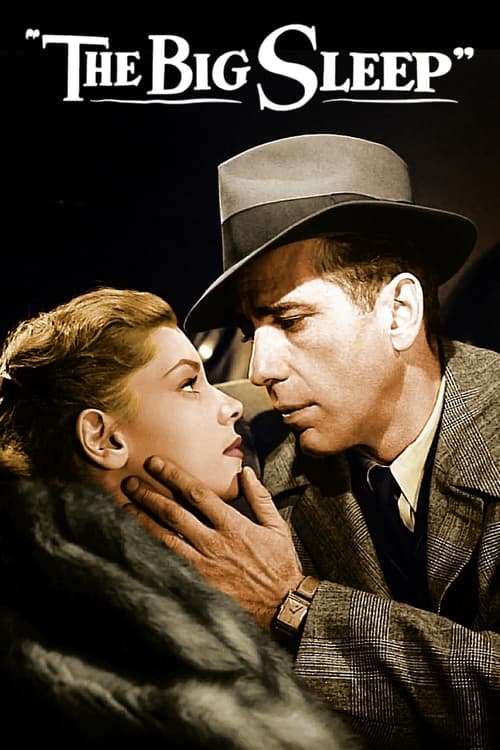
- 1945The hard-boiled school reaches its peak The Big Sleep
- 1968Columbo's first appearance redefines the TV detective Columbo
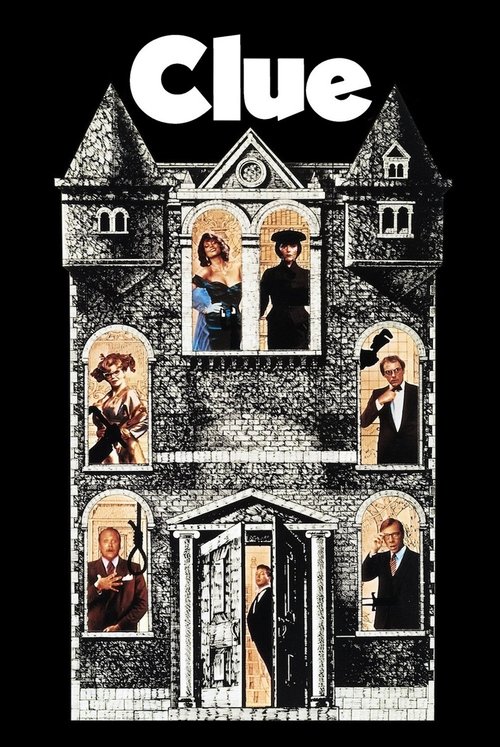
- 1985Clue turns the board game into absurdist cinema Clue
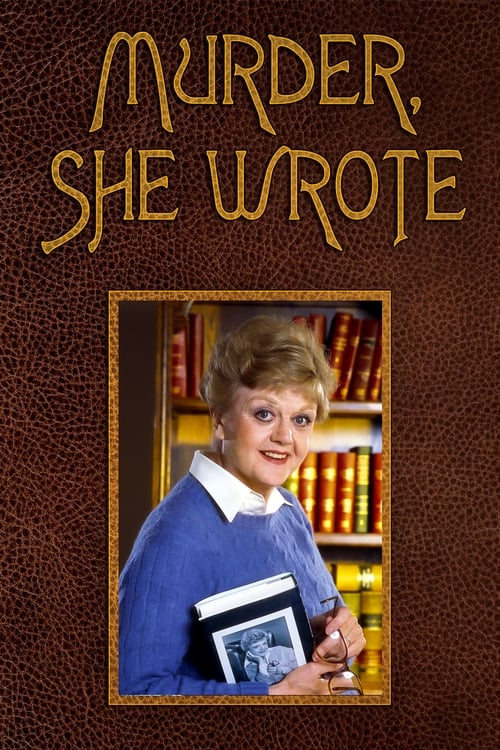
- 1986Murder, She Wrote makes cozy mystery a primetime force Murder, She Wrote
- 1997Midsomer Murders begins its improbable body count Midsomer Murders
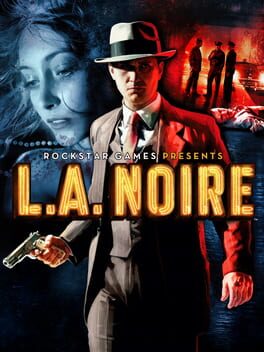
- 2011L.A. Noire brings interrogation mechanics to open-world games L.A. Noire
- 2015Her Story proves a mystery can be a search engine Her Story
- 2018Obra Dinn sets a new standard for deductive game design Return of the Obra Dinn
- 2019Rian Johnson revives the whodunit for a new generation Knives Out
- 2019Disco Elysium makes the detective's mind the playing field
- 2021Only Murders in the Building blends comedy and genuine puzzle Only Murders in the Building
More puzzles, detectives, and suspects
Detective & Mystery
Explore the Detective & Mystery guide →The impossible is always possible. The only question is what has been overlooked.Hercule Poirot (Agatha Christie)