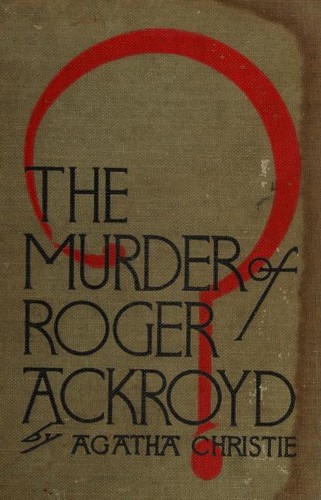

The Queen of Crime and Her Particular Brand of Pleasure
Agatha Christie wrote 66 detective novels and 14 short-story collections across a career spanning five decades, and she sold more books than almost any author who ever lived. But raw numbers miss the point of why people still reach for her. Christie understood something essential: the pleasure of a mystery is not suspense, exactly. It is order. Every one of her novels is a promise that the world is legible, that beneath the chaos of human motive and deceit there is a logic waiting to be decoded by the right mind.
Her two great detectives, the fastidious Belgian Hercule Poirot and the quietly devastating village spinster Miss Jane Marple, work by different methods but share a single conviction: that people are consistent, and that consistency is their undoing. Christie's England is a place of beautiful surfaces and ugly interiors, where the vicar's wife is hiding something and the charming nephew is never quite what he seems. The settings are contained (a country house, a train, a Nile steamer, a snowbound village) and the casts are deliberately manageable, because Christie is playing a game with the reader and the game has rules.
Those rules are what distinguish her from mere thriller-writing. She is architectural. She plants her clues in plain sight, relies on psychology over forensics, and has an almost musical instinct for pacing: when to give the reader a false floor, when to give them a staircase, when to pull out everything and show you the room you were standing in all along. The sensation of a Christie ending done right is unique in fiction: embarrassment that you missed it, admiration that she hid it, and the immediate desire to go back and read the whole thing again with knowing eyes.
Essential Agatha Christie
Where to start, where to go deep, and the ones that reward rereading


If You Love the Closed-Room Setup
Isolated locations, finite suspects, the elegant pressure cooker

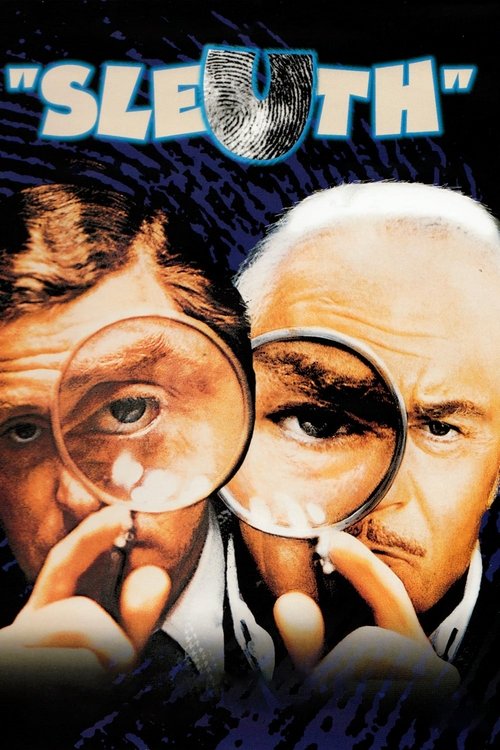
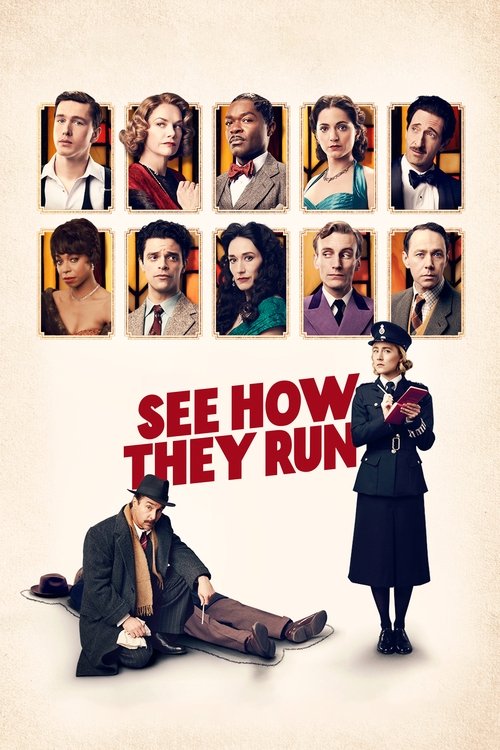



If You Love the Architecture of the Plot
Writers who plant every clue in plain sight and trust you to miss them


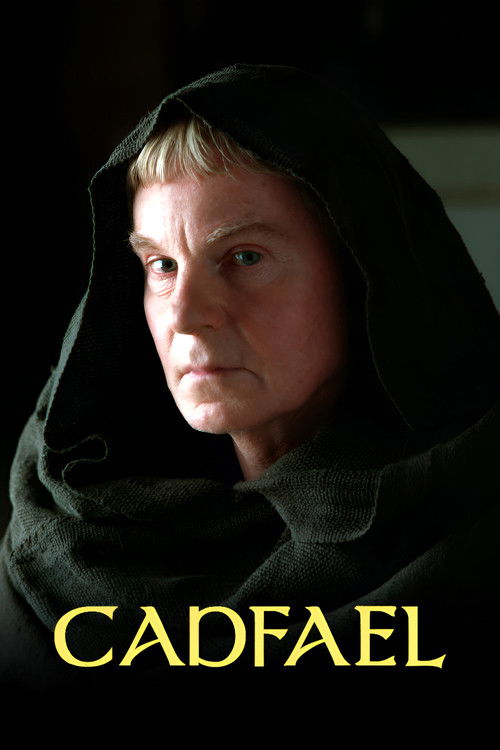
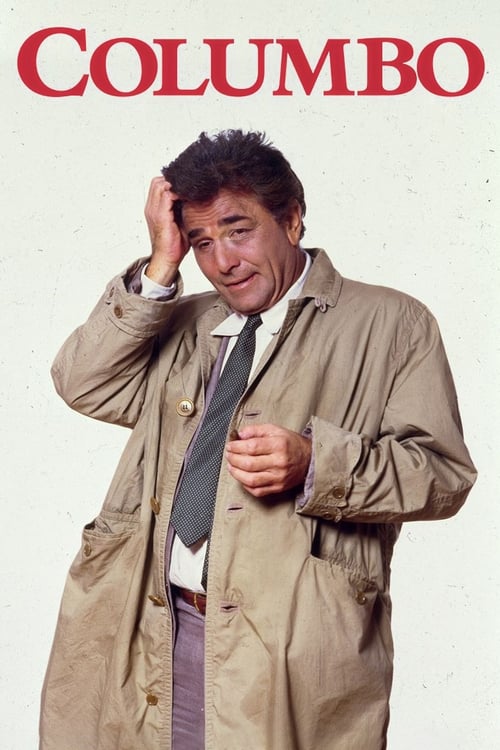
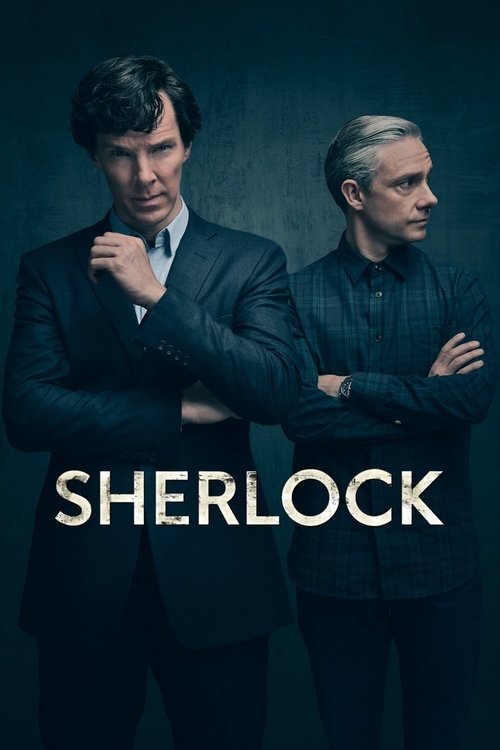

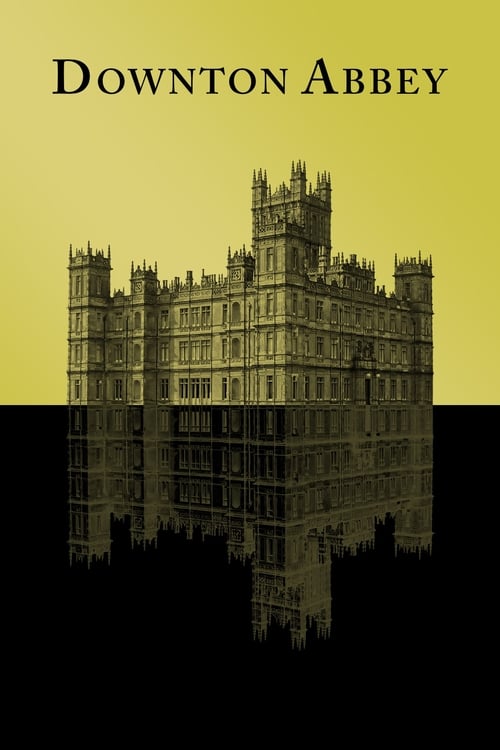
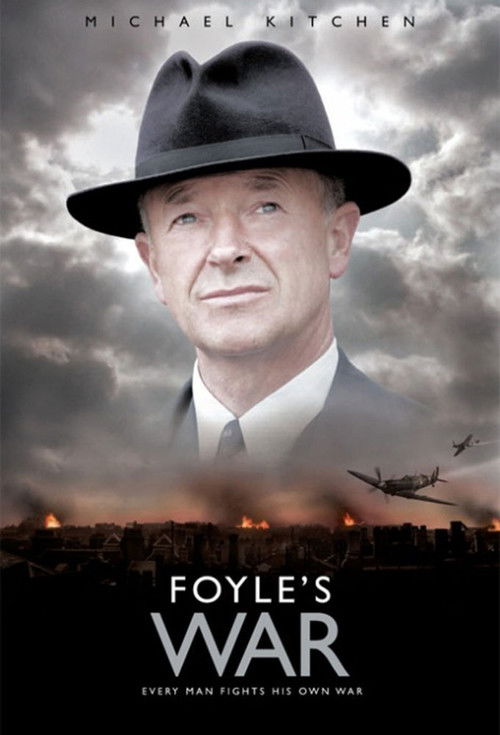
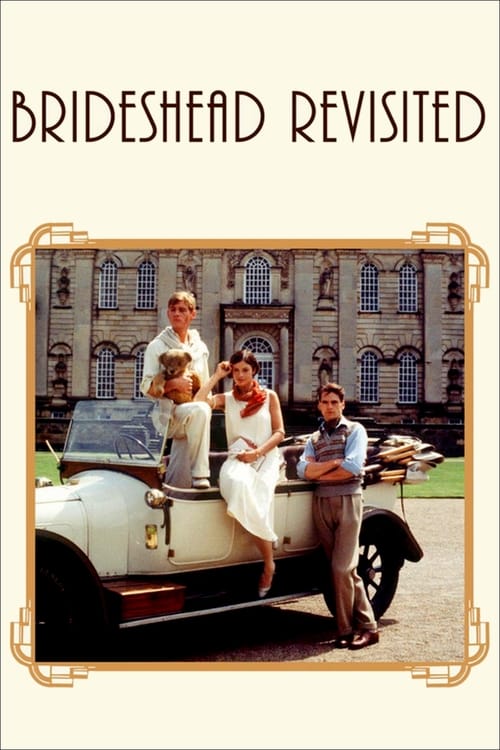
If You Love the English Country House World
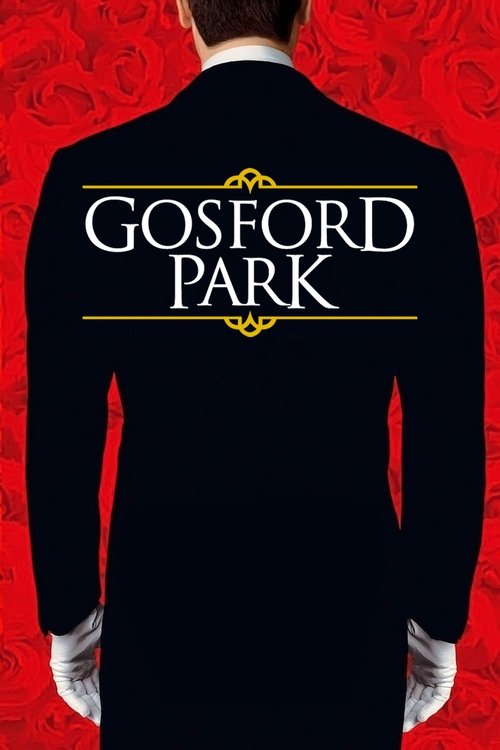
Class anxiety, old money, hidden histories, and manners as armour


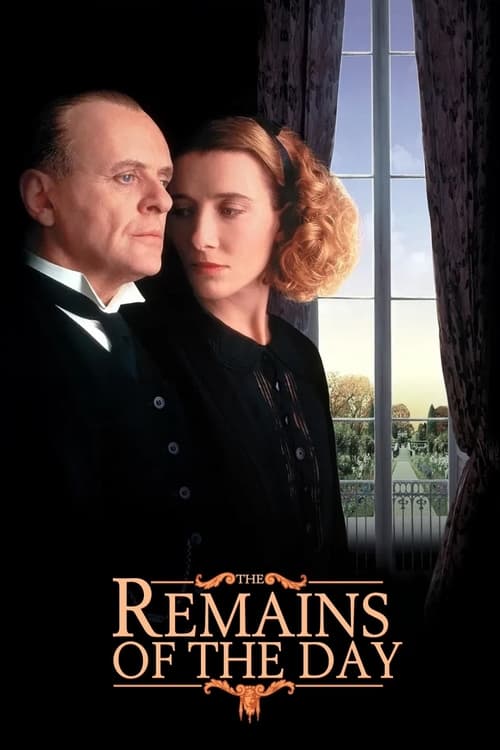
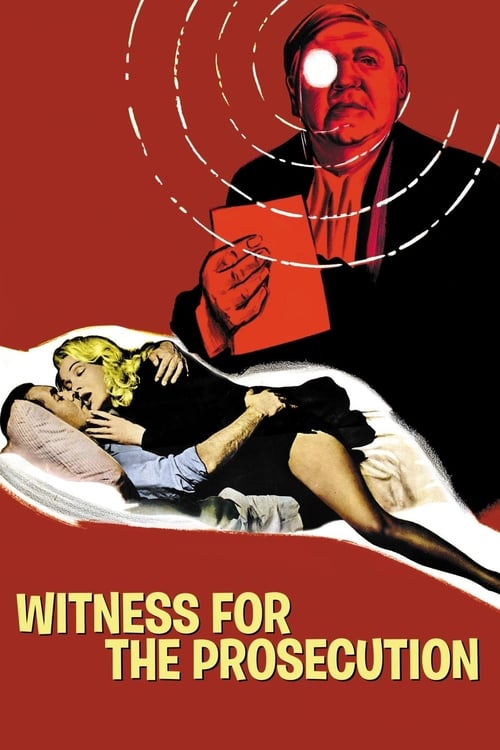
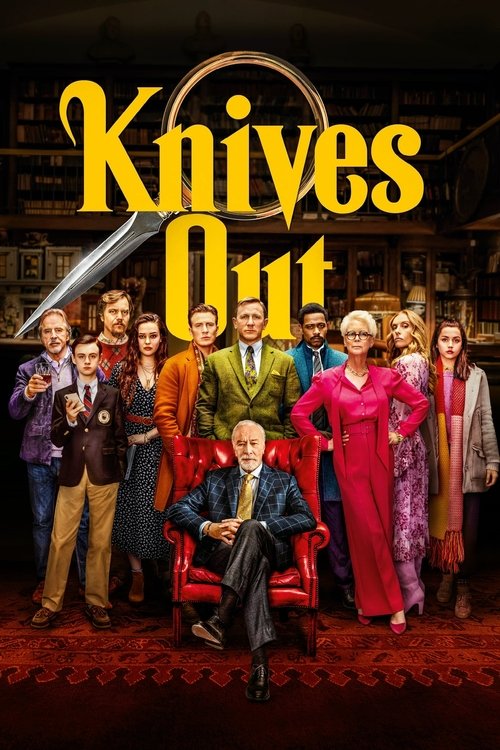
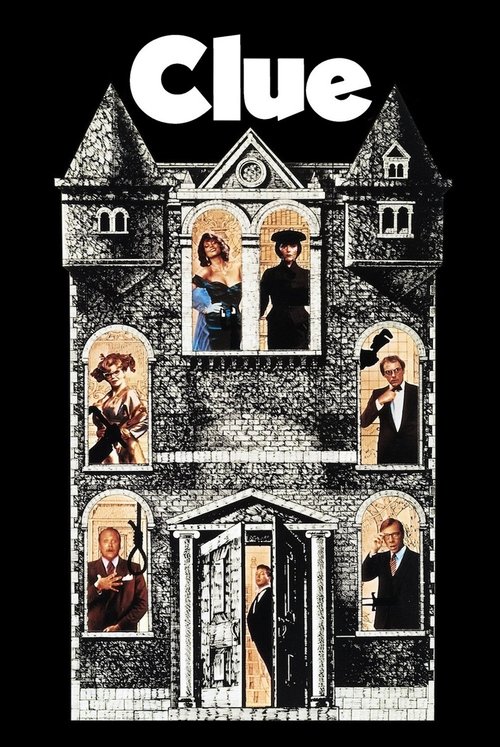
The impossible crime, the confined space, the cast of plausible suspects, the reveal that reframes everything: Christie did not invent these conventions. She simply perfected them to a degree that made everyone who followed her look like they were working in her genre.CrossBinge editors
If You Love the Unreliable Narrator and the Rug Pull
Stories where the ground shifts under your feet


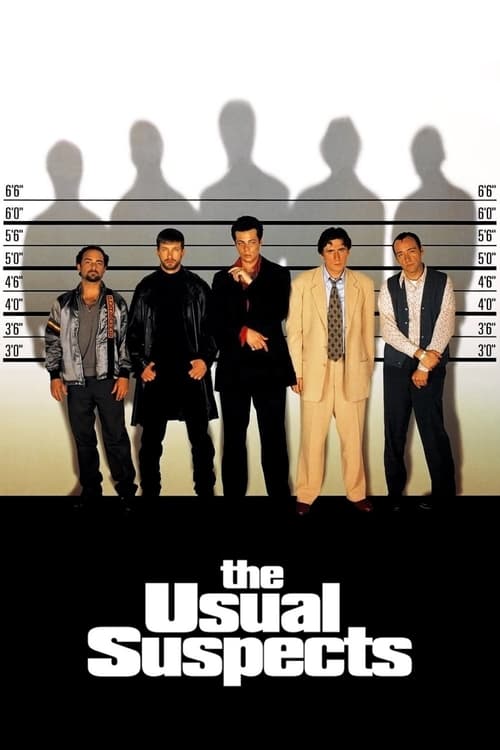
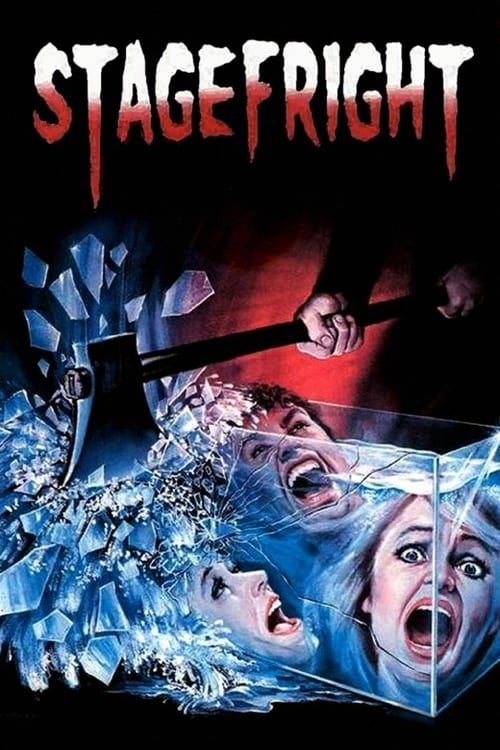
The Spiritual Successor Is a Rian Johnson Film, Not a Cozy Novel
Rian Johnson's Knives Out and Glass Onion are the most faithful transmission of Christie's actual values to screen in decades, and they do it by refusing nostalgia. Johnson takes the same architecture (sealed location, ensemble suspects, one brilliant outsider detective, a hidden logic that only clicks into place at the end) and sets it in the contemporary world without softening anything. He even borrows her habit of telling you what happened early and then showing you that you were wrong about what you thought you knew. These films are not homage. They are proof the machine still runs.
A Career in Milestones
- 1920First Poirot novel published
- 1930Miss Marple debuts The Murder at the Vicarage
- 1934The Orient Express
- 1939The island masterpiece
- 1952The Mousetrap opens in London's West End, runs to this day
- 1962The psychological peak
- 1975Poirot's final case, written decades earlier Curtains
Miss Marple Is the More Radical Creation
Poirot gets the films, the prestige adaptations, the name recognition. But Miss Marple is the stranger and more subversive invention: a woman society has already dismissed, who uses precisely that invisibility as her method. She solves crimes not through forensic genius but through the deep, unsentimental knowledge that people everywhere behave the same way, that human nature is finite and predictable, and that a village is a complete model of the world. Christie was making an argument about whose intelligence gets taken seriously, and she was making it by winning.